
Lung Transplant Treatment in Pune for Nigeria
Need Personalized Advice?
Our medical experts are ready to answer your questions and guide you through your treatment options.
About
Lung Transplant in Pune for Nigerian Patients | Costs
Nigerian patients facing severe lung conditions often grapple with the complexity and advanced care needed for a lung transplant. The decision to seek this life-changing procedure abroad comes with many questions and uncertainties. Finding reliable, high-quality medical options is a paramount concern.
Pune has emerged as a significant destination for international medical care, particularly for complex surgeries. Patients increasingly consider Pune due to its well-structured medical environment and the coordinated approach to patient care. This city provides a focused setting for advanced treatments.
The medical community in Pune maintains a strong reputation, especially for intricate procedures like lung transplants. Hospitals here house dedicated specialist teams and advanced facilities, offering comprehensive care. International patients experience streamlined processes, including follow-ups within the city.
Is Pune the right choice for your lung transplant journey?
What is a Lung Transplant?
A lung transplant is a surgical procedure to replace a diseased or damaged lung with a healthy lung from a deceased donor. In rare cases, a living donor may provide a lobe of their lung. This treatment is reserved for individuals with end-stage lung disease when all other medical therapies have failed. Its primary goal is to improve lung function, enhance quality of life, and extend life expectancy for patients suffering from chronic respiratory failure.
Types of Lung Transplants
Several approaches exist for lung transplantation, tailored to the patient’s specific condition and needs:
- Single Lung Transplant: Replacement of one diseased lung. This is often suitable for conditions affecting primarily one lung.
- Double Lung Transplant: Replacement of both diseased lungs. This is frequently performed for diseases that affect both lungs significantly.
- Heart-Lung Transplant: In very specific cases, when both the heart and lungs are severely diseased, a combined transplant may be necessary.
- Living-Donor Lobar Lung Transplant: Two living donors each donate a lobe of their lung, which together replace the recipient's diseased lungs. This is less common but can be an option in critical situations.
When is a Lung Transplant Required?
- Severe Chronic Obstructive Pulmonary Disease (COPD) or Emphysema
- Idiopathic Pulmonary Fibrosis (IPF) and other interstitial lung diseases
- Cystic Fibrosis, leading to severe lung damage
- Pulmonary Hypertension, specifically when severe and unresponsive to other treatments
- Bronchiectasis, causing extensive lung destruction
- Alpha-1 Antitrypsin Deficiency, resulting in emphysema
- Certain other end-stage lung diseases not manageable by conventional therapies
Pre-Treatment Evaluation for Lung Transplant
- Detailed medical history review and comprehensive physical examination.
- Extensive blood tests including blood group, tissue typing, and organ function assessments.
- High-resolution CT scans and other advanced imaging of the chest.
- Thorough pulmonary function tests to gauge lung capacity and performance.
- Cardiac evaluation, including echocardiogram and cardiac catheterization, to assess heart health.
- Nutritional assessment and psychological evaluation to ensure readiness for the procedure and recovery.
- Screening for infections and cancers to ensure the patient is a suitable candidate.
How the Lung Transplant is Performed
The precise procedure for a lung transplant is carefully planned based on the patient's specific condition, the type of transplant, and donor availability.
Pre-Surgery Phase: Once a suitable donor lung becomes available, the patient is admitted to the hospital. A team of specialists ensures the patient is prepared for surgery and that the donor organ is viable.
Surgical Procedure: The patient undergoes general anesthesia. An incision is made in the chest to access the lungs. For a single lung transplant, the diseased lung is carefully removed, and the new donor lung is connected to the airway and blood vessels. For a double lung transplant, this process is repeated for both lungs, often one at a time. The surgical team meticulously connects all necessary structures to ensure proper function.
Post-Surgery Care: Following the transplant, the patient is moved to the intensive care unit (ICU) for close monitoring. This immediate recovery period involves breathing support, pain management, and the initiation of immunosuppressive medications to prevent organ rejection.
Recovery Process After Lung Transplant
Recovery from a lung transplant is a gradual and intensive process. Patients typically spend several weeks in the hospital, beginning with a stay in the ICU, followed by a move to a regular ward. The initial focus is on stabilizing vital signs, managing pain, and starting physical therapy to regain strength. Long-term recovery involves a strict regimen of immunosuppressant medications to prevent rejection, comprehensive pulmonary rehabilitation, and close medical follow-ups. Lifestyle adjustments are crucial, including avoiding infections and adhering to a healthy diet. The healing time and return to normal activities vary significantly for each individual.
Risks and Success Rates of Lung Transplant
- Organ Rejection: The body's immune system may recognize the new lung as foreign and try to attack it, requiring lifelong immunosuppressive drugs.
- Infections: Due to immunosuppression, patients are at a higher risk for various infections, including bacterial, viral, and fungal.
- Bleeding: As with any major surgery, there is a risk of significant bleeding during or after the procedure.
- Airway Complications: Issues with the surgical connection of the new lung's airway can sometimes occur.
- Side Effects of Medications: Immunosuppressants can have various side effects, including kidney problems, high blood pressure, and diabetes.
Lung transplant success rates have steadily improved over the years due to advancements in surgical techniques and post-operative care. While outcomes vary based on the patient's overall health, the underlying lung disease, and adherence to post-transplant care, the average one-year survival rate typically ranges from 80% to 85%. Five-year survival rates are generally between 50% and 60%. Long-term expectations focus on improved lung function, enhanced quality of life, and sustained independence, though lifelong medical follow-up is essential.
Ready to Explore Lung Transplant Options?
Connect with Pune's leading specialists to understand if a lung transplant is right for you. Get personalized advice and care plans.
Contact Us for a Free Consultation
Cost of Lung Transplant in Pune
The cost of a lung transplant in Pune can vary significantly depending on several factors. These include the specific hospital chosen, the experience of the surgical team, the complexity of the patient's condition, the type of transplant performed (single or double lung), duration of hospital stay, and any required pre- or post-operative complications. The choice of donor type, whether deceased or living, also influences the total cost.
A lung transplant in Pune can typically range from INR 25,00,000 to INR 45,00,000. This estimate generally covers the surgery, hospital stay, and initial post-operative care but may not include all rehabilitation or long-term medication costs.
Pune vs. Global Lung Transplant Costs
Pune offers a highly competitive option for lung transplants when compared to many other international medical centers, without compromising on quality or advanced care.
| Location | Estimated Cost (USD) |
|---|---|
| Pune, India | $30,000 - $55,000 |
| United States | $800,000 - $1,200,000 |
| United Kingdom | $150,000 - $250,000 |
| Turkey | $70,000 - $120,000 |
| Singapore | $200,000 - $350,000 |
Support Services for Your Treatment Journey
- Personalized assistance with medical visa applications and extensions.
- Coordination of hospital appointments, consultations, and diagnostic tests.
- Arrangements for airport transfers and comfortable local accommodation.
- Access to interpreters for seamless communication between patients and medical staff.
- Guidance on local transportation and essential amenities within Pune.
- Dedicated patient relations manager for continuous support throughout your stay.
Key Documents for Your Medical Visit
- Valid passport and medical visa for entry into India.
- Comprehensive medical reports, test results, and imaging studies (e.g., CT scans, X-rays) related to your lung condition.
- Referral letter from your local doctor detailing the need for a lung transplant.
- Any previous treatment records, medication history, and allergy information.
- Proof of financial solvency to cover medical expenses and living costs.
- Contact details for your emergency contacts back home.
Preparing for Your Procedure
- Follow all pre-operative dietary and medication instructions from your Pune medical team.
- Ensure all necessary documents and travel arrangements are confirmed before departure.
- Pack comfortable clothing suitable for a hospital stay and recovery.
- Arrange for a companion to accompany you, as support is vital during this complex journey.
- Familiarize yourself with the hospital environment and local area virtually if possible.
- Maintain open communication with your medical coordinator for any last-minute guidance.
Healing and Support After Treatment
- Adhere strictly to the prescribed immunosuppressant medication regimen to prevent organ rejection.
- Participate actively in all recommended pulmonary rehabilitation sessions.
- Attend all scheduled follow-up appointments with your transplant team in Pune.
- Monitor for any signs of infection or rejection and report them immediately to your doctors.
- Maintain a healthy lifestyle, including a balanced diet and avoidance of smoking or alcohol.
- Ensure a clean and hygienic environment to minimize infection risks during recovery.
Take the Next Step Towards Better Lung Health
Pune's medical expertise offers a pathway to renewed health. Let us guide you through every stage of your lung transplant journey.
Request Your Personalized Treatment Plan
Begin Your Path to Recovery
Choosing to pursue a lung transplant is a monumental decision. In Pune, you can find the advanced medical care and supportive environment needed for this life-changing procedure.
Hospitals Offering this treatment
India offers premium medical procedures at affordable prices. Discover our most popular treatments, delivered by the country's finest doctors.
Meet Our Doctors
Meet our team of highly qualified and experienced medical professionals dedicated to providing the best healthcare services.

Dr. Ajit Singh Baghela
Consultant
Paediatric Neurology
Haryana
9+ Years
Experience
Artemis Hospital
Hospital
1500
Fees

Dr Shweta Bansal
Unit Head & Sr. Consultant - Respiratory Disease & Sleep Medicine (Unit II)
Pulmonology (Chest & Lungs)
New Delhi
13+ Years
Experience
Artemis Hospital
Hospital
1500
Fees

Dr. Kanika Singh
Director & Chief of Service - Respiratory, Critical Care & Sleep Medicine
Pulmonology
New Delhi
12+ Years
Experience
Artemis Hospital
Hospital
1500
Fees
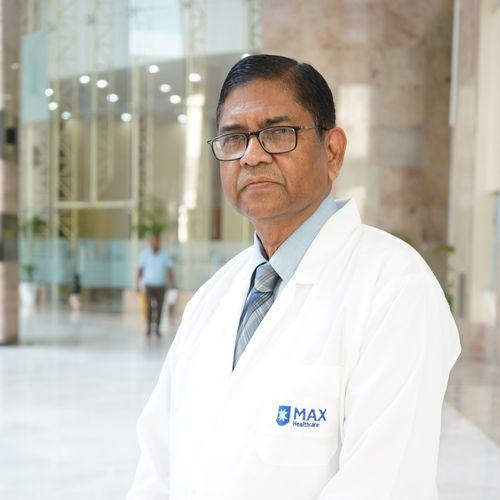
Dr. Nakul Sinha
Chairman - Cardiology
Cardiology
New Delhi
41+ Years
Experience
Max Hospital,Gurgaon
Hospital
1500
Fees
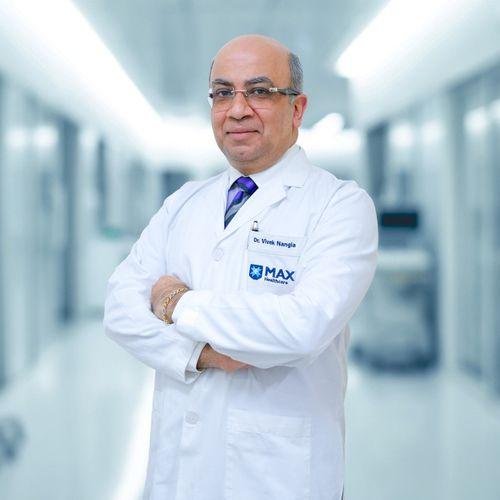
Dr. Vivek Nangia
Vice Chairman & Head, Pulmonology
Pulmonology
New Delhi
29+ Years
Experience
Max Hospital,Gurgaon
Hospital
1500
Fees

Dr. Rajeev Rathi
Director - Pulmonology
Pulmonology
New Delhi
34+ Years
Experience
Apolo Delhi
Hospital
1500
Fees
Related Links
Other Treatment related Information
- Lung Transplant cost in Mumbai
- Lung Transplant cost in Bengaluru
- Lung Transplant cost in Chennai
- Lung Transplant cost in India
- Lung Transplant cost in Pune
- Lung Transplant cost in New Delhi
- Lung Transplant cost in Hyderabad
- Lung Transplant cost in Haryana
- Lung Transplant Success Rate in Pune
- Lung Transplant Success Rate in Bengaluru
- Lung Transplant Success Rate in New Delhi
- Lung Transplant Success Rate in India
- Lung Transplant Success Rate in Mumbai
- Lung Transplant Success Rate in Hyderabad
- Lung Transplant Success Rate in Haryana
- Lung Transplant Success Rate in Chennai
- Best Lung Transplant Doctors in Chennai
- Best Lung Transplant Doctors in India
- Best Lung Transplant Doctors in Hyderabad
- Best Lung Transplant Doctors in Mumbai
Ready To Start Your Healing Journey?
Get Personalized Medical Treatment Options From India's Top Hospitals. Our Medical Experts Are Ready To Assist You Every Step Of The Way.