
Lung Transplant Treatment in Pune for Iraq
Need Personalized Advice?
Our medical experts are ready to answer your questions and guide you through your treatment options.
About
Lung Transplant in Pune for Iraq Patients | Cost, Hospitals
Patients from Iraq facing severe lung conditions often grapple with the daunting prospect of a lung transplant. The journey involves many uncertainties, from finding suitable medical expertise to understanding the complex procedures and recovery, all while navigating personal concerns.
When exploring options outside their home country, many patients narrow their search to Pune. This city offers a supportive care environment and well-coordinated medical teams specializing in advanced respiratory treatments, drawing individuals seeking high-quality, accessible healthcare solutions.
Pune’s hospitals are recognized for their experienced specialists and comprehensive medical infrastructure, particularly in transplant services. This focus ensures continuity of care, from initial evaluation through post-transplant follow-ups, within the city's established healthcare network.
Is Pune the right city for your lung transplant journey?
What is a Lung Transplant?
A lung transplant is a complex surgical procedure performed to replace diseased or failing lungs with healthy lungs from a deceased organ donor. This life-saving intervention is considered for individuals with end-stage lung disease when all other medical treatments have failed and life expectancy is significantly limited. The goal is to improve lung function, enhance quality of life, and prolong survival for patients who qualify.
What Are the Different Types of Lung Transplants?
Single Lung Transplant: This procedure involves replacing one diseased lung with a healthy donor lung. It is often preferred for conditions like pulmonary fibrosis or chronic obstructive pulmonary disease (COPD) in older patients.
Double Lung Transplant: Also known as bilateral lung transplant, this involves replacing both diseased lungs with two healthy donor lungs. It is commonly performed for conditions such as cystic fibrosis, bronchiectasis, and primary pulmonary hypertension.
Heart Lung Transplant: In rare cases, for patients with severe heart and lung failure, both organs may be replaced simultaneously. This is a highly complex procedure reserved for specific medical indications.
Lobar Lung Transplant: This is a less common type where a lobe (section) of a lung is transplanted, often from a living donor. It is typically considered for pediatric patients or in specific situations where a whole donor lung is not available.
When Is This Treatment Required?
- Severe Chronic Obstructive Pulmonary Disease (COPD) or Emphysema
- Cystic Fibrosis leading to irreversible lung damage
- Idiopathic Pulmonary Fibrosis and other interstitial lung diseases
- Pulmonary Hypertension unresponsive to medical therapy
- Bronchiectasis with severe, recurrent infections
- Alpha-1 Antitrypsin Deficiency emphysema
- Certain congenital lung diseases or irreversible lung damage from infections
What Pre-Treatment Evaluations are Necessary?
- Comprehensive pulmonary function tests to assess lung capacity and airflow.
- Cardiac evaluation, including echocardiogram and cardiac catheterization, to check heart health.
- Blood tests for blood type, tissue matching, and infection screening.
- High-resolution CT scan of the chest to detail lung structure and disease severity.
- Nutritional assessment and evaluation for general physical fitness.
- Psychological assessment to ensure emotional readiness for the transplant process.
- Screening for other organ dysfunction and potential contraindications to surgery.
How is a Lung Transplant Performed?
The lung transplant procedure is carefully planned and depends on the patient's specific condition and the type of transplant required.
Candidate Evaluation and Listing
Once a patient is deemed a suitable candidate, they are placed on a national waiting list. This involves extensive medical, psychological, and social evaluations to ensure the patient can tolerate the surgery and adhere to post-transplant care.
Donor Matching
When a suitable donor lung becomes available, it is matched based on blood type, lung size, and overall health. The process from donor availability to surgery is very time-sensitive.
The Surgical Procedure
During the surgery, the patient is placed under general anesthesia. An incision is made in the chest, and the diseased lung or lungs are removed. The new donor lung(s) are then carefully connected to the patient's airways and blood vessels. For a double lung transplant, this is often done one lung at a time.
Immediate Post-Surgery Care
Following the transplant, patients are moved to an intensive care unit (ICU) for close monitoring. They will be on a ventilator to assist breathing and will receive medications to prevent organ rejection. Early mobilization and rehabilitation are crucial during this phase.
What Does the Recovery Process Involve?
Recovery from a lung transplant is a long-term journey that requires significant commitment. Patients typically spend several weeks in the hospital, progressing from the ICU to a transplant recovery ward. Physical therapy and pulmonary rehabilitation begin early to restore strength and lung function. Lifelong immunosuppressant medications are essential to prevent rejection, and regular follow-up appointments, including lung function tests and biopsies, are critical. Patients must also adhere to strict hygiene and lifestyle guidelines to minimize infection risks and promote long-term graft survival.
What are the Risks and Success Rates?
- Infection: The body's immune system is suppressed, making infections a significant concern.
- Organ Rejection: The immune system may recognize the new lung as foreign and attack it.
- Airway Complications: Issues with the connection of the new lung's airway can occur.
- Graft Dysfunction: The new lung may not function optimally immediately after surgery.
- Side Effects from Immunosuppressants: Medications can cause kidney problems, diabetes, or increased cancer risk.
- Vascular Complications: Bleeding or blood clots at the surgical site.
The success rates for lung transplants have significantly improved over the years. Outcomes vary based on factors like the patient's age, underlying disease, overall health, and adherence to post-transplant care. While some patients experience excellent long-term results, others may face complications. Long-term expectations include improved breathing, activity levels, and a significantly extended life expectancy compared to their pre-transplant prognosis.
What is the Cost of a Lung Transplant in Pune?
The cost of a lung transplant in Pune can vary based on several critical factors. These include the reputation and facilities of the chosen hospital, the experience and fees of the transplant surgeons and medical team, the specific type of lung transplant performed (single or double), the duration of hospital stay, and any complications that may arise requiring extended care or additional treatments. Pre-transplant evaluations and post-operative medications, particularly lifelong immunosuppressants, also contribute significantly to the overall expense.
A lung transplant in Pune typically ranges from INR 25,00,000 to INR 45,00,000.
Pune Lung Transplant Costs Compared to Global Averages
Patients from Iraq often find Pune to be a highly cost-effective option for lung transplants without compromising on medical quality. The table below illustrates how Pune's costs compare to those in other developed countries.
| Location | Estimated Cost (USD) |
|---|---|
| Pune, India | $30,000 - $55,000 |
| United States | $800,000 - $1,200,000 |
| United Kingdom | $250,000 - $400,000 |
| Germany | $200,000 - $350,000 |
| Singapore | $180,000 - $300,000 |
Ready to Explore Lung Transplant Options?
Connect with our expert team today to get personalized information, cost estimates, and assistance with your medical journey in Pune.
Get a Free Consultation
Comprehensive Support for Your Treatment Journey
- Assistance with medical visa applications and necessary paperwork.
- Coordination of hospital appointments and consultations with specialists.
- Guidance on travel arrangements and local accommodation options in Pune.
- Language interpretation services to ensure clear communication.
- Facilitation of post-treatment follow-up and ongoing care planning.
- Support for family members accompanying the patient during their stay.
What Medical Documents Will You Need?
- Current medical reports, diagnostic scans, and physician referrals.
- Detailed medical history outlining your lung condition and previous treatments.
- Passport and visa documents for international travel.
- Records of any allergies or current medications you are taking.
- Contact information for your primary care physician back in Iraq.
Preparing for Your Lung Transplant
- Cease smoking and avoid exposure to secondhand smoke if applicable.
- Maintain a healthy diet and follow any dietary recommendations.
- Adhere strictly to prescribed medications and medical advice.
- Engage in gentle physical activity as advised by your doctor to improve stamina.
- Ensure all necessary documents and travel arrangements are in order.
- Undergo final health screenings and tests as instructed before travel.
Guidance for Aftercare and Recovery
- Strictly follow the immunosuppressant regimen to prevent organ rejection.
- Attend all scheduled follow-up appointments and diagnostic tests in Pune.
- Adhere to a healthy lifestyle, including diet and exercise, as advised.
- Monitor for any signs of infection or rejection and report them immediately.
- Participate actively in pulmonary rehabilitation programs.
- Stay in regular communication with your transplant team for ongoing support.
Take Your Next Step Toward Better Health
Considering a lung transplant in Pune is a significant decision. We are here to provide the clarity and support you need to make an informed choice and embark on your path to recovery.
Have Questions About Lung Transplant in Pune?
Our patient support team is ready to answer your queries and guide you through every step of planning your treatment journey.
Inquire Now
Hospitals Offering this treatment
India offers premium medical procedures at affordable prices. Discover our most popular treatments, delivered by the country's finest doctors.
Meet Our Doctors
Meet our team of highly qualified and experienced medical professionals dedicated to providing the best healthcare services.

Dr Shweta Bansal
Unit Head & Sr. Consultant - Respiratory Disease & Sleep Medicine (Unit II)
Pulmonology (Chest & Lungs)
New Delhi
13+ Years
Experience
Artemis Hospital
Hospital
1500
Fees

Dr. Kanika Singh
Director & Chief of Service - Respiratory, Critical Care & Sleep Medicine
Pulmonology
New Delhi
12+ Years
Experience
Artemis Hospital
Hospital
1500
Fees
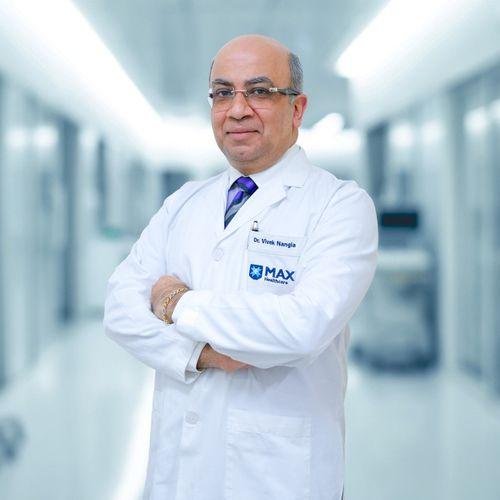
Dr. Vivek Nangia
Vice Chairman & Head, Pulmonology
Pulmonology
New Delhi
29+ Years
Experience
Max Hospital,Gurgaon
Hospital
1500
Fees

Dr. Rajeev Rathi
Director - Pulmonology
Pulmonology
New Delhi
34+ Years
Experience
Apolo Delhi
Hospital
1500
Fees
Related Links
Other Treatment related Information
- Lung Transplant cost in Mumbai
- Lung Transplant cost in Bengaluru
- Lung Transplant cost in Chennai
- Lung Transplant cost in India
- Lung Transplant cost in Pune
- Lung Transplant cost in New Delhi
- Lung Transplant cost in Hyderabad
- Lung Transplant cost in Haryana
- Lung Transplant Success Rate in Pune
- Lung Transplant Success Rate in Bengaluru
- Lung Transplant Success Rate in New Delhi
- Lung Transplant Success Rate in India
- Lung Transplant Success Rate in Mumbai
- Lung Transplant Success Rate in Hyderabad
- Lung Transplant Success Rate in Haryana
- Lung Transplant Success Rate in Chennai
- Best Lung Transplant Doctors in Chennai
- Best Lung Transplant Doctors in India
- Best Lung Transplant Doctors in Hyderabad
- Best Lung Transplant Doctors in Mumbai
Ready To Start Your Healing Journey?
Get Personalized Medical Treatment Options From India's Top Hospitals. Our Medical Experts Are Ready To Assist You Every Step Of The Way.