
Orthopedics Treatment in Pune for UAE
Need Personalized Advice?
Our medical experts are ready to answer your questions and guide you through your treatment options.
About
Orthopedics in Pune for UAE Patients | Hospitals & Cost
Patients from the UAE often face complex decisions when considering orthopedic treatment abroad. The thought of managing a medical journey in a different country can bring worries about quality, accessibility, and personal comfort. Finding dependable care is a primary concern.
Many individuals choose to explore healthcare options beyond their borders for advanced care or better value. Pune stands out as a preferred destination, offering a supportive environment and well-coordinated medical services for international patients seeking specialized orthopedic care.
Pune's healthcare landscape boasts renowned orthopedic hospitals and highly skilled specialists. Patients benefit from a system designed for comprehensive follow-ups and continuous care, ensuring a smooth recovery process even after returning home.
Is Pune the right choice for your orthopedic treatment journey?
What is Orthopedic Treatment?
Orthopedic treatment focuses on the diagnosis, correction, prevention, and treatment of patients with skeletal deformities, disorders of the bones, joints, muscles, ligaments, tendons, and nerves. It addresses issues affecting the musculoskeletal system, helping restore mobility, reduce pain, and improve overall quality of life. From managing chronic conditions like arthritis to repairing acute injuries such as fractures, orthopedics covers a broad spectrum of care. The goal is to return patients to their optimal functional state.
Types of Orthopedic Procedures
Orthopedic care encompasses various approaches tailored to specific conditions:
- Joint Replacement Surgery: This involves replacing damaged joints, most commonly hips and knees, with artificial prostheses to relieve pain and restore function due to arthritis or severe injury.
- Arthroscopy: A minimally invasive surgical procedure that uses a small camera to examine or repair damage inside a joint, often used for knees, shoulders, and hips.
- Spine Surgery: Procedures addressing conditions like herniated discs, spinal stenosis, and scoliosis, aiming to stabilize the spine and relieve nerve pressure.
- Fracture Management: Treatment for broken bones, ranging from casting and splinting to surgical fixation with plates, screws, or rods for complex fractures.
- Sports Medicine: Focuses on treating injuries sustained during sports activities, including ligament tears, tendon ruptures, and cartilage damage, often with an emphasis on rapid recovery.
- Pediatric Orthopedics: Specializes in musculoskeletal conditions affecting children, from congenital deformities to growth plate injuries.
When is Orthopedic Care Needed?
- Persistent or chronic joint pain that affects daily activities.
- Fractures, dislocations, or sprains resulting from trauma or injury.
- Ligament tears or tendon ruptures, often seen in sports injuries.
- Chronic back pain or neck pain due to disc problems or spinal conditions.
- Degenerative conditions such as osteoarthritis or rheumatoid arthritis.
- Loss of mobility, stiffness, or decreased range of motion in joints.
- Deformities or congenital abnormalities of the limbs or spine.
- Numbness, tingling, or weakness in the limbs caused by nerve compression.
Essential Pre-Treatment Evaluation
- Comprehensive physical examination by an orthopedic specialist.
- Detailed medical history review, including past injuries and conditions.
- Imaging studies such as X-rays, MRI, CT scans, or ultrasound to visualize bones and soft tissues.
- Blood tests to check for infection, inflammation markers, and overall health.
- Electromyography (EMG) or nerve conduction studies for nerve-related issues.
- Cardiovascular assessment to ensure readiness for surgery if required.
- Consultation with an anesthesiologist for surgical candidates.
How Orthopedic Treatment is Performed
The specific orthopedic procedure depends entirely on the patient's condition, diagnosis, and the treatment plan developed by the specialist.
Surgical Procedures:
- Preparation: Patients are prepared with anesthesia, and the surgical site is sterilized.
- Execution: The surgeon performs the necessary repair, reconstruction, or replacement using specialized instruments. This could involve making incisions, removing damaged tissue, inserting implants, or realigning bones.
- Closure: Incisions are closed, and the area is bandaged.
Non-Surgical Options:
- Medication Management: Prescription of pain relievers, anti-inflammatory drugs, or muscle relaxants.
- Physical Therapy: Guided exercises, stretches, and modalities like heat/cold therapy or ultrasound to improve strength, flexibility, and reduce pain.
- Injections: Corticosteroid or hyaluronic acid injections directly into joints for pain relief and lubrication.
- Bracing and Supports: Use of casts, splints, or braces to immobilize or support an injured area during healing.
Rehabilitation:
- Post-procedure, a tailored rehabilitation program is often initiated, combining physical therapy, occupational therapy, and gradual return to activity to maximize recovery.
Considering Orthopedic Treatment?
Connect with our patient care team to understand your treatment options in Pune and receive a personalized plan.
Understanding the Recovery Process
The recovery process following orthopedic treatment varies significantly based on the type of procedure, its complexity, and the individual's overall health. Patients may experience initial pain and swelling, which is managed with medication. Physical therapy is a crucial component, starting gently and gradually progressing to restore strength and mobility. Restrictions on activity, weight-bearing, or specific movements are common during different phases of healing. Regular follow-up appointments with the orthopedic specialist are essential to monitor progress and adjust the recovery plan. Full healing can take weeks to several months, emphasizing adherence to medical advice for the best long-term outcome.
Potential Risks and Expected Success Rates
- Infection at the surgical site or within the joint.
- Blood clots forming in the legs or lungs.
- Nerve damage leading to numbness or weakness.
- Adverse reactions to anesthesia.
- Stiffness or reduced range of motion in the treated area.
- Failure of implants or hardware, requiring revision surgery.
- Ongoing pain or incomplete resolution of symptoms.
The success rates for orthopedic treatments, particularly major procedures like joint replacements, are generally high, often exceeding 90% for pain relief and improved function. However, outcomes can vary based on the patient's age, overall health, adherence to post-operative rehabilitation, and the complexity of the original condition. Long-term expectations usually involve a significant reduction in pain and a return to many daily activities. While no procedure guarantees a perfect result, modern orthopedic advancements offer excellent chances for a better quality of life.
Cost of Orthopedic Treatment in Pune
The cost of orthopedic treatment in Pune is influenced by several factors. These include the specific procedure required, the chosen hospital and its facilities, the experience level of the orthopedic specialist, the type of implants or technology used, and the duration of hospital stay and rehabilitation. Comprehensive packages often cover surgical fees, anesthesia, hospital room charges, and initial physiotherapy.
For general orthopedic procedures, patients can expect costs to range widely, typically from INR 2,00,000 to INR 8,00,000, depending on complexity.
Pune Orthopedic Treatment Costs
Pune offers highly competitive pricing for orthopedic procedures compared to many Western countries, making it an attractive option for international patients seeking quality care at a reduced cost.
| Location | Estimated Orthopedic Treatment Cost (USD) |
|---|---|
| Pune, India | $2,500 - $10,000 |
| USA | $20,000 - $60,000 |
| United Kingdom | $15,000 - $45,000 |
| Singapore | $10,000 - $30,000 |
| Germany | $12,000 - $35,000 |
| Thailand | $5,000 - $18,000 |
How We Support Your Journey in Pune
- Assistance with medical visa applications and extensions.
- Arrangement of suitable accommodation for patients and accompanying family.
- Language interpretation services to ensure clear communication.
- Coordination of airport transfers and local transportation.
- Scheduling of all medical appointments and consultations.
- Personalized patient guidance throughout your stay.
- Support for post-treatment follow-up care arrangements.
Documents You Will Need for Treatment
- Valid passport and medical visa.
- Copies of all previous medical records, diagnostic reports, and doctor's notes.
- Referral letter from your local physician, if available.
- Proof of address and identity.
- A list of all current medications with dosages.
- Emergency contact information.
Preparing for Your Visit to Pune
- Finalize all travel plans, including flights and accommodation in Pune.
- Organize your medical documents and keep them easily accessible.
- Discuss any required medication adjustments with your current doctor.
- Ensure you have adequate funds or insurance coverage for your treatment.
- Inform your family or close contacts about your travel and treatment plans.
- Arrange for a companion to travel with you, especially for surgical procedures.
- Prepare a list of questions for your orthopedic specialist.
Your Care After Orthopedic Treatment
- Adhere strictly to all prescribed medications and their schedules.
- Attend all scheduled follow-up appointments and physiotherapy sessions.
- Follow the specific instructions for wound care to prevent infection.
- Avoid strenuous activities or movements restricted by your surgeon.
- Maintain a healthy diet and stay hydrated to aid healing.
- Monitor for any signs of complications and report them immediately.
- Plan for adequate rest and gradually increase your activity levels as advised.
Ready to Take the Next Step?
Reach out today for a confidential discussion about your orthopedic treatment options in Pune and receive expert guidance.
Ready to Explore Your Options?
Embarking on an orthopedic treatment journey requires careful consideration. In Pune, you can find a combination of expert medical care, advanced facilities, and cost-effectiveness designed to support your path to recovery.
Hospitals Offering this treatment
India offers premium medical procedures at affordable prices. Discover our most popular treatments, delivered by the country's finest doctors.
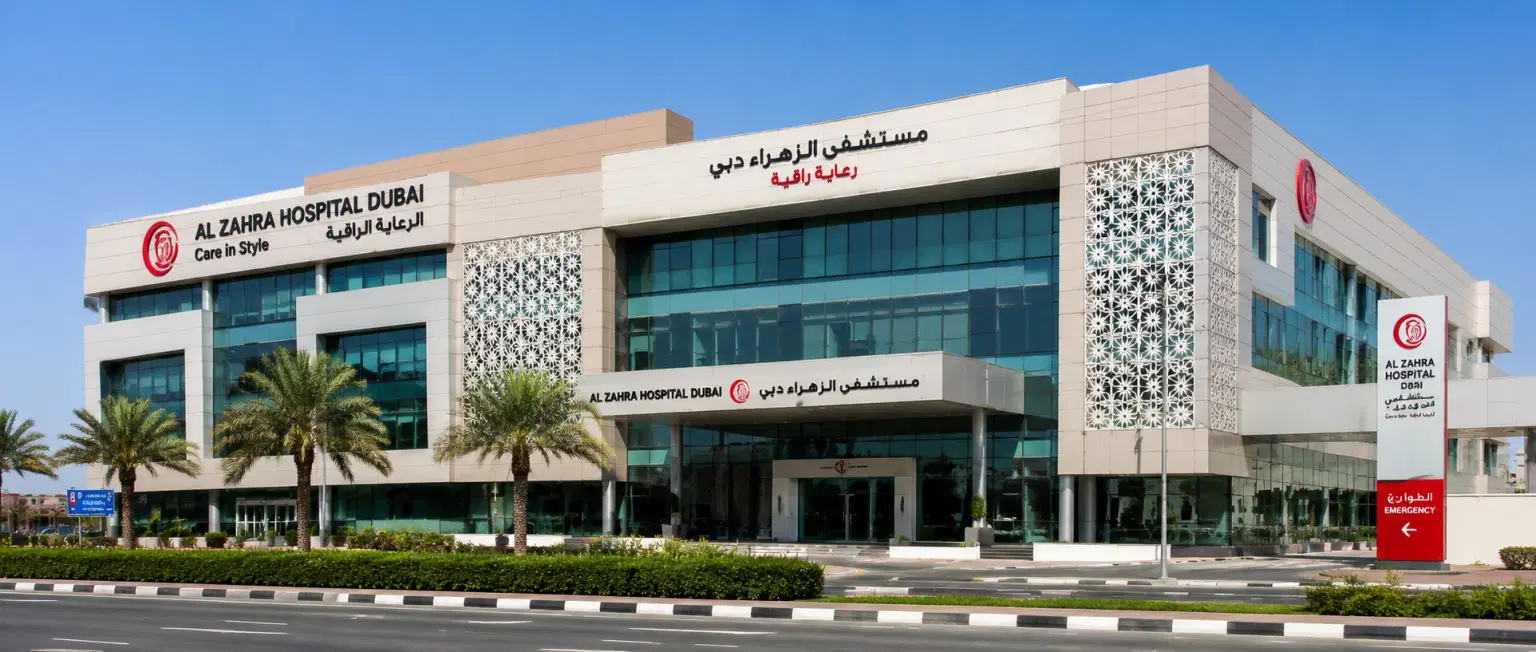
Al Zahra Hospital, Dubai
Sheikh Zayed Road, Al Barsha 1, Dubai, UAE
Al Zahra Hospital, Dubai
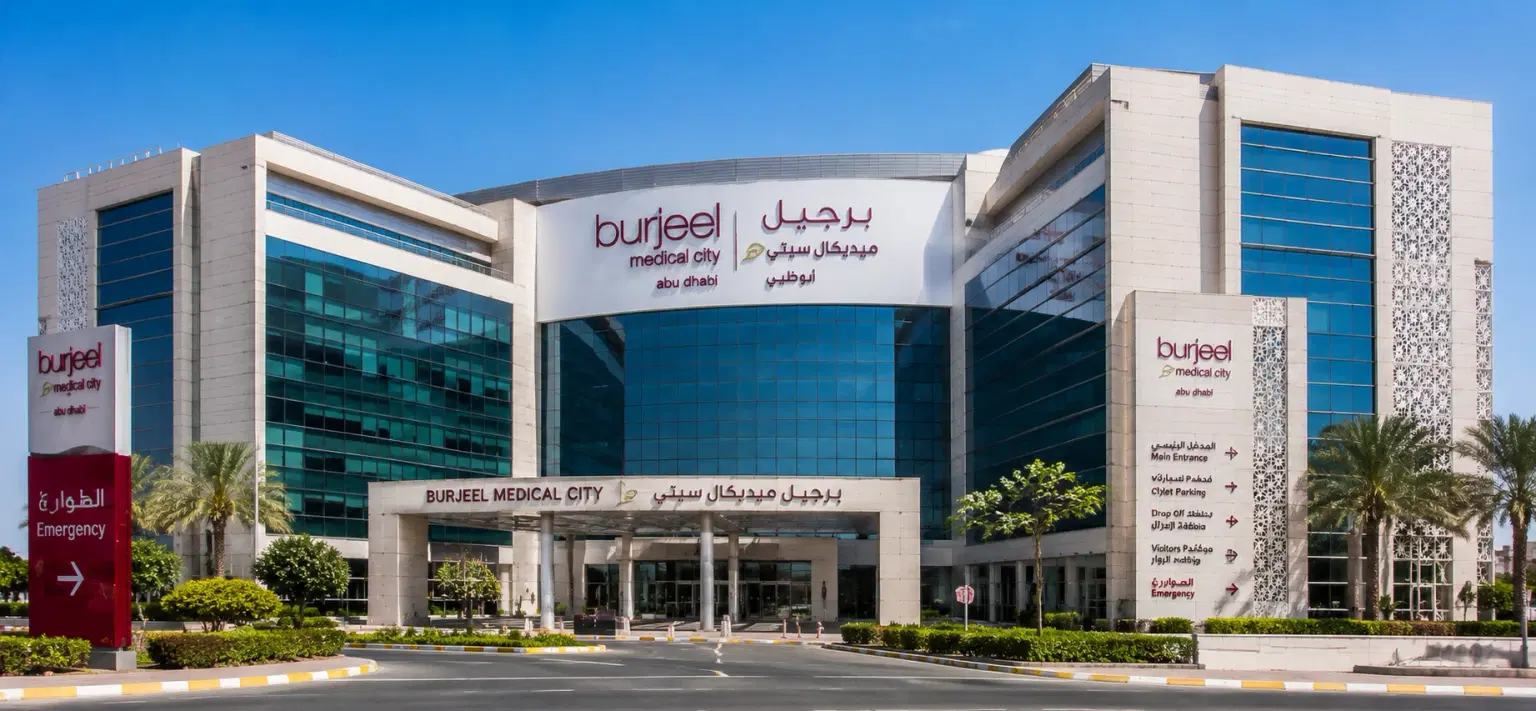
Burjeel Medical City, Abu Dhabi
28th Street, Mohammed Bin Zayed City, Abu Dhabi, UAE
Burjeel Medical City, Abu Dhabi

Burjeel Hospital, Dubai
Dubai, UAE (part of Burjeel Holdings network)
Burjeel Hospital, Dubai
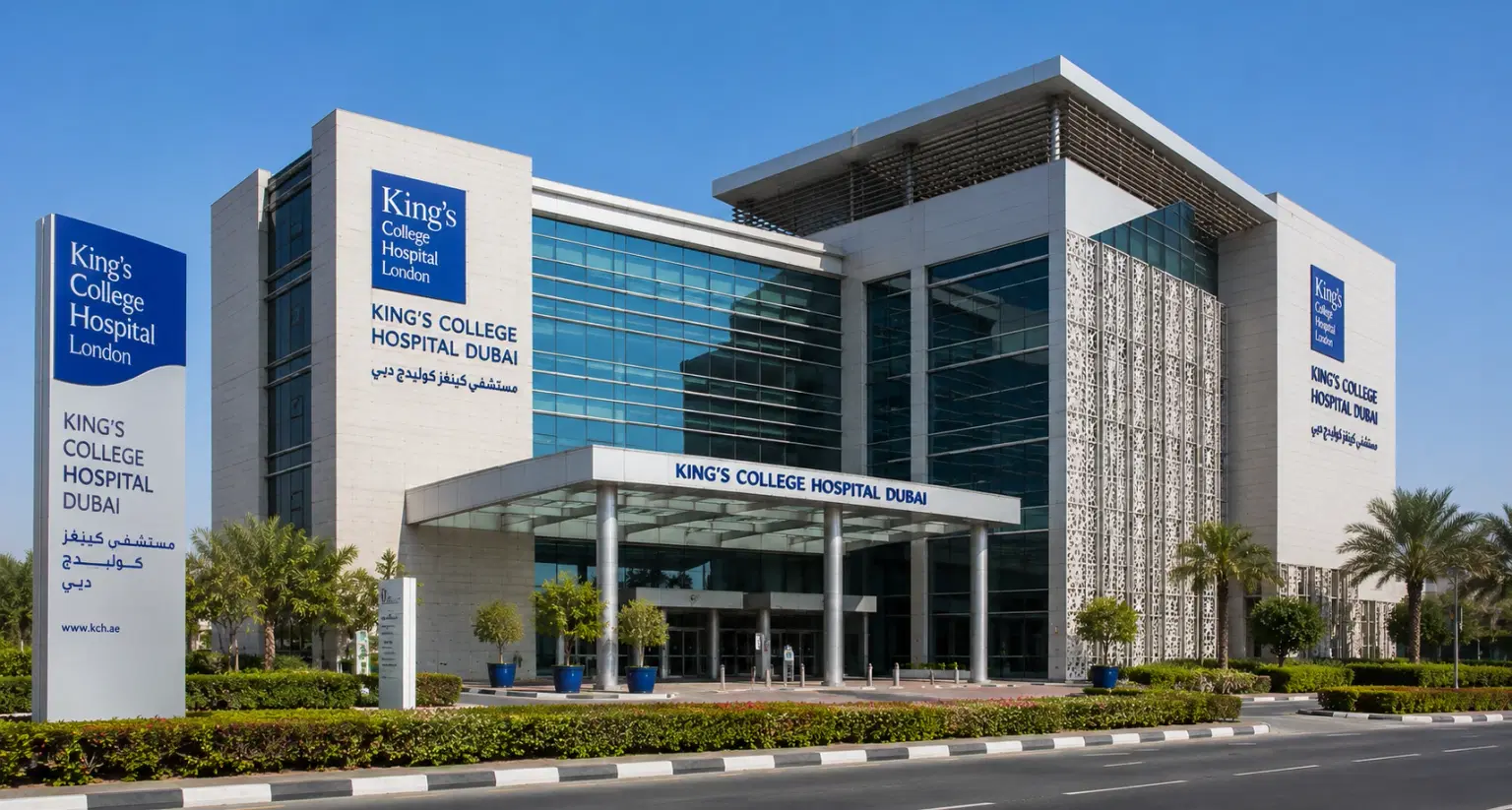
King's College Hospital, Dubai
Dubai Hills, Mohammed Bin Rashid City, Dubai, UAE
King's College Hospital, Dubai
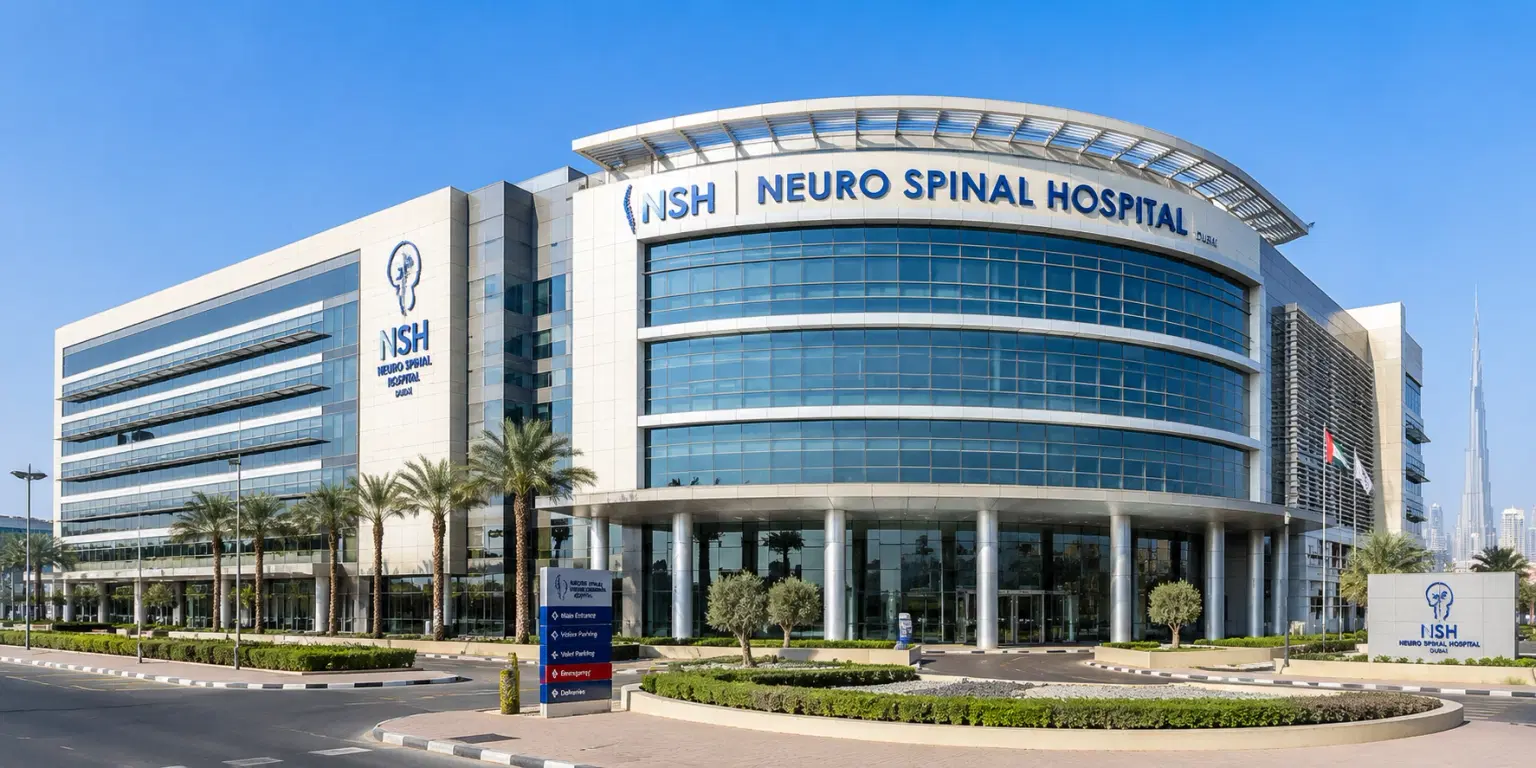
Neuro Spinal Hospital (NSH), Dubai
Dubai Science Park, Umm Suqeim St, Al Barsha South, Dubai, UAE
Neuro Spinal Hospital (NSH), Dubai
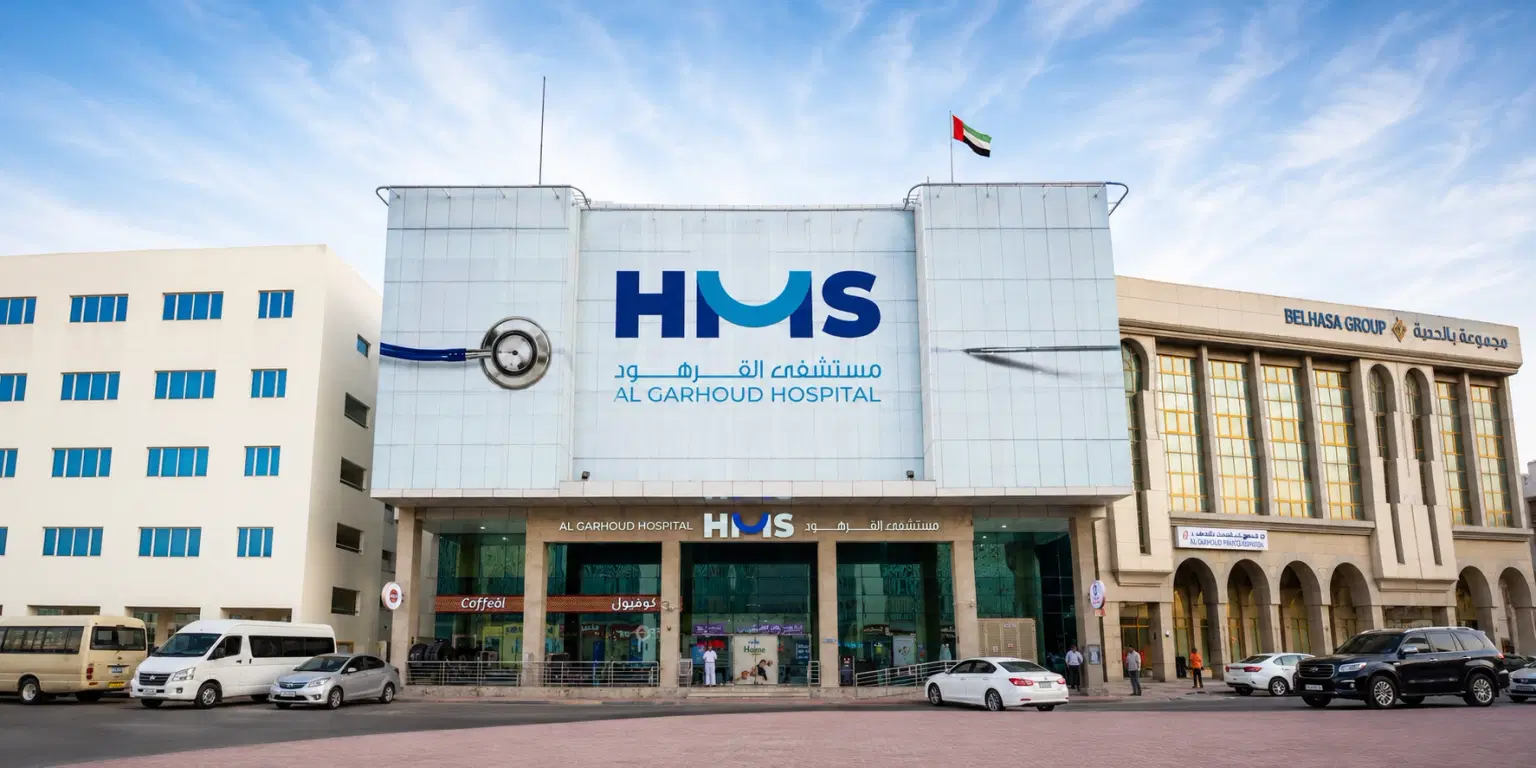
HMS Al Garhoud Hospital, Dubai
Al Garhoud Street, Al Garhoud, Dubai, UAE
HMS Al Garhoud Hospital, Dubai
Meet Our Doctors
Meet our team of highly qualified and experienced medical professionals dedicated to providing the best healthcare services.
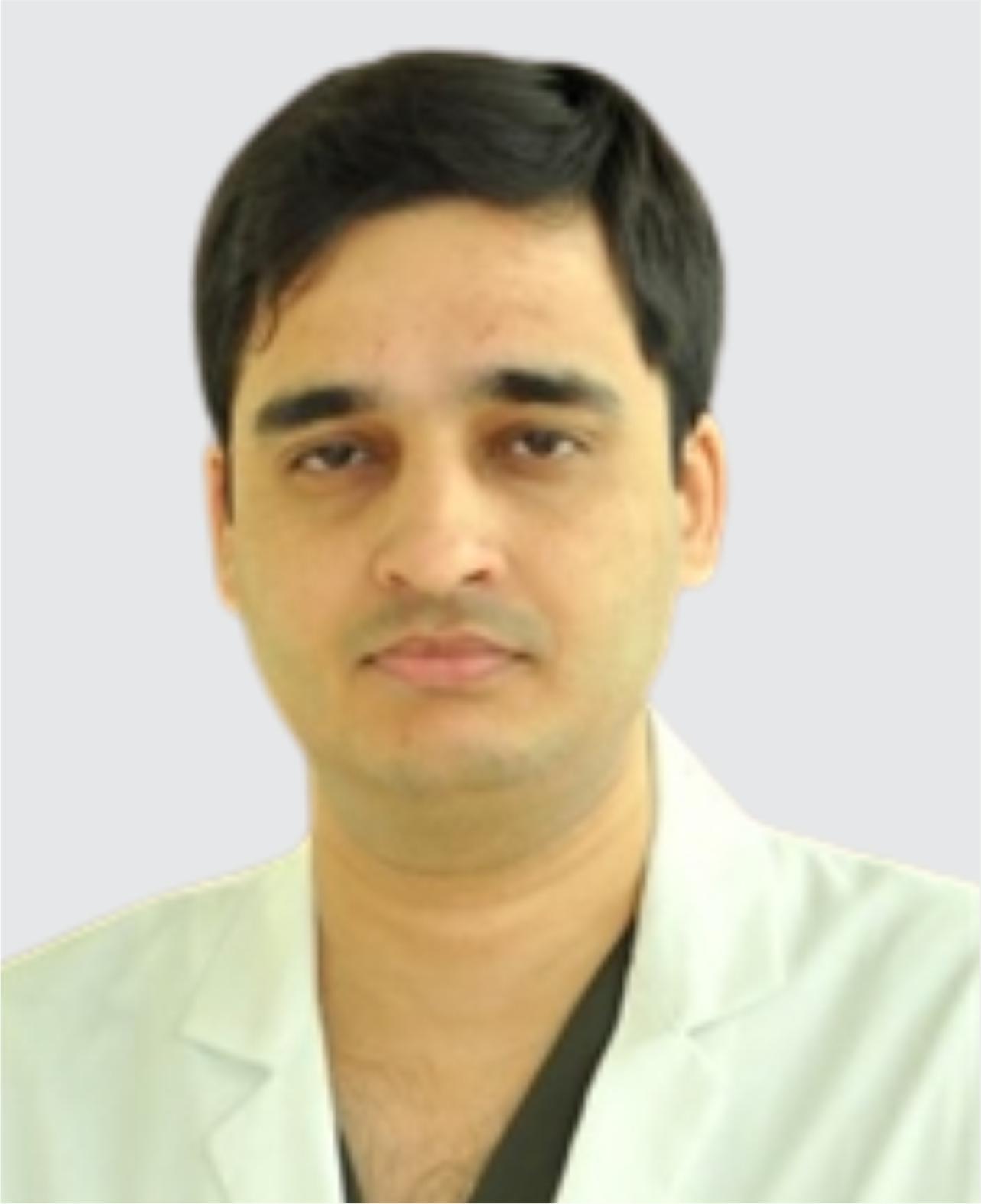
Dr. Amit Kalsotra
Sr. Consultant - Anaesthesia, Critical Care & Pain Management
Anaesthesia, Critical Care, Pain Management
New Delhi
15+ Years
Experience
Artemis Hospital
Hospital
1500
Fees
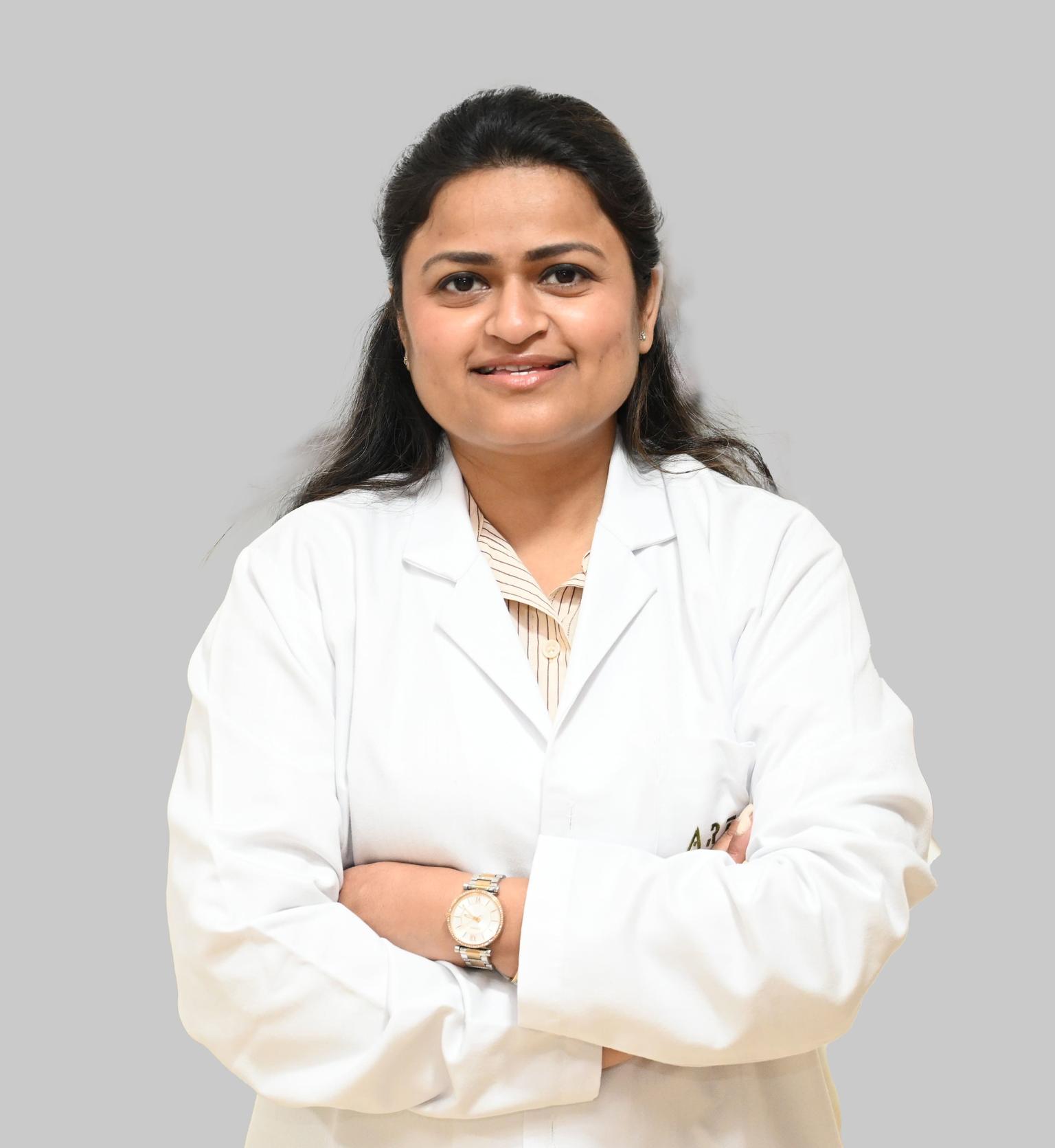
Dr. Anjali Vaish
Consultant - Physiotherapy and Rehabilitation Centre
Physiotherapy and Rehabilitation Centre
New Delhi
10+ Years
Experience
Artemis Hospital
Hospital
1500
Fees
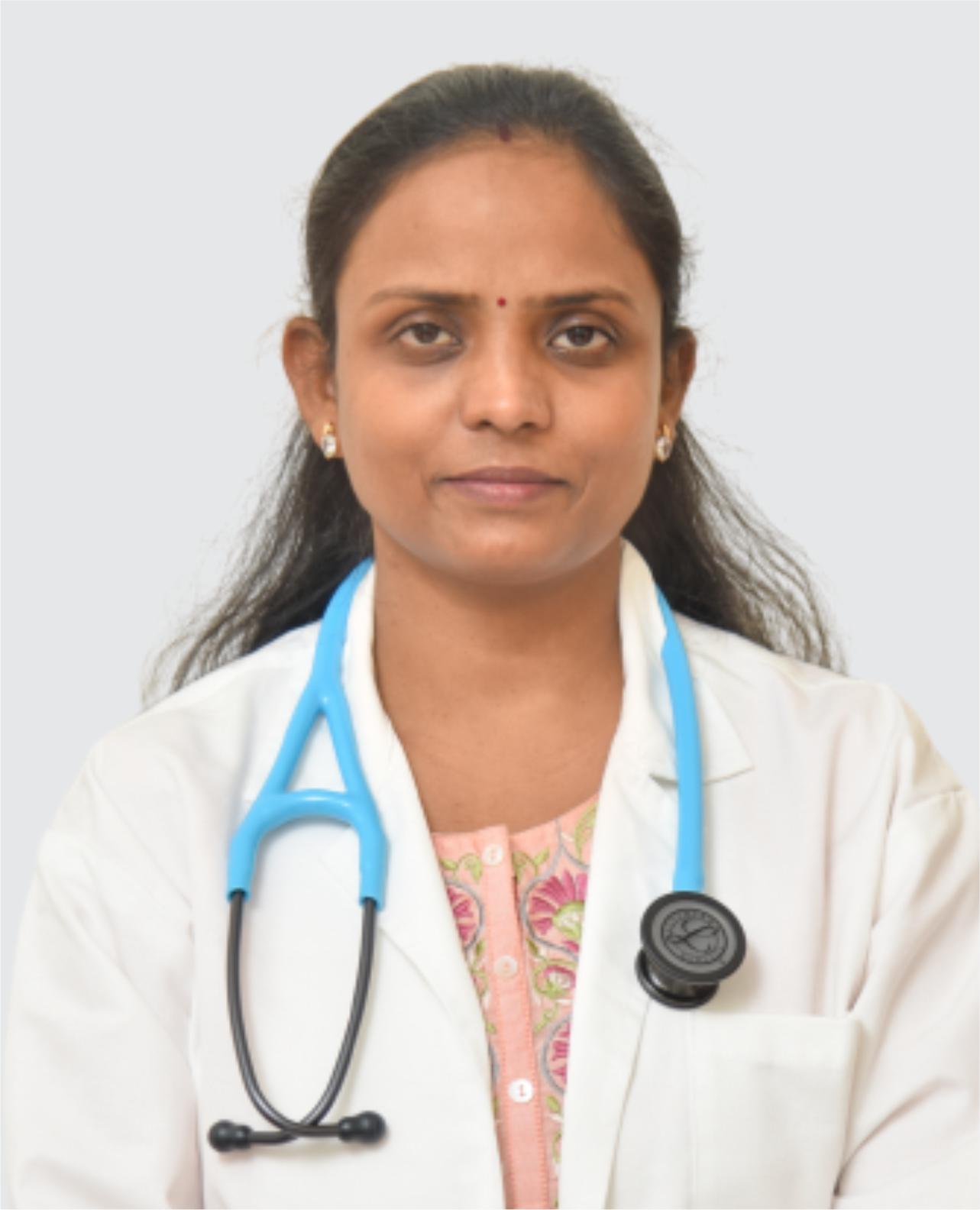
Dr. Anju Singh
Consultant - Pediatric Rheumatology
Pediatric Rheumatology
New Delhi
13+ Years
Experience
Artemis Hospital
Hospital
1500
Fees
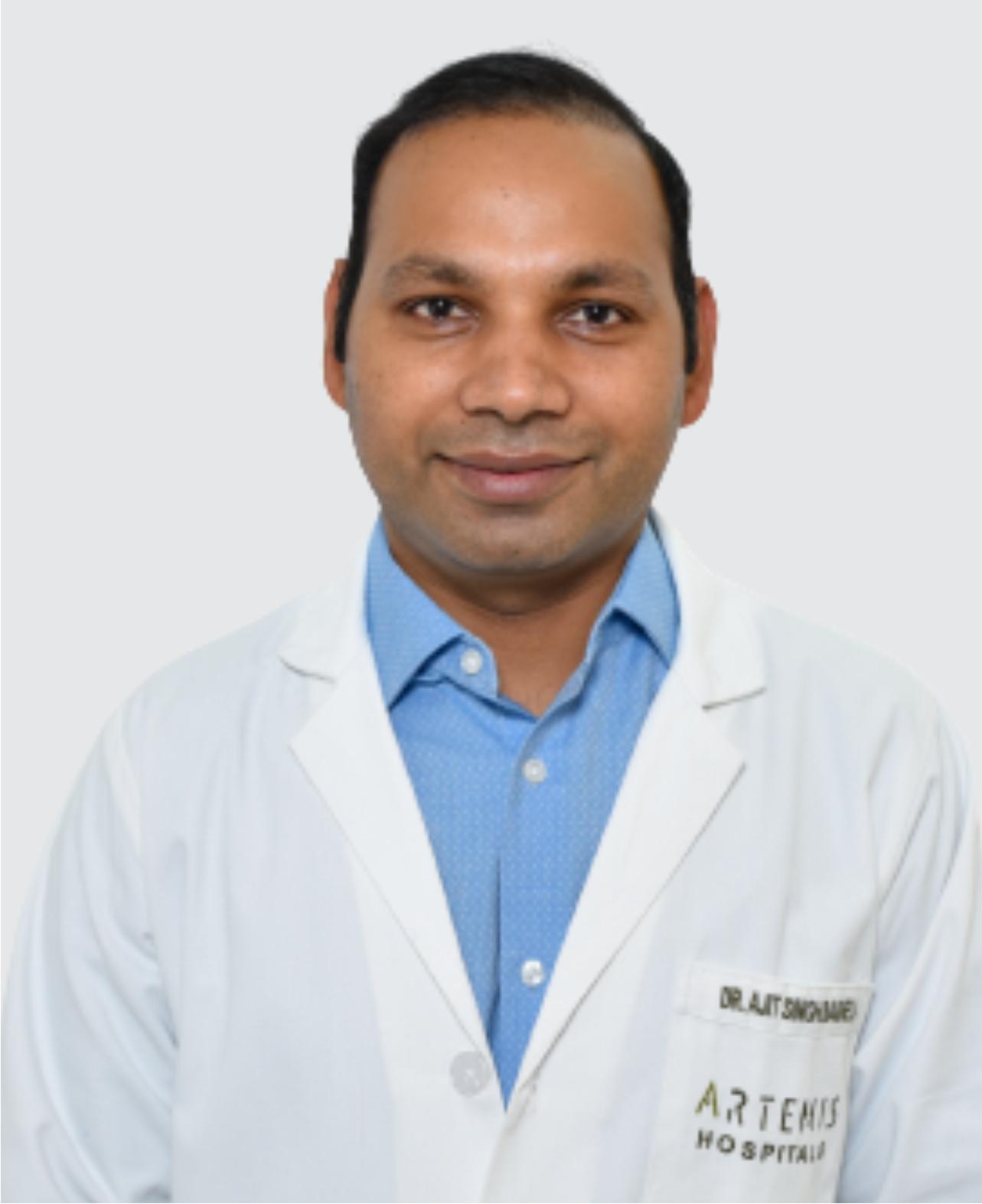
Dr. Ajit Singh Baghela
Sr. Consultant - Paediatric Neurology
Paediatric Neurology
New Delhi
9+ Years
Experience
Artemis Hospital
Hospital
1500
Fees

Dr. (Brig.) Anil Khetarpal
Deputy Chief - Medical Services & Chairperson -Department of Blood Centre and Transfusion medicine
Blood Centre & Transfusion Medicine
New Delhi
33+ Years
Experience
Artemis Hospital
Hospital
1500
Fees
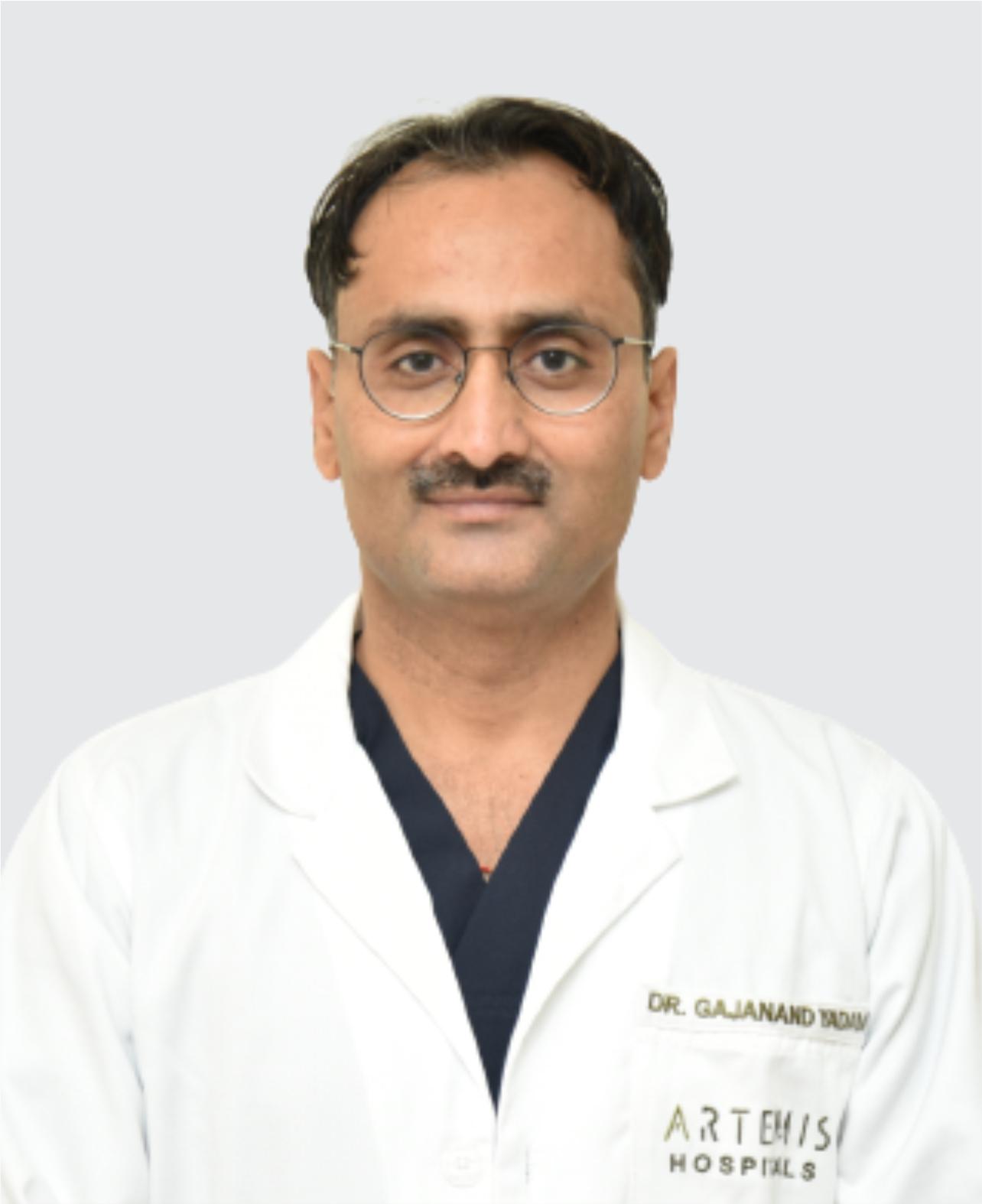
Dr. Gajanand Yadav
Consultant - Orthopaedics and Hip and Knee Arthroplasty
Orthopaedics, Hip and Knee Arthroplasty, Joint Replacement, Sports Medicine
New Delhi
12+ Years
Experience
Artemis Hospital
Hospital
1500
Fees
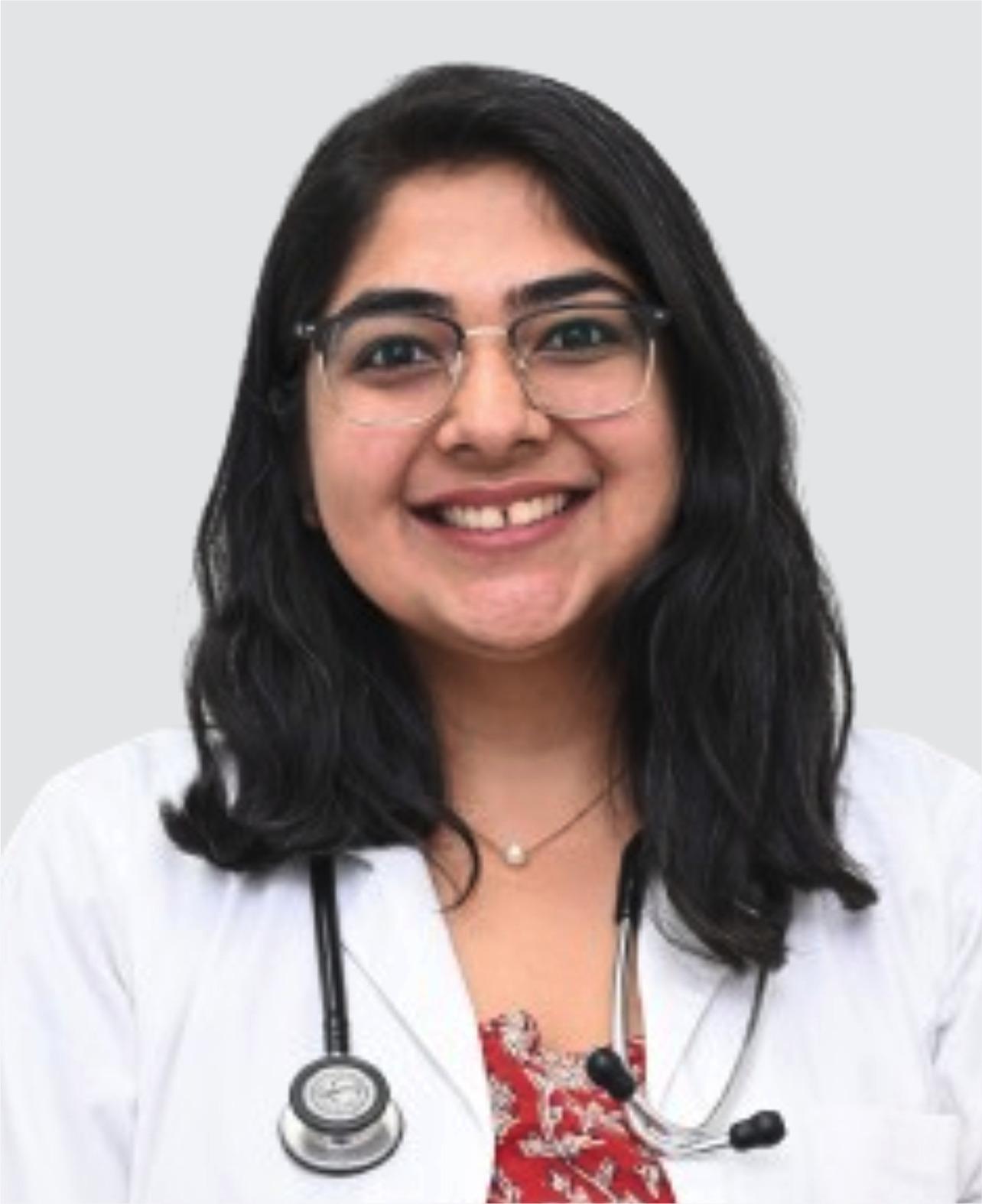
Dr. Meenal Thakral
Attending Consultant – Geriatric Medicine
Geriatric Medicine, Geriatric Surgery
New Delhi
3+ Years
Experience
Artemis Hospital
Hospital
1500
Fees
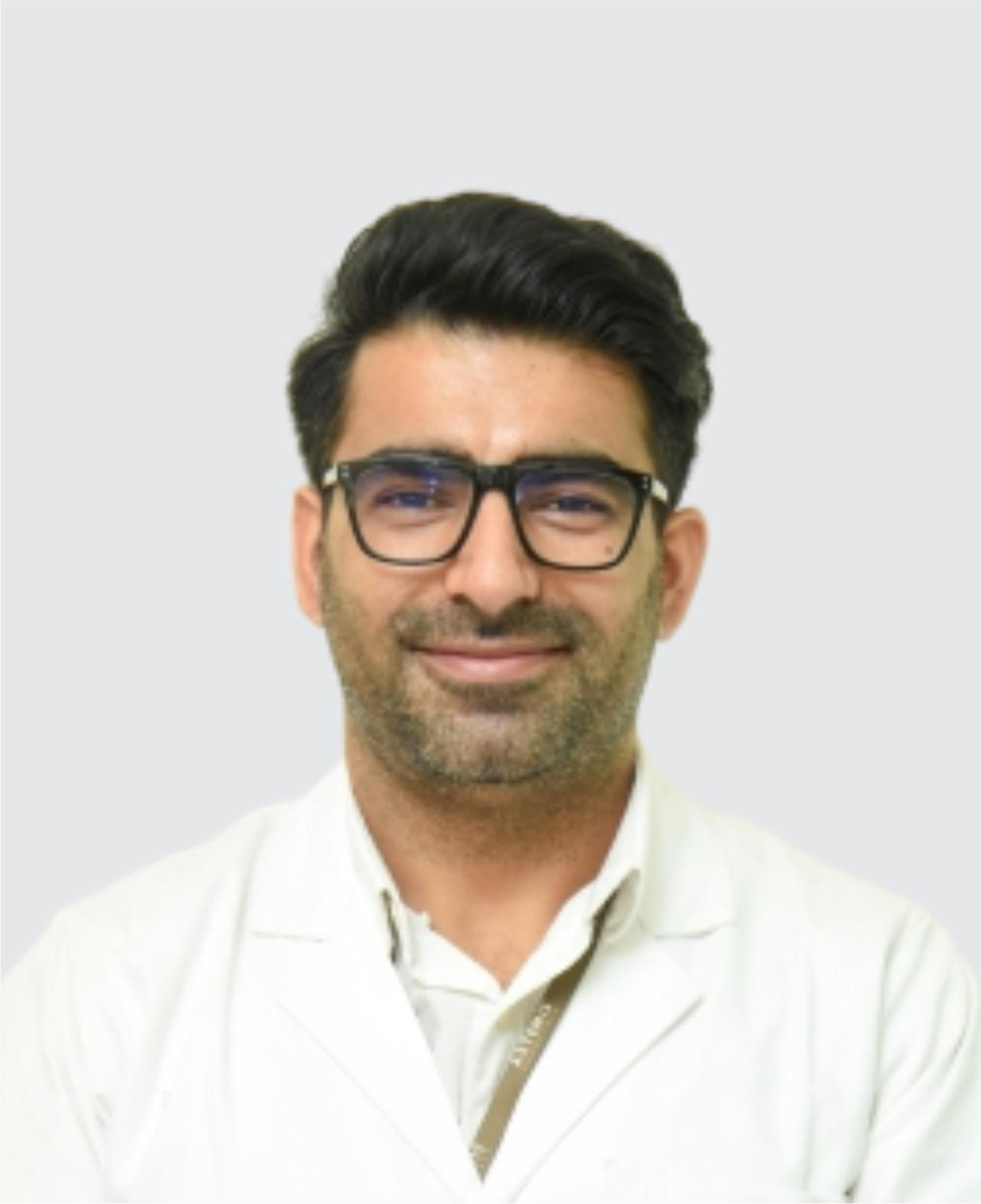
Dr. Mohammad Irfan Banday
Consultant
Orthopaedic Surgery
New Delhi
10+ Years
Experience
Artemis Hospital
Hospital
1500
Fees
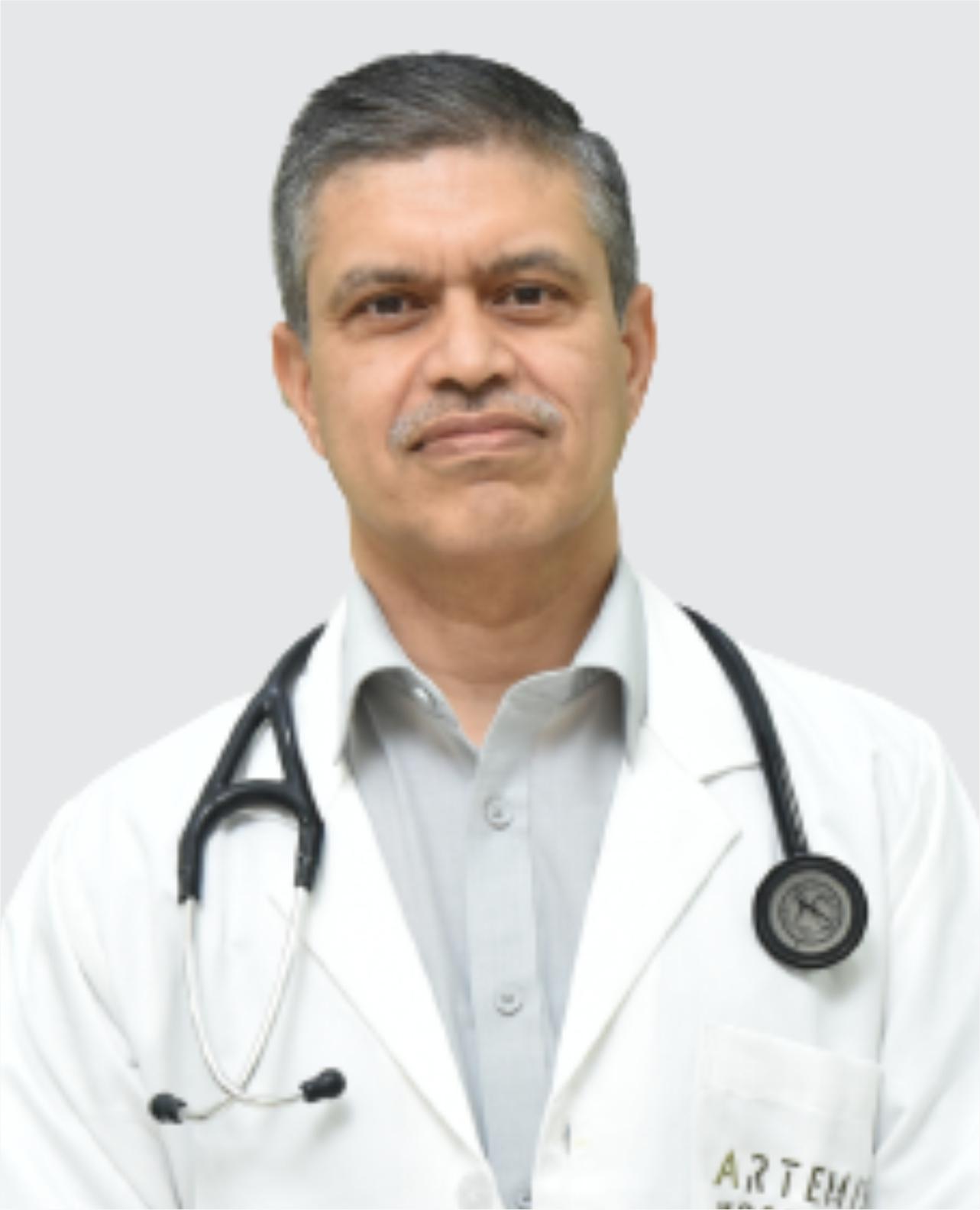
Dr. Rahul Mehrotra
Director & HOD - Orthopaedics & Joint Replacement
Orthopaedics
New Delhi
17+ Years
Experience
Artemis Hospital
Hospital
1500
Fees
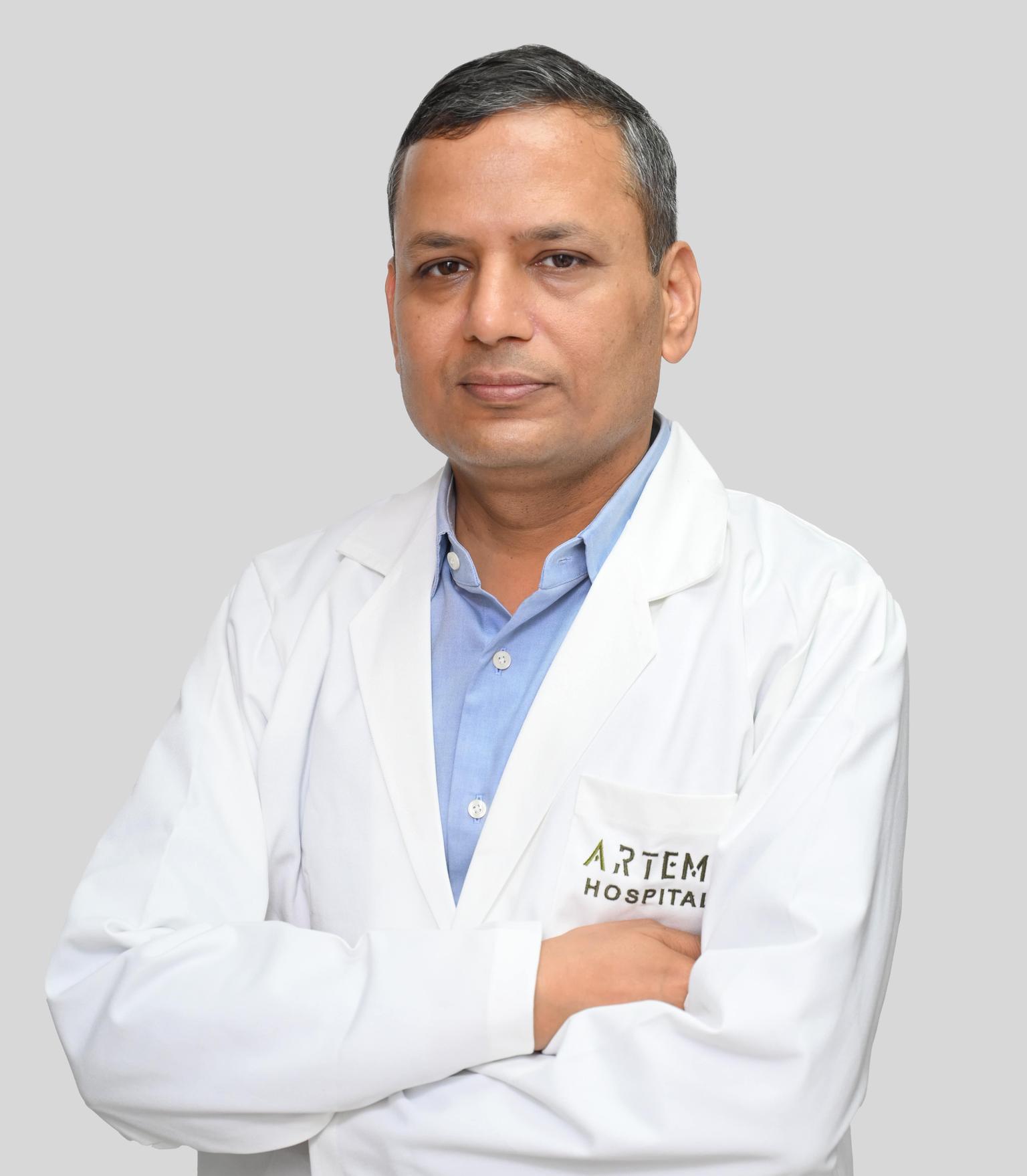
Dr. Rahul Naithani
Chief - Hematology, Oncology & Bone Marrow Transplant
Clinical Hematology, Hematologic Oncology, Bone Marrow Transplantation
New Delhi
15+ Years
Experience
Artemis Hospital
Hospital
1500
Fees
Related Links
Recent Blogs
- How DivinHeal Helps You Find the Best Hospital in India
- Limb Lengthening Surgery: India vs USA, Turkey & Europe
- Best Orthopedics Doctors in India for Nigerian Patients
- Best Orthopedics Hospitals in India for Nigerian Patients
- Travel, Stay & Food Tips for Medical Tourists in India
- Ethiopia to India Medical Travel Guide for Patients | DivinHeal
- Top 10 Orthopedic Hospitals in Bangalore (2026 Guide)
- Top Spine Surgeons in India for International Patients
- Limb Lengthening Surgery Cost in India (₹5L–₹10L) Explained
- Chiropractic Treatment Cost in India for Omani Patients
Other Treatment related Information
Ready To Start Your Healing Journey?
Get Personalized Medical Treatment Options From India's Top Hospitals. Our Medical Experts Are Ready To Assist You Every Step Of The Way.