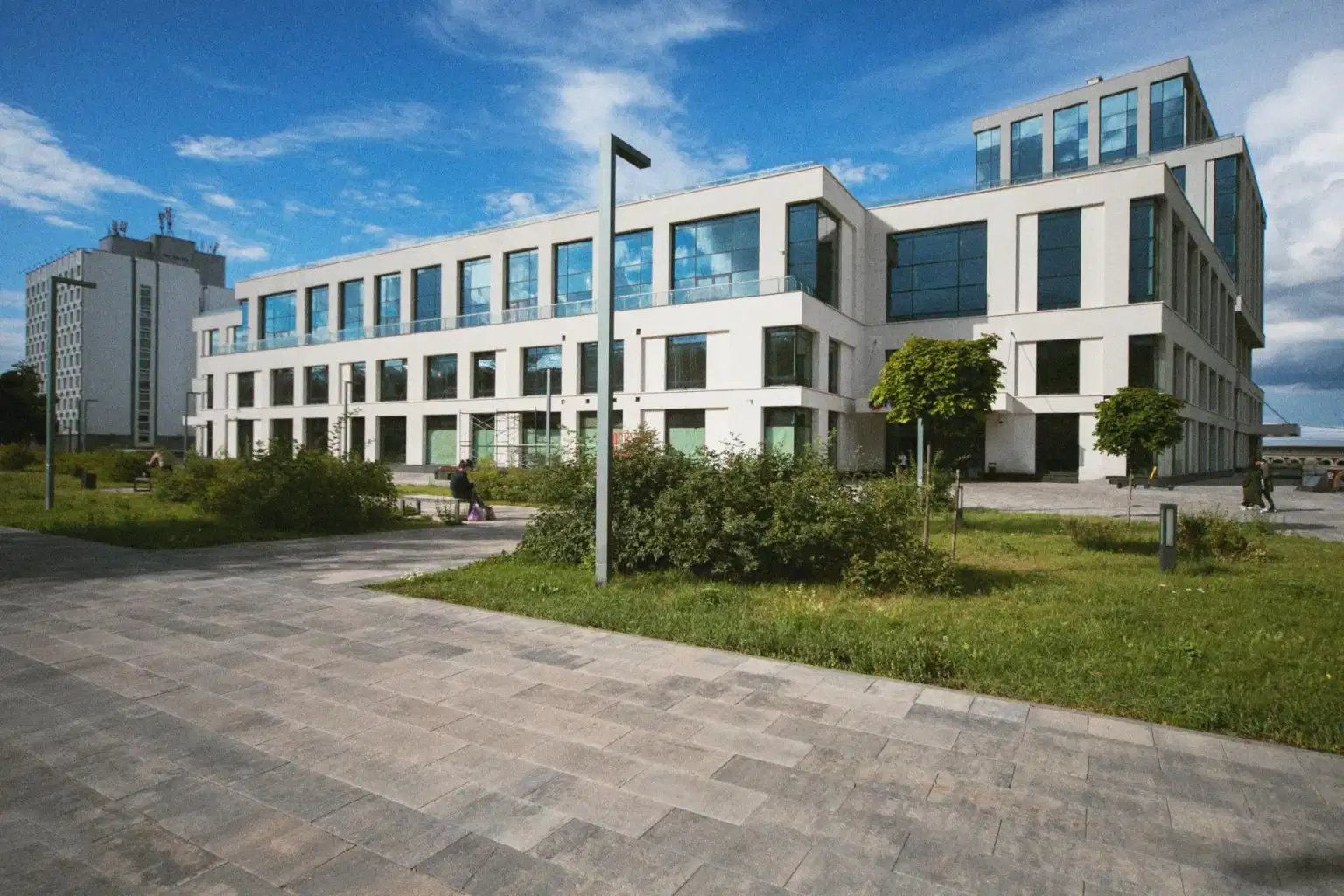
Radiology Treatment in Hyderabad for Bangladesh
Need Personalized Advice?
Our medical experts are ready to answer your questions and guide you through your treatment options.
About
Radiology in Hyderabad for Bangladesh Patients | Cost & Hospitals
Many patients from Bangladesh often face concerns about accessing timely and comprehensive radiology services. The uncertainty around advanced diagnostic imaging, getting precise results, and understanding associated costs can be a significant worry when medical needs arise.
This leads many to consider options beyond their borders. Hyderabad has emerged as a preferred destination due to its advanced medical infrastructure, skilled specialists, and integrated care environment that facilitates efficient diagnosis and treatment planning.
The city of Hyderabad offers established hospitals and diagnostic centers renowned for their radiology departments. Patients can expect a consistent standard of care and the ease of coordinating medical appointments and follow-ups within a well-developed healthcare system.
Hyderabad provides a reliable environment for comprehensive radiology services.
Looking for advanced radiology services in Hyderabad? Connect with our medical advisors for guidance.
What is Radiology and How Does It Aid Diagnosis?
Radiology is a medical specialty that uses imaging techniques to diagnose and treat diseases visible within the body. It plays a crucial role in modern medicine by allowing doctors to see inside the body non-invasively, helping to identify conditions, monitor progress, and guide interventions. This field is essential for accurate and timely medical decision-making.
What Are the Different Types of Radiology Procedures?
X-rays: Uses small doses of radiation to create images of bones and some soft tissues, commonly for fractures or chest conditions.
Computed Tomography (CT) Scans: Combines a series of X-ray images taken from different angles to create cross-sectional images of bones, blood vessels, and soft tissues, offering more detail.
Magnetic Resonance Imaging (MRI): Utilizes a strong magnetic field and radio waves to generate detailed images of organs, soft tissues, bone, and virtually all other internal body structures without radiation.
Ultrasound: Employs high-frequency sound waves to produce real-time images of internal body structures, particularly effective for examining soft tissues and organs like the heart, liver, and during pregnancy.
Positron Emission Tomography (PET) Scan: Uses a radioactive tracer to detect disease at a cellular level, often used in oncology, cardiology, and neurology to identify active disease processes.
Nuclear Medicine: Involves introducing a small amount of radioactive material into the body to diagnose and treat a variety of diseases, assessing organ function and structure.
When is a Radiology Scan Typically Needed?
- To diagnose unexplained pain, swelling, or infection.
- For identifying fractures, dislocations, or bone abnormalities.
- To detect and stage tumors or other cancerous conditions.
- For evaluating internal injuries after trauma or accidents.
- To monitor the progression of chronic diseases.
- Before surgical procedures to guide planning.
- To assess organ function, such as heart or kidney health.
What Preparations Are Needed Before Radiology?
- Providing a complete medical history, including allergies and current medications.
- Fasting for a specified period before certain scans, such as abdominal ultrasound or contrast studies.
- Removing metal objects like jewelry, eyeglasses, or dental work for MRI scans.
- Informing the radiologist or technologist about any medical implants or pregnancy.
- Bringing all previous relevant medical reports and imaging studies.
How is a Radiology Scan Conducted?
The specific procedure for a radiology scan depends on the type of imaging required and the area of the body being examined.
Generally, patients are positioned on a comfortable table. For X-rays, the body part is positioned between the machine and a plate. For CT and MRI, the table slides into a large donut-shaped or tube-like scanner. Ultrasound involves a transducer moved over the skin. During the scan, patients might be asked to hold their breath briefly or remain very still to ensure clear images. Some procedures may involve administering a contrast agent intravenously or orally to enhance visibility of specific structures.
What is the Recovery After a Radiology Scan?
Most radiology scans are outpatient procedures requiring no significant recovery time. Patients can typically resume normal activities immediately. If a contrast agent was administered, it is often recommended to drink extra fluids to help flush it from the system. The technologist or nurse will provide specific instructions if any are needed, and results are usually sent to the referring doctor for interpretation and discussion.
What are the Risks and Success Rates of Radiology?
- Minimal radiation exposure for X-rays and CT scans, balanced against diagnostic benefit.
- Potential allergic reaction to contrast agents, though rare and managed by medical staff.
- Claustrophobia for patients undergoing MRI in enclosed scanners.
- Incorrect interpretation or false positive/negative results, though experienced radiologists minimize this.
- Discomfort from remaining still for extended periods during some complex scans.
The success rate of radiology procedures in providing accurate diagnostic information is exceptionally high, often exceeding 90-95%, especially with modern equipment and expert radiologists. Outcomes can vary slightly based on the complexity of the condition, patient cooperation, and the specific technology used. Long-term expectations focus on achieving a precise diagnosis that guides effective treatment planning, leading to better health outcomes.
What is the Cost of Radiology in Hyderabad?
The cost of radiology scans in Hyderabad can vary based on the type of scan, the specific hospital or diagnostic center, the technology used, and whether a contrast agent is required. Advanced imaging like MRI or PET scans will naturally cost more than a standard X-ray.
Comparative Radiology Scan Costs
| Radiology Scan Type | Cost in Hyderabad (INR) | Cost in USA (USD) | Cost in UK (GBP) | Cost in Singapore (SGD) |
|---|---|---|---|---|
| X-ray (Chest/Bone) | 500 - 2,000 | 50 - 300 | 40 - 200 | 60 - 250 |
| Ultrasound (Abdomen/Pelvis) | 1,000 - 4,000 | 150 - 600 | 100 - 400 | 150 - 500 |
| CT Scan (Single Region) | 3,000 - 10,000 | 300 - 1,500 | 250 - 1,000 | 400 - 1,800 |
| MRI Scan (Single Region) | 6,000 - 25,000 | 500 - 3,000 | 400 - 2,000 | 700 - 3,500 |
| PET-CT Scan (Whole Body) | 15,000 - 40,000 | 1,500 - 6,000 | 1,200 - 4,500 | 2,000 - 8,000 |
How Can We Assist Patients from Bangladesh?
- Guidance on medical visa application processes and requirements.
- Assistance with travel arrangements, including flight bookings and airport transfers.
- Recommendations and booking support for suitable accommodation near hospitals.
- Scheduling of all medical appointments, consultations, and radiology scans.
- Arrangement of language interpretation services if needed for comfort and clarity.
- Coordination of follow-up consultations and report collection.
Which Documents Are Necessary for Your Visit?
- A valid passport with sufficient remaining validity.
- A valid Indian medical visa issued by the Indian Embassy or Consulate.
- All current and previous medical reports, imaging CDs, and physician referral letters.
- A letter of invitation or appointment confirmation from the Hyderabad hospital or clinic.
- Proof of financial capacity to cover medical and travel expenses.
Important Steps to Prepare for Your Radiology Visit
- Consult with your local doctor in Bangladesh to understand the specific radiology needs.
- Gather all necessary medical records and imaging results for review by Hyderabad specialists.
- Ensure all travel documents, including passport and visa, are valid and in order.
- Arrange for accommodation and local transport in Hyderabad prior to arrival.
- Understand any specific dietary or medication instructions given for your particular scan.
What to Expect After Your Radiology Procedures?
- Most patients can leave immediately after their scan and return to their accommodation.
- Reports are typically prepared within a few hours to a few days, depending on complexity.
- A follow-up consultation with your doctor in Hyderabad will be arranged to discuss results.
- Specific aftercare instructions, if any, will be provided by the radiology staff.
- Ensuring ongoing communication with your home country physician for continuity of care.
Ready to plan your radiology diagnosis in Hyderabad? Contact us for personalized assistance and hospital options.
Begin Your Path to Clearer Diagnosis
Hyderabad offers advanced radiology solutions, providing accurate diagnostics and compassionate care for international patients.
Hospitals Offering this treatment
India offers premium medical procedures at affordable prices. Discover our most popular treatments, delivered by the country's finest doctors.
Meet Our Doctors
Meet our team of highly qualified and experienced medical professionals dedicated to providing the best healthcare services.

Aditi Dixit
Sr. Consultant – Women Imaging
Radiology (Specializing in Women's Imaging)
Haryana
15+ Years
Experience
Artemis Hospital
Hospital
1500
Fees
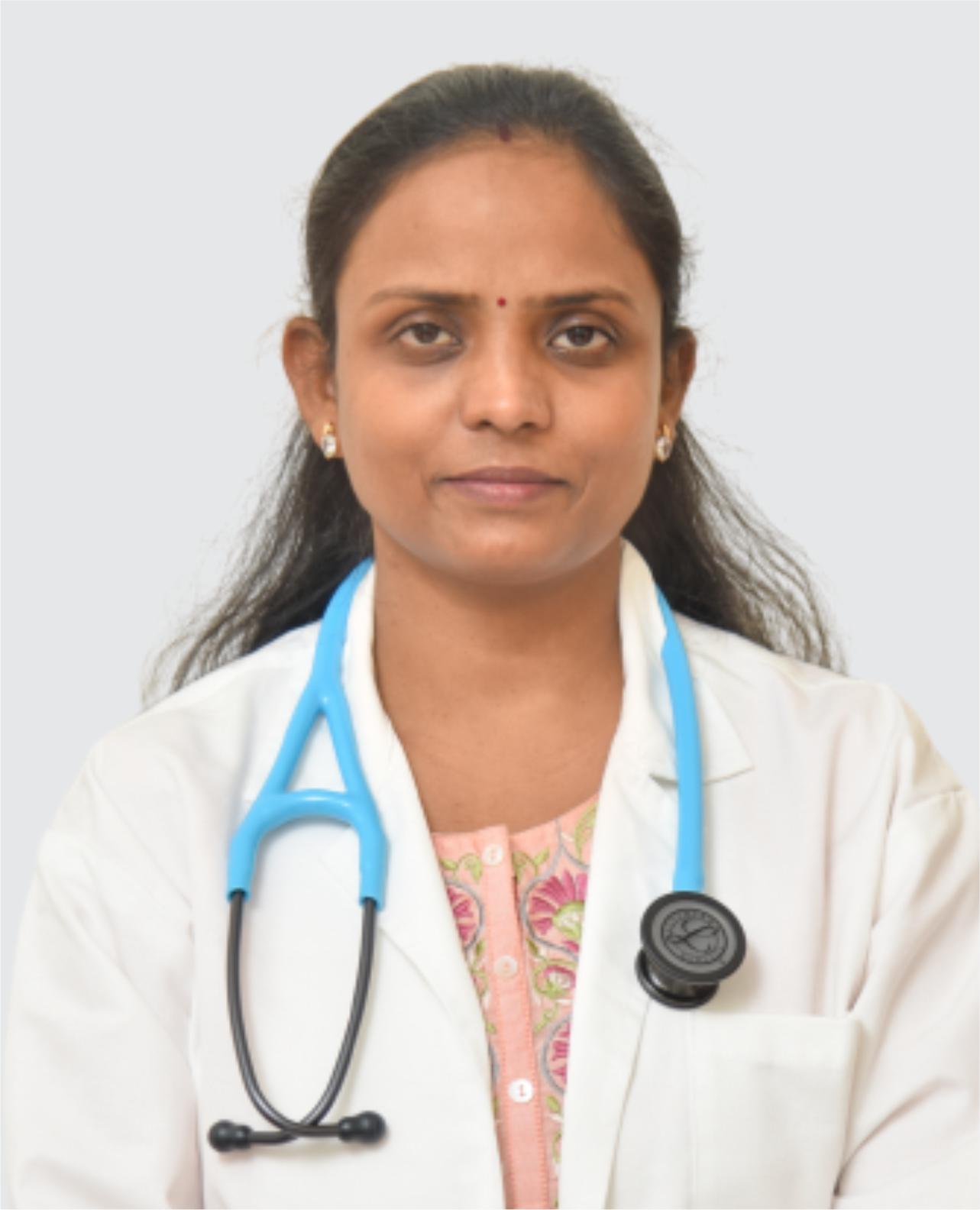
Dr. Anju Singh
Consultant - Pediatric Rheumatology
Pediatric Rheumatology
New Delhi
13+ Years
Experience
Artemis Hospital
Hospital
1500
Fees
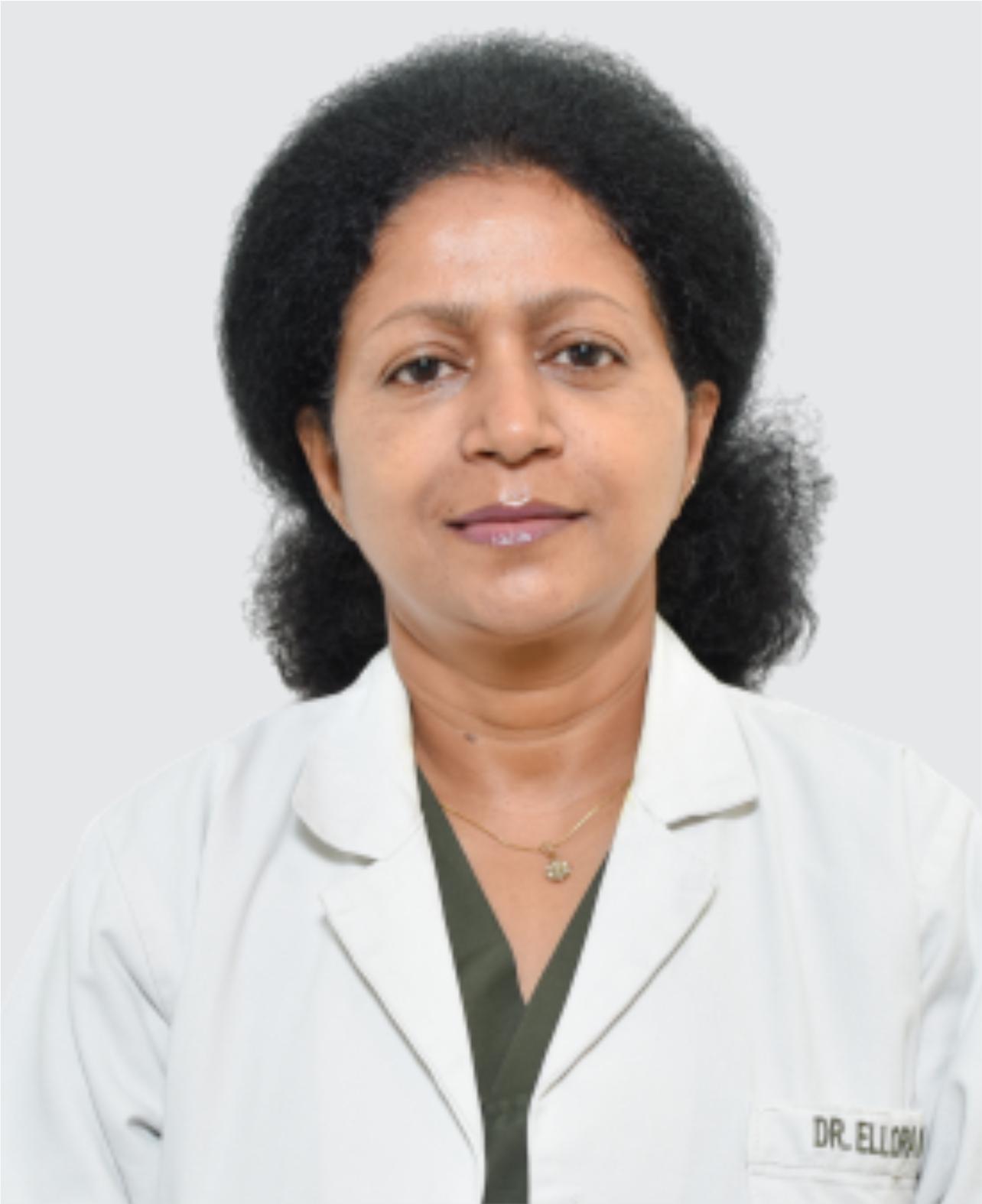
Dr. Ellora Nanda
Admin Head - Emergency
Emergency & Trauma Services
New Delhi
25+ Years
Experience
Artemis Hospital
Hospital
1500
Fees

Gurpreet Makkar
Head Imaging & Chief DNB Program
Radiology
New Delhi
19+ Years
Experience
Artemis Hospital
Hospital
1500
Fees
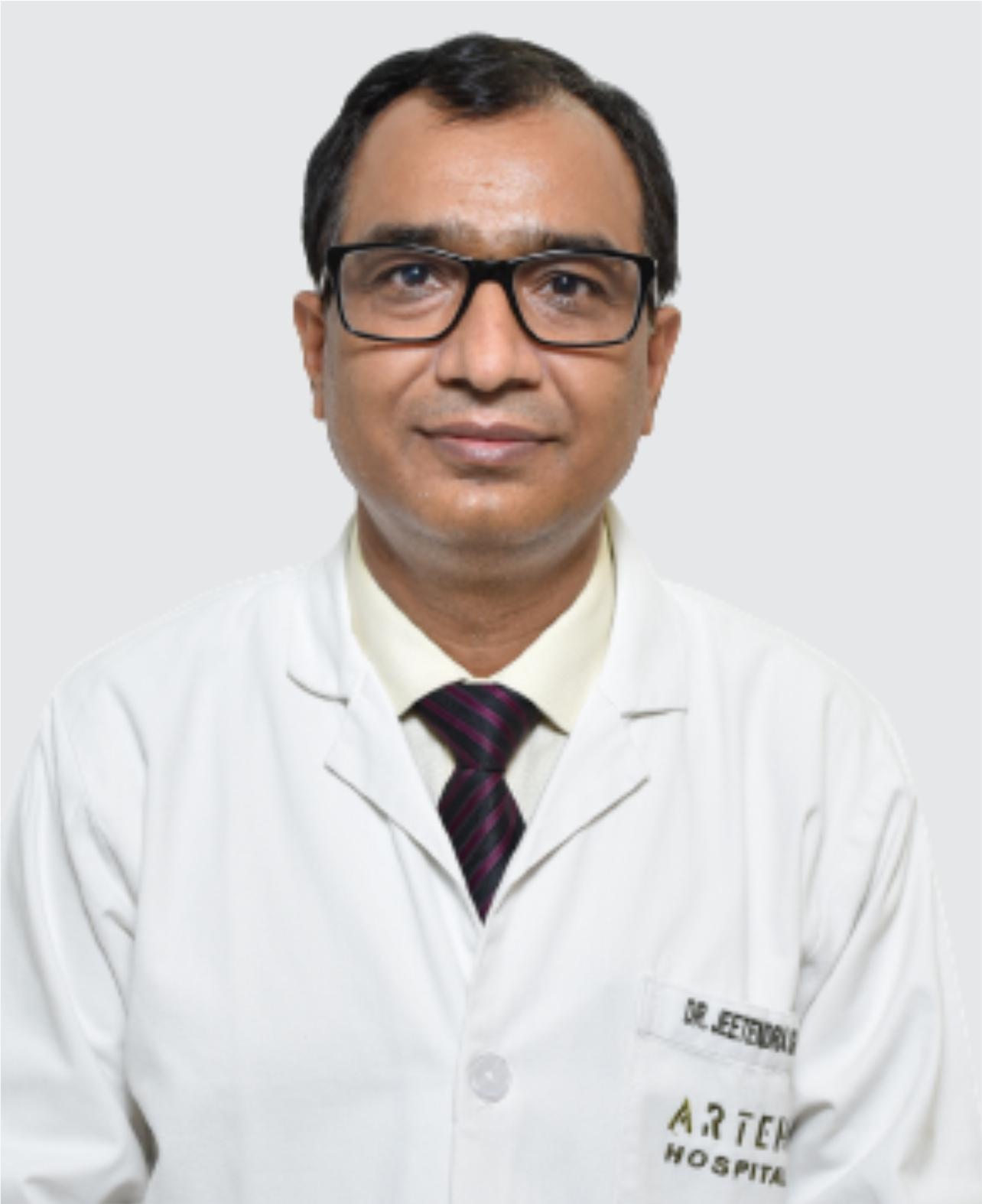
Jeetendra Sharma
Chief - Critical Care (Unit II) & Chief- Medical Quality
Critical Care & ICU
New Delhi
15+ Years
Experience
Artemis Hospital
Hospital
1500
Fees

Dr. Kamal Verma
Sr. Consultant - Radiation Oncology
Radiation Oncology
New Delhi
15+ Years
Experience
Artemis Hospital
Hospital
1500
Fees
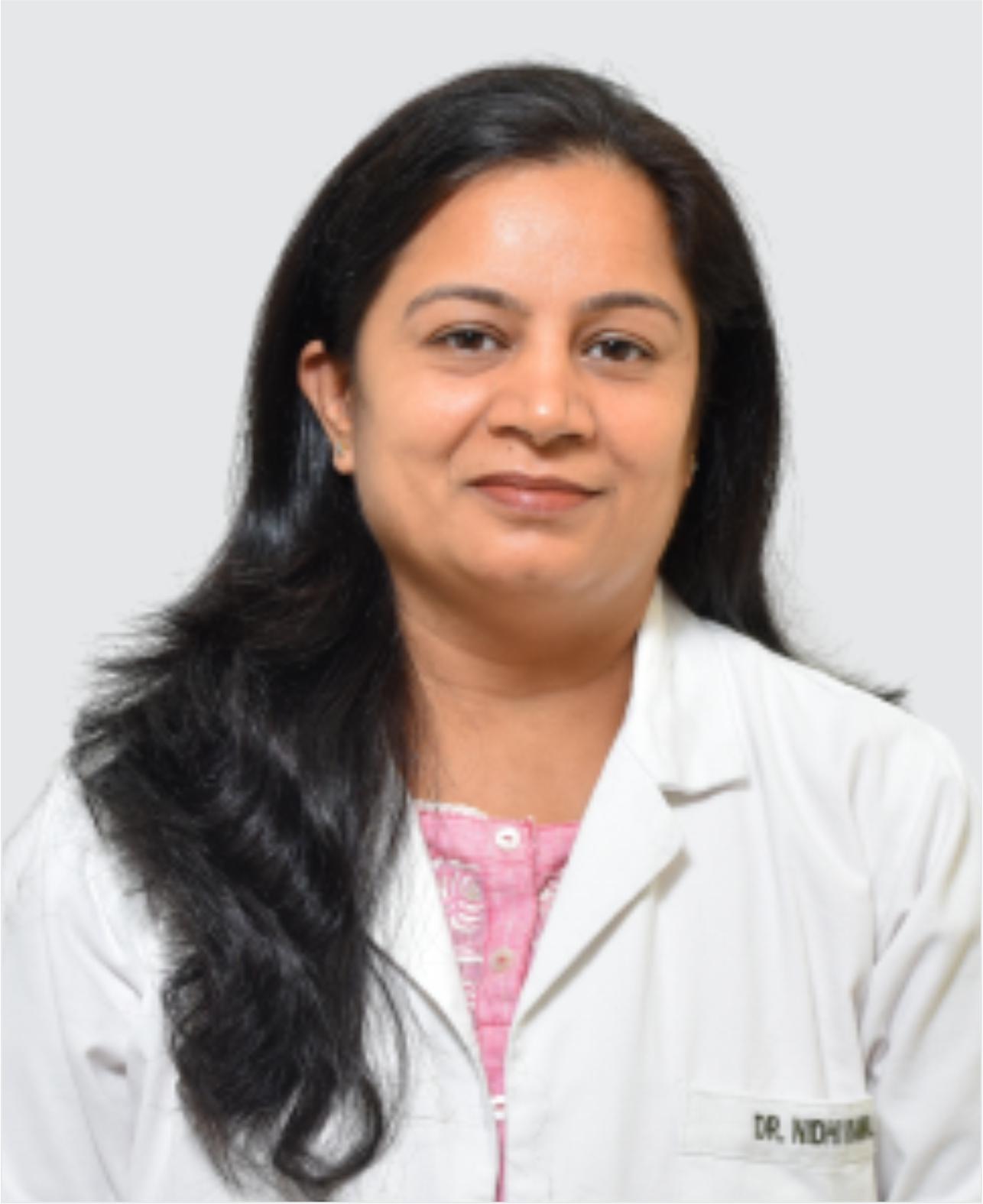
Dr Nidhi Rawal
Chief - Paediatric Cardiology
Paediatric Cardiology
New Delhi
18+ Years
Experience
Artemis Hospital
Hospital
1500
Fees

Dr. Noaline Sinha
Chairperson - Nuclear Medicine & Radio-Theranostics
Nuclear Medicine
New Delhi
15+ Years
Experience
Artemis Hospital
Hospital
1500
Fees
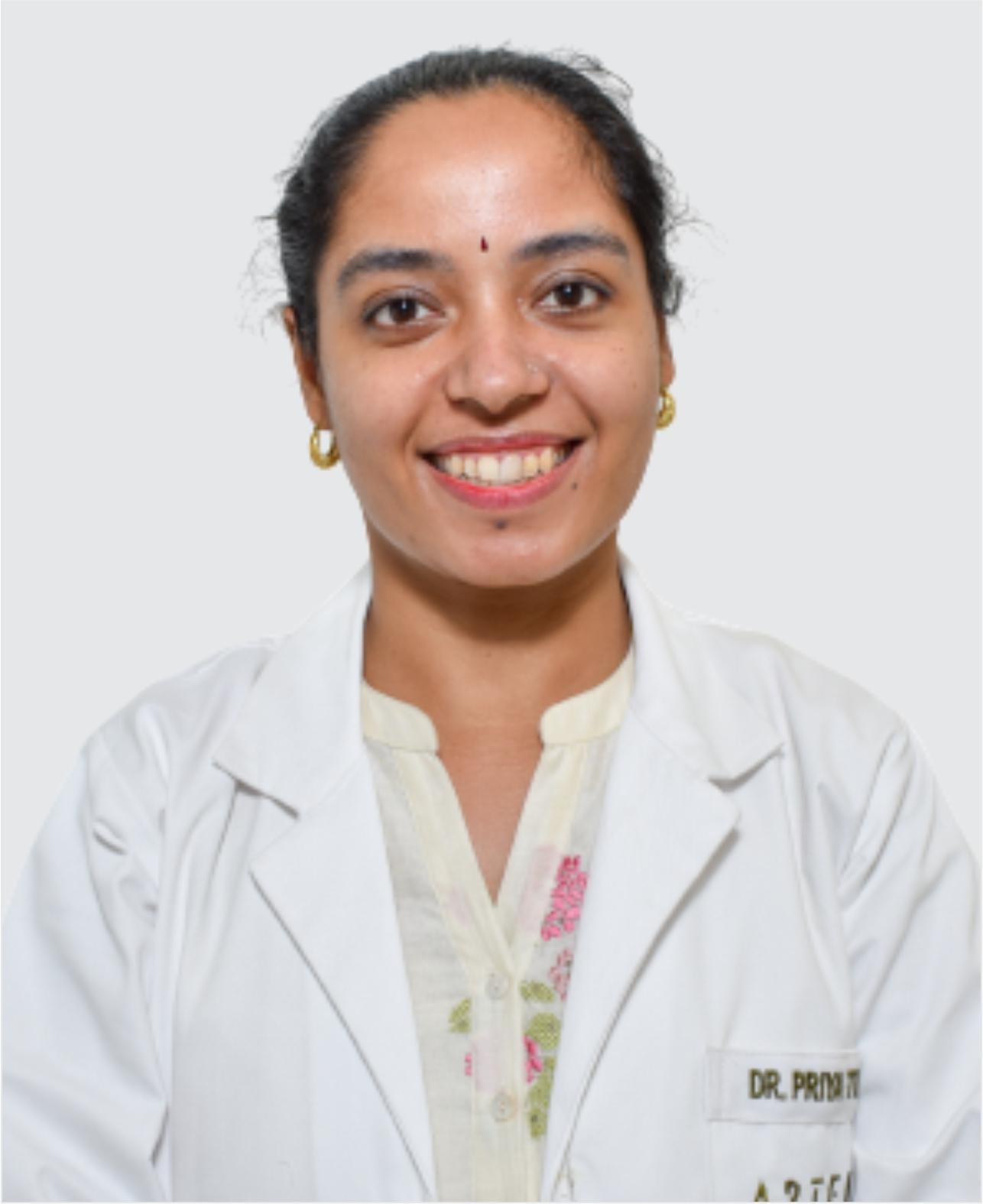
Dr. Priya Tiwari
Sr. Consultant
Radiology
New Delhi
12+ Years
Experience
Artemis Hospital
Hospital
1500
Fees

Dr. Vivek Raj
Associate Director
Pulmonology
New Delhi
20+ Years
Experience
Apolo Delhi
Hospital
1500
Fees
Related Links
Recent Blogs
Other Treatment related Information
- Radiology cost in Bengaluru
- Radiology cost in New Delhi
- Radiology cost in Hyderabad
- Radiology cost in India
- Radiology cost in Pune
- Radiology cost in Haryana
- Radiology cost in Mumbai
- Radiology cost in Chennai
- Radiology Success Rate in Haryana
- Radiology Success Rate in Pune
- Radiology Success Rate in New Delhi
- Radiology Success Rate in India
- Radiology Success Rate in Bengaluru
- Radiology Success Rate in Mumbai
- Radiology Success Rate in Hyderabad
- Radiology Success Rate in Chennai
- Best Radiology Doctors in Hyderabad
- Best Radiology Doctors in Gurugram
Ready To Start Your Healing Journey?
Get Personalized Medical Treatment Options From India's Top Hospitals. Our Medical Experts Are Ready To Assist You Every Step Of The Way.