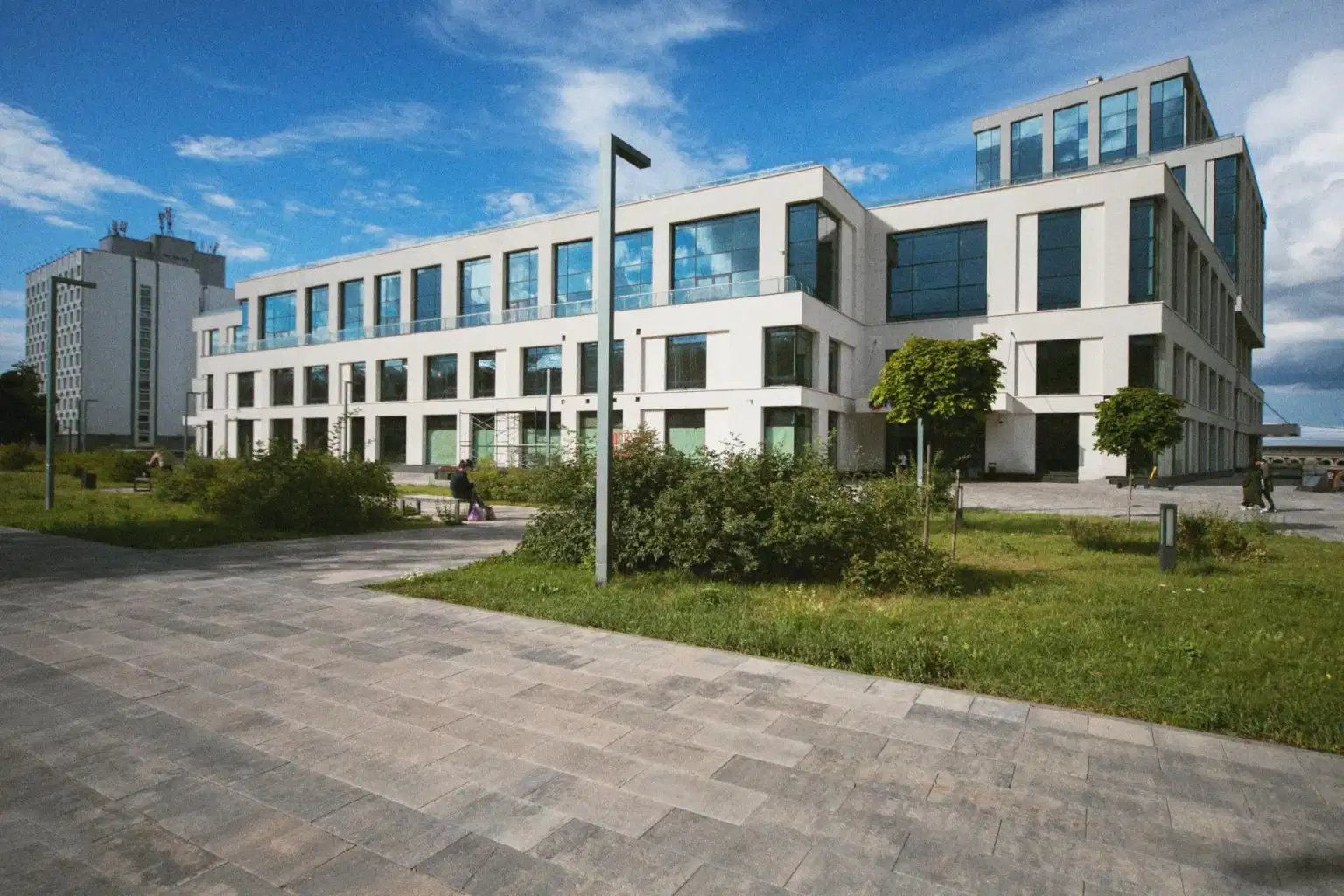
Radiology Treatment in Hyderabad for Nigeria
Need Personalized Advice?
Our medical experts are ready to answer your questions and guide you through your treatment options.
About
Radiology Services in Hyderabad for Nigerian Patients
As a patient from Nigeria considering medical diagnostics abroad, you might feel uncertain about finding reliable radiology services. Understanding the quality and accessibility of advanced diagnostic imaging in a new country is a natural worry for many international patients.
Many patients choose Hyderabad for advanced radiology because of its established medical infrastructure. The city offers a well-integrated healthcare system that ensures seamless coordination for complex diagnostic needs, drawing visitors seeking precise answers.
Hyderabad’s hospitals are equipped with modern imaging technology and staffed by highly trained radiologists. This creates an environment where accurate diagnoses and efficient patient flow are prioritized for international visitors seeking clarity and expert care.
Is Hyderabad the most suitable choice for your radiology and diagnostic imaging requirements?
What is Radiology?
Radiology is a medical specialty that uses imaging technologies to diagnose and treat diseases seen within the human body. It involves a range of techniques, including X-rays, CT scans, MRI scans, ultrasound, and nuclear medicine, allowing doctors to view internal structures without invasive procedures. This field is essential for accurately identifying conditions, guiding treatment plans, and monitoring recovery.
Common Radiology Procedures
X-rays: Used for bone fractures, chest conditions, and detecting foreign objects.
Computed Tomography (CT) Scan: Detailed cross-sectional images for examining organs, bones, soft tissues, and blood vessels.
Magnetic Resonance Imaging (MRI): Provides high-resolution images of soft tissues, the brain, spinal cord, and joints, without radiation.
Ultrasound: Uses sound waves for real-time imaging of organs, blood flow, and obstetric assessments.
Positron Emission Tomography (PET) Scan: Detects metabolic activity to identify diseases like cancer, heart conditions, and neurological disorders.
Nuclear Medicine: Employs small amounts of radioactive material to diagnose and treat various conditions, often focusing on organ function.
When is Radiology Required?
- Evaluating unexplained pain, swelling, or tenderness.
- Diagnosing bone fractures, dislocations, or joint problems.
- Investigating symptoms like persistent coughs, breathing difficulties, or chest pain.
- Screening for certain cancers or evaluating known tumors.
- Assessing organ health in the abdomen, pelvis, or chest.
- Monitoring the progression of diseases or effectiveness of treatments.
- Guiding minimally invasive procedures, such as biopsies or drainages.
Pre Radiology Evaluation
- Medical History Review: Discussing past conditions, allergies, and current medications.
- Physical Examination: A general checkup to assess overall health.
- Laboratory Tests: Blood tests to check kidney function, especially if contrast agents are used.
- Prior Imaging Studies: Reviewing any previous scans to understand the history of the condition.
- Consent Forms: Understanding the procedure and providing informed consent.
How Radiology Procedures are Performed
Radiology procedures are generally non-invasive, with specific steps varying depending on the imaging modality used and the area being examined.
Preparation: Patients may be asked to fast for a few hours before certain scans, remove metal objects, or change into a gown. For some scans like CT or MRI, an intravenous contrast agent might be administered to enhance image clarity.
During the Scan: You will lie on a table that slides into the imaging machine. The technologist will provide instructions and communicate with you from an adjacent room. Most scans are painless, though some require you to stay very still or hold your breath briefly. MRI scans can be noisy, and ear protection is typically provided.
Post Scan: After the imaging is complete, you can usually resume normal activities immediately. If a contrast agent was used, you might be advised to drink extra fluids to help flush it from your system. The images are then reviewed and interpreted by a specialist radiologist.
Recovery Process
Most radiology procedures do not require a significant recovery period. Patients can typically return to their daily routines immediately after the scan. If a contrast agent was administered, there might be a brief observation period, and increased fluid intake is recommended. The primary focus post procedure is on the radiologist’s interpretation of the images and subsequent discussion with your referring doctor to determine the next steps for your health management.
Risks and Success Rates
- Radiation Exposure: Minimal for X-rays and CT scans, carefully controlled to be as low as reasonably achievable. MRI and ultrasound do not use ionizing radiation.
- Allergic Reaction to Contrast: Rare, but possible with intravenous contrast agents, typically mild symptoms like hives or nausea.
- Sedation Risks: If sedation is used for claustrophobia or to help a child remain still, general risks associated with anesthesia apply.
- Claustrophobia: Can occur in enclosed MRI machines, often managed with open MRI options or mild sedation.
The success rate of radiology procedures is measured by their accuracy in providing diagnostic information. Modern imaging techniques boast very high accuracy rates, often above 90%, in detecting and characterizing various conditions. Outcomes can vary depending on the patient's specific condition, the clarity of images, and the expertise of the interpreting radiologist. Long term expectations involve using these diagnostic insights to guide effective treatment and improve patient health outcomes.
Cost of Radiology in Hyderabad
The cost of radiology services in Hyderabad is influenced by several factors, including the type of scan, the specific imaging technology used, the hospital’s facility level, and the expertise of the radiologist. Generally, Hyderabad offers significantly more affordable options compared to many Western countries, without compromising on quality or technology.
A basic X-ray might start from INR 800, while a complex MRI or PET scan could range from INR 10,000 to INR 60,000 or more, depending on the specifics.
Radiology Cost Comparison: Hyderabad vs. Global
Comparing radiology costs reveals Hyderabad’s competitive pricing while offering high quality diagnostic imaging facilities and expert medical professionals.
| Procedure Type | Hyderabad (INR) | USA (USD) | UK (GBP) | Thailand (THB) | Turkey (TRY) |
|---|---|---|---|---|---|
| X-ray (Basic) | 800 - 1,500 | 50 - 200 | 40 - 150 | 1,000 - 3,000 | 200 - 700 |
| CT Scan (Abdomen) | 5,000 - 12,000 | 500 - 2,000 | 300 - 1,000 | 8,000 - 25,000 | 2,000 - 7,000 |
| MRI Scan (Brain) | 10,000 - 25,000 | 800 - 3,000 | 500 - 1,500 | 15,000 - 40,000 | 3,000 - 10,000 |
| Ultrasound (Abdomen) | 1,500 - 3,500 | 150 - 500 | 100 - 300 | 3,000 - 8,000 | 500 - 1,500 |
| PET Scan | 25,000 - 60,000 | 1,500 - 5,000 | 1,000 - 3,000 | 40,000 - 100,000 | 8,000 - 25,000 |
Comprehensive Support Services for International Patients
- Visa and Travel Assistance: Guidance through the medical visa application process and travel arrangements.
- Accommodation Support: Help with finding suitable lodging near your chosen hospital in Hyderabad.
- Language Interpretation: Access to professional interpreters to ensure clear communication with medical staff.
- Airport Transfers: Arranging seamless transportation from the airport to your accommodation and hospital.
- Dedicated Patient Coordinators: A single point of contact for all your medical and logistical needs.
- Post Treatment Follow Up: Assistance with scheduling follow up appointments and virtual consultations after returning home.
Essential Documents for Your Radiology Visit
- Valid Passport and Medical Visa: Ensure your travel documents are up to date and approved for medical travel.
- Referral Letter from Your Doctor: A letter outlining the reason for your radiology request and relevant medical history.
- Previous Medical Records: Any prior imaging reports, lab results, or physician notes related to your condition.
- Proof of Funds: Documentation to demonstrate your ability to cover medical and travel expenses.
- Travel Insurance Details: Information about your medical and travel insurance policy.
- Contact Information: Details of your emergency contact person and referring physician in Nigeria.
Preparing for Your Diagnostic Procedure
- Discuss Allergies and Medications: Inform your medical team about all known allergies, especially to contrast agents, and any medications you are currently taking.
- Follow Fasting Instructions: Adhere strictly to any dietary restrictions, such as fasting, before your scheduled scan if required.
- Stay Hydrated: Drink plenty of water before and after scans involving contrast agents to aid its excretion.
- Remove Metal Objects: Before MRI scans, remove all metallic items like jewelry, watches, and dentures.
- Arrange for a Companion: If you anticipate needing sedation or feel anxious, consider having a friend or family member accompany you.
- Ask Questions: Do not hesitate to clarify any doubts about the procedure with your patient coordinator or doctor.
Aftercare and What to Expect Post Radiology
- Immediate Activity: Most patients can return to normal activities right after a radiology scan.
- Hydration Post Contrast: If a contrast agent was used, drink ample fluids to help eliminate it from your body.
- Results Interpretation: The radiologist will analyze the images, and a report will be sent to your referring doctor, usually within 24 to 48 hours.
- Follow Up Consultation: Schedule a consultation with your doctor to discuss the findings and plan any necessary treatments.
- Monitor for Reactions: Though rare, if you experience any unusual symptoms after a contrast injection, report them to your care team immediately.
Take Your Next Step Toward Clarity and Health
Choosing Hyderabad for your radiology needs means opting for advanced technology and expert care. Let us help you navigate your diagnostic journey with confidence and ease.
Hospitals Offering this treatment
India offers premium medical procedures at affordable prices. Discover our most popular treatments, delivered by the country's finest doctors.
Meet Our Doctors
Meet our team of highly qualified and experienced medical professionals dedicated to providing the best healthcare services.

Aditi Dixit
Sr. Consultant – Women Imaging
Radiology (Specializing in Women's Imaging)
Haryana
15+ Years
Experience
Artemis Hospital
Hospital
1500
Fees

Dr. Ajit Singh Baghela
Consultant
Paediatric Neurology
Haryana
9+ Years
Experience
Artemis Hospital
Hospital
1500
Fees
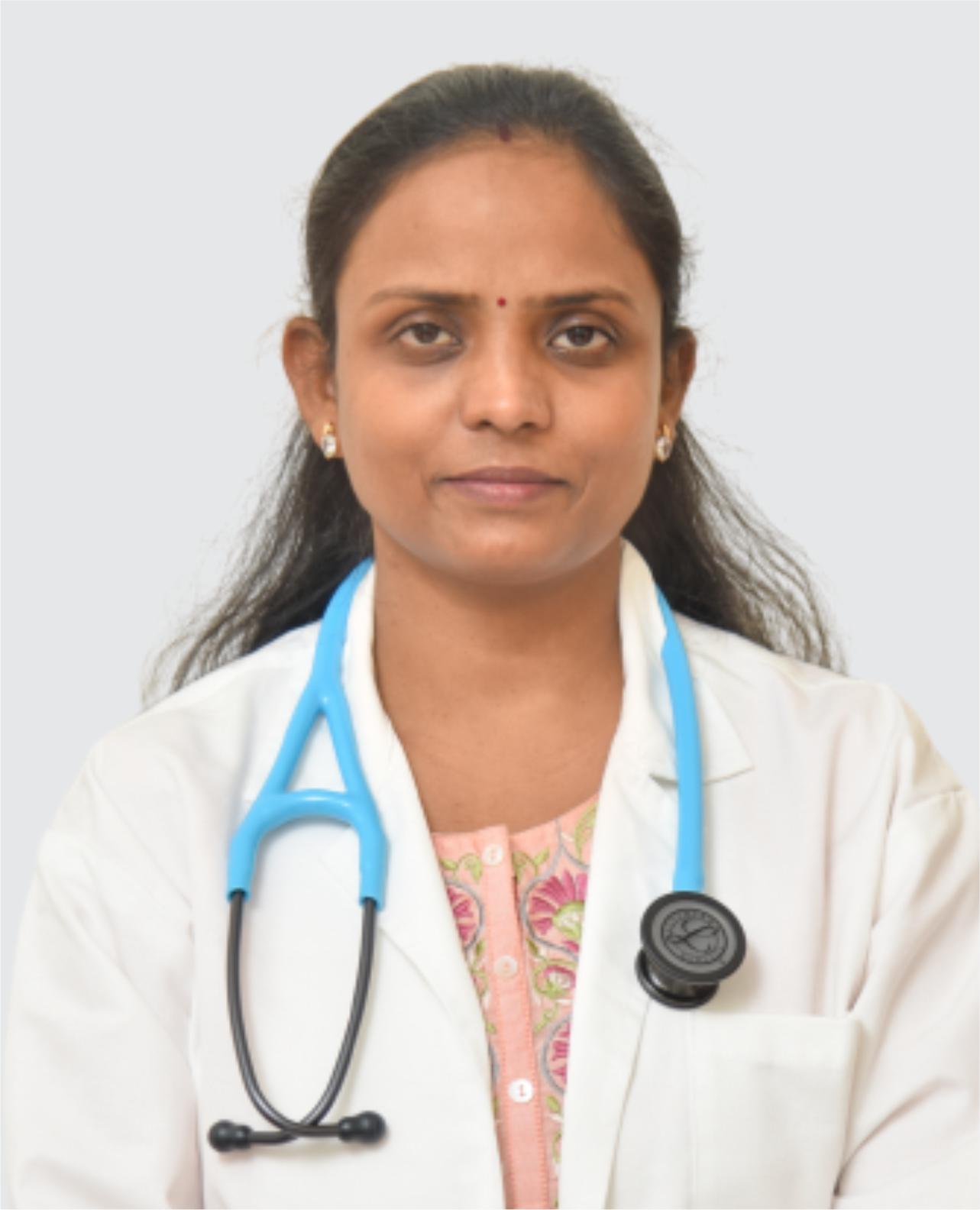
Dr. Anju Singh
Consultant - Pediatric Rheumatology
Pediatric Rheumatology
New Delhi
13+ Years
Experience
Artemis Hospital
Hospital
1500
Fees
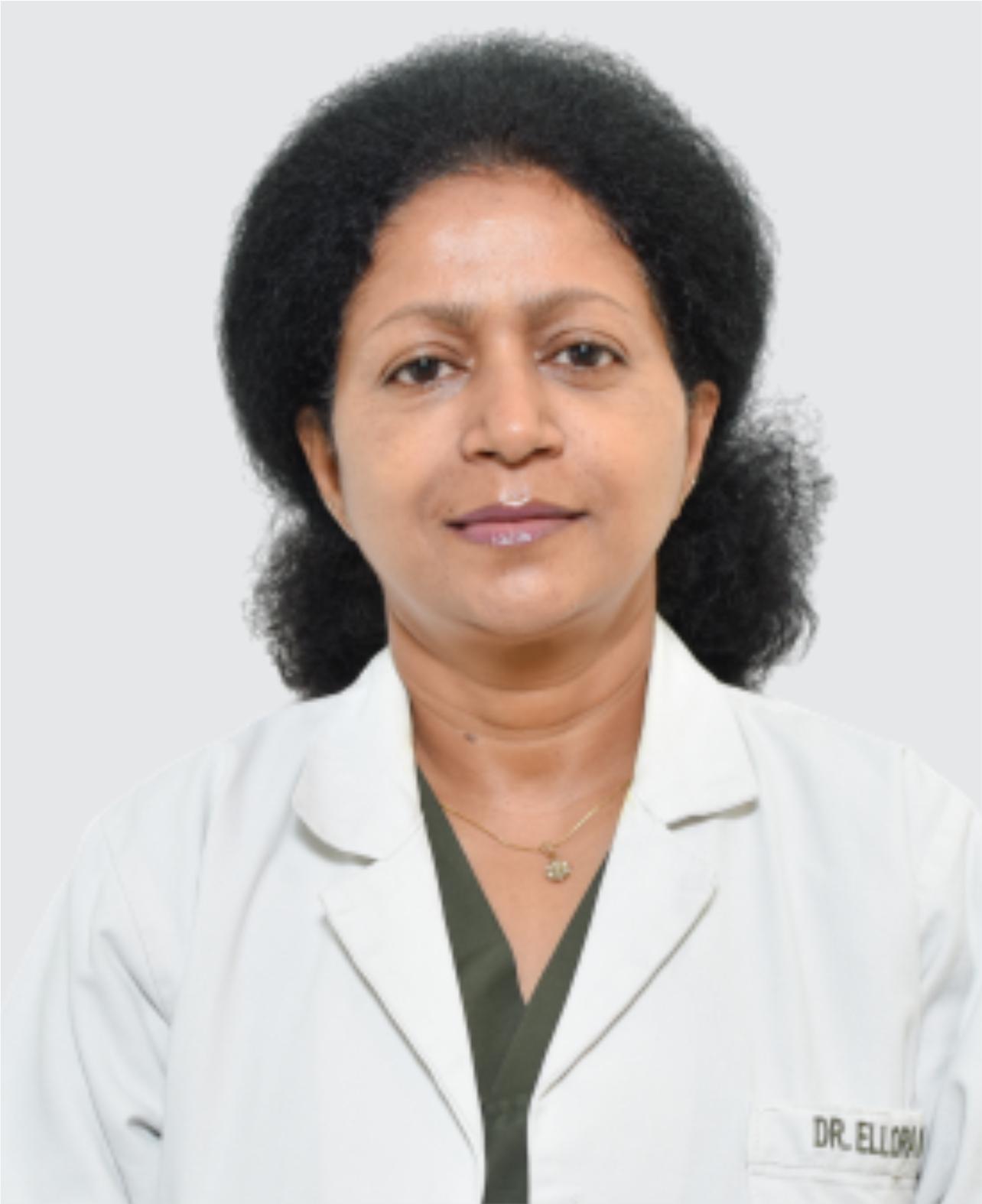
Dr. Ellora Nanda
Admin Head - Emergency
Emergency & Trauma Services
New Delhi
25+ Years
Experience
Artemis Hospital
Hospital
1500
Fees

Gurpreet Makkar
Head Imaging & Chief DNB Program
Radiology
New Delhi
19+ Years
Experience
Artemis Hospital
Hospital
1500
Fees
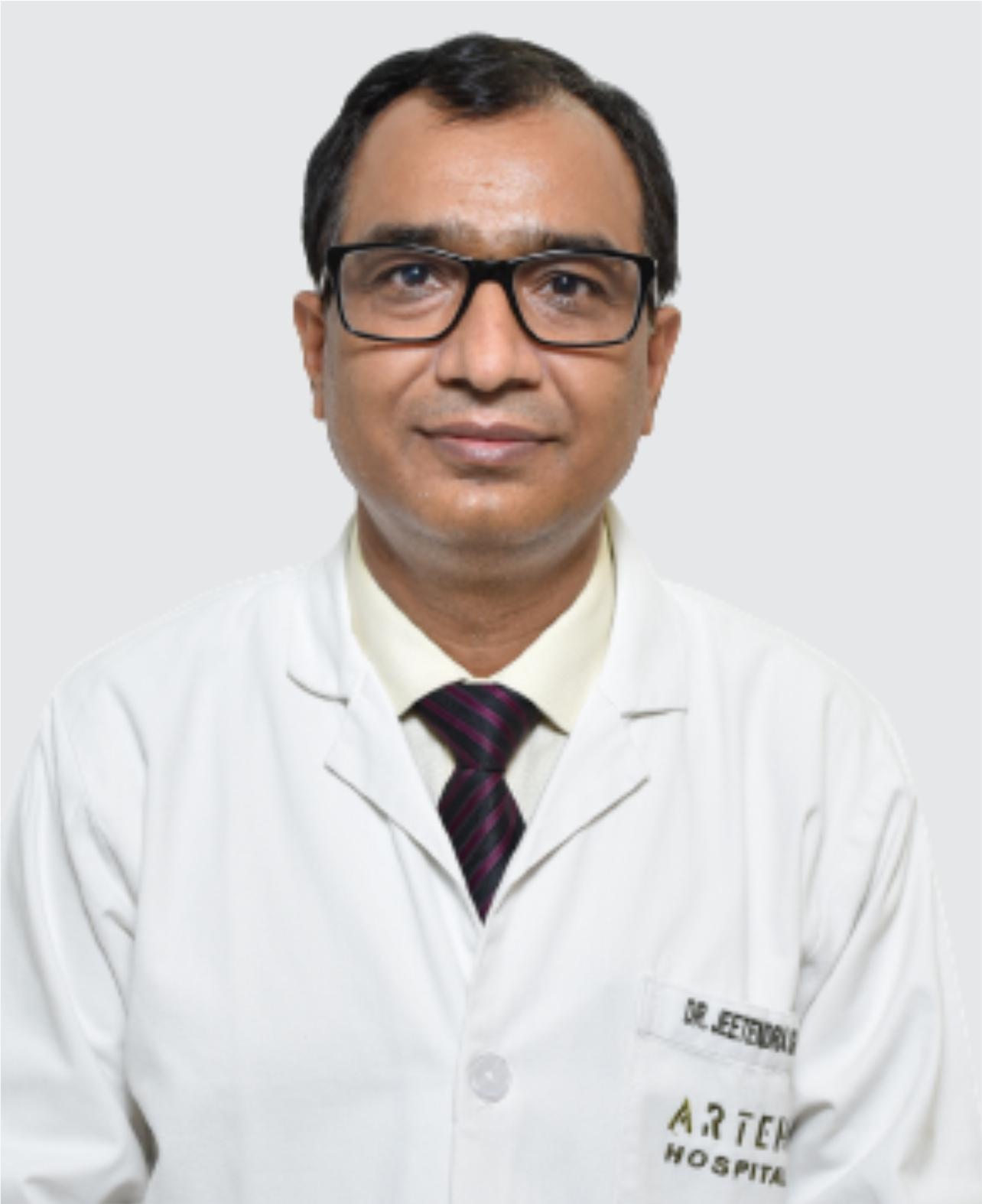
Jeetendra Sharma
Chief - Critical Care (Unit II) & Chief- Medical Quality
Critical Care & ICU
New Delhi
15+ Years
Experience
Artemis Hospital
Hospital
1500
Fees

Dr. Kamal Verma
Sr. Consultant - Radiation Oncology
Radiation Oncology
New Delhi
15+ Years
Experience
Artemis Hospital
Hospital
1500
Fees
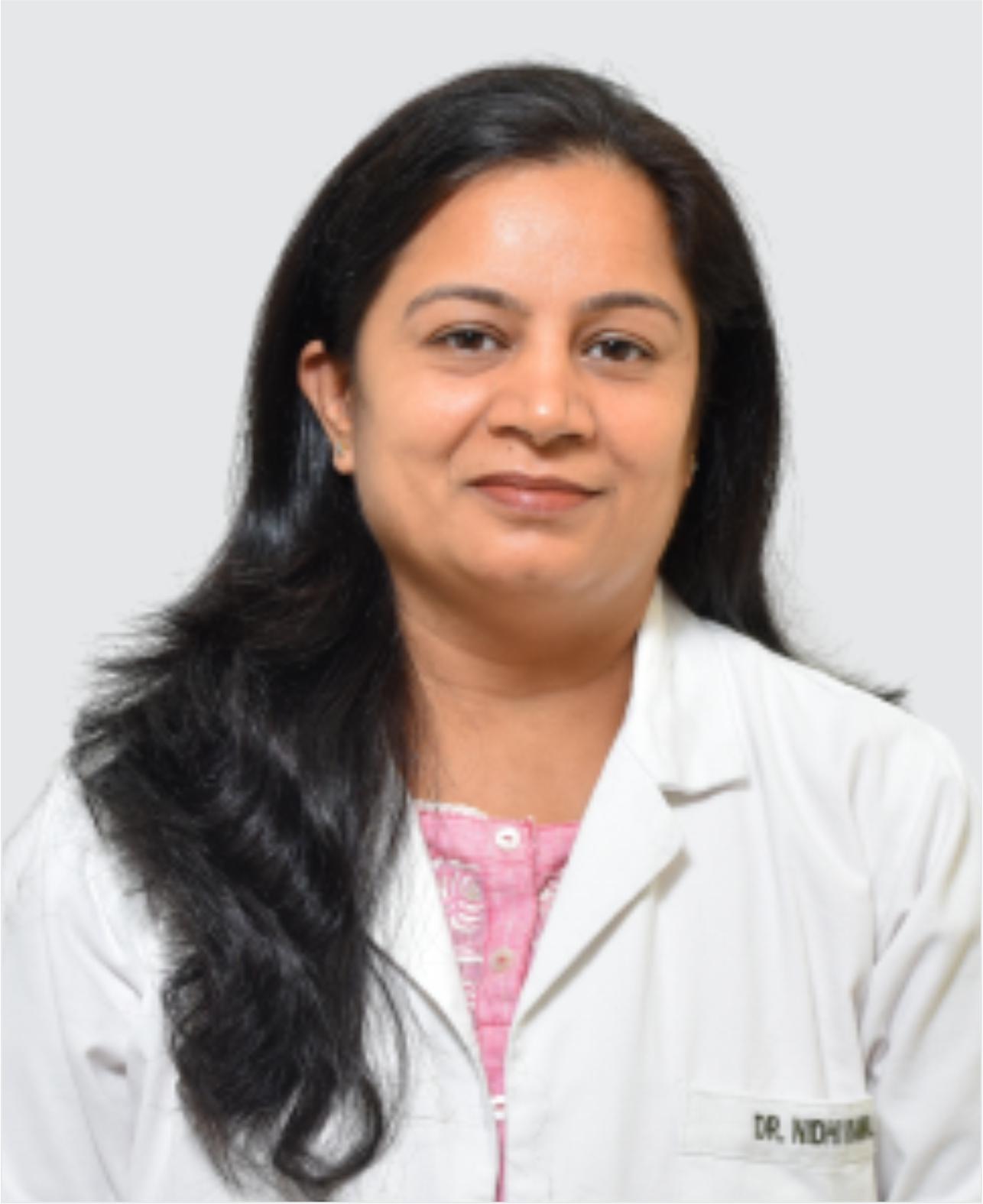
Dr Nidhi Rawal
Chief - Paediatric Cardiology
Paediatric Cardiology
New Delhi
18+ Years
Experience
Artemis Hospital
Hospital
1500
Fees

Dr. Noaline Sinha
Chairperson - Nuclear Medicine & Radio-Theranostics
Nuclear Medicine
New Delhi
15+ Years
Experience
Artemis Hospital
Hospital
1500
Fees
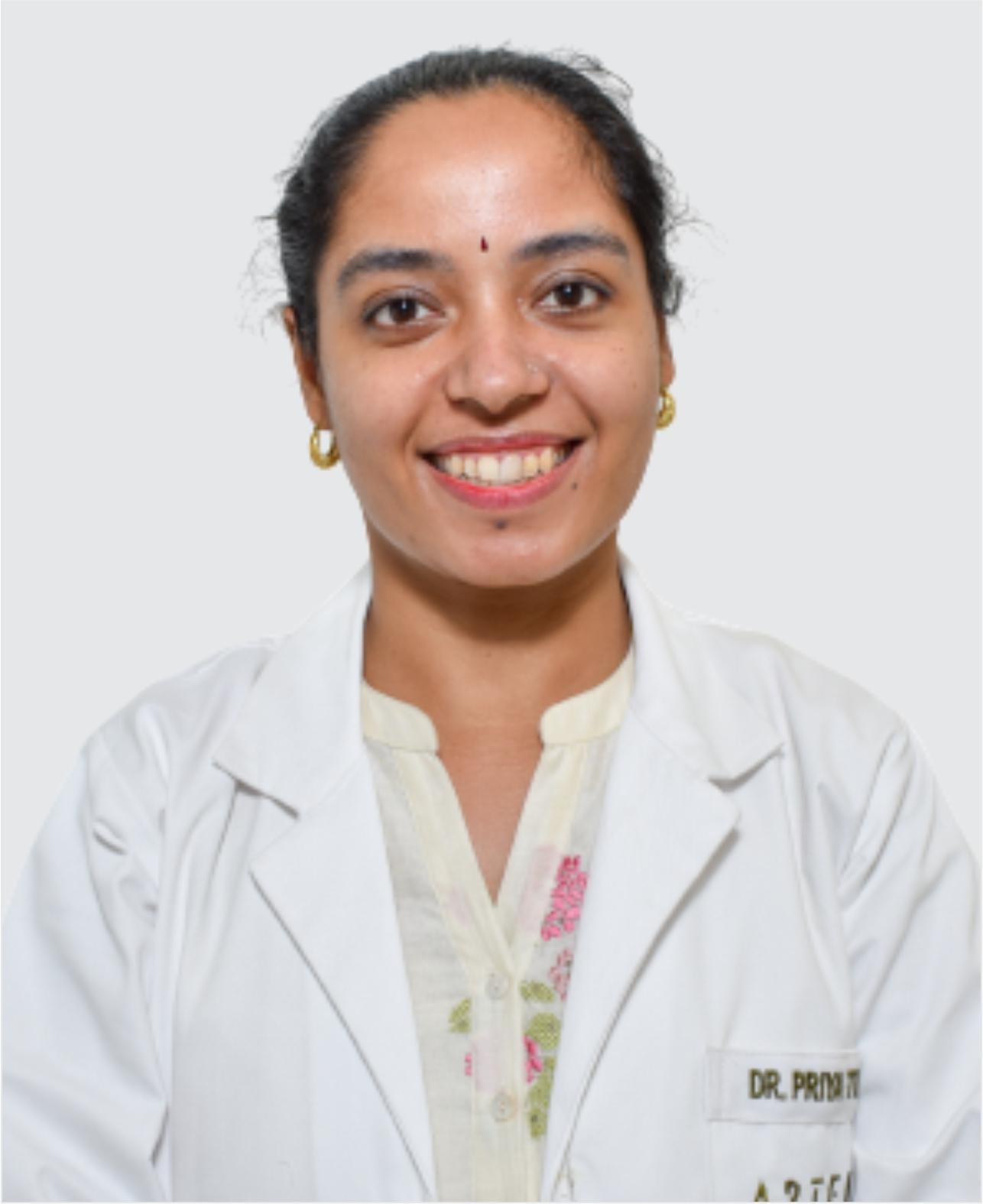
Dr. Priya Tiwari
Sr. Consultant
Radiology
New Delhi
12+ Years
Experience
Artemis Hospital
Hospital
1500
Fees
Related Links
Recent Blogs
Other Treatment related Information
- Radiology cost in Bengaluru
- Radiology cost in New Delhi
- Radiology cost in Hyderabad
- Radiology cost in India
- Radiology cost in Pune
- Radiology cost in Haryana
- Radiology cost in Mumbai
- Radiology cost in Chennai
- Radiology Success Rate in Haryana
- Radiology Success Rate in Pune
- Radiology Success Rate in New Delhi
- Radiology Success Rate in India
- Radiology Success Rate in Bengaluru
- Radiology Success Rate in Mumbai
- Radiology Success Rate in Hyderabad
- Radiology Success Rate in Chennai
- Best Radiology Doctors in Hyderabad
- Best Radiology Doctors in Gurugram
Ready To Start Your Healing Journey?
Get Personalized Medical Treatment Options From India's Top Hospitals. Our Medical Experts Are Ready To Assist You Every Step Of The Way.