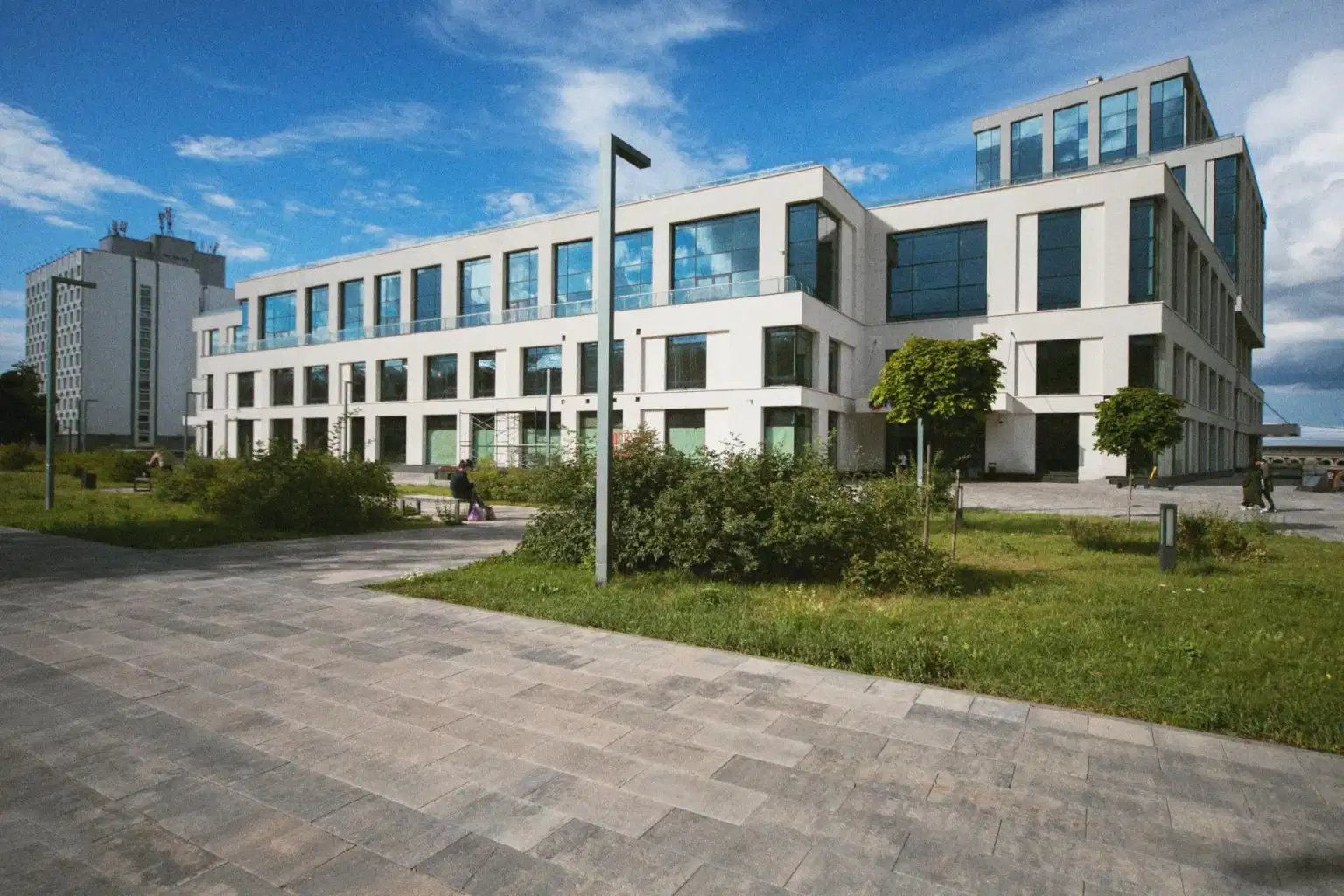
Radiology Treatment in India for Ethiopia
Need Personalized Advice?
Our medical experts are ready to answer your questions and guide you through your treatment options.
About
Radiology Treatment in India for Ethiopian Patients | Cost & Hospitals
Ethiopian patients often face challenges accessing timely and advanced diagnostic imaging within their home country. Concerns about equipment availability, specialist expertise, and potential treatment delays can create significant anxiety when a clear diagnosis is crucial for health decisions.
For many seeking high-quality medical services, India presents a compelling option. The country has established itself as a leading destination for medical tourism, offering state-of-the-art radiology facilities spread across its major cities, ensuring widespread access to advanced diagnostic and interventional procedures.
India's medical infrastructure is built on a foundation of reputable hospitals and highly skilled radiology specialists nationwide. This extensive network means patients can trust in a system that prioritizes accurate diagnostics and well-coordinated care, supported by modern technology and experienced professionals.
Is India the right choice for your radiology needs?
What Exactly Is Radiology?
Radiology is a medical specialty that uses imaging technology to diagnose and treat diseases. It involves taking pictures of the inside of the body to reveal clues about an illness, injury, or condition. Radiologists are doctors who interpret these images to help other physicians make accurate diagnoses and plan effective treatments.
Exploring Different Radiology Procedures
Radiology encompasses a wide array of imaging techniques, each suited for different diagnostic purposes:
- X-rays: Used primarily for bone fractures, chest conditions, and detecting foreign objects.
- Computed Tomography (CT) Scans: Provides detailed cross-sectional images of bones, soft tissues, and blood vessels, ideal for injuries and detecting tumors.
- Magnetic Resonance Imaging (MRI): Uses strong magnetic fields and radio waves to create highly detailed images of organs, soft tissues, bone, and virtually all other internal body structures.
- Ultrasound: Utilizes sound waves to produce images of organs and structures inside the body, commonly used for abdominal, obstetric, and cardiac imaging.
- Positron Emission Tomography (PET) Scans: Often combined with CT or MRI, PET scans detect metabolic activity to identify disease at a cellular level, particularly useful in oncology.
- Interventional Radiology: A sub-specialty where imaging techniques guide minimally invasive procedures to diagnose and treat conditions without open surgery.
Why Would a Doctor Recommend Radiology?
- To diagnose unexplained pain, swelling, or infection.
- To identify bone fractures, dislocations, or joint problems.
- For detecting tumors, cysts, or other abnormal growths.
- To assess injuries to internal organs following trauma.
- For guiding medical procedures like biopsies or drain placements.
- To monitor the progression of diseases such as cancer or arthritis.
- To evaluate cardiovascular health and detect blockages in blood vessels.
How Do Doctors Prepare for a Radiology Scan?
- A thorough review of the patient's medical history and current symptoms.
- Physical examination to understand the specific area of concern.
- Laboratory tests, especially if contrast agents are to be used, to check kidney function.
- Review of any prior imaging studies for comparison.
- Discussion about allergies, particularly to contrast dyes or medications.
- Explanation of the procedure and addressing patient concerns.
Understanding Your Radiology Examination Process
The specific steps for a radiology procedure depend entirely on the type of scan required and the area of the body being examined. However, there are common elements across most imaging processes.
Generally, patients are asked to remove metallic objects and change into a gown. For some scans, a contrast dye might be administered orally or intravenously to enhance image clarity. The patient is then positioned carefully on a table, which slides into the imaging machine. During the scan, it is essential to remain still to ensure clear images. For procedures like MRI, there may be loud noises from the machine. The radiology technologist monitors the process from an adjacent room, providing instructions through an intercom. Diagnostic scans are usually quick, taking anywhere from a few minutes to an hour. Interventional radiology procedures are more complex, involving precise needle or catheter guidance under real-time imaging.
What to Expect After a Radiology Scan?
For most diagnostic radiology scans like X-rays, CTs, or MRIs, there is no specific recovery period needed. Patients can usually resume their normal activities immediately after the procedure. If a contrast agent was used, you might be advised to drink extra fluids to help flush it out of your system. For interventional radiology procedures, a short period of observation in the hospital might be required to ensure there are no immediate complications. The results are typically interpreted by a radiologist and sent to your referring doctor within a few days, who will then discuss the findings with you.
Ready to get a precise diagnosis? Contact us today to explore radiology options in India.
Are There Risks with Radiology and What Are the Success Rates?
- Radiation Exposure: X-rays and CT scans involve a small amount of radiation. Modern machines minimize this exposure, and benefits usually outweigh risks.
- Contrast Reactions: Some patients may have allergic reactions to contrast dyes, ranging from mild rashes to severe anaphylaxis. This is rare and managed with pre-screening.
- Claustrophobia: Patients undergoing MRI in enclosed machines might experience anxiety; open MRI options or sedation can be considered.
- Pregnancy Concerns: Radiology procedures, especially those involving radiation, are generally avoided during pregnancy unless absolutely critical.
- Implants: Metal implants can interfere with MRI scans, requiring careful evaluation.
The success rate of radiology primarily pertains to its diagnostic accuracy and its ability to guide effective treatment. With advanced technology and experienced radiologists in India, diagnostic accuracy is very high, often exceeding 95% for many conditions. Outcomes depend on the underlying condition being investigated or treated, but radiology significantly improves the chances of successful management by providing crucial insights. Long-term expectations are tied to the appropriate follow-up care based on the radiology findings.
What is the Cost of Radiology in India for Ethiopian Patients?
The cost of radiology procedures in India can vary significantly based on several factors. These include the specific type of scan required (e.g., X-ray versus PET-CT), the hospital's reputation and technology, the expertise of the interpreting radiologist, whether contrast agents are used, and the city where the procedure is performed.
For many common diagnostic radiology procedures, costs in India typically range from INR 5,000 to INR 25,000.
Cost of Radiology Across Indian Cities
| Indian City | Approximate Cost Range (INR) |
|---|---|
| Delhi | ₹6,000 - ₹25,000 |
| Mumbai | ₹7,000 - ₹27,000 |
| Chennai | ₹5,500 - ₹24,000 |
| Bangalore | ₹6,500 - ₹26,000 |
| Hyderabad | ₹5,000 - ₹23,000 |
| Kolkata | ₹5,000 - ₹22,000 |
| Ahmedabad | ₹4,500 - ₹21,000 |
| Pune | ₹5,500 - ₹24,500 |
Radiology Cost: India vs. Global Comparison
| Country | Approximate Cost (USD Equivalent) |
|---|---|
| India | $60 - $300 |
| Ethiopia | $150 - $600 |
| USA | $500 - $3,000 |
| UK | $400 - $2,000 |
| Singapore | $300 - $1,500 |
| Thailand | $150 - $700 |
Patient Support During Your Radiology Journey
- Assistance with medical visa applications and extensions.
- Guidance for travel arrangements and flight bookings.
- Arranging comfortable accommodation near your chosen medical facility.
- Access to professional interpreters for clear communication.
- Facilitating local transportation for hospital visits and appointments.
- Streamlined scheduling of all necessary diagnostic appointments.
Essential Documents for Your Radiology Visit
- Valid passport and Indian medical visa.
- Comprehensive medical reports, scans, and previous test results from Ethiopia.
- Official referral letter from your local physician.
- Any relevant insurance documents, if applicable.
- Patient consent forms as provided by the Indian hospital.
Preparing for Your Radiology Procedure
- Discussing any known allergies with the medical team.
- Informing staff about any metallic implants, pacemakers, or prosthetic devices.
- Following specific fasting instructions if contrast dye is to be used.
- Wearing loose, comfortable clothing without metal fasteners.
- Asking all your questions to ensure you feel at ease.
After Your Radiology Scan: What Comes Next
- Understanding the timeline for receiving your imaging results.
- Scheduling a follow-up appointment with your referring doctor to discuss findings.
- Continuing any regular medications unless advised otherwise.
- Resting and staying hydrated, especially after procedures involving contrast.
- Adhering to any specific post-procedure instructions from the medical team.
Have questions about radiology in India? Our team is here to provide clarity and support.
Ready to Explore Your Options?
Embark on your path to clarity and accurate diagnosis with India's leading radiology services. Reach out today for personalized guidance and support for your medical journey.
Hospitals Offering this treatment
India offers premium medical procedures at affordable prices. Discover our most popular treatments, delivered by the country's finest doctors.
Meet Our Doctors
Meet our team of highly qualified and experienced medical professionals dedicated to providing the best healthcare services.

Aditi Dixit
Sr. Consultant – Women Imaging
Radiology (Specializing in Women's Imaging)
Haryana
15+ Years
Experience
Artemis Hospital
Hospital
1500
Fees
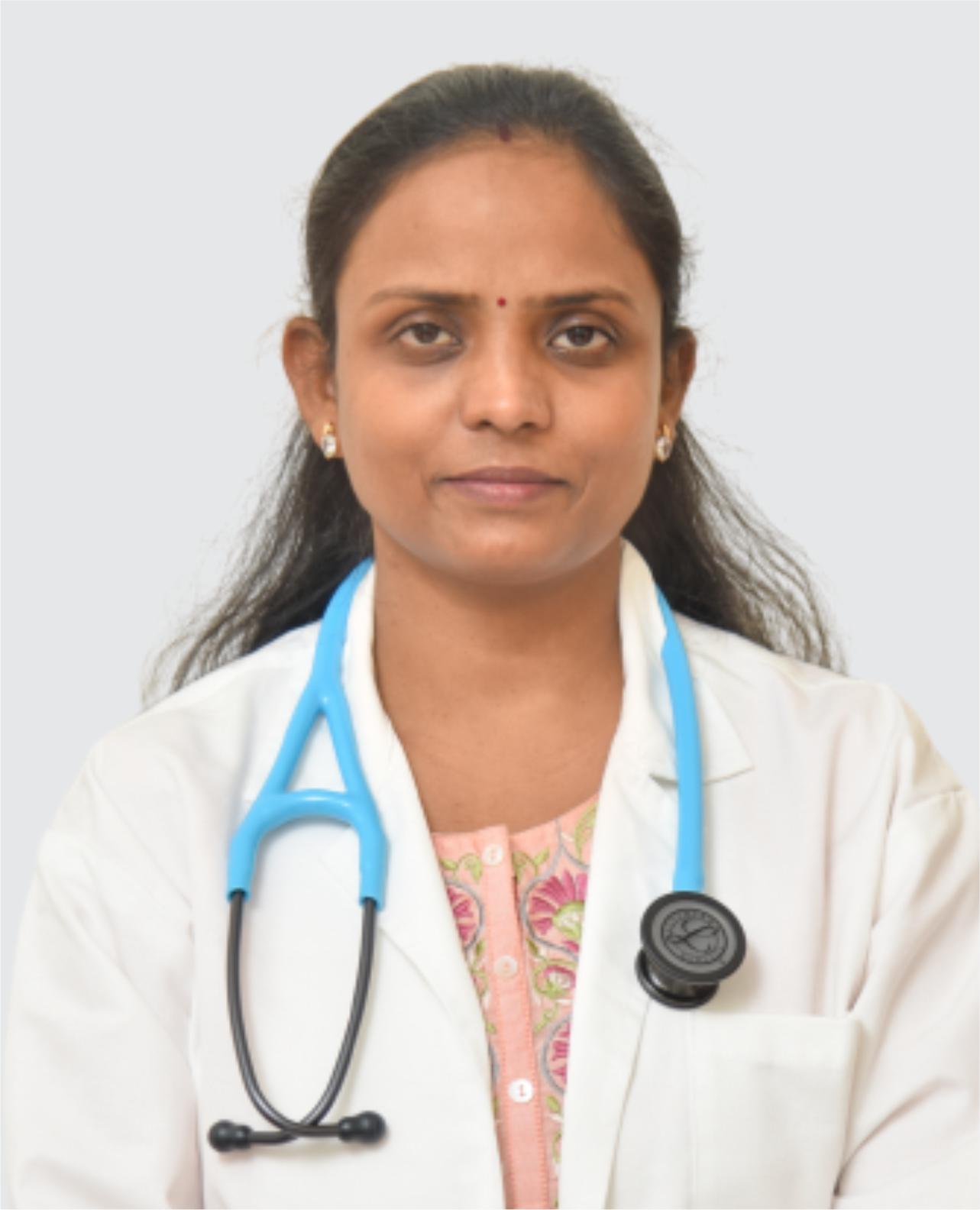
Dr. Anju Singh
Consultant - Pediatric Rheumatology
Pediatric Rheumatology
New Delhi
13+ Years
Experience
Artemis Hospital
Hospital
1500
Fees
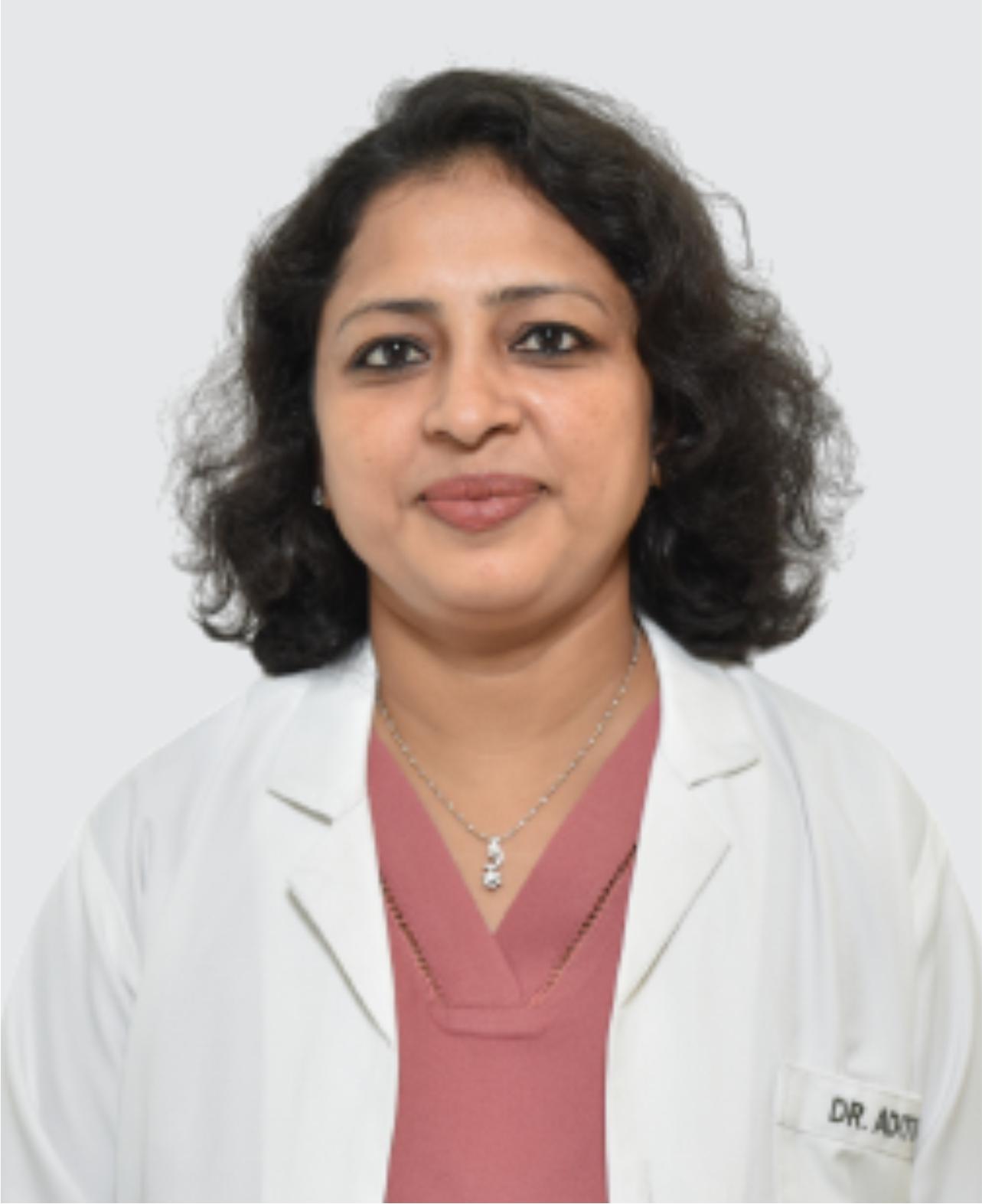
Dr Aditi Dixit
Sr. Consultant – Women Imaging
Radiology
New Delhi
15+ Years
Experience
Artemis Hospital
Hospital
1500
Fees

Dr Chandrima Misra M
Co-Head Psychological Services
Mental Health and Behavioural Sciences
New Delhi
15+ Years
Experience
Artemis Hospital
Hospital
1500
Fees

Dr. Nutan Agarwal
Head of Department - Gynae Endocrinology & DNB Program Director - Obs & Gynae
Gynaecological Endocrinology, Maternity, Obstetrics & Gynaecology
New Delhi
35+ Years
Experience
Artemis Hospital
Hospital
1500
Fees

Dr. Poonam Gautam
Senior Consultant - ENT
ENT and Head & Neck Surgery
New Delhi
24+ Years
Experience
Artemis Hospital
Hospital
1500
Fees
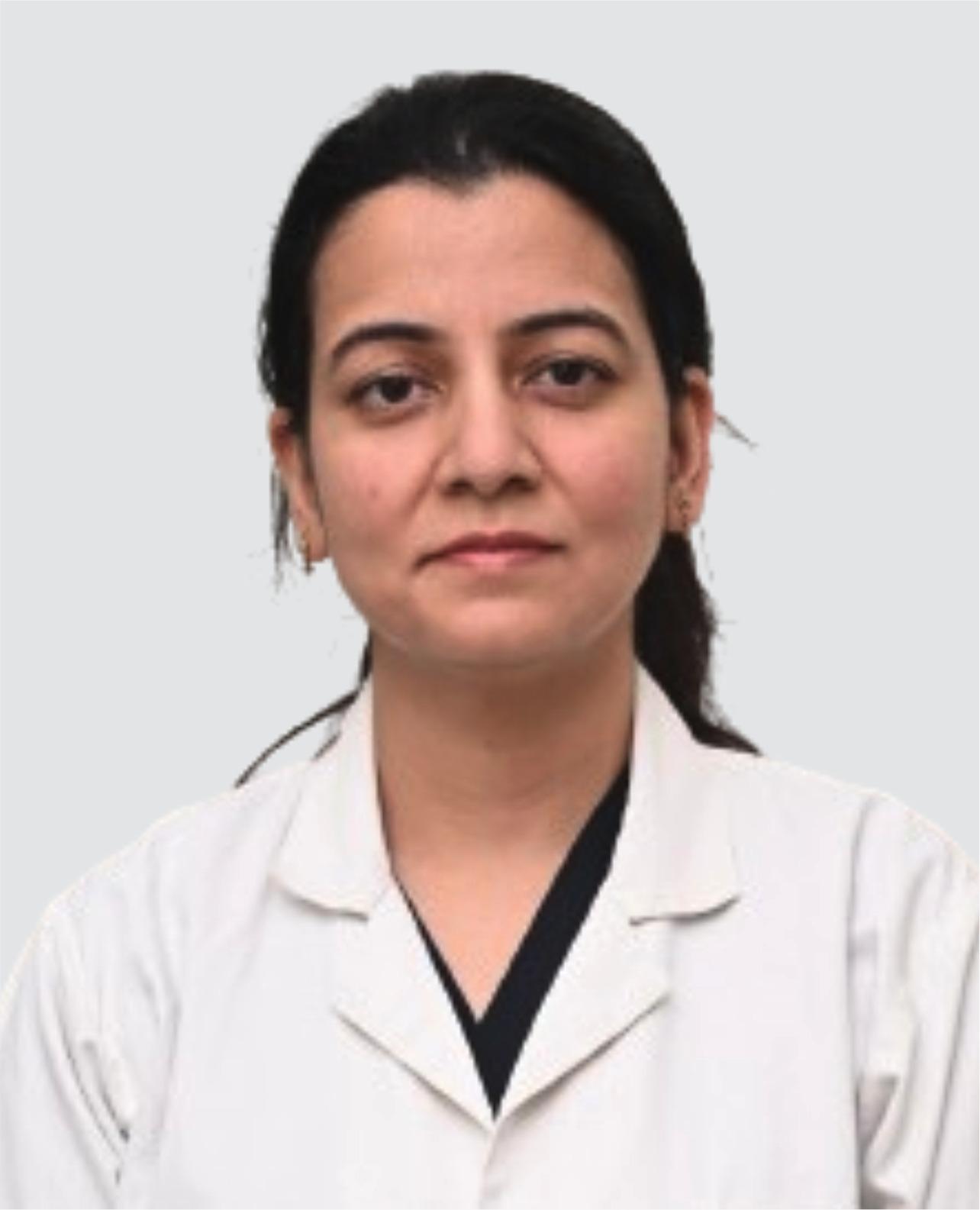
Dr. Priyanka Raina
Consultant (Head & Neck Surgery) - Surgical Oncology
Head and Neck Surgical Oncology
New Delhi
10+ Years
Experience
Artemis Hospital
Hospital
1500
Fees
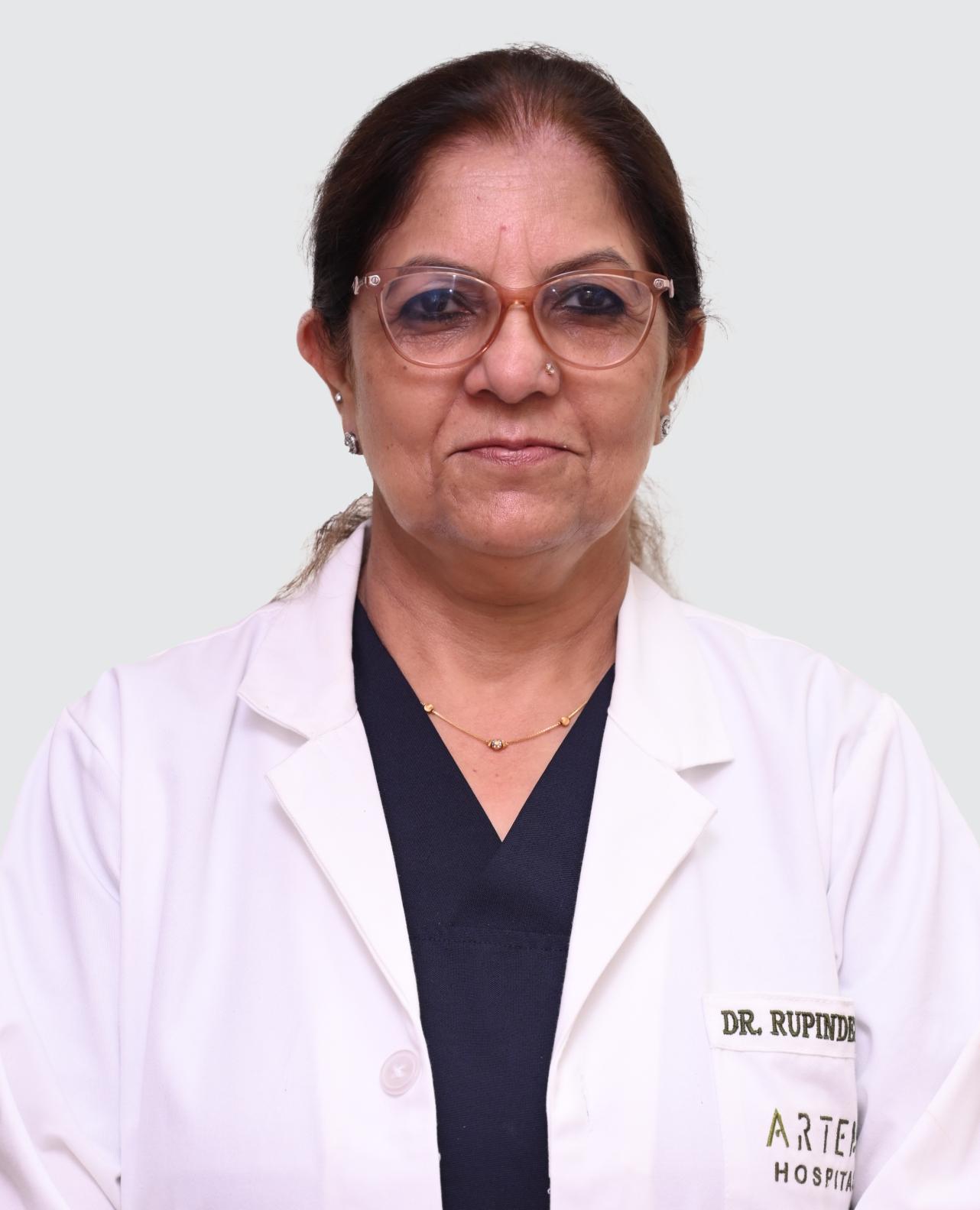
Dr. Rupinder Sekhon
Chairperson - Gynae Oncology
Gynaecological Oncology
New Delhi
16+ Years
Experience
Artemis Hospital
Hospital
1500
Fees
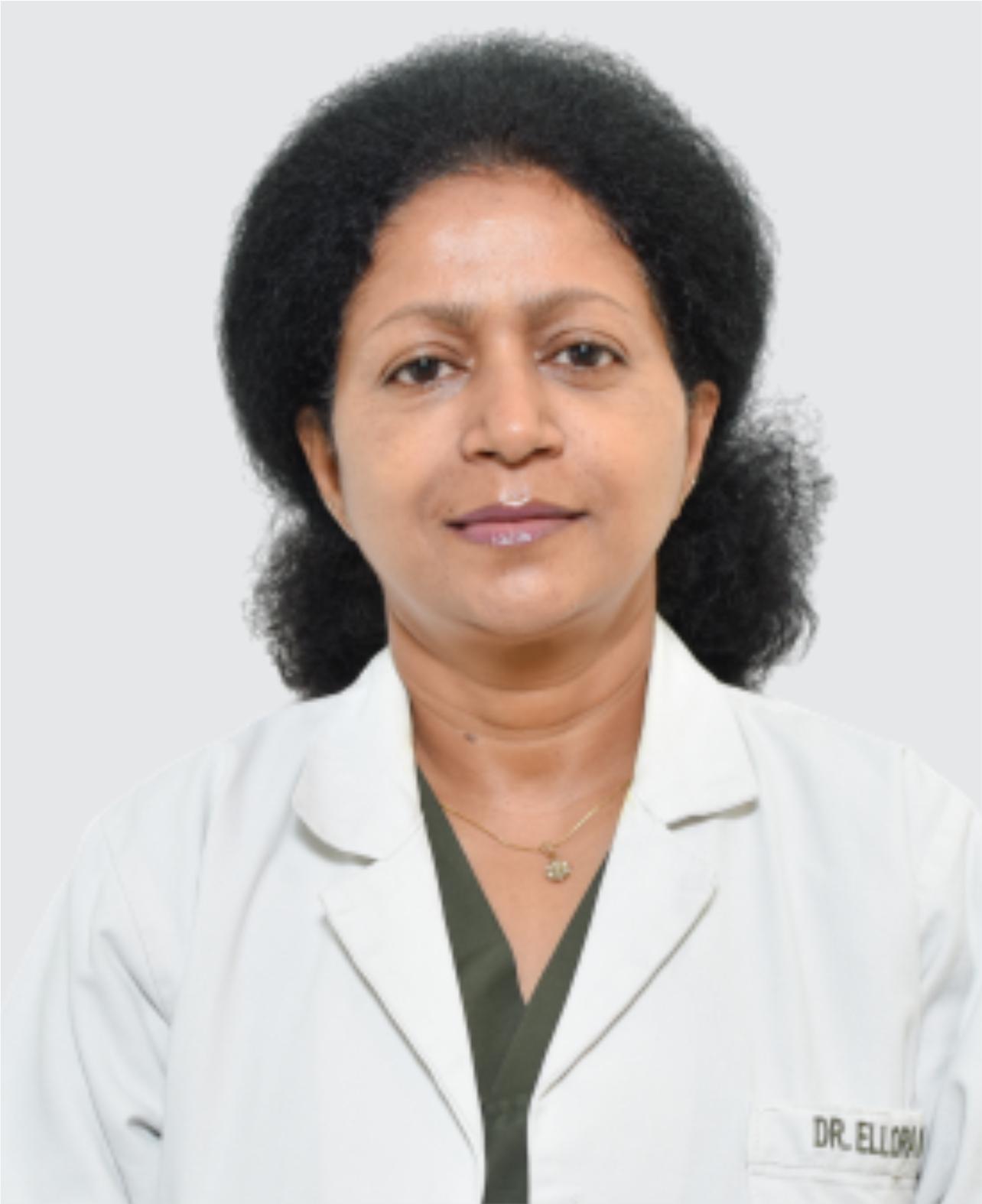
Dr. Ellora Nanda
Admin Head - Emergency
Emergency & Trauma Services
New Delhi
25+ Years
Experience
Artemis Hospital
Hospital
1500
Fees

Gurpreet Makkar
Head Imaging & Chief DNB Program
Radiology
New Delhi
19+ Years
Experience
Artemis Hospital
Hospital
1500
Fees
Related Links
Recent Blogs
Other Treatment related Information
Ready To Start Your Healing Journey?
Get Personalized Medical Treatment Options From India's Top Hospitals. Our Medical Experts Are Ready To Assist You Every Step Of The Way.