Radiology Treatment in India for Nigeria
Need Personalized Advice?
Our medical experts are ready to answer your questions and guide you through your treatment options.
About
Advanced Radiology in India for Nigeria Patients
Patients from Nigeria often seek advanced radiology abroad. Access to high-tech equipment and specialist expertise locally can be a major concern when precise medical imaging is critical for accurate diagnosis.
India offers world-class diagnostic radiology solutions. Its modern healthcare facilities across major cities provide cutting edge technology and experienced professionals, ensuring high standards of care for international patients.
The Indian medical system boasts robust infrastructure and a network of accredited hospitals. These institutions uphold international standards, offering trustworthy and efficient diagnostic imaging for international patients like those from Nigeria.
Is India your trusted choice for reliable, advanced diagnostic imaging?
Understanding Diagnostic Radiology
Radiology uses various imaging techniques to visualize the body's interior. Doctors rely on it to diagnose, monitor, or guide treatment non invasively. This crucial field provides essential insights for accurate medical assessment and planning, from evaluating minor injuries to addressing complex internal conditions.
Common Radiology Imaging Techniques
Modern radiology utilizes diverse techniques for specific diagnostic needs:
- X rays: Primarily used for bone imaging, detecting fractures, and basic chest conditions.
- CT Scans: Provides detailed cross sectional images of organs, soft tissues, and blood vessels.
- MRI: Offers high resolution images of soft tissues like the brain, spinal cord, and joints using magnets and radio waves.
- Ultrasound: Uses high frequency sound waves to create real time images of internal organs, often for abdominal and obstetric studies.
- PET Scans: Identifies metabolic activity, vital for detecting cancers, heart disease, and brain disorders.
- Mammography: A specialized X ray for breast cancer screening and diagnosis.
When Radiology is Recommended
- Investigating persistent pain or unexplained symptoms that require internal examination.
- Diagnosing injuries such as fractures, sprains, or internal trauma from accidents.
- Detecting and monitoring conditions such as cancer, heart disease, or neurological disorders.
- Assessing organ health and function, including liver, kidneys, and lungs.
- Guiding minimally invasive procedures, like biopsies or drain placements.
Preparing for Your Radiology Scan
- Medical History: A thorough discussion of your health conditions, allergies, and previous surgeries.
- Medication Review: Crucial assessment of current medications, especially before contrast dye use.
- Blood Tests: May check kidney function, particularly if intravenous contrast agents are planned.
- Fasting: Follow specific dietary or fluid guidelines for certain scans like abdominal ultrasounds or CTs.
- Metal Removal: Remove jewelry, watches, and all metallic items, especially critical for MRI safety.
How Radiology Scans are Performed
Radiology procedures vary based on the specific imaging type required and the body area under examination.
Overview of Common Imaging
Each scan involves distinct steps:
- X ray: You will be positioned so the body part to be scanned is between an X ray source and a detector. The scan is quick.
- CT Scan: You lie on a table that moves through a circular scanner. The machine rotates around you, taking multiple images. Contrast may be used.
- MRI: You lie still within a tunnel like machine. It can be noisy, so earplugs are provided. Remaining motionless is vital.
- Ultrasound: A gel is applied to the skin, then a handheld transducer is moved over the area, capturing real time images.
- PET Scan: A small amount of radioactive tracer is injected, followed by a waiting period before scanning to detect its activity.
A trained technician ensures safety and comfort throughout the procedure, explaining each step.
Post Radiology Scan Expectations
Most diagnostic radiology scans require no recovery time, allowing immediate return to daily activities. If contrast dye was administered, drinking plenty of fluids is often recommended to help flush it from your system. The radiologist interprets images, and a comprehensive report is then sent to your doctor for follow up within a few days.
Potential Risks and Diagnostic Accuracy
- Radiation: X rays and CT scans involve ionizing radiation, generally in low doses, but cumulative exposure is considered.
- Allergic Reactions: A small percentage of patients may experience rare allergic reactions to contrast agents, varying in severity.
- Kidney Impact: Contrast dyes can rarely affect kidney function, especially in patients with pre existing kidney conditions.
- Claustrophobia: Anxiety or discomfort is possible in the enclosed environment of MRI scanners for some individuals.
- Metal Issues: The strong magnetic fields of MRI are unsafe for patients with certain metallic implants or devices.
Radiology boasts high diagnostic accuracy, often exceeding 90% for many conditions. The success rate depends on the specific imaging method, the expertise of the radiologist, and the clarity of the images obtained. Timely and accurate diagnoses significantly enhance the effectiveness of subsequent treatment outcomes and patient prognosis.
Cost of Radiology Services in India for Nigeria Patients
India provides radiology services at a substantially lower cost than Western nations, making it an appealing destination for Nigerian patients. Prices vary based on the specific scan type (e.g., X ray vs. MRI), the use of contrast agents, the technology level of the hospital, and specialist fees.
Across India, general radiology scan costs typically range from INR 6,000 to INR 40,000, influenced by complexity and facility reputation.
Radiology Costs Across Major Indian Cities
| City | Approx. Cost (INR) |
|---|---|
| Delhi | 8,000 - 35,000 |
| Mumbai | 9,000 - 38,000 |
| Chennai | 7,500 - 32,000 |
| Bangalore | 8,500 - 36,000 |
| Hyderabad | 7,000 - 30,000 |
| Kolkata | 6,500 - 28,000 |
| Ahmedabad | 6,000 - 27,000 |
Comparative Global Radiology Costs
| Country | Approx. Cost (USD) |
|---|---|
| India | 100 - 450 |
| Nigeria | 300 - 1000 |
| USA | 500 - 3000 |
| UK | 400 - 2000 |
| UAE | 350 - 1500 |
| Thailand | 200 - 800 |
Comprehensive Support for Your Medical Journey in India
- Visa Guidance: Assistance with medical visa applications and necessary documentation.
- Travel & Stay: Help with flight arrangements and booking suitable accommodation near hospitals.
- Local Transport: Arranging airport transfers and local city transportation for appointments.
- Interpreters: Providing professional interpreters to ensure clear communication with medical staff.
- Appointments: Efficiently scheduling all medical appointments and consultations with specialists.
- Follow up: Facilitating post treatment remote consultations or care planning after your return home.
Key Documents for Your Medical Visit to India
- Passport & Visa: Your valid passport and a medical visa for entering India.
- Medical Reports: All previous health records, test results, and diagnoses.
- Referral Letter: A formal letter from your local physician outlining the need for radiology services.
- Proof of Funds: Documentation demonstrating financial capability for treatment and stay.
- Insurance Details: Any relevant travel or medical insurance information.
Important Preparations Before Radiology
- Medical History: Provide comprehensive health details to your Indian medical team for accurate assessment.
- Scan Instructions: Follow specific dietary or fasting rules given for your particular radiology procedure.
- Travel Logistics: Confirm all arrangements for your trip to India and your accommodation in advance.
- Comfortable Attire: Pack loose fitting, comfortable clothing suitable for hospital visits and procedures.
- Allergy Communication: Inform medical staff immediately about any allergies, especially to medications or contrast dyes.
Aftercare and Follow up Post Radiology
- Review Report: Discuss the findings of your radiology scan thoroughly with your doctor or the interpreting radiologist.
- Follow Advice: Adhere strictly to all post scan instructions and any prescribed treatment plans.
- Hydrate: Drink plenty of water if contrast dye was used to help flush it from your system effectively.
- Monitor Reactions: Watch for any delayed allergic responses or unusual symptoms if contrast dye was administered.
- Travel Clearance: Ensure you receive full medical clearance for your return journey to Nigeria.
Your Path to Clearer Diagnostics Starts Here
Beginning your radiology journey in India is simple with our dedicated support. We connect you with top specialists and advanced facilities, ensuring accurate diagnosis and complete peace of mind from start to finish.
Ready for Advanced Radiology?
Contact us today to explore your options for high-quality radiology services in India.
Get a Personalized Cost Estimate
Receive a tailored plan and transparent pricing for your specific radiology needs.
Hospitals Offering this treatment
India offers premium medical procedures at affordable prices. Discover our most popular treatments, delivered by the country's finest doctors.
Meet Our Doctors
Meet our team of highly qualified and experienced medical professionals dedicated to providing the best healthcare services.

Aditi Dixit
Sr. Consultant – Women Imaging
Radiology (Specializing in Women's Imaging)
Haryana
15+ Years
Experience
Artemis Hospital
Hospital
1500
Fees

Dr. Ajit Singh Baghela
Consultant
Paediatric Neurology
Haryana
9+ Years
Experience
Artemis Hospital
Hospital
1500
Fees
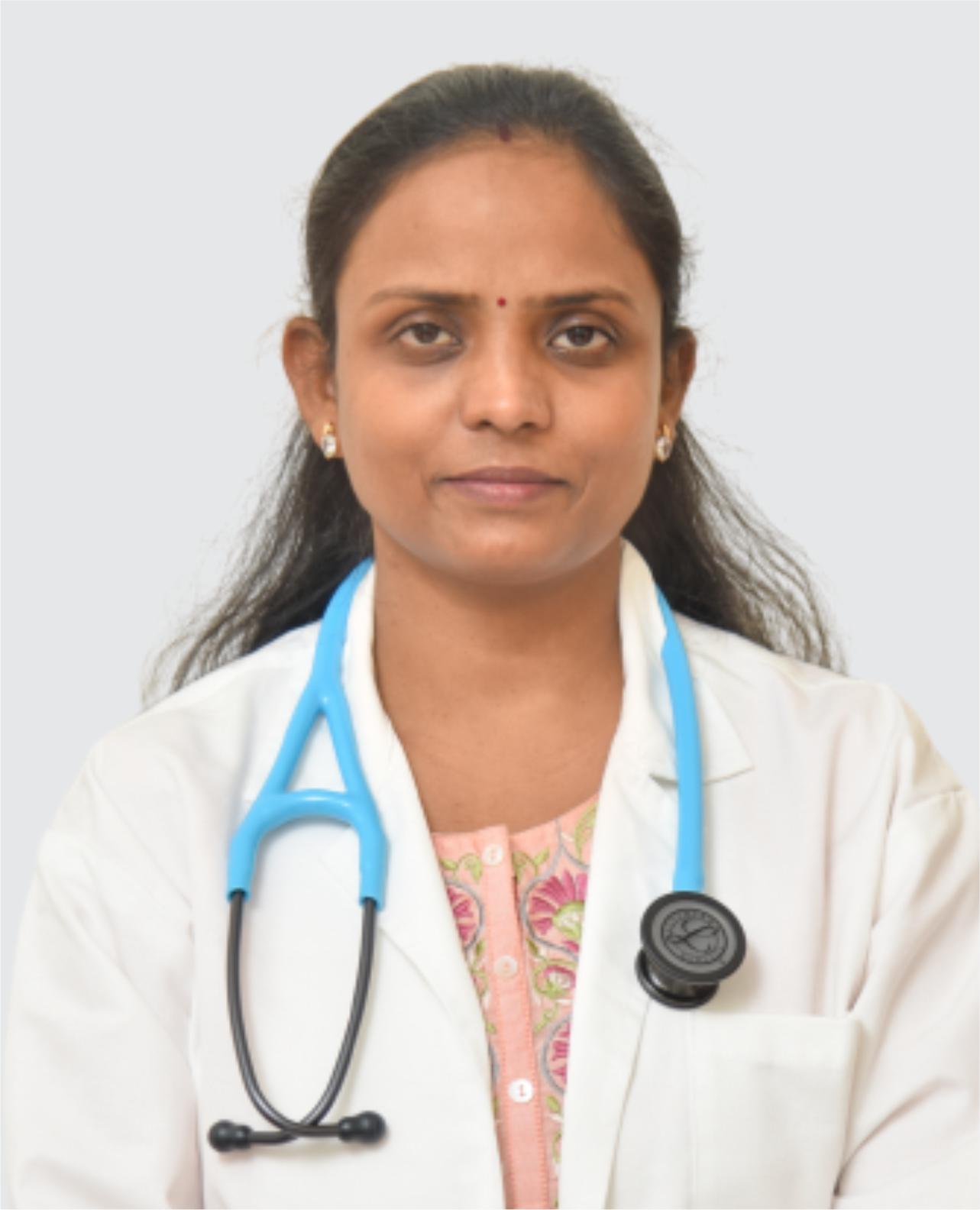
Dr. Anju Singh
Consultant - Pediatric Rheumatology
Pediatric Rheumatology
New Delhi
13+ Years
Experience
Artemis Hospital
Hospital
1500
Fees
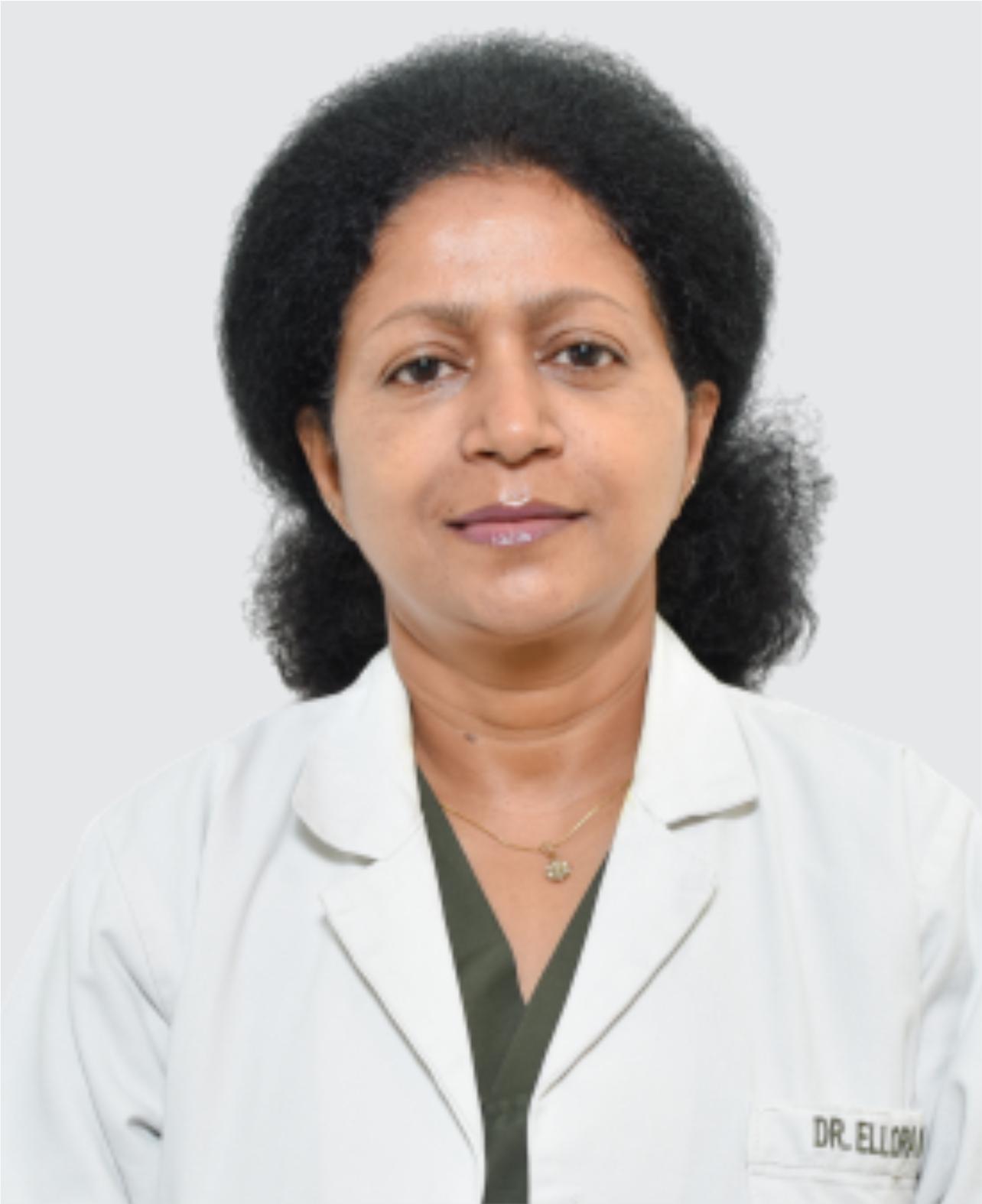
Dr. Ellora Nanda
Admin Head - Emergency
Emergency & Trauma Services
New Delhi
25+ Years
Experience
Artemis Hospital
Hospital
1500
Fees
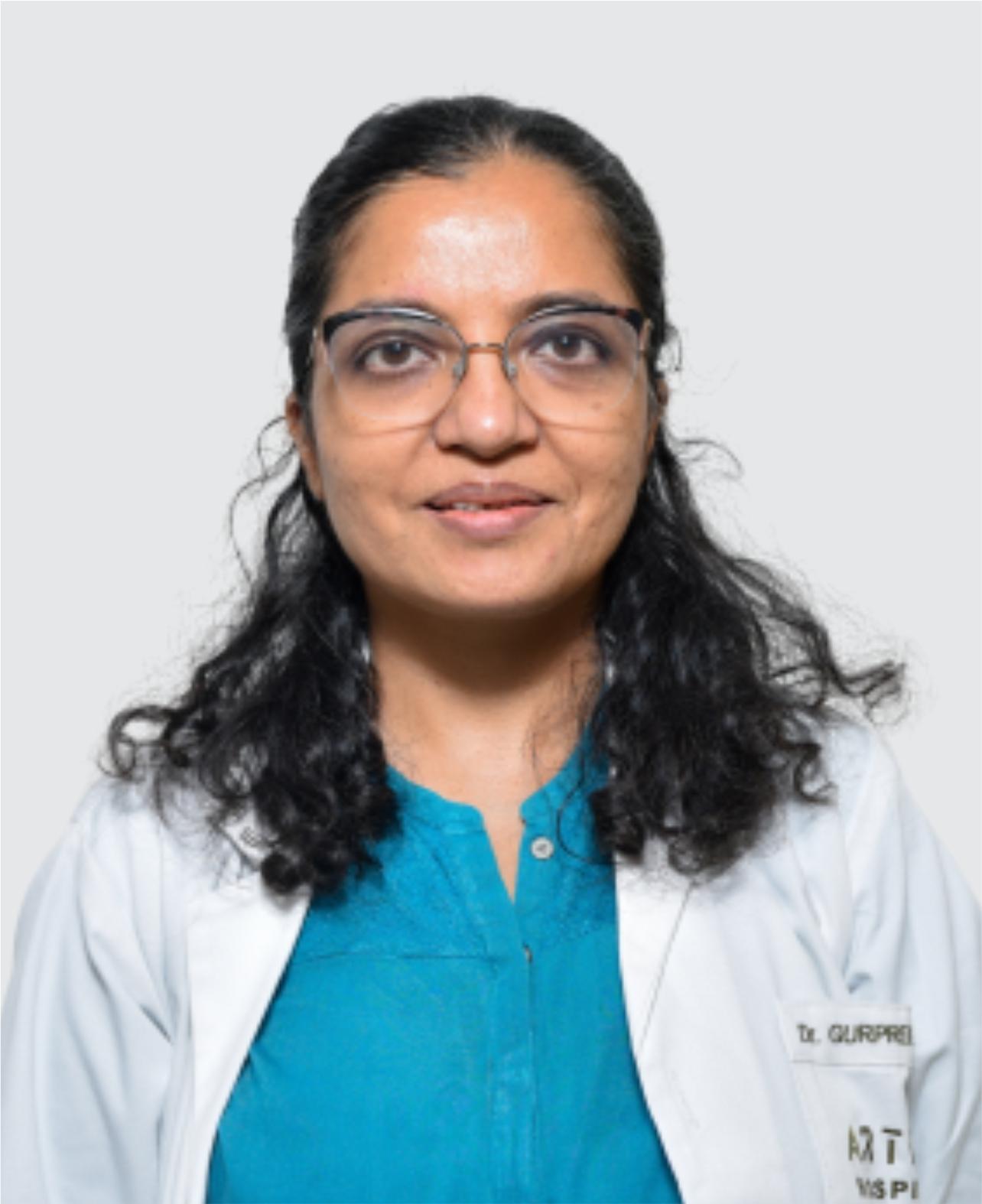
Gurpreet Makkar
Head Imaging & Chief DNB Program
Radiology
New Delhi
19+ Years
Experience
Artemis Hospital
Hospital
1500
Fees
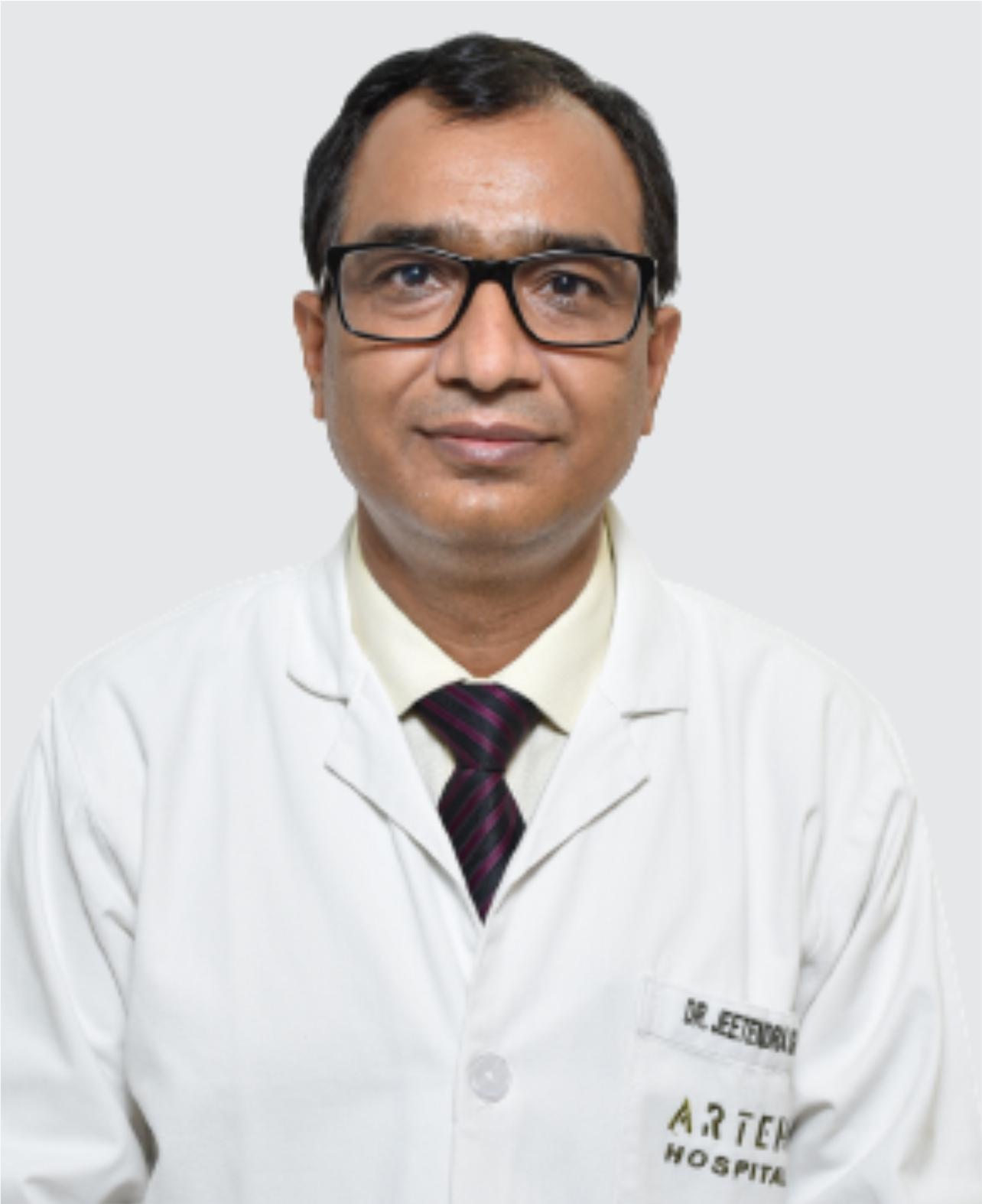
Jeetendra Sharma
Chief - Critical Care (Unit II) & Chief- Medical Quality
Critical Care & ICU
New Delhi
15+ Years
Experience
Artemis Hospital
Hospital
1500
Fees
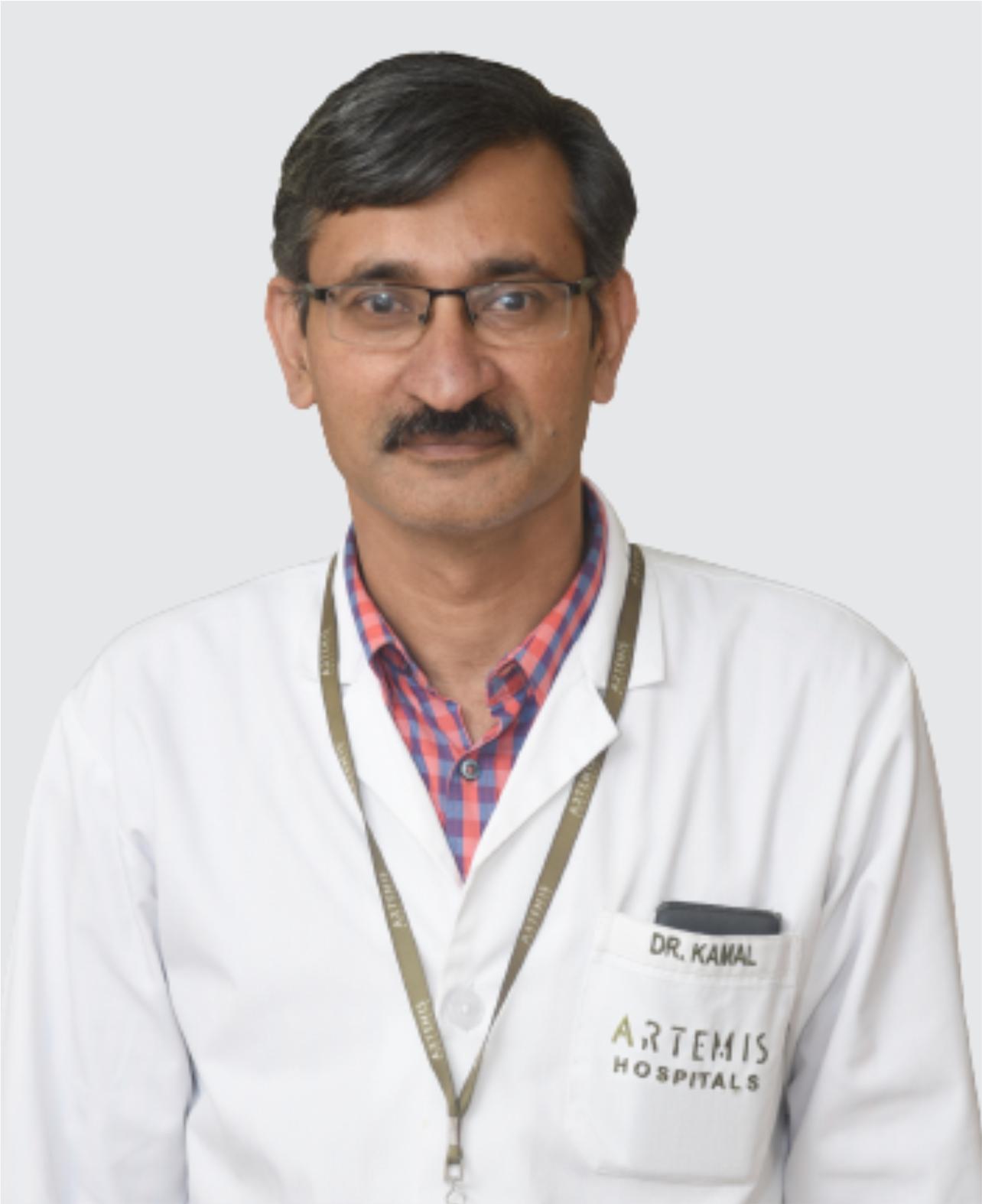
Dr. Kamal Verma
Sr. Consultant - Radiation Oncology
Radiation Oncology
New Delhi
15+ Years
Experience
Artemis Hospital
Hospital
1500
Fees
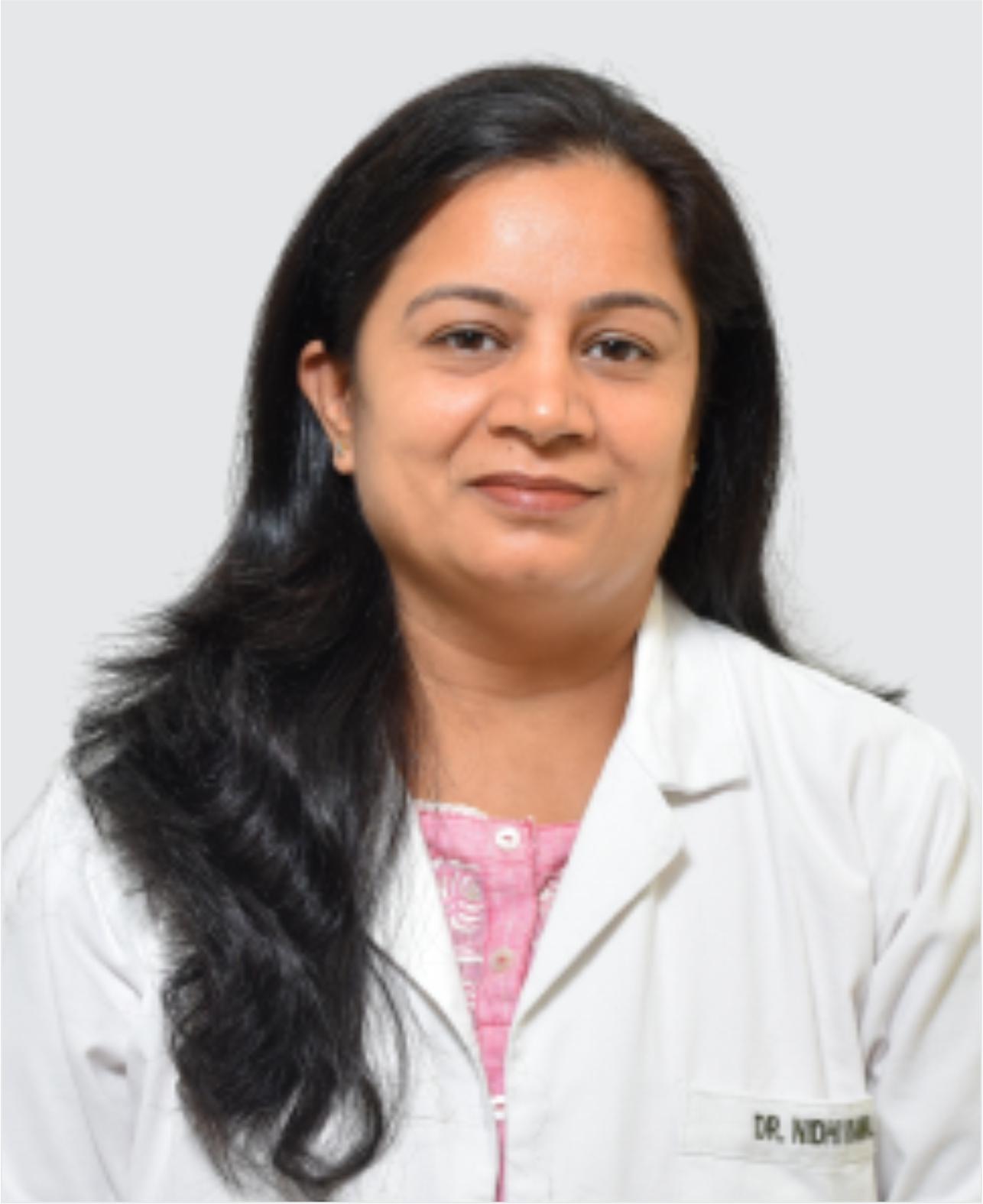
Dr Nidhi Rawal
Chief - Paediatric Cardiology
Paediatric Cardiology
New Delhi
18+ Years
Experience
Artemis Hospital
Hospital
1500
Fees

Dr. Noaline Sinha
Chairperson - Nuclear Medicine & Radio-Theranostics
Nuclear Medicine
New Delhi
15+ Years
Experience
Artemis Hospital
Hospital
1500
Fees
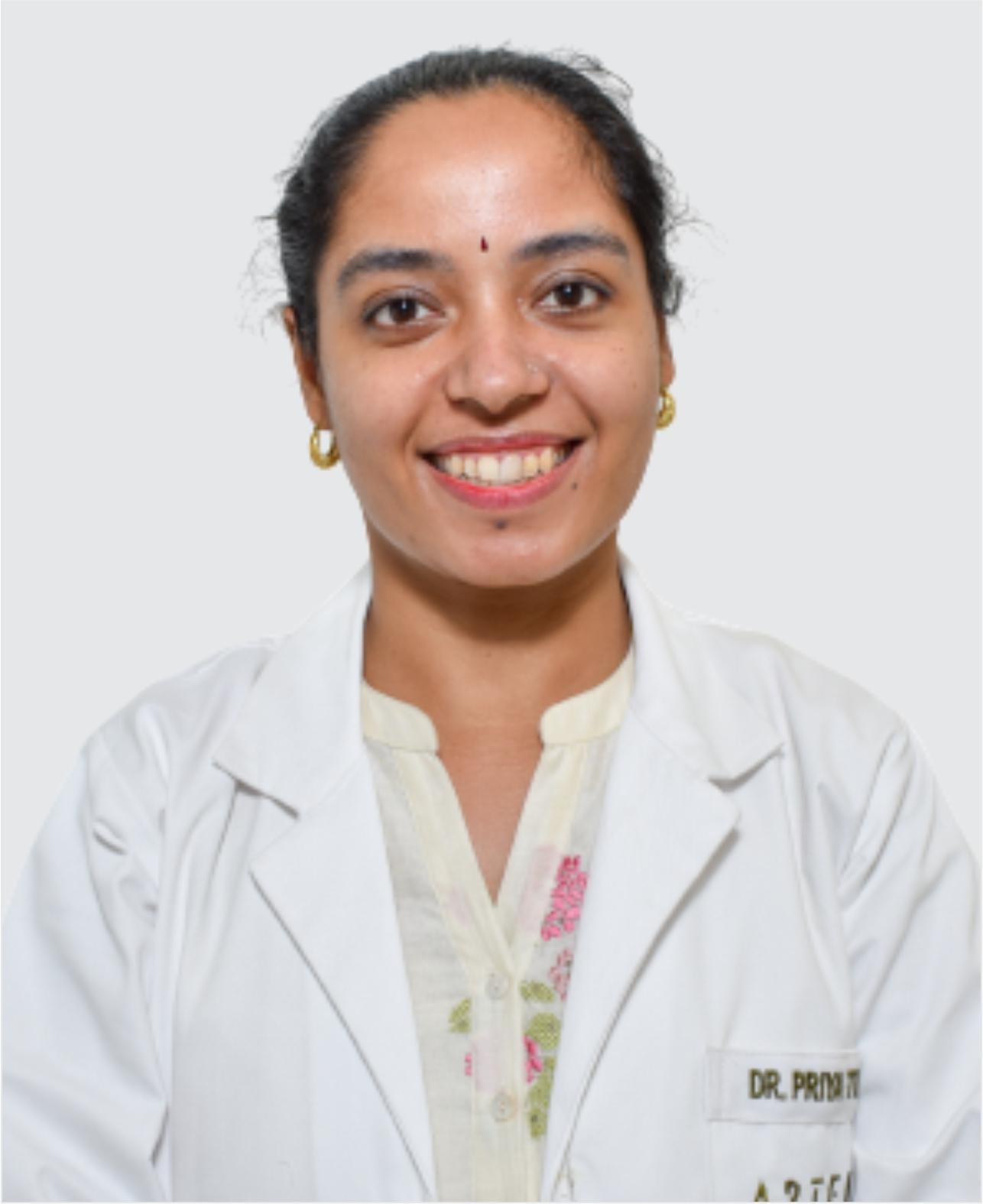
Dr. Priya Tiwari
Sr. Consultant
Radiology
New Delhi
12+ Years
Experience
Artemis Hospital
Hospital
1500
Fees
Related Links
Recent Blogs
Other Treatment related Information
Ready To Start Your Healing Journey?
Get Personalized Medical Treatment Options From India's Top Hospitals. Our Medical Experts Are Ready To Assist You Every Step Of The Way.