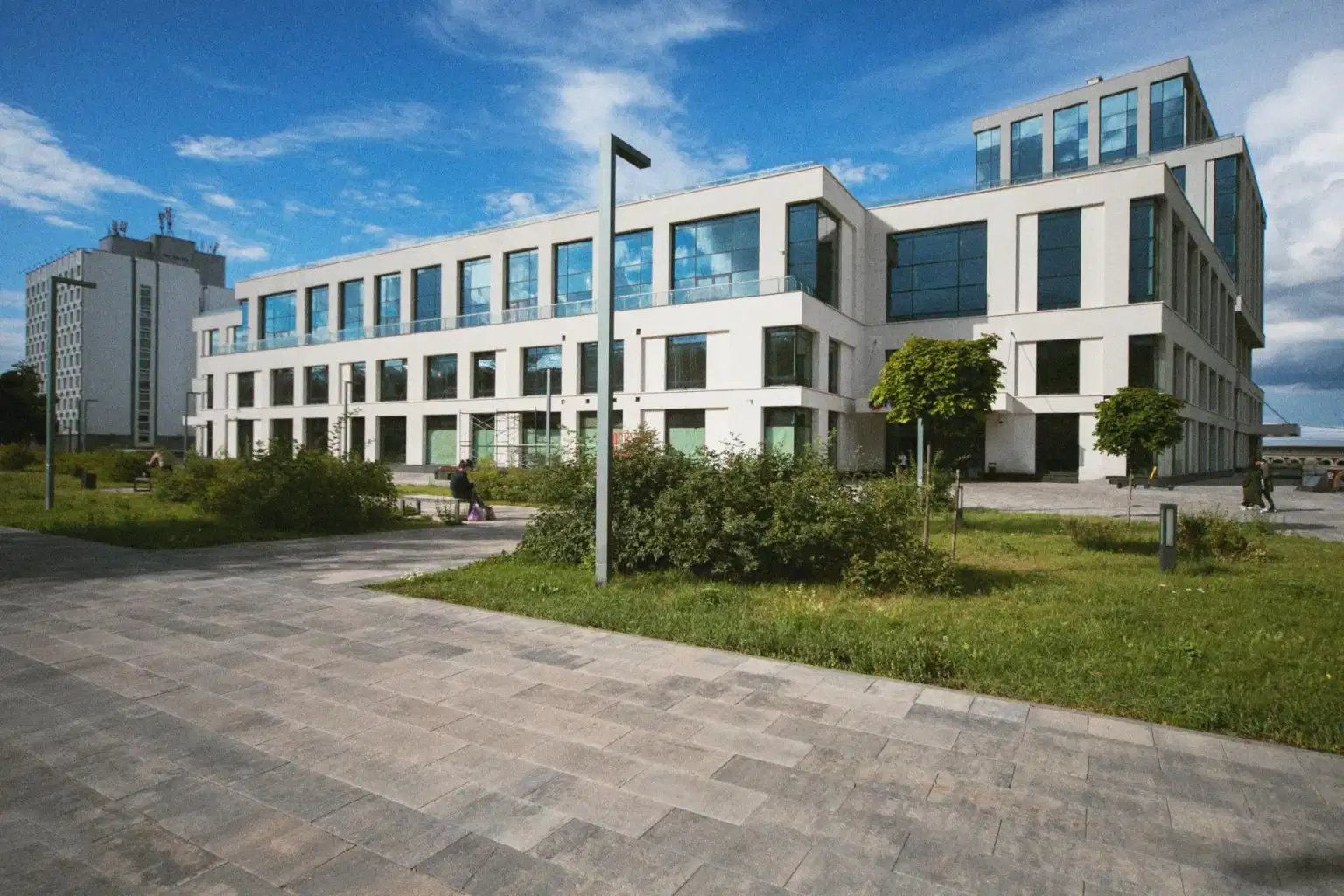
Radiology Treatment in India for UAE
Need Personalized Advice?
Our medical experts are ready to answer your questions and guide you through your treatment options.
About
Advanced Radiology in India for UAE Patients: Your Guide
For many patients in the UAE, finding timely and comprehensive radiology services for diagnosis can be a significant concern. The search for high-quality imaging often brings questions about accessibility, advanced technology, and interpretation expertise, leading many to explore options beyond their immediate vicinity.
Patients seeking exceptional diagnostic insights are increasingly looking to India. The country has emerged as a preferred destination due to its widespread availability of advanced imaging centers, coupled with a commitment to providing detailed and accurate diagnostic support across multiple Indian cities.
India’s nationwide healthcare system offers a robust network of hospitals and specialized imaging centers, each equipped with cutting-edge radiology technology and staffed by highly skilled specialists. This broad infrastructure ensures access to reliable diagnostics and expert opinions throughout the country.
Is India the right choice for your diagnostic imaging needs?
What is Radiology?
Radiology is a medical specialty that uses various imaging techniques to diagnose and sometimes treat diseases visible within the body. It relies on non-invasive methods to create detailed pictures of internal structures, helping doctors identify conditions like fractures, tumors, infections, and organ damage. This essential diagnostic tool guides treatment decisions across almost all medical fields.
Types of Radiology Procedures
Radiology encompasses a range of imaging modalities, each suited for different diagnostic purposes:
- X-ray: Uses electromagnetic radiation to visualize bones and certain soft tissues, commonly for fractures or chest conditions.
- CT Scan (Computed Tomography): Combines multiple X-ray images from different angles to create cross-sectional views of bones, blood vessels, and soft tissues.
- MRI (Magnetic Resonance Imaging): Utilizes powerful magnets and radio waves to generate detailed images of organs and soft tissues without using ionizing radiation.
- Ultrasound (Sonography): Employs high-frequency sound waves to create real-time images of internal body structures, particularly useful for soft tissues, fetuses, and blood flow.
- PET Scan (Positron Emission Tomography): Uses a small amount of radioactive tracer to show how organs and tissues are functioning at the cellular level, often used in oncology.
- Nuclear Medicine: Involves introducing radioactive substances into the body to create images that show organ function and structure, often for thyroid, bone, or heart conditions.
When is Radiology Required?
- Unexplained pain, swelling, or persistent symptoms.
- Diagnosis of bone fractures, dislocations, or spinal issues.
- Detection and staging of various cancers.
- Evaluation of organ function and structure, such as heart, lungs, kidneys, or liver.
- Monitoring the progression of a disease or response to treatment.
- Assessment of internal injuries after trauma or accidents.
- Screening for specific conditions, like mammograms for breast cancer.
- Guidance for interventional procedures, such as biopsies or pain injections.
Pre-Radiology Evaluation
- Review of complete medical history and current symptoms.
- Physical examination by a referring physician.
- Blood tests to check kidney function, especially if contrast agents are required.
- Discussion of any allergies, particularly to iodine or shellfish, for contrast-enhanced studies.
- Assessment for claustrophobia, if an MRI is planned, to discuss sedation options.
- Removal of metal objects, jewelry, or electronic devices before certain scans.
- Instructions for fasting or specific dietary restrictions, depending on the type of scan.
How the Radiology is Performed
The process for radiology depends on the specific imaging method required and the area of the body being examined. Most procedures are non-invasive and relatively quick.
Generally, patients are positioned on a table, which then moves into the imaging machine. The technologist operates the equipment from an adjacent control room, maintaining communication with the patient throughout the scan. For procedures requiring a contrast agent, it may be administered orally, intravenously, or through an injection, to enhance the visibility of specific tissues or blood vessels. Patients are typically asked to remain still for precise image acquisition. The images are then reviewed by a radiologist, who prepares a detailed report for the referring doctor.
Recovery Process
Since most radiology procedures are non-invasive, there is typically no recovery period in the traditional sense. Patients can usually resume their normal activities immediately after the scan. If a contrast agent was used, you might be advised to drink extra fluids to help flush it out of your system. Any mild side effects from contrast, like a warm sensation, usually subside quickly. The focus post-procedure is on the radiologist's interpretation of the images and the subsequent discussion with your doctor about the findings and next steps.
Potential Risks and Success Rates
- Minor radiation exposure with X-rays, CT scans, and PET scans (though kept as low as reasonably achievable).
- Allergic reactions to contrast agents, ranging from mild itching to severe anaphylaxis (rare).
- Discomfort from lying still for extended periods or claustrophobia during MRI scans.
- Risks associated with strong magnetic fields for MRI in patients with certain metal implants or pacemakers.
- Potential for incorrect diagnosis or missed findings if images are unclear or misinterpreted.
The success rate of radiology in providing accurate diagnoses is generally very high, often exceeding 90%, depending on the specific modality and condition being investigated. Modern imaging technology coupled with expert interpretation provides crucial information for effective treatment planning. However, results can vary based on image quality, the skill of the radiologist, and the complexity of the patient's condition. Long-term expectations usually involve a clearer understanding of the health issue and a more targeted treatment path.
Cost of Radiology in India
The cost of radiology in India is significantly more affordable compared to many Western countries and even the UAE, while still offering world-class technology. The final cost can vary based on the specific type of scan required, the hospital or imaging center's accreditation, the technology utilized, the radiologist's expertise, and any need for contrast agents or sedation.
A common radiology procedure like an MRI scan of one body part in India can range from approximately INR 7,000 to INR 18,000.
Radiology (MRI Scan - one body part) Cost Comparison Across Indian Cities
| Indian City | Estimated Cost Range (INR) |
|---|---|
| Mumbai | 8,500 - 15,000 |
| Delhi | 8,000 - 14,500 |
| Bangalore | 9,000 - 16,000 |
| Chennai | 8,800 - 15,500 |
| Hyderabad | 7,500 - 13,000 |
| Kolkata | 7,000 - 12,500 |
| Pune | 8,200 - 14,000 |
Global Radiology (MRI Scan) Cost Comparison
| Country | Estimated Cost Range (USD) |
|---|---|
| India | 100 - 250 |
| United States | 800 - 3,000 |
| United Kingdom | 400 - 1,500 |
| Singapore | 350 - 1,200 |
| UAE | 300 - 1,000 |
| Canada | 500 - 1,800 |
Comprehensive Support for Your Diagnostic Journey
- Assistance with medical visa applications and necessary travel documents.
- Guidance for finding suitable accommodation near your chosen medical facility.
- Arrangement of language interpreters to ensure clear communication.
- Facilitation of hospital appointments and coordination of imaging schedules.
- Support for local transportation arrangements upon arrival in India.
- Provision of detailed information about your chosen imaging center and radiologists.
Essential Papers for Your Medical Visit
- A valid passport with sufficient remaining validity.
- An approved medical visa for entry into India.
- Copies of all relevant medical reports, previous scan results, and doctor's referrals.
- A list of any current medications you are taking.
- Contact details for your referring physician in the UAE.
- Proof of travel insurance, if applicable.
Preparing for Your Radiology Procedure
- Attend an initial consultation to discuss your medical history and imaging needs.
- Follow any specific fasting or dietary instructions provided by the imaging center.
- Inform the medical team about any allergies or metal implants you may have.
- Wear comfortable, loose-fitting clothing on the day of your scan.
- Arrange for someone to accompany you if sedation is planned.
- Ensure you understand the purpose and process of your specific radiology test.
Aftercare Guidance for Your Well-being
- Resume your normal diet and activities immediately unless otherwise advised.
- Drink plenty of fluids if you received a contrast agent.
- Discuss the radiology report thoroughly with your referring doctor to understand the findings.
- Follow up with your doctor for any necessary treatment or further investigations.
- Be aware of any delayed reactions to contrast material, though rare, and seek medical attention if needed.
- Maintain open communication with your care team regarding any concerns.
Ready to Make an Informed Choice?
Empower yourself with precise diagnostic insights from India's leading radiology centers.
Hospitals Offering this treatment
India offers premium medical procedures at affordable prices. Discover our most popular treatments, delivered by the country's finest doctors.
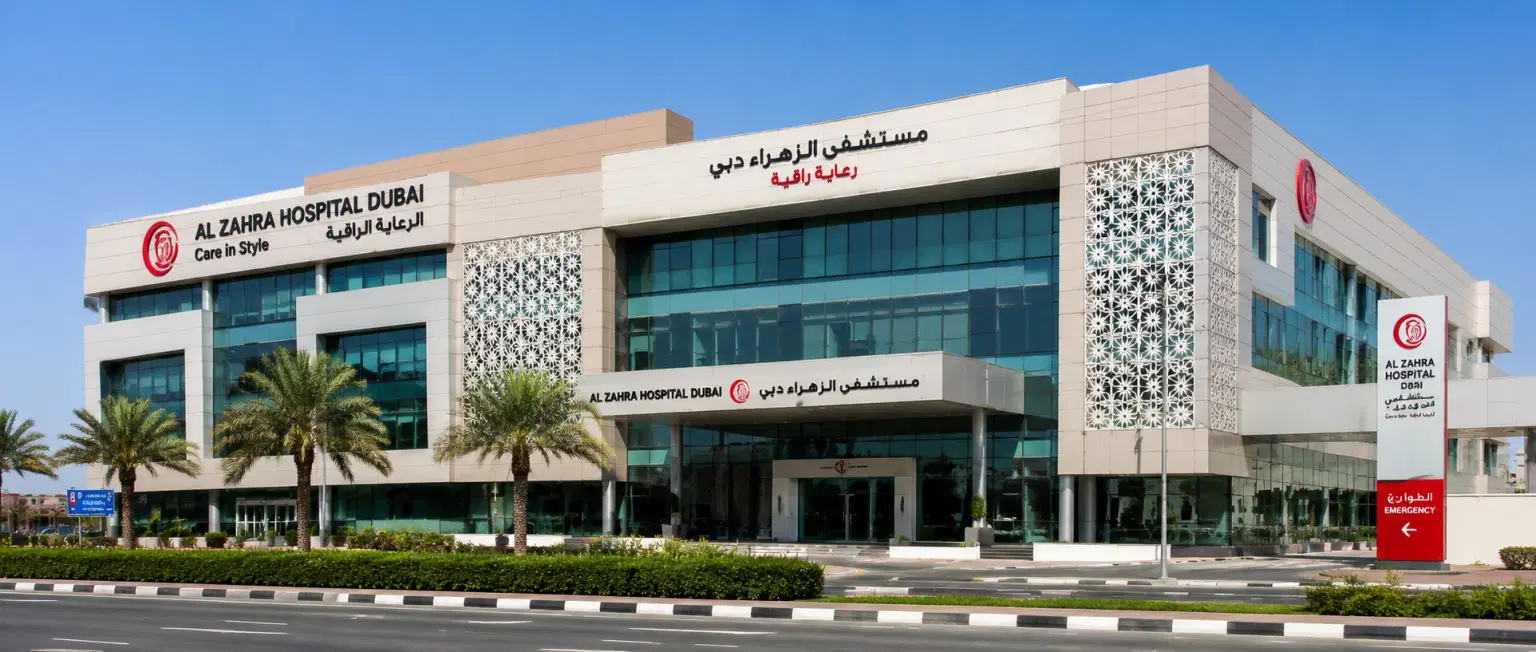
Al Zahra Hospital, Dubai
Sheikh Zayed Road, Al Barsha 1, Dubai, UAE
Al Zahra Hospital, Dubai
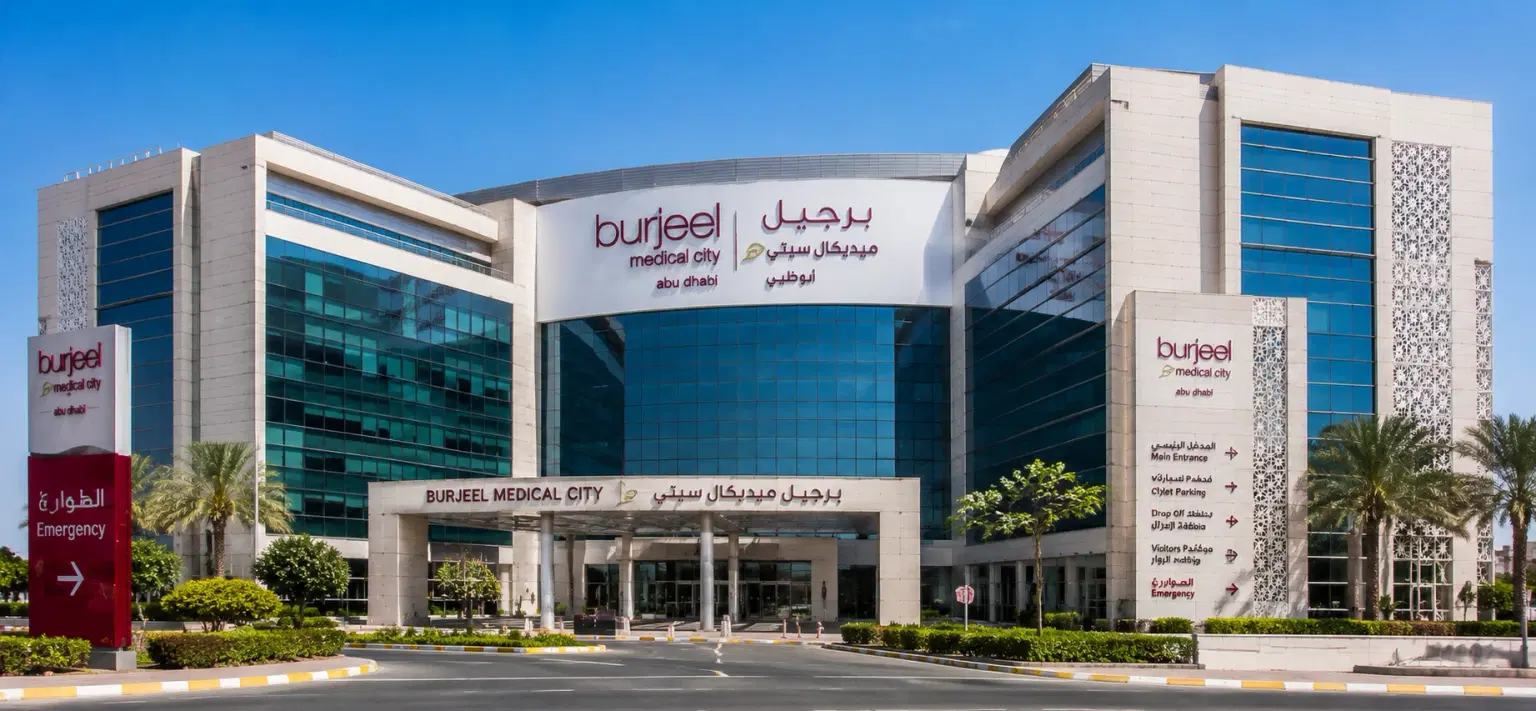
Burjeel Medical City, Abu Dhabi
28th Street, Mohammed Bin Zayed City, Abu Dhabi, UAE
Burjeel Medical City, Abu Dhabi
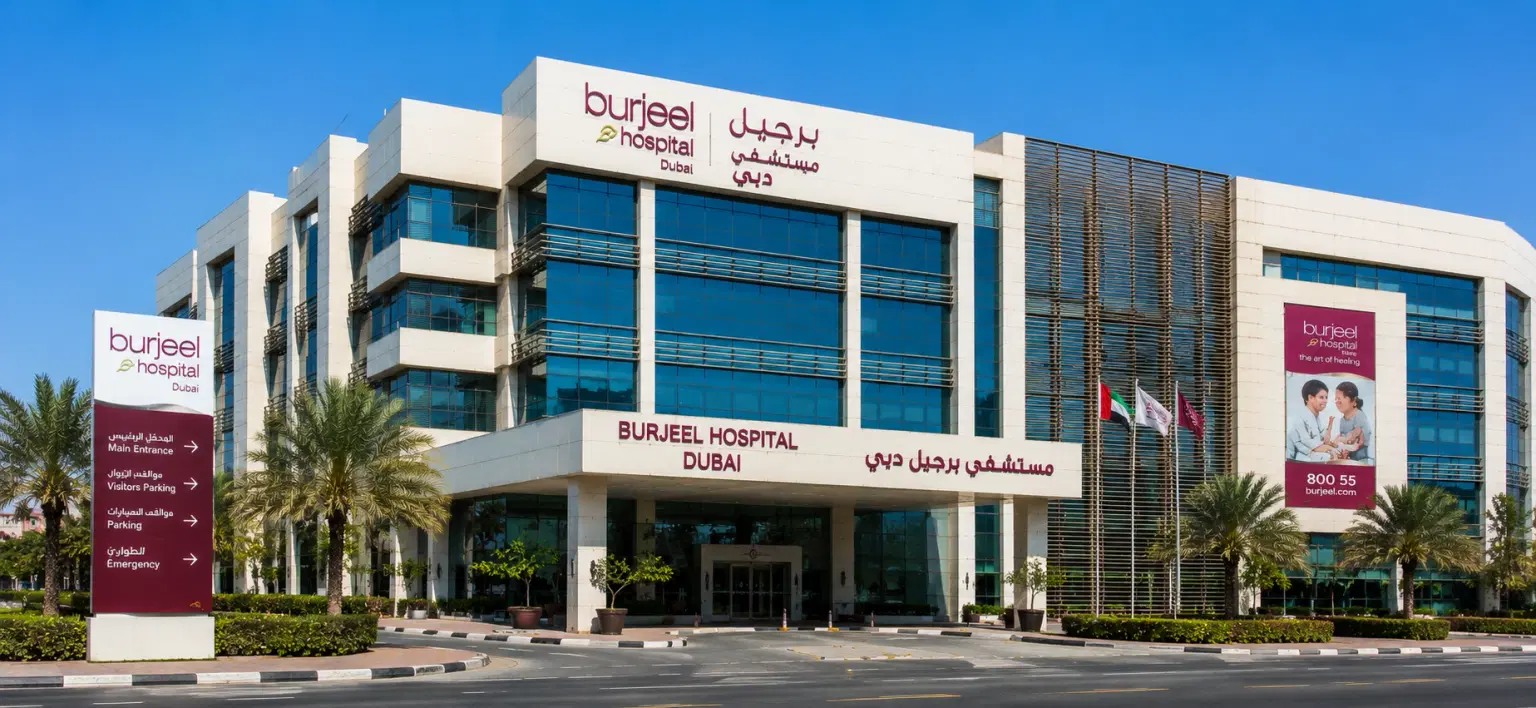
Burjeel Hospital, Dubai
Dubai, UAE (part of Burjeel Holdings network)
Burjeel Hospital, Dubai
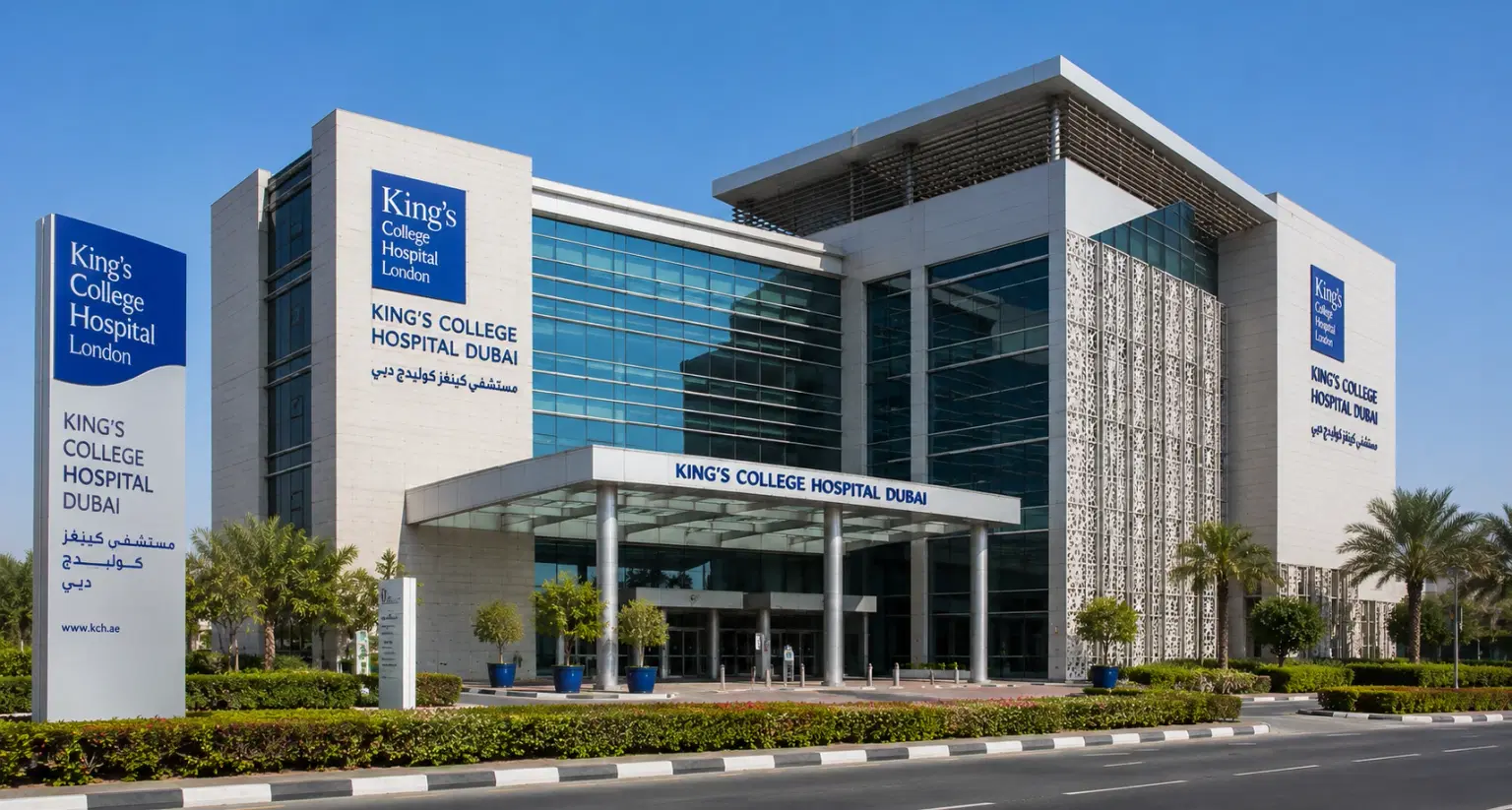
King's College Hospital, Dubai
Dubai Hills, Mohammed Bin Rashid City, Dubai, UAE
King's College Hospital, Dubai
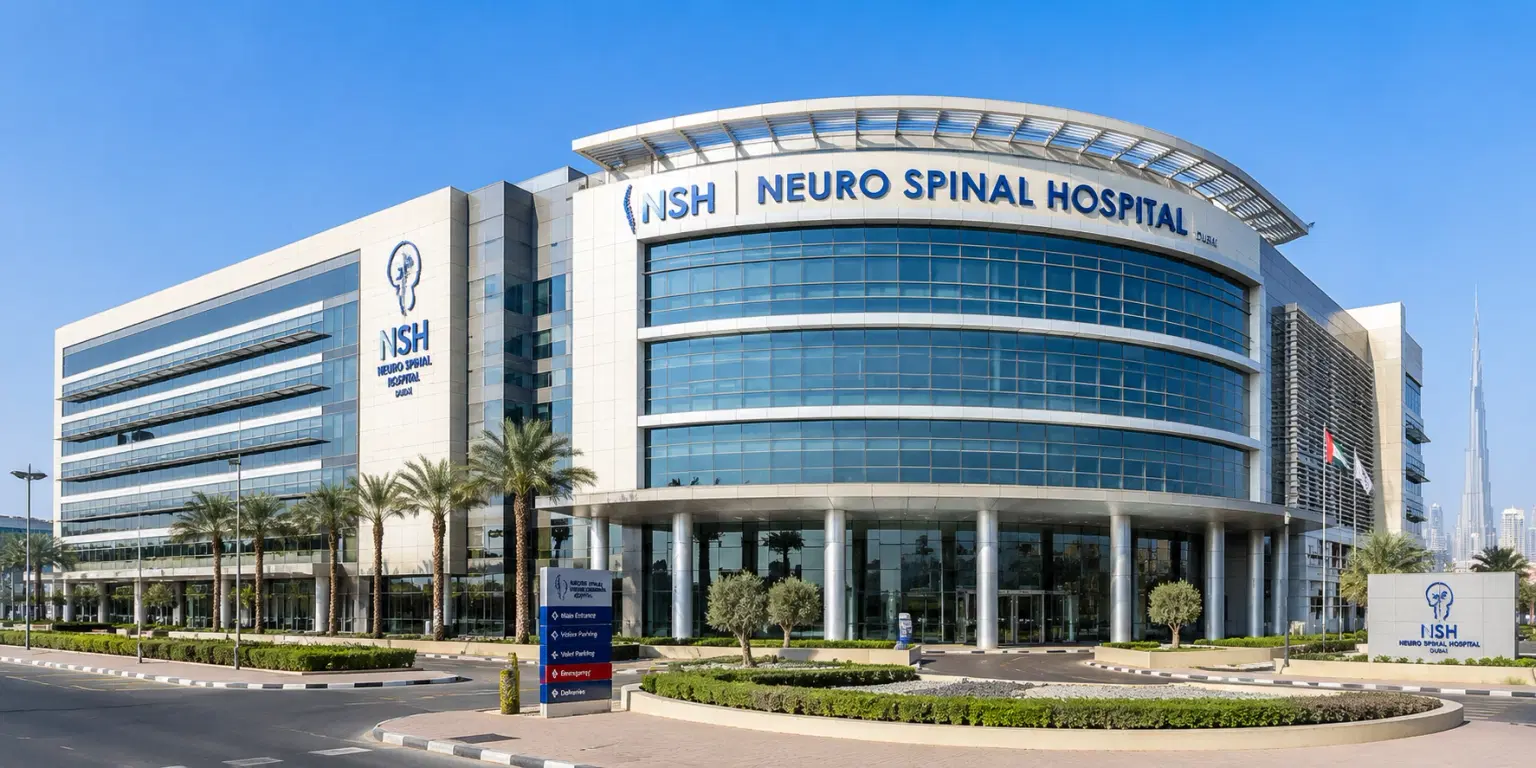
Neuro Spinal Hospital (NSH), Dubai
Dubai Science Park, Umm Suqeim St, Al Barsha South, Dubai, UAE
Neuro Spinal Hospital (NSH), Dubai
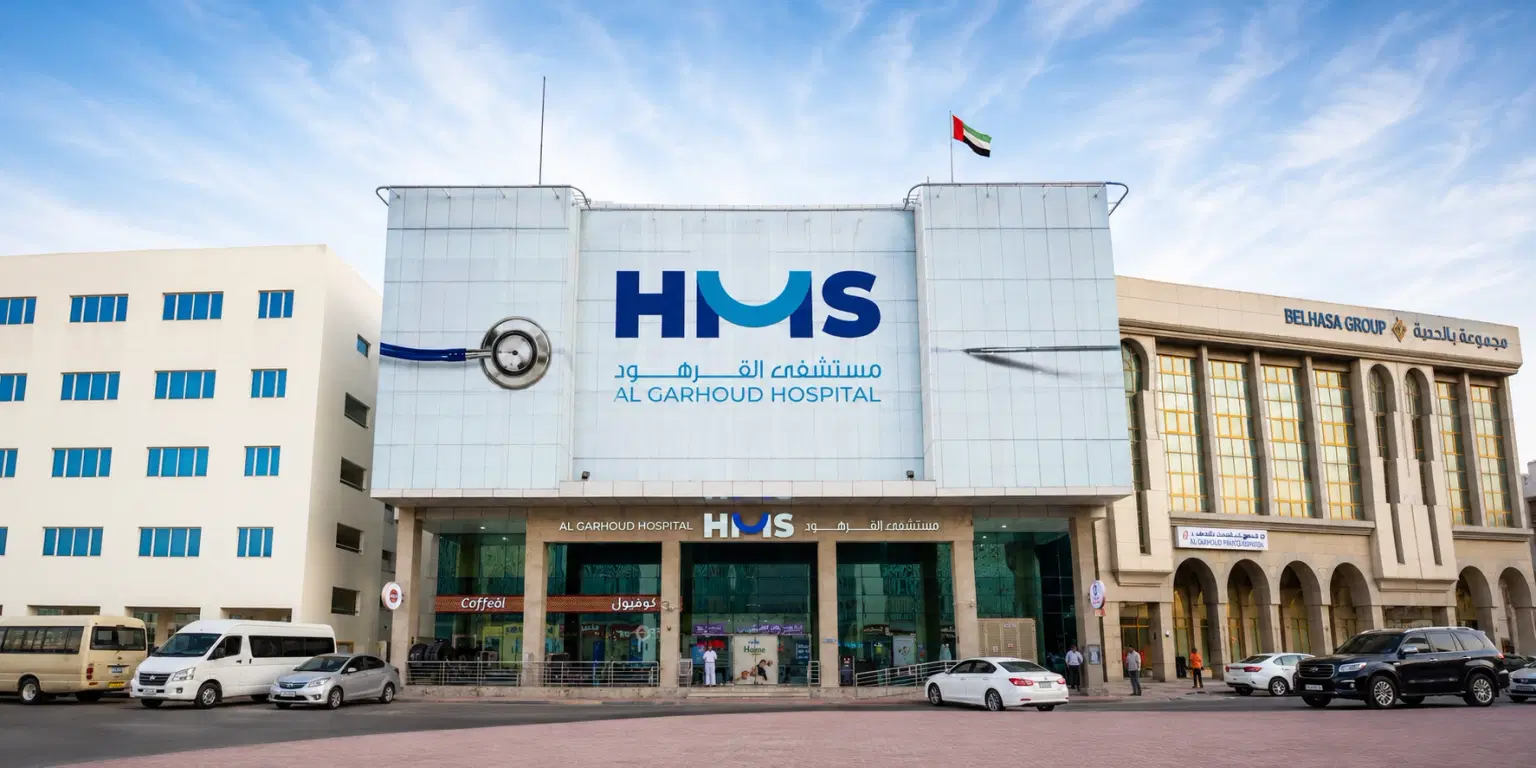
HMS Al Garhoud Hospital, Dubai
Al Garhoud Street, Al Garhoud, Dubai, UAE
HMS Al Garhoud Hospital, Dubai
Meet Our Doctors
Meet our team of highly qualified and experienced medical professionals dedicated to providing the best healthcare services.

Aditi Dixit
Sr. Consultant – Women Imaging
Radiology (Specializing in Women's Imaging)
Haryana
15+ Years
Experience
Artemis Hospital
Hospital
1500
Fees
Dr. Anju Singh
Consultant - Pediatric Rheumatology
Pediatric Rheumatology
New Delhi
13+ Years
Experience
Artemis Hospital
Hospital
1500
Fees
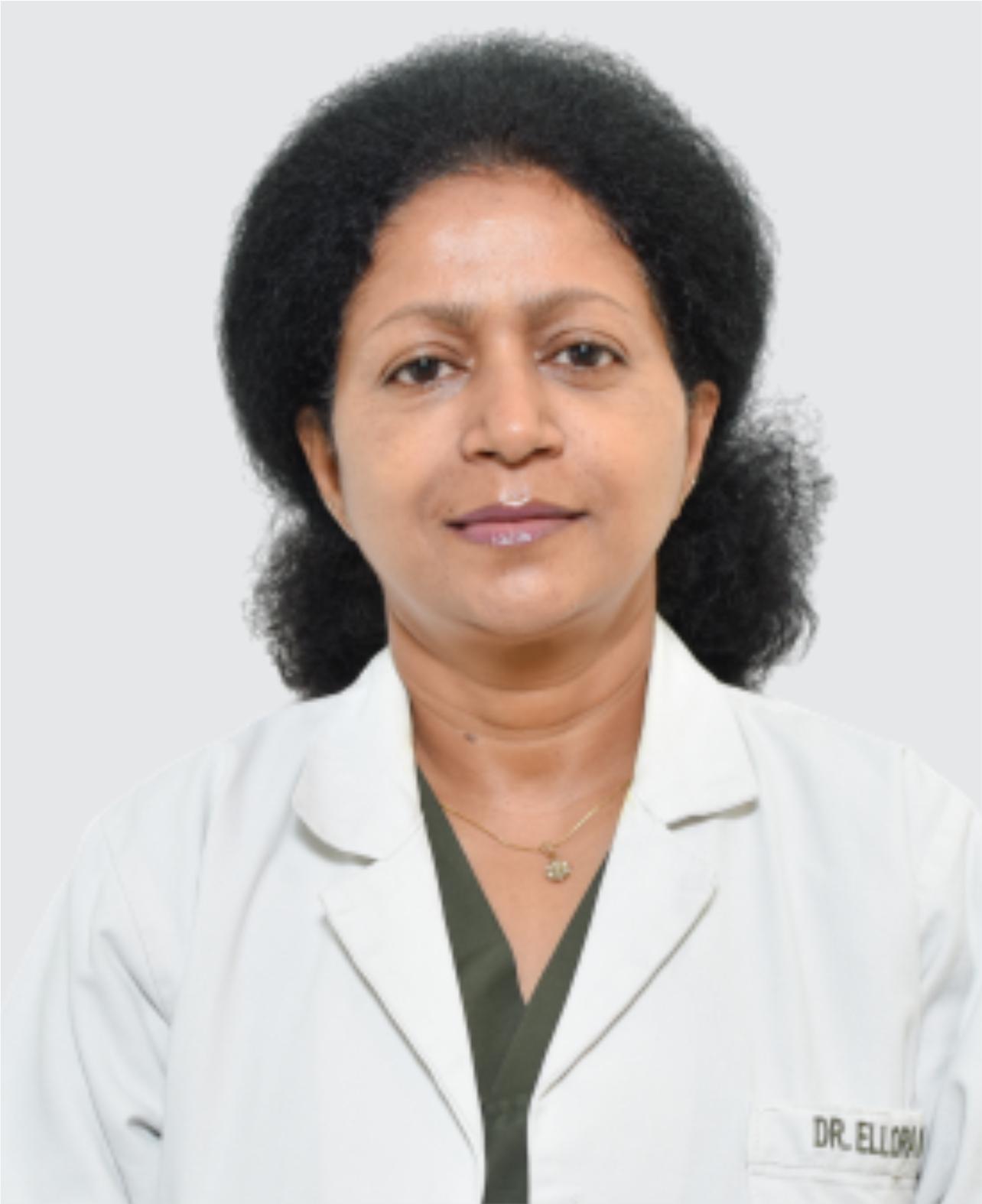
Dr. Ellora Nanda
Admin Head - Emergency
Emergency & Trauma Services
New Delhi
25+ Years
Experience
Artemis Hospital
Hospital
1500
Fees

Gurpreet Makkar
Head Imaging & Chief DNB Program
Radiology
New Delhi
19+ Years
Experience
Artemis Hospital
Hospital
1500
Fees
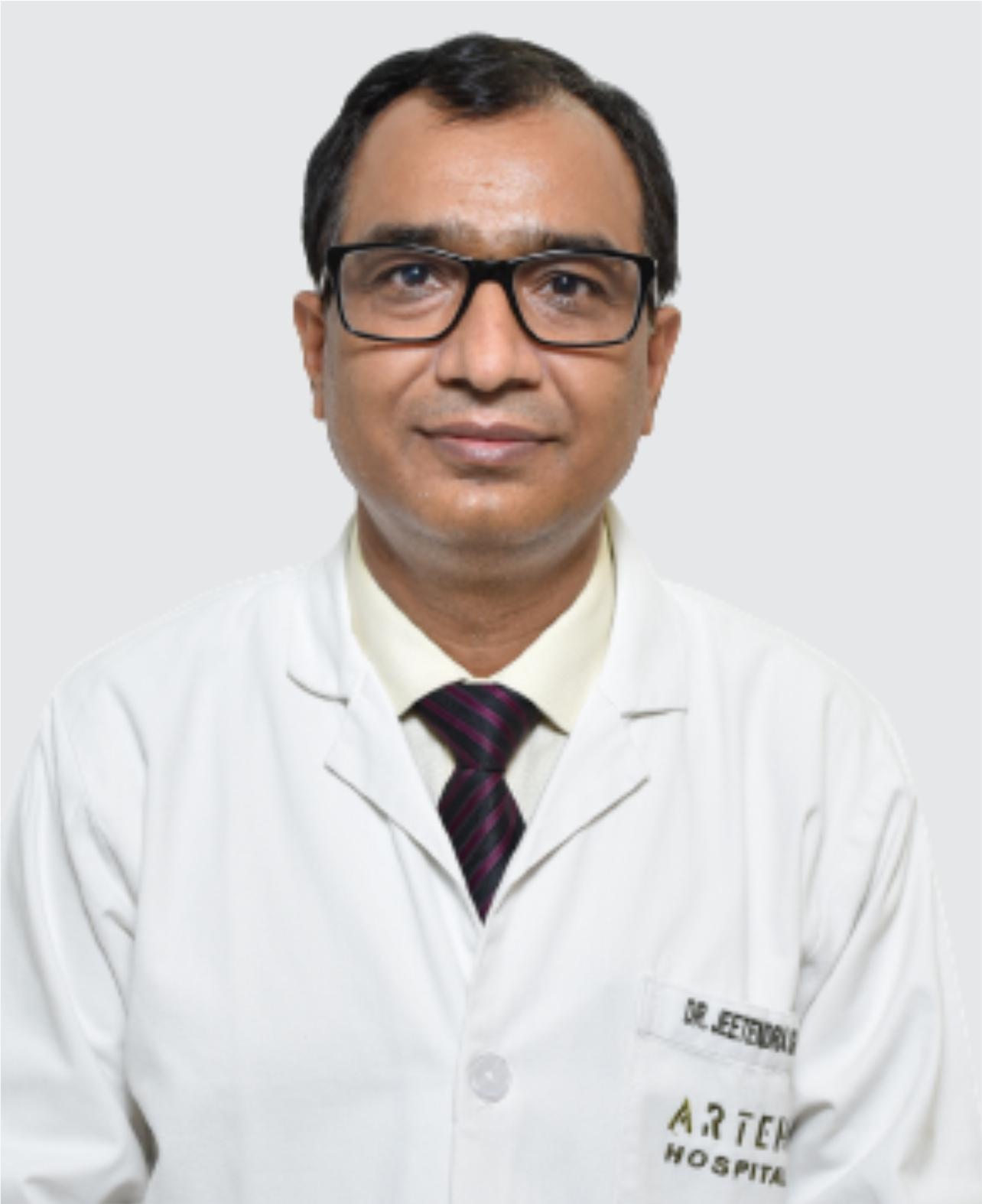
Jeetendra Sharma
Chief - Critical Care (Unit II) & Chief- Medical Quality
Critical Care & ICU
New Delhi
15+ Years
Experience
Artemis Hospital
Hospital
1500
Fees
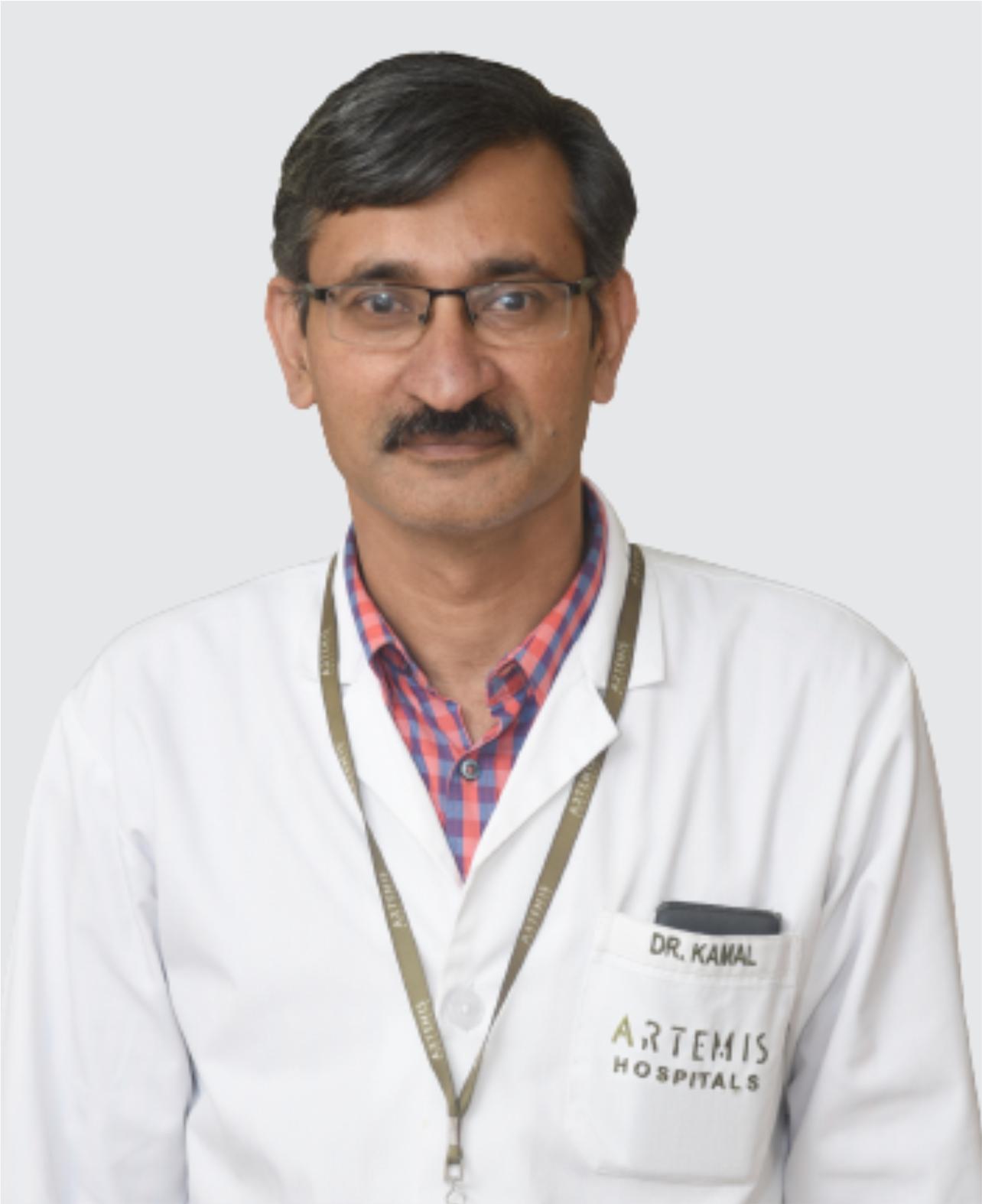
Dr. Kamal Verma
Sr. Consultant - Radiation Oncology
Radiation Oncology
New Delhi
15+ Years
Experience
Artemis Hospital
Hospital
1500
Fees
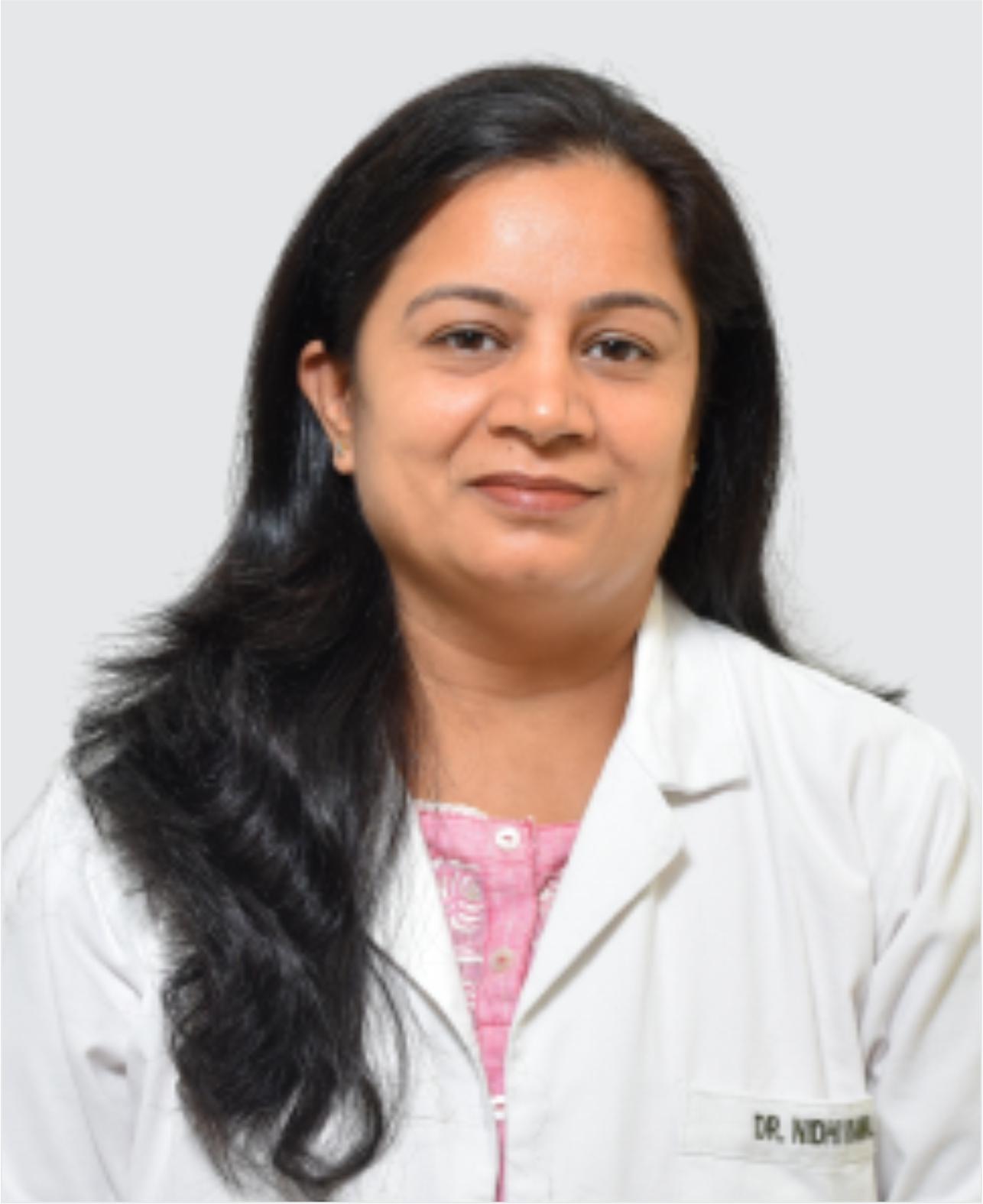
Dr Nidhi Rawal
Chief - Paediatric Cardiology
Paediatric Cardiology
New Delhi
18+ Years
Experience
Artemis Hospital
Hospital
1500
Fees

Dr. Noaline Sinha
Chairperson - Nuclear Medicine & Radio-Theranostics
Nuclear Medicine
New Delhi
15+ Years
Experience
Artemis Hospital
Hospital
1500
Fees
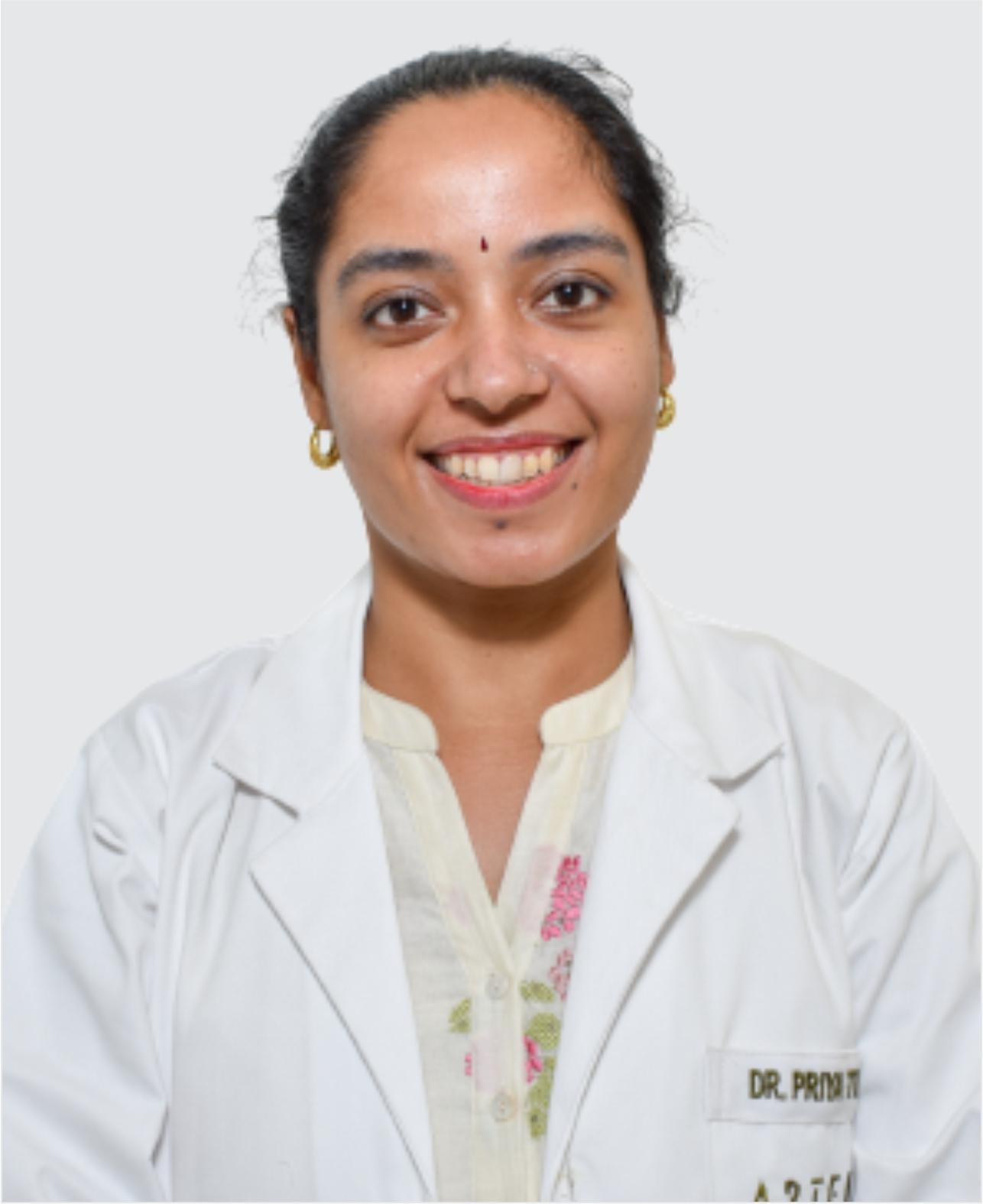
Dr. Priya Tiwari
Sr. Consultant
Radiology
New Delhi
12+ Years
Experience
Artemis Hospital
Hospital
1500
Fees
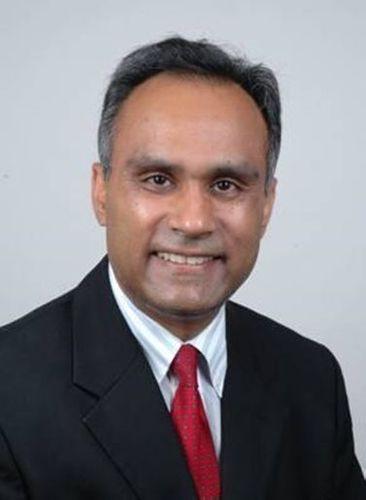
Dr. Vivek Raj
Associate Director
Pulmonology
New Delhi
20+ Years
Experience
Apolo Delhi
Hospital
1500
Fees
Related Links
Recent Blogs
Other Treatment related Information
Ready To Start Your Healing Journey?
Get Personalized Medical Treatment Options From India's Top Hospitals. Our Medical Experts Are Ready To Assist You Every Step Of The Way.