DIVINHEALSimplifying Global Wellbeing
Home
Treatments
Hospitals
Doctors
Page background

Intracytoplasmic Sperm Injection (ICSI) Treatment in Mumbai for Iraq

About

ICSI Treatment in Mumbai for Iraqi Patients | Cost & Hospitals

For many couples from Iraq, the journey towards parenthood can sometimes present unforeseen challenges. When natural conception proves difficult, exploring advanced fertility treatments like ICSI becomes a hopeful path. The decision to seek medical care abroad, especially for something as personal as fertility, often comes with many questions and hopes.

Couples facing infertility frequently look beyond their home country for specialized care. Mumbai stands out as a preferred destination due to its reputation for medical innovation and high-quality patient services. The city offers a well-coordinated healthcare environment where access to top fertility specialists and modern facilities is streamlined for international visitors.

Trust in Mumbai's healthcare system is built on its leading hospitals and experienced fertility experts. These institutions are equipped with state-of-the-art technology, ensuring advanced care in reproductive medicine. Patients can expect comprehensive support, from initial consultations to follow-up care, all within the city's robust medical infrastructure.

Are you considering Mumbai for your ICSI treatment journey?

What is Intracytoplasmic Sperm Injection (ICSI)?

Intracytoplasmic Sperm Injection, or ICSI, is a specialized form of in vitro fertilization (IVF) used to help couples overcome severe male infertility factors or when previous IVF cycles have failed. In ICSI, a single sperm is carefully selected and injected directly into an egg. This procedure facilitates fertilization, which is then followed by embryo culture and transfer into the woman's uterus, similar to conventional IVF. It is a highly precise method aimed at improving the chances of successful fertilization.

What are the different approaches to ICSI treatment?

While the core ICSI process remains consistent, variations and complementary techniques can enhance its effectiveness:

  • Standard ICSI: This is the most common form, addressing male factor infertility by directly injecting a healthy sperm into an egg.
  • Physiological ICSI (PICSI): This advanced technique involves selecting sperm based on their ability to bind to hyaluronic acid, mimicking natural sperm selection and potentially improving embryo quality.
  • Intracytoplasmic Morphologically Selected Sperm Injection (IMSI): With IMSI, embryologists use high-magnification microscopy to select sperm based on highly detailed morphological criteria, aiming for the healthiest sperm.
  • ICSI with Donor Gametes: In cases where one partner's gametes are not viable, ICSI can be performed using donor sperm or donor eggs, offering a path to parenthood.
  • ICSI with Preimplantation Genetic Testing (PGT): After fertilization via ICSI, embryos can undergo genetic screening (PGT-A, PGT-M, PGT-SR) to identify chromosomal abnormalities or specific genetic disorders before uterine transfer.
  • Frozen Embryo Transfer (FET) after ICSI: Often, multiple embryos are created during an ICSI cycle. Those not transferred immediately can be frozen and used in subsequent cycles, which is known as a Frozen Embryo Transfer.

When is ICSI treatment recommended?

  • When there is severe male factor infertility, such as very low sperm count, poor sperm motility, or abnormal sperm morphology.
  • If previous standard IVF cycles have resulted in no fertilization or very low fertilization rates.
  • In cases where sperm have been surgically retrieved from the epididymis (MESA, PESA) or testicles (TESE, TESA) due to blockages or production issues.
  • When couples are using frozen sperm, as thawing can sometimes reduce sperm viability.
  • For cases involving preimplantation genetic testing (PGT), as ICSI helps prevent contamination from surrounding sperm during biopsy.
  • In situations where eggs are retrieved after ovarian stimulation but fertilization does not occur through natural means in vitro.

What evaluations are performed before ICSI treatment?

  • Comprehensive Fertility Assessment: Both partners undergo detailed medical history reviews and physical examinations.
  • Hormonal Blood Tests: For women, tests like FSH, LH, E2, AMH, and thyroid hormones assess ovarian reserve and overall endocrine function. For men, testosterone and other hormone levels may be checked.
  • Semen Analysis: A thorough examination of sperm count, motility, morphology, and other factors to determine the extent of male infertility.
  • Transvaginal Ultrasound: For women, this helps visualize the uterus, ovaries, and fallopian tubes to check for abnormalities like fibroids, polyps, or cysts.
  • Infectious Disease Screening: Both partners are screened for infectious diseases such as HIV, Hepatitis B and C, and Syphilis to ensure safety.
  • Genetic Screening: Karyotyping or specific genetic tests may be recommended if there is a history of genetic conditions or recurrent miscarriages.

How is the ICSI procedure performed?

The ICSI procedure involves several distinct stages, each carefully monitored by fertility specialists and embryologists. The specific approach can be tailored based on individual patient needs.

Ovarian Stimulation and Egg Retrieval

The woman receives fertility medications for about 8-12 days to stimulate her ovaries to produce multiple mature eggs. Regular ultrasounds and blood tests monitor follicle growth. Once eggs are mature, an HCG injection is given, and egg retrieval is performed under light anesthesia. Using a thin needle guided by ultrasound, eggs are collected from the ovarian follicles.

Sperm Preparation

On the same day as egg retrieval, a sperm sample is collected from the male partner. If surgical sperm retrieval is necessary (e.g., TESE, PESA), this is also performed. The collected sperm are then processed in the lab to isolate the healthiest and most motile sperm for injection.

Sperm Injection (ICSI)

Under a high-powered microscope, a single healthy sperm is carefully injected directly into the cytoplasm of each mature egg using a very fine glass needle. This direct injection bypasses any potential barriers to natural fertilization.

Embryo Culture and Monitoring

After ICSI, the fertilized eggs (now zygotes) are placed in a special culture medium in an incubator. They are monitored over several days to observe their development into embryos. Embryologists assess the quality and growth of the embryos during this period.

Embryo Transfer

Typically, 3 to 5 days after fertilization, one or more healthy embryos are selected for transfer. These embryos are gently placed into the woman's uterus using a thin catheter, a procedure that usually requires no anesthesia. Any remaining viable embryos can be cryopreserved (frozen) for future use.

Luteal Phase Support and Pregnancy Test

Following embryo transfer, the woman receives hormonal support, usually progesterone, to help prepare the uterine lining for implantation. A pregnancy test is typically performed about two weeks after the embryo transfer to determine if the treatment was successful.

What does recovery after ICSI treatment involve?

Recovery after ICSI primarily focuses on the woman following egg retrieval and embryo transfer. After egg retrieval, patients typically rest for a few hours. Mild cramping and spotting are common, managed with over-the-counter pain relievers. Following embryo transfer, light activity is advised for a day or two. There are usually no strict bed rest requirements. Patients are given instructions on medication continuation and advised to avoid strenuous activities, heavy lifting, and douching until after the pregnancy test. Regular follow-up with the fertility specialist is crucial to monitor progress and address any concerns.

What are the potential risks and success rates of ICSI?

  • Ovarian Hyperstimulation Syndrome (OHSS): A rare complication from fertility medications, causing swollen, painful ovaries, sometimes requiring hospitalization.
  • Multiple Pregnancy: Transferring multiple embryos increases the chance of twins or triplets, which carries higher risks for both mother and babies.
  • Ectopic Pregnancy: When an embryo implants outside the uterus, usually in a fallopian tube, requiring medical intervention.
  • Egg Damage during Injection: Although rare, there is a small risk that the egg may be damaged during the sperm injection process.
  • Birth Defects: Studies suggest a slightly increased, though still low, risk of certain birth defects compared to natural conception, though the direct link to ICSI is still under research.

The success rates for ICSI are generally similar to those of conventional IVF, and they vary significantly based on several factors. These include the woman's age, the cause and duration of infertility, the quality of the eggs and sperm, and the experience of the fertility clinic. Typically, younger women have higher success rates. Clinics in Mumbai often report encouraging success rates due to their advanced technologies and experienced teams. Patients can discuss their specific prognosis and long-term expectations with their fertility specialist during consultation.

Ready to explore your options for ICSI treatment in Mumbai?

Connect with our patient care team today to discuss your specific needs and receive personalized guidance.

What is the cost of ICSI treatment in Mumbai?

The cost of ICSI treatment in Mumbai is influenced by several factors, including the reputation of the hospital or clinic, the experience of the fertility specialist, the specific medications required, and any additional procedures like genetic testing or cryopreservation. The comprehensive package for ICSI usually covers ovarian stimulation, egg retrieval, sperm preparation, the ICSI procedure itself, embryo culture, and embryo transfer.

Generally, ICSI treatment in Mumbai can range from INR 1,80,000 to INR 3,50,000 per cycle. This range is an estimate and can fluctuate based on the clinic's offerings and individual patient requirements.

ICSI Treatment Cost: Mumbai vs. Global Averages

Mumbai offers a compelling cost advantage for ICSI treatment compared to many other international medical hubs, making it an attractive choice for patients seeking high-quality care at a more affordable price point.

Location Estimated ICSI Cost (USD)
Mumbai, India $2,500 - $4,500
United States $12,000 - $20,000
United Kingdom $8,000 - $15,000
Australia $9,000 - $16,000

Support Services for International Patients in Mumbai

  • Assistance with medical visa applications and necessary travel documents.
  • Arrangements for airport transfers and comfortable local accommodation.
  • Dedicated patient coordinators to guide you through every step of your treatment journey.
  • Language interpretation services to ensure clear communication with medical staff.
  • Post-treatment follow-up and remote consultation options.

Essential Documents for Your ICSI Treatment Visit

  • Valid passport and medical visa for all travelers.
  • Copies of all relevant medical records, including previous fertility tests and treatments.
  • Referral letters from your primary healthcare provider, if applicable.
  • Proof of address and financial stability for your stay.
  • Marriage certificate or proof of relationship, as required by fertility clinics.

Preparing for Your ICSI Journey to Mumbai

  • Consult with your local doctor to ensure you are fit for international travel and the treatment.
  • Organize all necessary travel logistics well in advance, including flights and local transport.
  • Adhere to any dietary or medication instructions provided by the Mumbai fertility clinic before your arrival.
  • Ensure all required medical tests are completed and results are compiled for your initial consultation.
  • Pack comfortable clothing and any personal items you may need for your stay.

Guidance for Recovery and Aftercare Following ICSI

  • Follow all prescribed medication schedules strictly to support implantation and early pregnancy.
  • Avoid strenuous physical activity and heavy lifting for the recommended period after embryo transfer.
  • Maintain open communication with your fertility team for any symptoms or concerns post-treatment.
  • Attend all scheduled follow-up appointments, including your pregnancy test.
  • Plan for adequate rest and emotional support during the crucial two-week waiting period.

Ready to take the next step towards starting your family?

Contact us to arrange your consultation for ICSI treatment in Mumbai and begin your personalized care plan.

Embark on Your Path to Parenthood with Confidence

Choosing Mumbai for your ICSI journey means accessing world-class fertility care in a supportive environment. We are here to assist you at every stage, offering clarity and comfort.

Hospitals Offering this treatment

India offers premium medical procedures at affordable prices. Discover our most popular treatments, delivered by the country's finest doctors.

Meet Our Doctors

Meet our team of highly qualified and experienced medical professionals dedicated to providing the best healthcare services.
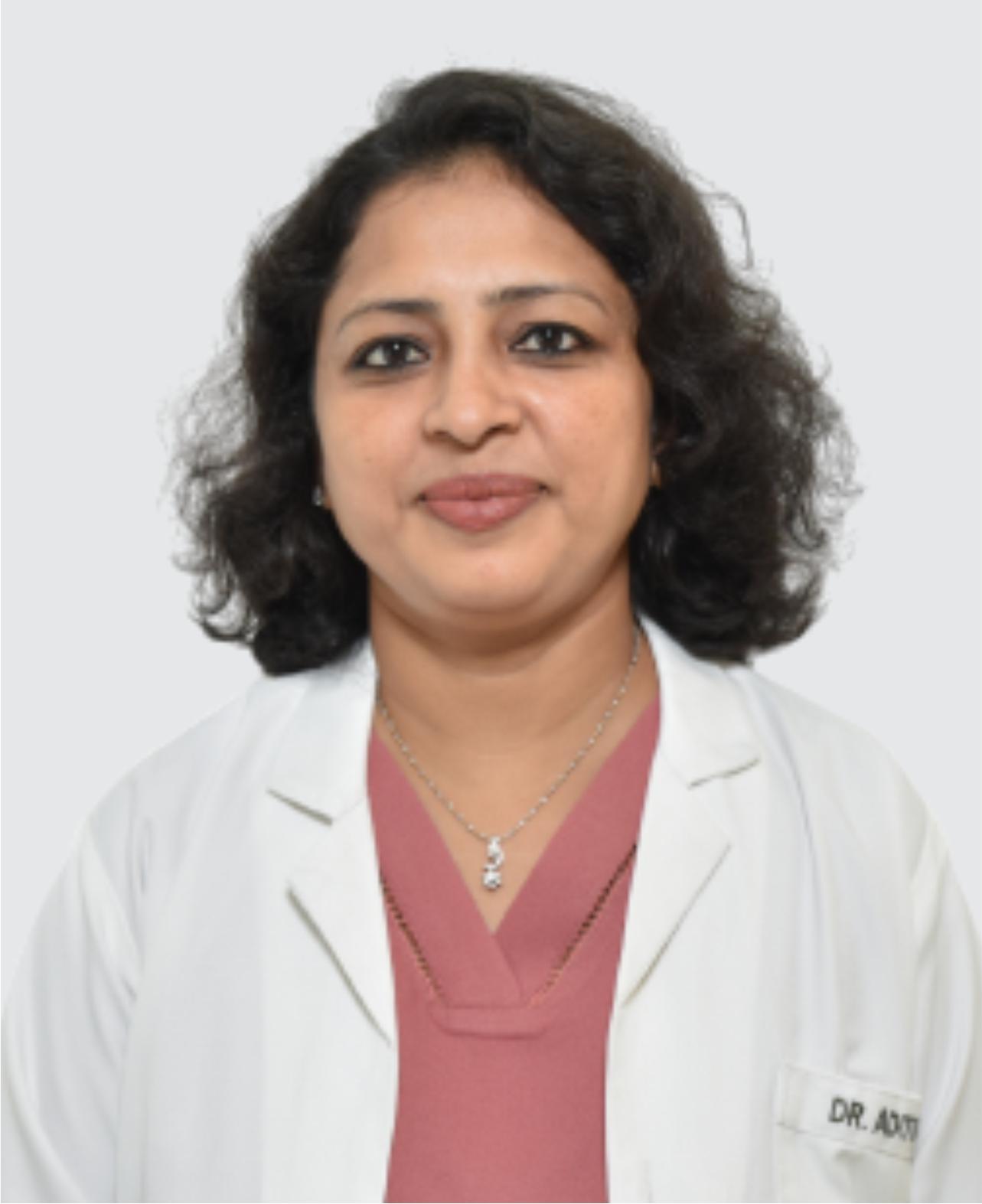
N/A

N/A

Sr. Consultant – Women Imaging

Radiology

New Delhi

15+ Years

Experience

Artemis Hospital

Hospital

1500

Fees
View Details
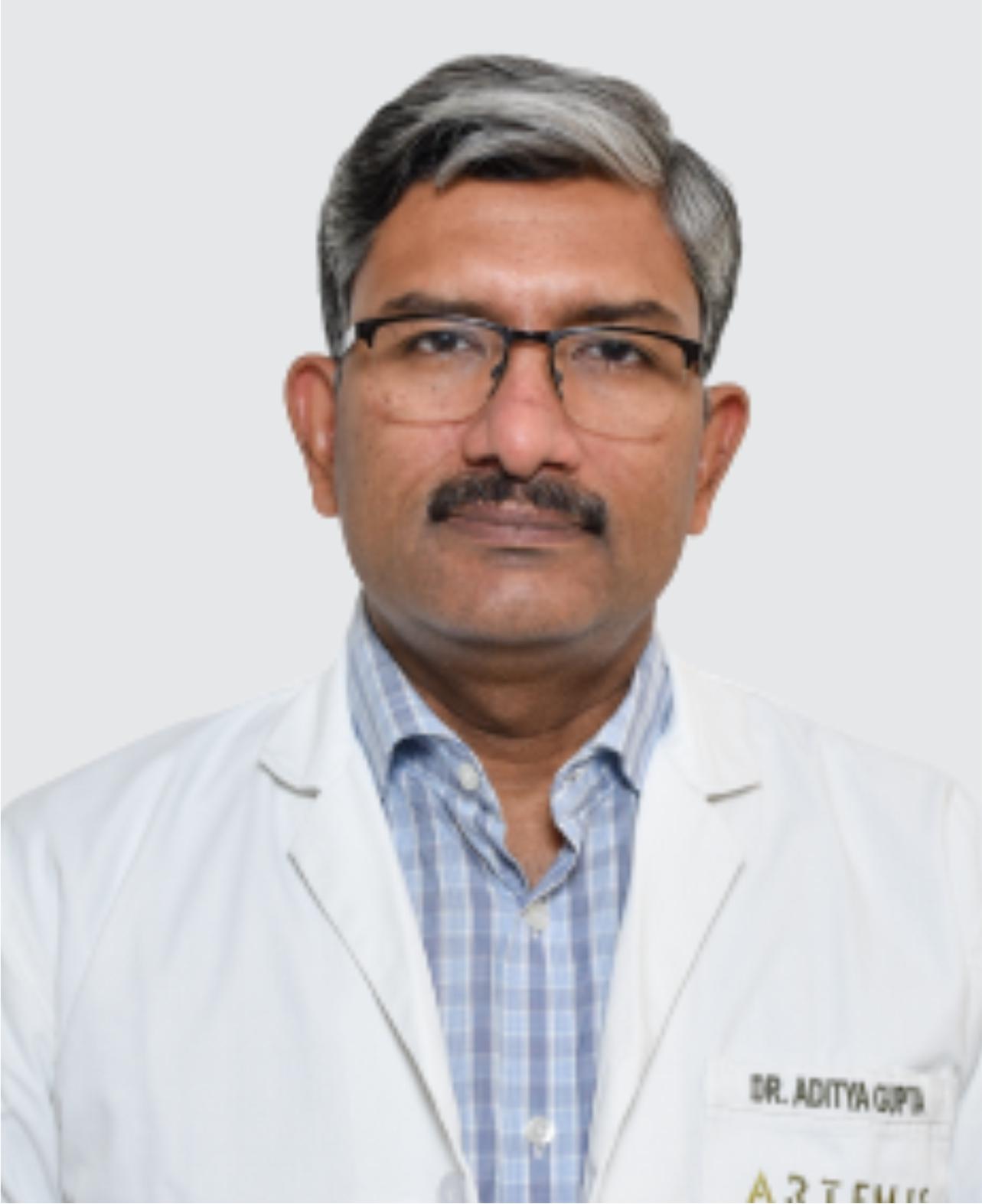
Dr. Aditya Gupta

Dr. Aditya Gupta

Chairperson - Neurosurgery & CNS Radiosurgery & Co-Chief - Cyberknife Centre

Neurosurgery

New Delhi

32+ Years

Experience

Artemis Hospital

Hospital

1500

Fees
View Details
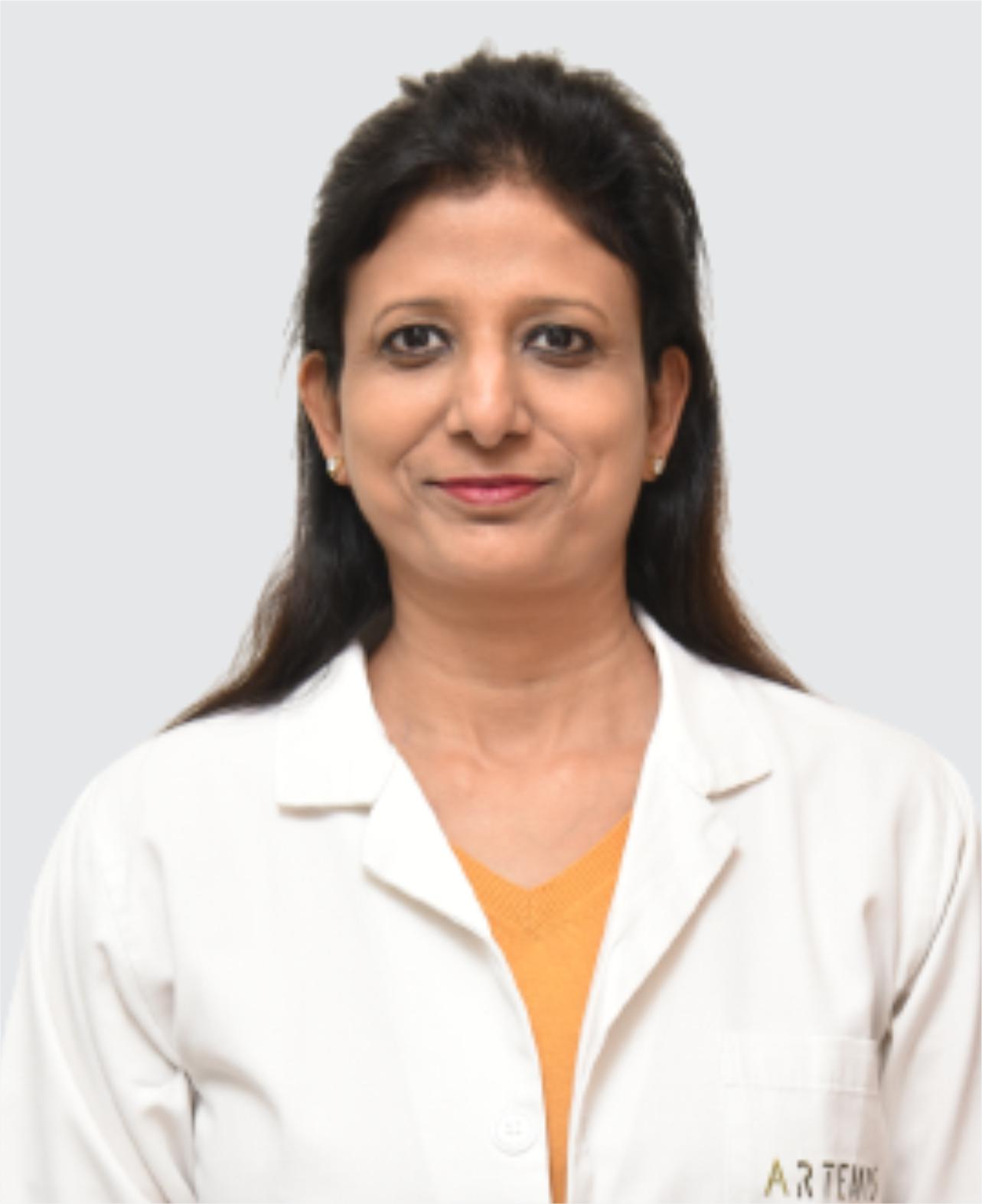
Dr. Parul Prakash

Dr. Parul Prakash

Head - Reproductive Medicine (IVF)

IVF, Reproductive Medicine, Obstetrics and Gynaecology

New Delhi

20+ Years

Experience

Artemis Hospital

Hospital

1500

Fees

View Details
Dr. Poonam Gautam

Dr. Poonam Gautam

Senior Consultant - ENT

ENT and Head & Neck Surgery

New Delhi

24+ Years

Experience

Artemis Hospital

Hospital

1500

Fees
View Details
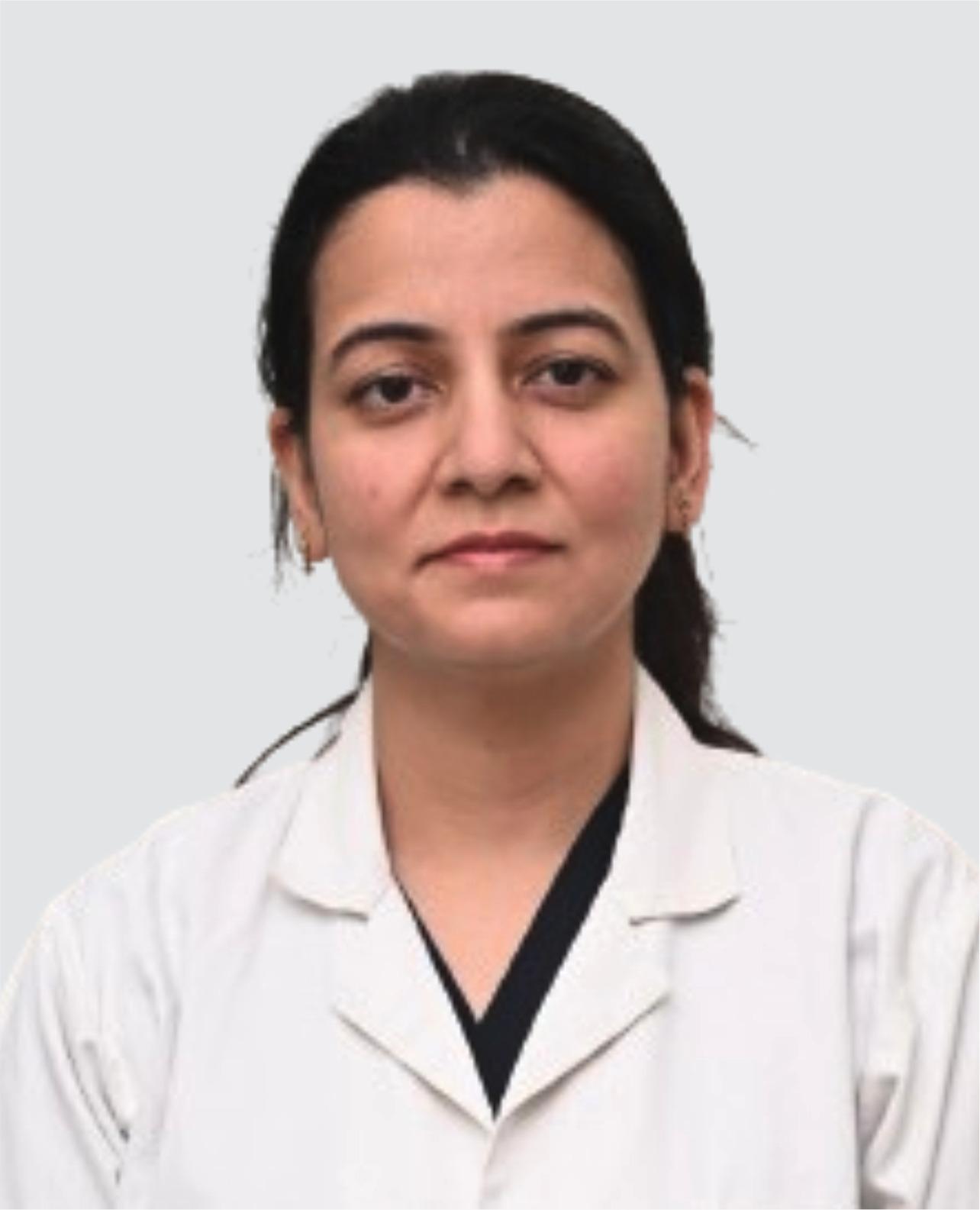
Dr. Priyanka Raina

Dr. Priyanka Raina

Consultant (Head & Neck Surgery) - Surgical Oncology

Head and Neck Surgical Oncology

New Delhi

10+ Years

Experience

Artemis Hospital

Hospital

1500

Fees
View Details
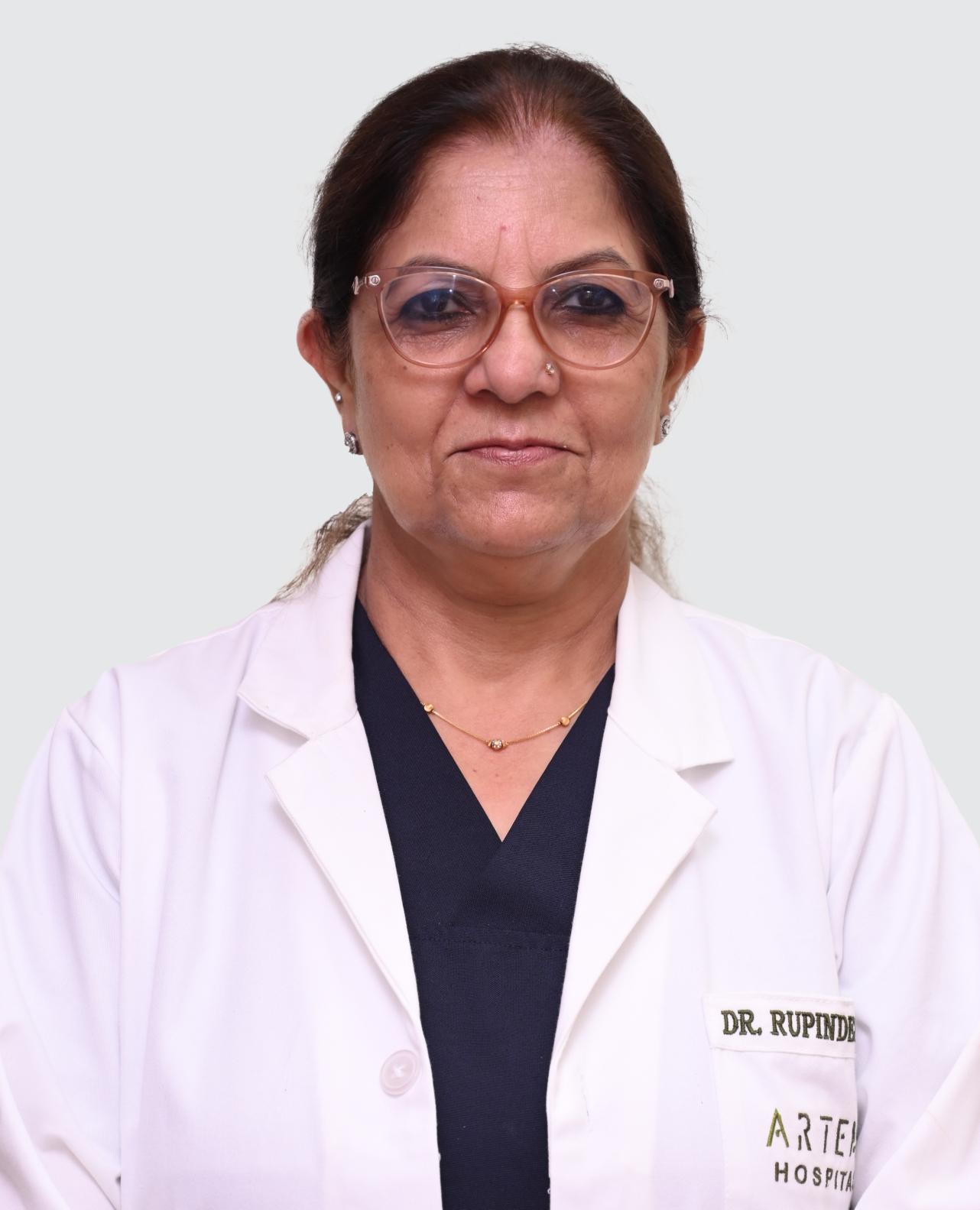
Dr. Rupinder Sekhon

Dr. Rupinder Sekhon

Chairperson - Gynae Oncology

Gynaecological Oncology

New Delhi

16+ Years

Experience

Artemis Hospital

Hospital

1500

Fees
View Details
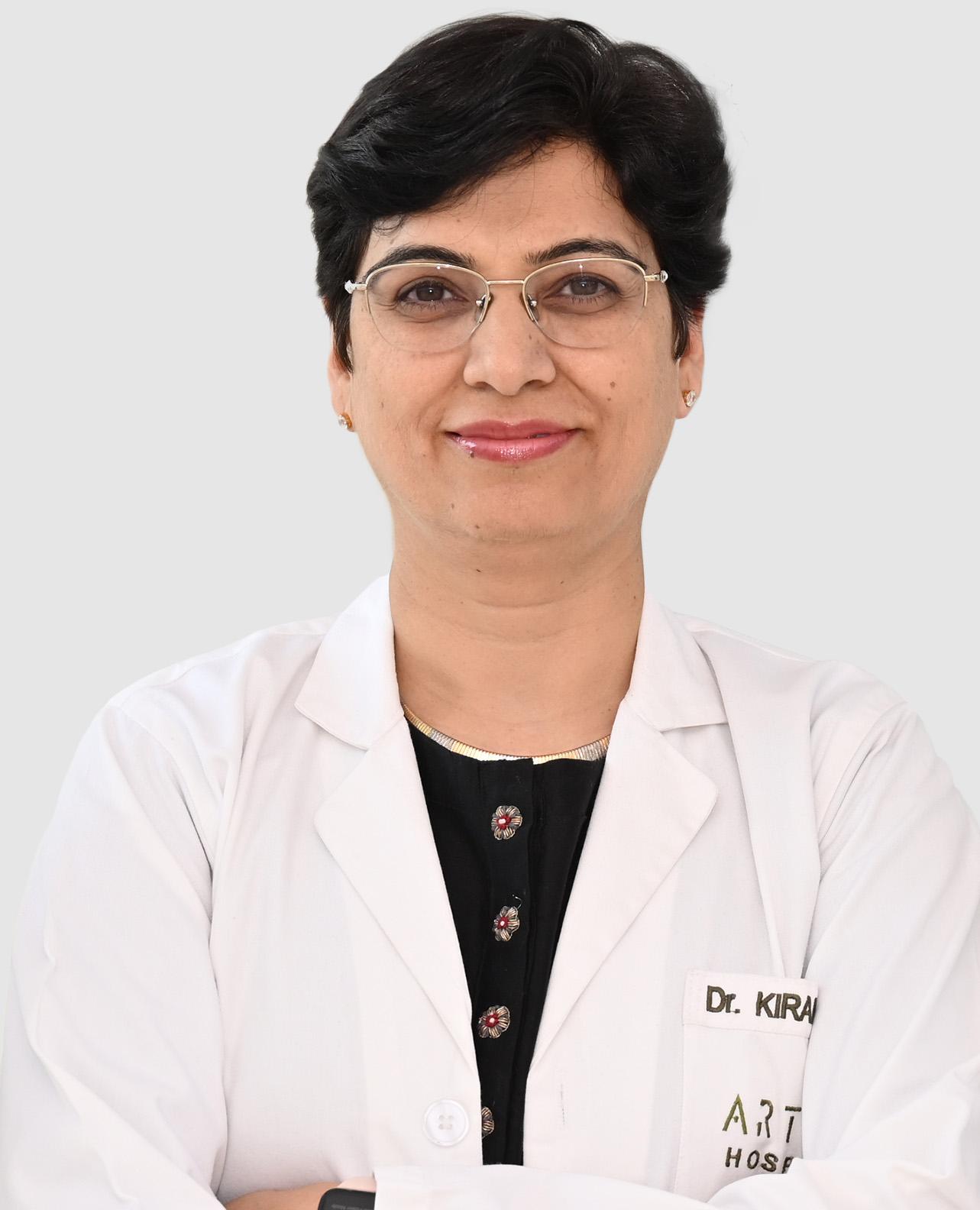
Dr. Kiran Arora

Dr. Kiran Arora

Unit Head - Reproductive Medicine (Unit II)

IVF, Reproductive Medicine, Obstetrics & Gynecology

New Delhi

20+ Years

Experience

Artemis Hospital

Hospital

1500

Fees
View Details
Nidhi Jain

Nidhi Jain

Sr. Consultant - Obs & Gynae

Maternity, Obstetrics & Gynaecology

New Delhi

15+ Years

Experience

Artemis Hospital

Hospital

1500

Fees

View Details
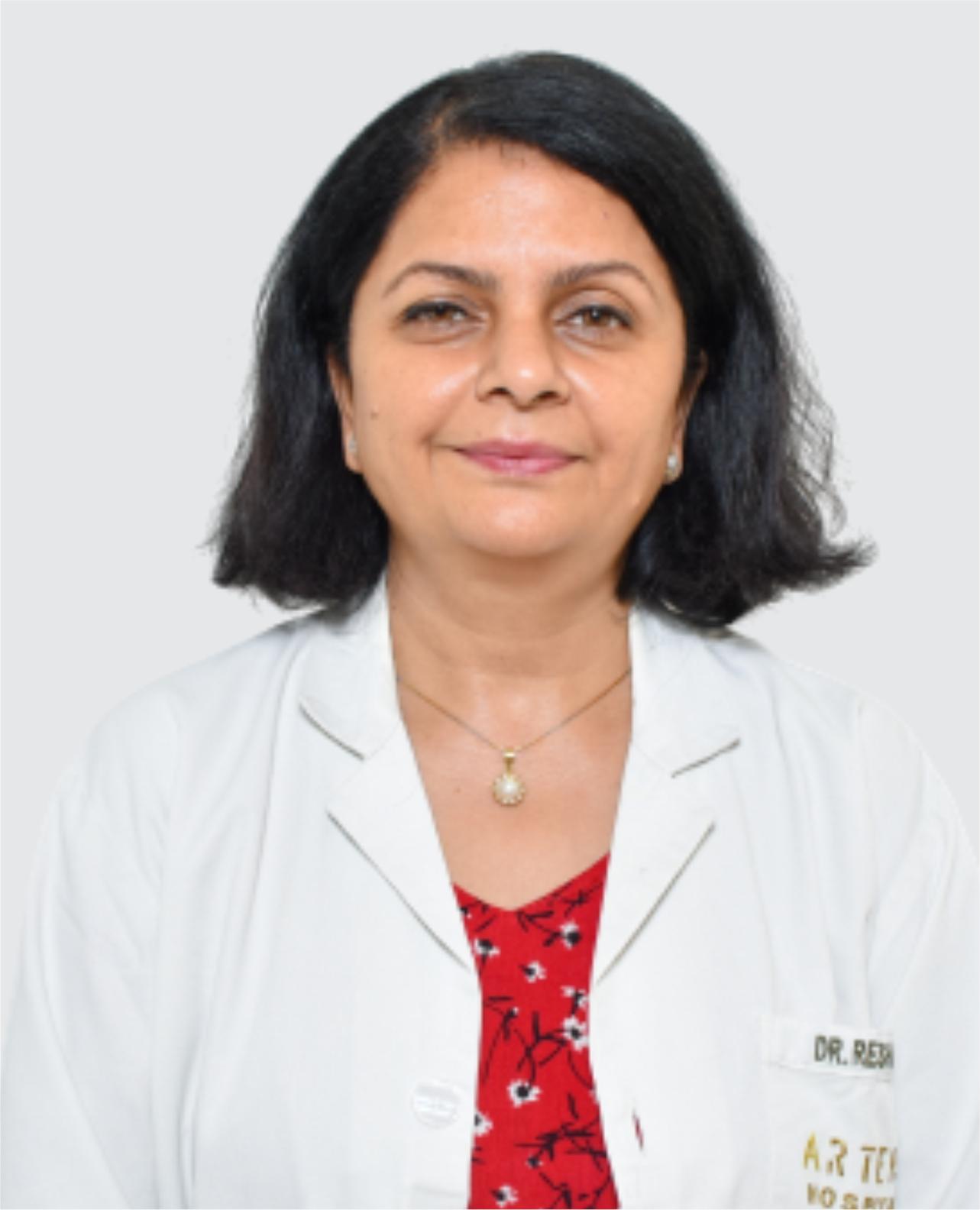
Dr. Nidhi Rajotia

Dr. Nidhi Rajotia

Unit Head - Obs & Gynae

Maternity, Obstetrics & Gynaecology

New Delhi

19+ Years

Experience

Artemis Hospital

Hospital

1500

Fees
View Details
Dr. Reshma Tewari

Dr. Reshma Tewari

Director

Obstetrics and Gynaecology

New Delhi

19+ Years

Experience

Artemis Hospital

Hospital

1500

Fees

View Details
N/A

N/A

Head - Radiation Oncology & CyberKnife Centre (Unit II)

Oncology

New Delhi

23+ Years

Experience

Artemis Hospital

Hospital

1500

Fees

View Details
Dr Seema Dhir

Dr Seema Dhir

Unit Head & Sr. Consultant - Internal Medicine

Internal Medicine

New Delhi

14+ Years

Experience

Artemis Hospital

Hospital

1500

Fees

View Details
Dr. Snehal Deshpande

Dr. Snehal Deshpande

Sr. Consultant - Gynaecology & Obstetrics

Gynaecology & Obstetrics

New Delhi

15+ Years

Experience

Apolo Delhi

Hospital

1500

Fees

View Details
Dr. Swati Aggarwal

Dr. Swati Aggarwal

Director

Obstetrics & Gynaecology

New Delhi

15+ Years

Experience

Artemis Hospital

Hospital

1500

Fees

View Details
Dr. Trisha Srivastava

Dr. Trisha Srivastava

Consultant

Obstetrics & Gynaecology

New Delhi

8+ Years

Experience

Artemis Hospital

Hospital

1500

Fees

View Details
Dr. Meenu Walia

Dr. Meenu Walia

Director, Medical Oncology

Medical Oncology and Haematology

New Delhi

26+ Years

Experience

Max Hospital,Gurgaon

Hospital

1500

Fees

View Details
Dr. Neeru Praveer Aggarwal

Dr. Neeru Praveer Aggarwal

Vice Chairman - Nephrology

Nephrology & Renal Transplant Medicine

New Delhi

17+ Years

Experience

Max Hospital,Gurgaon

Hospital

1500

Fees

View Details
Dr. Poonam Das

Dr. Poonam Das

Principal Director - Max Lab & Blood Bank Services

Laboratory Medicine, Transfusion Medicine, Pathology

New Delhi

32+ Years

Experience

Max Hospital,Gurgaon

Hospital

1500

Fees

View Details
Dr. Kanika Gupta

Dr. Kanika Gupta

Principal Director – Surgical Oncology (Gynae & Robotic Surgery)

Gynecologic Oncology, Robotic & Laparoscopic Surgery, Gynae Cancer Care, Surgical Oncology

New Delhi

39+ Years

Experience

Max Hospital,Gurgaon

Hospital

1500

Fees

View Details
Dr. Babita Jain

Dr. Babita Jain

Principal Director & HOD

Paediatrics (Ped)

New Delhi

30+ Years

Experience

Max Hospital,Gurgaon

Hospital

1500

Fees

View Details
Dr. Manju Khemani

Dr. Manju Khemani

Principal Director (Obstetrics & Gynaecology) & Head of Unit

Obstetrics, Gynaecology, Gynaecologic Laparoscopy, High-Risk Pregnancy, Endoscopy Surgery

New Delhi

44+ Years

Experience

Max Hospital,Gurgaon

Hospital

1500

Fees

View Details
Dr. Sonia Naik

Dr. Sonia Naik

Sr. Consultant

Obstetrics & Gynaecology

New Delhi

20+ Years

Experience

Apolo Delhi

Hospital

1500

Fees

View Details
Dr. Kavita Sandhu

Dr. Kavita Sandhu

Sr. Consultant

Obstetrics And Gynaecology

New Delhi

15+ Years

Experience

Apolo Delhi

Hospital

1500

Fees

View Details
Dr. Anita K. Sharma

Dr. Anita K. Sharma

Senior Consultant - Obstetrics and Gynaecology

Obstetrics and Gynaecology

New Delhi

24+ Years

Experience

Apolo Delhi

Hospital

1500

Fees

View Details
Dr. Gyanendra Agrawal

Dr. Gyanendra Agrawal

Director - Obstetrics & Gynaecology

Obstetrics & Gynaecology

New Delhi

18+ Years

Experience

Apolo Delhi

Hospital

1500

Fees

View Details
Dr. Anjali Bhutani

Dr. Anjali Bhutani

Senior Consultant

Obstetrics & Gynaecology

New Delhi

22+ Years

Experience

Apolo Delhi

Hospital

1500

Fees

View Details
Dr. Aparna Dhar

Dr. Aparna Dhar

Senior Consultant - Obstetrics & Gynaecology

Obstetrics & Gynaecology

New Delhi

23+ Years

Experience

Apolo Delhi

Hospital

1500

Fees

View Details
Dr. Alka Gujral

Dr. Alka Gujral

Senior Consultant

Obstetrics and Gynaecology

New Delhi

24+ Years

Experience

Apolo Delhi

Hospital

1500

Fees

View Details
Dr. Seema Jain

Dr. Seema Jain

Director

Obstetrics & Gynaecology

New Delhi

20+ Years

Experience

Apolo Delhi

Hospital

1500

Fees

View Details
Dr. Poonam Khera

Dr. Poonam Khera

Director

Obstetrics & Gynaecology

New Delhi

22+ Years

Experience

Apolo Delhi

Hospital

1500

Fees

View Details
Dr Roopa Salwan

Dr Roopa Salwan

Senior Consultant

Obstetrics and Gynaecology

New Delhi

15+ Years

Experience

Apolo Delhi

Hospital

1500

Fees

View Details
Dr. Surveen Ghumman Sindhu

Dr. Surveen Ghumman Sindhu

Director

Obstetrics & Gynaecology

New Delhi

18+ Years

Experience

Apolo Delhi

Hospital

1500

Fees

View Details
Dr. Pratibha Singhal

Dr. Pratibha Singhal

Director & Chief of Service - Obstetrics & Gynaecology

Obstetrics & Gynaecology

New Delhi

24+ Years

Experience

Apolo Delhi

Hospital

1500

Fees

View Details
Dr. Uma Rani

Dr. Uma Rani

Director

Obstetrics & Gynaecology

New Delhi

18+ Years

Experience

Apolo Delhi

Hospital

1500

Fees

View Details

Related Links

क्या आप अपनी चिकित्सा यात्रा शुरू करने के लिए तैयार हैं?

भारत के शीर्ष अस्पतालों से व्यक्तिगत चिकित्सा उपचार विकल्प प्राप्त करें। हमारे चिकित्सा विशेषज्ञ हर कदम पर आपकी सहायता करने के लिए तैयार हैं।