
Interventional Radiology Procedures Treatment in Gurugram for UAE
व्यक्तिगत सलाह की आवश्यकता है?
हमारे चिकित्सा विशेषज्ञ आपके प्रश्नों का उत्तर देने और आपके उपचार विकल्पों के माध्यम से आपका मार्गदर्शन करने के लिए तैयार हैं।
हमारे चिकित्सा विशेषज्ञ आपके प्रश्नों का उत्तर देने और आपके उपचार विकल्पों के माध्यम से आपका मार्गदर्शन करने के लिए तैयार हैं।
Patients from the UAE seeking specialized interventional radiology procedures often face choices about where to receive care. Understanding the advanced nature of these treatments and navigating international options can feel complex. Many wonder if high-quality, minimally invasive options are accessible beyond their immediate region.
For those considering medical travel, Gurugram has emerged as a preferred destination. The city's focus on modern medical infrastructure, coupled with an environment that supports international patients, makes it a sensible choice. Patients are drawn to the streamlined processes and dedicated care coordination available here.
Gurugram's hospitals and interventional radiology specialists are globally recognized for their expertise and advanced technological integration. The medical teams in the city offer comprehensive treatment plans, ensuring continuity of care and support throughout the patient's journey, from initial consultation to recovery.
Is Gurugram the right choice for your interventional radiology needs?
Interventional Radiology (IR) procedures are minimally invasive treatments performed using image guidance, such as X-rays, ultrasound, CT scans, or MRI. These techniques allow specialists to diagnose and treat a wide range of conditions across nearly every organ system without major surgery. By making a small incision, often just a pinhole, and using thin catheters and wires, interventional radiologists can target specific areas with precision, leading to less pain, fewer risks, and quicker recovery times compared to traditional open surgery. These procedures aim to treat conditions from within the body, reducing external trauma.
Interventional Radiology covers a broad spectrum of conditions. Some common procedures include:
The specific steps for an interventional radiology procedure depend on the condition being treated and the patient's personalized treatment plan.
Most interventional radiology procedures follow a similar pattern involving precise imaging and minimally invasive access:
Recovery from interventional radiology procedures is generally quicker and less painful than traditional surgery. Most patients can return home the same day or after a short hospital stay, typically 12-24 hours. Patients are usually advised to rest for 24-48 hours, avoid strenuous activities, and keep the access site clean and dry. Specific restrictions, such as lifting limits or driving restrictions, vary by procedure. Follow-up appointments are essential to monitor healing and assess the treatment's effectiveness, which may include repeat imaging or clinical evaluations. Full recovery and return to normal activities often occur within a few days to a week.
The success rates for interventional radiology procedures vary significantly based on the specific condition, its stage, and individual patient factors. Many procedures boast high success rates, often ranging from 85% to over 95%, especially in experienced centers. For example, uterine fibroid embolization and angioplasty often have excellent outcomes. Long-term expectations are generally positive, with many patients experiencing significant symptom relief and improved quality of life. However, results can vary, and open communication with your specialist in Gurugram will provide a clear understanding of your expected outcome.
Ready to discuss your interventional radiology treatment options in Gurugram?
Contact us for a personalized consultation and treatment plan.
The cost of interventional radiology procedures in Gurugram is influenced by several factors, including the complexity of the specific procedure, the type of hospital (multi-specialty vs. boutique IR center), the expertise of the interventional radiologist, the technology used, and the duration of the hospital stay. These elements collectively determine the final expenditure for international patients.
Interventional radiology procedures in Gurugram typically range from INR 1,50,000 to INR 6,00,000 or more, depending on the intervention.
Gurugram provides a cost-effective alternative for high-quality interventional radiology procedures when compared to many Western countries, without compromising on medical standards or technology.
| Procedure Example | Gurugram (INR) | USA (USD) | UK (GBP) | Singapore (SGD) |
|---|---|---|---|---|
| Uterine Fibroid Embolization | 2,50,000 - 4,00,000 | 8,000 - 15,000 | 6,000 - 10,000 | 7,000 - 12,000 |
| Angioplasty/Stenting (non-cardiac) | 1,80,000 - 3,50,000 | 7,000 - 12,000 | 5,500 - 9,000 | 6,500 - 11,000 |
| Radiofrequency Ablation (Liver) | 3,00,000 - 5,50,000 | 10,000 - 20,000 | 8,000 - 15,000 | 9,000 - 16,000 |
| Vertebroplasty/Kyphoplasty | 1,50,000 - 2,80,000 | 6,000 - 10,000 | 4,500 - 8,000 | 5,500 - 9,500 |
Considering Interventional Radiology procedures in Gurugram?
Reach out to us to explore world-class care designed for international patients.
Choosing the right path for your medical needs is a significant decision. Gurugram offers a blend of advanced interventional radiology expertise, patient-focused services, and competitive costs, making it a compelling option for patients from the UAE seeking specialized care.
India offers premium medical procedures at affordable prices. Discover our most popular treatments, delivered by the country's finest doctors.
Meet our team of highly qualified and experienced medical professionals dedicated to providing the best healthcare services.

Sr. Consultant – Women Imaging
Radiology (Specializing in Women's Imaging)
Haryana
15+ Years
Experience
Artemis Hospital
Hospital
1500
Fees
Director & Chief
Neurointerventional Surgery
New Delhi
15+ Years
Experience
Artemis Hospital
Hospital
1500
Fees

Additional Consultant - Neuro Interventional Surgery
Neurointerventional Surgery
New Delhi
20+ Years
Experience
Artemis Hospital
Hospital
1500
Fees
Chief - Liver Transplant & Sr. Consultant - GI & HPB Surgery
Liver and Biliary Sciences, Organ Transplant
New Delhi
15+ Years
Experience
Artemis Hospital
Hospital
1500
Fees
Head Imaging & Chief DNB Program
Radiology
New Delhi
19+ Years
Experience
Artemis Hospital
Hospital
1500
Fees
Sr. Consultant
Radiology
New Delhi
12+ Years
Experience
Artemis Hospital
Hospital
1500
Fees
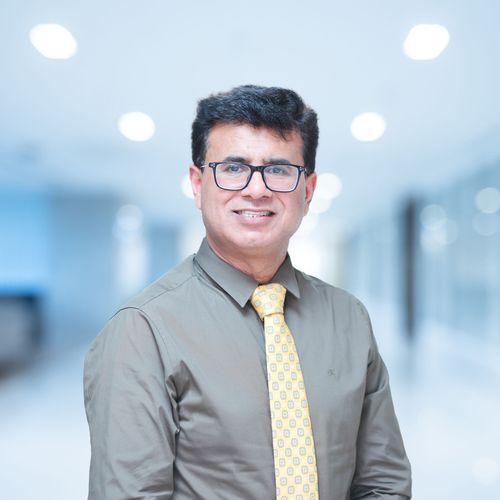
Vice Chairman, Cardiac Sciences, Cardiology, Interventional Cardiology, Cardiac Electrophysiology-Pacemaker & Director & HOD (Interventional Cardiology) at Max Super Speciality Hospital, Shalimar Bagh, Delhi
Interventional Cardiology
New Delhi
26+ Years
Experience
Max Hospital,Gurgaon
Hospital
1500
Fees
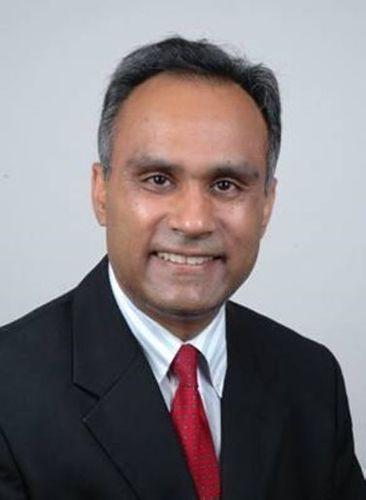
Associate Director
Pulmonology
New Delhi
20+ Years
Experience
Apolo Delhi
Hospital
1500
Fees
Associate Director
Pulmonology
New Delhi
22+ Years
Experience
Apolo Delhi
Hospital
1500
Fees

Senior Consultant
Cardiac Sciences, Interventional Cardiology
New Delhi
25+ Years
Experience
Apolo Delhi
Hospital
1500
Fees
भारत के शीर्ष अस्पतालों से व्यक्तिगत चिकित्सा उपचार विकल्प प्राप्त करें। हमारे चिकित्सा विशेषज्ञ हर कदम पर आपकी सहायता करने के लिए तैयार हैं।