
Interventional Radiology Procedures Treatment in Mumbai for Iraq
व्यक्तिगत सलाह की आवश्यकता है?
हमारे चिकित्सा विशेषज्ञ आपके प्रश्नों का उत्तर देने और आपके उपचार विकल्पों के माध्यम से आपका मार्गदर्शन करने के लिए तैयार हैं।
हमारे चिकित्सा विशेषज्ञ आपके प्रश्नों का उत्तर देने और आपके उपचार विकल्पों के माध्यम से आपका मार्गदर्शन करने के लिए तैयार हैं।
For patients in Iraq facing complex health conditions, the search for advanced medical procedures often extends beyond local borders. Many feel overwhelmed by the challenge of finding specialized care that is both effective and accessible, especially when considering intricate treatments like interventional radiology. The uncertainty about quality, cost, and logistics can be a significant concern.
Mumbai has emerged as a preferred destination for international patients seeking high-quality interventional radiology procedures. The city offers a unique blend of cutting-edge medical technology and experienced specialists, all within a well-coordinated healthcare environment designed to support patients from arrival through recovery. Patients from Iraq find comfort in Mumbai’s comprehensive care setup.
Trust in Mumbai's medical infrastructure is built upon its world-class hospitals and highly skilled interventional radiologists. These institutions are equipped with the latest diagnostic and treatment tools, ensuring precise and effective care. The city's medical ecosystem also facilitates easy access to follow-up appointments and ongoing support, streamlining the entire treatment experience for patients.
Could Mumbai be the right choice for your interventional radiology needs?
Interventional radiology (IR) procedures are minimally invasive, image-guided techniques used to diagnose and treat a wide range of conditions across nearly every organ system. Instead of traditional open surgery, IR specialists use imaging modalities like X-rays, CT scans, ultrasounds, and MRIs to guide small instruments such as catheters and wires through tiny incisions in the skin. This approach minimizes pain, reduces recovery time, and often carries fewer risks compared to conventional surgery, making it a highly effective and preferred option for many patients.
Some of the frequently performed interventional radiology procedures include:
The specific method for an interventional radiology procedure is highly dependent on the condition being treated and the patient's individual treatment plan. However, most procedures share a common approach rooted in minimal invasiveness and image guidance.
Generally, the process involves these key stages:
Recovery from interventional radiology procedures is typically faster and less complex than open surgery due to their minimally invasive nature. Patients usually experience less pain and a shorter hospital stay, often discharged within 24 hours. Post-procedure, monitoring for any complications like bleeding at the access site is common. Activity restrictions are usually temporary, with patients advised to avoid strenuous activities for a few days to a week. Follow-up appointments are crucial to monitor healing and assess the procedure's long-term success. Rehabilitation, if needed, is often minimal.
Ready to learn more about Interventional Radiology options in Mumbai? Contact us today for a personalized consultation.
Interventional radiology procedures generally boast high success rates, often exceeding 85-90% for many conditions. The outcome, however, can vary based on the specific procedure, the patient's overall health, and the extent of the condition being treated. Many patients experience significant improvement in symptoms and quality of life. Long-term expectations are usually positive, but ongoing medical management and follow-up may be necessary to ensure lasting results.
The cost of interventional radiology procedures in Mumbai is influenced by several factors. These include the specific type and complexity of the procedure, the hospital's reputation and facilities, the experience level of the interventional radiologist, and the duration of the hospital stay. Ancillary services, such as diagnostic tests, medications, and post-procedure care, also contribute to the overall expenditure.
While exact figures vary widely, interventional radiology procedures in Mumbai can range from approximately INR 1,50,000 to INR 7,00,000, depending on the intervention required.
Mumbai offers a distinct cost advantage for interventional radiology procedures compared to many Western countries, without compromising on quality or technology.
| Location | Estimated Cost Range (USD) |
|---|---|
| Mumbai, India | $1,800 - $8,500 |
| United States | $15,000 - $45,000 |
| United Kingdom | $10,000 - $30,000 |
| Singapore | $8,000 - $25,000 |
| Germany | $9,000 - $28,000 |
Have questions about Interventional Radiology in Mumbai? Reach out to our expert team for guidance and support.
Taking the first step towards better health is a significant decision. Allow us to assist you in navigating your journey for interventional radiology procedures in Mumbai with confidence and ease.
India offers premium medical procedures at affordable prices. Discover our most popular treatments, delivered by the country's finest doctors.
Meet our team of highly qualified and experienced medical professionals dedicated to providing the best healthcare services.

Sr. Consultant – Women Imaging
Radiology (Specializing in Women's Imaging)
Haryana
15+ Years
Experience
Artemis Hospital
Hospital
1500
Fees
Director & Chief
Neurointerventional Surgery
New Delhi
15+ Years
Experience
Artemis Hospital
Hospital
1500
Fees

Additional Consultant - Neuro Interventional Surgery
Neurointerventional Surgery
New Delhi
20+ Years
Experience
Artemis Hospital
Hospital
1500
Fees
Chief - Liver Transplant & Sr. Consultant - GI & HPB Surgery
Liver and Biliary Sciences, Organ Transplant
New Delhi
15+ Years
Experience
Artemis Hospital
Hospital
1500
Fees
Head Imaging & Chief DNB Program
Radiology
New Delhi
19+ Years
Experience
Artemis Hospital
Hospital
1500
Fees
Sr. Consultant
Radiology
New Delhi
12+ Years
Experience
Artemis Hospital
Hospital
1500
Fees

Vice Chairman, Cardiac Sciences, Cardiology, Interventional Cardiology, Cardiac Electrophysiology-Pacemaker & Director & HOD (Interventional Cardiology) at Max Super Speciality Hospital, Shalimar Bagh, Delhi
Interventional Cardiology
New Delhi
26+ Years
Experience
Max Hospital,Gurgaon
Hospital
1500
Fees
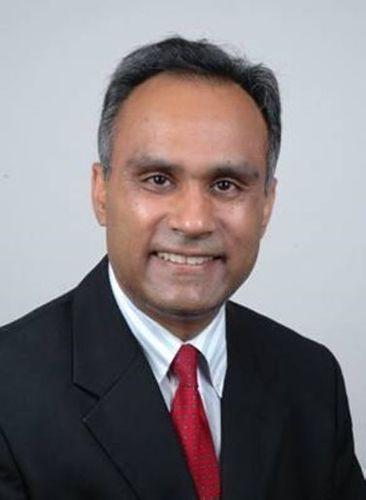
Associate Director
Pulmonology
New Delhi
20+ Years
Experience
Apolo Delhi
Hospital
1500
Fees
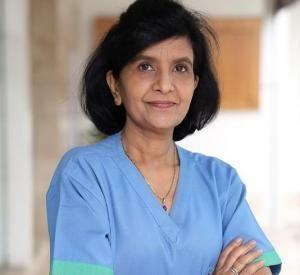
Associate Director
Pulmonology
New Delhi
22+ Years
Experience
Apolo Delhi
Hospital
1500
Fees

Senior Consultant
Cardiac Sciences, Interventional Cardiology
New Delhi
25+ Years
Experience
Apolo Delhi
Hospital
1500
Fees
भारत के शीर्ष अस्पतालों से व्यक्तिगत चिकित्सा उपचार विकल्प प्राप्त करें। हमारे चिकित्सा विशेषज्ञ हर कदम पर आपकी सहायता करने के लिए तैयार हैं।