
Interventional Radiology Procedures Treatment in India for Ethiopia
व्यक्तिगत सलाह की आवश्यकता है?
हमारे चिकित्सा विशेषज्ञ आपके प्रश्नों का उत्तर देने और आपके उपचार विकल्पों के माध्यम से आपका मार्गदर्शन करने के लिए तैयार हैं।
हमारे चिकित्सा विशेषज्ञ आपके प्रश्नों का उत्तर देने और आपके उपचार विकल्पों के माध्यम से आपका मार्गदर्शन करने के लिए तैयार हैं।
As an Ethiopian patient considering interventional radiology procedures, you might feel uncertain about where to find advanced care. The journey to better health often brings questions about treatment quality, affordability, and overall experience, especially when looking abroad for specialized medical solutions.
Many patients seek care beyond their borders for specialized medical interventions. India has emerged as a preferred destination, offering a wide spectrum of interventional radiology services available across its major cities. This provides diverse choices for quality treatment that aligns with international standards.
India’s medical infrastructure has grown significantly, fostering a strong network of hospitals equipped with modern technology and highly skilled specialists. Patients from Ethiopia can confidently find expert care and advanced facilities throughout the country, ensuring comprehensive treatment for various conditions.
Ready to explore the benefits of interventional radiology in India?
Interventional radiology (IR) utilizes advanced imaging guidance, such as X-rays, CT scans, ultrasound, and MRI, to perform minimally invasive procedures. These techniques allow specialists to diagnose and treat a wide range of conditions that traditionally required open surgery. Patients benefit from smaller incisions, reduced pain, faster recovery times, and fewer risks compared to conventional surgical methods.
Interventional radiology encompasses numerous procedures tailored to specific conditions:
The specific steps for an interventional radiology procedure depend entirely on the condition being treated and the personalized treatment plan.
Generally, procedures involve:
Recovery from interventional radiology procedures is generally quicker than traditional surgery due to their minimally invasive nature. Most patients experience only mild discomfort at the access site, which is manageable with pain medication. Depending on the procedure, you might stay in the hospital for a few hours or overnight. Light activities can often be resumed within a day or two, with full recovery typically occurring over a few weeks. Specific instructions will be provided for wound care, activity restrictions, and follow-up appointments.
Success rates for interventional radiology procedures are generally high, often ranging from 85% to over 95%, depending on the specific condition and the complexity of the intervention. Outcomes can vary based on individual patient health, the stage of the condition, and adherence to post-procedure care. Long-term expectations often include significant symptom relief, improved organ function, and enhanced quality of life. Your specialist will provide detailed information regarding your personal prognosis.
The cost of interventional radiology procedures in India is a significant advantage for international patients. Prices are influenced by several factors: the specific type and complexity of the procedure, the hospital's reputation and facilities, the experience of the treating specialist, and the advanced technology utilized. India provides high-quality care at a fraction of the cost found in many Western countries.
Across India, the estimated cost for various interventional radiology procedures can range approximately from INR 1,50,000 to INR 10,00,000, depending on these variables.
| City | Estimated Cost Range (INR) |
|---|---|
| Mumbai | ₹2,00,000 - ₹8,00,000 |
| Delhi | ₹1,80,000 - ₹9,00,000 |
| Bangalore | ₹2,20,000 - ₹8,50,000 |
| Chennai | ₹1,70,000 - ₹7,50,000 |
| Hyderabad | ₹1,60,000 - ₹7,00,000 |
| Kolkata | ₹1,50,000 - ₹6,50,000 |
| Ahmedabad | ₹1,40,000 - ₹6,00,000 |
| Pune | ₹1,90,000 - ₹7,80,000 |
| Country | Estimated Cost Range (USD) |
|---|---|
| India | $2,500 - $12,000 |
| Ethiopia | $5,000 - $20,000 |
| United States | $15,000 - $50,000+ |
| United Kingdom | $10,000 - $35,000 |
| Thailand | $4,000 - $18,000 |
| Turkey | $3,000 - $15,000 |
Your decision for advanced care is a significant step toward well-being, and India offers a reliable and compassionate environment to achieve your health goals with confidence.
India offers premium medical procedures at affordable prices. Discover our most popular treatments, delivered by the country's finest doctors.
Meet our team of highly qualified and experienced medical professionals dedicated to providing the best healthcare services.

Sr. Consultant – Women Imaging
Radiology (Specializing in Women's Imaging)
Haryana
15+ Years
Experience
Artemis Hospital
Hospital
1500
Fees
Director & Chief
Neurointerventional Surgery
New Delhi
15+ Years
Experience
Artemis Hospital
Hospital
1500
Fees

Sr. Consultant – Women Imaging
Radiology
New Delhi
15+ Years
Experience
Artemis Hospital
Hospital
1500
Fees
Co-Head Psychological Services
Mental Health and Behavioural Sciences
New Delhi
15+ Years
Experience
Artemis Hospital
Hospital
1500
Fees

Additional Consultant - Neuro Interventional Surgery
Neurointerventional Surgery
New Delhi
20+ Years
Experience
Artemis Hospital
Hospital
1500
Fees
Head of Department - Gynae Endocrinology & DNB Program Director - Obs & Gynae
Gynaecological Endocrinology, Maternity, Obstetrics & Gynaecology
New Delhi
35+ Years
Experience
Artemis Hospital
Hospital
1500
Fees

Senior Consultant - ENT
ENT and Head & Neck Surgery
New Delhi
24+ Years
Experience
Artemis Hospital
Hospital
1500
Fees

Consultant (Head & Neck Surgery) - Surgical Oncology
Head and Neck Surgical Oncology
New Delhi
10+ Years
Experience
Artemis Hospital
Hospital
1500
Fees

Chairperson - Gynae Oncology
Gynaecological Oncology
New Delhi
16+ Years
Experience
Artemis Hospital
Hospital
1500
Fees
Chief - Liver Transplant & Sr. Consultant - GI & HPB Surgery
Liver and Biliary Sciences, Organ Transplant
New Delhi
15+ Years
Experience
Artemis Hospital
Hospital
1500
Fees
Head Imaging & Chief DNB Program
Radiology
New Delhi
19+ Years
Experience
Artemis Hospital
Hospital
1500
Fees
Unit Head - Reproductive Medicine (Unit II)
IVF, Reproductive Medicine, Obstetrics & Gynecology
New Delhi
20+ Years
Experience
Artemis Hospital
Hospital
1500
Fees
Sr. Consultant - Obs & Gynae
Maternity, Obstetrics & Gynaecology
New Delhi
15+ Years
Experience
Artemis Hospital
Hospital
1500
Fees

Unit Head - Obs & Gynae
Maternity, Obstetrics & Gynaecology
New Delhi
19+ Years
Experience
Artemis Hospital
Hospital
1500
Fees
Sr. Consultant
Radiology
New Delhi
12+ Years
Experience
Artemis Hospital
Hospital
1500
Fees
Director
Obstetrics and Gynaecology
New Delhi
19+ Years
Experience
Artemis Hospital
Hospital
1500
Fees
Head - Radiation Oncology & CyberKnife Centre (Unit II)
Oncology
New Delhi
23+ Years
Experience
Artemis Hospital
Hospital
1500
Fees
Unit Head & Sr. Consultant - Internal Medicine
Internal Medicine
New Delhi
14+ Years
Experience
Artemis Hospital
Hospital
1500
Fees
Sr. Consultant - Gynaecology & Obstetrics
Gynaecology & Obstetrics
New Delhi
15+ Years
Experience
Apolo Delhi
Hospital
1500
Fees
Director
Obstetrics & Gynaecology
New Delhi
15+ Years
Experience
Artemis Hospital
Hospital
1500
Fees
Classified Consultant
Obstetrics & Gynaecology, Maternity, Women's Health
New Delhi
8+ Years
Experience
Artemis Hospital
Hospital
1500
Fees
Consultant
Obstetrics & Gynaecology
New Delhi
8+ Years
Experience
Artemis Hospital
Hospital
1500
Fees
Director, Medical Oncology
Medical Oncology and Haematology
New Delhi
26+ Years
Experience
Max Hospital,Gurgaon
Hospital
1500
Fees
Vice Chairman, Cardiac Sciences, Cardiology, Interventional Cardiology, Cardiac Electrophysiology-Pacemaker & Director & HOD (Interventional Cardiology) at Max Super Speciality Hospital, Shalimar Bagh, Delhi
Interventional Cardiology
New Delhi
26+ Years
Experience
Max Hospital,Gurgaon
Hospital
1500
Fees
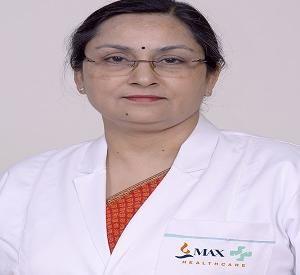
Vice Chairman - Nephrology
Nephrology & Renal Transplant Medicine
New Delhi
17+ Years
Experience
Max Hospital,Gurgaon
Hospital
1500
Fees
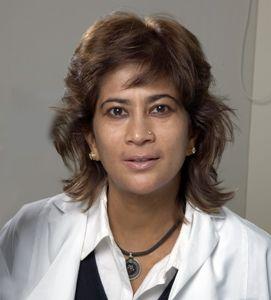
Principal Director - Max Lab & Blood Bank Services
Laboratory Medicine, Transfusion Medicine, Pathology
New Delhi
32+ Years
Experience
Max Hospital,Gurgaon
Hospital
1500
Fees
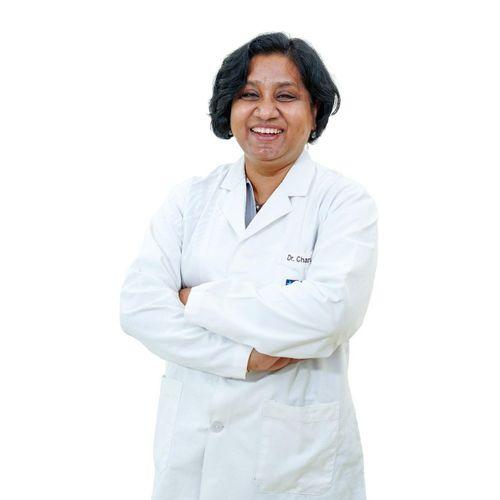
Principal Director - Radiation Oncology
Radiation Oncology
New Delhi
23+ Years
Experience
Max Hospital,Gurgaon
Hospital
1500
Fees
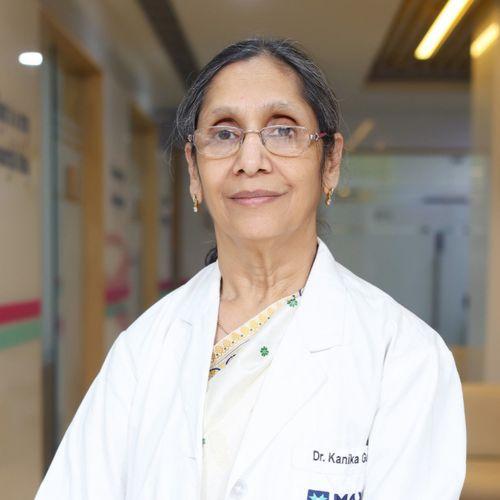
Principal Director – Surgical Oncology (Gynae & Robotic Surgery)
Gynecologic Oncology, Robotic & Laparoscopic Surgery, Gynae Cancer Care, Surgical Oncology
New Delhi
39+ Years
Experience
Max Hospital,Gurgaon
Hospital
1500
Fees
Principal Director & HOD
Paediatrics (Ped)
New Delhi
30+ Years
Experience
Max Hospital,Gurgaon
Hospital
1500
Fees
Principal Director (Obstetrics & Gynaecology) & Head of Unit
Obstetrics, Gynaecology, Gynaecologic Laparoscopy, High-Risk Pregnancy, Endoscopy Surgery
New Delhi
44+ Years
Experience
Max Hospital,Gurgaon
Hospital
1500
Fees
Principal Director - Obstetrics & Gynaecology
Obstetrics And Gynaecology, Robotic Surgery, Gynaecologic Laparoscopy
New Delhi
33+ Years
Experience
Max Hospital,Gurgaon
Hospital
1500
Fees
Sr. Consultant
Obstetrics & Gynaecology
New Delhi
20+ Years
Experience
Apolo Delhi
Hospital
1500
Fees
Associate Director
Pulmonology
New Delhi
20+ Years
Experience
Apolo Delhi
Hospital
1500
Fees
Sr. Consultant
Obstetrics And Gynaecology
New Delhi
15+ Years
Experience
Apolo Delhi
Hospital
1500
Fees
Senior Consultant - Obstetrics and Gynaecology
Obstetrics and Gynaecology
New Delhi
24+ Years
Experience
Apolo Delhi
Hospital
1500
Fees
Associate Director
Pulmonology
New Delhi
22+ Years
Experience
Apolo Delhi
Hospital
1500
Fees
Director - Obstetrics & Gynaecology
Obstetrics & Gynaecology
New Delhi
18+ Years
Experience
Apolo Delhi
Hospital
1500
Fees
Senior Consultant
Obstetrics & Gynaecology
New Delhi
22+ Years
Experience
Apolo Delhi
Hospital
1500
Fees
Senior Consultant - Obstetrics & Gynaecology
Obstetrics & Gynaecology
New Delhi
23+ Years
Experience
Apolo Delhi
Hospital
1500
Fees
Senior Consultant
Obstetrics and Gynaecology
New Delhi
24+ Years
Experience
Apolo Delhi
Hospital
1500
Fees

Senior Consultant
Cardiac Sciences, Interventional Cardiology
New Delhi
25+ Years
Experience
Apolo Delhi
Hospital
1500
Fees
Director
Obstetrics & Gynaecology
New Delhi
20+ Years
Experience
Apolo Delhi
Hospital
1500
Fees
Director
Obstetrics & Gynaecology
New Delhi
22+ Years
Experience
Apolo Delhi
Hospital
1500
Fees
Senior Consultant
Obstetrics and Gynaecology
New Delhi
15+ Years
Experience
Apolo Delhi
Hospital
1500
Fees
Director
Obstetrics & Gynaecology
New Delhi
18+ Years
Experience
Apolo Delhi
Hospital
1500
Fees
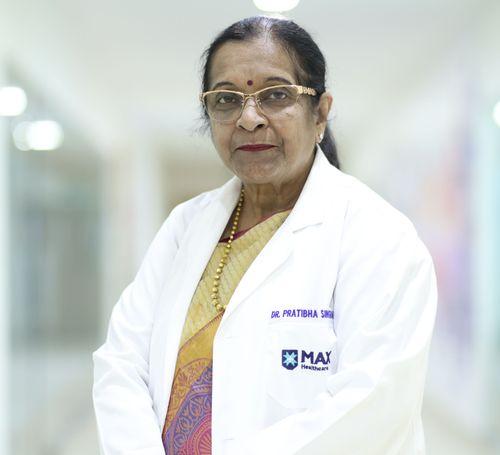
Director & Chief of Service - Obstetrics & Gynaecology
Obstetrics & Gynaecology
New Delhi
24+ Years
Experience
Apolo Delhi
Hospital
1500
Fees
Director
Obstetrics & Gynaecology
New Delhi
18+ Years
Experience
Apolo Delhi
Hospital
1500
Fees
भारत के शीर्ष अस्पतालों से व्यक्तिगत चिकित्सा उपचार विकल्प प्राप्त करें। हमारे चिकित्सा विशेषज्ञ हर कदम पर आपकी सहायता करने के लिए तैयार हैं।