
Preimplantation Genetic Testing (PGT) Success Rate in New Delhi
व्यक्तिगत सलाह की आवश्यकता है?
हमारे चिकित्सा विशेषज्ञ आपके प्रश्नों का उत्तर देने और आपके उपचार विकल्पों के माध्यम से आपका मार्गदर्शन करने के लिए तैयार हैं।
हमारे चिकित्सा विशेषज्ञ आपके प्रश्नों का उत्तर देने और आपके उपचार विकल्पों के माध्यम से आपका मार्गदर्शन करने के लिए तैयार हैं।
Understanding the Preimplantation Genetic Testing (PGT) success rate in New Delhi is crucial for individuals pursuing fertility treatments. These rates offer valuable insights for making informed healthcare decisions. PGT outcomes are influenced by various factors, including the specific testing method employed, the underlying genetic condition being screened, and individual patient characteristics. New Delhi stands as a significant hub for advanced fertility care, with outcomes reflecting both local expertise and evolving global standards.
Reviewing PGT success rates in New Delhi typically involves analyzing aggregated clinical data from leading fertility centers. This approach helps patients understand the general trends and expectations across the region. It is important to recognize that overall outcomes can naturally vary depending on the chosen PGT approach, the specific genetic condition being screened, and the patient's individual health profile. These evaluations support a clearer perspective on potential results.
For Preimplantation Genetic Testing (PGT), "success" primarily refers to the accurate identification of chromosomal abnormalities or specific genetic disorders in embryos. It also encompasses the subsequent transfer of a euploid (genetically normal) embryo, leading to successful implantation and the initiation of a healthy pregnancy. Short-term success relates to diagnostic accuracy and embryo selection, while long-term success ultimately aims for a live birth free of the screened condition.
Success rates for Preimplantation Genetic Testing (PGT) vary depending on the specific testing approach and patient factors.
| Treatment Type / Category | Typical Use Case | Success Rate Range (%) (Live Birth per Embryo Transfer) | What Success Indicates |
|---|---|---|---|
| PGT-A (Aneuploidy) | Screening for chromosomal abnormalities | 35%–60% | Transfer of a euploid embryo leading to ongoing pregnancy and live birth. |
| PGT-M (Monogenic Disorders) | Screening for specific single-gene defects | 30%–55% | Transfer of an unaffected embryo free of the targeted genetic condition, resulting in live birth. |
| PGT-SR (Structural Rearrangements) | Detecting chromosomal structural changes | 30%–50% | Transfer of an embryo with normal chromosome structure, achieving a healthy live birth. |
The Preimplantation Genetic Testing (PGT) survival rate by age in New Delhi, particularly for PGT-A, significantly correlates with maternal age. This trend aligns with internationally observed clinical outcomes, where older maternal age is associated with a higher incidence of aneuploidy in embryos. Evaluating these age-specific variations helps set realistic expectations for patients pursuing PGT, reflecting similar patterns seen in global fertility centers.
| Age Group / Patient Category (Maternal) | Primary Benefit from PGT-A | Success Rate Range (%) (Live Birth per Euploid Embryo Transfer) |
|---|---|---|
| Under 35 years | Reduced miscarriage risk, higher implantation | 50%–70% |
| 35–37 years | Improved selection, better outcomes than unselected | 40%–60% |
| 38–40 years | Enhanced chances of finding a viable embryo | 30%–50% |
| Over 40 years | Critical for identifying viable embryos | 20%–40% |
Success rates for Preimplantation Genetic Testing (PGT) in New Delhi are generally comparable with international standards. When similar advanced protocols, state-of-the-art technology, and rigorous patient selection criteria are applied, outcomes often align closely with those achieved in leading global fertility centers. This reflects a commitment to evidence-based practice and continuous improvement within the healthcare landscape.
| Region/Country | Preimplantation Genetic Testing (PGT) Success Rate Range (%) (Live Birth per Euploid ET) |
|---|---|
| New Delhi, India | 35%–60% |
| United States | 40%–65% |
| United Kingdom | 38%–62% |
| Singapore | 37%–60% |
| United Arab Emirates | 35%–58% |
| Germany | 36%–61% |
| Thailand | 34%–57% |
These success rates are indicative and can vary significantly based on individual patient circumstances and the specific clinical approach taken. Outcomes are never guaranteed, and actual results depend on a multitude of complex medical and biological factors.
Understanding Preimplantation Genetic Testing (PGT) outcomes is key to navigating fertility treatment choices confidently. Patients can benefit greatly from clear, factual information to support their healthcare journey.
India offers premium medical procedures at affordable prices. Discover our most popular treatments, delivered by the country's finest doctors.
Meet our team of highly qualified and experienced medical professionals dedicated to providing the best healthcare services.

Sr. Consultant - Urology & Kidney Transplant Program (Unit I)
Urology, Kidney Transplant, Urological Cancers
Haryana
8+ Years
Experience
Artemis Hospital
Hospital
1500
Fees
Sr. Consultant - Anaesthesia, Critical Care & Pain Management
Anaesthesia, Critical Care, Pain Management
New Delhi
15+ Years
Experience
Artemis Hospital
Hospital
1500
Fees

Sr. Consultant – Women Imaging
Radiology
New Delhi
15+ Years
Experience
Artemis Hospital
Hospital
1500
Fees
Chairperson - Neurosurgery & CNS Radiosurgery & Co-Chief - Cyberknife Centre
Neurosurgery
New Delhi
32+ Years
Experience
Artemis Hospital
Hospital
1500
Fees

Chief - Emergency
Emergency & Trauma Services
New Delhi
25+ Years
Experience
Artemis Hospital
Hospital
1500
Fees

Chief - Breast Surgery & Sr. Consultant : Surgical Oncology
Breast Surgery, Oncology
New Delhi
15+ Years
Experience
Artemis Hospital
Hospital
1500
Fees

Attending Consultant – Geriatric Medicine
Geriatric Medicine, Geriatric Surgery
New Delhi
3+ Years
Experience
Artemis Hospital
Hospital
1500
Fees

Head - Reproductive Medicine (IVF)
IVF, Reproductive Medicine, Obstetrics and Gynaecology
New Delhi
20+ Years
Experience
Artemis Hospital
Hospital
1500
Fees

Senior Consultant - ENT
ENT and Head & Neck Surgery
New Delhi
24+ Years
Experience
Artemis Hospital
Hospital
1500
Fees

Consultant (Head & Neck Surgery) - Surgical Oncology
Head and Neck Surgical Oncology
New Delhi
10+ Years
Experience
Artemis Hospital
Hospital
1500
Fees

Chairperson - Gynae Oncology
Gynaecological Oncology
New Delhi
16+ Years
Experience
Artemis Hospital
Hospital
1500
Fees
Sr. Consultant - Surgical Oncology, Robotics, GI & HPB, Gynae & Peritoneal Surface Oncology
Oncology, Robotic Surgery
New Delhi
15+ Years
Experience
Artemis Hospital
Hospital
1500
Fees
Head - Kidney Transplant & Associate Chief - Uro-Oncology & Robotic Surgery (Unit I)
Nephrology, Organ Transplant, Robotic Surgery, Urology
New Delhi
15+ Years
Experience
Artemis Hospital
Hospital
1500
Fees
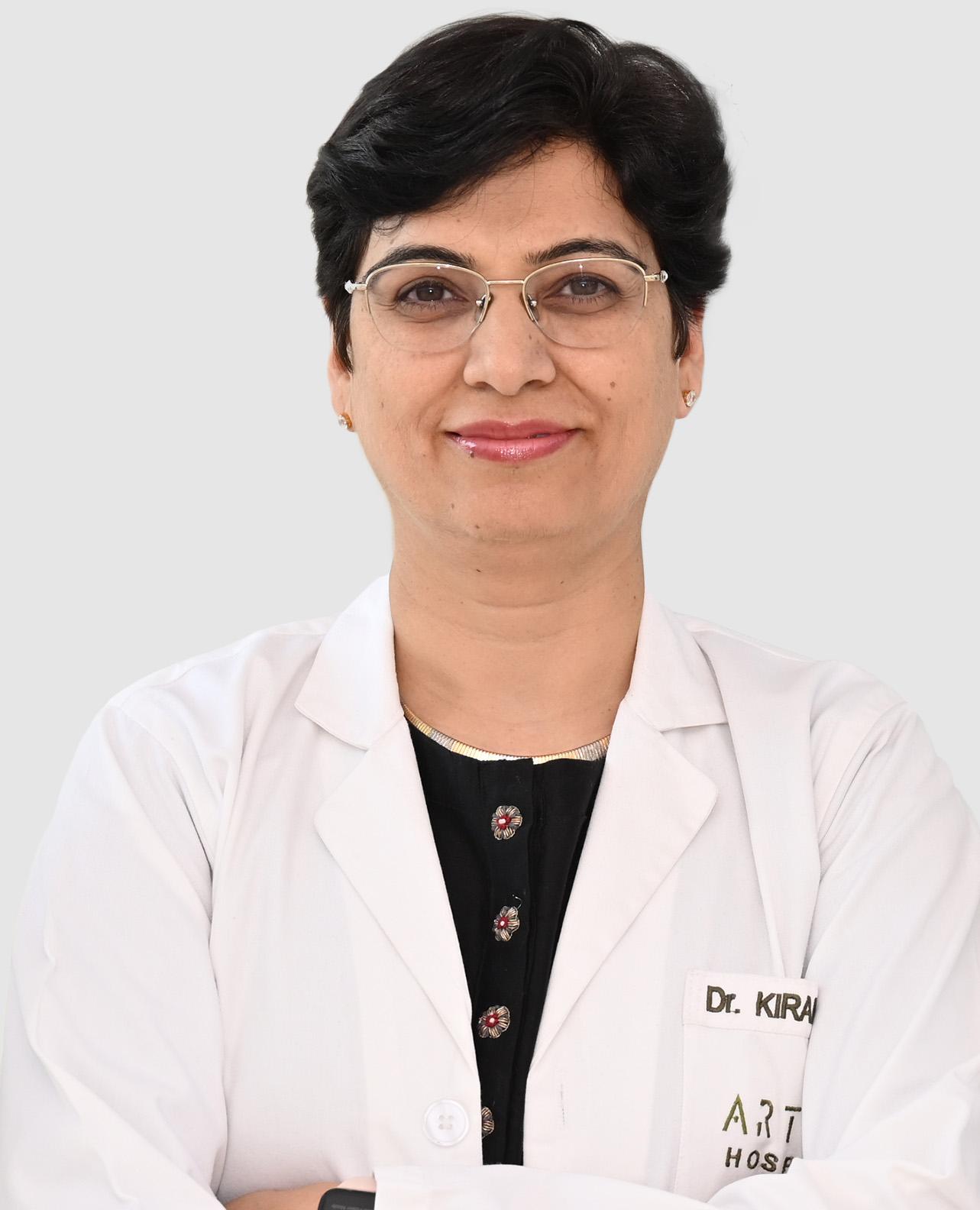
Unit Head - Reproductive Medicine (Unit II)
IVF, Reproductive Medicine, Obstetrics & Gynecology
New Delhi
20+ Years
Experience
Artemis Hospital
Hospital
1500
Fees
Sr. Consultant
Paediatric Surgery
New Delhi
10+ Years
Experience
Artemis Hospital
Hospital
1500
Fees
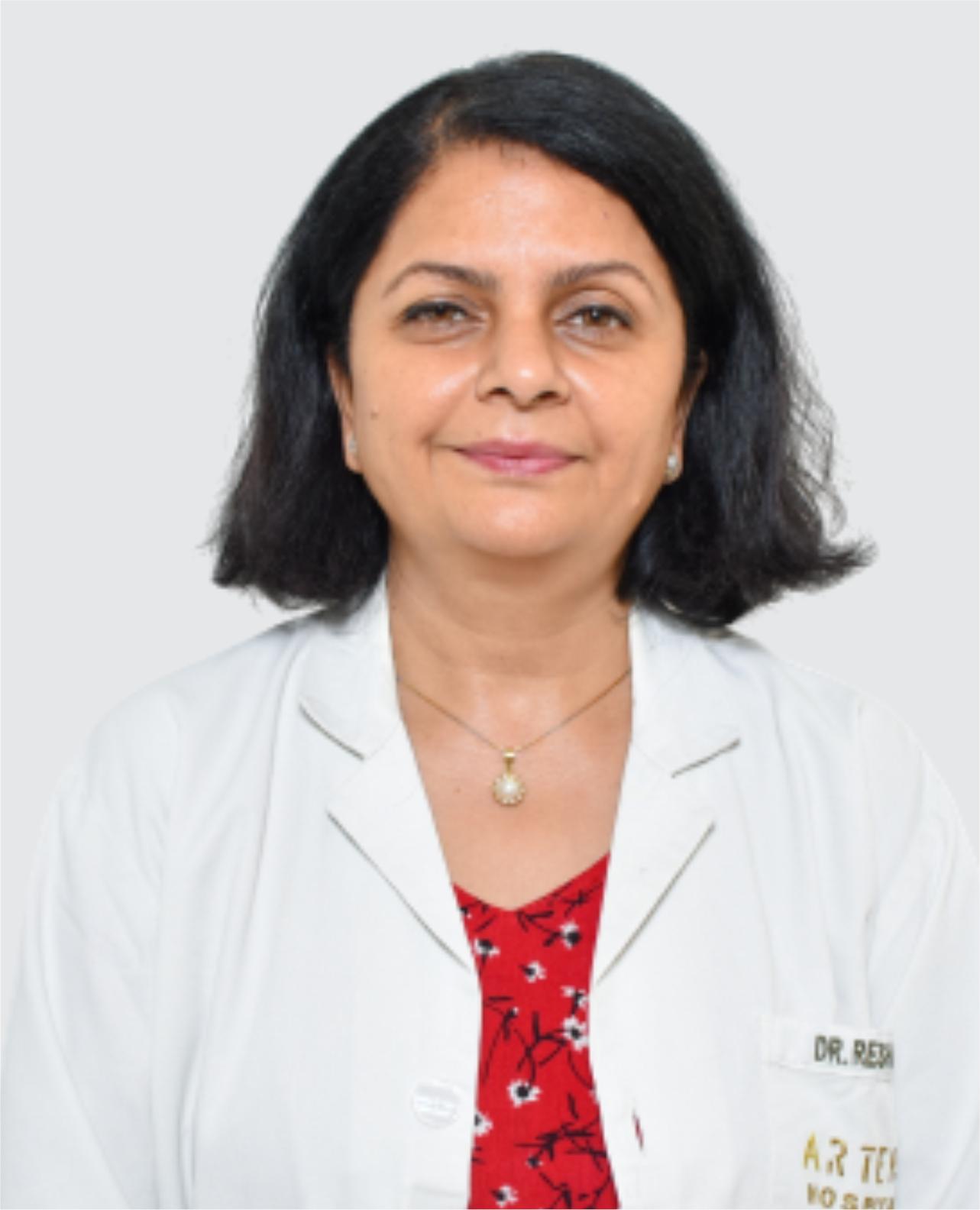
Director
Obstetrics and Gynaecology
New Delhi
19+ Years
Experience
Artemis Hospital
Hospital
1500
Fees
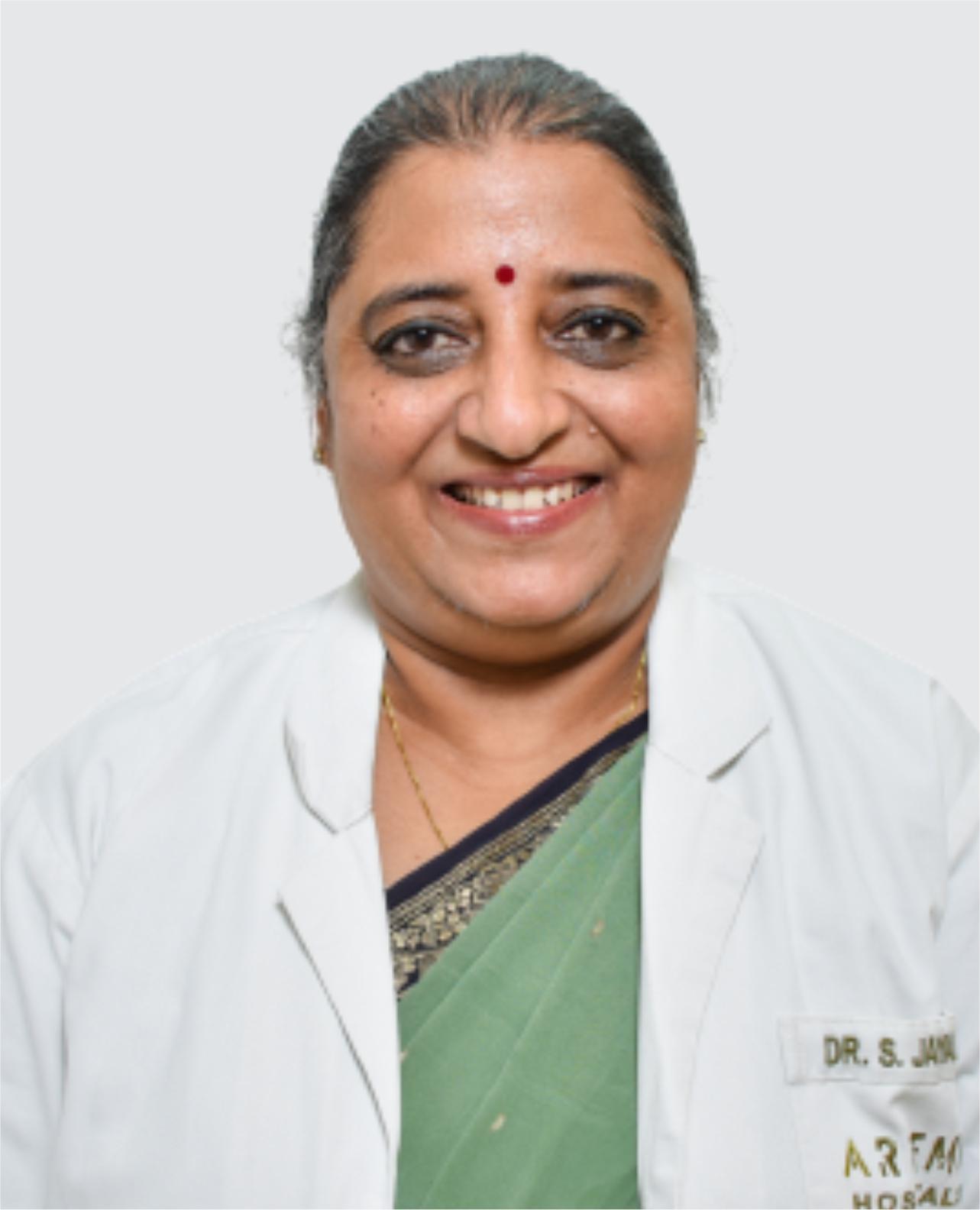
Head - Radiation Oncology & CyberKnife Centre (Unit II)
Oncology
New Delhi
23+ Years
Experience
Artemis Hospital
Hospital
1500
Fees
Chairperson Emeritus and DNB Teacher - Urology
Urology
New Delhi
15+ Years
Experience
Artemis Hospital
Hospital
1500
Fees
Unit Head & Sr. Consultant - Internal Medicine
Internal Medicine
New Delhi
14+ Years
Experience
Artemis Hospital
Hospital
1500
Fees
Director
Obstetrics & Gynaecology
New Delhi
15+ Years
Experience
Artemis Hospital
Hospital
1500
Fees
Director & Head
Nephrology & Renal Transplantation
New Delhi
12+ Years
Experience
Artemis Hospital
Hospital
1500
Fees
Consultant
Obstetrics & Gynaecology
New Delhi
8+ Years
Experience
Artemis Hospital
Hospital
1500
Fees

Chairman, Cardiac Sciences, Cardiac Surgery (CTVS)
Cardiothoracic and Vascular Surgery (CTVS), Cardiac Sciences
New Delhi
46+ Years
Experience
Max Hospital,Gurgaon
Hospital
1500
Fees
निदेशक, मेडिकल ऑन्कोलॉजी
Medical Oncology and Haematology
New Delhi
26+ Years
Experience
Max Hospital,Gurgaon
Hospital
1500
Fees
Vice Chairman - Nephrology
Nephrology & Renal Transplant Medicine
New Delhi
17+ Years
Experience
Max Hospital,Gurgaon
Hospital
1500
Fees
Principal Director - Max Lab & Blood Bank Services
Laboratory Medicine, Transfusion Medicine
New Delhi
32+ Years
Experience
Max Hospital,Gurgaon
Hospital
1500
Fees

Principal Director – Surgical Oncology (Gynae & Robotic Surgery)
Gynecologic Oncology, Robotic & Laparoscopic Surgery, Gynae Cancer Care, Surgical Oncology
New Delhi
39+ Years
Experience
Max Hospital,Gurgaon
Hospital
1500
Fees
Principal Director & HOD
Paediatrics (Ped)
New Delhi
30+ Years
Experience
Max Hospital,Gurgaon
Hospital
1500
Fees
Principal Director & HOD
Paediatrics (Ped)
New Delhi
30+ Years
Experience
Max Hospital,Gurgaon
Hospital
1500
Fees
Principal Director & Unit Head – Surgical Oncology
Surgical Oncology
New Delhi
19+ Years
Experience
Max Hospital,Gurgaon
Hospital
1500
Fees

Principal Director - Obstetrics & Gynaecology
Obstetrics And Gynaecology, Robotic Surgery, Gynaecologic Laparoscopy
New Delhi
33+ Years
Experience
Max Hospital,Gurgaon
Hospital
1500
Fees
Principal Director (Obstetrics & Gynaecology) & Head of Unit
Obstetrics & Gynaecology, Gynaecologic Laparoscopy, High-Risk Obstetrics
New Delhi
42+ Years
Experience
Max Hospital,Gurgaon
Hospital
1500
Fees
Sr. Consultant
Obstetrics And Gynaecology
New Delhi
15+ Years
Experience
Apolo Delhi
Hospital
1500
Fees
Senior Consultant - Obstetrics and Gynaecology
Obstetrics and Gynaecology
New Delhi
24+ Years
Experience
Apolo Delhi
Hospital
1500
Fees
Senior Consultant - Obstetrics and Gynaecology
Obstetrics and Gynaecology
New Delhi
24+ Years
Experience
Apolo Delhi
Hospital
1500
Fees

Principal Consultant
Urology
New Delhi
32+ Years
Experience
Apolo Delhi
Hospital
1500
Fees
Director - Obstetrics & Gynaecology
Obstetrics & Gynaecology
New Delhi
18+ Years
Experience
Apolo Delhi
Hospital
1500
Fees

Senior Director, Head of Department - Urology, Uro-Oncology, Robotics and Renal Transplant
Urology, Uro-Oncology, Robotics and Renal Transplant
New Delhi
25+ Years
Experience
Apolo Delhi
Hospital
1500
Fees
Senior Consultant, Urology & Kidney Transplant
Urology
New Delhi
17+ Years
Experience
Apolo Delhi
Hospital
1500
Fees
Associate Director - Urology and Renal Transplant
Urology
New Delhi
27+ Years
Experience
Apolo Delhi
Hospital
1500
Fees
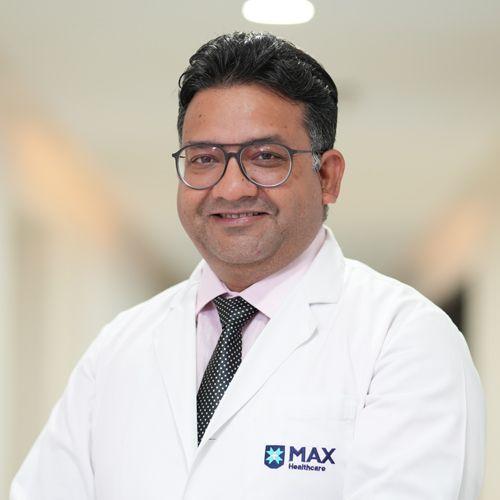
Principal Consultant
Urology, Uro-Oncology, Renal Transplant
New Delhi
30+ Years
Experience
Apolo Delhi
Hospital
1500
Fees
Senior Consultant
Obstetrics & Gynaecology
New Delhi
22+ Years
Experience
Apolo Delhi
Hospital
1500
Fees

Senior Director - Urology, Uro-Oncology, Robotics & Kidney Transplant
Urology
New Delhi
30+ Years
Experience
Apolo Delhi
Hospital
1500
Fees
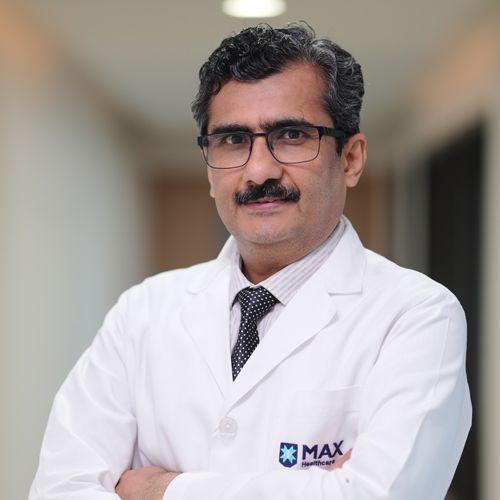
Senior Director - Urology & Kidney Transplant
Urology, Kidney Transplant
New Delhi
24+ Years
Experience
Apolo Delhi
Hospital
1500
Fees
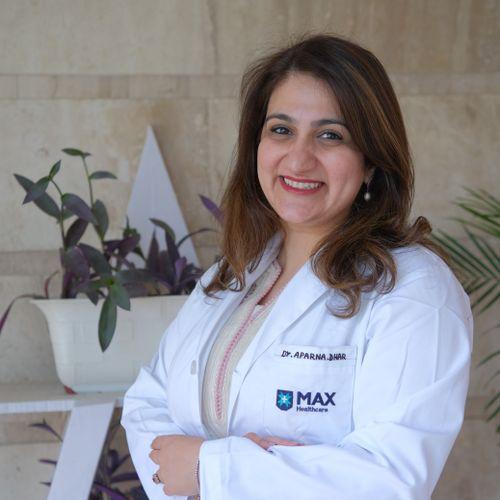
Senior Consultant - Obstetrics & Gynaecology
Obstetrics & Gynaecology
New Delhi
23+ Years
Experience
Apolo Delhi
Hospital
1500
Fees
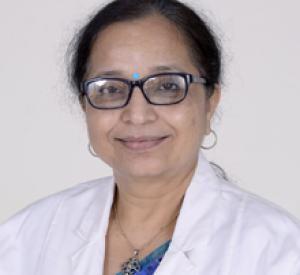
Senior Consultant
Obstetrics and Gynaecology
New Delhi
24+ Years
Experience
Apolo Delhi
Hospital
1500
Fees
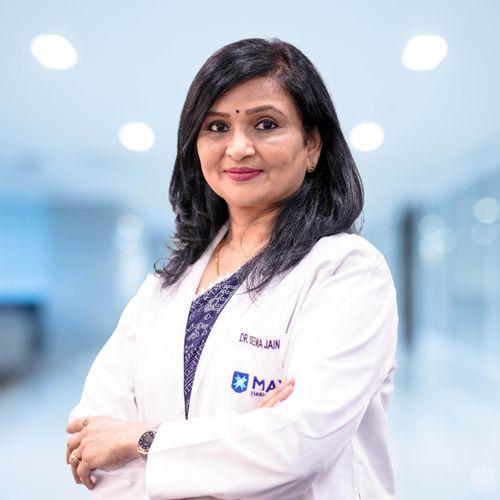
Director
Obstetrics & Gynaecology
New Delhi
20+ Years
Experience
Apolo Delhi
Hospital
1500
Fees
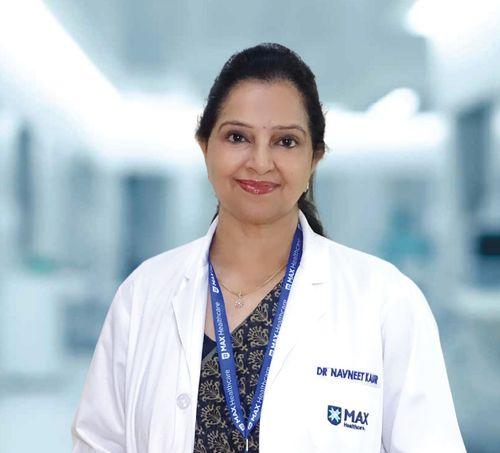
Director - Obstetrics & Gynaecology
Obstetrics & Gynaecology
New Delhi
23+ Years
Experience
Apolo Delhi
Hospital
1500
Fees
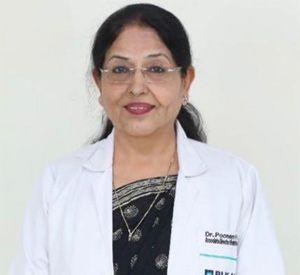
Director
Obstetrics & Gynaecology
New Delhi
22+ Years
Experience
Apolo Delhi
Hospital
1500
Fees
Director
Nephrology & Renal Transplant
New Delhi
15+ Years
Experience
Apolo Delhi
Hospital
1500
Fees

Senior Consultant
Obstetrics and Gynaecology
New Delhi
15+ Years
Experience
Apolo Delhi
Hospital
1500
Fees

Senior Consultant
Nephrology
New Delhi
14+ Years
Experience
Apolo Delhi
Hospital
1500
Fees
Director
Obstetrics & Gynaecology
New Delhi
18+ Years
Experience
Apolo Delhi
Hospital
1500
Fees
Director
Urology
New Delhi
15+ Years
Experience
Apolo Delhi
Hospital
1500
Fees
Director & Chief of Service - Obstetrics & Gynaecology
Obstetrics & Gynaecology
New Delhi
24+ Years
Experience
Apolo Delhi
Hospital
1500
Fees
Director
Obstetrics & Gynaecology
New Delhi
18+ Years
Experience
Apolo Delhi
Hospital
1500
Fees
भारत के शीर्ष अस्पतालों से व्यक्तिगत चिकित्सा उपचार विकल्प प्राप्त करें। हमारे चिकित्सा विशेषज्ञ हर कदम पर आपकी सहायता करने के लिए तैयार हैं।