
Interventional Radiology Procedures Treatment in Hyderabad for Iraq
ግላዊ ምክር ይፈልጋሉ?
የእኛ የህክምና ባለሙያዎች ጥያቄዎችዎን ለመመለስ እና የህክምና አማራጮችዎን እንዲያውቁ ለመምራት ዝግጁ ናቸው።
የእኛ የህክምና ባለሙያዎች ጥያቄዎችዎን ለመመለስ እና የህክምና አማራጮችዎን እንዲያውቁ ለመምራት ዝግጁ ናቸው።
For many patients in Iraq facing complex health issues, finding advanced, minimally invasive treatment options can present a significant challenge. The uncertainty surrounding interventional radiology procedures, from their availability to their cost, often creates worry. Seeking specialized care abroad becomes a thoughtful consideration for better health outcomes.
When exploring international medical care, Hyderabad stands out as a leading destination for specialized procedures. Patients from Iraq often choose Hyderabad for its reputation in offering world-class medical facilities and integrated healthcare environments. The city's focus on patient coordination and comprehensive treatment pathways is a major deciding factor.
Trust in Hyderabad's medical expertise is well-earned, supported by its network of modern hospitals and highly skilled interventional radiologists. The city is equipped with state-of-the-art technology, ensuring advanced care and efficient follow-ups. Patients benefit from the concentrated medical talent and robust infrastructure available within Hyderabad.
Could Hyderabad be your optimal choice for interventional radiology treatment?
Interventional Radiology (IR) procedures are minimally invasive, image-guided techniques used to diagnose and treat a wide range of conditions. Instead of traditional open surgery, IR specialists use advanced imaging like X-rays, CT, ultrasound, or MRI to guide small catheters and wires into the body through tiny incisions. This approach offers precise treatment with less pain, fewer risks, and quicker recovery compared to conventional surgery. These procedures are performed by highly trained interventional radiologists.
Interventional radiology encompasses a broad spectrum of treatments:
The specific steps for an interventional radiology procedure depend entirely on the patient's condition and the planned treatment. However, most share a common approach.
Most interventional radiology procedures involve the following:
Recovery from interventional radiology procedures is generally faster and less complex than open surgery. Most patients experience minimal discomfort and can return home within a day or two, sometimes even the same day. Depending on the procedure, there might be temporary restrictions on heavy lifting or strenuous activity. Follow-up appointments are crucial to monitor healing and assess the success of the treatment. Your care team will provide detailed instructions for post-procedure care, including pain management and wound care.
Interventional radiology procedures generally boast high success rates, often exceeding 85-95% for many common conditions. The outcome can vary based on the specific condition being treated, its severity, and the patient's overall health. Long-term expectations are usually positive, with many patients experiencing significant improvement in symptoms and quality of life. Regular follow-up with your treating specialist helps ensure optimal long-term results.
The cost of interventional radiology procedures in Hyderabad is influenced by several factors. These include the specific type of procedure, the complexity of the condition, the chosen hospital's facilities, the specialist's expertise, and the technology utilized. Hyderabad offers a compelling balance of advanced medical care with competitive pricing.
Patients from abroad often find significant savings without compromising on quality when choosing Hyderabad. Below is a comparative overview of approximate costs for interventional radiology procedures.
| Location | Approximate Cost Range (USD) |
|---|---|
| Hyderabad, India | $4,200 - $9,600 |
| United States | $15,000 - $35,000 |
| United Kingdom | $12,000 - $30,000 |
| Thailand | $5,000 - $12,000 |
| Germany | $13,000 - $29,000 |
Connect with Hyderabad's leading interventional radiology specialists for a personalized assessment and cost estimate.
Reach out today for more information and to begin planning your Interventional Radiology treatment in Hyderabad.
Choosing Hyderabad for your interventional radiology procedures means opting for expert care and compassionate support. We are here to guide you every step of the way towards a healthier future.
India offers premium medical procedures at affordable prices. Discover our most popular treatments, delivered by the country's finest doctors.
Meet our team of highly qualified and experienced medical professionals dedicated to providing the best healthcare services.

Sr. Consultant – Women Imaging
Radiology (Specializing in Women's Imaging)
Haryana
15+ Years
Experience
Artemis Hospital
Hospital
1500
Fees
Director & Chief
Neurointerventional Surgery
New Delhi
15+ Years
Experience
Artemis Hospital
Hospital
1500
Fees

Additional Consultant - Neuro Interventional Surgery
Neurointerventional Surgery
New Delhi
20+ Years
Experience
Artemis Hospital
Hospital
1500
Fees
Chief - Liver Transplant & Sr. Consultant - GI & HPB Surgery
Liver and Biliary Sciences, Organ Transplant
New Delhi
15+ Years
Experience
Artemis Hospital
Hospital
1500
Fees
Head Imaging & Chief DNB Program
Radiology
New Delhi
19+ Years
Experience
Artemis Hospital
Hospital
1500
Fees
Sr. Consultant
Radiology
New Delhi
12+ Years
Experience
Artemis Hospital
Hospital
1500
Fees
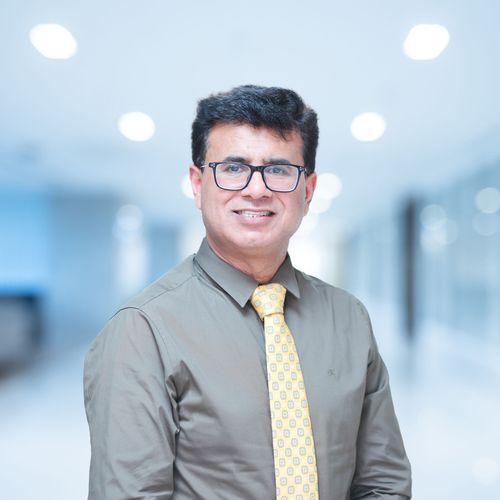
Vice Chairman, Cardiac Sciences, Cardiology, Interventional Cardiology, Cardiac Electrophysiology-Pacemaker & Director & HOD (Interventional Cardiology) at Max Super Speciality Hospital, Shalimar Bagh, Delhi
Interventional Cardiology
New Delhi
26+ Years
Experience
Max Hospital,Gurgaon
Hospital
1500
Fees
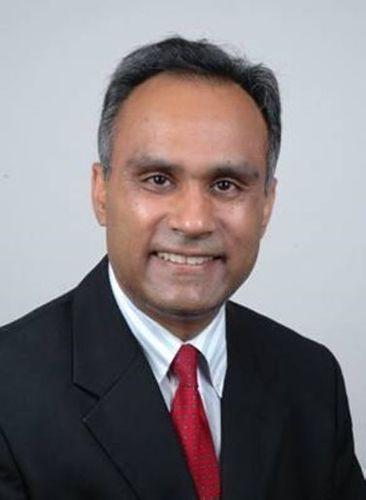
Associate Director
Pulmonology
New Delhi
20+ Years
Experience
Apolo Delhi
Hospital
1500
Fees
Associate Director
Pulmonology
New Delhi
22+ Years
Experience
Apolo Delhi
Hospital
1500
Fees

Senior Consultant
Cardiac Sciences, Interventional Cardiology
New Delhi
25+ Years
Experience
Apolo Delhi
Hospital
1500
Fees
ከህንድ ምርጥ ሆስፒታሎች የግል የህክምና ህክምና አማራጮችን ያግኙ። የእኛ የህክምና ባለሙያዎች በእያንዳንዱ እርምጃ ላይ እርስዎን ለመርዳት ዝግጁ ናቸው።