
ግላዊ ምክር ይፈልጋሉ?
የእኛ የህክምና ባለሙያዎች ጥያቄዎችዎን ለመመለስ እና የህክምና አማራጮችዎን እንዲያውቁ ለመምራት ዝግጁ ናቸው።
የእኛ የህክምና ባለሙያዎች ጥያቄዎችዎን ለመመለስ እና የህክምና አማራጮችዎን እንዲያውቁ ለመምራት ዝግጁ ናቸው።
For patients in Bangladesh considering advanced medical treatments, the journey can feel overwhelming. Seeking Interventional Radiology Procedures often comes with concerns about access to specialized care, state-of-the-art facilities, and experienced medical teams. Ensuring the best possible outcome is a primary worry for many.
New Delhi has emerged as a preferred destination for international patients. Its reputation for integrating advanced medical technology with patient-centric services draws individuals seeking complex procedures. The city's medical infrastructure facilitates seamless patient journeys and coordinated care environments.
Leading hospitals in New Delhi house highly specialized interventional radiologists and support staff. These institutions are designed for comprehensive patient care, including pre-procedure evaluations and post-treatment follow-ups. A coordinated approach ensures continuity of care for international visitors in the city.
New Delhi offers a robust and supportive environment for Interventional Radiology Procedures.
Interventional Radiology (IR) procedures are minimally invasive treatments that use image guidance to diagnose and treat conditions throughout the body. Unlike traditional open surgery, IR techniques involve using small incisions and catheters, needles, or wires, directed by real-time imaging like X-rays, CT scans, or ultrasound. This approach often leads to less pain, reduced risk, shorter hospital stays, and quicker recovery times, addressing a wide range of medical issues from vascular blockages to tumor treatment.
Angiography and Angioplasty: Diagnosing and treating blocked or narrowed blood vessels, often used for conditions like Peripheral Artery Disease by opening arteries with balloons or stents.
Embolization: Blocking blood flow to an area, commonly used to treat uterine fibroids (Uterine Fibroid Embolization), stop internal bleeding, or shrink tumors by cutting off their blood supply.
Tumor Ablation: Destroying cancerous tumors, typically in the liver, kidney, or lung, using heat (Radiofrequency Ablation, Microwave Ablation) or cold (Cryoablation) delivered through a needle.
Image-Guided Biopsies: Precisely obtaining tissue samples from organs or tumors for diagnostic purposes, minimizing the need for open surgical biopsy.
Vertebroplasty and Kyphoplasty: Stabilizing fractured vertebrae in the spine, often due to osteoporosis, by injecting bone cement to relieve pain and improve mobility.
Drainage Procedures: Draining fluid collections or abscesses from various parts of the body using image guidance to place a catheter.
The specific approach for an Interventional Radiology procedure is tailored to the patient's unique condition and the nature of the ailment being treated.
Preparation: Patients typically receive local anesthetic at the access site, often with mild sedation to ensure comfort throughout the procedure. General anesthesia may be used for certain complex interventions.
Image Guidance: The interventional radiologist uses real-time imaging, such as fluoroscopy (X-ray), CT, or ultrasound, to precisely guide a catheter or needle through a small skin incision to the target area.
Targeted Treatment: Once positioned, various tools are deployed. This could involve placing a stent to open a blocked vessel, injecting agents for embolization, or delivering energy (heat or cold) to ablate a tumor. The entire process is monitored via imaging.
Completion: After the treatment is delivered, the instruments are carefully withdrawn. The small incision site is then closed, usually with gentle pressure or a small dressing, requiring no stitches.
Due to their minimally invasive nature, Interventional Radiology procedures generally involve a shorter recovery period compared to open surgery. Patients typically require a few hours of observation, and may need to rest for a day or two at home. Pain management is often simple, with over-the-counter medication. Activity restrictions are usually minimal and temporary, such as avoiding heavy lifting for a short period. Follow-up imaging and consultations are scheduled to monitor healing and assess the treatment's success. Most patients can return to their normal daily activities relatively quickly.
Interventional Radiology procedures boast high success rates for a wide array of conditions, often providing effective alternatives to more invasive surgeries. The specific outcome ranges depend on the patient's overall health, the nature and stage of the condition, and the expertise of the interventional radiologist. Many patients experience significant symptom relief and improved quality of life. Long-term expectations vary by procedure, emphasizing the importance of diligent post-treatment follow-up and adherence to medical advice for sustained results.
The cost of Interventional Radiology Procedures in New Delhi is influenced by several factors, including the complexity of the specific procedure, the type of hospital (e.g., multi-specialty vs. specialized clinic), the experience of the interventional radiologist, and the technology utilized during the treatment. Ancillary services, such as diagnostics, pre-procedure evaluations, and post-operative care, also contribute to the overall expenditure.
In New Delhi, the cost for Interventional Radiology Procedures can vary significantly depending on the specific intervention required. Generally, prices might start from INR 80,000 and can extend upwards to INR 7,00,000 or more for complex cases.
New Delhi offers competitive pricing for high-quality Interventional Radiology services compared to many Western countries, making it an attractive option for international patients.
| Procedure Type | New Delhi (INR) | USA (USD) | UK (GBP) | Singapore (SGD) |
|---|---|---|---|---|
| Uterine Fibroid Embolization | 2,50,000 - 4,50,000 | $10,000 - $25,000 | £8,000 - £18,000 | S$12,000 - S$28,000 |
| Peripheral Angioplasty | 1,80,000 - 3,50,000 | $8,000 - $20,000 | £6,500 - £15,000 | S$9,000 - S$22,000 |
| Liver Tumor Ablation | 3,00,000 - 6,00,000 | $15,000 - $35,000 | £12,000 - £28,000 | S$18,000 - S$40,000 |
| Vertebroplasty / Kyphoplasty | 1,50,000 - 2,80,000 | $7,000 - $18,000 | £5,500 - £13,000 | S$8,000 - S$20,000 |
Take the first step towards a healthier future with expert care in New Delhi.
India offers premium medical procedures at affordable prices. Discover our most popular treatments, delivered by the country's finest doctors.
Meet our team of highly qualified and experienced medical professionals dedicated to providing the best healthcare services.

Sr. Consultant – Women Imaging
Radiology (Specializing in Women's Imaging)
Haryana
15+ Years
Experience
Artemis Hospital
Hospital
1500
Fees
Director & Chief
Neurointerventional Surgery
New Delhi
15+ Years
Experience
Artemis Hospital
Hospital
1500
Fees

Additional Consultant - Neuro Interventional Surgery
Neurointerventional Surgery
New Delhi
20+ Years
Experience
Artemis Hospital
Hospital
1500
Fees
Chief - Liver Transplant & Sr. Consultant - GI & HPB Surgery
Liver and Biliary Sciences, Organ Transplant
New Delhi
15+ Years
Experience
Artemis Hospital
Hospital
1500
Fees
Head Imaging & Chief DNB Program
Radiology
New Delhi
19+ Years
Experience
Artemis Hospital
Hospital
1500
Fees
Sr. Consultant
Radiology
New Delhi
12+ Years
Experience
Artemis Hospital
Hospital
1500
Fees
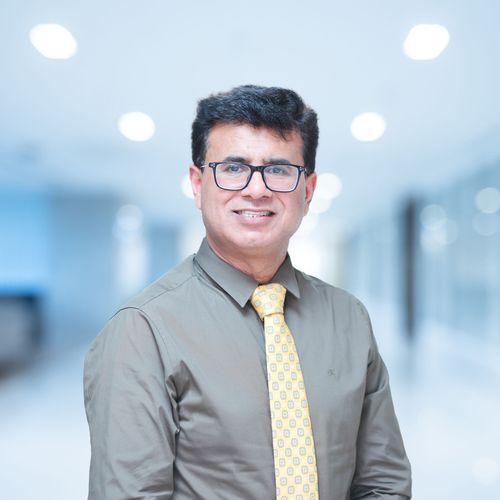
Vice Chairman, Cardiac Sciences, Cardiology, Interventional Cardiology, Cardiac Electrophysiology-Pacemaker & Director & HOD (Interventional Cardiology) at Max Super Speciality Hospital, Shalimar Bagh, Delhi
Interventional Cardiology
New Delhi
26+ Years
Experience
Max Hospital,Gurgaon
Hospital
1500
Fees
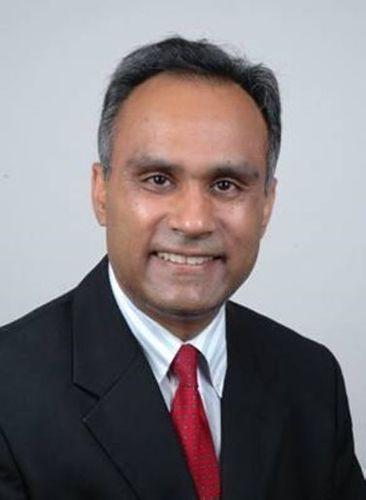
Associate Director
Pulmonology
New Delhi
20+ Years
Experience
Apolo Delhi
Hospital
1500
Fees
Associate Director
Pulmonology
New Delhi
22+ Years
Experience
Apolo Delhi
Hospital
1500
Fees

Senior Consultant
Cardiac Sciences, Interventional Cardiology
New Delhi
25+ Years
Experience
Apolo Delhi
Hospital
1500
Fees
ከህንድ ምርጥ ሆስፒታሎች የግል የህክምና ህክምና አማራጮችን ያግኙ። የእኛ የህክምና ባለሙያዎች በእያንዳንዱ እርምጃ ላይ እርስዎን ለመርዳት ዝግጁ ናቸው።