
ግላዊ ምክር ይፈልጋሉ?
የእኛ የህክምና ባለሙያዎች ጥያቄዎችዎን ለመመለስ እና የህክምና አማራጮችዎን እንዲያውቁ ለመምራት ዝግጁ ናቸው።
የእኛ የህክምና ባለሙያዎች ጥያቄዎችዎን ለመመለስ እና የህክምና አማራጮችዎን እንዲያውቁ ለመምራት ዝግጁ ናቸው።
Patients from Bangladesh often face complex decisions when considering advanced medical procedures like interventional radiology. The concern about finding highly specialized care, understanding treatment options, and managing the overall experience in a foreign country can be overwhelming. Ensuring access to cutting-edge techniques remains a primary worry.
Many find themselves looking beyond their borders for specific expertise, often seeking out medical hubs renowned for sophisticated care. Mumbai stands out as a leading destination, offering a focused environment where patients can access highly coordinated care pathways designed for international visitors.
Mumbai has established itself with a strong network of accredited hospitals and world-class interventional radiologists. Patients can trust the city’s robust healthcare infrastructure, ensuring continuity of care from initial consultation through to follow-up, all within a familiar and supportive urban setting.
Mumbai provides advanced interventional radiology solutions for international patients.
Interventional radiology (IR) involves a range of minimally invasive procedures performed using image guidance, such as X-rays, ultrasound, CT, or MRI. These techniques allow specialists to diagnose and treat various conditions across almost all organ systems without major surgery. Physicians insert tiny catheters or other instruments through small incisions in the skin, guiding them precisely to the affected area. This approach often results in less pain, shorter hospital stays, and quicker recovery times compared to traditional open surgery.
Treatments for conditions affecting blood vessels, including angioplasty and stenting for blockages, embolization for bleeding or aneurysms, and varicose vein treatments.
Minimally invasive therapies for cancer, such as tumor ablation (radiofrequency, microwave, cryoablation), transarterial chemoembolization (TACE), and Y90 radioembolization.
Procedures like uterine fibroid embolization (UFE), prostatic artery embolization (PAE) for enlarged prostate, and treatment for kidney stones or blockages.
Targeted procedures for chronic pain, including nerve blocks, facet joint injections, and vertebral augmentation for spinal fractures.
Management of liver and bile duct conditions, including biliary drainage, TIPS (transjugular intrahepatic portosystemic shunt), and gastrostomy tube placements.
Image-guided biopsies of organs or tumors and drainage of fluid collections, abscesses, or cysts.
The performance of an interventional radiology procedure largely depends on the specific condition being treated and the patient's individualized treatment plan.
Patients receive local anesthesia at the access site, often with conscious sedation to ensure comfort throughout the procedure. General anesthesia may be used for more complex cases or for younger patients.
A small incision is made, typically less than a centimeter. Using advanced imaging equipment, the interventional radiologist guides a thin wire and catheter through blood vessels or directly to the target area.
Once the catheter reaches the treatment site, specialized tools are deployed. This could involve delivering medication directly to a tumor, placing a stent to open a blocked vessel, or injecting materials to stop bleeding.
After the procedure, the instruments are removed, and pressure is applied to the access site to prevent bleeding. Most patients are monitored for a few hours before being discharged, often on the same day or the next.
Recovery from interventional radiology procedures is generally quicker and less painful than open surgery due to their minimally invasive nature. Most patients can return to light activities within a few days. Specific recovery times vary based on the procedure type and individual health. Patients typically receive instructions on wound care, activity restrictions, and medication. Follow-up appointments are crucial to monitor healing and assess treatment effectiveness. Some procedures may require a short hospital stay, while others are outpatient.
The success rates for interventional radiology procedures are generally high, often ranging from 80% to over 95%, depending on the specific condition and procedure. Outcomes can vary significantly based on the patient’s overall health, the stage of the disease, and the complexity of the intervention. Long-term expectations are usually favorable, with many patients experiencing significant improvement in symptoms and quality of life. Regular follow-up and adherence to post-procedure care are important for optimizing results.
The total cost of interventional radiology procedures in Mumbai is influenced by several factors. These include the specific type and complexity of the procedure, the hospital chosen (its infrastructure and accreditation), the experience of the specialist performing the treatment, the duration of hospital stay, and any required medications or post-procedure care. Diagnostics, consumables, and facility charges also contribute to the overall expenditure.
Interventional radiology procedures in Mumbai can range approximately from INR 80,000 to INR 6,00,000 or more, depending on the intervention.
Mumbai provides a competitive cost advantage for interventional radiology procedures when compared to many Western countries, without compromising on quality or advanced medical technology. This makes it an attractive option for international patients seeking high-value care.
| Location | Estimated Cost Range (USD) |
|---|---|
| Mumbai, India | $1,000 - $7,500 |
| United States | $8,000 - $30,000 |
| United Kingdom | $6,000 - $25,000 |
| Singapore | $5,000 - $20,000 |
| Thailand | $2,500 - $10,000 |
Considering Interventional Radiology in Mumbai? Get personalized cost estimates and hospital comparisons.
Ready to connect with leading Interventional Radiologists in Mumbai? Start your journey to better health today.
Choosing the right path for your health is a significant decision. Mumbai offers advanced interventional radiology procedures with comprehensive support for patients from Bangladesh.
India offers premium medical procedures at affordable prices. Discover our most popular treatments, delivered by the country's finest doctors.
Meet our team of highly qualified and experienced medical professionals dedicated to providing the best healthcare services.

Sr. Consultant – Women Imaging
Radiology (Specializing in Women's Imaging)
Haryana
15+ Years
Experience
Artemis Hospital
Hospital
1500
Fees
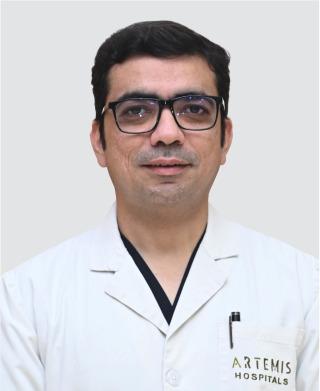
Director & Chief
Neurointerventional Surgery
New Delhi
15+ Years
Experience
Artemis Hospital
Hospital
1500
Fees

Additional Consultant - Neuro Interventional Surgery
Neurointerventional Surgery
New Delhi
20+ Years
Experience
Artemis Hospital
Hospital
1500
Fees
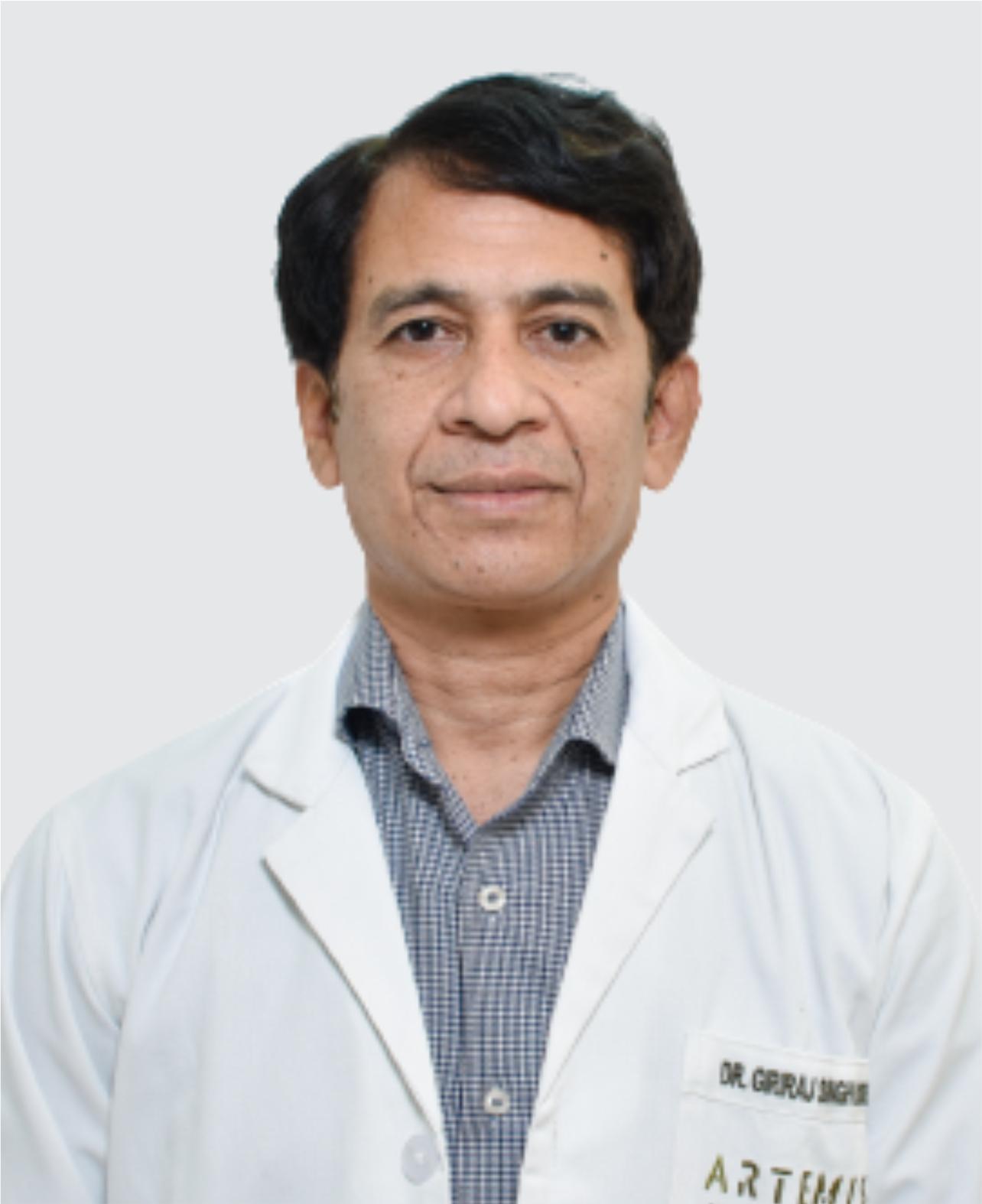
Chief - Liver Transplant & Sr. Consultant - GI & HPB Surgery
Liver and Biliary Sciences, Organ Transplant
New Delhi
15+ Years
Experience
Artemis Hospital
Hospital
1500
Fees
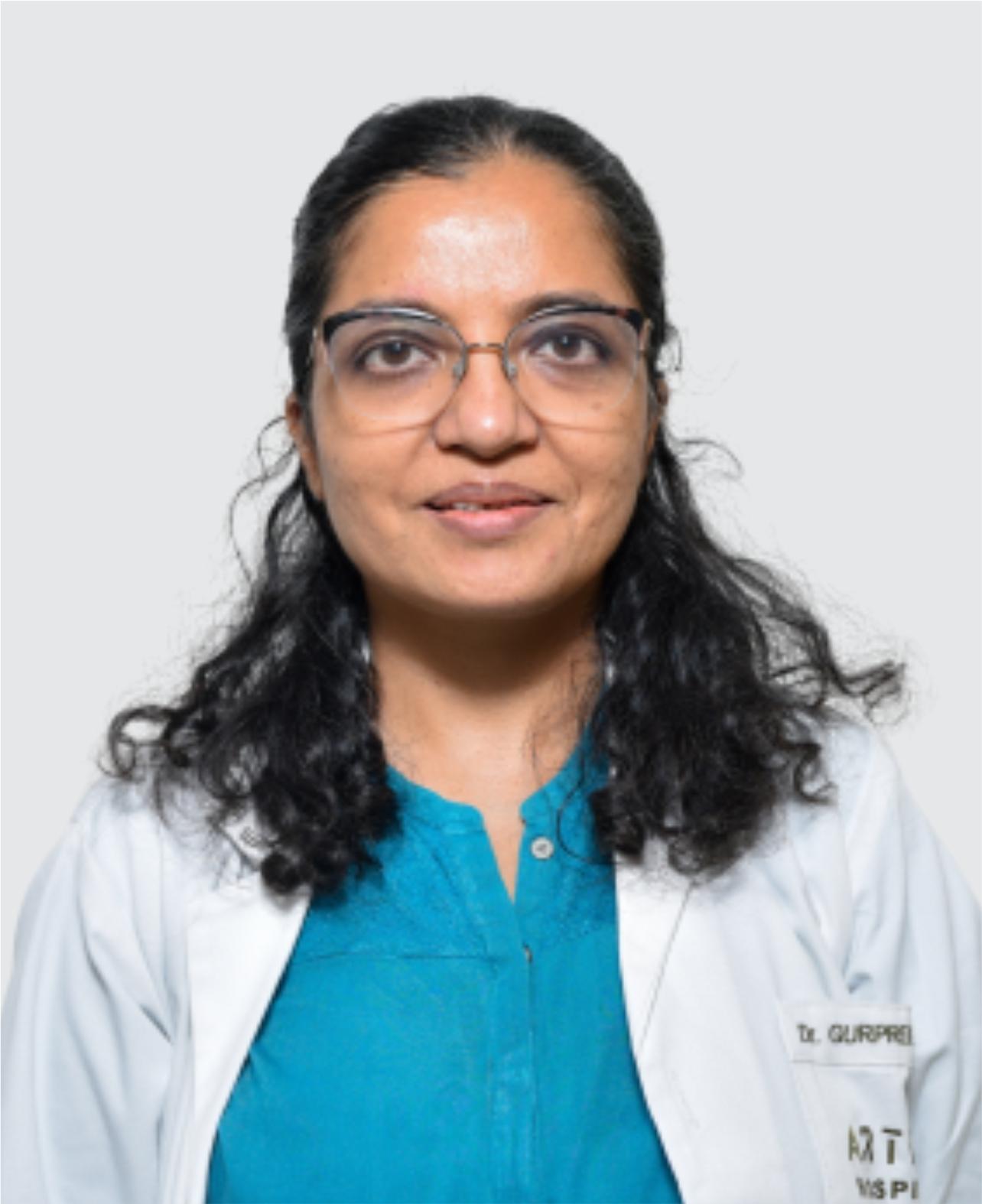
Head Imaging & Chief DNB Program
Radiology
New Delhi
19+ Years
Experience
Artemis Hospital
Hospital
1500
Fees
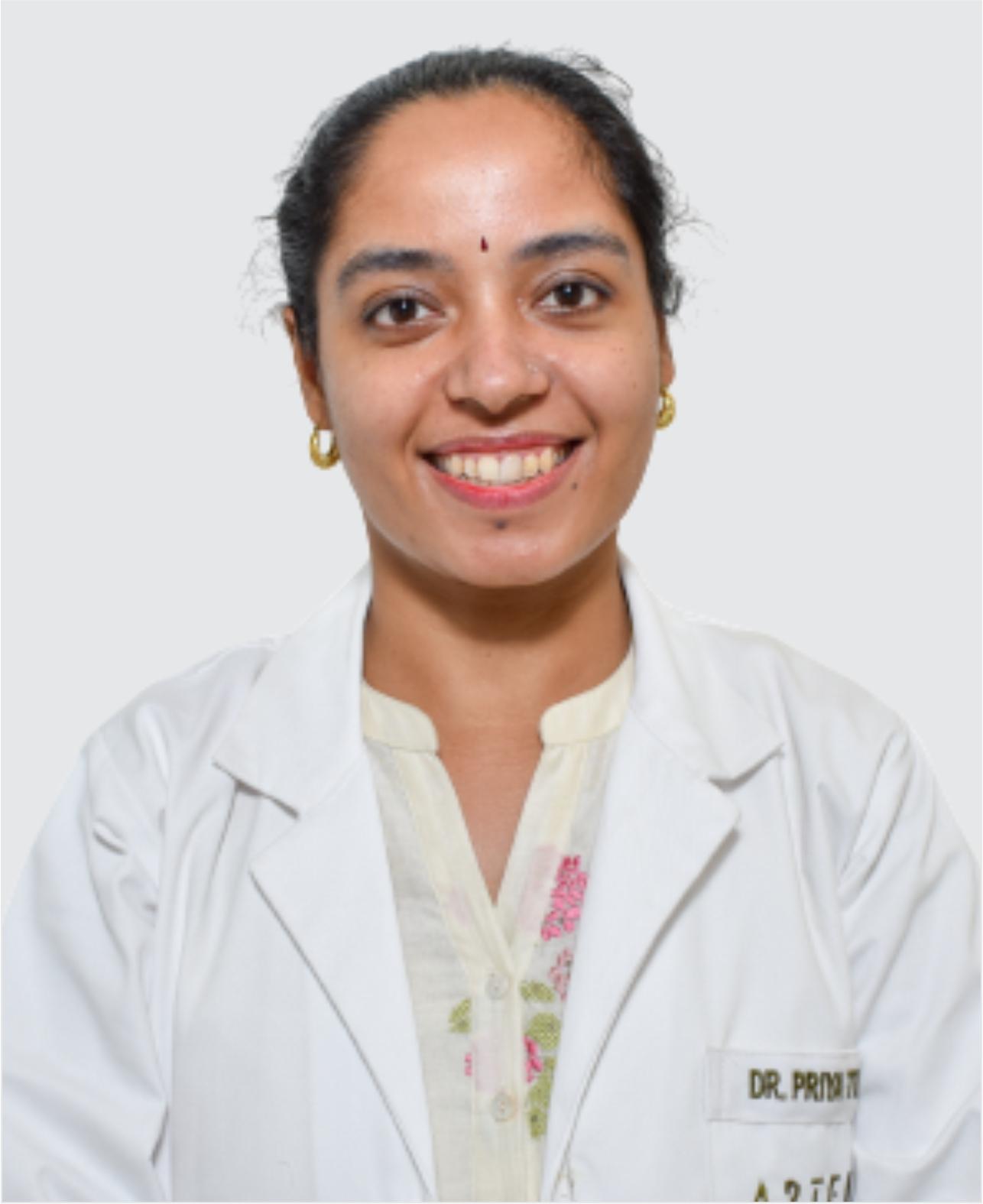
Sr. Consultant
Radiology
New Delhi
12+ Years
Experience
Artemis Hospital
Hospital
1500
Fees

Vice Chairman, Cardiac Sciences, Cardiology, Interventional Cardiology, Cardiac Electrophysiology-Pacemaker & Director & HOD (Interventional Cardiology) at Max Super Speciality Hospital, Shalimar Bagh, Delhi
Interventional Cardiology
New Delhi
26+ Years
Experience
Max Hospital,Gurgaon
Hospital
1500
Fees
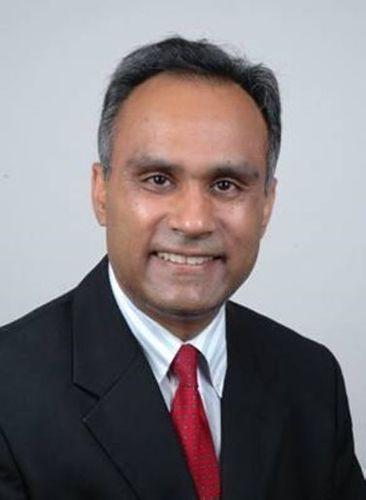
Associate Director
Pulmonology
New Delhi
20+ Years
Experience
Apolo Delhi
Hospital
1500
Fees
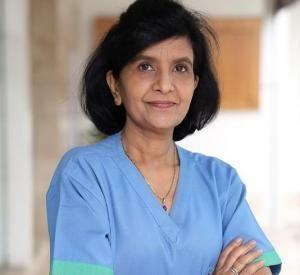
Associate Director
Pulmonology
New Delhi
22+ Years
Experience
Apolo Delhi
Hospital
1500
Fees

Senior Consultant
Cardiac Sciences, Interventional Cardiology
New Delhi
25+ Years
Experience
Apolo Delhi
Hospital
1500
Fees
ከህንድ ምርጥ ሆስፒታሎች የግል የህክምና ህክምና አማራጮችን ያግኙ። የእኛ የህክምና ባለሙያዎች በእያንዳንዱ እርምጃ ላይ እርስዎን ለመርዳት ዝግጁ ናቸው።