Radiology Treatment in Hyderabad for Iraq
Need Personalized Advice?
Our medical experts are ready to answer your questions and guide you through your treatment options.
About
Radiology Services in Hyderabad for Patients from Iraq
Patients from Iraq often face challenges accessing timely and advanced diagnostic imaging, leading to concerns about accurate diagnoses and treatment plans. Navigating healthcare systems abroad can seem overwhelming, especially when precise medical imaging is crucial for your health.
Many choose Hyderabad for their diagnostic needs due to its established medical infrastructure and patient-centric approach. The city offers a clear pathway for international patients seeking high-quality radiology services within a supportive care environment.
Hyderabad’s hospitals are equipped with modern radiology departments staffed by experienced specialists. This ensures that patients receive reliable imaging and expert interpretation, contributing to better healthcare outcomes and peace of mind for their medical journey.
Considering Hyderabad for your diagnostic imaging needs?
What is Radiology?
Radiology is a medical specialty that uses various imaging techniques to diagnose and sometimes treat diseases within the body. It allows doctors to see inside the human body without surgery. This helps in understanding conditions, guiding procedures, and monitoring treatment effectiveness, playing a vital role in modern healthcare.
Common Types of Radiology Procedures
Diagnostic radiology encompasses several modalities, each offering unique insights:
- X-ray Imaging: Used for bone fractures, chest conditions, and certain soft tissue problems.
- Computed Tomography (CT) Scan: Detailed cross-sectional images of organs, bones, soft tissue, and blood vessels.
- Magnetic Resonance Imaging (MRI): Provides highly detailed images of soft tissues, such as the brain, spinal cord, joints, and internal organs, without using radiation.
- Ultrasound Imaging: Utilizes sound waves to visualize soft tissues, organs, and blood flow, commonly used for abdominal imaging, obstetrics, and vascular studies.
- Positron Emission Tomography (PET) Scan: Helps detect disease at a cellular level, often used in oncology, neurology, and cardiology.
- Nuclear Medicine: Involves using small amounts of radioactive material to diagnose and treat diseases, assessing organ function and structure.
When is Radiology Required?
- Diagnosing injuries like bone fractures or sprains.
- Detecting and staging various types of cancer.
- Assessing organ health in conditions affecting the heart, lungs, liver, or kidneys.
- Investigating unexplained pain, swelling, or symptoms.
- Monitoring the progress of a disease or the effectiveness of a treatment.
- Screening for certain conditions, such as mammograms for breast cancer.
- Guiding medical procedures, like biopsies or catheter placements.
Pre-Imaging Evaluation Steps
- Review of the patient's medical history and current symptoms.
- Physical examination by a referring physician.
- Blood tests to check kidney function, especially if contrast material will be used.
- Discussion of any allergies to medications or contrast dyes.
- Assessment of any implanted medical devices, such as pacemakers, for MRI safety.
- Instructions regarding fasting or medication adjustments prior to the scan.
How Radiology Imaging is Performed
The specific procedure for a radiology scan varies significantly depending on the type of imaging required and the area of the body being examined.
Generally, the process involves:
- Preparation: Patients may be asked to change into a gown and remove metallic objects. For some scans, an oral or intravenous contrast agent might be administered to enhance image clarity.
- Positioning: A technologist will help position the patient correctly on a table, which may slide into the imaging machine (like CT or MRI). The patient will need to remain still during the scan.
- Scanning: The imaging equipment generates images of the internal body structures. This process is usually painless, though some machines can be noisy.
- Image Review: Once the images are captured, a radiologist reviews them for diagnosis and prepares a detailed report for the referring doctor.
What Happens After a Radiology Scan?
For most diagnostic radiology procedures, there is no significant recovery time. Patients can usually resume their normal activities immediately after the scan. If a contrast agent was used, you might be advised to drink extra fluids to help flush it from your system. The radiologist will interpret the images and send a report to your referring doctor, who will then discuss the findings and any next steps with you.
Potential Risks and Success Rates in Radiology
- Exposure to ionizing radiation with X-rays, CT scans, and PET scans, which is minimized with modern techniques.
- Allergic reactions or adverse effects from contrast dyes, though these are rare and usually mild.
- Claustrophobia or anxiety during MRI scans due to the enclosed space and noise.
- Potential for false positive or false negative results, which can necessitate further tests.
- Risks associated with sedation, if used, especially in pediatric patients or those with anxiety.
The success rate of radiology in providing accurate diagnoses is very high, thanks to advancements in technology and specialized training of radiologists. The outcome largely depends on the clarity of the images, the experience of the interpreting radiologist, and the specific condition being investigated. Long-term expectations usually involve guiding appropriate treatment and monitoring disease progression, contributing significantly to patient health management.
Considering advanced radiology for diagnosis?
Get a personalized cost estimate and connect with top specialists in Hyderabad.
Cost of Radiology in Hyderabad
The cost of radiology procedures in Hyderabad can vary based on several factors. These include the specific type of imaging required (e.g., X-ray, CT, MRI, PET), the complexity of the scan, the hospital or diagnostic center chosen, the expertise of the radiologist, and any additional services like contrast material administration or sedation.
For patients from Iraq, radiology services in Hyderabad typically range from approximately INR 5,000 to INR 60,000, depending on the modality. This makes it a highly accessible option compared to many Western countries.
Hyderabad vs. Global Radiology Costs (USD)
Hyderabad offers a compelling advantage in terms of cost-effectiveness for various radiology procedures compared to many other international destinations.
| Procedure (Average) | Hyderabad (USD) | USA (USD) | UK (USD) | Singapore (USD) |
|---|---|---|---|---|
| X-ray | $60 - $150 | $150 - $400 | $100 - $300 | $120 - $350 |
| CT Scan (Non-Contrast) | $100 - $250 | $500 - $2,000 | $400 - $1,200 | $600 - $1,500 |
| MRI (Single Joint/Area) | $250 - $600 | $1,000 - $4,000 | $800 - $2,500 | $1,200 - $3,000 |
| PET-CT Scan | $500 - $1,200 | $3,000 - $8,000 | $2,500 - $6,000 | $3,500 - $9,000 |
| Ultrasound (Abdominal) | $40 - $100 | $200 - $600 | $150 - $450 | $200 - $550 |
Support Services for Your Imaging Journey
- Dedicated patient coordinators to assist with scheduling and appointments.
- Language interpretation services to ensure clear communication.
- Assistance with travel logistics, including airport transfers and local transportation.
- Guidance for accommodation options suitable for international patients.
- Support for visa application processes and required medical invitations.
- Follow-up care coordination and remote consultation arrangements.
Papers Required for Your Medical Visit
- Your valid passport and a medical visa for India.
- Referral letter from your treating physician in Iraq or Hyderabad.
- Copies of all relevant previous medical records, including past imaging reports and lab results.
- Any current medication lists or allergy information.
- Proof of financial arrangement or insurance coverage for the treatment.
Preparing for Your Radiology Scan
- Follow any specific fasting instructions given by the diagnostic center.
- Inform the medical team about all your current medications and allergies.
- Remove all metallic objects, jewelry, and piercings before MRI scans.
- Wear comfortable, loose-fitting clothing to your appointment.
- Arrange for a companion if you expect to receive sedation or feel anxious.
Understanding Your Results After Imaging
- Expect to receive a detailed radiology report from the specialist.
- Your referring doctor will discuss the findings and their implications with you.
- Follow any instructions regarding hydration if contrast dye was used.
- Schedule follow-up appointments as advised for further treatment planning.
- Keep your imaging reports and discs for future medical reference.
Ready to get precise diagnostic answers?
Contact us to arrange your radiology appointment in Hyderabad today.
Begin Your Path to Diagnostic Clarity
Choosing Hyderabad for your radiology needs means opting for advanced technology and compassionate care. Let us help you navigate your diagnostic journey with confidence.
Hospitals Offering this treatment
India offers premium medical procedures at affordable prices. Discover our most popular treatments, delivered by the country's finest doctors.
Meet Our Doctors
Meet our team of highly qualified and experienced medical professionals dedicated to providing the best healthcare services.

Aditi Dixit
Sr. Consultant – Women Imaging
Radiology (Specializing in Women's Imaging)
Haryana
15+ Years
Experience
Artemis Hospital
Hospital
1500
Fees
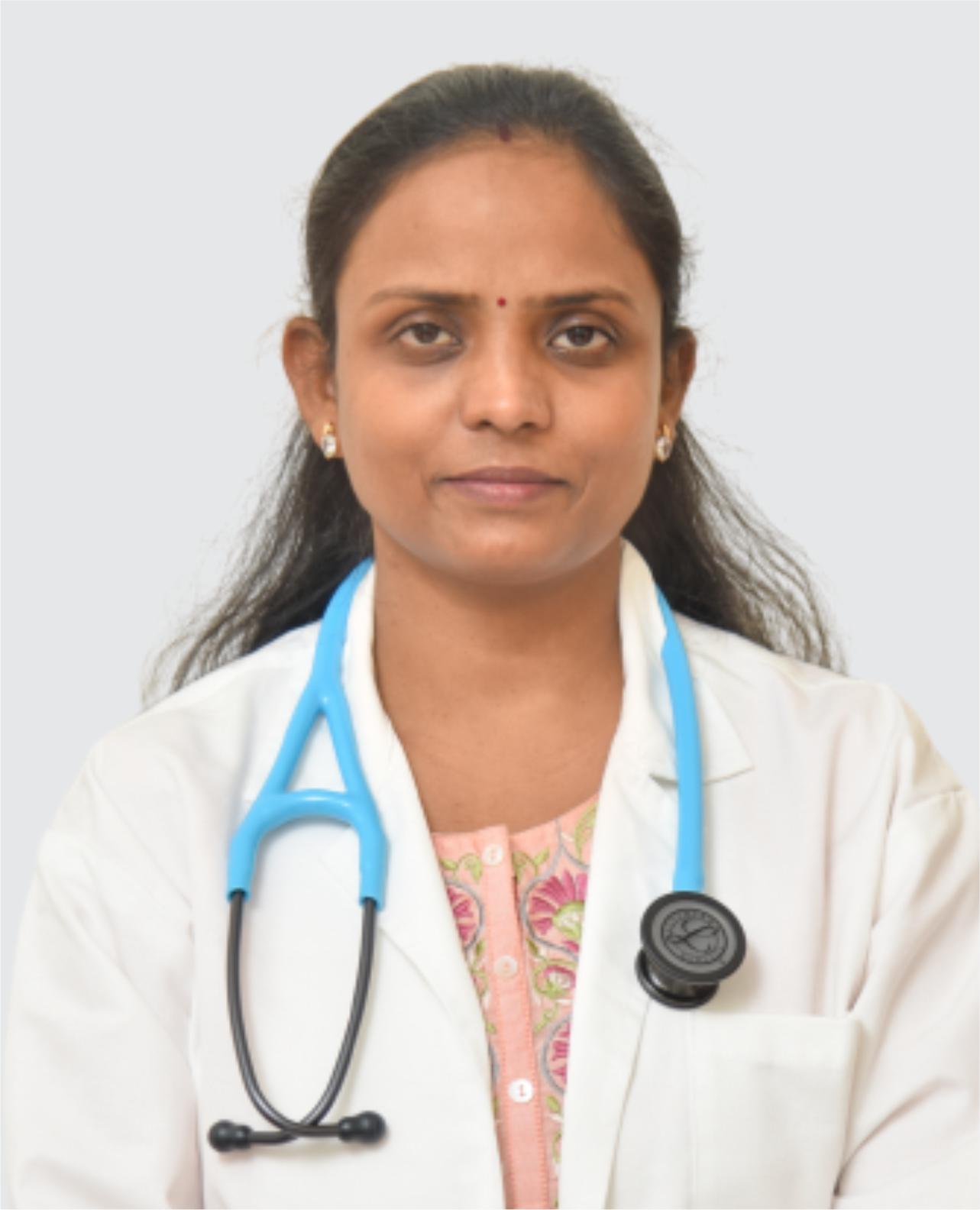
Dr. Anju Singh
Consultant - Pediatric Rheumatology
Pediatric Rheumatology
New Delhi
13+ Years
Experience
Artemis Hospital
Hospital
1500
Fees
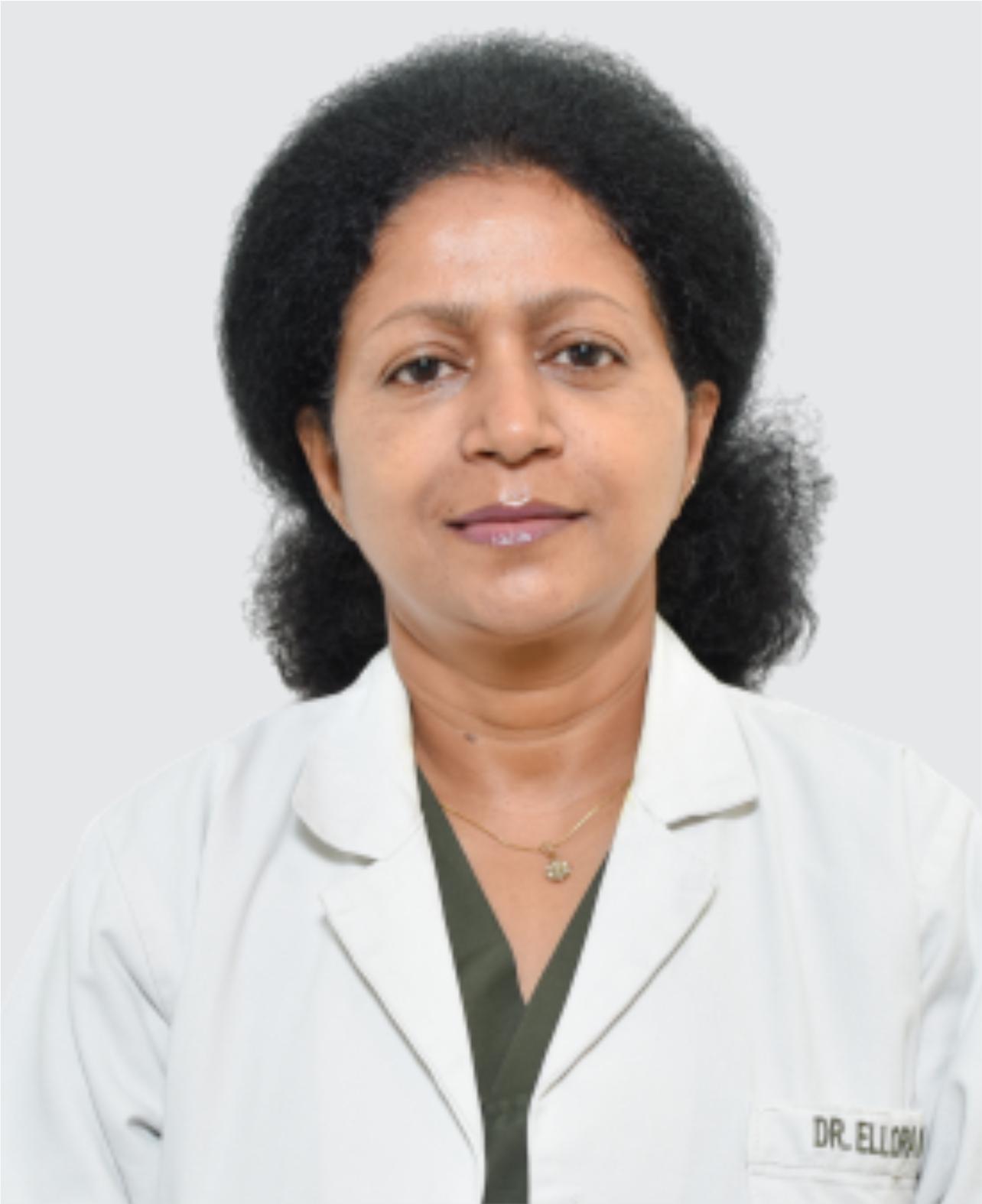
Dr. Ellora Nanda
Admin Head - Emergency
Emergency & Trauma Services
New Delhi
25+ Years
Experience
Artemis Hospital
Hospital
1500
Fees

Gurpreet Makkar
Head Imaging & Chief DNB Program
Radiology
New Delhi
19+ Years
Experience
Artemis Hospital
Hospital
1500
Fees
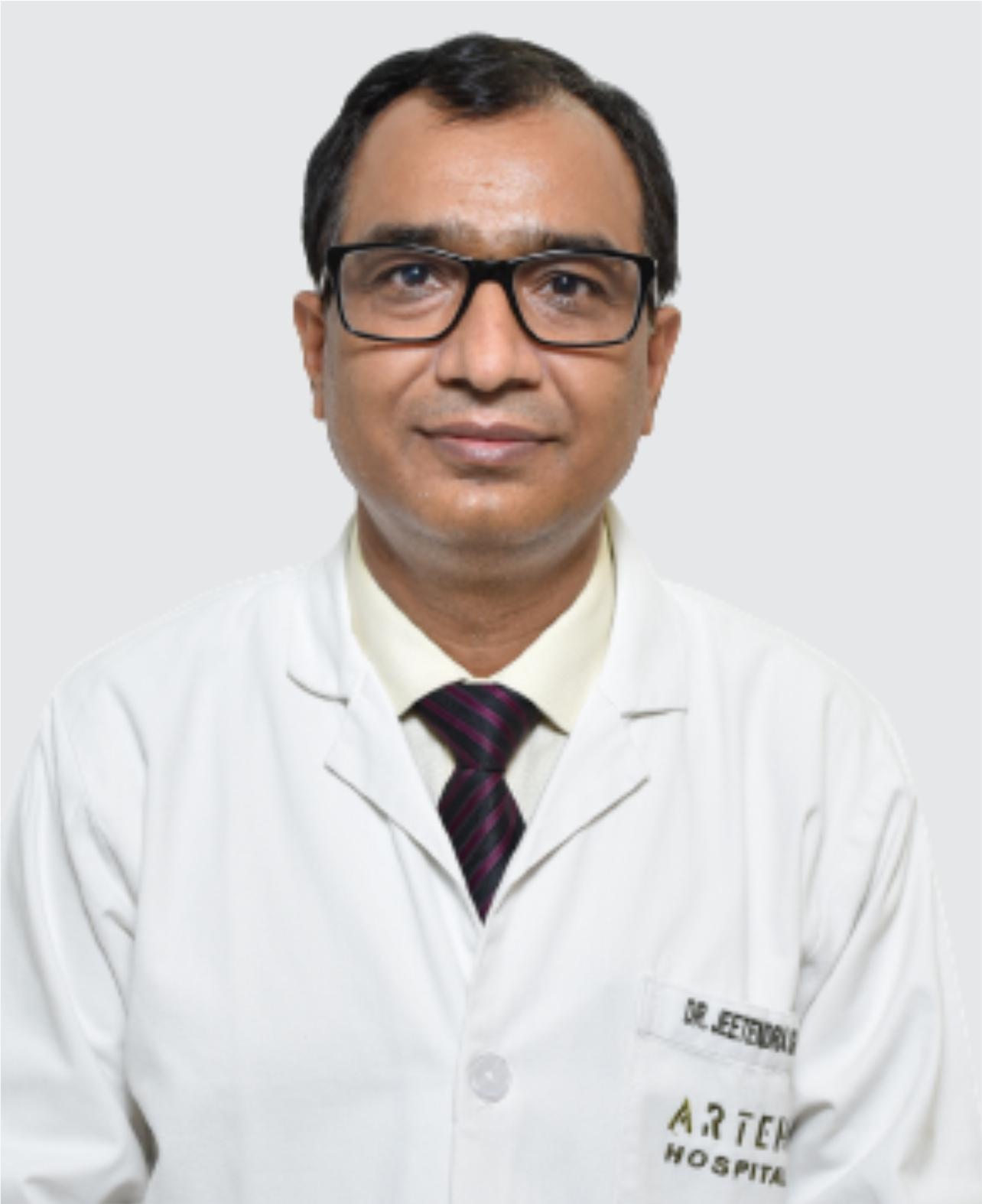
Jeetendra Sharma
Chief - Critical Care (Unit II) & Chief- Medical Quality
Critical Care & ICU
New Delhi
15+ Years
Experience
Artemis Hospital
Hospital
1500
Fees

Dr. Kamal Verma
Sr. Consultant - Radiation Oncology
Radiation Oncology
New Delhi
15+ Years
Experience
Artemis Hospital
Hospital
1500
Fees
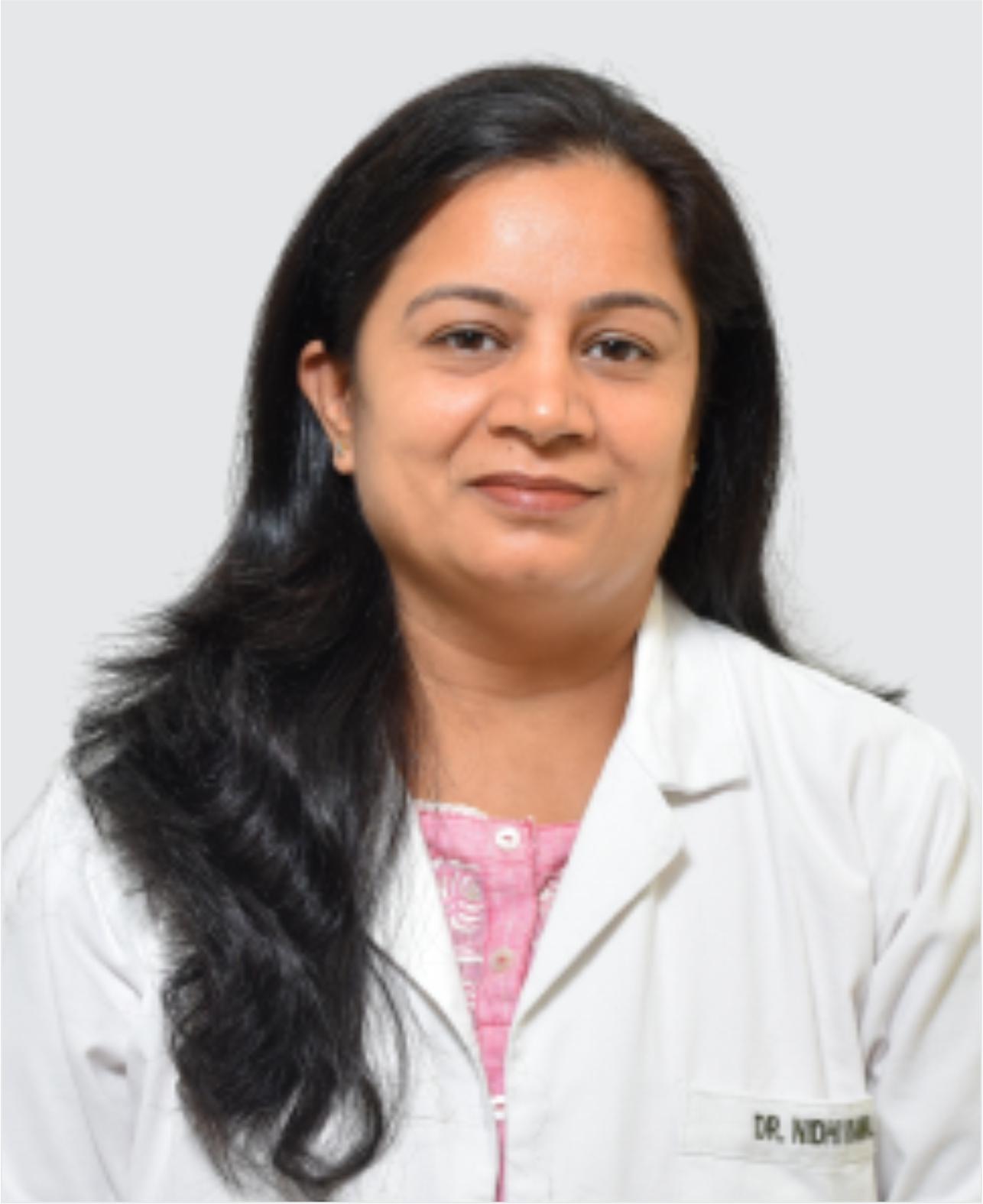
Dr Nidhi Rawal
Chief - Paediatric Cardiology
Paediatric Cardiology
New Delhi
18+ Years
Experience
Artemis Hospital
Hospital
1500
Fees

Dr. Noaline Sinha
Chairperson - Nuclear Medicine & Radio-Theranostics
Nuclear Medicine
New Delhi
15+ Years
Experience
Artemis Hospital
Hospital
1500
Fees
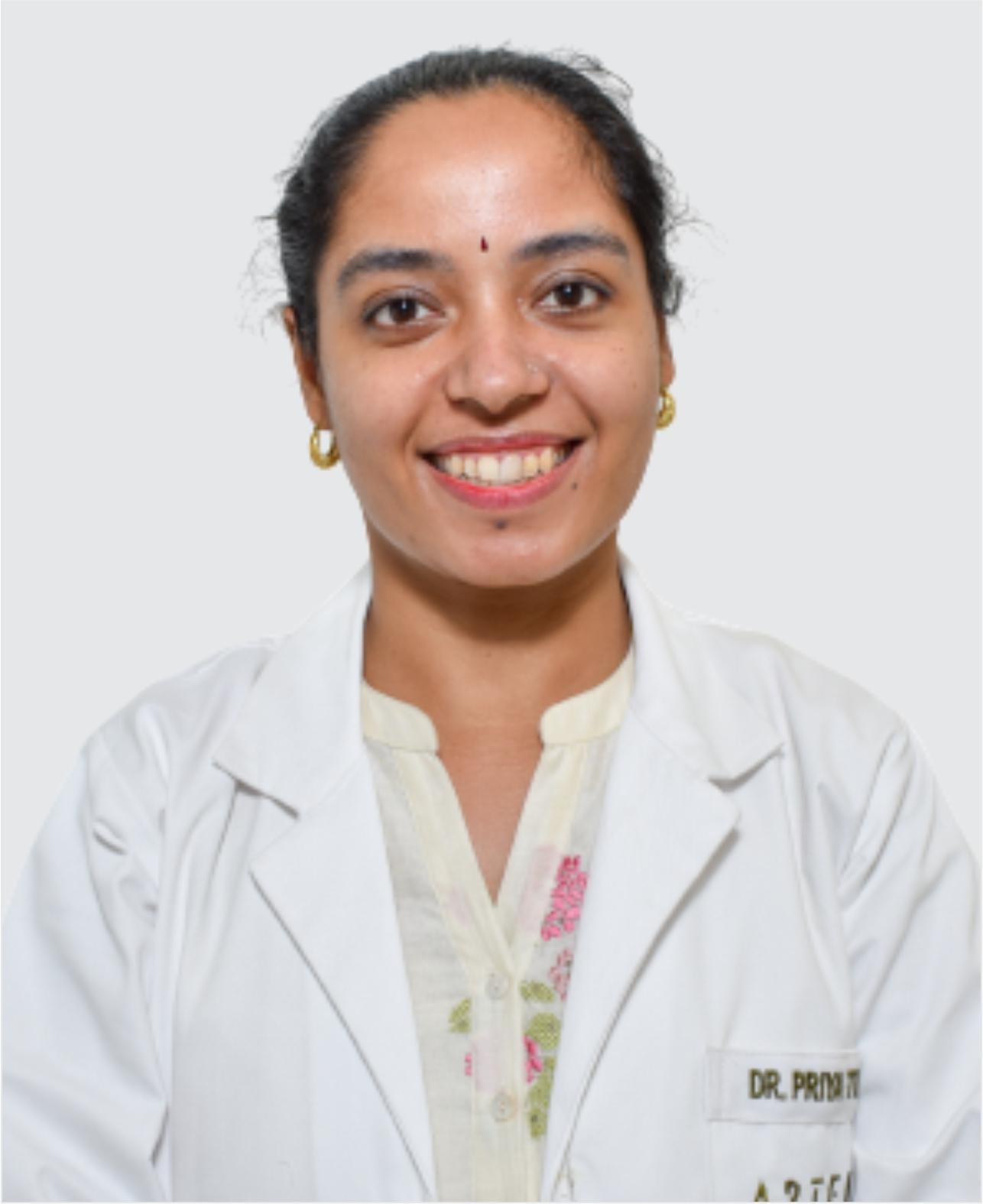
Dr. Priya Tiwari
Sr. Consultant
Radiology
New Delhi
12+ Years
Experience
Artemis Hospital
Hospital
1500
Fees
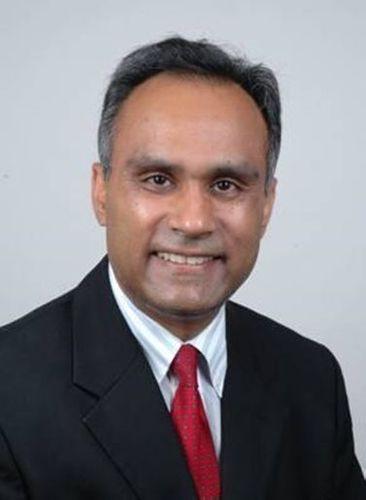
Dr. Vivek Raj
Associate Director
Pulmonology
New Delhi
20+ Years
Experience
Apolo Delhi
Hospital
1500
Fees
Related Links
Recent Blogs
Other Treatment related Information
- Radiology cost in Bengaluru
- Radiology cost in New Delhi
- Radiology cost in Hyderabad
- Radiology cost in India
- Radiology cost in Pune
- Radiology cost in Haryana
- Radiology cost in Mumbai
- Radiology cost in Chennai
- Radiology Success Rate in Haryana
- Radiology Success Rate in Pune
- Radiology Success Rate in New Delhi
- Radiology Success Rate in India
- Radiology Success Rate in Bengaluru
- Radiology Success Rate in Mumbai
- Radiology Success Rate in Hyderabad
- Radiology Success Rate in Chennai
- Best Radiology Doctors in Hyderabad
- Best Radiology Doctors in Gurugram
Ready To Start Your Healing Journey?
Get Personalized Medical Treatment Options From India's Top Hospitals. Our Medical Experts Are Ready To Assist You Every Step Of The Way.