
heart failure surgery Treatment in Gurugram for Nigeria
بحاجة لنصيحة شخصية؟
خبراؤنا الطبيون جاهزون للإجابة عن أسئلتك وإرشادك خلال خيارات العلاج.
خبراؤنا الطبيون جاهزون للإجابة عن أسئلتك وإرشادك خلال خيارات العلاج.
Considering heart failure surgery can bring many questions for patients from Nigeria. The search for advanced medical care often extends beyond national borders, driven by desires for high-quality outcomes, specialist expertise, and often, more accessible costs.
Gurugram, in particular, has emerged as a preferred destination for complex cardiac procedures. Its reputation for modern medical infrastructure and a focused approach to international patient care attracts individuals seeking treatment that might be less readily available or financially viable in their home country.
Patients find reassurance in Gurugram's network of renowned hospitals and experienced cardiac surgeons. The city's medical ecosystem is designed to support the entire treatment journey, from initial consultation to recovery and follow-up, ensuring a seamless experience for international visitors.
Gurugram provides comprehensive and accessible heart failure surgery solutions.
Heart failure surgery refers to a range of procedures performed to improve heart function, alleviate symptoms, and enhance the quality of life for individuals whose hearts cannot pump enough blood to meet the body's needs. This condition, often chronic, can be managed with medication, but when advanced, surgical intervention becomes a vital option to restore proper cardiac mechanics or provide mechanical support. The goal is to correct underlying issues or support the failing heart.
Heart failure surgery encompasses several distinct approaches, each tailored to the specific cause and severity of the condition:
The specific surgical approach for heart failure depends entirely on the underlying cause, the type of procedure chosen, and the patient's overall health. Each surgery is a complex intervention designed to improve cardiac function.
During CABG, surgeons take healthy blood vessels from another part of the body (typically the leg or chest) and graft them onto the heart to bypass blocked coronary arteries. This reroutes blood flow, improving oxygen supply to the heart muscle. It is usually performed under general anesthesia, with the heart temporarily stopped, using a heart-lung machine.
For valve procedures, the surgeon may either repair the existing valve by trimming, patching, or reattaching leaflets, or replace it entirely with a mechanical or biological prosthetic valve. Access is typically through an incision in the chest, and a heart-lung machine is often used.
LVAD implantation involves surgically placing a mechanical pump that assists the left ventricle in pumping blood. The pump is connected to the heart and the aorta, with a driveline exiting the body to an external controller and battery pack. This procedure requires careful planning and precise surgical technique.
A heart transplant is the most extensive surgery for heart failure. The patient's failing heart is removed and replaced with a healthy donor heart. This operation is highly complex, requiring a team of specialized surgeons and comprehensive post-operative care for organ rejection prevention.
Recovery after heart failure surgery is a gradual process requiring patience and adherence to medical advice. Patients typically spend several days in intensive care, followed by a week or more in a hospital ward. Post-discharge, a period of supervised cardiac rehabilitation is crucial, involving tailored exercise, dietary changes, and medication management. Full recovery can take several months, with ongoing follow-up appointments essential to monitor heart function and prevent complications. Restrictions on physical activity and lifting are common in the initial weeks.
The success rates for heart failure surgery vary significantly based on the specific procedure performed, the patient's overall health, age, and adherence to post-operative care. Procedures like CABG and valve surgeries generally have high success rates in improving symptoms and life expectancy. LVADs offer significant improvement in quality of life for suitable candidates. Heart transplants, while offering a chance for long-term survival, carry the highest risks and complexities. Outcomes are generally positive, leading to improved heart function and a better quality of life for many patients.
Connect with leading cardiac specialists in Gurugram to discuss your treatment options and receive a personalized plan.
The cost of heart failure surgery in Gurugram is influenced by several factors, including the specific type of surgery required (e.g., CABG, valve replacement, LVAD implantation, or transplant), the hospital chosen, the surgeon's fees, duration of hospital stay, and any necessary pre-operative tests or post-operative rehabilitation. Advanced technology and specialized care also contribute to the final expenditure.
For most heart failure surgeries, costs in Gurugram typically range from INR 8,50,000 to INR 28,00,000, depending on the complexity of the procedure and patient-specific needs.
Gurugram provides a cost-effective alternative for high-quality heart failure surgery when compared to many Western countries, without compromising on clinical outcomes or technological advancements.
| Location | Estimated Cost (USD) |
|---|---|
| Gurugram, India | $10,000 - $35,000 |
| United States | $70,000 - $150,000+ |
| United Kingdom | $55,000 - $110,000 |
| Singapore | $40,000 - $80,000 |
| Thailand | $25,000 - $60,000 |
Reach out to us to begin your journey towards better heart health with expert care in Gurugram.
Choosing to undergo heart failure surgery in Gurugram offers a blend of advanced medical technology, expert surgeons, and compassionate care, providing a viable pathway to improved health for international patients.
India offers premium medical procedures at affordable prices. Discover our most popular treatments, delivered by the country's finest doctors.
Meet our team of highly qualified and experienced medical professionals dedicated to providing the best healthcare services.

Consultant
Paediatric Neurology
Haryana
9+ Years
Experience
Artemis Hospital
Hospital
1500
Fees
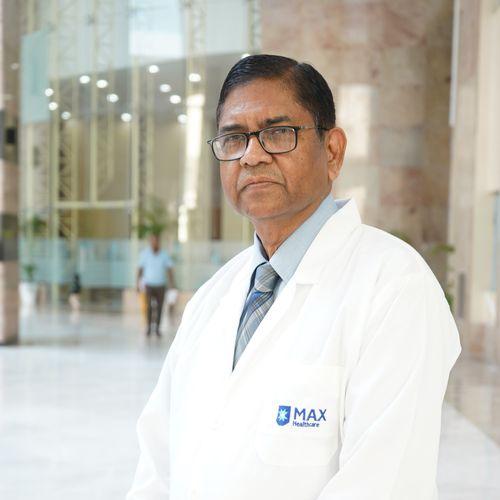
Chairman - Cardiology
Cardiology
New Delhi
41+ Years
Experience
Max Hospital,Gurgaon
Hospital
1500
Fees
احصل على خيارات علاجية شخصية من أفضل مستشفيات الهند. خبراؤنا الطبيون جاهزون لمساعدتك في كل خطوة.