
IVF (In Vitro Fertilization) Cycle Success Rate in India
بحاجة لنصيحة شخصية؟
خبراؤنا الطبيون جاهزون للإجابة عن أسئلتك وإرشادك خلال خيارات العلاج.
خبراؤنا الطبيون جاهزون للإجابة عن أسئلتك وإرشادك خلال خيارات العلاج.
Understanding the IVF Cycle success rate in India is crucial for individuals navigating fertility treatments. These rates reflect the likelihood of achieving a live birth and are influenced by various factors including treatment protocol, patient age, and underlying fertility conditions. India stands as a significant destination for fertility care, with outcomes regularly reviewed.
Understanding how IVF Cycle success rates in India are reviewed, often through aggregated clinical data, provides clarity. Outcomes are carefully evaluated at the treatment level, highlighting that variations arise from specific methodologies, individual patient profiles, and the stage of fertility intervention being addressed.
For an IVF Cycle, 'success' primarily refers to achieving a live birth. Initially, it might signify a positive pregnancy test, followed by a clinical pregnancy confirmed with a heartbeat. However, the ultimate benchmark for a successful IVF Cycle remains the birth of a healthy baby, distinguishing between short-term pregnancy and long-term live birth outcomes.
Success rates vary depending on treatment approach and patient factors.
| Treatment Type / Category | Typical Use Case | Success Rate Range (%) | What Success Indicates |
|---|---|---|---|
| Fresh Embryo Transfer | Standard IVF Cycle for most patients | 30%–55% | Positive pregnancy test, progressing to live birth |
| Frozen Embryo Transfer (FET) | Utilizing previously vitrified embryos | 35%–60% | Successful implantation and live birth |
| IVF with Donor Eggs | Cases with diminished ovarian reserve | 45%–75% | High probability of clinical pregnancy and live birth |
| IVF with ICSI (Intracytoplasmic Sperm Injection) | Male factor infertility | 30%–50% | Fertilization leading to viable embryos and live birth |
The IVF Cycle survival rate by age in India demonstrates trends consistent with global patterns, where younger individuals generally experience higher success rates due to better egg quality and ovarian reserve. These age-related outcomes align with international data, reflecting biological realities regardless of geographical location. Understanding these variations is essential for realistic expectations.
| Age Group | IVF Success Rate Range (%) | Factors Influencing Outcome |
|---|---|---|
| Under 35 years | 40%–65% | Higher egg quality, fewer chromosomal abnormalities |
| 35–37 years | 30%–45% | Gradual decline in ovarian reserve and egg quality |
| 38–40 years | 20%–35% | More pronounced age-related fertility challenges |
| Over 40 years | 10%–20% | Significantly reduced ovarian reserve and egg quality |
Success rates for IVF Cycle treatments in India are notably comparable with leading international standards. This holds true when similar advanced protocols, state-of-the-art technology, and rigorous patient selection criteria are applied. Indian clinics adopt global best practices, contributing to robust outcomes that align with top global fertility centers.
| Country | IVF Live Birth Rate Range (Per Cycle, Fresh Embryo) (%) |
|---|---|
| India | 30%–50% |
| USA | 35%–55% |
| UK | 30%–50% |
| Australia | 35%–55% |
| Spain | 30%–50% |
| Germany | 25%–45% |
| Canada | 30%–50% |
Please note that these success rates are indicative and can vary significantly based on individual patient circumstances and the specific treatment approach employed. They are not a guarantee of outcome.
Understanding these comprehensive IVF Cycle outcomes empowers patients to make informed decisions. Consulting with fertility specialists based on individual health profiles is paramount for personalized guidance and support.
India offers premium medical procedures at affordable prices. Discover our most popular treatments, delivered by the country's finest doctors.
Meet our team of highly qualified and experienced medical professionals dedicated to providing the best healthcare services.
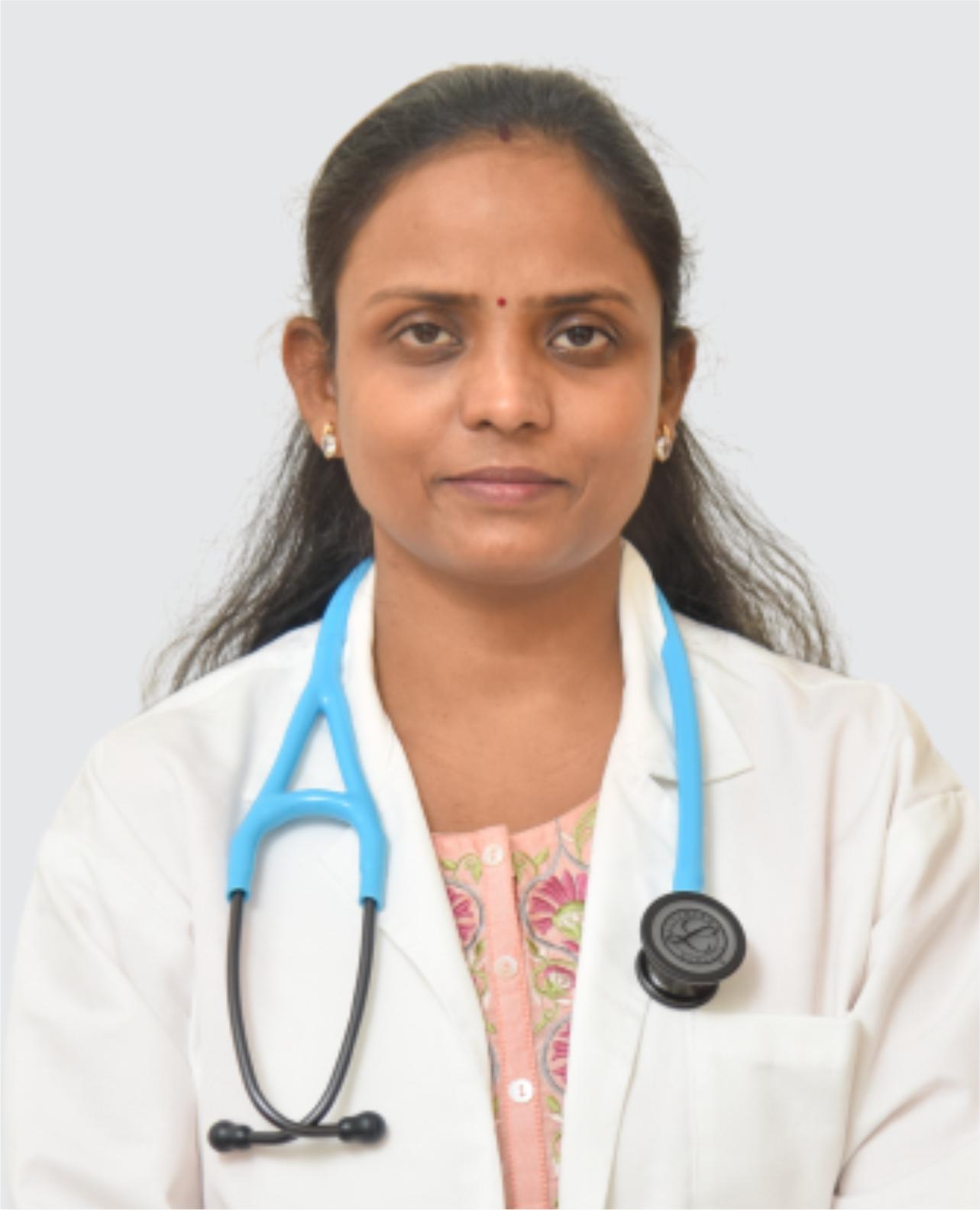
Consultant - Pediatric Rheumatology
Pediatric Rheumatology
New Delhi
13+ Years
Experience
Artemis Hospital
Hospital
1500
Fees

Unit Head
Maternity, Obstetrics & Gynaecology
New Delhi
20+ Years
Experience
Artemis Hospital
Hospital
1500
Fees

Principal Lead - Physiotherapy
Physiotherapy and Rehabilitation
New Delhi
13+ Years
Experience
Artemis Hospital
Hospital
1500
Fees

Chairperson
Radiology
New Delhi
28+ Years
Experience
Artemis Hospital
Hospital
1500
Fees
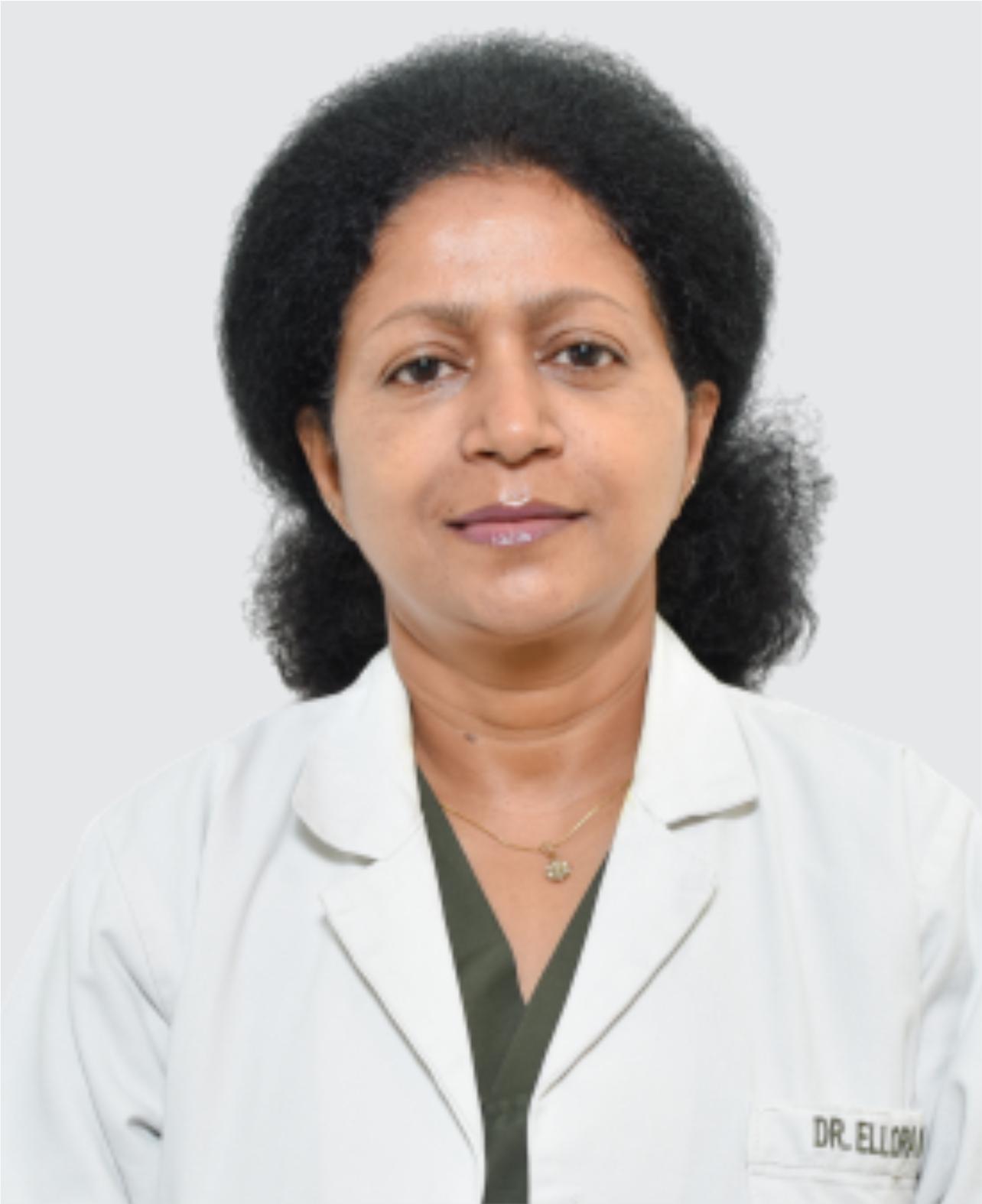
Admin Head - Emergency
Emergency & Trauma Services
New Delhi
25+ Years
Experience
Artemis Hospital
Hospital
1500
Fees
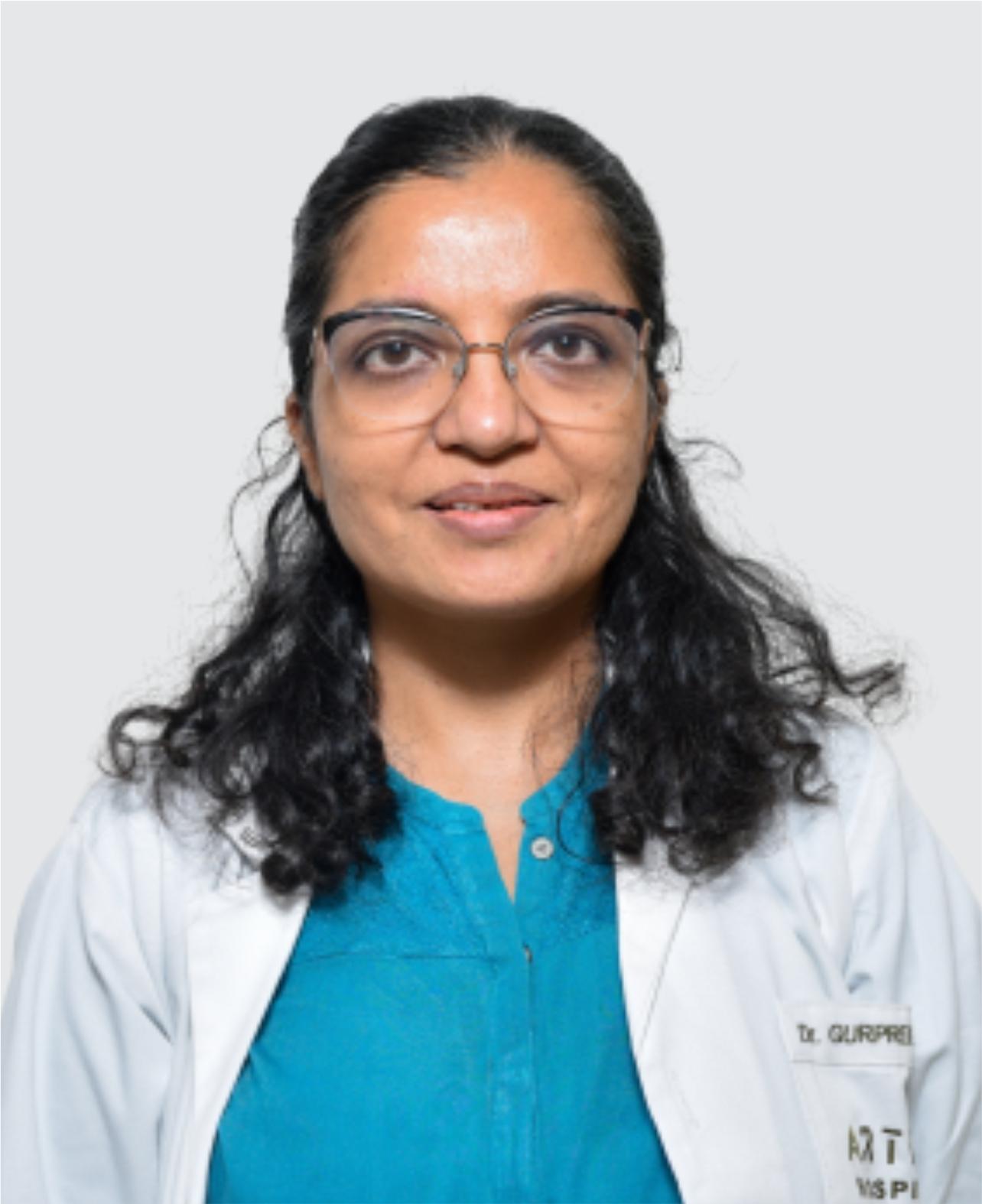
Head Imaging & Chief DNB Program
Radiology
New Delhi
19+ Years
Experience
Artemis Hospital
Hospital
1500
Fees
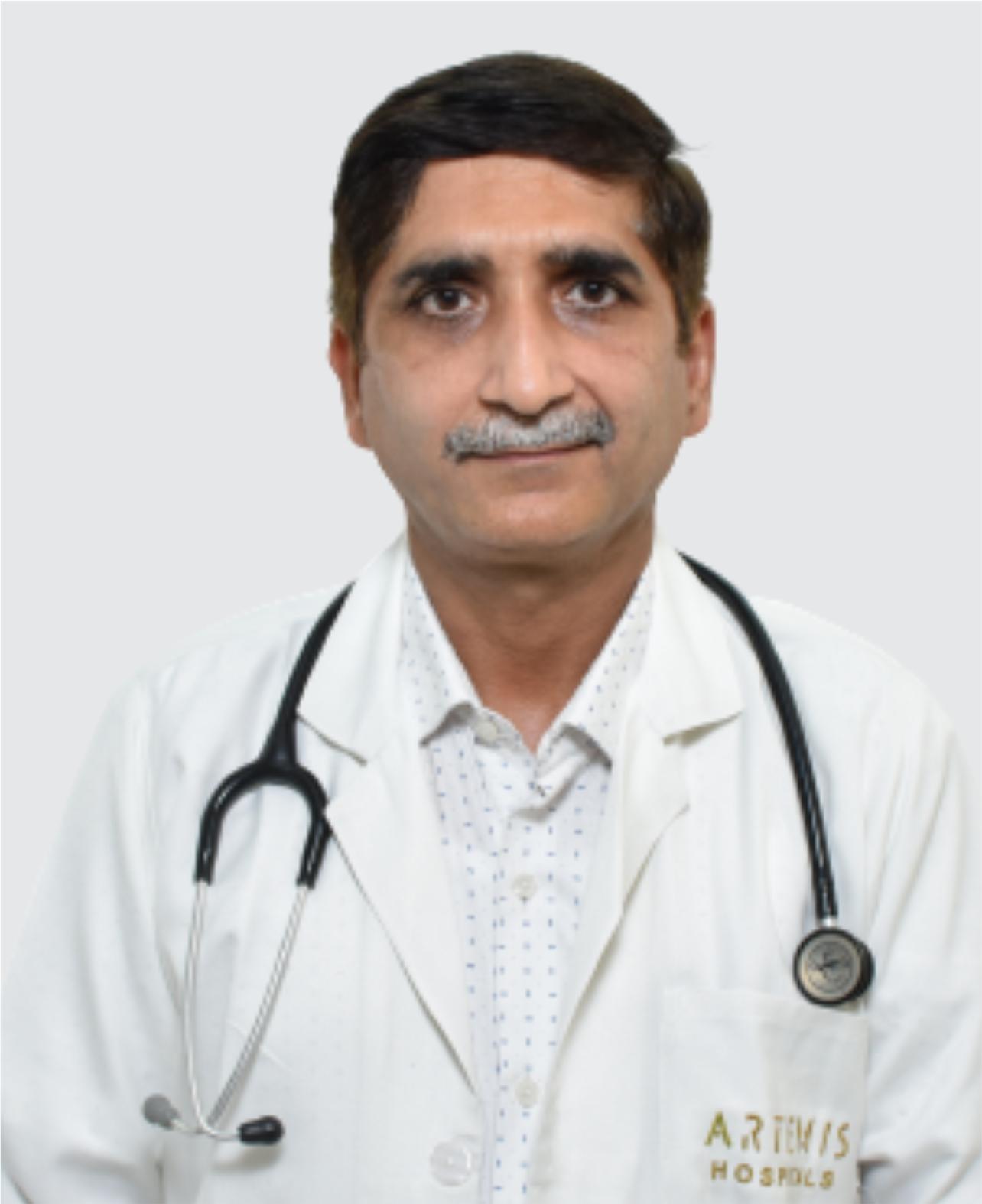
Sr. Consultant - Paediatrics & Head - Medical Services and Medical Superintendent
Paediatric
New Delhi
10+ Years
Experience
Artemis Hospital
Hospital
1500
Fees
Sr. Consultant
Paediatric Surgery
New Delhi
10+ Years
Experience
Artemis Hospital
Hospital
1500
Fees
Consultant
Paediatric
New Delhi
15+ Years
Experience
Artemis Hospital
Hospital
1500
Fees
Director
Neonatology
New Delhi
11+ Years
Experience
Artemis Hospital
Hospital
1500
Fees
Director & Head of Pediatric Services, Max Healthcare
Pediatric Surgery
New Delhi
30+ Years
Experience
Max Hospital,Gurgaon
Hospital
1500
Fees
Sr. Consultant - Orthopaedics & Joint Replacement
Orthopaedics & Joint Replacement
New Delhi
20+ Years
Experience
Apolo Delhi
Hospital
1500
Fees
Principal Consultant
Paediatric Endocrinology & Diabetes
New Delhi
24+ Years
Experience
Apolo Delhi
Hospital
1500
Fees
Senior Consultant - Endocrinology
Endocrinology
New Delhi
40+ Years
Experience
Apolo Delhi
Hospital
1500
Fees
Associate Director - Urology and Renal Transplant
Urology
New Delhi
27+ Years
Experience
Apolo Delhi
Hospital
1500
Fees
Senior Consultant - Paediatric Gastroenterology, Hepatology & Liver Transplant
Paediatric Gastroenterology, Hepatology & Liver Transplant
New Delhi
23+ Years
Experience
Apolo Delhi
Hospital
1500
Fees
احصل على خيارات علاجية شخصية من أفضل مستشفيات الهند. خبراؤنا الطبيون جاهزون لمساعدتك في كل خطوة.