
Neuro Treatment in Chennai for Ethiopia
بحاجة لنصيحة شخصية؟
خبراؤنا الطبيون جاهزون للإجابة عن أسئلتك وإرشادك خلال خيارات العلاج.
خبراؤنا الطبيون جاهزون للإجابة عن أسئلتك وإرشادك خلال خيارات العلاج.
For many Ethiopian patients facing complex neurological conditions, the search for advanced, affordable care can be a source of significant concern. Understanding your options and finding a reliable medical pathway for neuro treatment is a crucial first step in a challenging health journey. You deserve clarity and confidence in your choices.
Chennai has emerged as a leading medical hub, drawing patients from across the globe, including Ethiopia. Individuals often look to Chennai for its specialized neurological centers, where expert care is delivered using modern technology. The city offers a well-coordinated environment for international patients.
Trust in Chennai's medical expertise stems from its highly skilled neuro specialists and established hospitals. These institutions are equipped for a wide range of neurological treatments, from complex surgeries to advanced diagnostic procedures. Patients can find comprehensive care and support within the city's medical ecosystem.
Chennai provides a focused and advanced setting for neurological medical care.
Neuro treatment encompasses a broad spectrum of medical interventions aimed at diagnosing, managing, and resolving conditions affecting the brain, spinal cord, and peripheral nerves. This field addresses disorders that can impact movement, sensation, cognition, and overall bodily function. Treatment plans are highly individualized, often integrating medical therapy, surgical procedures, and rehabilitative strategies to restore neurological function and improve quality of life. The goal is to alleviate symptoms, prevent disease progression, and manage chronic neurological conditions effectively.
These involve procedures like craniotomy for tumor removal, deep brain stimulation (DBS) for movement disorders, aneurysm clipping, and spinal cord decompression surgeries. They are often performed to correct structural issues or remove abnormalities.
Many neurological conditions are managed through medication, including anticonvulsants for epilepsy, disease-modifying therapies for multiple sclerosis, pain medications for neuropathic pain, and drugs for Parkinson's disease or Alzheimer's.
Minimally invasive procedures such as endovascular coiling for aneurysms, thrombectomy for acute stroke, and spinal injections for pain relief fall under this category. These techniques use catheters and imaging guidance.
Physical therapy, occupational therapy, and speech therapy are crucial for recovery after stroke, brain injury, or neurosurgery. These therapies help patients regain strength, coordination, and communication skills.
For brain and spinal cord tumors, treatment may combine surgery with radiation therapy, chemotherapy, or targeted drug therapies. These are tailored to the tumor type and stage.
The performance of neuro treatment is highly specific, depending entirely on the patient's diagnosed condition, its severity, and the recommended treatment plan. It can range from non-invasive therapies to complex surgical interventions.
For conditions requiring surgery, such as brain tumors, aneurysms, or severe spinal disorders, the patient undergoes general anesthesia. Neurosurgeons use advanced techniques, often including microsurgery or minimally invasive endoscopic approaches, to access and treat the affected area. Intraoperative monitoring helps ensure precision and minimize risk to vital neurological structures.
Many neurological conditions are managed through prescribed medications. This might involve oral drugs, injections, or infusions, administered on a regular schedule. The aim is to control symptoms, reduce inflammation, slow disease progression, or prevent complications. Dosages are carefully adjusted based on patient response and monitoring.
For vascular conditions or certain types of pain, interventional neurologists or radiologists may perform procedures using catheters. These are guided through blood vessels to the brain or spine, allowing for targeted treatment like clot removal for stroke or coiling of aneurysms without open surgery.
Following a neurological event or surgery, physical, occupational, and speech therapists work with patients. They develop personalized exercise programs, strategies for daily living, and communication techniques to help regain lost functions and adapt to new challenges.
Recovery from neuro treatment varies significantly based on the specific condition, the type of intervention, and individual patient factors. It can range from a few days to several months or even longer for complex cases. Initially, patients might experience pain or discomfort, managed with medication. Restrictions on physical activity are common, especially after surgery, to allow for proper healing. Follow-up appointments are critical for monitoring progress, adjusting medications, and assessing neurological function. Rehabilitation, including physical, occupational, or speech therapy, often plays a vital role in regaining strength, coordination, and independence. Adherence to a structured recovery plan and lifestyle adjustments are key for optimal long-term outcomes.
The success rates for neuro treatments are highly variable, depending on the specific condition, its stage, the patient's overall health, and the expertise of the medical team. For many conditions, treatments aim to achieve significant symptom improvement and prevent disease progression rather than a complete cure. For instance, surgical removal of benign brain tumors often has high success in eradicating the tumor, while stroke recovery is measured by functional improvement. Outcomes can range from full recovery of function to long-term management of symptoms. Patients' adherence to post-treatment care and rehabilitation protocols greatly influences the long-term results.
The cost of neuro treatment in Chennai is influenced by several factors. These include the complexity of the neurological condition, the specific type of treatment required (e.g., surgery, medication, interventional procedures), the choice of hospital facilities (private vs. corporate), the experience of the specialist, and the duration of hospital stay and rehabilitation. Diagnostic tests and post-operative care also contribute to the overall expense.
For a general range, neuro treatment in Chennai can start from approximately INR 2,50,000 and go upwards of INR 15,00,000, depending on the procedure and associated care.
Patients often consider Chennai for neuro treatment due to its advanced medical care and cost-effectiveness compared to many Western countries. The following table provides an estimated comparison for complex neuro procedures.
| Location | Estimated Cost Range (USD) |
|---|---|
| Chennai, India | $3,000 - $18,000 |
| United States | $25,000 - $100,000+ |
| United Kingdom | $20,000 - $80,000+ |
| Singapore | $15,000 - $70,000+ |
| Thailand | $7,000 - $30,000+ |
Connect with our patient care team today to receive a personalized treatment plan and cost estimate for your neurological condition. We are here to guide you.
Our team is ready to assist you in planning your neuro treatment journey to Chennai. Contact us for comprehensive support and to take the next step towards your recovery.
Choosing the right neuro treatment involves careful consideration and trusted guidance. We are committed to providing clarity and support for patients from Ethiopia seeking advanced care in Chennai.
India offers premium medical procedures at affordable prices. Discover our most popular treatments, delivered by the country's finest doctors.
Meet our team of highly qualified and experienced medical professionals dedicated to providing the best healthcare services.

رئيس - جراحة المخ والأعصاب والجراحة الإشعاعية للجهاز العصبي المركزي والرئيس المشارك - مركز سايبر نايف، مستشفيات أرتميس، جورجاون
Neurosurgeon
Haryana
32+ Years
Experience
Artemis Hospital
Hospital
1500
Fees
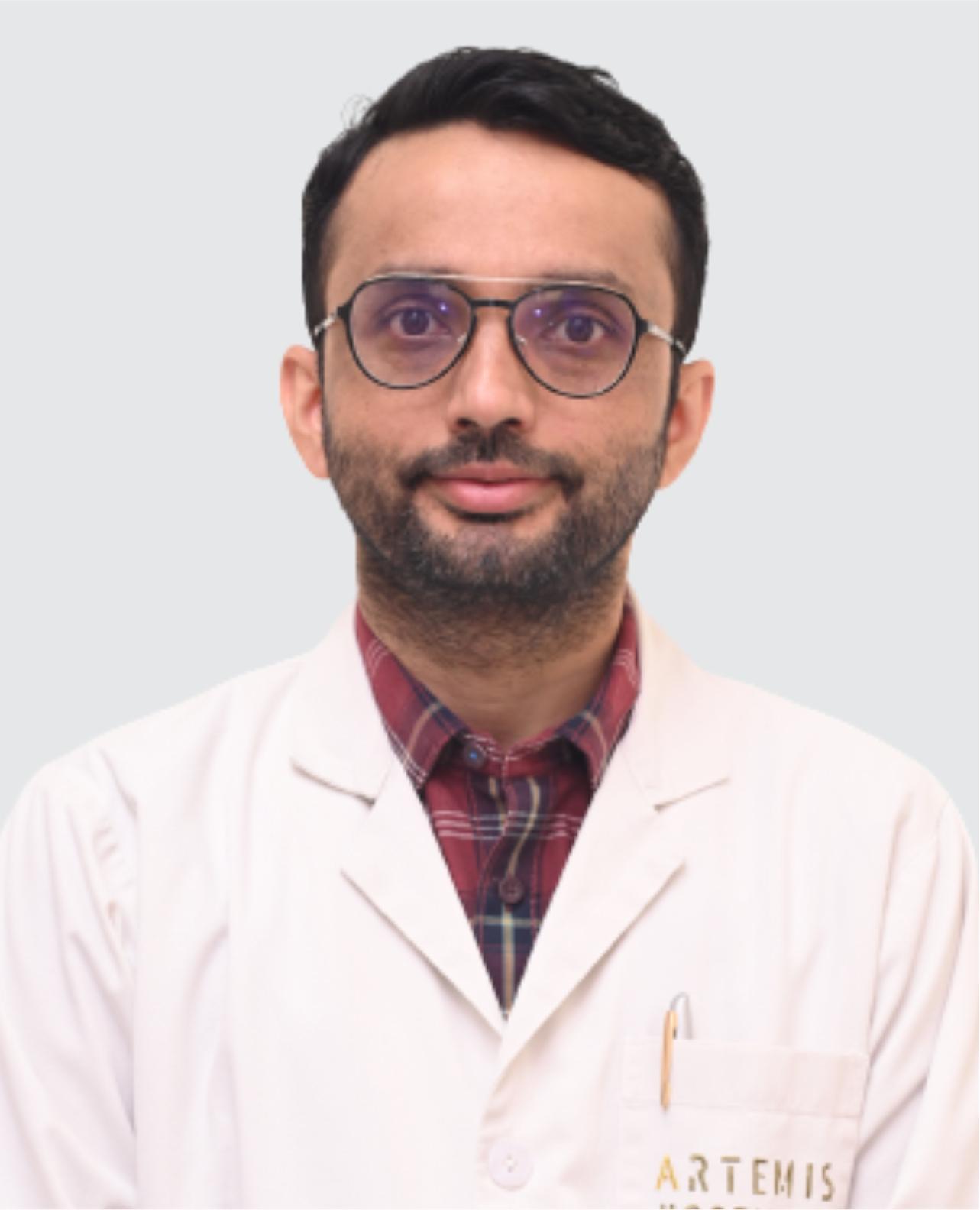
استشاري أول - المخ والأعصاب والصرع
Neurology & Epilepsy
New Delhi
15+ Years
Experience
Artemis Hospital
Hospital
1500
Fees
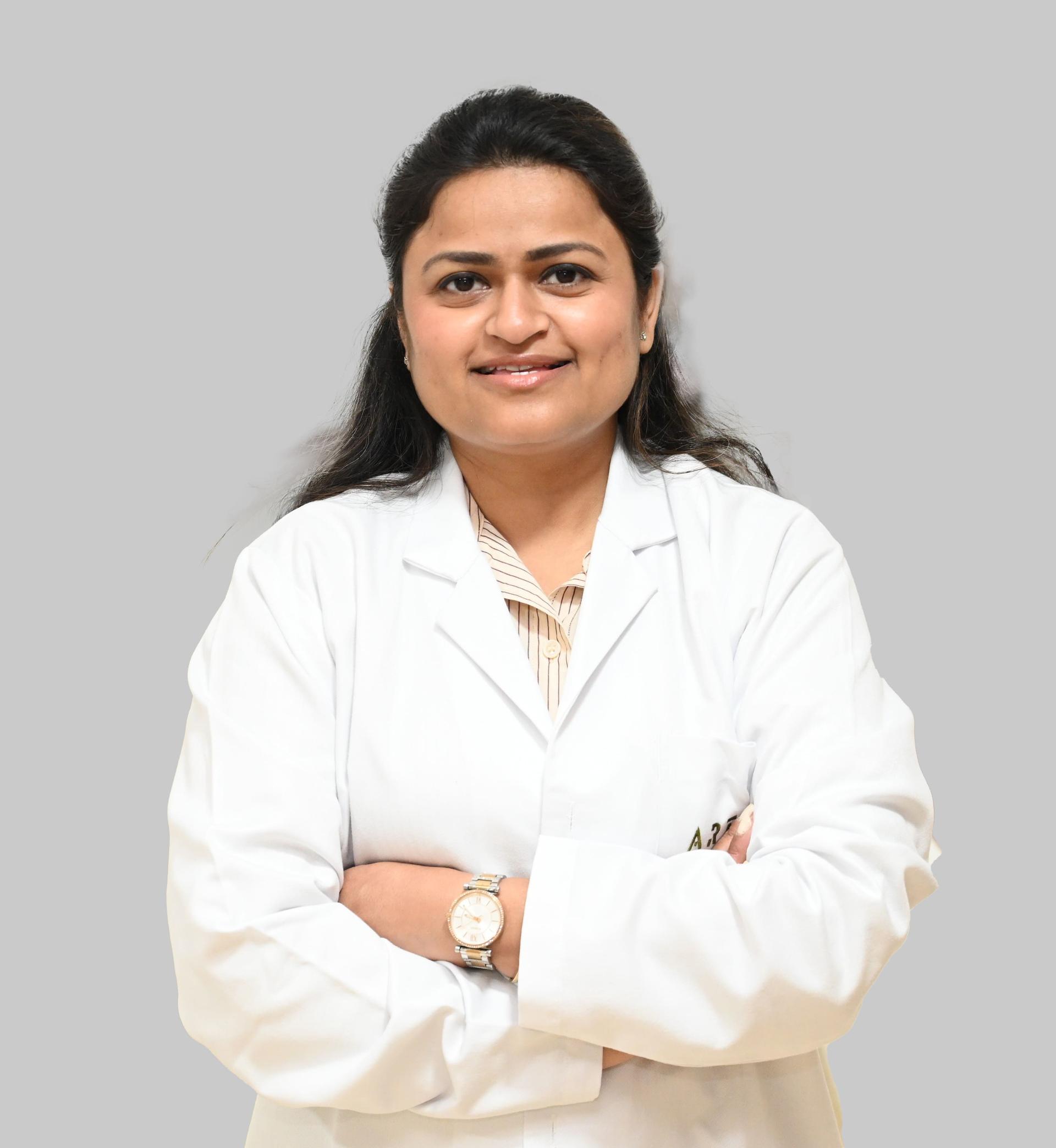
استشاري - مركز العلاج الطبيعي والتأهيل
Physiotherapy and Rehabilitation Centre
New Delhi
10+ Years
Experience
Artemis Hospital
Hospital
1500
Fees
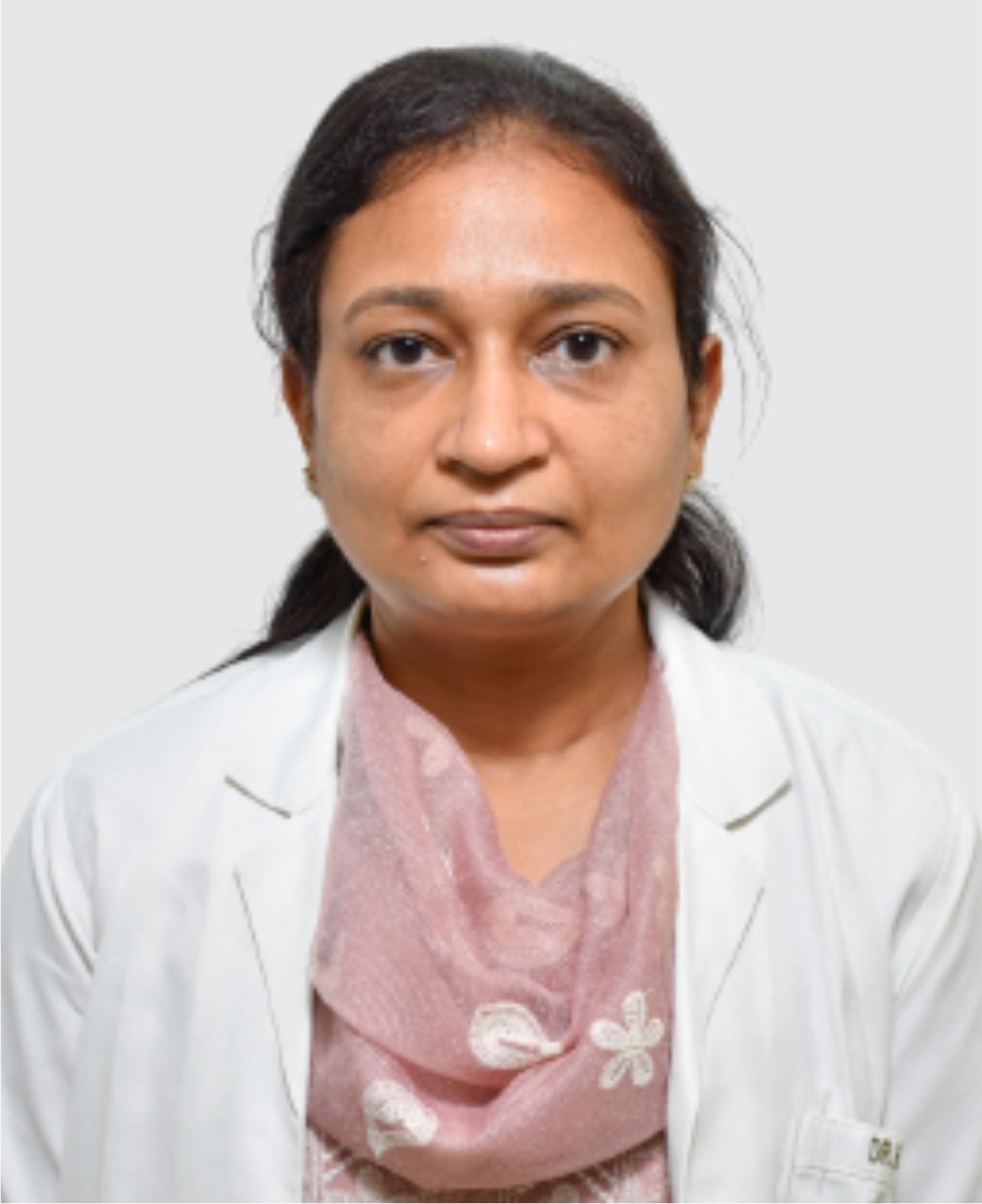
رئيس الوحدة الثانية
Pathology
New Delhi
21+ Years
Experience
Artemis Hospital
Hospital
1500
Fees
مدير ورئيس
Neurointerventional Surgery
New Delhi
15+ Years
Experience
Artemis Hospital
Hospital
1500
Fees

استشاري أول – تصوير نسائي
Radiology
New Delhi
15+ Years
Experience
Artemis Hospital
Hospital
1500
Fees
رئيس مشارك للخدمات النفسية
Mental Health and Behavioural Sciences
New Delhi
15+ Years
Experience
Artemis Hospital
Hospital
1500
Fees

استشاري معالج – طب المسنين
Geriatric Medicine, Geriatric Surgery
New Delhi
3+ Years
Experience
Artemis Hospital
Hospital
1500
Fees

استشاري - أمراض المخ والأعصاب واضطرابات الحركة
Neurology
New Delhi
15+ Years
Experience
Artemis Hospital
Hospital
1500
Fees

استشاري إضافي - جراحة الأعصاب التداخلية
Neurointerventional Surgery
New Delhi
20+ Years
Experience
Artemis Hospital
Hospital
1500
Fees
رئيس قسم - الغدد الصماء النسائية ومدير برنامج DNB - أمراض النساء والتوليد
Gynaecological Endocrinology, Maternity, Obstetrics & Gynaecology
New Delhi
35+ Years
Experience
Artemis Hospital
Hospital
1500
Fees

استشاري أول - أنف وأذن وحنجرة
ENT and Head & Neck Surgery
New Delhi
24+ Years
Experience
Artemis Hospital
Hospital
1500
Fees

استشاري (جراحة الرأس والرقبة) - الأورام الجراحية
Head and Neck Surgical Oncology
New Delhi
10+ Years
Experience
Artemis Hospital
Hospital
1500
Fees

رئيس - أورام النساء
Gynaecological Oncology
New Delhi
16+ Years
Experience
Artemis Hospital
Hospital
1500
Fees
رئيس الوحدة - طب الإنجاب (الوحدة الثانية)
IVF, Reproductive Medicine, Obstetrics & Gynecology
New Delhi
20+ Years
Experience
Artemis Hospital
Hospital
1500
Fees
استشاري أول - التوليد وأمراض النساء
Maternity, Obstetrics & Gynaecology
New Delhi
15+ Years
Experience
Artemis Hospital
Hospital
1500
Fees

رئيس وحدة - النساء والولادة
Maternity, Obstetrics & Gynaecology
New Delhi
19+ Years
Experience
Artemis Hospital
Hospital
1500
Fees
استشاري أول
Paediatric Surgery
New Delhi
10+ Years
Experience
Artemis Hospital
Hospital
1500
Fees
استشاري أول
Radiology
New Delhi
12+ Years
Experience
Artemis Hospital
Hospital
1500
Fees
مدير
Obstetrics and Gynaecology
New Delhi
19+ Years
Experience
Artemis Hospital
Hospital
1500
Fees
رئيس - طب الأورام الإشعاعي ومركز سايبرنايف (الوحدة الثانية)
Oncology
New Delhi
23+ Years
Experience
Artemis Hospital
Hospital
1500
Fees
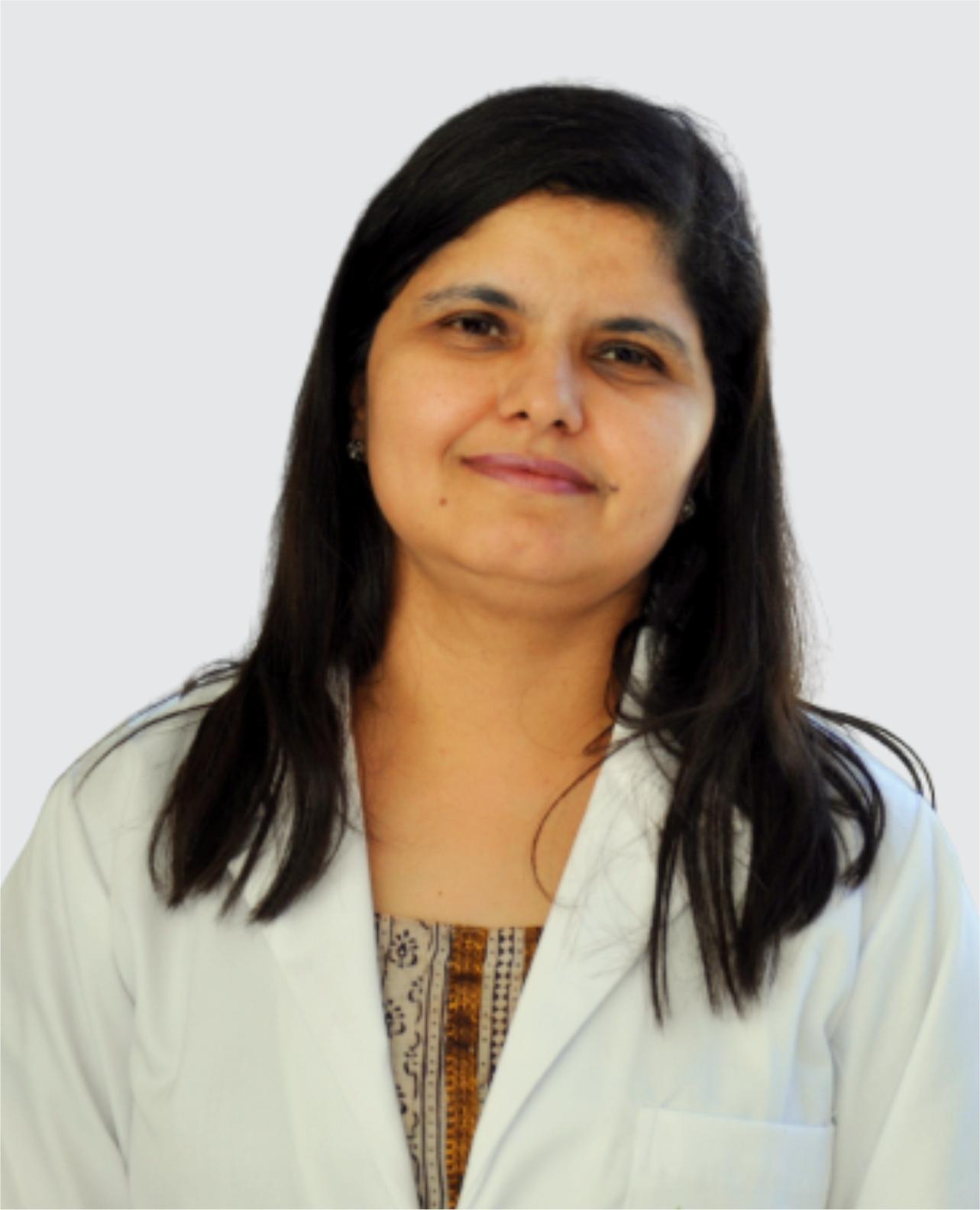
رئيس الوحدة واستشاري أول - الطب الباطني
Internal Medicine
New Delhi
14+ Years
Experience
Artemis Hospital
Hospital
1500
Fees
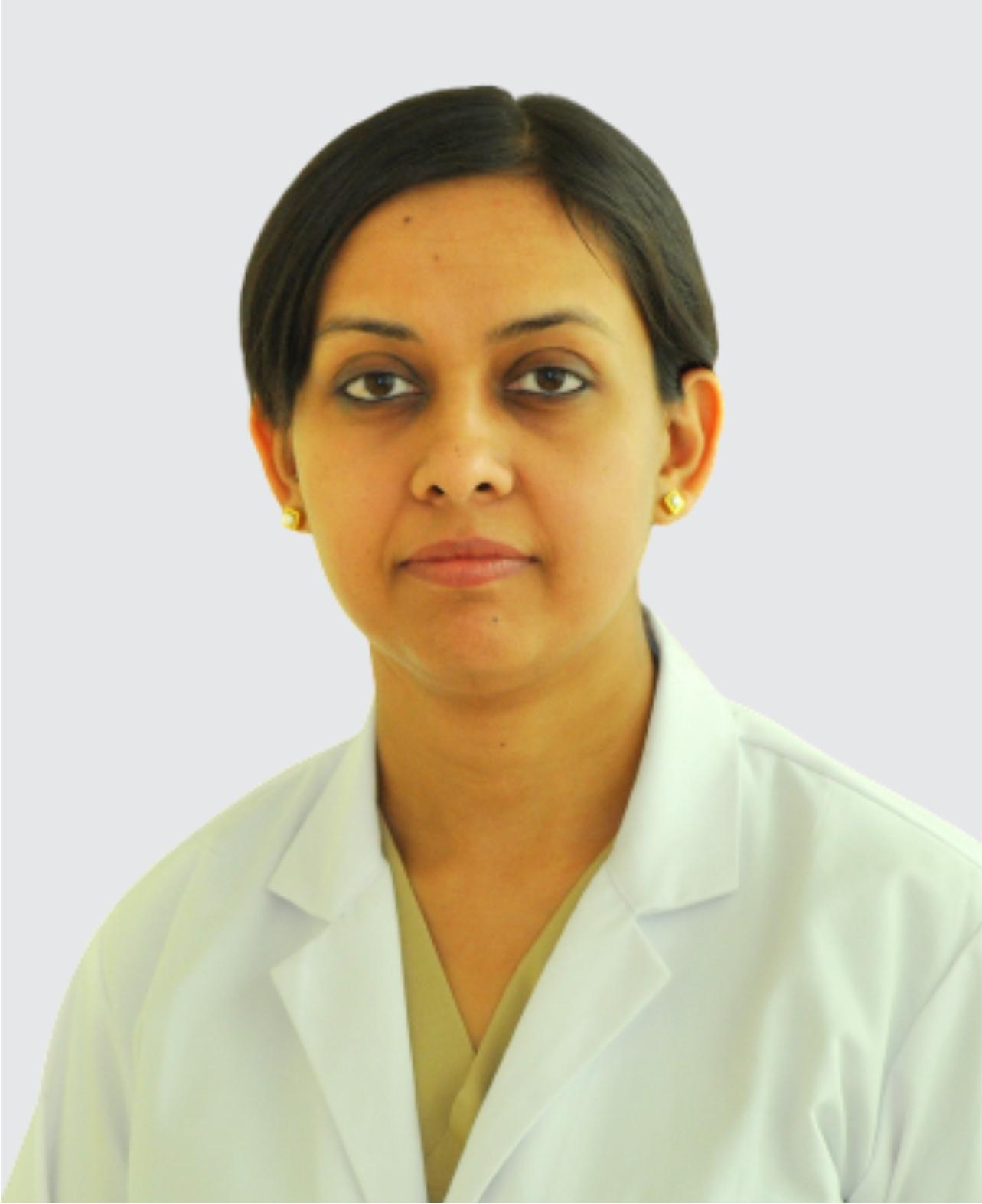
مدير
Obstetrics & Gynaecology
New Delhi
15+ Years
Experience
Artemis Hospital
Hospital
1500
Fees
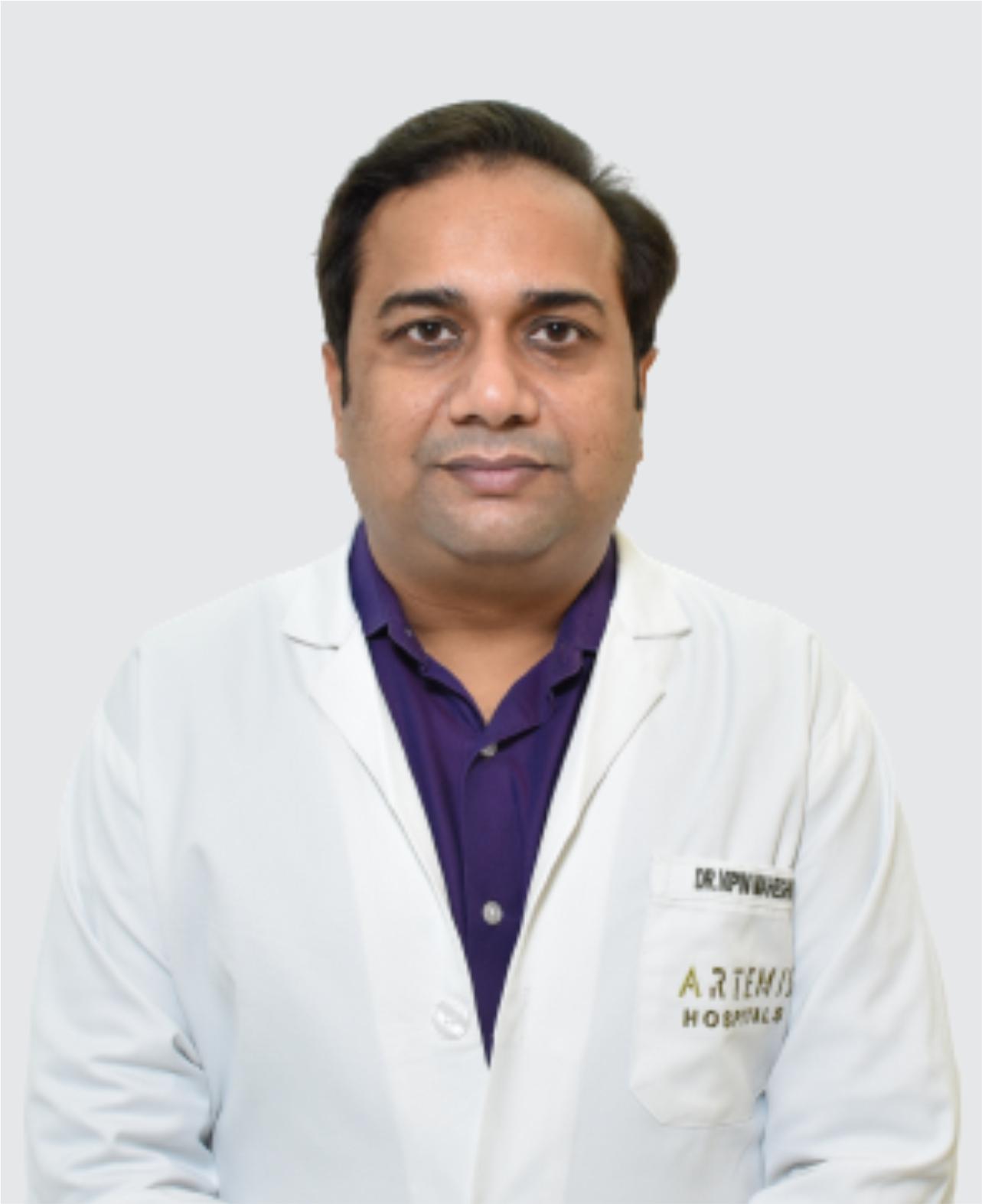
مدير - علوم الأعصاب
Neurology
New Delhi
18+ Years
Experience
Artemis Hospital
Hospital
1500
Fees
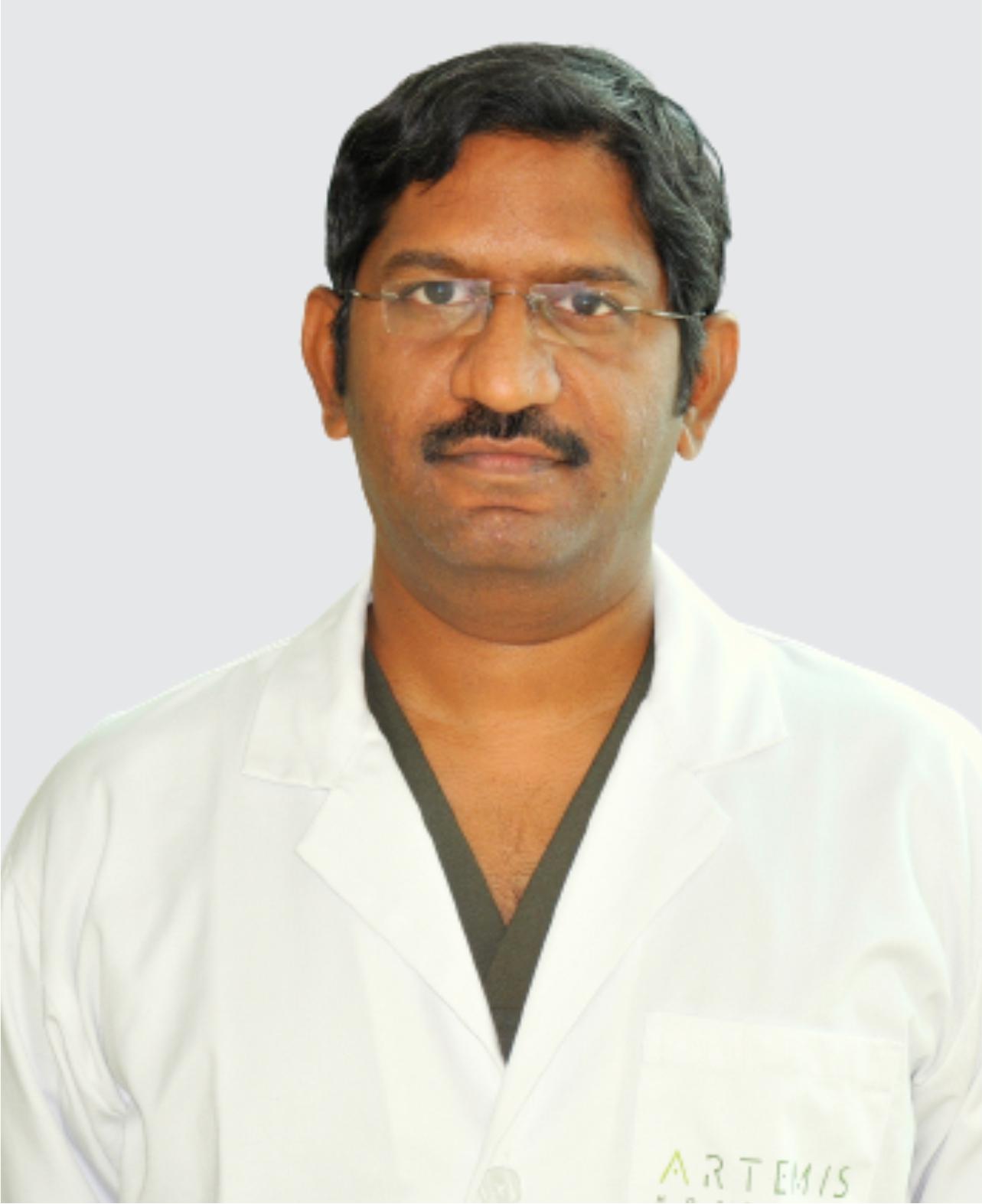
مدير
Neuroscience
New Delhi
12+ Years
Experience
Artemis Hospital
Hospital
1500
Fees
استشاري مصنف
Obstetrics & Gynaecology, Maternity, Women's Health
New Delhi
8+ Years
Experience
Artemis Hospital
Hospital
1500
Fees
استشاري
Obstetrics & Gynaecology
New Delhi
8+ Years
Experience
Artemis Hospital
Hospital
1500
Fees
رئيس - أمراض القلب
Cardiology
New Delhi
41+ Years
Experience
Max Hospital,Gurgaon
Hospital
1500
Fees
مدير طب الأورام
Medical Oncology and Haematology
New Delhi
26+ Years
Experience
Max Hospital,Gurgaon
Hospital
1500
Fees
رئيس ورئيس قسم جراحة الكبد والبنكرياس والقنوات الصفراوية وزراعة الكبد
HPB Surgery, Liver Transplantation, Surgical Gastroenterology, Robotic Surgery, Biliary Sciences
New Delhi
20+ Years
Experience
Max Hospital,Gurgaon
Hospital
1500
Fees
كبير أخصائي الأورام الطبي
Medical Oncology, Haemato-medical Oncology
New Delhi
15+ Years
Experience
Max Hospital,Gurgaon
Hospital
1500
Fees
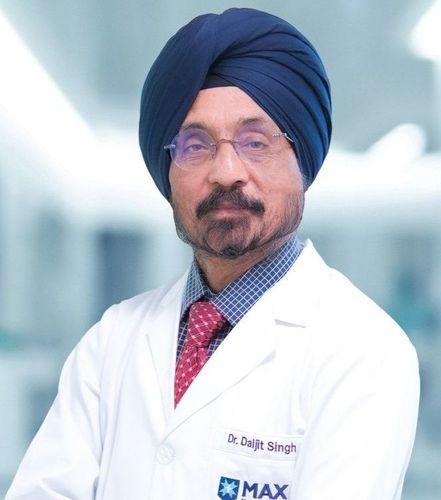
نائب الرئيس ورئيس قسم جراحة الأعصاب ورئيس وحدة التدخل العصبي، ماكس للرعاية الصحية
Neurosurgery
New Delhi
31+ Years
Experience
Max Hospital,Gurgaon
Hospital
1500
Fees
نائب رئيس - أمراض الكلى
Nephrology & Renal Transplant Medicine
New Delhi
17+ Years
Experience
Max Hospital,Gurgaon
Hospital
1500
Fees
المدير الرئيسي - ماكس لاب وخدمات بنك الدم
Laboratory Medicine, Transfusion Medicine
New Delhi
32+ Years
Experience
Max Hospital,Gurgaon
Hospital
1500
Fees
مدير رئيسي - طب الأورام الإشعاعي
Radiation Oncology
New Delhi
23+ Years
Experience
Max Hospital,Gurgaon
Hospital
1500
Fees
مدير رئيسي – جراحة الأورام (جراحة النساء والروبوتية)
Gynecologic Oncology, Robotic & Laparoscopic Surgery, Gynae Cancer Care, Surgical Oncology
New Delhi
39+ Years
Experience
Max Hospital,Gurgaon
Hospital
1500
Fees
المدير العام ورئيس القسم
Paediatrics (Ped)
New Delhi
30+ Years
Experience
Max Hospital,Gurgaon
Hospital
1500
Fees
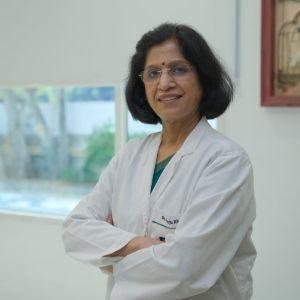
المدير الرئيسي (النساء والتوليد) ورئيس الوحدة
Obstetrics, Gynaecology, Gynaecologic Laparoscopy, High-Risk Pregnancy, Endoscopy Surgery
New Delhi
44+ Years
Experience
Max Hospital,Gurgaon
Hospital
1500
Fees
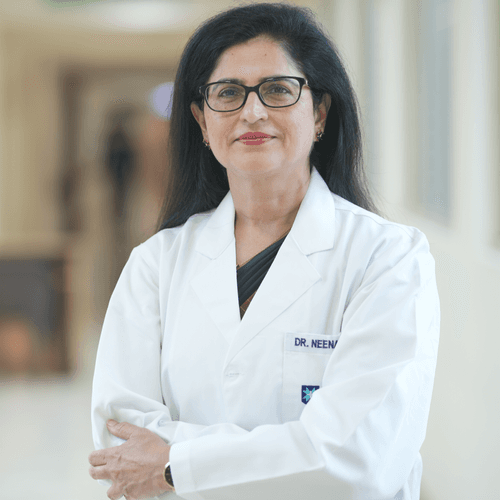
المدير الرئيسي - أمراض النساء والتوليد
Obstetrics And Gynaecology, Robotic Surgery, Gynaecologic Laparoscopy
New Delhi
33+ Years
Experience
Max Hospital,Gurgaon
Hospital
1500
Fees
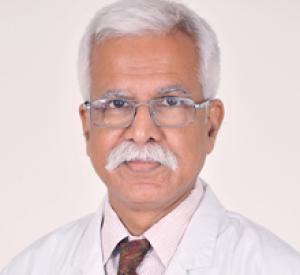
المدير الرئيسي - أمراض الرئة
Pulmonology
New Delhi
40+ Years
Experience
Max Hospital,Gurgaon
Hospital
1500
Fees
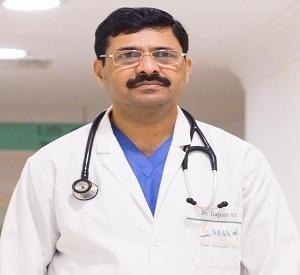
مدير - أمراض الرئة
Pulmonology
New Delhi
34+ Years
Experience
Apolo Delhi
Hospital
1500
Fees
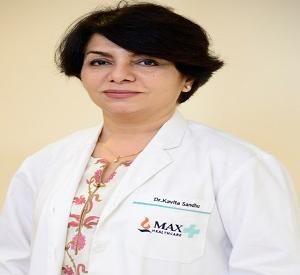
استشاري أول
Obstetrics And Gynaecology
New Delhi
15+ Years
Experience
Apolo Delhi
Hospital
1500
Fees
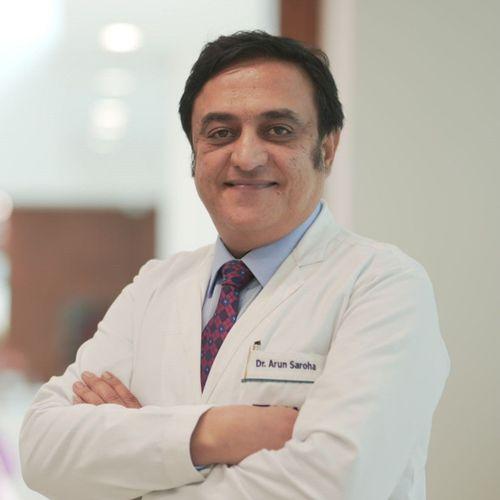
مدير ورئيس قسم
Neurosurgery
New Delhi
30+ Years
Experience
Apolo Delhi
Hospital
1500
Fees
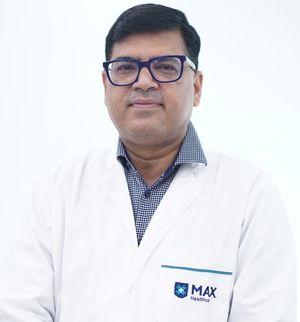
استشاري أول
Neurosurgery
New Delhi
25+ Years
Experience
Apolo Delhi
Hospital
1500
Fees
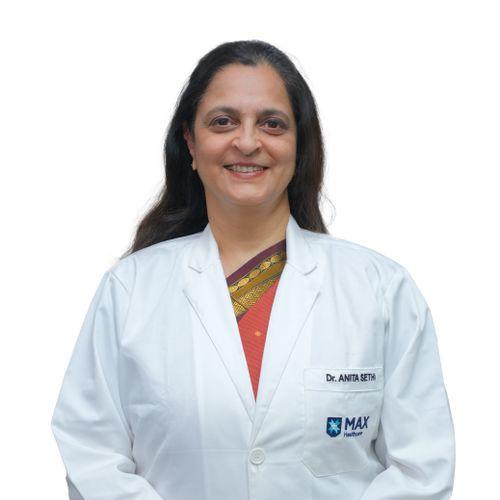
مدير
Neurology
New Delhi
28+ Years
Experience
Apolo Delhi
Hospital
1500
Fees
استشاري أول - التوليد وأمراض النساء
Obstetrics and Gynaecology
New Delhi
24+ Years
Experience
Apolo Delhi
Hospital
1500
Fees
رئيس - جراحة الأعصاب
Neurosurgery
New Delhi
25+ Years
Experience
Apolo Delhi
Hospital
1500
Fees
استشاري أول - طب الأعصاب
Neurology
New Delhi
12+ Years
Experience
Apolo Delhi
Hospital
1500
Fees
مدير
Neurology
New Delhi
30+ Years
Experience
Apolo Delhi
Hospital
1500
Fees
مدير - أمراض النساء والتوليد
Obstetrics & Gynaecology
New Delhi
18+ Years
Experience
Apolo Delhi
Hospital
1500
Fees
استشاري أول
Spine Surgery & Neurosciences
New Delhi
15+ Years
Experience
Apolo Delhi
Hospital
1500
Fees
مدير - جراحة الأعصاب، مستشفى ماكس، ساكيت و باتبارغانج
Neuro Surgery
New Delhi
50+ Years
Experience
Apolo Delhi
Hospital
1500
Fees
استشاري أول
Obstetrics & Gynaecology
New Delhi
22+ Years
Experience
Apolo Delhi
Hospital
1500
Fees
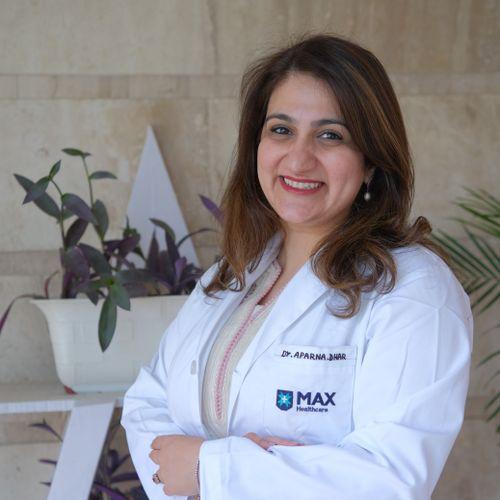
استشاري أول - النساء والتوليد
Obstetrics & Gynaecology
New Delhi
23+ Years
Experience
Apolo Delhi
Hospital
1500
Fees
استشاري أول
Obstetrics and Gynaecology
New Delhi
24+ Years
Experience
Apolo Delhi
Hospital
1500
Fees
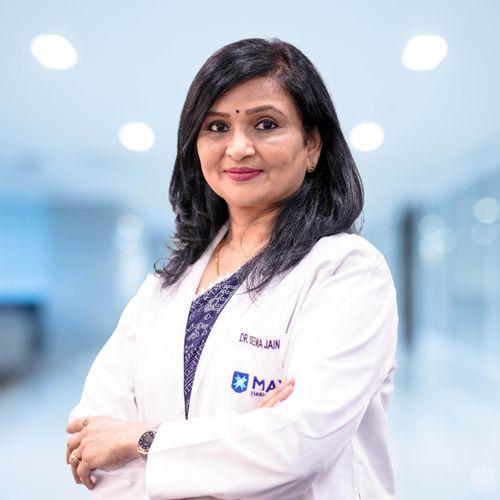
مدير
Obstetrics & Gynaecology
New Delhi
20+ Years
Experience
Apolo Delhi
Hospital
1500
Fees
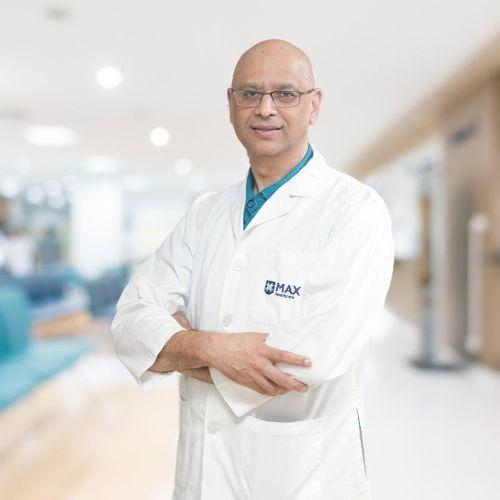
مدير - علوم الأعصاب
Neurology
New Delhi
18+ Years
Experience
Apolo Delhi
Hospital
1500
Fees
مدير
Neurosciences
New Delhi
14+ Years
Experience
Apolo Delhi
Hospital
1500
Fees
مدير
Obstetrics & Gynaecology
New Delhi
22+ Years
Experience
Apolo Delhi
Hospital
1500
Fees
مدير
Neuroscience
New Delhi
17+ Years
Experience
Apolo Delhi
Hospital
1500
Fees
استشاري أول
Obstetrics and Gynaecology
New Delhi
15+ Years
Experience
Apolo Delhi
Hospital
1500
Fees
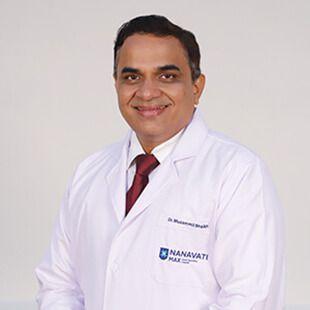
مدير ورئيس جراحة العمود الفقري
Neurosurgery
New Delhi
16+ Years
Experience
Apolo Delhi
Hospital
1500
Fees
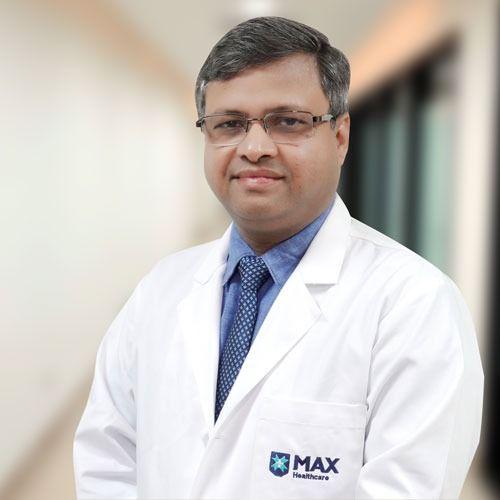
مدير
Neurology
New Delhi
20+ Years
Experience
Apolo Delhi
Hospital
1500
Fees
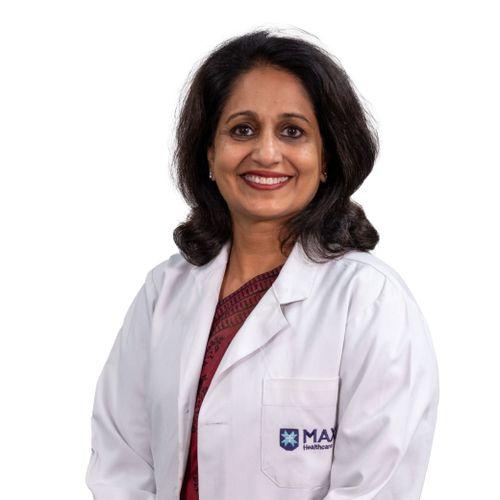
مدير
Obstetrics & Gynaecology
New Delhi
18+ Years
Experience
Apolo Delhi
Hospital
1500
Fees
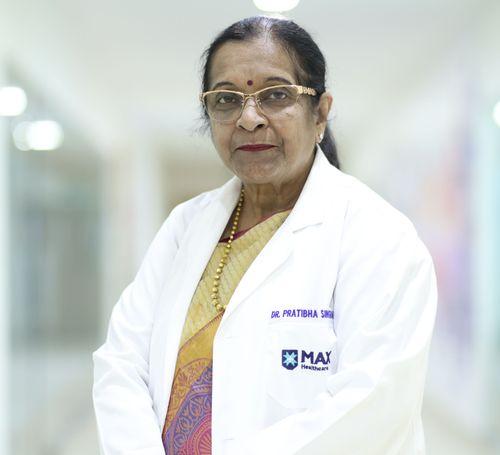
مدير ورئيس قسم - التوليد وأمراض النساء
Obstetrics & Gynaecology
New Delhi
24+ Years
Experience
Apolo Delhi
Hospital
1500
Fees
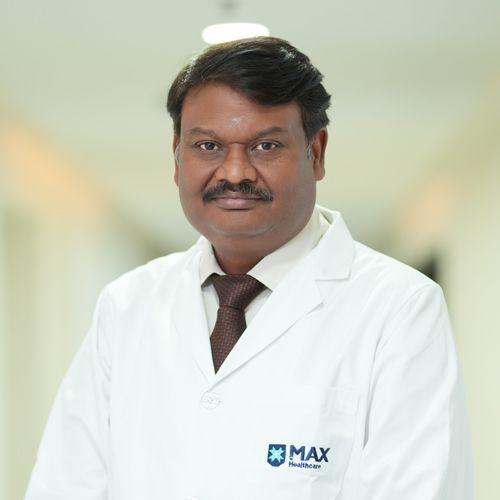
مدير
Neuro Spine Surgery
New Delhi
12+ Years
Experience
Apolo Delhi
Hospital
1500
Fees
مدير
Obstetrics & Gynaecology
New Delhi
18+ Years
Experience
Apolo Delhi
Hospital
1500
Fees
مدير
Neurology
New Delhi
38+ Years
Experience
Apolo Delhi
Hospital
1500
Fees
احصل على خيارات علاجية شخصية من أفضل مستشفيات الهند. خبراؤنا الطبيون جاهزون لمساعدتك في كل خطوة.