
Brain Tumor Surgery in Children Treatment in Chennai for Nigeria
بحاجة لنصيحة شخصية؟
خبراؤنا الطبيون جاهزون للإجابة عن أسئلتك وإرشادك خلال خيارات العلاج.
خبراؤنا الطبيون جاهزون للإجابة عن أسئلتك وإرشادك خلال خيارات العلاج.
Receiving a diagnosis of a brain tumor in your child is an incredibly challenging moment, often filled with uncertainty and a deep desire for the best possible care. For Nigerian parents, navigating this complex medical journey can be even more daunting when local options are limited, leading to concerns about access to advanced pediatric neurosurgical expertise and suitable treatment environments abroad.
When considering international medical care, many families from Nigeria explore destinations like Chennai, known for its focus on specialized medical fields. This city stands out for its dedicated pediatric care units and a commitment to integrating advanced medical practices with compassionate patient support, making it a focused choice for critical procedures.
Chennai’s healthcare ecosystem has built trust through its network of advanced hospitals and a concentration of highly skilled pediatric neurosurgeons. The emphasis here is on coordinated care, ensuring that families have streamlined access to specialists, diagnostic services, and follow-up support within a unified system, simplifying the treatment process.
Could Chennai offer the specialized care your child needs?
Brain tumor surgery in children involves removing abnormal growths from the brain or skull. These tumors can be benign or malignant and often require surgical intervention to reduce pressure on the brain, accurately diagnose the tumor type, and improve the child's neurological function and overall prognosis. The primary goal is to remove as much of the tumor as safely possible without harming healthy brain tissue, thereby alleviating symptoms and paving the way for further treatment if necessary.
Treatment for pediatric brain tumors is often multidisciplinary and tailored to the specific tumor type, location, and the child's age and overall health. Key approaches include:
The specific surgical approach for a child's brain tumor depends significantly on the tumor's location, size, type, and the child's age. The neurosurgical team will formulate a precise plan tailored to these individual factors.
This is the most common method. After general anesthesia, a section of the skull is temporarily removed (craniotomy) to access the brain. Using advanced imaging and navigation systems, the surgeon carefully identifies and removes as much of the tumor as safely possible. Intraoperative monitoring of brain function helps protect critical areas. Once the tumor removal is complete, the skull bone is replaced and secured.
For certain types of tumors, especially those in deep, hard-to-reach areas or causing hydrocephalus, a minimally invasive endoscopic approach may be used. A small incision is made, and a thin tube with a camera and surgical instruments is inserted to visualize and remove the tumor or create a pathway for fluid drainage. This often leads to smaller scars and potentially faster recovery.
Following surgery, the child is moved to an intensive care unit for close monitoring. This involves continuous assessment of neurological status, vital signs, and pain management. Imaging may be repeated to confirm the extent of tumor removal and check for any complications.
Recovery from pediatric brain tumor surgery varies based on the child's age, the tumor's location, and the extent of surgery. Typically, children spend several days in the hospital, often beginning in an intensive care unit before moving to a general ward. Early recovery focuses on pain management, monitoring for complications, and gradual mobilization. Many children require rehabilitation services such as physical therapy, occupational therapy, and speech therapy to regain lost functions or adapt to new challenges. Regular follow-up appointments with the neurosurgeon, oncologist, and other specialists are crucial to monitor healing, assess neurological function, and plan any further treatments. Returning to school or normal activities is a phased process, guided by the medical team to ensure a safe and supportive transition.
The success rate of brain tumor surgery in children depends heavily on several factors: the tumor's specific type, its location and size, whether it is benign or malignant, and the surgeon's ability to achieve a complete resection. A complete removal of a benign tumor often leads to a cure, while malignant tumors usually require additional therapies like radiation or chemotherapy. Outcomes also vary based on the child's overall health and the expertise of the medical team. Long-term expectations are managed through continuous follow-up and tailored rehabilitation programs to optimize the child's quality of life and functional independence.
The cost of brain tumor surgery for children in Chennai is influenced by several factors, including the specific type and size of the tumor, the complexity of the surgical procedure, the duration of hospital stay, the choice of hospital facility (standard vs. premium), and the fees of the lead neurosurgeon and their team. Additional costs may arise from diagnostic tests, medications, intensive care unit (ICU) stay, and any post-operative rehabilitation required.
In Chennai, the estimated cost for brain tumor surgery in children can range from INR 5,00,000 to INR 15,00,000, depending on these variables.
Chennai offers a compelling combination of advanced medical technology and highly experienced specialists at a significantly lower cost compared to many Western countries, without compromising on quality or patient safety. This makes it an attractive option for international families seeking high-standard care.
| Location | Estimated Cost (USD) |
|---|---|
| Chennai, India | $6,000 - $18,000 |
| United States | $80,000 - $150,000 |
| United Kingdom | $50,000 - $90,000 |
| Singapore | $35,000 - $70,000 |
| Turkey | $15,000 - $30,000 |
Have questions about treatment costs or hospital options in Chennai?
Reach out to our patient support team for detailed guidance and personalized quotes.
Connect with our team today to discuss your child's specific needs and begin planning their care in Chennai.
We are here to assist you through every step of your child's brain tumor treatment journey.
Request a free consultation with our pediatric neurosurgery specialists in Chennai.
India offers premium medical procedures at affordable prices. Discover our most popular treatments, delivered by the country's finest doctors.
Meet our team of highly qualified and experienced medical professionals dedicated to providing the best healthcare services.

Consultant
Paediatric Neurology
Haryana
9+ Years
Experience
Artemis Hospital
Hospital
1500
Fees
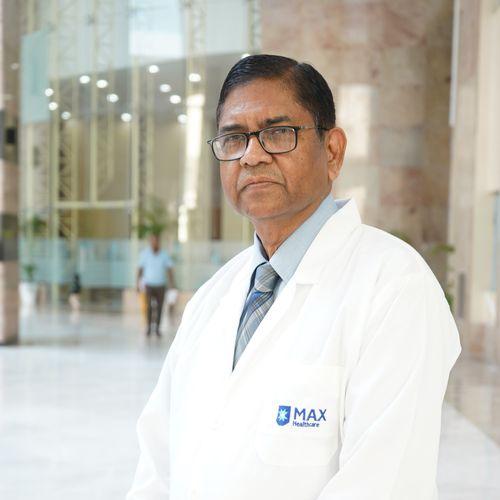
Director - Institute of Neurosciences
Neurosurgery
New Delhi
15+ Years
Experience
Apolo Delhi
Hospital
1500
Fees
احصل على خيارات علاجية شخصية من أفضل مستشفيات الهند. خبراؤنا الطبيون جاهزون لمساعدتك في كل خطوة.