
Pediatric Laparoscopic Surgery Treatment in India for Ethiopia
بحاجة لنصيحة شخصية؟
خبراؤنا الطبيون جاهزون للإجابة عن أسئلتك وإرشادك خلال خيارات العلاج.
خبراؤنا الطبيون جاهزون للإجابة عن أسئلتك وإرشادك خلال خيارات العلاج.
Ethiopian parents facing the prospect of their child needing surgery often seek safe, advanced options beyond their home country. The concern for a child’s well-being, especially when considering complex or highly specialized procedures, can lead to exploring international medical care.
India has emerged as a trusted destination for international patients seeking high-quality pediatric care. Its medical infrastructure, including state-of-the-art facilities for pediatric laparoscopic surgery, is available across multiple cities, offering both expert surgical care and cost-effectiveness.
The growing confidence in India’s medical system is built upon its network of accredited hospitals, globally trained pediatric surgeons, and a strong commitment to patient-centric care. These nationwide resources ensure comprehensive support throughout a child’s treatment journey.
Could India be the ideal choice for your child’s specialized surgical needs?
Pediatric laparoscopic surgery is a minimally invasive surgical technique specifically adapted for children. Instead of a large incision, surgeons make several small incisions, typically 3 to 10 millimeters, through which a tiny camera (laparoscope) and specialized instruments are inserted. The camera transmits images to a monitor, guiding the surgeon to perform the operation. This method is preferred for its benefits, including reduced pain, faster recovery, minimal scarring, and a quicker return to normal activities, making it particularly advantageous for younger patients.
Pediatric laparoscopic surgery is used for a wide range of conditions, including:
The specific steps for pediatric laparoscopic surgery depend on the child's condition and the precise surgical plan. However, the general approach remains consistent for most procedures.
The child receives general anesthesia to ensure they are comfortable and pain-free throughout the surgery. The surgical site is cleaned and prepared.
The surgeon makes a small incision, usually near the belly button, to insert a cannula. Carbon dioxide gas is gently introduced to inflate the abdomen, creating space for better visualization and instrument movement. The laparoscope, a thin tube with a camera, is then inserted through this incision.
Additional small incisions are made for specialized surgical instruments. Guided by the images on a video monitor, the pediatric surgeon carefully performs the necessary procedure, whether it is removing an appendix, repairing a hernia, or addressing another condition.
Once the surgery is complete, the instruments are removed, the carbon dioxide gas is released, and the small incisions are closed with sutures or surgical tape. These incisions are typically very small and heal with minimal scarring.
The recovery period following pediatric laparoscopic surgery is generally faster and less painful compared to traditional open surgery. Most children can be discharged from the hospital within one to three days. Pain management is typically milder and managed with oral medications. Children are encouraged to gradually resume normal activities, with specific restrictions on strenuous play or heavy lifting for a few weeks. Follow-up appointments are scheduled to monitor healing and ensure a smooth recovery. The small incisions heal quickly, often becoming barely noticeable over time.
Pediatric laparoscopic surgery boasts high success rates, often exceeding 95% for many elective procedures. The outcome depends on the specific condition being treated, the child's overall health, and the expertise of the surgical team. Long-term expectations are generally excellent, with most children making a full recovery and experiencing the intended benefits of the surgery.
The cost of pediatric laparoscopic surgery in India is significantly lower than in many Western countries, making it an attractive option for international patients from Ethiopia. Several factors influence the final cost, including the specific type of surgery, the complexity of the child's condition, the choice of hospital and surgeon, the length of hospital stay, and any additional services like intensive care or extended recovery.
Generally, the cost for pediatric laparoscopic surgery in India can range from INR 1,50,000 to INR 4,00,000, depending on these variables.
| City | Estimated Cost Range (INR) |
|---|---|
| Mumbai | 1,80,000 - 3,80,000 |
| Delhi | 1,70,000 - 3,60,000 |
| Chennai | 1,60,000 - 3,50,000 |
| Bangalore | 1,90,000 - 3,90,000 |
| Hyderabad | 1,50,000 - 3,30,000 |
| Pune | 1,70,000 - 3,40,000 |
| Kolkata | 1,40,000 - 3,10,000 |
| Country | Estimated Cost (USD) |
|---|---|
| India | 2,000 - 5,000 |
| USA | 15,000 - 30,000 |
| UK | 12,000 - 25,000 |
| Singapore | 8,000 - 18,000 |
| Thailand | 5,000 - 10,000 |
Considering pediatric laparoscopic surgery for your child? Connect with top pediatric surgeons and get a personalized cost estimate for your child's specific needs.
Ready to explore advanced pediatric care in India? Reach out to us today to initiate a consultation and receive comprehensive support for your child’s treatment.
Choosing the right medical path for your child is a significant decision. India offers world-class pediatric laparoscopic surgery with a focus on compassionate care and successful outcomes. We are here to support Ethiopian families through every stage of this journey.
India offers premium medical procedures at affordable prices. Discover our most popular treatments, delivered by the country's finest doctors.
Meet our team of highly qualified and experienced medical professionals dedicated to providing the best healthcare services.

Sr. Consultant – Women Imaging
Radiology
New Delhi
15+ Years
Experience
Artemis Hospital
Hospital
1500
Fees

Co-Head Psychological Services
Mental Health and Behavioural Sciences
New Delhi
15+ Years
Experience
Artemis Hospital
Hospital
1500
Fees
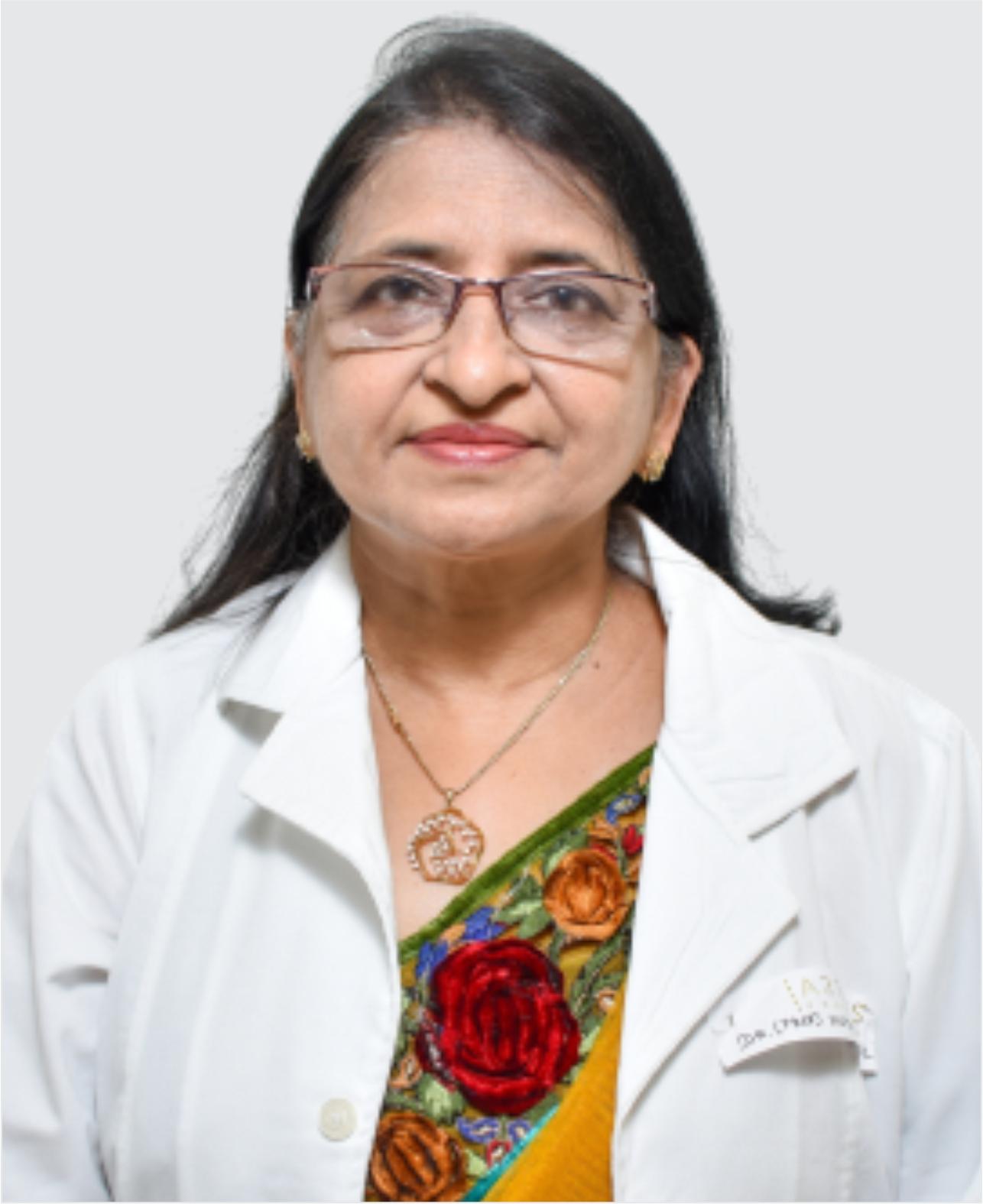
Head of Department - Gynae Endocrinology & DNB Program Director - Obs & Gynae
Gynaecological Endocrinology, Maternity, Obstetrics & Gynaecology
New Delhi
35+ Years
Experience
Artemis Hospital
Hospital
1500
Fees

Senior Consultant - ENT
ENT and Head & Neck Surgery
New Delhi
24+ Years
Experience
Artemis Hospital
Hospital
1500
Fees

Consultant (Head & Neck Surgery) - Surgical Oncology
Head and Neck Surgical Oncology
New Delhi
10+ Years
Experience
Artemis Hospital
Hospital
1500
Fees

Chairperson - Gynae Oncology
Gynaecological Oncology
New Delhi
16+ Years
Experience
Artemis Hospital
Hospital
1500
Fees
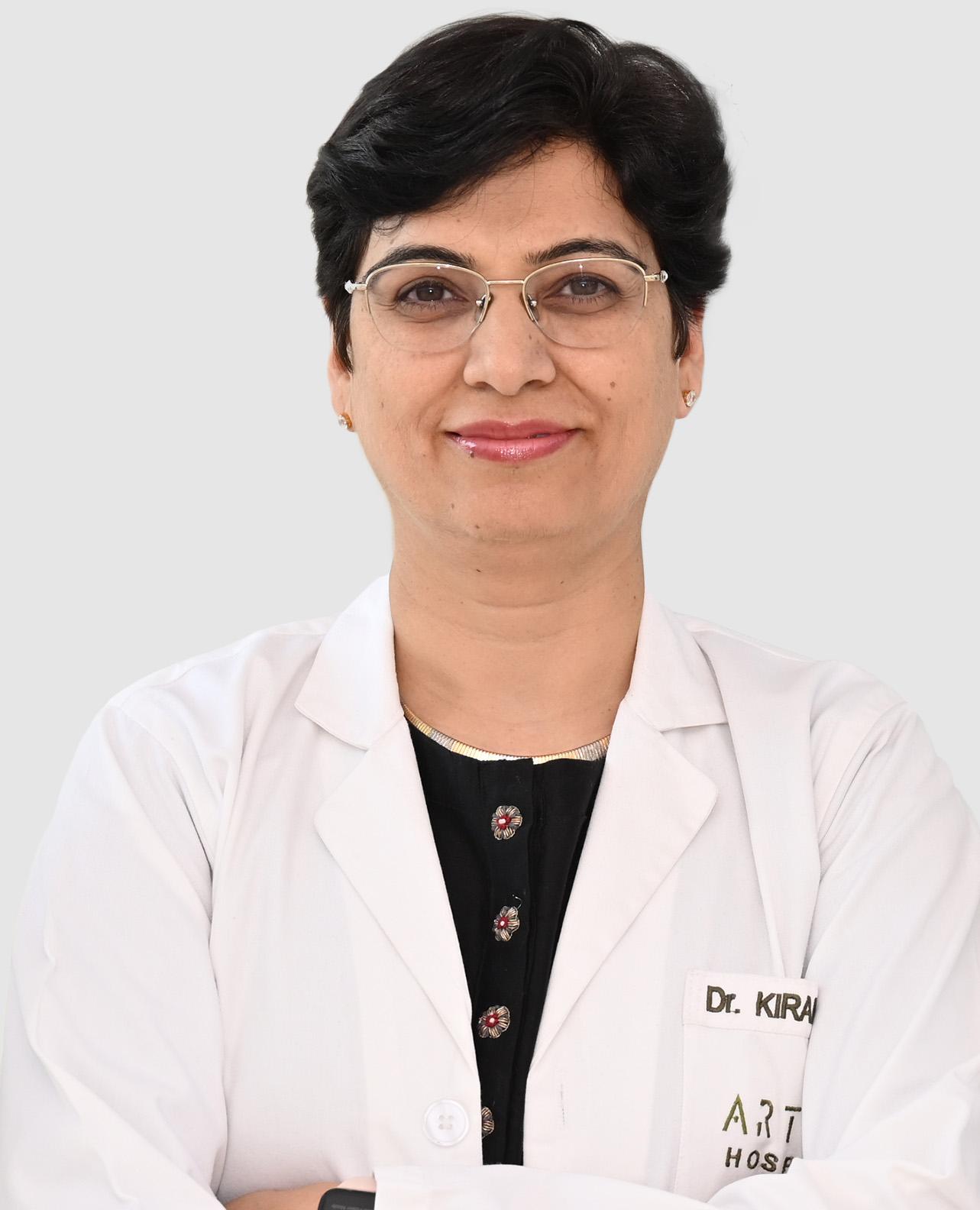
Unit Head - Reproductive Medicine (Unit II)
IVF, Reproductive Medicine, Obstetrics & Gynecology
New Delhi
20+ Years
Experience
Artemis Hospital
Hospital
1500
Fees
Sr. Consultant - Obs & Gynae
Maternity, Obstetrics & Gynaecology
New Delhi
15+ Years
Experience
Artemis Hospital
Hospital
1500
Fees

Unit Head - Obs & Gynae
Maternity, Obstetrics & Gynaecology
New Delhi
19+ Years
Experience
Artemis Hospital
Hospital
1500
Fees
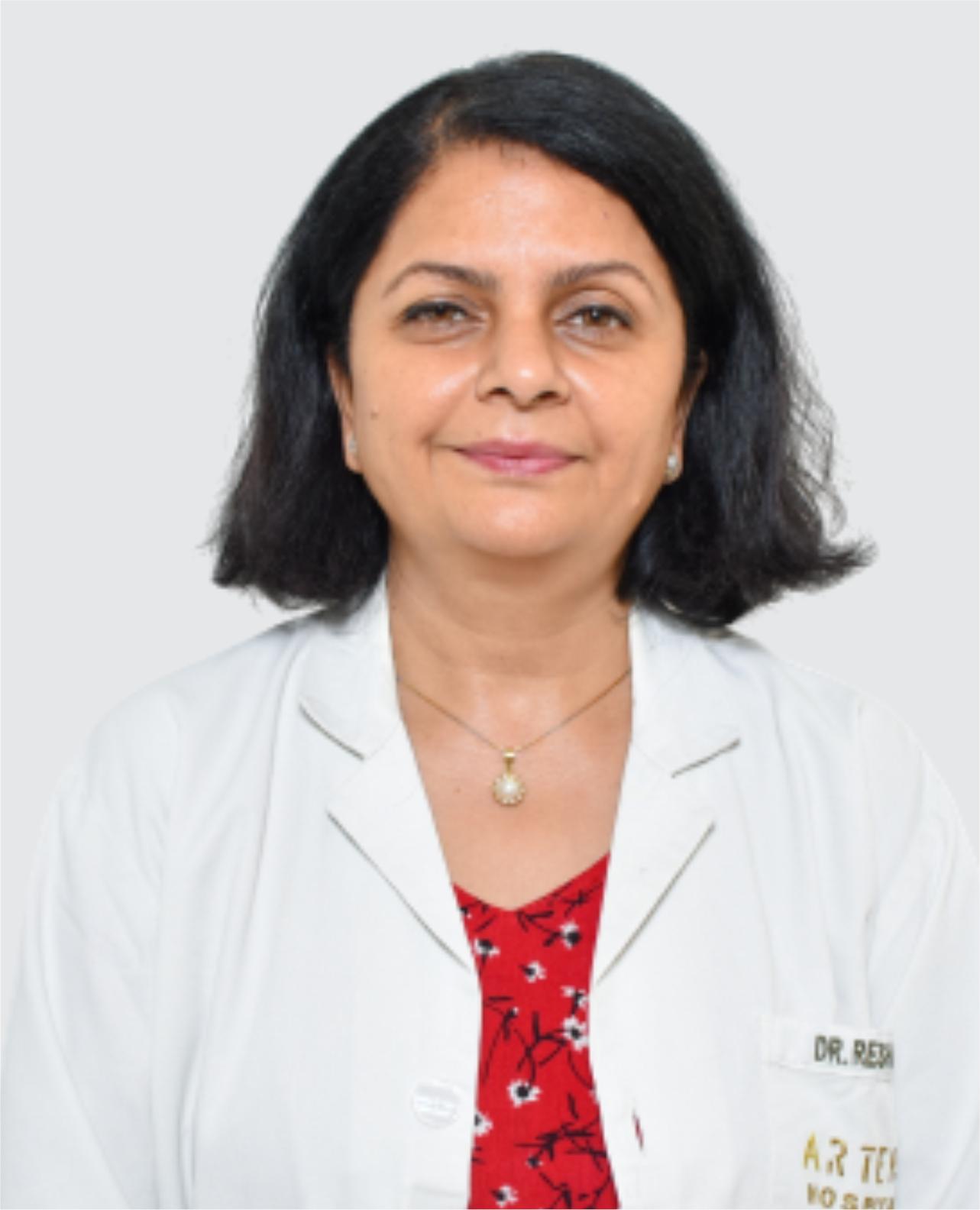
Director
Obstetrics and Gynaecology
New Delhi
19+ Years
Experience
Artemis Hospital
Hospital
1500
Fees
Head - Radiation Oncology & CyberKnife Centre (Unit II)
Oncology
New Delhi
23+ Years
Experience
Artemis Hospital
Hospital
1500
Fees
Unit Head & Sr. Consultant - Internal Medicine
Internal Medicine
New Delhi
14+ Years
Experience
Artemis Hospital
Hospital
1500
Fees
Sr. Consultant - Gynaecology & Obstetrics
Gynaecology & Obstetrics
New Delhi
15+ Years
Experience
Apolo Delhi
Hospital
1500
Fees
Director
Obstetrics & Gynaecology
New Delhi
15+ Years
Experience
Artemis Hospital
Hospital
1500
Fees

Classified Consultant
Obstetrics & Gynaecology, Maternity, Women's Health
New Delhi
8+ Years
Experience
Artemis Hospital
Hospital
1500
Fees
Consultant
Obstetrics & Gynaecology
New Delhi
8+ Years
Experience
Artemis Hospital
Hospital
1500
Fees

Director, Medical Oncology
Medical Oncology and Haematology
New Delhi
26+ Years
Experience
Max Hospital,Gurgaon
Hospital
1500
Fees
Vice Chairman - Nephrology
Nephrology & Renal Transplant Medicine
New Delhi
17+ Years
Experience
Max Hospital,Gurgaon
Hospital
1500
Fees
Principal Director - Max Lab & Blood Bank Services
Laboratory Medicine, Transfusion Medicine
New Delhi
32+ Years
Experience
Max Hospital,Gurgaon
Hospital
1500
Fees

Principal Director - Radiation Oncology
Radiation Oncology
New Delhi
23+ Years
Experience
Max Hospital,Gurgaon
Hospital
1500
Fees

Principal Director – Surgical Oncology (Gynae & Robotic Surgery)
Gynecologic Oncology, Robotic & Laparoscopic Surgery, Gynae Cancer Care, Surgical Oncology
New Delhi
39+ Years
Experience
Max Hospital,Gurgaon
Hospital
1500
Fees

Principal Director & HOD
Paediatrics (Ped)
New Delhi
30+ Years
Experience
Max Hospital,Gurgaon
Hospital
1500
Fees

Principal Director (Obstetrics & Gynaecology) & Head of Unit
Obstetrics, Gynaecology, Gynaecologic Laparoscopy, High-Risk Pregnancy, Endoscopy Surgery
New Delhi
44+ Years
Experience
Max Hospital,Gurgaon
Hospital
1500
Fees
Principal Director - Obstetrics & Gynaecology
Obstetrics And Gynaecology, Robotic Surgery, Gynaecologic Laparoscopy
New Delhi
33+ Years
Experience
Max Hospital,Gurgaon
Hospital
1500
Fees
Sr. Consultant
Obstetrics & Gynaecology
New Delhi
20+ Years
Experience
Apolo Delhi
Hospital
1500
Fees
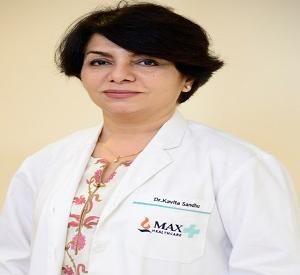
Sr. Consultant
Obstetrics And Gynaecology
New Delhi
15+ Years
Experience
Apolo Delhi
Hospital
1500
Fees
Senior Consultant - Obstetrics and Gynaecology
Obstetrics and Gynaecology
New Delhi
24+ Years
Experience
Apolo Delhi
Hospital
1500
Fees
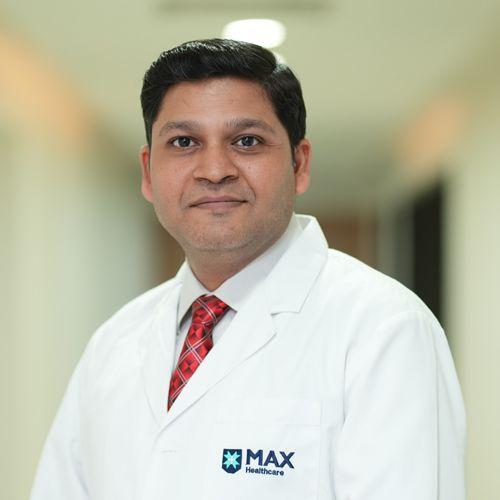
Director - Obstetrics & Gynaecology
Obstetrics & Gynaecology
New Delhi
18+ Years
Experience
Apolo Delhi
Hospital
1500
Fees

Senior Consultant
Obstetrics & Gynaecology
New Delhi
22+ Years
Experience
Apolo Delhi
Hospital
1500
Fees
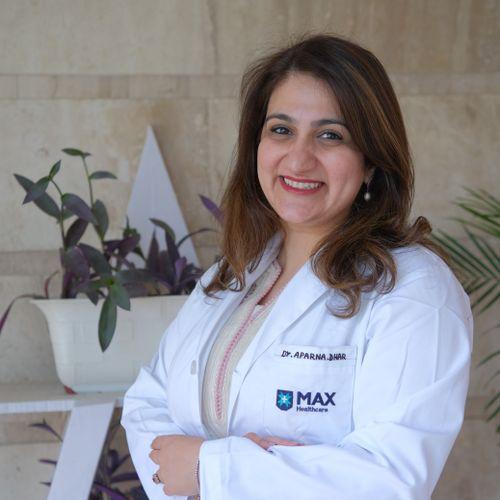
Senior Consultant - Obstetrics & Gynaecology
Obstetrics & Gynaecology
New Delhi
23+ Years
Experience
Apolo Delhi
Hospital
1500
Fees
Senior Consultant
Obstetrics and Gynaecology
New Delhi
24+ Years
Experience
Apolo Delhi
Hospital
1500
Fees
Director
Obstetrics & Gynaecology
New Delhi
20+ Years
Experience
Apolo Delhi
Hospital
1500
Fees
Director
Obstetrics & Gynaecology
New Delhi
22+ Years
Experience
Apolo Delhi
Hospital
1500
Fees
Senior Consultant
Obstetrics and Gynaecology
New Delhi
15+ Years
Experience
Apolo Delhi
Hospital
1500
Fees
Director
Obstetrics & Gynaecology
New Delhi
18+ Years
Experience
Apolo Delhi
Hospital
1500
Fees
Director & Chief of Service - Obstetrics & Gynaecology
Obstetrics & Gynaecology
New Delhi
24+ Years
Experience
Apolo Delhi
Hospital
1500
Fees
Director
Obstetrics & Gynaecology
New Delhi
18+ Years
Experience
Apolo Delhi
Hospital
1500
Fees
احصل على خيارات علاجية شخصية من أفضل مستشفيات الهند. خبراؤنا الطبيون جاهزون لمساعدتك في كل خطوة.