
Radiology Treatment in India for Ethiopia
Need Personalized Advice?
Our medical experts are ready to answer your questions and guide you through your treatment options.
Our medical experts are ready to answer your questions and guide you through your treatment options.
Ethiopian patients often face challenges accessing timely and advanced diagnostic imaging within their home country. Concerns about equipment availability, specialist expertise, and potential treatment delays can create significant anxiety when a clear diagnosis is crucial for health decisions.
For many seeking high-quality medical services, India presents a compelling option. The country has established itself as a leading destination for medical tourism, offering state-of-the-art radiology facilities spread across its major cities, ensuring widespread access to advanced diagnostic and interventional procedures.
India's medical infrastructure is built on a foundation of reputable hospitals and highly skilled radiology specialists nationwide. This extensive network means patients can trust in a system that prioritizes accurate diagnostics and well-coordinated care, supported by modern technology and experienced professionals.
Is India the right choice for your radiology needs?
Radiology is a medical specialty that uses imaging technology to diagnose and treat diseases. It involves taking pictures of the inside of the body to reveal clues about an illness, injury, or condition. Radiologists are doctors who interpret these images to help other physicians make accurate diagnoses and plan effective treatments.
Radiology encompasses a wide array of imaging techniques, each suited for different diagnostic purposes:
The specific steps for a radiology procedure depend entirely on the type of scan required and the area of the body being examined. However, there are common elements across most imaging processes.
Generally, patients are asked to remove metallic objects and change into a gown. For some scans, a contrast dye might be administered orally or intravenously to enhance image clarity. The patient is then positioned carefully on a table, which slides into the imaging machine. During the scan, it is essential to remain still to ensure clear images. For procedures like MRI, there may be loud noises from the machine. The radiology technologist monitors the process from an adjacent room, providing instructions through an intercom. Diagnostic scans are usually quick, taking anywhere from a few minutes to an hour. Interventional radiology procedures are more complex, involving precise needle or catheter guidance under real-time imaging.
For most diagnostic radiology scans like X-rays, CTs, or MRIs, there is no specific recovery period needed. Patients can usually resume their normal activities immediately after the procedure. If a contrast agent was used, you might be advised to drink extra fluids to help flush it out of your system. For interventional radiology procedures, a short period of observation in the hospital might be required to ensure there are no immediate complications. The results are typically interpreted by a radiologist and sent to your referring doctor within a few days, who will then discuss the findings with you.
Ready to get a precise diagnosis? Contact us today to explore radiology options in India.
The success rate of radiology primarily pertains to its diagnostic accuracy and its ability to guide effective treatment. With advanced technology and experienced radiologists in India, diagnostic accuracy is very high, often exceeding 95% for many conditions. Outcomes depend on the underlying condition being investigated or treated, but radiology significantly improves the chances of successful management by providing crucial insights. Long-term expectations are tied to the appropriate follow-up care based on the radiology findings.
The cost of radiology procedures in India can vary significantly based on several factors. These include the specific type of scan required (e.g., X-ray versus PET-CT), the hospital's reputation and technology, the expertise of the interpreting radiologist, whether contrast agents are used, and the city where the procedure is performed.
For many common diagnostic radiology procedures, costs in India typically range from INR 5,000 to INR 25,000.
| Indian City | Approximate Cost Range (INR) |
|---|---|
| Delhi | ₹6,000 - ₹25,000 |
| Mumbai | ₹7,000 - ₹27,000 |
| Chennai | ₹5,500 - ₹24,000 |
| Bangalore | ₹6,500 - ₹26,000 |
| Hyderabad | ₹5,000 - ₹23,000 |
| Kolkata | ₹5,000 - ₹22,000 |
| Ahmedabad | ₹4,500 - ₹21,000 |
| Pune | ₹5,500 - ₹24,500 |
| Country | Approximate Cost (USD Equivalent) |
|---|---|
| India | $60 - $300 |
| Ethiopia | $150 - $600 |
| USA | $500 - $3,000 |
| UK | $400 - $2,000 |
| Singapore | $300 - $1,500 |
| Thailand | $150 - $700 |
Have questions about radiology in India? Our team is here to provide clarity and support.
Embark on your path to clarity and accurate diagnosis with India's leading radiology services. Reach out today for personalized guidance and support for your medical journey.
India offers premium medical procedures at affordable prices. Discover our most popular treatments, delivered by the country's finest doctors.
Meet our team of highly qualified and experienced medical professionals dedicated to providing the best healthcare services.

Sr. Consultant – Women Imaging
Radiology (Specializing in Women's Imaging)
Haryana
15+ Years
Experience
Artemis Hospital
Hospital
1500
Fees
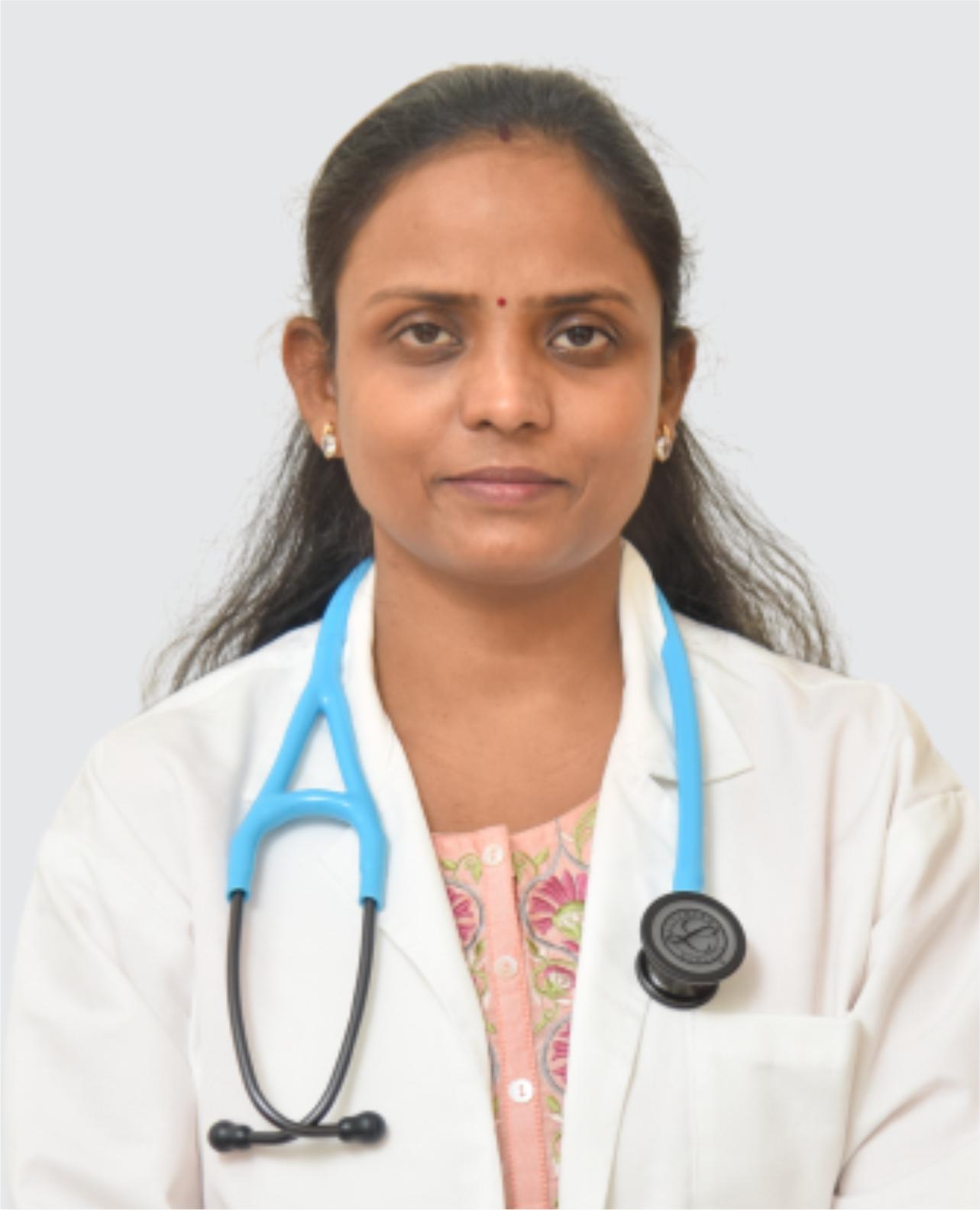
Consultant - Pediatric Rheumatology
Pediatric Rheumatology
New Delhi
13+ Years
Experience
Artemis Hospital
Hospital
1500
Fees

Sr. Consultant – Women Imaging
Radiology
New Delhi
15+ Years
Experience
Artemis Hospital
Hospital
1500
Fees

Co-Head Psychological Services
Mental Health and Behavioural Sciences
New Delhi
15+ Years
Experience
Artemis Hospital
Hospital
1500
Fees
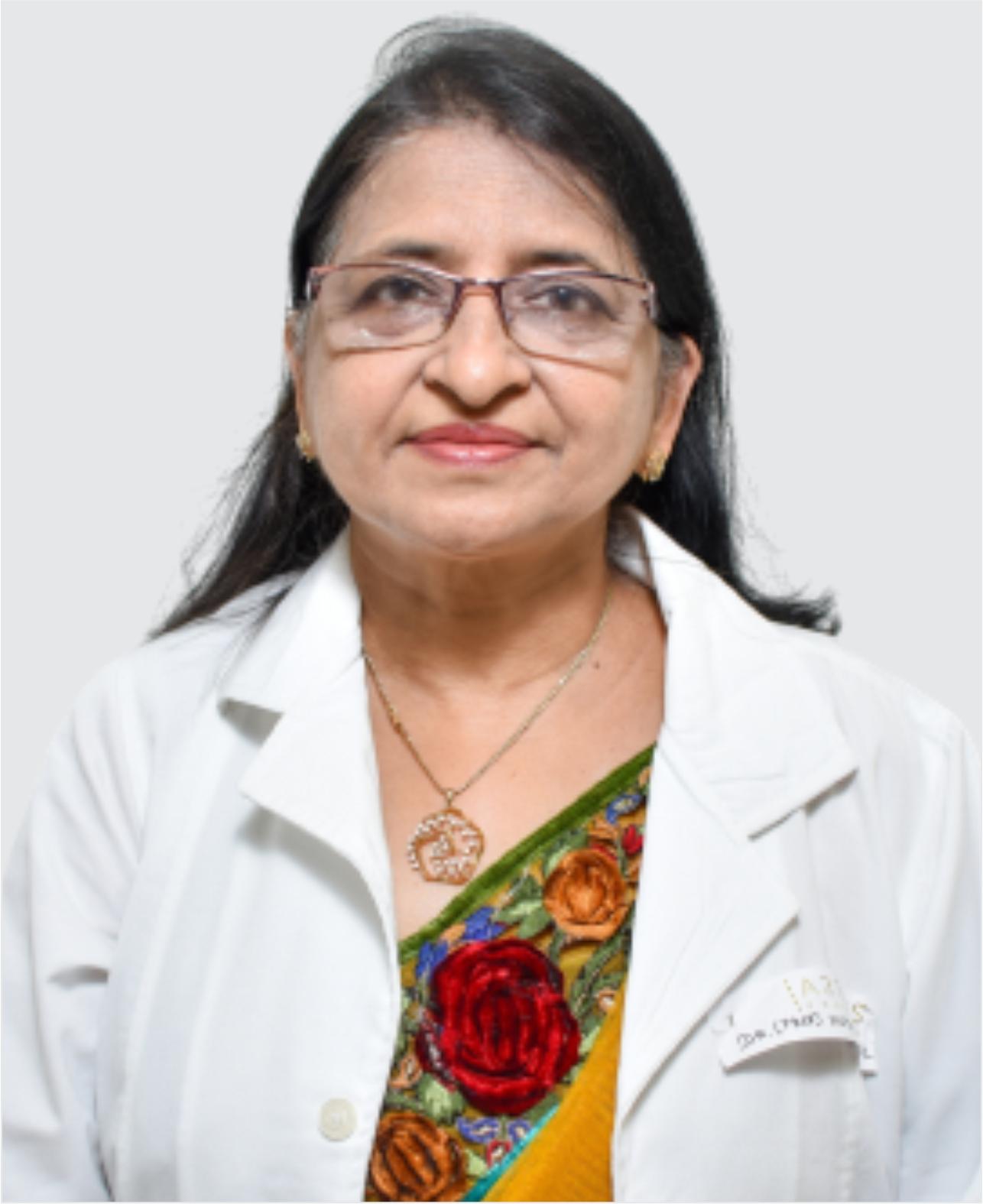
Head of Department - Gynae Endocrinology & DNB Program Director - Obs & Gynae
Gynaecological Endocrinology, Maternity, Obstetrics & Gynaecology
New Delhi
35+ Years
Experience
Artemis Hospital
Hospital
1500
Fees

Senior Consultant - ENT
ENT and Head & Neck Surgery
New Delhi
24+ Years
Experience
Artemis Hospital
Hospital
1500
Fees

Consultant (Head & Neck Surgery) - Surgical Oncology
Head and Neck Surgical Oncology
New Delhi
10+ Years
Experience
Artemis Hospital
Hospital
1500
Fees

Chairperson - Gynae Oncology
Gynaecological Oncology
New Delhi
16+ Years
Experience
Artemis Hospital
Hospital
1500
Fees
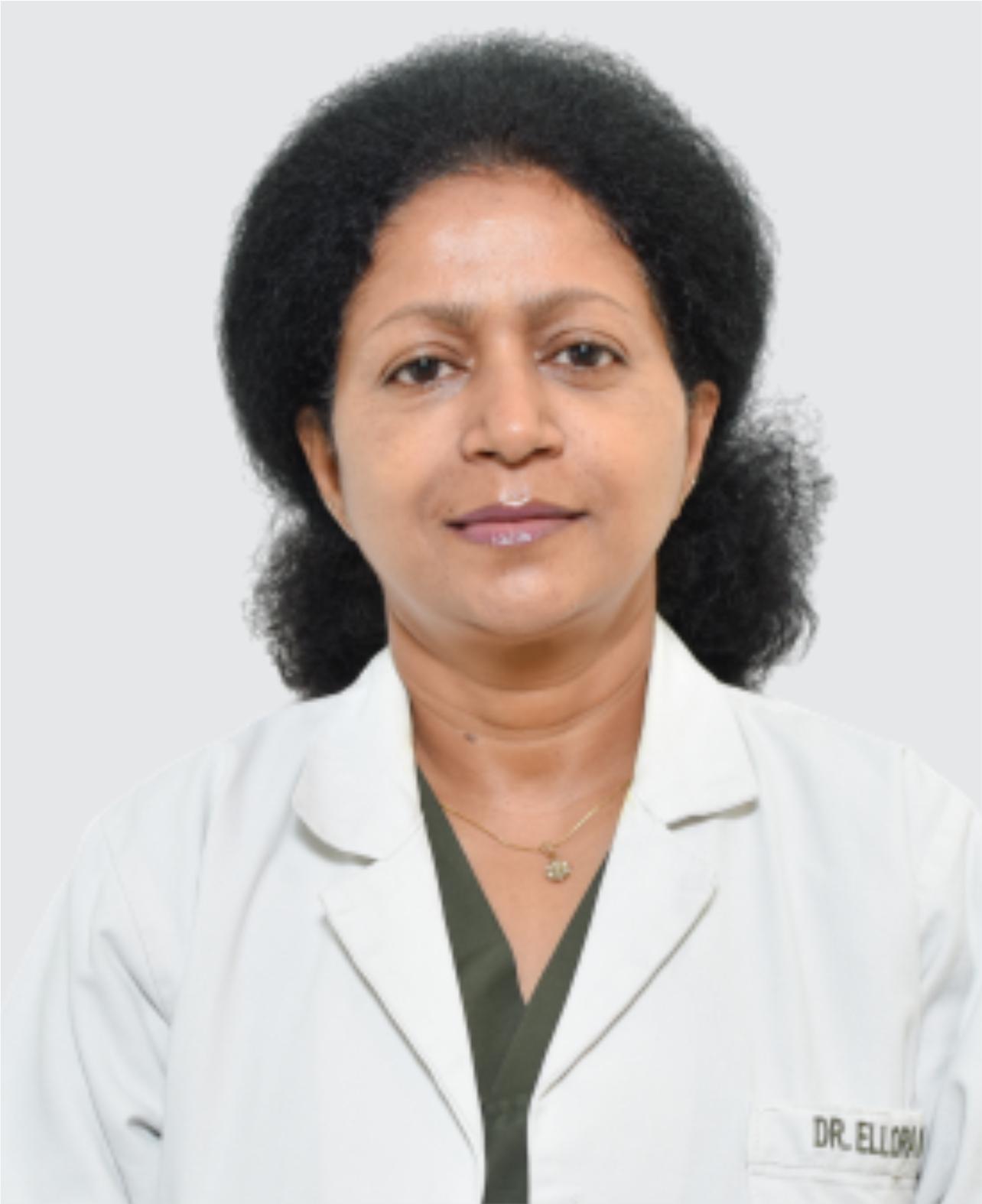
Admin Head - Emergency
Emergency & Trauma Services
New Delhi
25+ Years
Experience
Artemis Hospital
Hospital
1500
Fees
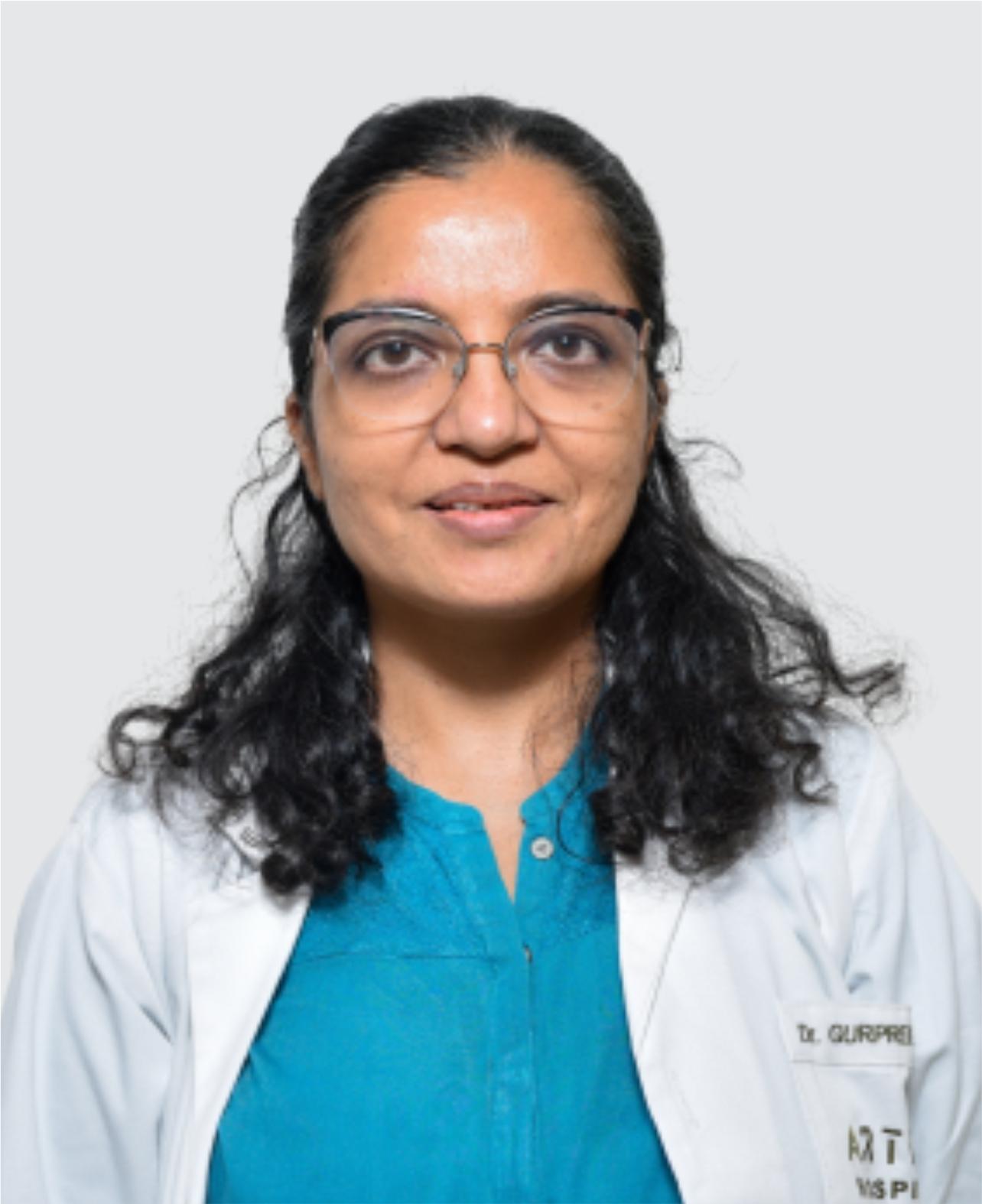
Head Imaging & Chief DNB Program
Radiology
New Delhi
19+ Years
Experience
Artemis Hospital
Hospital
1500
Fees
Get Personalized Medical Treatment Options From India's Top Hospitals. Our Medical Experts Are Ready To Assist You Every Step Of The Way.