
Robotic Prostatectomy Success Rate in India
بحاجة لنصيحة شخصية؟
خبراؤنا الطبيون جاهزون للإجابة عن أسئلتك وإرشادك خلال خيارات العلاج.
خبراؤنا الطبيون جاهزون للإجابة عن أسئلتك وإرشادك خلال خيارات العلاج.
Understanding the Robotic Prostatectomy success rate in India is vital for patients considering this advanced treatment for prostate cancer. Success is multi-faceted, often depending on the cancer's stage, the patient's overall health, and the specific surgical approach. India has emerged as a significant hub for medical procedures, and evaluating its outcomes helps patients make informed healthcare decisions.
The Robotic Prostatectomy survival rate in India is meticulously tracked and compared with global benchmarks. Aggregated clinical data from various leading institutions contribute to this assessment, highlighting outcome trends across different patient profiles and treatment methodologies. These evaluations ensure that patients receive care aligned with established evidence-based protocols, supporting confident decisions.
For Robotic Prostatectomy, "success" typically encompasses complete cancer removal, alongside the preservation of urinary continence and sexual function. It signifies an effective treatment where the patient achieves long-term disease control, often moving towards remission. Success also considers the Robotic Prostatectomy recovery rate in India, focusing on swift return to daily activities and minimal post-operative complications, balancing both short-term and enduring patient well-being.
Success rates vary depending on treatment approach and patient factors.
| Outcome Goal | Typical Focus | Success Rate Range (%) | What Success Indicates |
|---|---|---|---|
| Cancer Control | Complete tumor removal, negative margins | 85%–95% | Absence of detectable cancer post-surgery; low recurrence risk. |
| Urinary Continence | Full bladder control post-recovery | 70%–90% | Patient regains ability to control urine flow without leakage. |
| Erectile Function Preservation | Retention of sexual potency | 50%–80% | Ability to achieve or maintain an erection, often with aid. |
Patient age significantly influences outcomes, as does the cancer's stage. Stage wise Robotic Prostatectomy survival rate in India often shows better prognosis for early-stage disease regardless of age, though younger, healthier patients generally exhibit superior functional recovery. These trends align with internationally observed clinical data, where age and disease characteristics are key prognostic indicators.
| Age Group | Primary Outcome Focus | Success Rate Range (%) |
|---|---|---|
| Under 60 Years | Cancer control and functional recovery | 80%–95% |
| 60-70 Years | Balanced cancer control and functional preservation | 75%–90% |
| Over 70 Years | Cancer control and quality of life | 65%–85% |
Robotic Prostatectomy success rates in India are comparable with international standards when similar protocols, technology, and rigorous patient selection criteria are applied. India's healthcare infrastructure continues to advance, ensuring outcomes that align with leading global centers for complex procedures.
| Country | Treatment Success Rate Range (%) |
|---|---|
| India | 75%–90% |
| United States | 80%–92% |
| United Kingdom | 78%–90% |
| Germany | 79%–91% |
| Singapore | 77%–89% |
| Thailand | 74%–88% |
| Turkey | 76%–88% |
These success rates are indicative and can vary significantly based on individual patient health, specific disease characteristics, and the chosen treatment approach. Outcomes are never guaranteed.
Understanding success rates helps patients navigate complex healthcare decisions. We encourage consulting with specialists, reviewing personal health factors, and discussing expectations to ensure treatment aligns with individual goals.
India offers premium medical procedures at affordable prices. Discover our most popular treatments, delivered by the country's finest doctors.
Meet our team of highly qualified and experienced medical professionals dedicated to providing the best healthcare services.

Sr. Consultant - Urology & Kidney Transplant Program (Unit I)
Urology, Kidney Transplant, Urological Cancers
Haryana
8+ Years
Experience
Artemis Hospital
Hospital
1500
Fees
Consultant - Pediatric Rheumatology
Pediatric Rheumatology
New Delhi
13+ Years
Experience
Artemis Hospital
Hospital
1500
Fees

Unit Head
Maternity, Obstetrics & Gynaecology
New Delhi
20+ Years
Experience
Artemis Hospital
Hospital
1500
Fees

Principal Lead - Physiotherapy
Physiotherapy and Rehabilitation
New Delhi
13+ Years
Experience
Artemis Hospital
Hospital
1500
Fees

Chairperson
Radiology
New Delhi
28+ Years
Experience
Artemis Hospital
Hospital
1500
Fees
Head - Kidney Transplant & Associate Chief - Uro-Oncology & Robotic Surgery (Unit I)
Nephrology, Organ Transplant, Robotic Surgery, Urology
New Delhi
15+ Years
Experience
Artemis Hospital
Hospital
1500
Fees
Admin Head - Emergency
Emergency & Trauma Services
New Delhi
25+ Years
Experience
Artemis Hospital
Hospital
1500
Fees

Head Imaging & Chief DNB Program
Radiology
New Delhi
19+ Years
Experience
Artemis Hospital
Hospital
1500
Fees
Sr. Consultant - Paediatrics & Head - Medical Services and Medical Superintendent
Paediatric
New Delhi
10+ Years
Experience
Artemis Hospital
Hospital
1500
Fees
Sr. Consultant
Paediatric Surgery
New Delhi
10+ Years
Experience
Artemis Hospital
Hospital
1500
Fees
Consultant
Paediatric
New Delhi
15+ Years
Experience
Artemis Hospital
Hospital
1500
Fees

Director
Neonatology
New Delhi
11+ Years
Experience
Artemis Hospital
Hospital
1500
Fees
Director & Head of Pediatric Services, Max Healthcare
Pediatric Surgery
New Delhi
30+ Years
Experience
Max Hospital,Gurgaon
Hospital
1500
Fees
Sr. Consultant - Orthopaedics & Joint Replacement
Orthopaedics & Joint Replacement
New Delhi
20+ Years
Experience
Apolo Delhi
Hospital
1500
Fees
Principal Consultant
Paediatric Endocrinology & Diabetes
New Delhi
24+ Years
Experience
Apolo Delhi
Hospital
1500
Fees
Senior Consultant - Endocrinology
Endocrinology
New Delhi
40+ Years
Experience
Apolo Delhi
Hospital
1500
Fees

Senior Director, Head of Department - Urology, Uro-Oncology, Robotics and Renal Transplant
Urology, Uro-Oncology, Robotics and Renal Transplant
New Delhi
25+ Years
Experience
Apolo Delhi
Hospital
1500
Fees
Associate Director - Urology and Renal Transplant
Urology
New Delhi
27+ Years
Experience
Apolo Delhi
Hospital
1500
Fees
Associate Director - Urology and Renal Transplant
Urology
New Delhi
27+ Years
Experience
Apolo Delhi
Hospital
1500
Fees
Senior Director - Urology, Uro-Oncology, Robotics & Kidney Transplant
Urology
New Delhi
30+ Years
Experience
Apolo Delhi
Hospital
1500
Fees
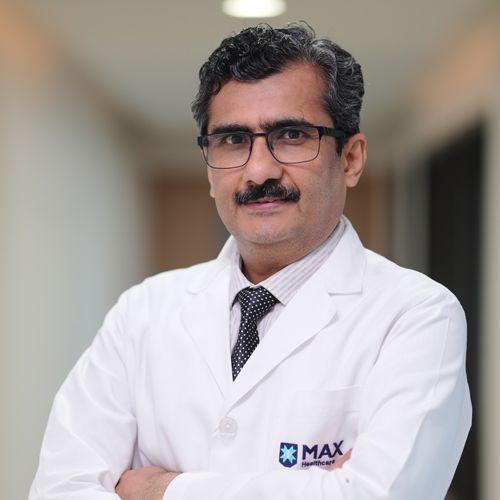
Senior Director - Urology & Kidney Transplant
Urology, Kidney Transplant
New Delhi
24+ Years
Experience
Apolo Delhi
Hospital
1500
Fees
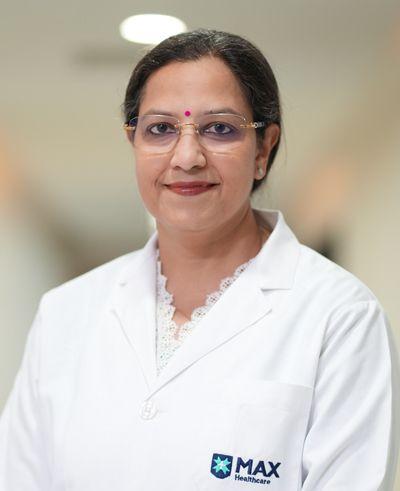
Senior Consultant - Paediatric Gastroenterology, Hepatology & Liver Transplant
Paediatric Gastroenterology, Hepatology & Liver Transplant
New Delhi
23+ Years
Experience
Apolo Delhi
Hospital
1500
Fees
احصل على خيارات علاجية شخصية من أفضل مستشفيات الهند. خبراؤنا الطبيون جاهزون لمساعدتك في كل خطوة.