
Written by DivinHeal Editorial Contributor, Samrat Nilesh, Embryologist | Medically Reviewed by Dr Indu Priya, Gynecologist(MBBS,MD) Published on: 2026-01-28
Micro-TESE & TESE Cost in India 2026: Success Rates, Procedure Guide
& Cost Comparison for UAE, Australian & UK Patients
Micro-TESE in India costs ₹1,50,000–₹3,00,000
($1,800–$3,600; AED 11,000–22,000; AUD 6,000–12,000; £5,000–£10,000) at
NABH-accredited fertility hospitals. That is 50–70% less than private urology
costs in the UAE, Australia, or the UK. Sperm retrieval rates at top Indian
centres match or beat those abroad.
This guide explains what Micro-TESE and TESE involve. It
compares them with TESA and covers who qualifies. It shares success rates from
published medical research and gives a full cost comparison in AED, AUD, and
GBP. Recovery guidance for patients from the UAE, Australia, and the UK is
covered throughout.
What Is Micro-TESE?
Definition, Procedure & Who Needs It
How Micro-TESE Works: The
Surgical Process
Micro-TESE
(Microscopic Testicular Sperm Extraction) is a keyhole surgery to find sperm
inside the testicle. The surgeon makes a small cut in the scrotum. Then they
use a powerful operating microscope set to 20–25× magnification. It helps them
find the tiny tubes most likely to hold sperm. These tubes look slightly
swollen and cloudy. The tubes with no sperm look flatter and clear.
The microscope is what sets Micro-TESE apart from standard TESE. Standard TESE takes a blind tissue sample — it removes tissue without targeting a specific spot. Micro-TESE targets only the most productive areas. The surgeon removes much less tissue. This protects testicular function and lowers the risk of problems after surgery.
What Is TESE and How Does It Differ from Micro-TESE and TESA?
Patients often
confuse three sperm retrieval surgeries because they have similar names.
Knowing the differences will help you talk with your specialist.
|
Feature |
TESA |
Conventional TESE |
Micro-TESE |
Best Used For |
|
Approach |
Needle aspiration — no incision |
Small scrotal incision, blind biopsy |
Scrotal incision + operating microscope |
TESA: Obstructive azoospermia. TESE:
NOA, simple cases. Micro-TESE: NOA with very low/no sperm production |
|
Anaesthesia |
Local or sedation |
Local or general |
General |
Micro-TESE requires general anaesthesia |
|
Duration |
20–30 min |
30–60 min |
2–4 hours |
Micro-TESE is the longest but most
precise |
|
Tissue removed |
Minimal (fluid) |
Larger blind biopsy |
Minimal — targeted under 25×
magnification |
Micro-TESE preserves most healthy tissue |
|
Sperm retrieval rate (NOA) |
10–30% |
20–40% |
40–60% |
Micro-TESE significantly outperforms
TESA/TESE in NOA |
|
India cost (approx.) |
₹40,000–₹80,000 |
₹1,00,000–₹2,00,000 |
₹1,50,000–₹3,00,000 |
All three procedures available at partner
hospitals |
Sources: ASRM
(American Society for Reproductive Medicine) Practice Committee Guidelines;
Schlegel PN, Testicular sperm extraction: microdissection improves sperm yield
with minimal tissue excision, Journal of Urology, 2009; partner hospital data
(Apollo Chennai, Fortis Noida, Medanta Gurgaon, MAX, Artemis Gurgaon).
Individual costs and outcomes vary.
The key clinical
point: Micro-TESE is the standard of care for non-obstructive azoospermia (NOA)
at experienced centres. For obstructive azoospermia — a blockage that stops
ejaculation even though sperm production is normal — TESA or standard TESE
works well. Retrieval rates reach 80–100% with less complex surgery. Your
specialist will confirm which surgery is right for you after reviewing your
semen analysis and hormone results.
Who Is a Good Candidate for
Micro-TESE?
Micro-TESE is used
for men with non-obstructive azoospermia (NOA). This means no sperm is found in
the ejaculate because the testicles are not making enough sperm. Common causes
of NOA include:
•
Klinefelter syndrome (47, XXY) — the most common genetic cause of
NOA; Micro-TESE retrieves sperm in about 50% of cases
•
Cryptorchidism (undescended testes in childhood)
— even after surgical correction, this can reduce sperm production
•
Previous chemotherapy or radiation — It can damage sperm-producing tubes;
Micro-TESE may still find areas with sperm
•
Hypogonadotropic hypogonadism — a treatable
hormone condition; hormone therapy before Micro-TESE can improve retrieval
rates
•
Unexplained NOA — no genetic or hormone cause
found; Micro-TESE still finds sperm in 40–60% of cases
•
Previous failed standard TESE — does not rule
out Micro-TESE; the microscope may find areas the blind biopsy missed
TESA is the better
choice for men with obstructive azoospermia. This includes cases from a
previous vasectomy, absent vas deferens, or ejaculatory duct blockage. Sperm
production is normal in these men. TESA retrieval rates top 90%.
What Happens on the Day of
Micro-TESE?
Micro-TESE is done
under general anaesthesia. The surgery takes 2–4 hours. The speed depends on
how quickly viable tubes are found. The surgeon and the embryology team work together. The
surgeon takes tissue samples, and the embryologist checks them right
away under a microscope. They tell the surgical team in real time whether sperm
has been found.
Most patients go
home the same day. You will need a companion for the trip home and for the
first 24 hours. The embryology team confirms sperm retrieval before you leave
the recovery area. If sperm is found, the team either uses it fresh in a
same-day ICSI cycle — when the timing matches your partner’s egg retrieval — or
freezes it for a later cycle.
Micro-TESE Cost in India
2026: AED, AUD & GBP Comparison
The
table below shows the current prices for all three sperm retrieval surgeries at
partner hospitals in India that are accredited by NABH. Apollo Hospitals
Chennai, Fortis Noida, Medanta Gurgaon, MAX Hospitals, and Artemis Gurgaon are
all of these. The private benchmarks for the UAE, Australia, and the UK are
shown next to each other.
|
Procedure |
India (approx.) |
UAE (AED) |
Australia (AUD) |
UK (GBP) |
|
TESA (obstructive azoospermia) |
₹40,000–₹80,000 ($480–$960) |
AED 3,500–6,500 |
AUD 2,500–5,000 |
£1,500–£3,500 |
|
Conventional TESE |
₹1,00,000–₹2,00,000 ($1,200–$2,400) |
AED 7,300–14,600 |
AUD 3,000–6,000 |
£3,000–£6,000 |
|
Micro-TESE |
₹1,50,000–₹3,00,000 ($1,800–$3,600;
£1,450–£2,880) |
AED 11,000–22,000 |
AUD 6,000–12,000 |
£5,000–£10,000 |
|
Micro-TESE + IVF/ICSI (combined cycle) |
₹3,50,000–₹5,50,000 ($4,200–$6,600) |
AED 25,500–40,000 |
AUD 13,000–22,000 |
£10,000–£18,000 |
Sources:
Partner hospital direct pricing (India). UAE: Dubai private urology clinic
benchmarks, 2025. Australia: Private surgical unit benchmarks; Medicare does
not cover TESE/Micro-TESE for fertility treatment. UK: Private urology clinic
published tariffs 2024–25; NHS does not fund TESE for male infertility.
Currency conversions at Q1 2026 rates. All figures are approximate
private-healthcare ranges.
What Affects the Total Cost of
Micro-TESE?
Several things
can push your India cost toward the higher or lower end of the range:
•
Surgeon seniority and volume — reproductive
urologists who do 50+ Micro-TESE surgeries per year work at larger
NABH/JCI-accredited centres in Delhi NCR and Chennai
•
Whether ICSI/IVF runs in the same cycle — fresh
sperm means the timing must match your partner’s egg retrieval. That adds the
full IVF/ICSI cost to the same trip.
•
Whether freezing is needed — if the team freezes
sperm for a later IVF cycle instead of using it fresh, storage fees apply
(₹20,000–₹40,000 per year)
•
Pre-surgery tests — hormone profile (FSH, LH,
testosterone), genetic testing (karyotype, Y-chromosome microdeletion), and
testicular Doppler ultrasound are standard; the hospital bills some tests
separately.
•
Post-surgery medication — anti-inflammatories,
scrotal support, antibiotics; most NABH centres include these in the package
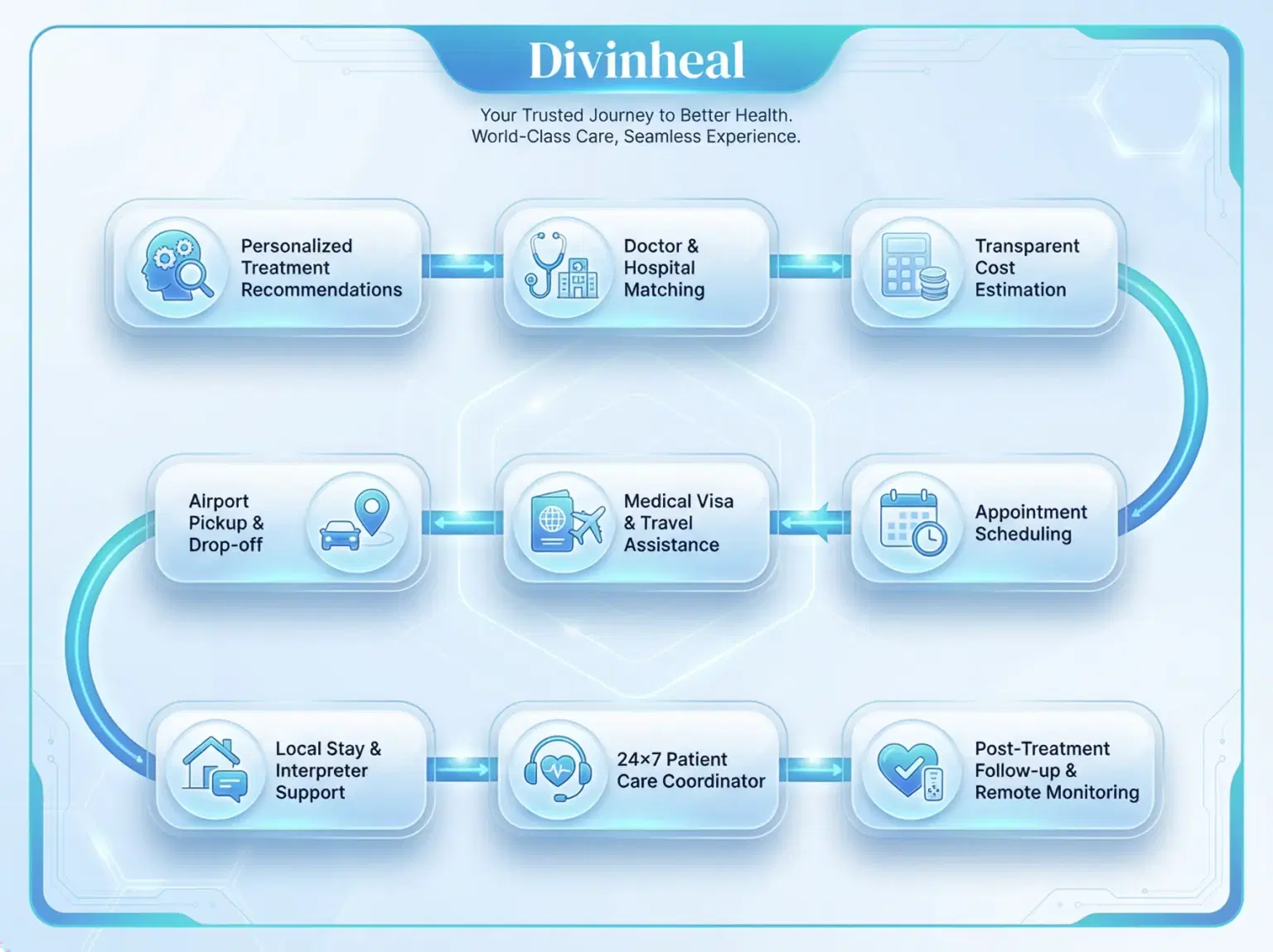
Divinheal gives
you a written, itemised cost estimate in your currency — AED, AUD, or GBP —
before you commit to travel. This covers the surgery, pre-surgery workup,
hospital stay, and any extra costs. Divinheal charges no placement fee.
Micro-TESE + IVF/ICSI: Total
Treatment Cost
The combination of
Micro-TESE with IVF and ICSI is used by doctors. An embryologist uses ICSI to
inject any number of recovered sperm into the mature eggs. In an Indian
combination treatment cycle of Micro-TESE + IVF/ICSI, the cost varies between
₹3,50,000 to ₹5,50,000 ($4,200 to $6,600; AED 25,500 to 40,000; AUD 13,000 to
22,000; £10,000 to £18,000).
In case the couple
chooses to freeze, the sperm collected from Micro-TESE is frozen and then used
for a later IVF procedure. In this case, the total cost of the procedure will
be spread over two trips to India. The Micro-TESE trip will take between 2 and
3 days, while the IVF treatment will take 12 to 18 days(stimulation, egg
retrieval, and embryo transfer). For patients who prefer this separation,
Divinheal coordinates both trips, including frozen sperm transport if needed.
Micro-TESE Success Rate:
What the Evidence Shows
What Is the Success Rate of
Micro-TESE?
Sperm retrieval
rates for Micro-TESE in men with NOA are 40–60% at experienced centres. This
comes from published reproductive urology research (Schlegel PN, Journal of
Urology, 2009; ASRM Practice Committee, Fertility and Sterility). This is the
chance of finding viable sperm, not the pregnancy rate per cycle. Once
the surgeon retrieves sperm, ICSI fertilisation rates and IVF live birth rates
apply on top.
Here is how the
full pathway works. Say the surgeon retrieves sperm in 50% of cases. And say
each IVF/ICSI cycle with that sperm has a 40–45% live birth rate (for female
partners under 35). The overall chance of a live birth from one Micro-TESE +
one IVF cycle is then about 20–28% in that scenario. Your specialist will work
out your personal outlook based on both partners’ specific factors.
Key Factors That Affect
Micro-TESE Success Rate
The most
important factors for sperm retrieval success are:
•
Underlying cause of NOA — Klinefelter syndrome:
~50% retrieval rate. Cryptorchidism (post-correction): ~35–50%.
Post-chemotherapy: varies widely depending on agents and dose. Unexplained NOA:
~40–60%.
•
Serum FSH level — high FSH (>25 IU/L) signals
extensive testicular damage; retrieval rates tend to be lower, though sperm is
sometimes still found.
•
Testicular volume — men with larger testicular
volume tend to have higher retrieval rates
•
Surgeon experience and centre volume — centres
doing 50+ Micro-TESE surgeries per year consistently outperform lower-volume
centres in published research.
•
Prior testicular surgery — a previous standard
TESE or trauma can reduce the sperm-producing areas available. But it does not
rule out Micro-TESE.
•
Genetic status — Y-chromosome microdeletions in
the AZFa or AZFb regions are linked to near-zero retrieval rates. AZFc
deletions allow retrieval in about 50–70% of cases.
At Divinheal
partner hospitals — Apollo Hospitals Chennai, Fortis Noida, Medanta Gurgaon,
MAX, and Artemis Gurgaon — genetic counselling and Y-chromosome microdeletion
testing are standard. They are part of the Micro-TESE pre-surgery workup. This
gives patients a realistic picture of their retrieval chances before the
surgery goes ahead.
IVF and ICSI After Micro-TESE:
The Next Step
Even one or two
sperm per egg is enough for ICSI. The embryologist picks the most viable sperm
under high magnification and injects them directly into each
mature egg. ICSI fertilisation rates using testicular sperm are lower than with
ejaculated sperm — 60–70% versus 70–80% for ejaculated sperm. But the embryos
that result are chromosomally normal and develop to blastocyst at a similar
rate.
Your partner’s
egg retrieval needs to match the timing of the Micro-TESE. Most centres prefer
same-day surgeries for the best sperm quality. If the team froze sperm from an
earlier Micro-TESE, your partner’s IVF cycle can happen at a convenient time.
How Many Times Can Micro-TESE Be
Performed?
Repeat Micro-TESE
is possible, but it carries more risk of testicular damage with each surgery.
Most published studies suggest waiting 6–12 months between attempts to allow
testicular recovery. Success rates on repeat surgeries are lower than the first
attempt — about 25–35% in most published studies. The decision to try again
depends on three things: why the first attempt failed, whether genetic testing
points to a productive area, and your testosterone and testicular volume after
the first surgery.
Most urologists
who specialise in reproduction would advise that you have your genetics and
hormones tested again before consenting to go through with a second micro-TESE
procedure. Donor sperm with IVF has proven to be an acceptable alternative to
the second surgery. Your specialist will share both paths with honest outcome
data.
Recovery After Micro-TESE:
Pain, Timeline & What to Expect
Is Micro-TESE Painful? Managing
Discomfort After Surgery
Micro-TESE is
done under general anaesthesia — there is no pain during the surgery. After
surgery, most patients describe a dull ache or heaviness in the scrotal area,
like a deep bruise. Oral ibuprofen or paracetamol manages this well for the
first 3–5 days. Ice packs help in the first 24–48 hours. Apply them for 20–30
minutes at a time with a cloth between the ice and skin.
Sharp or severe
pain after Micro-TESE is uncommon. Report it to your clinical team immediately.
It may signal haematoma formation. Mild to moderate aching is normal.
What Is the Recovery Time After
Micro-TESE?
From published
literature and practice in centres such as the Brisbane Urology Clinic and
NABH-approved hospitals in India::
•
Day of surgery: Day surgery – discharge on the
same day; need for a companion for 24 hours.
•
Days 1–3: Rest, reduced activity, ice packs and
oral analgesia; a slight ache is expected.
•
Days 3–5: Desk work and limited activity for the
majority of patients.
•
1–2 weeks: Avoid intense physical activity,
lifting, and exercise.
•
2–4 weeks: Complete recovery with full activity
and sex life according to the complexity of the procedure performed.
The vast majority
of foreign patients from the UAE, Australia, and the UK receive clearance for
long flights within 5-7 days after the procedure. Divinheal organises at least
7 nights of stay near the partner hospital before their travel back home. The
attending urologist schedules a follow-up telemedicine consultation on day
10-14 to evaluate the incision site and sperm retrieval outcome.
What Are the Risks of Micro-TESE
and TESE?
Micro-TESE is a
safe surgery at accredited centres. The main risks are:
•
Haematoma (blood collection) — the most common
complication; it occurs in about 2–5% of cases. Small haematomas heal with
conservative management; large ones rarely need drainage. Scrotal support and
ice reduce the risk.
•
Infection — uncommon with preventive
antibiotics, which are standard at NABH/JCI-accredited partner hospitals
•
Testicular atrophy — a partial drop in
testicular volume after extensive tissue sampling. Expert surgeons use the
microscope to limit tissue removal. This keeps the rate below 1% (Instituto
Bernabeu, published outcomes data). It is more common with standard TESE than
Micro-TESE.
•
Testosterone reduction — rare; the microscope
approach protects the blood supply to Leydig cells, which make testosterone.
Some studies show a temporary testosterone drop in the first 3–6 months; levels
return to normal in most cases.
•
Failure to find sperm (40–60% of NOA cases) —
not a complication as such, but the most serious adverse outcome. Full
pre-surgery counselling at partner hospitals ensures patients understand this
probability before going ahead.
Post-Operative Care After Micro-TESE
Your discharge
instructions will cover these areas: how to care for the incision site (keep it
clean and dry; the stitches dissolve on their own), how to wear the scrotal
support garment (continuously for the first week), your medication schedule,
and showering guidance. You will also get a list of warning signs — fever,
increasing pain, or swelling that worsens after 48 hours. At NABH-accredited
partner hospitals, all instructions are in English and sent to you digitally.
Can Sperm Retrieved from
Micro-TESE Be Cryopreserved?
Yes, and cryopreservation is standard at
all Divinheal partner hospitals. The team can vitrify (fast-freeze) sperm
retrieved during Micro-TESE and store them for future IVF/ICSI
cycles. This gives international patients two practical advantages.
Firstly, it means
that the Micro-TESE journey is separate from the IVF process. This means you
can visit India for the IVF process at a better time and do not require sperm
extraction surgery again. Secondly, if the team makes several embryos and fails
to use all of them, frozen embryo transfer (FET) procedures can be conducted
with the stored sperm.
Annual storage
costs are ₹20,000–₹40,000 ($240–$480; AED 880–1,750; AUD 370–740; £190–£385).
Patients who prefer to do the IVF cycle at home can also arrange frozen sperm
transport to a fertility clinic in the UAE, Australia, or the UK. Divinheal
coordinates the transport documents and logistics.
Micro-TESE in India for
UAE, Australian & UK Patients: Country-Specific Guide
For UAE Patients
Micro-TESE is available at some private
urology centres in Dubai and Abu Dhabi. Costs run AED 18,000–35,000 for the
surgery alone. Combined Micro-TESE + IVF cycles reach AED 35,000–60,000. India
costs AED 11,000–22,000 for Micro-TESE alone — a saving of 40–60% on the
surgery. For patients who need both partners treated together, Divinheal can
arrange both procedures at the same Indian partner hospital. This reduces the
complexity of managing treatment across two countries.
UAE patients need an Indian Medical
e-Visa — processing takes 3–5 working days. Divinheal provides the hospital
invitation letter required for the application. Direct flights from Dubai to
Delhi (DEL) take about 3 hours; to Chennai (MAA) about 3.5 hours.
For Australian Patients
Medicare does not cover TESE or
Micro-TESE for fertility treatment in Australia. The surgery is available
privately at urology centres in Sydney, Melbourne, and Brisbane. Costs run AUD
6,000–12,000 for Micro-TESE alone. IVF adds AUD 7,000–12,000 on top. India offers
Micro-TESE at AUD 6,000–12,000 — about the same. But the combined Micro-TESE +
IVF/ICSI in India costs AUD 13,000–22,000. That compares well with AUD
14,000–26,000+ at Australian private centres for the same combined treatment.
The main advantage for Australian
patients is speed and access. Wait lists for specialist reproductive urologists
in Australia run 2–6 months at most centres. Divinheal partner hospitals give a
specialist appointment within 1–2 weeks of enquiry. Australian patients need an
Indian Medical Visa — processing via VFS Global takes 5–10 working days.
Flights from Sydney or Melbourne to Delhi take about 13–14 hours with one stop.
For UK Patients
NHS funding for TESE in male infertility
is not available in most Clinical Commissioning Group areas. The NHS treats it
as a fertility treatment under the same eligibility rules as IVF. Private
urology clinics in London, Manchester, and Birmingham charge £5,000–£10,000 for
Micro-TESE alone. Combined Micro-TESE + IVF/ICSI at private UK clinics runs
£12,000–£20,000+. India costs £5,000–£10,000 total (£1,450–£2,880 for
Micro-TESE + £3,500–£7,000 for IVF/ICSI) — a combined saving of 40–60%.
UK patients need an Indian Medical Visa —
processing via VFS Global takes 10–15 working days. Apply at least 3 weeks
before travel. Divinheal provides the hospital invitation letter. Direct
flights from London Heathrow to Delhi take about 8.5 hours; to Chennai, about 9 hours.
How Divinheal Supports
UAE, Australian & UK Patients for Micro-TESE in India
Divinheal
matches each patient to the right NABH-accredited partner hospital. The match
depends on diagnosis (cause of NOA, prior surgical history, genetic results),
surgery type, and whether IVF needs to happen in the same trip. For patients
who need the highest Micro-TESE volume, the first choice is Fortis Noida and
Medanta Gurgaon in the Delhi NCR. Gulf patients who prefer a shorter flight can
use Apollo Hospitals Chennai — JCI-accredited, with a dedicated international patient department.
What Divinheal Coordinates
Divinheal takes care of the
entire medical process:
•
Clinic selection: Reproductive Urologist at an
accredited partner hospital (NABH/JCI)
•
Appointment scheduling at the partner hospital
within 1-2 weeks
•
Coordination of pre-operative tests (hormonal
profiling, genetic analysis, ultrasonography) – sometimes performed before
travelling by remote means
•
Medical visa invitation letter issued by the
partner hospital
•
Accommodations within 1-2 kilometres of the
treatment facility
•
Airport transfers upon arrival and departure
•
Access to a dedicated patient coordinator via
WhatsApp during the entire duration of your stay
•
Coordination of sperm cryopreservation and
shipment documentation, when required
•
Telemedicine consultations with the treating
urologist post-return
•
Operative report in English for your
urologist/fertility clinic back home
Patient Journeys: UAE and Australia
Khalid, 38, from Dubai,
received an NOA diagnosis due to Klinefelter syndrome. His Dubai urologist had
quoted AED 32,000 for Micro-TESE. Divinheal matched him to Fortis Noida, where
a reproductive urologist with 200+ Micro-TESE surgeries had an appointment
within 10 days. The team retrieved and froze the sperm. His wife’s IVF cycle
was done at Fortis, 6 weeks later, on a separate trip. Total India cost
for both: AED 22,500 — AED 9,500, less than the Dubai quote for
Micro-TESE alone.
The story is an illustrative composite
based on typical patient journeys. Name changed for privacy.
John, 41, from
Melbourne, had a 4-month wait for a specialist reproductive urology appointment
in Melbourne. Divinheal secured a consultation at Medanta Gurgaon within 8
days. He completed his pre-surgery genetic workup remotely before travel. The
team did the Micro-TESE on day 2 of his India trip and retrieved and froze the
sperm. He returned to Melbourne on day 7 with a full operative report. The IVF
cycle with frozen sperm is now running at his Melbourne fertility clinic using
the frozen sample transported from Medanta.
The story is an illustrative composite based on typical patient journeys. Name changed for privacy.
Final Thoughts
Micro-TESE at
NABH-accredited partner hospitals in India — Apollo Hospitals Chennai, Fortis
Noida, Medanta Gurgaon, MAX, and Artemis Gurgaon — achieves sperm retrieval
rates of 40–60% for NOA. Costs are ₹1,50,000–₹3,00,000 ($1,800–$3,600; AED
11,000–22,000; AUD 6,000–12,000; £5,000–£10,000). That is 50–70% less than
equivalent private urology care in the UAE, Australia, or the UK.
Men suffering
from non-obstructive azoospermia have an excellent opportunity of achieving
paternity through Micro-TESE. In cases where Micro-TESE fails to recover any
sperm, then donor sperm can be used to achieve fertilisation using IVF. You may
contact Divinheal for a complimentary consultation. It will include a
free-of-cost written quote in your currency, genetic counselling advice, and an
appointment with a specialist reproductive urologist.
Disclaimer:
All costs are only rough estimates for private health care between 2025 and
2026. Exchange rates are in terms of Q1 2026 exchange rates. Success rates are
based on standards from the medical literature; actual success will vary based
on the specific condition, genetic make-up, the surgeon’s skill, and the
centre's experience. Stories from patients are fictional compilations; names
have been changed for anonymity. The Divinheal medical team should verify
medical claims before publication.
Related Links
International Patient Visiting India
- tese micro tese in pune for bangladesh
- tese micro tese in hyderabad for bangladesh
- tese micro tese in chennai for uae
- tese micro tese in bengaluru for bangladesh
- tese micro tese in new delhi for bangladesh
- tese micro tese in chennai for bangladesh
- tese micro tese in bengaluru for uae
- tese micro tese in mumbai for bangladesh
Other Treatment related Information
Booking With DIVINHEAL
Get a free consultation to understand your treatment options
Related Links
International Patient Visiting India
- tese micro tese in pune for bangladesh
- tese micro tese in hyderabad for bangladesh
- tese micro tese in chennai for uae
- tese micro tese in bengaluru for bangladesh
- tese micro tese in new delhi for bangladesh
- tese micro tese in chennai for bangladesh
- tese micro tese in bengaluru for uae
- tese micro tese in mumbai for bangladesh
Other Treatment related Information
DivinHeal's Journey
Latest Articles

Hospitals Offering this treatment
India offers premium medical procedures at affordable prices. Discover our most popular treatments, delivered by the country's finest doctors.
Hisar Intercontinental Hospital
Saray Mah. Siteyolu Cad. No:7, Umraniye, 34768, Istanbul, Turkey
Hisar Intercontinental Hospital
Medical Park Group, Istanbul
Fahrettin Kerim Gokay Cad. Tıbbiye Cd., Kadikoy, Istanbul, Turkey
Medical Park Group, Istanbul
Emsey Hospital, Pendik, Istanbul
Çamlık, Selçuklu Cd. No:22, 34912 Pendik/İstanbul, Türkiye
Emsey Hospital, Pendik, Istanbul
American Hospital, Istanbul
Guzelbahce Sk. No:20, 34365, Nisantasi, Istanbul, Turkey
American Hospital, Istanbul
Memorial Hospitals Group
Burhaniye, Nagehan Sokağı No:4/A D:1, 34676 Üsküdar/İstanbul, Türkiye
Memorial Hospitals Group
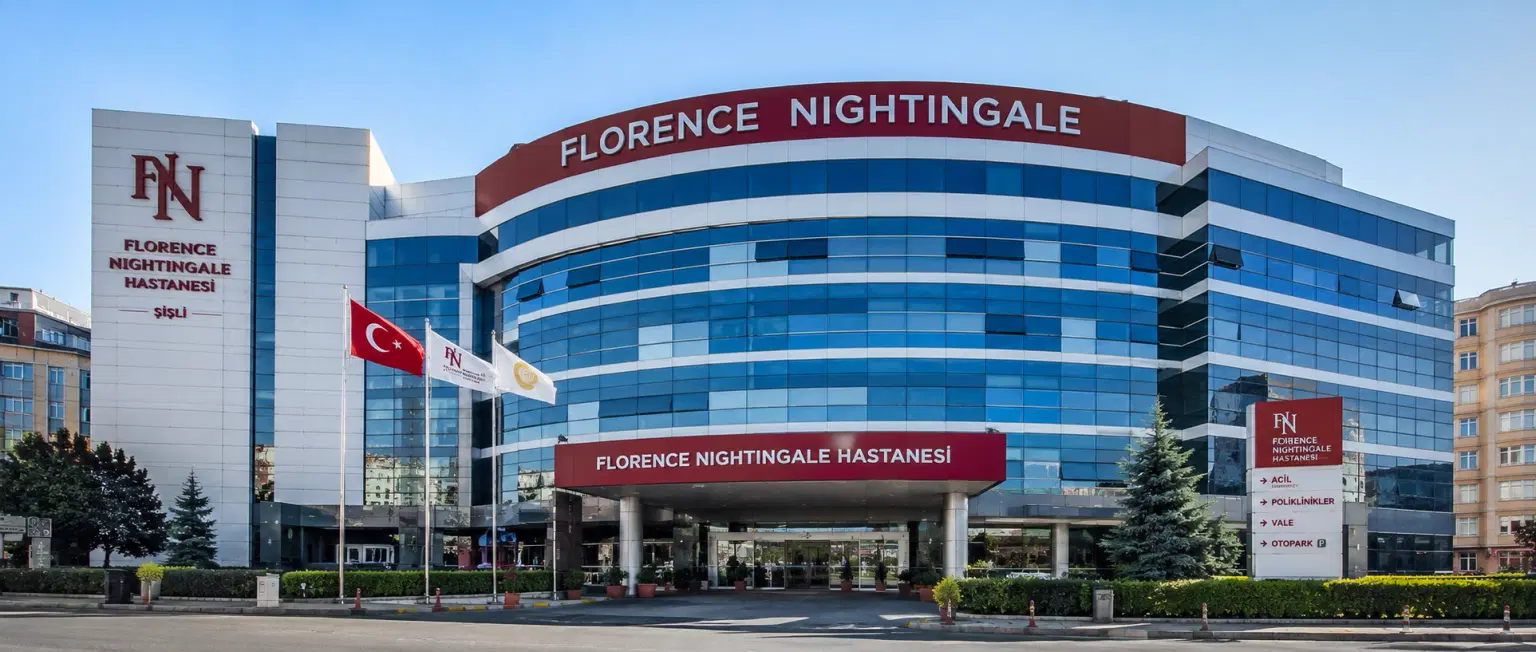
Florence Nightingale Hospital Istanbul
Abide-i Hürriyet Cd No:166, 34381 Sisli, Istanbul
Florence Nightingale Hospital Istanbul
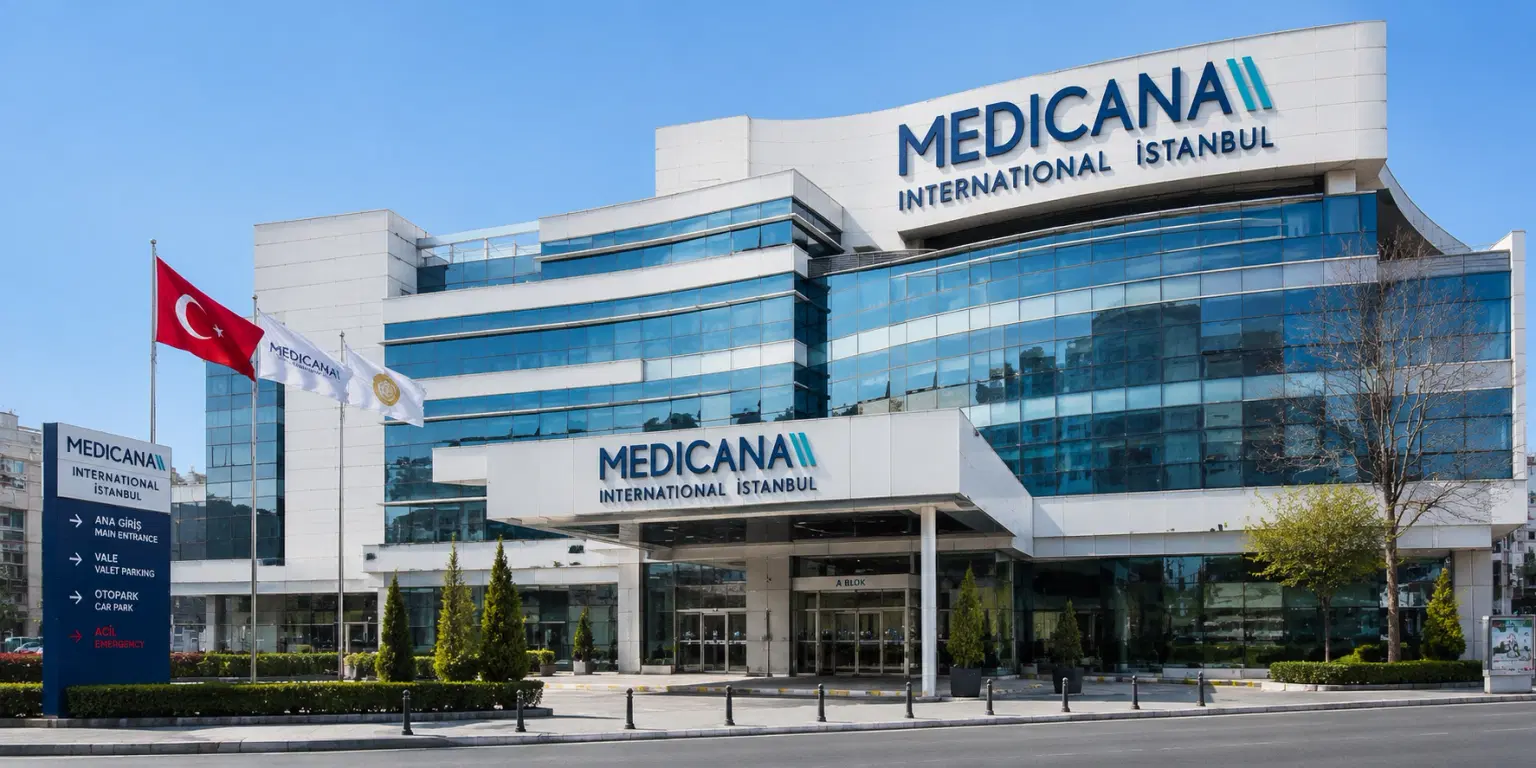
Medicana International Hospital, Istanbul
Halit Ziya Turkkani Mah. Medikal Park Cd. No:1, Beylikdüzü, İstanbul
Medicana International Hospital, Istanbul
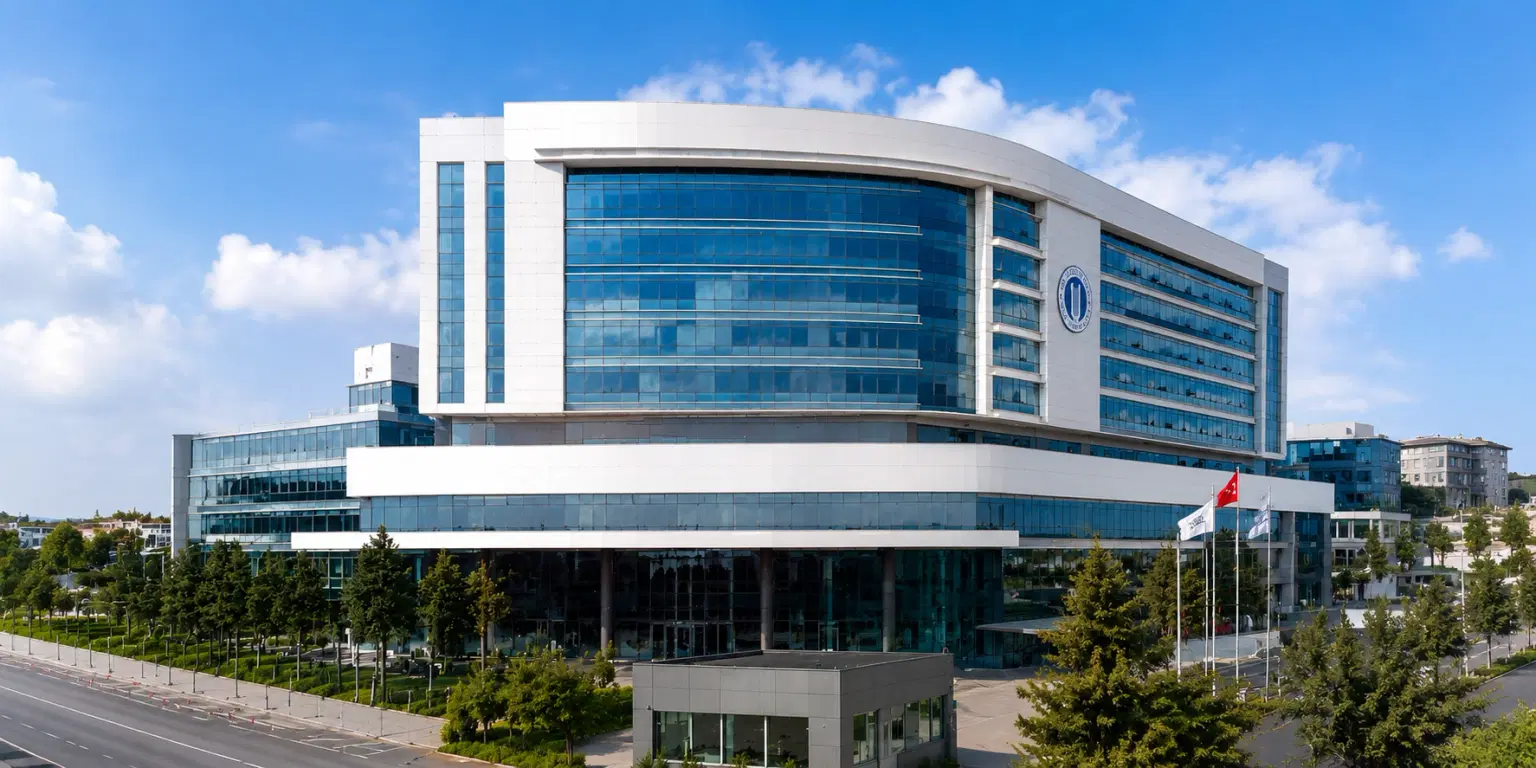
Okan University Hospital Istanbul
Icmeler Mah. Aydınlıyolu Cd. No:2, 34947 Icmeler-Tuzla, Istanbul
Okan University Hospital Istanbul
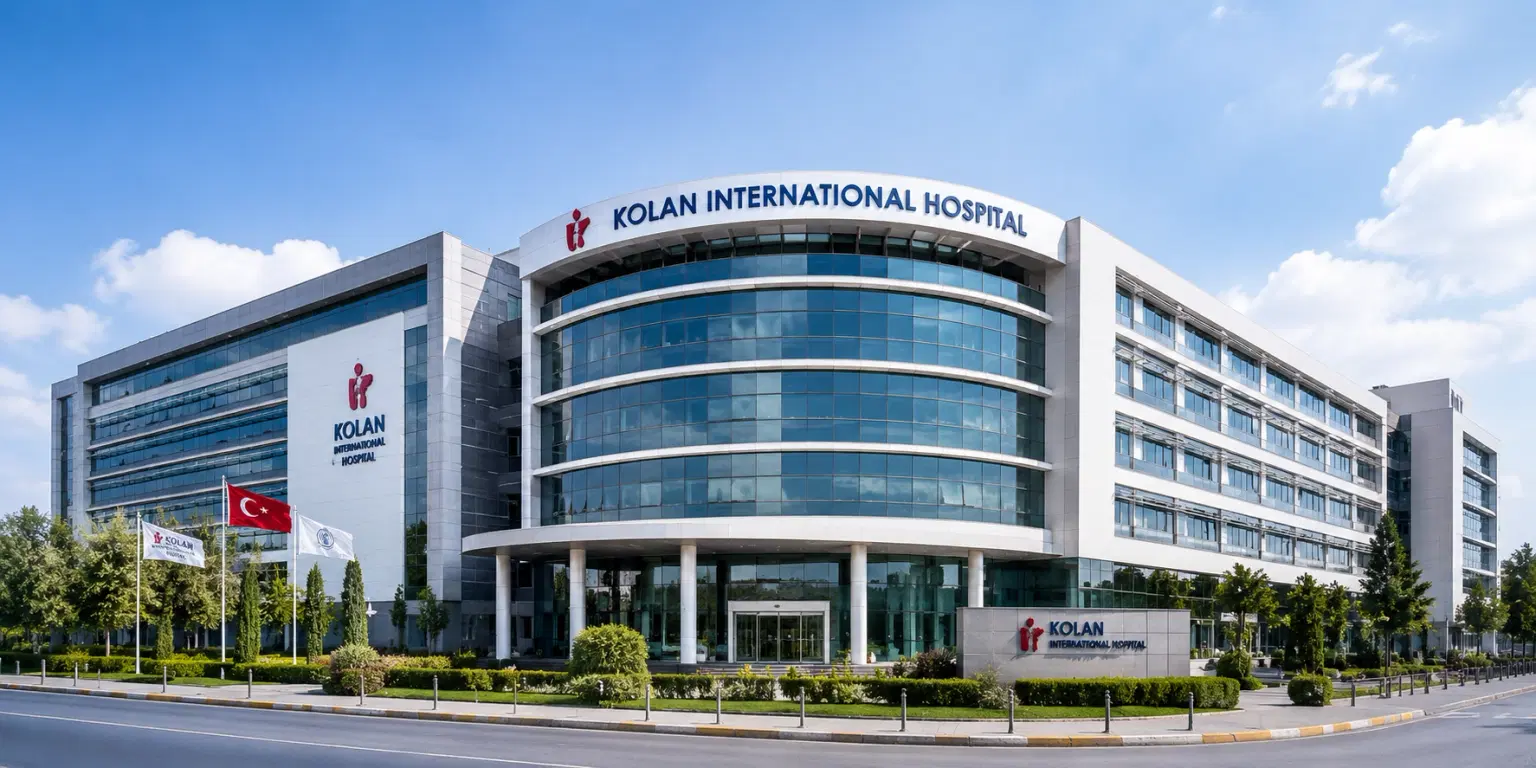
Kolan International Hospital, Istanbul
Kaptanpasa Mah. Okmeydan Kavsagi, Darulaceze Cd. No:14, 34384 Sisli, Istanbul
Kolan International Hospital, Istanbul
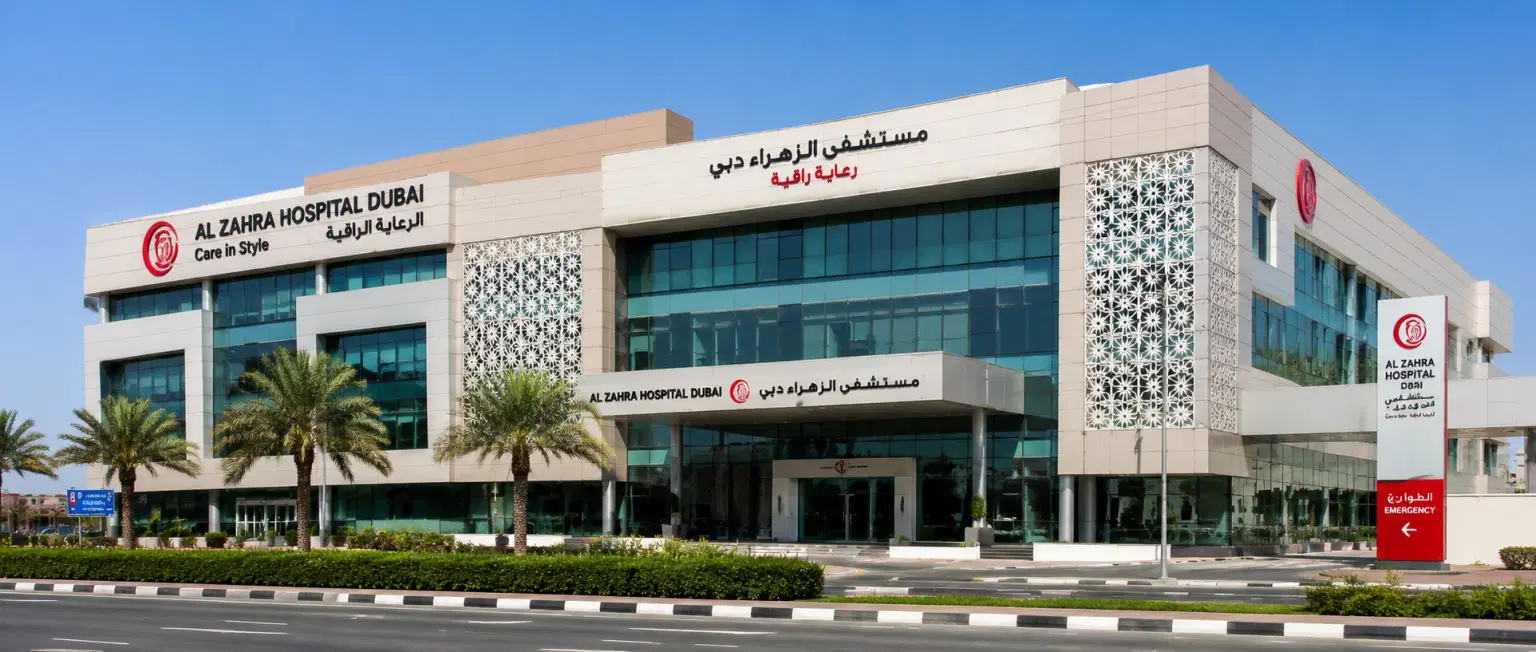
Al Zahra Hospital, Dubai
Sheikh Zayed Road, Al Barsha 1, Dubai, UAE
Al Zahra Hospital, Dubai
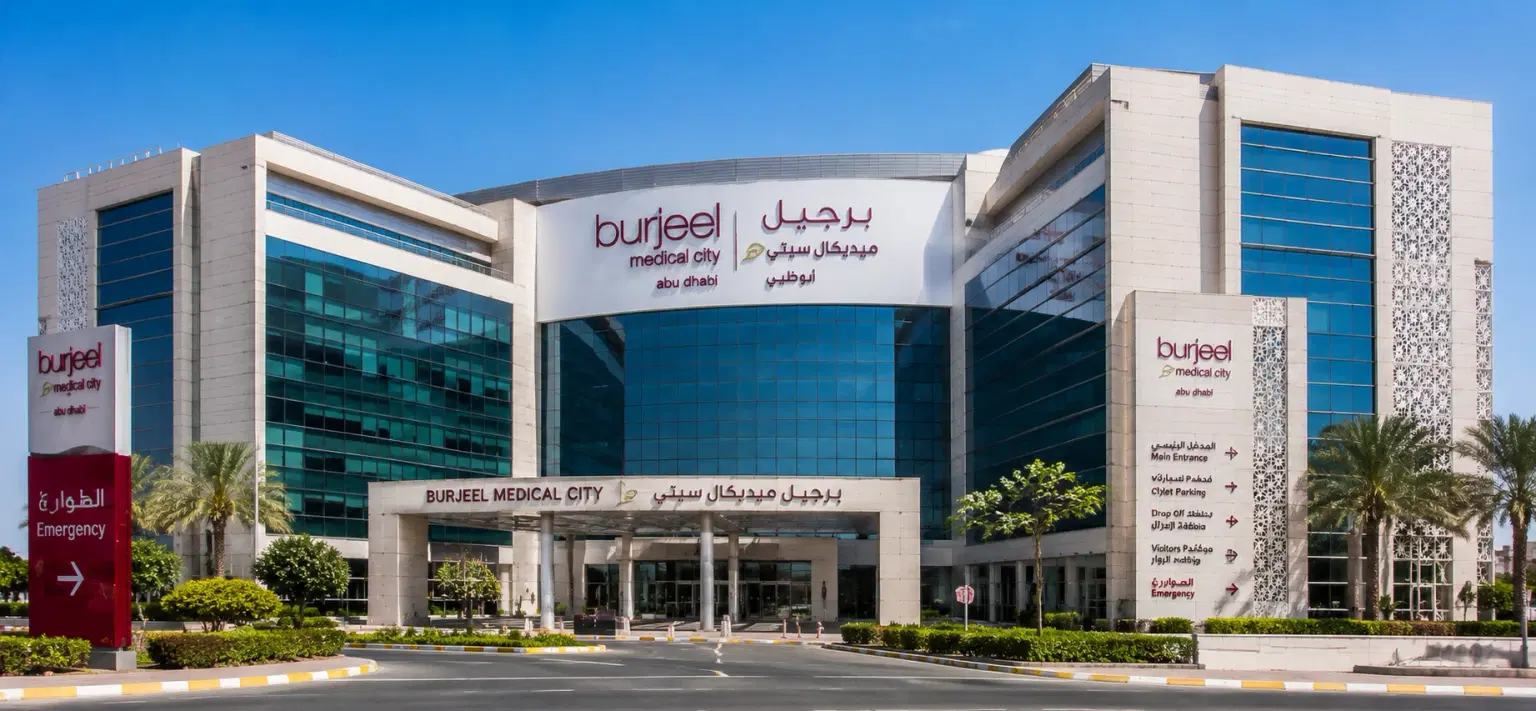
Burjeel Medical City, Abu Dhabi
28th Street, Mohammed Bin Zayed City, Abu Dhabi, UAE
Burjeel Medical City, Abu Dhabi
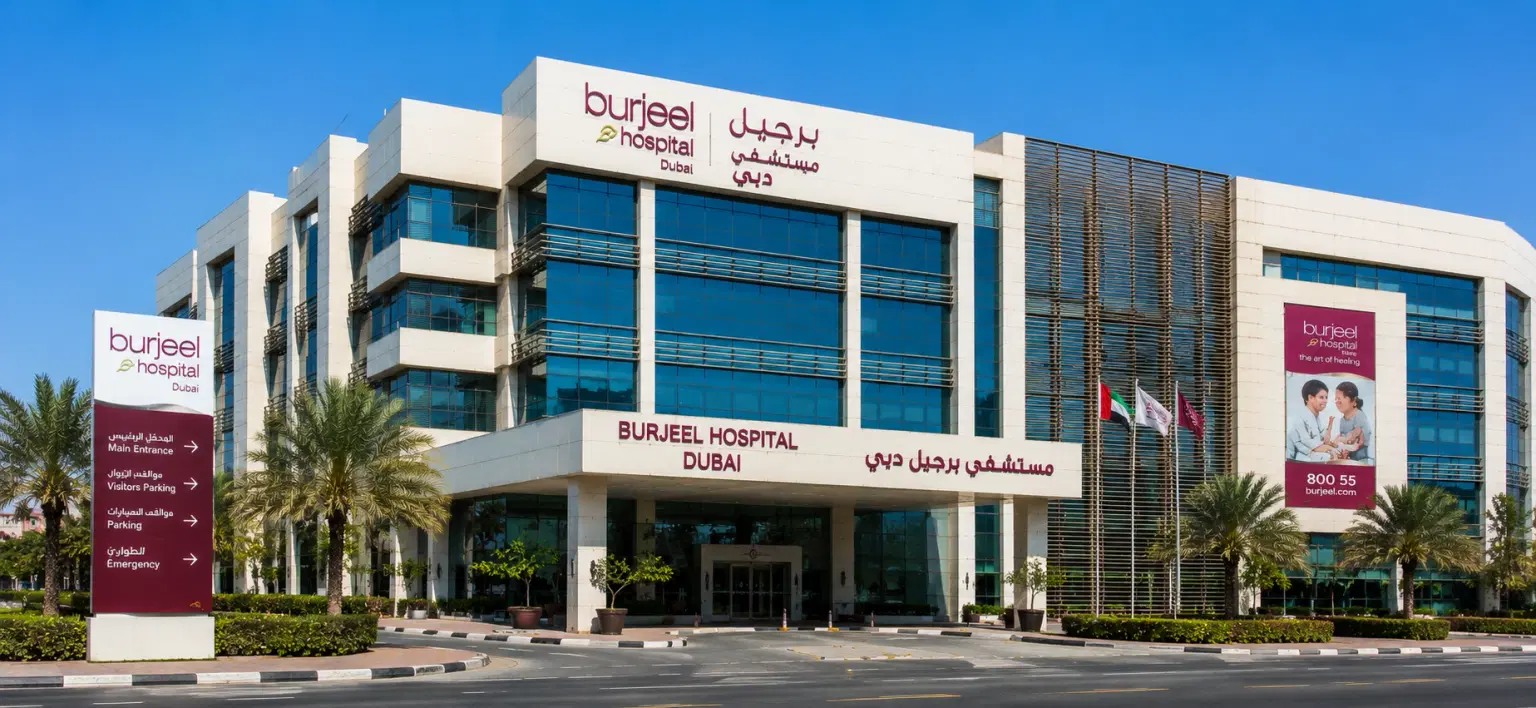
Burjeel Hospital, Dubai
Dubai, UAE (part of Burjeel Holdings network)
Burjeel Hospital, Dubai
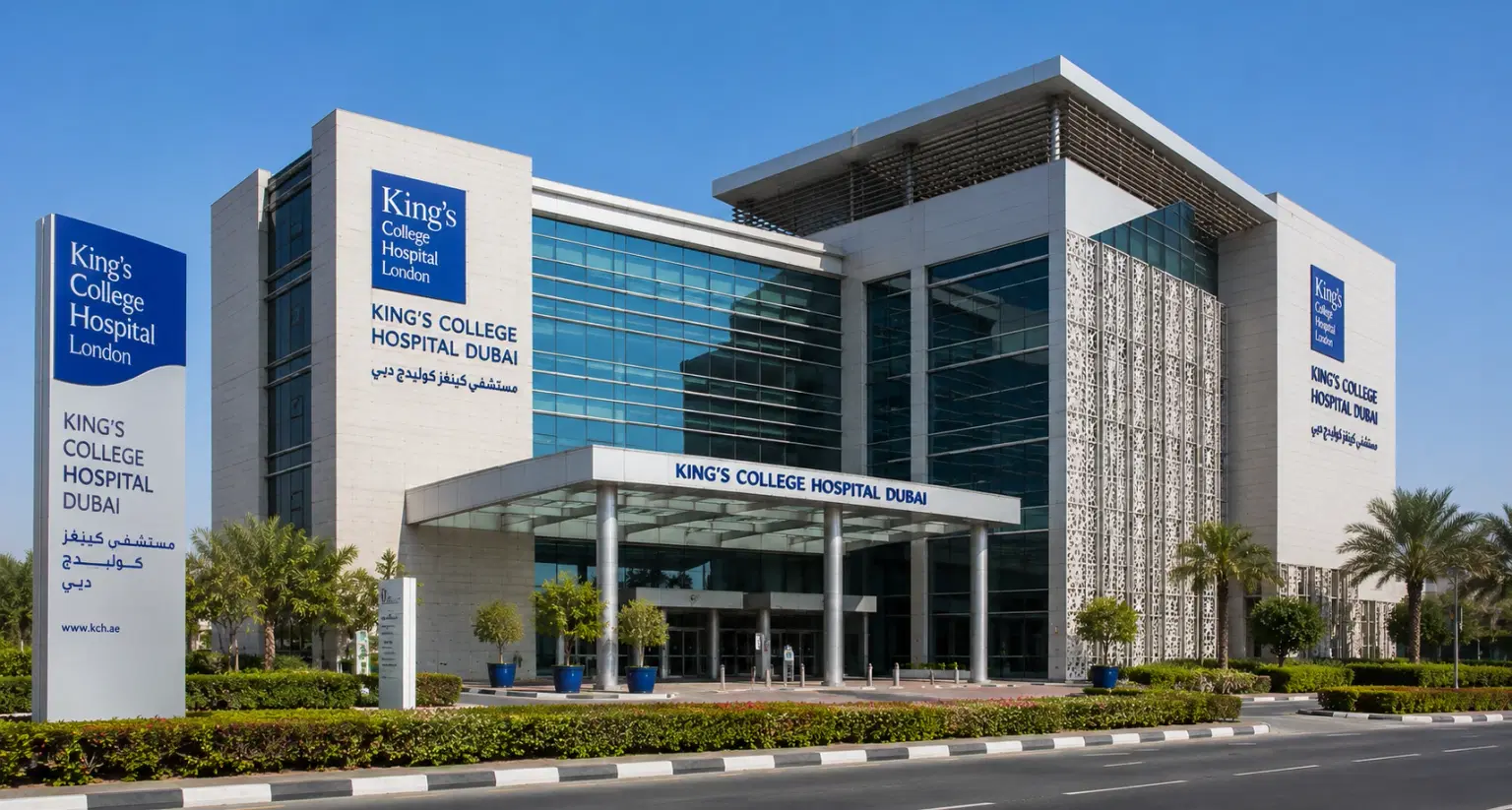
King's College Hospital, Dubai
Dubai Hills, Mohammed Bin Rashid City, Dubai, UAE
King's College Hospital, Dubai
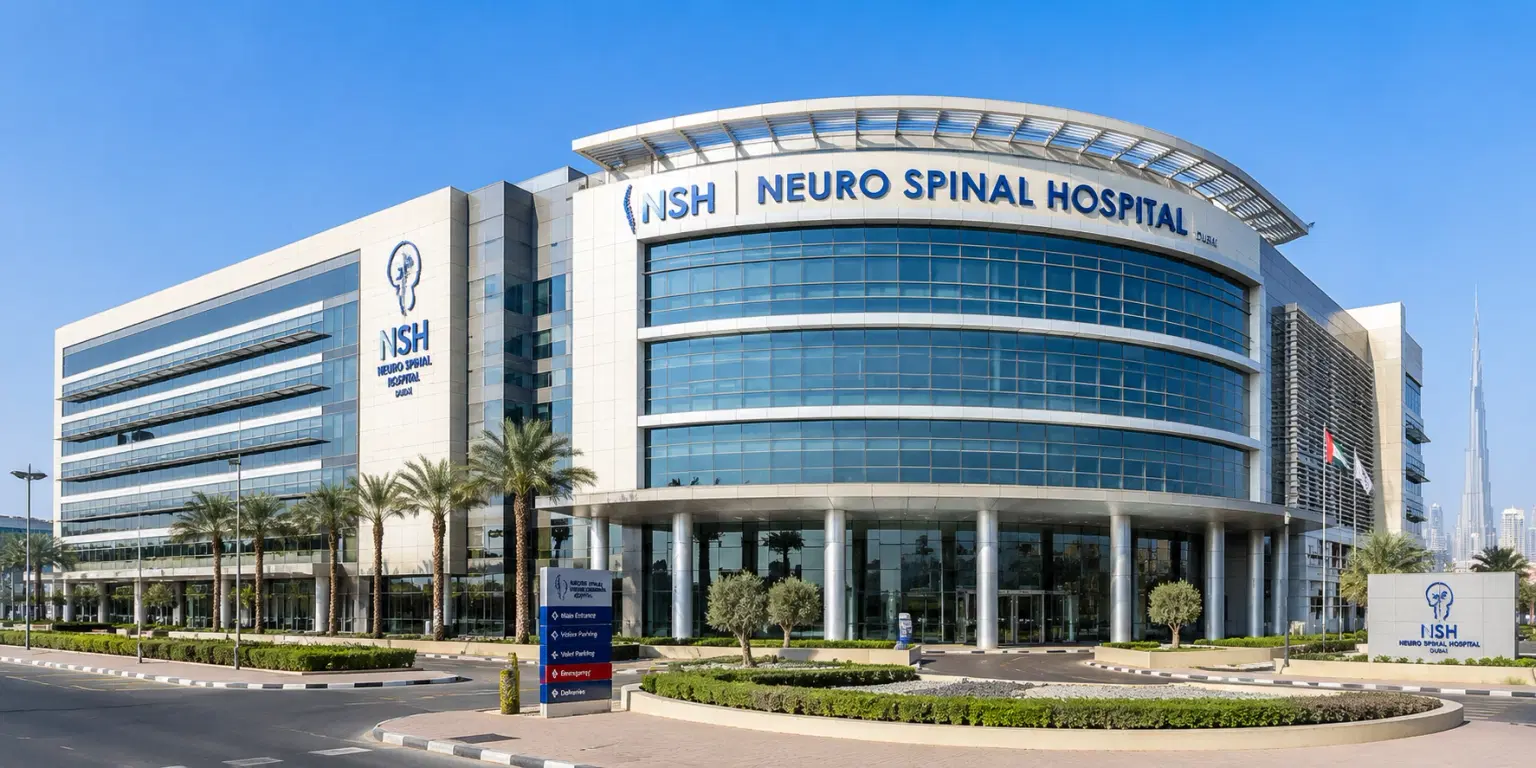
Neuro Spinal Hospital (NSH), Dubai
Dubai Science Park, Umm Suqeim St, Al Barsha South, Dubai, UAE
Neuro Spinal Hospital (NSH), Dubai
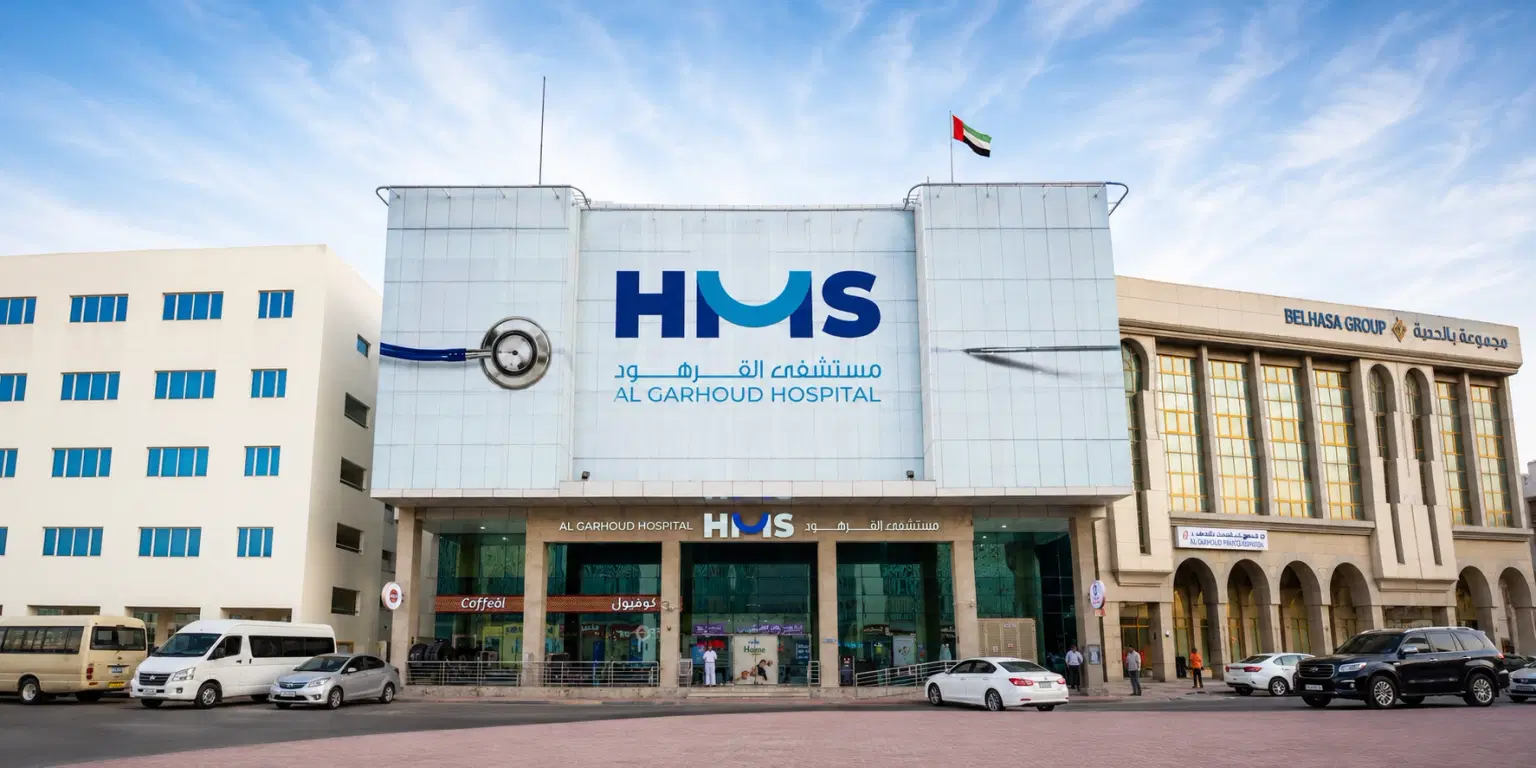
HMS Al Garhoud Hospital, Dubai
Al Garhoud Street, Al Garhoud, Dubai, UAE
HMS Al Garhoud Hospital, Dubai
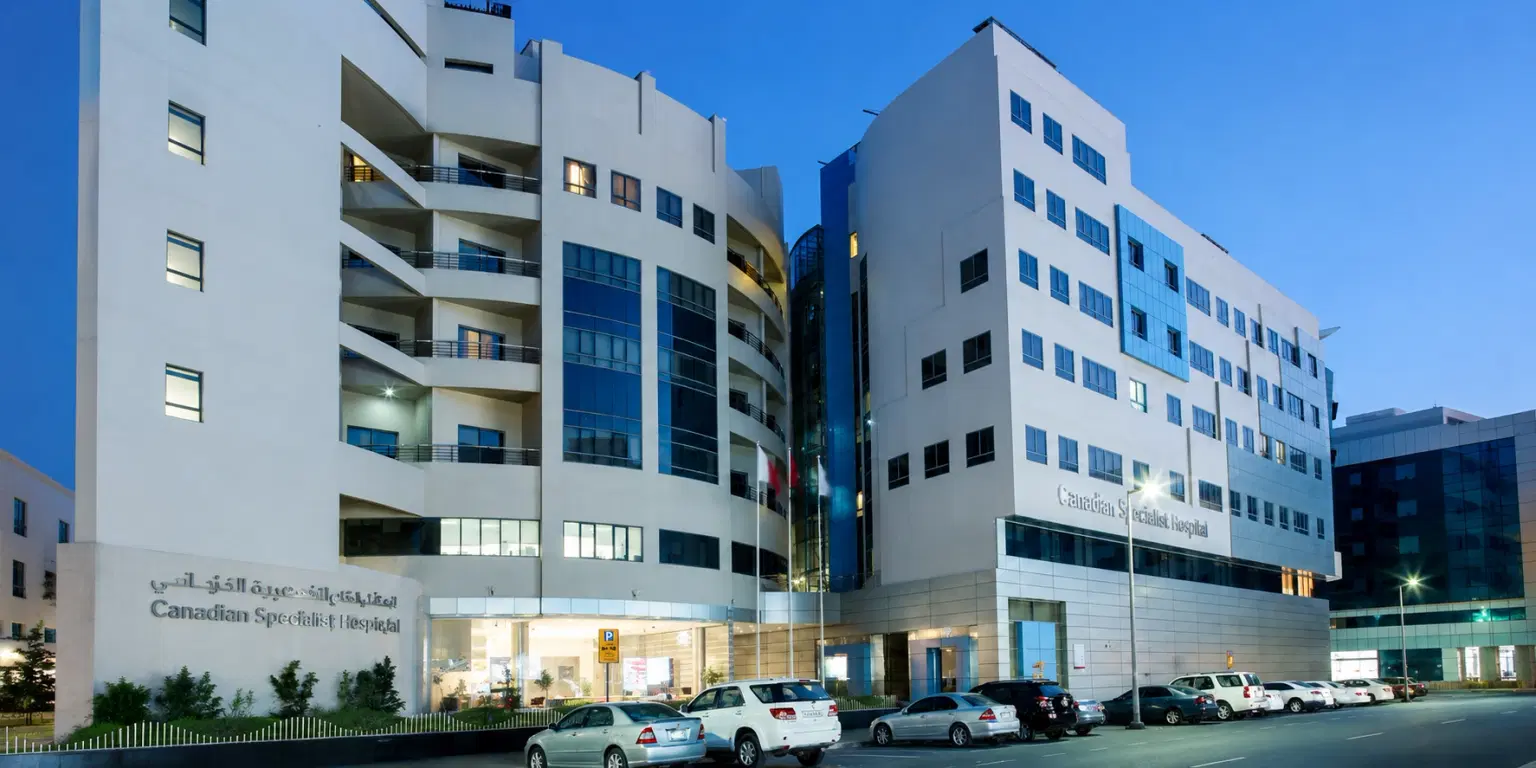
Canadian Specialist Hospital, Dubai
Abu Hail Street 269/1, Canadian Specialist Hospital Building, Hor Al Anz East, Deira, Dubai, UAE
Canadian Specialist Hospital, Dubai
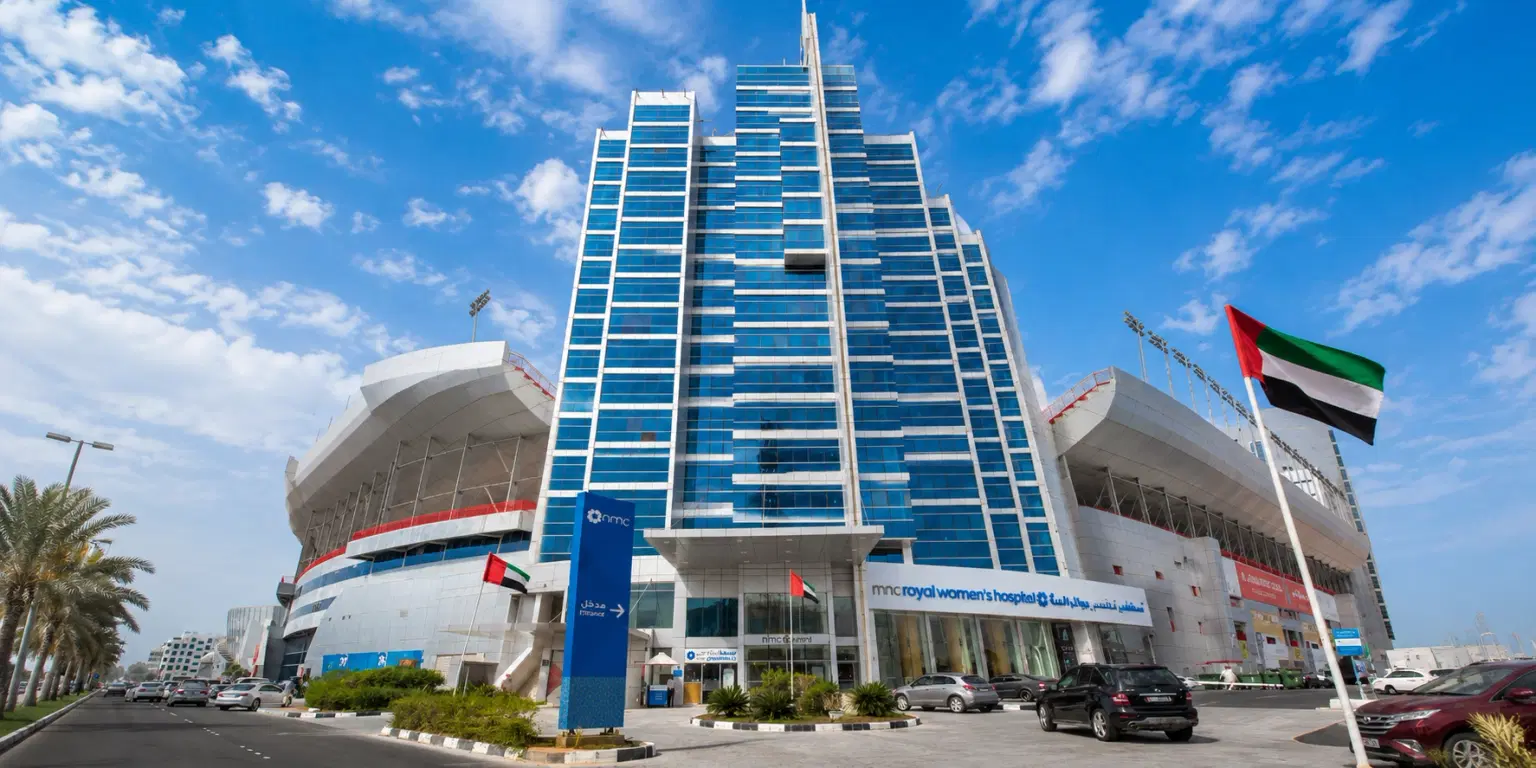
NMC Royal Women's Hospital, Abu Dhabi
Tower B, Mohammed bin Zayed Stadium, Al Jazira Club, Opposite Dusit Thani, Muroor Road, Abu Dhabi, UAE
NMC Royal Women's Hospital, Abu Dhabi
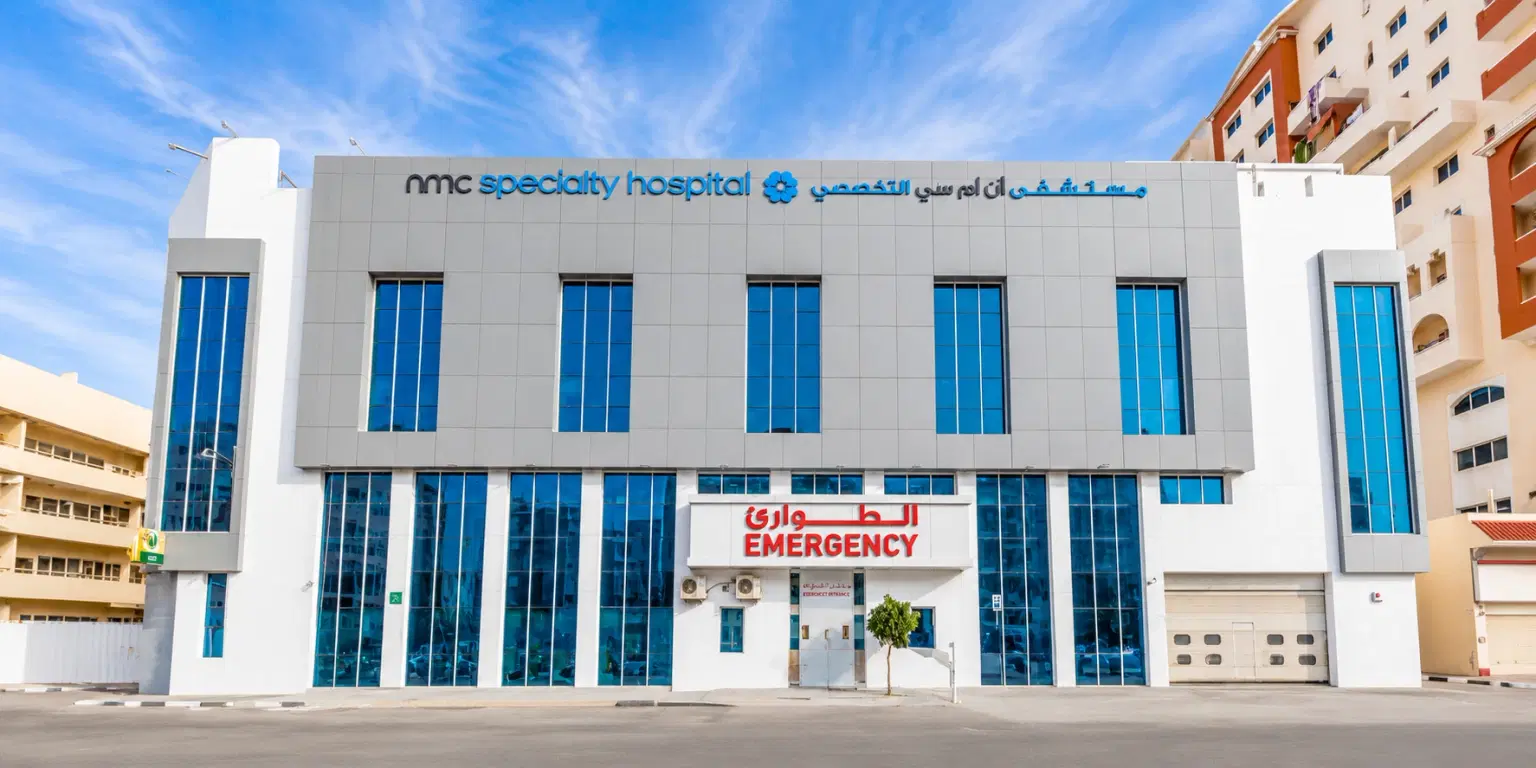
NMC Specialty Hospital, Al Nahda, Dubai
7A St, Al Qusais, Al Nahda 2, next to Bait Al Khair Building, Dubai
NMC Specialty Hospital, Al Nahda, Dubai
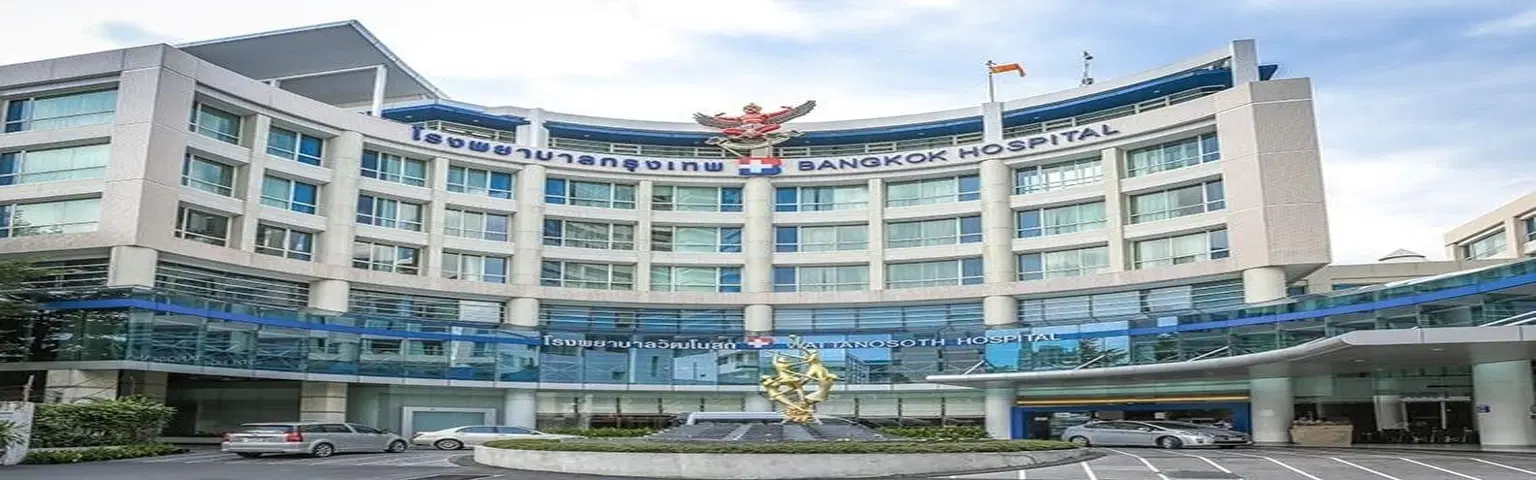
Bangkok Hospital, Thailand
2 Soi Soonvijai 7, New Petchburi Road, Huay Khwang, Bangkok 10310, Thailand
Bangkok Hospital, Thailand
Frequently Asked Questions
Get answers to common questions about medical tourism, treatment procedures, and our comprehensive healthcare services.
Ready To Start Your Healing Journey?
Get Personalized Medical Treatment Options From India's Top Hospitals. Our Medical Experts Are Ready To Assist You Every Step Of The Way.