
Intracytoplasmic Sperm Injection (ICSI) Treatment in New Delhi for UAE
Need Personalized Advice?
Our medical experts are ready to answer your questions and guide you through your treatment options.
About
ICSI Treatment in New Delhi for UAE Patients: Your Guide
Patients from the UAE often face complex decisions when considering advanced fertility treatments like ICSI. Navigating options, understanding procedures, and finding the right care can feel overwhelming, especially when seeking treatment abroad for such a sensitive journey.
New Delhi has emerged as a preferred destination, offering a robust medical infrastructure for fertility solutions. Its specialized clinics and experienced medical teams provide comprehensive support, making it easier to coordinate your treatment journey with high standards of care.
Trust is built through New Delhi's reputable hospitals and highly skilled fertility specialists. Patients benefit from advanced technology and personalized care plans, ensuring a supportive environment for successful outcomes and seamless follow-ups within the city.
Is New Delhi the ideal choice for your ICSI journey?
Considering ICSI in New Delhi? Get a personalized consultation with leading fertility specialists today.
What is Intracytoplasmic Sperm Injection (ICSI)?
Intracytoplasmic Sperm Injection, or ICSI, is an advanced assisted reproductive technology primarily used to treat male infertility or cases where traditional IVF has been unsuccessful. During ICSI, a single sperm is carefully selected and injected directly into an egg. This procedure bypasses many natural fertilization barriers, significantly increasing the chances of successful fertilization. It is typically performed in a laboratory setting as part of an IVF cycle, providing a more direct approach to fertilization when sperm quality or quantity is a concern.
Types of ICSI Procedures
While ICSI itself is a specific technique, its application can vary slightly based on individual patient needs and the broader IVF cycle it's part of:
- Standard ICSI: A single healthy sperm is injected into a mature egg. This is the most common form of the procedure.
- PICSI (Physiological ICSI): Sperm are selected based on their binding to hyaluronan, mimicking natural selection for more mature sperm. This aims to choose sperm with better DNA integrity.
- High Magnification ICSI (IMSI): Sperm are viewed under a very high-powered microscope (over 6000x magnification) to detect subtle morphological abnormalities that might not be visible with standard ICSI, allowing for more precise selection.
- Rescue ICSI: Performed when conventional IVF fails to achieve fertilization after insemination, offering a second chance within the same cycle.
- ICSI with Testicular Sperm Extraction (TESE) or Micro-TESE: Used for men with azoospermia (no sperm in ejaculate), where sperm are surgically retrieved directly from the testes for use in the ICSI procedure.
When is ICSI Recommended?
- Severe male factor infertility, such as very low sperm count (oligozoospermia).
- Poor sperm motility (asthenozoospermia) or abnormally shaped sperm (teratozoospermia).
- Previous failed fertilization attempts with conventional IVF, indicating an issue with sperm penetration.
- Obstructive azoospermia (a blockage preventing sperm release), requiring surgical sperm retrieval.
- Non-obstructive azoospermia, where sperm production is impaired, also necessitating surgical sperm retrieval.
- When using cryopreserved (frozen) sperm, which may have reduced viability or motility after thawing.
- In cases where preimplantation genetic testing (PGT) is planned, to ensure fertilization occurs cleanly and minimize contamination.
- When using surgically retrieved sperm from the epididymis (PESA) or testes (TESE) due to male fertility issues.
Pre-Treatment Evaluation for ICSI
- Female Partner Evaluation: Comprehensive tests including ovarian reserve testing (AMH, FSH, LH, Estradiol), transvaginal ultrasound scans of the uterus and ovaries, and infectious disease screening (HIV, Hepatitis B and C) to assess overall reproductive health.
- Male Partner Evaluation: Detailed semen analysis, hormonal profile, infectious disease screening (HIV, Hepatitis B and C), and genetic testing if indicated, to determine the cause and extent of male factor infertility.
- General Health Check: Blood pressure, blood sugar, complete blood count, and an overall physical examination for both partners to ensure they are fit for the procedure and medications.
- Counseling Sessions: Detailed discussions about the ICSI procedure, realistic expectations, potential risks, and lifestyle adjustments, providing emotional and informational support.
How is the ICSI Procedure Performed?
The ICSI procedure involves several carefully orchestrated steps, tailored to maximize fertilization success.
Ovarian Stimulation and Egg Retrieval
The female partner undergoes controlled ovarian stimulation using hormone medications to encourage multiple eggs to mature. Once a sufficient number of eggs are mature, they are retrieved through a minor outpatient procedure, guided by ultrasound, usually performed under mild sedation. This step is critical for collecting viable eggs.
Sperm Preparation
A fresh semen sample is collected from the male partner on the day of egg retrieval, or cryopreserved sperm is thawed. If needed, sperm are surgically retrieved from the testes or epididymis. The sperm are then processed in the laboratory to isolate healthy, motile sperm suitable for injection.
Micromanipulation and Injection
Under a high-powered microscope, a single healthy sperm is selected by an embryologist. Using specialized micromanipulation tools, this chosen sperm is carefully injected directly into the cytoplasm of a mature egg. This precise process is repeated for each retrieved egg to maximize fertilization chances.
Embryo Culture and Transfer
After injection, the fertilized eggs (now embryos) are cultured in the laboratory for several days, typically reaching the blastocyst stage. Once they achieve optimal development, one or more healthy embryos are selected and transferred into the female partner's uterus. Any remaining viable embryos can be cryopreserved for future use.
Recovery After ICSI and Embryo Transfer
After embryo transfer, the recovery period is generally short and involves minimal discomfort. Patients are usually advised to rest for a day or two and avoid strenuous activities. Mild cramping, bloating, or light spotting can occur, which is normal. A pregnancy test is typically scheduled about two weeks after the transfer to confirm implantation. It is crucial to follow all post-procedure instructions, including any prescribed medications, to support implantation and a healthy early pregnancy. Ongoing emotional support and clear communication with the medical team in New Delhi are also vital during this waiting period.
Understanding ICSI Risks and Success Rates
- Multiple Pregnancies: There is an increased chance of twins or triplets due to the transfer of more than one embryo, which carries higher risks for both mother and babies.
- Ovarian Hyperstimulation Syndrome (OHSS): A rare but serious reaction to fertility medications used for ovarian stimulation, characterized by enlarged ovaries and fluid accumulation.
- Egg Retrieval Complications: Minor risks include bleeding, infection, or, very rarely, damage to adjacent organs during the egg collection procedure.
- Ectopic Pregnancy: A risk where the embryo implants outside the uterus, most commonly in the fallopian tube, which requires medical intervention.
- Birth Defects: A slightly increased, though still very low, risk of certain birth defects compared to natural conception, particularly concerning some rare genetic conditions.
- Emotional and Psychological Stress: The entire ICSI process, including injections, procedures, and waiting periods, can be emotionally challenging for couples.
ICSI success rates vary significantly based on several factors, including the woman's age, the specific cause of infertility, the quality of eggs and sperm, and the expertise and technology of the fertility clinic. Generally, ICSI achieves fertilization in 70-85% of injected eggs. The live birth rate per embryo transfer can range from 30-50%, often higher in younger women and those with good quality embryos. While ICSI offers a high chance of fertilization, it does not guarantee pregnancy or a live birth. Long-term outcomes are continuously monitored through ongoing research, ensuring the safety and effectiveness of the procedure improves over time.
Cost of ICSI Treatment in New Delhi
The cost of Intracytoplasmic Sperm Injection (ICSI) in New Delhi can vary depending on several factors. These include the specific hospital or fertility clinic chosen, the experience and reputation of the fertility specialist, the complexity of the individual case, the need for additional procedures like surgical sperm retrieval, medication costs, and the duration of stay. Package inclusions and specific technologies used also play a role in the overall expenditure.
Typically, the cost for a single ICSI cycle in New Delhi ranges from INR 1,50,000 to INR 3,00,000, excluding additional tests, advanced genetic screenings, or cryopreservation services.
New Delhi ICSI Cost Comparison
Patients from the UAE seeking ICSI treatment often find New Delhi offers significant value compared to many other international destinations, without compromising on quality or advanced medical care.
| Location | Average ICSI Cost (USD) |
|---|---|
| New Delhi, India | $1,800 - $3,600 |
| United States | $12,000 - $20,000 |
| United Kingdom | $7,000 - $10,000 |
| Singapore | $6,000 - $9,000 |
| Australia | $8,000 - $12,000 |
Comprehensive Support for Your Treatment Journey
- Treatment Coordination: Dedicated assistance with scheduling appointments, consultations, and managing your entire procedure timeline efficiently.
- Accommodation Arrangements: Guidance and support in finding suitable and comfortable lodging options near your chosen medical facility in New Delhi.
- Travel Logistics: Help with airport transfers upon arrival and departure, as well as local transportation within the city during your treatment stay.
- Language Facilitation: Access to professional interpreters if needed, ensuring clear and effective communication with your medical team and local staff.
- Post-Treatment Follow-up: Ensuring continuity of care and providing options for remote consultations and support after you return home to the UAE.
Essential Documents for Your Medical Visit
- Valid Passport and Visa: Necessary for international travel from the UAE and securing medical entry into India. Ensure your visa allows for medical tourism.
- Medical Records: All previous fertility test results, diagnosis reports, and comprehensive treatment history to provide a complete picture to your New Delhi specialists.
- Marriage Certificate: A valid marriage certificate is often a mandatory requirement for couples seeking fertility treatments in India.
- Identification for Partner: A valid passport or other government-issued ID for the accompanying partner is essential for legal and medical documentation.
- Financial Proof: Documentation demonstrating sufficient funds to cover your treatment costs, living expenses, and return travel during your stay.
Preparing for Your ICSI Procedure
- Consultation: Engage in thorough discussions with your New Delhi fertility specialist to finalize the most appropriate and personalized treatment plan for your specific needs.
- Medication Adherence: Carefully follow all prescribed medication protocols for ovarian stimulation, ensuring accurate dosages and timings for optimal egg development.
- Lifestyle Adjustments: Adopt healthy habits, including a balanced and nutritious diet, regular moderate exercise, and strictly avoiding smoking or alcohol consumption.
- Travel Planning: Ensure all necessary travel arrangements, including flights and visa requirements, are completed well in advance to avoid last-minute stress.
- Emotional Preparedness: Understand the entire ICSI process thoroughly and seek counseling or support if needed to manage expectations and emotional well-being.
Aftercare Instructions for Optimal Recovery
- Rest and Gentle Activity: Prioritize adequate rest and avoid strenuous physical activity, heavy lifting, or vigorous exercise immediately after embryo transfer to support implantation.
- Medication Compliance: Continue any hormonal support or other prescribed medications exactly as directed by your New Delhi doctor, as these are crucial for maintaining pregnancy.
- Monitor for Symptoms: Be vigilant and promptly report any unusual pain, excessive bleeding, high fever, or signs of infection to your fertility clinic.
- Scheduled Follow-ups: Attend all post-transfer appointments, including the crucial pregnancy testing, and adhere to any subsequent ultrasound schedules.
- Emotional Well-being: Prioritize self-care, manage stress, and maintain open communication with your support network and medical team during the waiting period.
Ready to take the next step? Get a detailed cost estimate for your ICSI treatment in New Delhi.
Ready to Begin Your Fertility Journey?
New Delhi offers hope and advanced care for those seeking ICSI. Connect with us to explore your personalized treatment plan and begin your path to parenthood.
Hospitals Offering this treatment
India offers premium medical procedures at affordable prices. Discover our most popular treatments, delivered by the country's finest doctors.
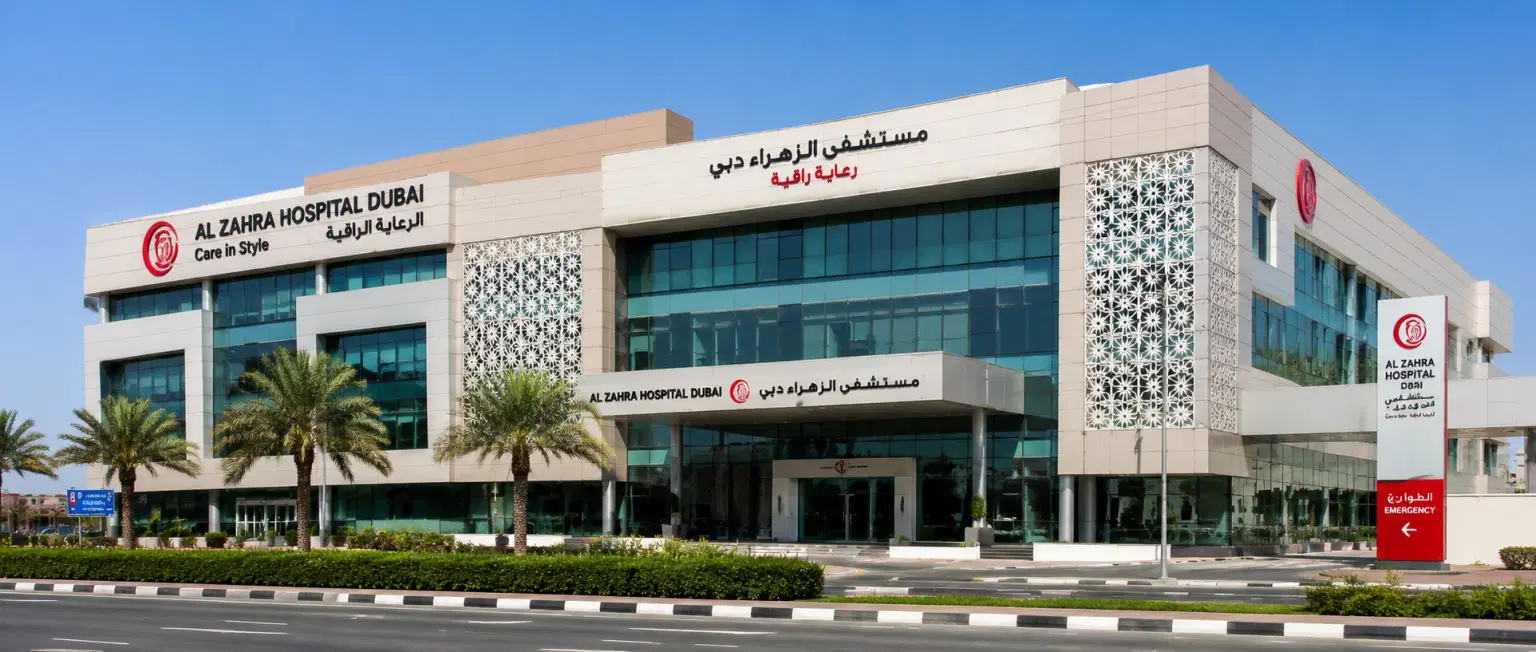
Al Zahra Hospital, Dubai
Sheikh Zayed Road, Al Barsha 1, Dubai, UAE
Al Zahra Hospital, Dubai
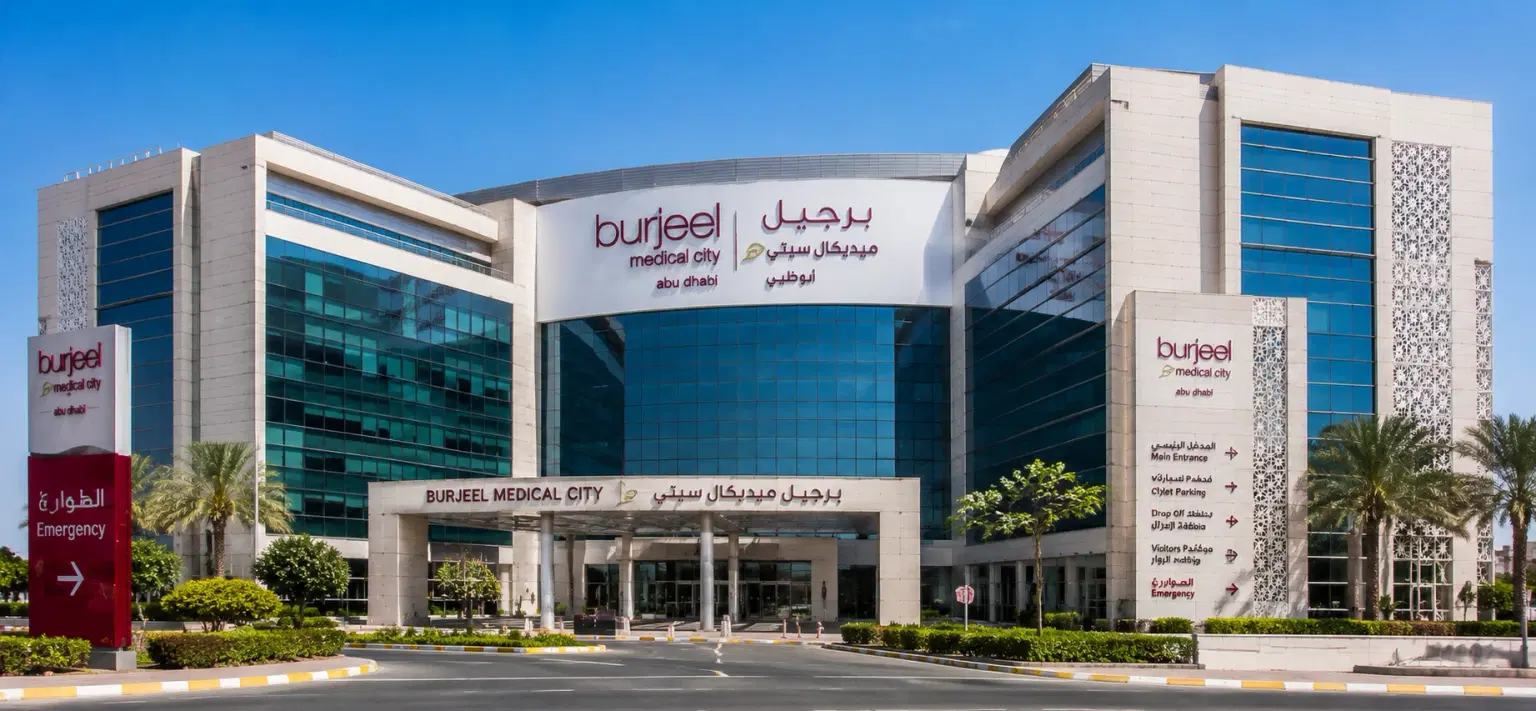
Burjeel Medical City, Abu Dhabi
28th Street, Mohammed Bin Zayed City, Abu Dhabi, UAE
Burjeel Medical City, Abu Dhabi
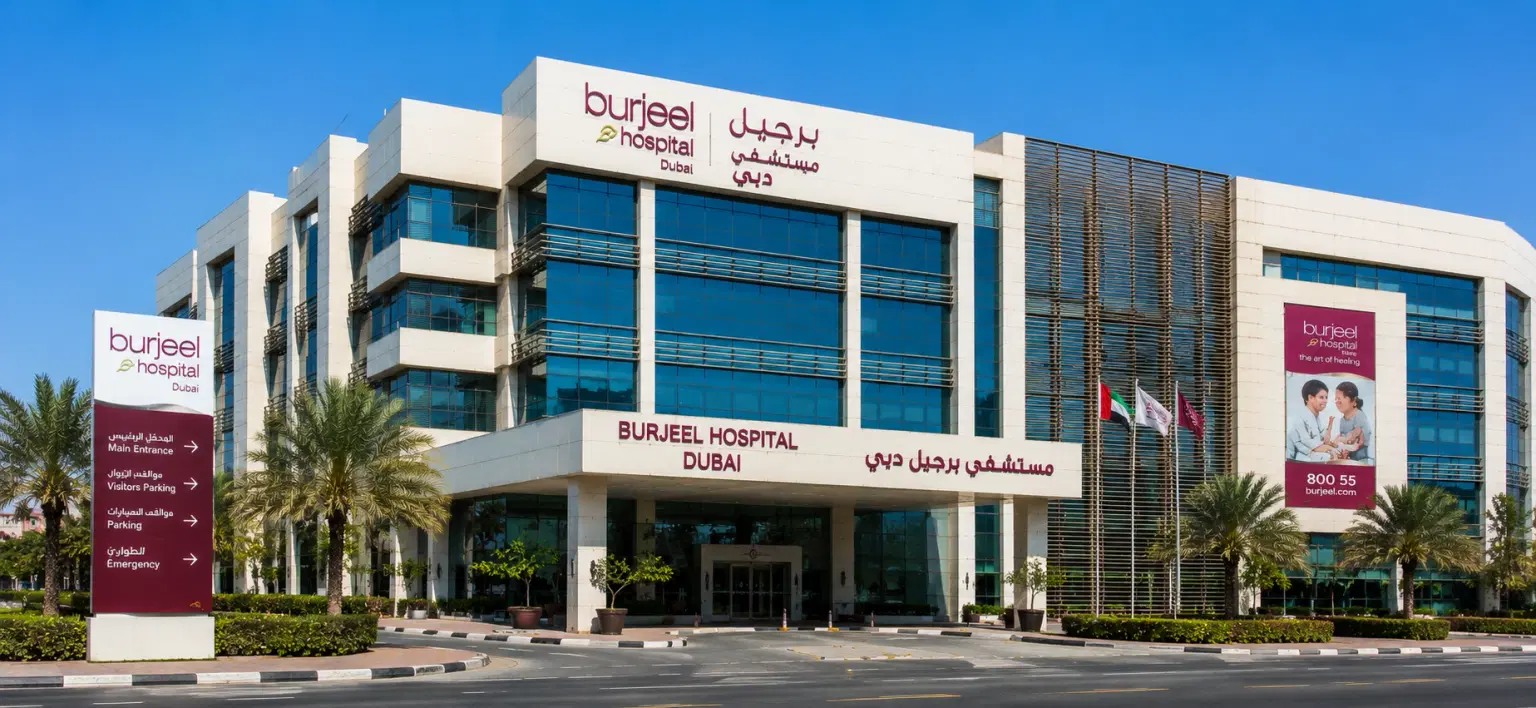
Burjeel Hospital, Dubai
Dubai, UAE (part of Burjeel Holdings network)
Burjeel Hospital, Dubai
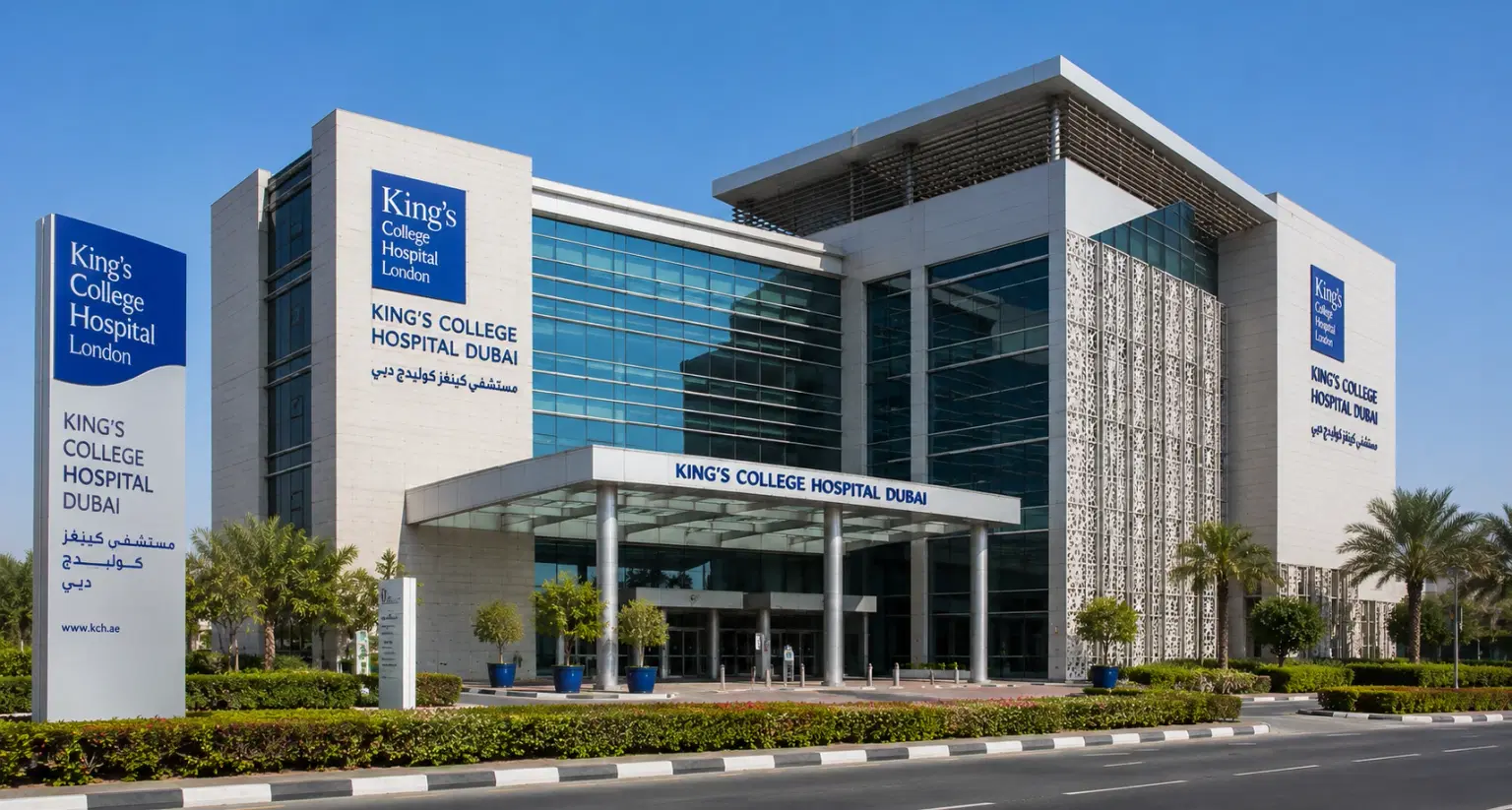
King's College Hospital, Dubai
Dubai Hills, Mohammed Bin Rashid City, Dubai, UAE
King's College Hospital, Dubai
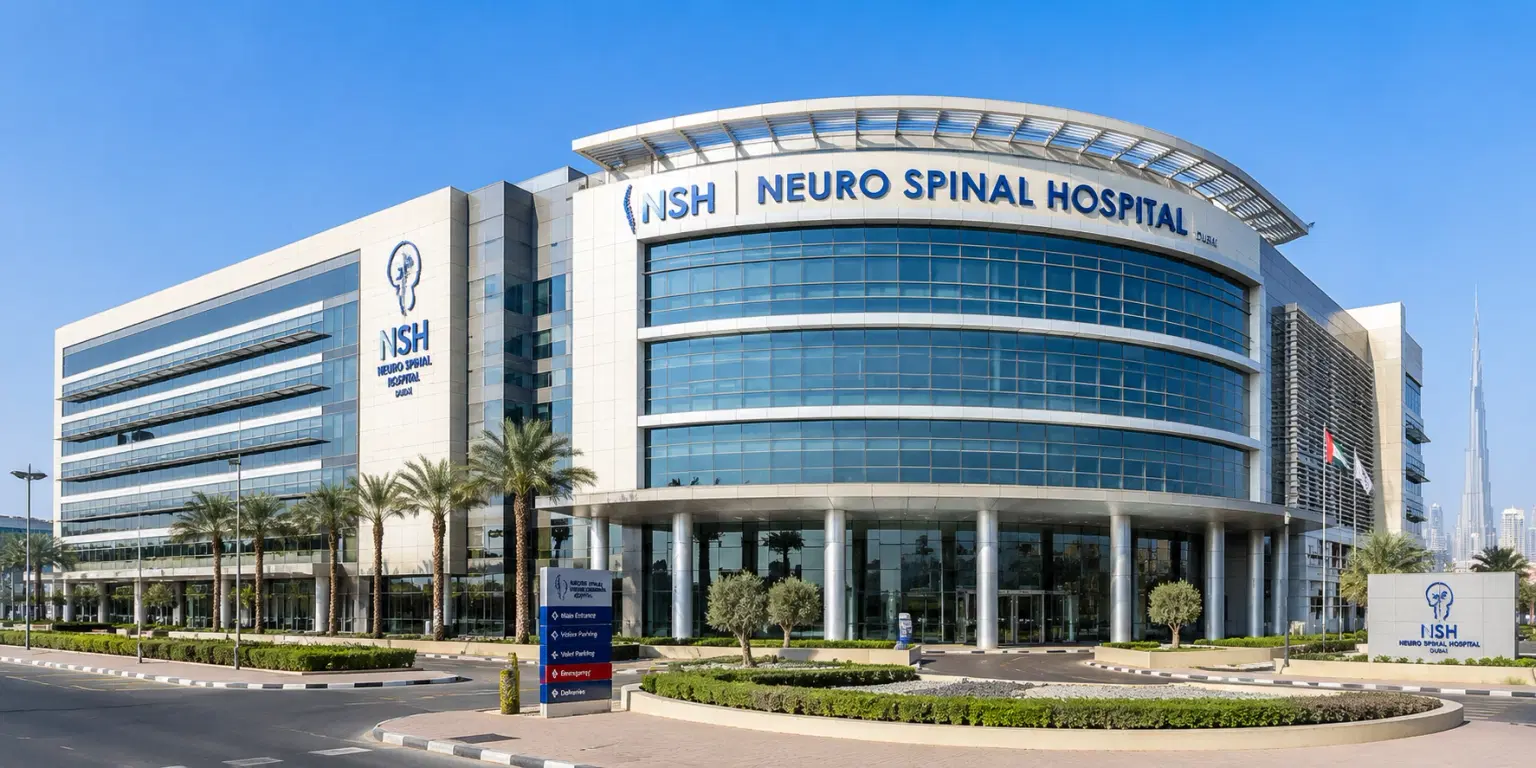
Neuro Spinal Hospital (NSH), Dubai
Dubai Science Park, Umm Suqeim St, Al Barsha South, Dubai, UAE
Neuro Spinal Hospital (NSH), Dubai
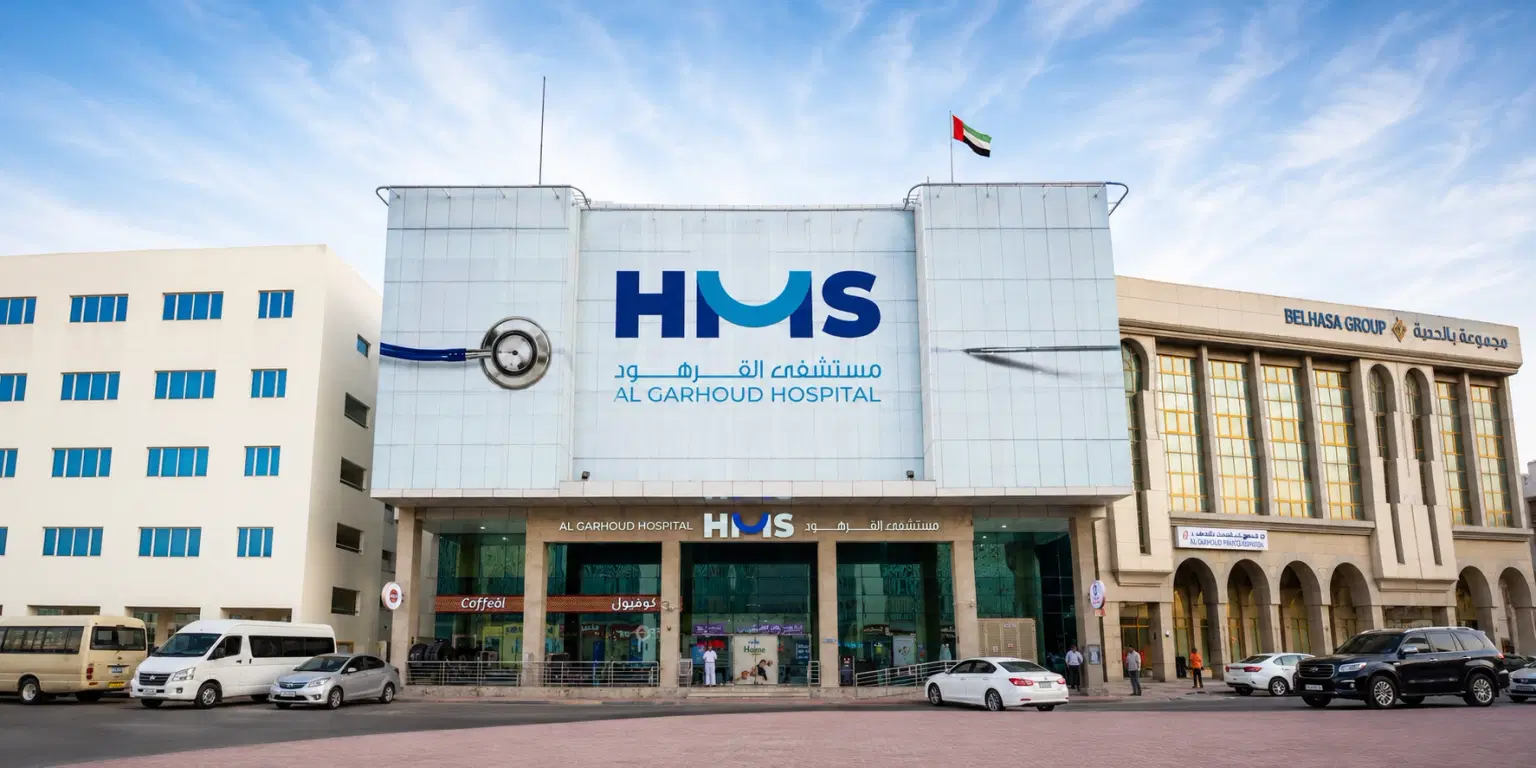
HMS Al Garhoud Hospital, Dubai
Al Garhoud Street, Al Garhoud, Dubai, UAE
HMS Al Garhoud Hospital, Dubai
Meet Our Doctors
Meet our team of highly qualified and experienced medical professionals dedicated to providing the best healthcare services.
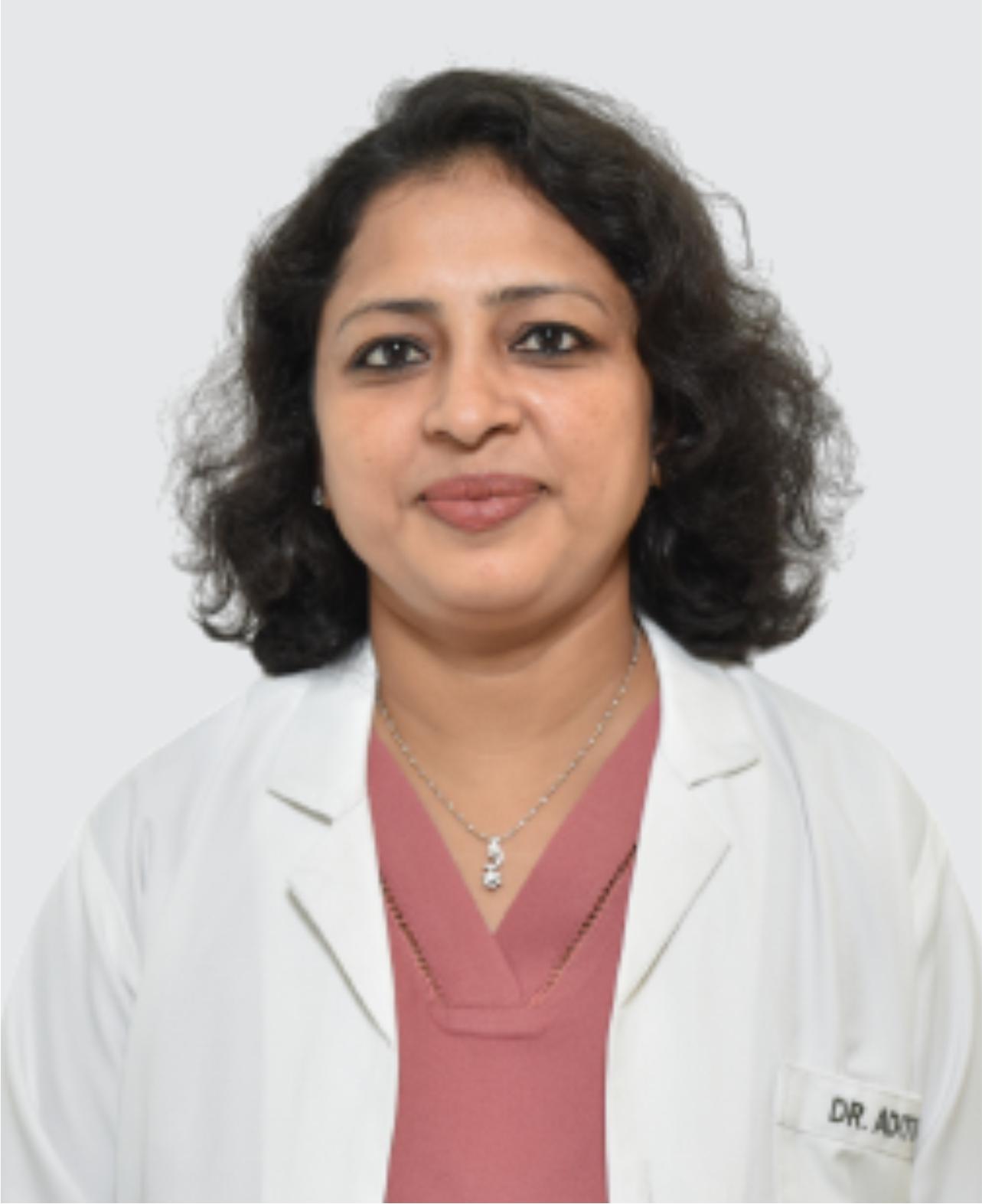
Dr Aditi Dixit
Sr. Consultant – Women Imaging
Radiology
New Delhi
15+ Years
Experience
Artemis Hospital
Hospital
1500
Fees
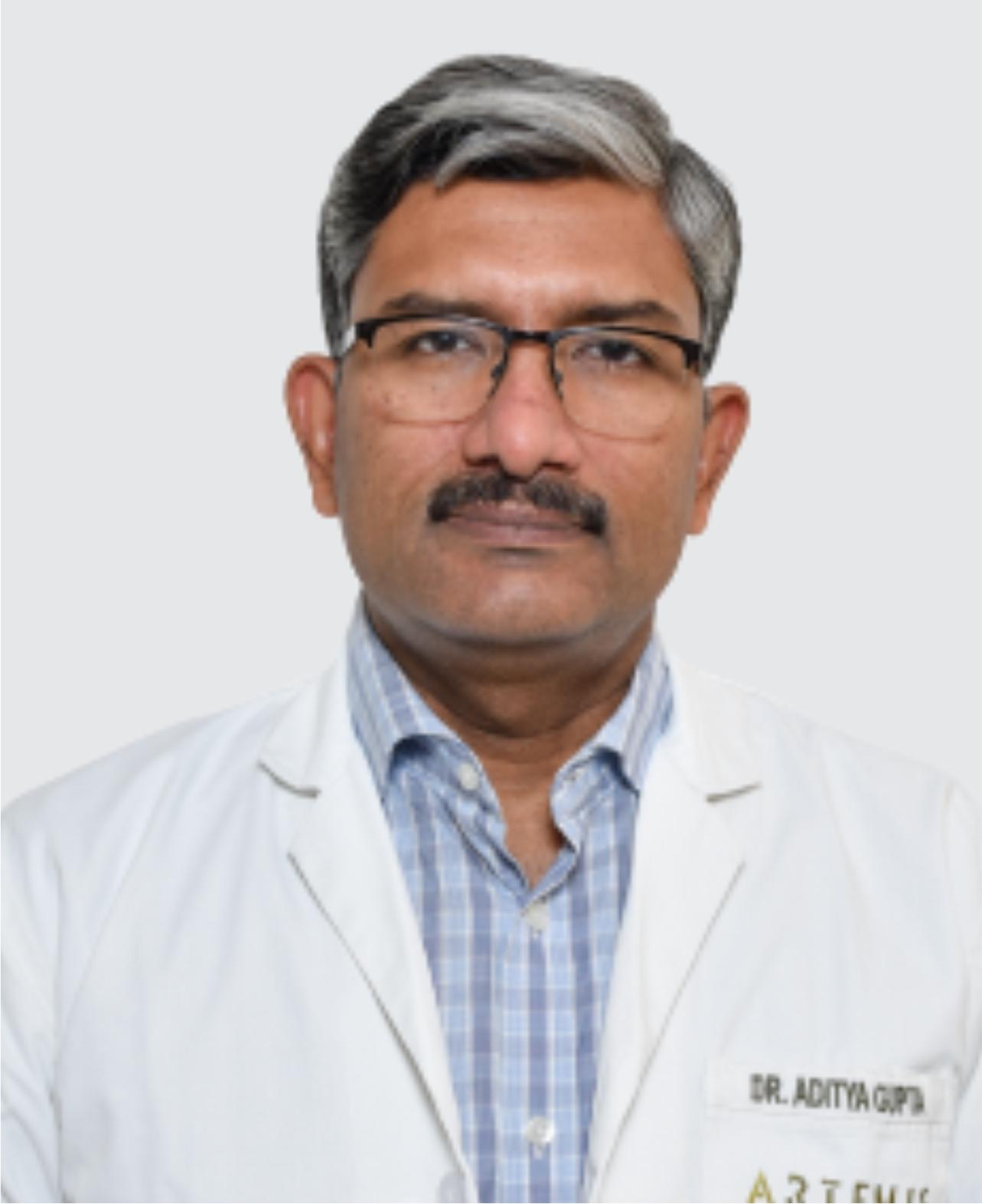
Dr. Aditya Gupta
Chairperson - Neurosurgery & CNS Radiosurgery & Co-Chief - Cyberknife Centre
Neurosurgery
New Delhi
32+ Years
Experience
Artemis Hospital
Hospital
1500
Fees
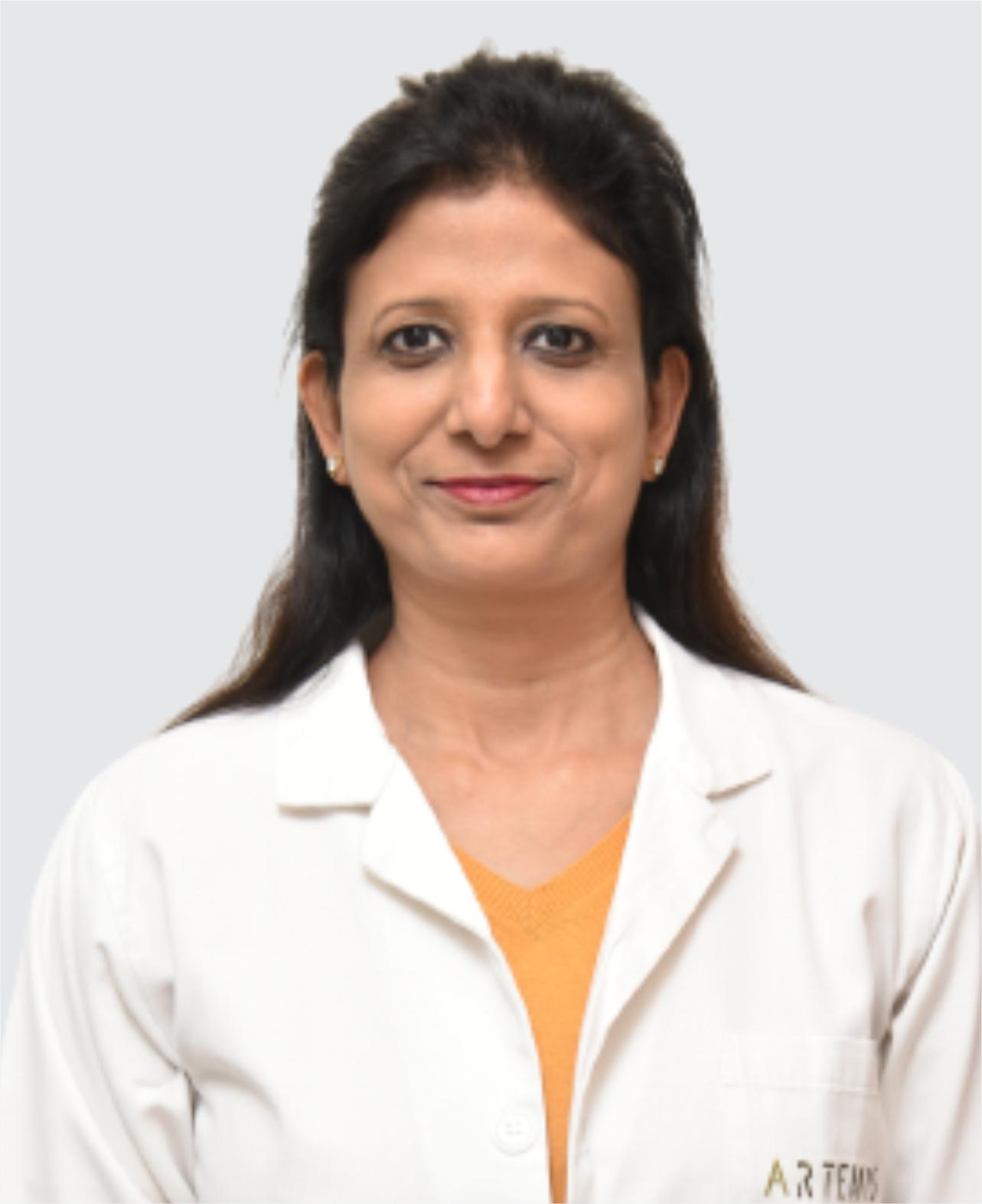
Dr. Parul Prakash
Head - Reproductive Medicine (IVF)
IVF, Reproductive Medicine, Obstetrics and Gynaecology
New Delhi
20+ Years
Experience
Artemis Hospital
Hospital
1500
Fees
Dr. Poonam Gautam
Senior Consultant - ENT
ENT and Head & Neck Surgery
New Delhi
24+ Years
Experience
Artemis Hospital
Hospital
1500
Fees
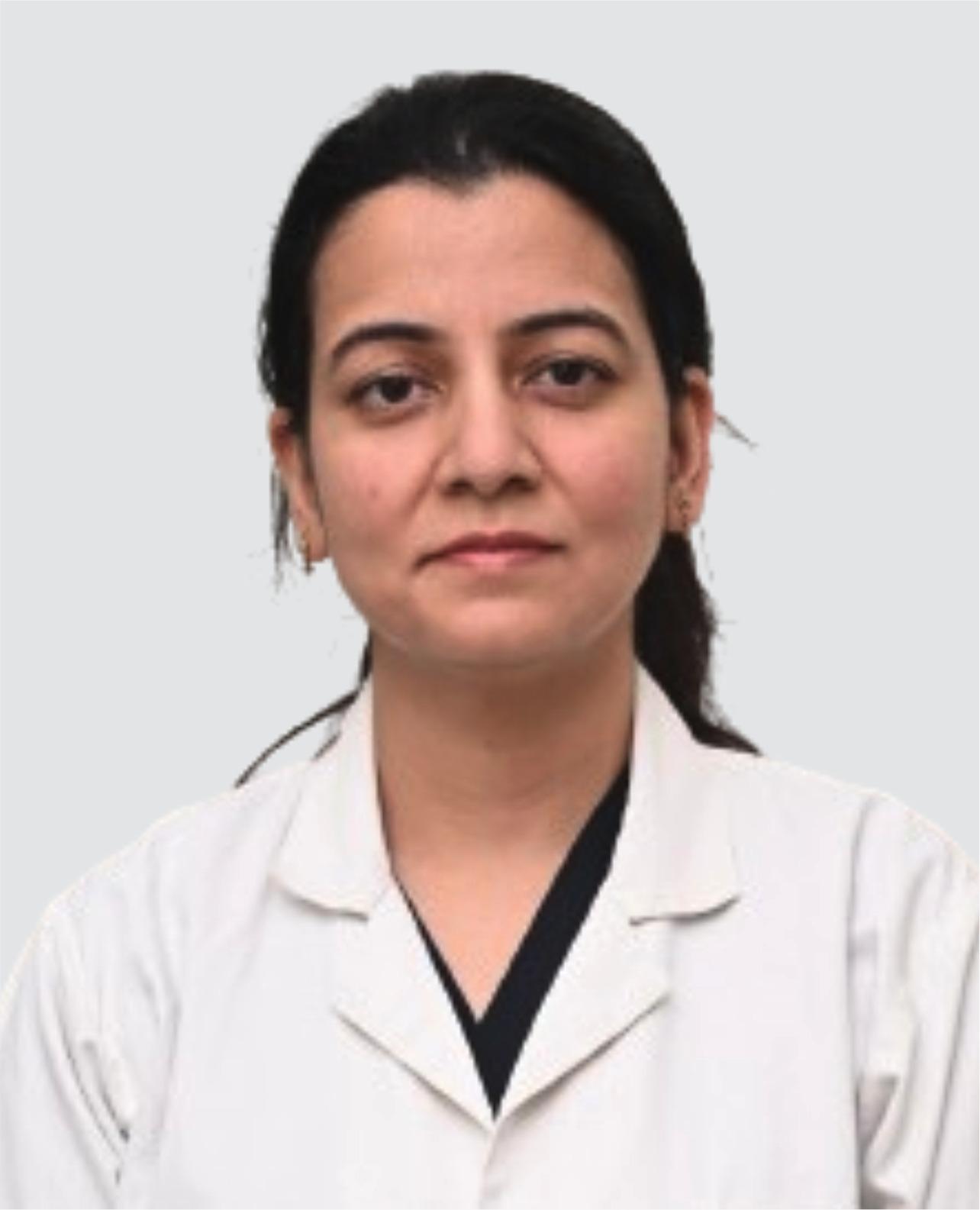
Dr. Priyanka Raina
Consultant (Head & Neck Surgery) - Surgical Oncology
Head and Neck Surgical Oncology
New Delhi
10+ Years
Experience
Artemis Hospital
Hospital
1500
Fees
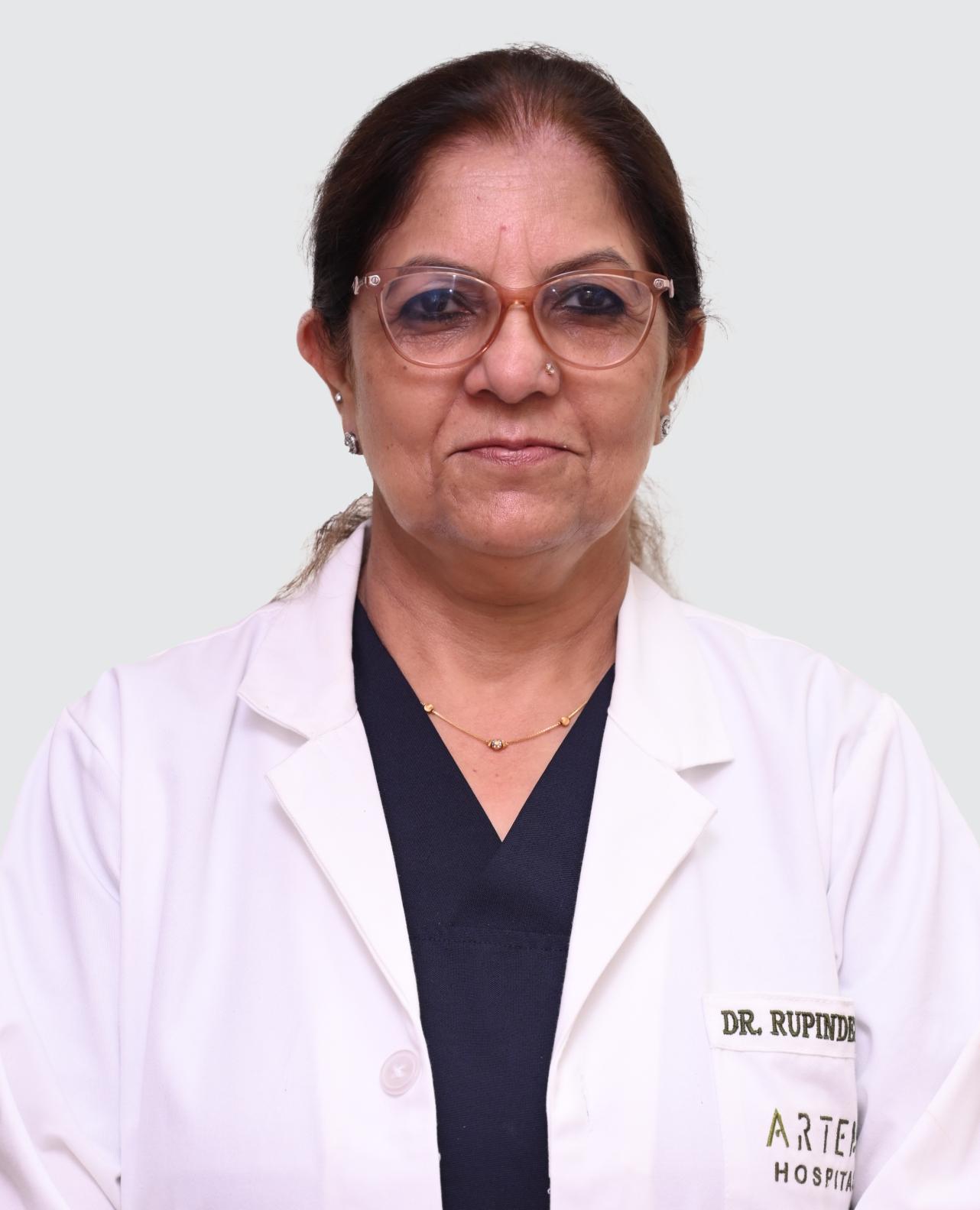
Dr. Rupinder Sekhon
Chairperson - Gynae Oncology
Gynaecological Oncology
New Delhi
16+ Years
Experience
Artemis Hospital
Hospital
1500
Fees
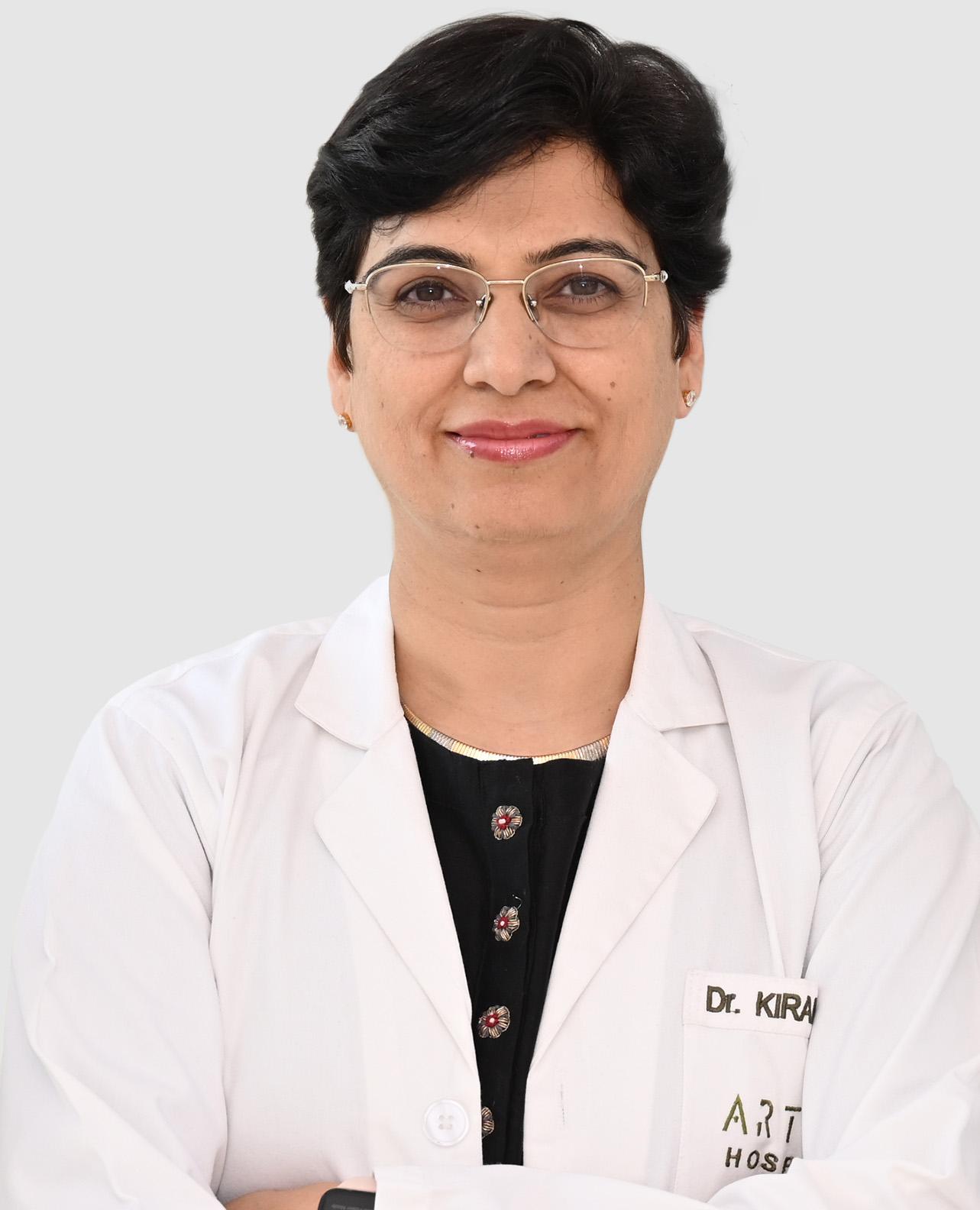
Dr. Kiran Arora
Unit Head - Reproductive Medicine (Unit II)
IVF, Reproductive Medicine, Obstetrics & Gynecology
New Delhi
20+ Years
Experience
Artemis Hospital
Hospital
1500
Fees
Nidhi Jain
Sr. Consultant - Obs & Gynae
Maternity, Obstetrics & Gynaecology
New Delhi
15+ Years
Experience
Artemis Hospital
Hospital
1500
Fees

Dr. Nidhi Rajotia
Unit Head - Obs & Gynae
Maternity, Obstetrics & Gynaecology
New Delhi
19+ Years
Experience
Artemis Hospital
Hospital
1500
Fees
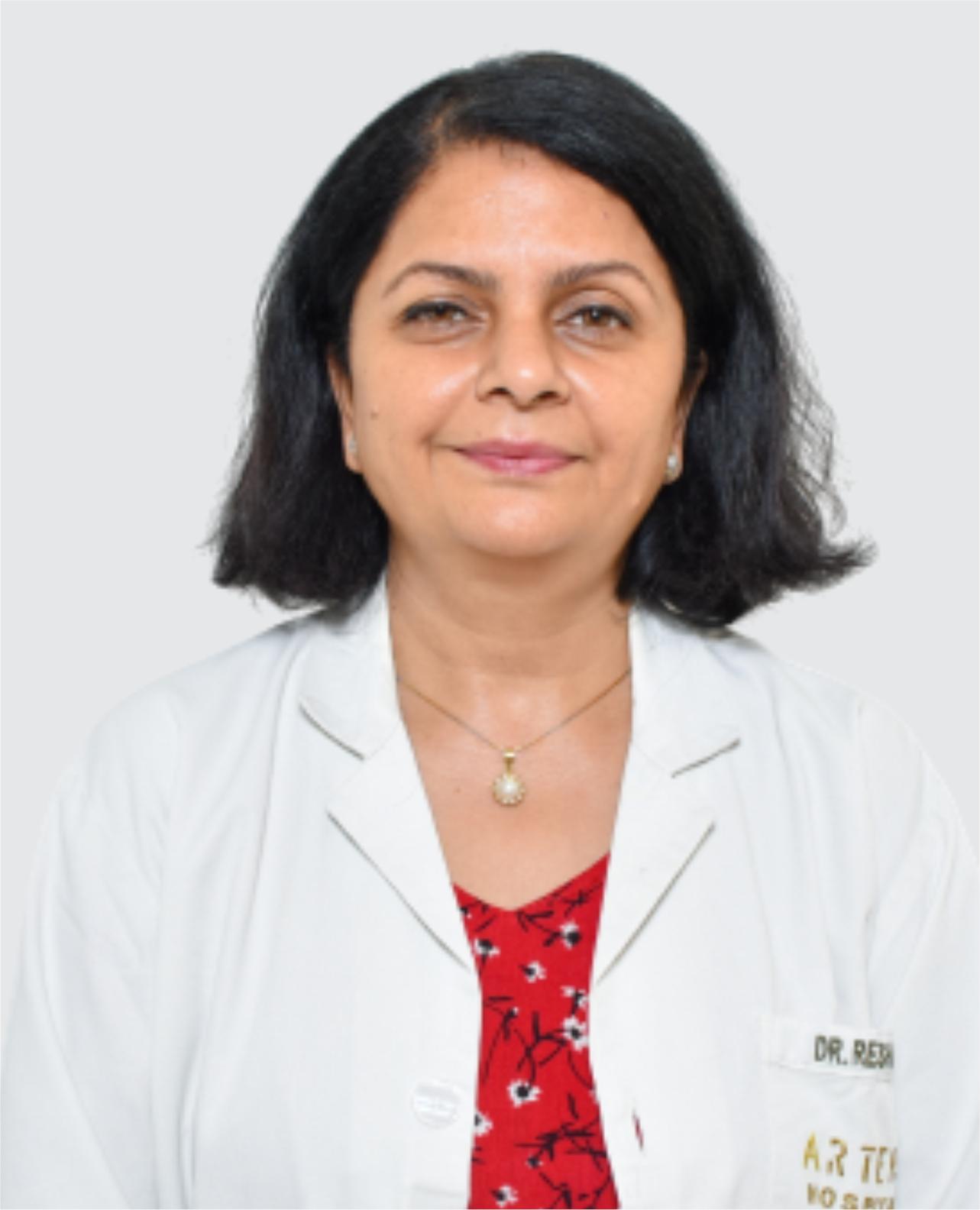
Dr. Reshma Tewari
Director
Obstetrics and Gynaecology
New Delhi
19+ Years
Experience
Artemis Hospital
Hospital
1500
Fees
Related Links
Other Treatment related Information
- Intracytoplasmic Sperm Injection (ICSI) cost in Chennai
- Intracytoplasmic Sperm Injection (ICSI) cost in Bengaluru
- Intracytoplasmic Sperm Injection (ICSI) cost in Mumbai
- Intracytoplasmic Sperm Injection (ICSI) cost in New Delhi
- Intracytoplasmic Sperm Injection (ICSI) cost in Hyderabad
- Intracytoplasmic Sperm Injection (ICSI) cost in Pune
- Intracytoplasmic Sperm Injection (ICSI) cost in India
- Intracytoplasmic Sperm Injection (ICSI) cost in Haryana
- Intracytoplasmic Sperm Injection (ICSI) Success Rate in India
- Intracytoplasmic Sperm Injection (ICSI) Success Rate in Bengaluru
- Intracytoplasmic Sperm Injection (ICSI) Success Rate in Chennai
- Best Intracytoplasmic Sperm Injection (ICSI) Doctors in Bengaluru
- Best Intracytoplasmic Sperm Injection (ICSI) Doctors in Chennai
- Best Intracytoplasmic Sperm Injection (ICSI) Doctors in New Delhi
- Best Intracytoplasmic Sperm Injection (ICSI) Doctors in Pune
- Best Intracytoplasmic Sperm Injection (ICSI) Doctors in India
- Best Intracytoplasmic Sperm Injection (ICSI) Doctors in Gurugram
- Best Intracytoplasmic Sperm Injection (ICSI) Doctors in Hyderabad
- Best Intracytoplasmic Sperm Injection (ICSI) Doctors in Mumbai
Ready To Start Your Healing Journey?
Get Personalized Medical Treatment Options From India's Top Hospitals. Our Medical Experts Are Ready To Assist You Every Step Of The Way.