Endovascular Thrombectomy for Stroke Treatment in Bengaluru for Bangladesh
Need Personalized Advice?
Our medical experts are ready to answer your questions and guide you through your treatment options.
About
Endovascular Thrombectomy for Stroke in Bengaluru for Bangladesh Patients
Patients from Bangladesh facing a stroke diagnosis often wonder about immediate, effective treatment options. The urgency of a stroke requires rapid intervention, and many families seek advanced care beyond their local facilities, concerned about accessibility and specialized expertise for complex procedures like endovascular thrombectomy.
Bengaluru has emerged as a preferred destination for such critical medical needs. The city offers a robust healthcare ecosystem with state-of-the-art neuro-interventional facilities. Patients choose Bengaluru for its swift emergency response, highly skilled medical teams, and comprehensive care environment designed for complex neurological cases.
Trust in Bengaluru's medical institutions is built upon leading hospitals and renowned neuro-specialists. These facilities provide integrated care, from initial diagnosis and urgent intervention to post-procedure rehabilitation. The seamless coordination ensures patients receive continuous support throughout their treatment journey within the city.
Bengaluru offers advanced stroke care solutions for international patients seeking timely intervention.
What is Endovascular Thrombectomy for Stroke?
Endovascular Thrombectomy for Stroke is a highly specialized, minimally invasive procedure designed to remove a blood clot from a large artery in the brain. This intervention is crucial during an acute ischemic stroke, where a clot blocks blood flow, depriving brain cells of oxygen. By physically extracting the clot, the procedure aims to restore blood supply to the affected brain area, significantly reducing the risk of permanent disability if performed within a critical time window, typically within 6 to 24 hours of symptom onset, depending on patient selection criteria. It is performed by neuro-interventional specialists using advanced imaging guidance.
Components of Acute Stroke Treatment
While Endovascular Thrombectomy is a specific procedure, it is part of a broader acute stroke management strategy. Key components include:
- Mechanical Thrombectomy: This is the core of the endovascular thrombectomy, involving devices like stent retrievers or aspiration catheters to physically remove the clot.
- Intravenous Thrombolysis (IV tPA): Often considered alongside or prior to endovascular thrombectomy, this medication is given intravenously to dissolve blood clots. It is effective within a shorter time window.
- Supportive Medical Management: This includes managing blood pressure, blood sugar, and body temperature to protect brain tissue and prevent complications, both during and after the procedure.
- Post-Procedure Rehabilitation: A critical long-term component focusing on physical, occupational, and speech therapy to help patients regain function and adapt after a stroke.
When Is Endovascular Thrombectomy Required?
- Acute ischemic stroke caused by a large vessel occlusion in the brain.
- Symptoms of stroke onset within a critical time window (typically up to 6 hours for most, or up to 24 hours in selected patients based on advanced imaging).
- Confirmed presence of a significant clot via imaging such as CT angiography or MRI.
- Patient age and overall health status permit the procedure.
- Severe neurological deficits indicating a large area of brain tissue at risk.
Pre-Treatment Evaluation for Stroke Patients
- Comprehensive Neurological Examination: To assess the extent of stroke symptoms and deficits.
- CT Scan of the Brain: To rule out hemorrhage and identify early signs of ischemic stroke.
- CT Angiography (CTA): To visualize brain blood vessels and confirm large vessel occlusion.
- CT Perfusion (CTP) or MRI: To assess the amount of salvageable brain tissue (penumbra).
- Blood Tests: Including complete blood count, coagulation profile, kidney function, and blood sugar levels.
- Electrocardiogram (ECG): To check heart rhythm and rule out cardiac causes of stroke.
How Endovascular Thrombectomy Is Performed
The precise steps of Endovascular Thrombectomy are determined by the patient's condition and the medical team's treatment plan.
The procedure typically involves the following stages:
- Preparation and Anesthesia: The patient receives local anesthesia with sedation or general anesthesia.
- Access Point: A small incision is made, usually in the groin, to access the femoral artery.
- Catheter Insertion: A thin, flexible catheter is inserted into the artery and guided through the blood vessels using real-time X-ray imaging (fluoroscopy) to the brain's affected artery.
- Clot Removal: Once the catheter reaches the clot, specialized devices such as stent retrievers (a mesh-like cage that expands to capture the clot) or aspiration catheters (which suction the clot) are used to grasp and remove the thrombus.
- Confirmation and Closure: After clot removal, angiography is performed again to confirm restored blood flow. The catheter is then withdrawn, and the access site is closed.
The Recovery Process After Endovascular Thrombectomy
Following Endovascular Thrombectomy, patients are closely monitored in an intensive care unit (ICU) or a dedicated stroke unit. Initial recovery focuses on stabilizing vital signs and performing regular neurological assessments. Depending on the stroke's severity and the patient's response, rehabilitation often begins early, involving physical therapy, occupational therapy, and speech therapy. The overall healing time varies significantly, often requiring weeks to months of dedicated rehabilitation. Restrictions may include activity limitations, and consistent follow-up appointments with neurologists are essential to manage long-term recovery and prevent future strokes through medication and lifestyle adjustments.
Potential Risks and Success Rates of Endovascular Thrombectomy
- Bleeding or Hemorrhage: Within the brain or at the access site.
- Vessel Damage: Injury to blood vessels during catheter navigation.
- Re-occlusion: The treated artery re-blocking or a new clot forming.
- Infection: At the groin access site or more rarely, systemic infection.
- Adverse Reaction: To contrast dye or anesthesia used during the procedure.
- Incomplete Clot Removal: Leading to persistent neurological deficits.
Endovascular Thrombectomy has shown high success rates in achieving re-canalization (restoring blood flow) in carefully selected patients, often ranging from 70% to 90%. Clinical outcomes, such as reduced disability, are significantly improved when the procedure is performed rapidly after stroke onset. However, overall results vary based on factors like the patient's age, stroke severity, pre-existing health conditions, and the extent of brain damage prior to the procedure. Long-term expectations often include a period of intensive rehabilitation to maximize functional recovery.
Cost of Endovascular Thrombectomy in Bengaluru
The cost of Endovascular Thrombectomy for Stroke in Bengaluru is influenced by several factors, including the chosen hospital's accreditation and facilities, the experience level of the neuro-interventional specialist, the specific method and technology utilized for clot removal, and the duration of post-operative care and rehabilitation required. These variables contribute to the overall treatment expenditure.
In Bengaluru, the estimated cost for Endovascular Thrombectomy typically ranges from INR 6,00,000 to INR 12,00,000.
Bengaluru vs. Global Endovascular Thrombectomy Costs
Bengaluru provides a cost-effective option for Endovascular Thrombectomy when compared to many Western countries, without compromising on medical standards.
| Location | Estimated Cost Range | Currency |
|---|---|---|
| Bengaluru, India | 6,00,000 - 12,00,000 | INR |
| United States | $30,000 - $80,000 | USD |
| United Kingdom | £25,000 - £60,000 | GBP |
| Singapore | $40,000 - $75,000 | SGD |
| Germany | €28,000 - €55,000 | EUR |
Ready to discuss your stroke treatment options?
Contact our patient support team for personalized guidance on Endovascular Thrombectomy in Bengaluru.
Essential Support Services for International Patients
- Visa and Travel Assistance: Guidance through medical visa applications and flight arrangements.
- Airport Transfers and Local Transport: Arranging seamless pick-up and drop-off services in Bengaluru.
- Accommodation Options: Assistance with booking hotels, guest houses, or service apartments near the hospital.
- Language Interpreters: Ensuring clear communication between patients, families, and medical staff.
- Dedicated Patient Coordinator: A single point of contact for all medical and logistical needs.
- Post-Discharge Follow-up: Facilitating virtual consultations or local support for continued care.
Required Medical Documents for Your Visit
- Valid Passport and Visa: Essential for international travel and medical entry.
- Medical Reports and Records: All past and recent diagnostic scans (CT, MRI), doctor's notes, and lab results.
- Referral Letter: From your local doctor, outlining the diagnosis and recommending treatment.
- Current Medication List: Including dosages and frequency.
- Proof of Funds or Insurance: To cover treatment and travel expenses.
- Emergency Contact Information: For family members or next of kin.
Key Preparation Steps Before Your Procedure
- Medical Review: Your medical history and latest reports will be thoroughly reviewed by the Bengaluru neuro-specialist team.
- Medication Instructions: You will receive specific guidance on which medications to stop or continue before the procedure.
- Fasting Guidelines: Instructions on when to stop eating or drinking will be provided prior to the thrombectomy.
- Travel Arrangements: Ensure all travel documents, accommodation, and local transport are confirmed.
- Health Check: A final pre-procedural health check will confirm your readiness for the thrombectomy.
- Information Session: You and your family will have an opportunity to ask questions about the procedure and recovery.
Guidance for Recovery and Post-Procedure Care
- Hospital Stay: Expect a period of monitoring in the ICU or stroke unit immediately after the procedure.
- Rehabilitation Plan: A tailored program including physical, occupational, and speech therapy will be initiated.
- Medication Adherence: Strict compliance with prescribed medications to prevent further strokes and manage risk factors.
- Follow-up Appointments: Regular consultations with neurologists to track progress and adjust care plans.
- Lifestyle Adjustments: Recommendations for diet, exercise, and avoidance of risk factors like smoking.
- Home Care Support: Advice and resources for continuing recovery and support after discharge.
Seeking expert stroke care in Bengaluru?
Connect with a specialist today to learn more about Endovascular Thrombectomy.
Begin Your Path to Recovery with Confidence
Choosing the right treatment path for stroke is a crucial decision. Bengaluru's advanced medical infrastructure stands ready to provide the expert care you need.
Hospitals Offering this treatment
India offers premium medical procedures at affordable prices. Discover our most popular treatments, delivered by the country's finest doctors.
Meet Our Doctors
Meet our team of highly qualified and experienced medical professionals dedicated to providing the best healthcare services.
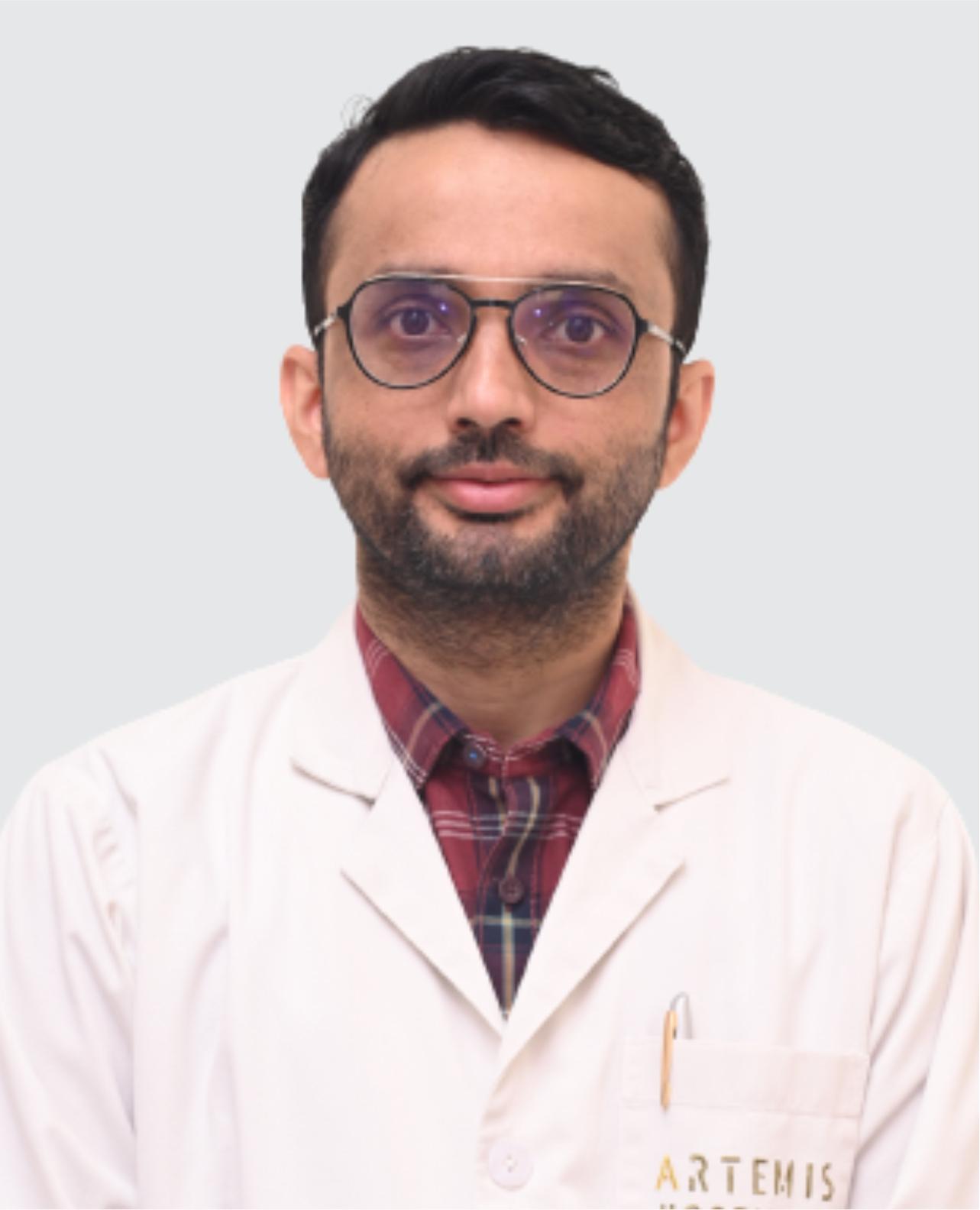
Dr. Vivek Barun
Sr. Consultant-Neurology & Epilepsy
Neurology & Epilepsy
New Delhi
15+ Years
Experience
Artemis Hospital
Hospital
1500
Fees
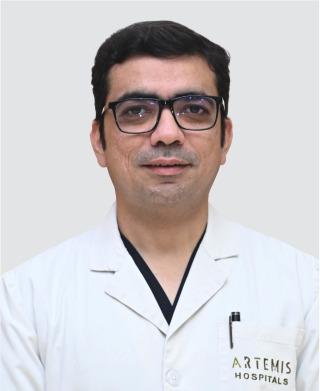
Dr. Tariq Matin
Director & Chief
Neurointerventional Surgery
New Delhi
15+ Years
Experience
Artemis Hospital
Hospital
1500
Fees
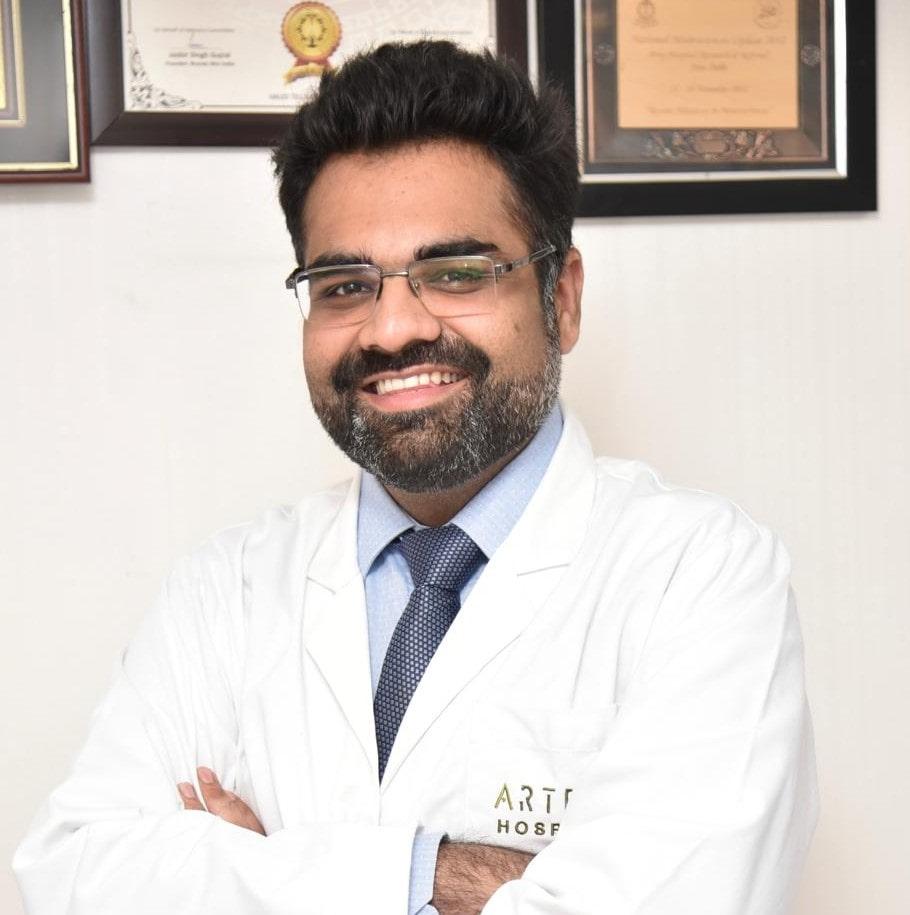
Dr. Mohit Anand
Consultant - Neurology & Movement Disorders
Neurology
New Delhi
15+ Years
Experience
Artemis Hospital
Hospital
1500
Fees
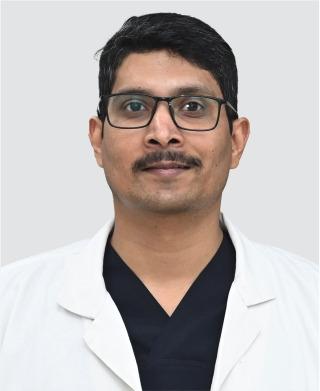
Dr. Mukesh Kumar
Additional Consultant - Neuro Interventional Surgery
Neurointerventional Surgery
New Delhi
20+ Years
Experience
Artemis Hospital
Hospital
1500
Fees
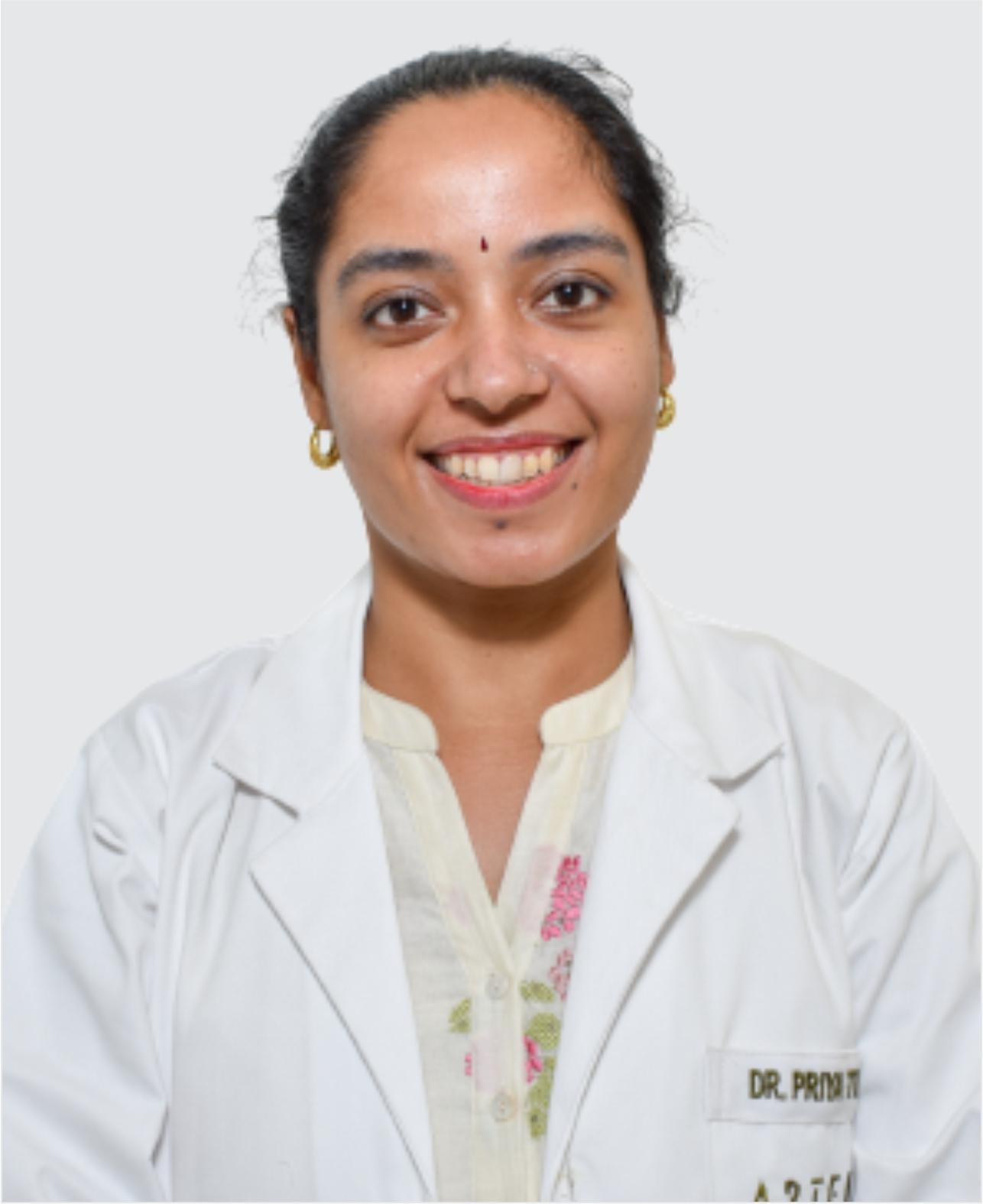
Dr. Priya Tiwari
Sr. Consultant
Radiology
New Delhi
12+ Years
Experience
Artemis Hospital
Hospital
1500
Fees
Dr. Gopal Sharma
Senior Medical Oncologist
Medical Oncology, Haemato-medical Oncology
New Delhi
15+ Years
Experience
Max Hospital,Gurgaon
Hospital
1500
Fees
Dr. Ajay Lall
Principal Director - Pulmonology
Pulmonology
New Delhi
40+ Years
Experience
Max Hospital,Gurgaon
Hospital
1500
Fees
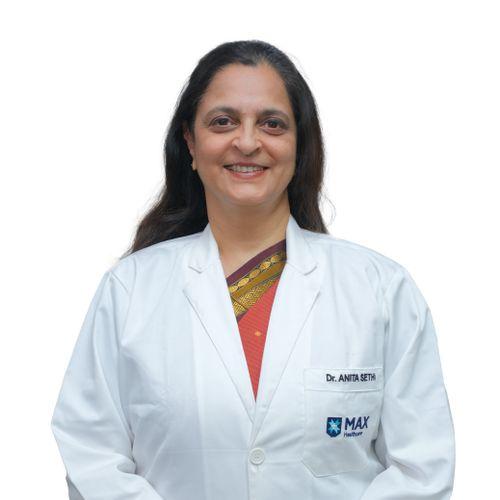
Dr. Anita Sethi
Director
Neurology
New Delhi
28+ Years
Experience
Apolo Delhi
Hospital
1500
Fees
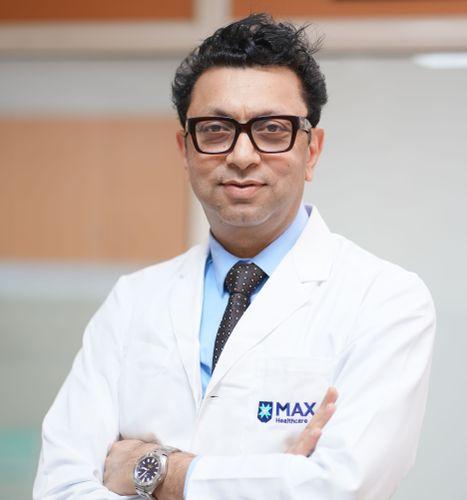
Dr. Vaibhav Mishra
Senior Consultant - Neurology
Neurology
New Delhi
12+ Years
Experience
Apolo Delhi
Hospital
1500
Fees
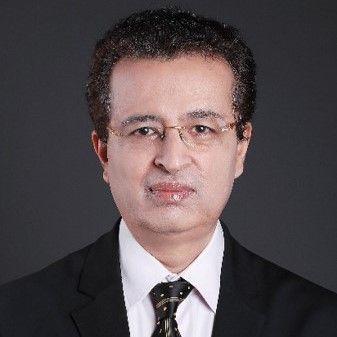
Dr. Anil Sharma
Director
Neurology
New Delhi
30+ Years
Experience
Apolo Delhi
Hospital
1500
Fees
Related Links
Other Treatment related Information
- Endovascular Thrombectomy for Stroke cost in Hyderabad
- Endovascular Thrombectomy for Stroke cost in Bengaluru
- Endovascular Thrombectomy for Stroke cost in India
- Endovascular Thrombectomy for Stroke cost in Pune
- Endovascular Thrombectomy for Stroke cost in New Delhi
- Endovascular Thrombectomy for Stroke cost in Haryana
- Endovascular Thrombectomy for Stroke cost in Chennai
- Endovascular Thrombectomy for Stroke cost in Mumbai
- Endovascular Thrombectomy for Stroke Success Rate in Mumbai
- Endovascular Thrombectomy for Stroke Success Rate in Pune
- Endovascular Thrombectomy for Stroke Success Rate in Hyderabad
- Endovascular Thrombectomy for Stroke Success Rate in Bengaluru
- Endovascular Thrombectomy for Stroke Success Rate in India
- Endovascular Thrombectomy for Stroke Success Rate in New Delhi
- Endovascular Thrombectomy for Stroke Success Rate in Haryana
- Endovascular Thrombectomy for Stroke Success Rate in Chennai
- Best Endovascular Thrombectomy for Stroke Doctors in Hyderabad
- Best Endovascular Thrombectomy for Stroke Doctors in Mumbai
- Best Endovascular Thrombectomy for Stroke Doctors in Pune
- Best Endovascular Thrombectomy for Stroke Doctors in India
Ready To Start Your Healing Journey?
Get Personalized Medical Treatment Options From India's Top Hospitals. Our Medical Experts Are Ready To Assist You Every Step Of The Way.