Endovascular Thrombectomy for Stroke Treatment in Bengaluru for Nigeria
Need Personalized Advice?
Our medical experts are ready to answer your questions and guide you through your treatment options.
About
Endovascular Thrombectomy for Stroke in Bengaluru for Nigerian Patients
For patients in Nigeria facing a stroke, the sudden need for Endovascular Thrombectomy can bring immense stress and uncertainty. Accessing timely, specialized care for such a critical condition often raises concerns about expertise and rapid medical response beyond local options.
Many seek medical options outside their borders for advanced neurological interventions. Bengaluru stands out as a preferred destination, recognized for its specialized stroke centers and efficient coordination in managing urgent medical cases, offering a reliable path to treatment.
Bengaluru's hospitals house renowned neurologists and neurosurgeons skilled in Endovascular Thrombectomy. Patients benefit from integrated care pathways, ensuring continuity from diagnosis to recovery, with robust support for follow-ups and post-operative monitoring right within the city.
Bengaluru offers comprehensive, high-quality care for Endovascular Thrombectomy, ensuring patient well-being and recovery.
What is Endovascular Thrombectomy for Stroke?
Endovascular Thrombectomy is a minimally invasive procedure designed to remove blood clots from large blood vessels in the brain. It is performed to restore blood flow to brain tissue immediately following an acute ischemic stroke. This critical intervention helps to prevent permanent brain damage and minimize long-term disability when performed within a specific time window.
Common Techniques for Clot Removal
Mechanical Thrombectomy using Stent Retrievers: A self-expanding stent is deployed beyond the clot, capturing it, and then retrieved along with the clot.
Aspiration Thrombectomy: A specialized catheter is advanced to the clot, and suction is applied to directly aspirate and remove the clot.
Combination Techniques: Often, stent retrievers and aspiration are used together to maximize the chances of successful clot removal.
Intravenous Thrombolysis: While not Endovascular Thrombectomy itself, IV thrombolysis (clot-dissolving medication) is often administered before or alongside EVT for eligible patients.
When is Endovascular Thrombectomy Required?
- Acute ischemic stroke caused by a large vessel occlusion in the brain.
- Symptoms such as sudden weakness or numbness on one side of the body.
- Sudden difficulty speaking or understanding speech (aphasia).
- Sudden vision loss in one or both eyes.
- Acute facial drooping or paralysis.
- Patient presentation within a critical treatment window, typically up to 24 hours from symptom onset for selected cases.
Pre-Treatment Evaluation Process
- Comprehensive neurological examination and assessment.
- Emergency CT scan of the brain to rule out hemorrhagic stroke.
- CT angiography (CTA) or MR angiography (MRA) to identify the large vessel occlusion.
- Perfusion imaging to assess salvageable brain tissue.
- Blood tests, including coagulation profile and complete blood count.
- Electrocardiogram (ECG) and vital sign monitoring.
- Detailed medical history review.
How the Procedure is Performed
The specific procedure for Endovascular Thrombectomy is tailored to the individual's stroke characteristics, clot location, and the medical team's findings.
Patient Preparation: The patient is positioned, and either local anesthesia with sedation or general anesthesia is administered. The groin area is prepared in a sterile manner.
Vascular Access: A small incision is made, and a catheter is inserted into a major artery, typically in the groin (femoral artery).
Navigation to Brain: Under continuous X-ray guidance (fluoroscopy), a guide wire and catheter are carefully threaded through the arterial system, navigating up to the blood vessels in the brain where the clot is located.
Clot Retrieval: Once the catheter reaches the clot, a specialized device, such as a stent retriever or an aspiration catheter, is deployed to either ensnare or suction out the blood clot.
Blood Flow Confirmation: After clot removal, angiography is performed again to confirm that normal blood flow has been restored to the affected brain region.
Closure: The catheters are withdrawn, and the access site in the groin is closed, often with a special device to prevent bleeding.
Understanding the Recovery Process
Immediate recovery involves close monitoring in an intensive care unit or stroke unit. Patients are observed for any complications and to assess their neurological status. Early mobilization is encouraged where appropriate. The long-term recovery pathway often includes comprehensive rehabilitation therapies such as physical therapy, occupational therapy, and speech therapy, tailored to address any residual neurological deficits. Regular follow-up appointments with neurologists are crucial to manage medication and monitor progress.
Risks and Success Rates of Endovascular Thrombectomy
- Potential for bleeding or bruising at the catheter insertion site.
- Risk of further stroke or intracranial hemorrhage (bleeding in the brain).
- Possible damage or dissection to blood vessels during catheter navigation.
- Infection at the access site or in the bloodstream.
- Adverse reaction to contrast dye used during the procedure.
- Delayed neurological deficits or persistent stroke symptoms.
Endovascular Thrombectomy has significantly improved outcomes for patients with acute ischemic stroke caused by large vessel occlusion. Success rates for clot removal are high, often exceeding 80-90%, especially when performed within the recommended time window. Improved functional independence is achieved in a substantial percentage of treated patients. Outcomes vary based on factors like stroke severity, duration of symptoms, patient age, and overall health condition. Early intervention is paramount for maximizing the chances of a favorable recovery and minimizing long-term disability.
Cost of Endovascular Thrombectomy in Bengaluru
The cost of Endovascular Thrombectomy in Bengaluru is influenced by several factors, including the chosen hospital's reputation, the neurointerventionalist's experience, the specific devices used, the length of hospital stay, and any post-procedure complications or required rehabilitation.
In Bengaluru, the estimated cost for Endovascular Thrombectomy typically ranges from INR 6,00,000 to INR 15,00,000.
Comparing Bengaluru's Treatment Costs
Bengaluru offers a significant cost advantage for Endovascular Thrombectomy compared to many Western countries, without compromising on clinical quality or advanced technology.
| Location | Estimated Cost (USD) |
|---|---|
| Bengaluru, India | $7,000 - $18,000 |
| United States | $35,000 - $80,000 |
| United Kingdom | $25,000 - $55,000 |
| Singapore | $20,000 - $40,000 |
| United Arab Emirates | $18,000 - $35,000 |
Comprehensive Support Services for International Patients
- Assistance with medical visa application and documentation.
- Airport pick-up and drop-off arrangements.
- Support for finding suitable accommodation during your stay.
- Dedicated patient coordinator for all logistical needs.
- Language interpretation services for effective communication.
- Guidance on local SIM card acquisition and connectivity.
- Scheduling of post-treatment follow-up appointments.
Essential Documents for Your Medical Journey to Bengaluru
- Valid passport and medical visa.
- All previous medical reports, including CT/MRI scans and neurologist notes.
- Referral letters from your primary care physician, if applicable.
- Proof of financial capability for treatment and stay.
- Copies of all identification documents.
- Travel insurance details.
Preparing for Your Endovascular Thrombectomy Procedure
- Ensure all required medical records are readily available upon arrival.
- Discuss all your expectations and concerns with the medical team.
- Adhere strictly to any dietary or medication guidelines provided pre-procedure.
- Arrange for comfortable accommodation and local transportation in Bengaluru.
- Inform the medical team of all current medications, allergies, and medical history.
- Plan for post-procedure care and potential rehabilitation requirements.
Aftercare and Recovery Following Stroke Thrombectomy
- Strictly follow the prescribed medication regimen to prevent complications.
- Actively participate in recommended rehabilitation therapies.
- Monitor for any new or worsening neurological symptoms and report them.
- Attend all scheduled follow-up appointments with your neurologist.
- Maintain a healthy lifestyle, including diet and moderate exercise.
- Avoid strenuous activities or heavy lifting as advised by your doctor.
Begin Your Path to Recovery in Bengaluru
Choosing Bengaluru for Endovascular Thrombectomy provides access to world-class medical expertise and facilities.
Hospitals Offering this treatment
India offers premium medical procedures at affordable prices. Discover our most popular treatments, delivered by the country's finest doctors.
Meet Our Doctors
Meet our team of highly qualified and experienced medical professionals dedicated to providing the best healthcare services.
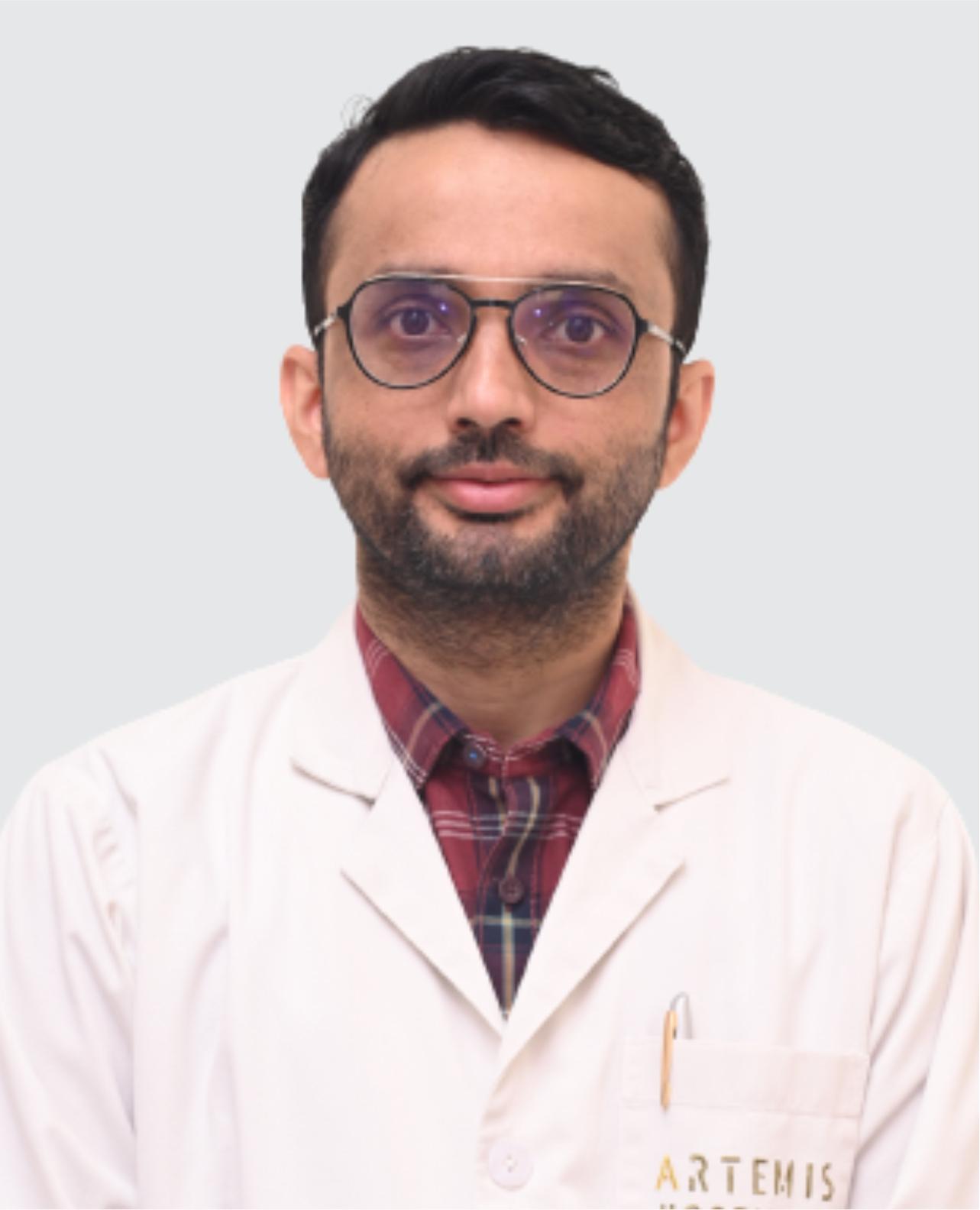
Dr. Vivek Barun
Sr. Consultant-Neurology & Epilepsy
Neurology & Epilepsy
New Delhi
15+ Years
Experience
Artemis Hospital
Hospital
1500
Fees

Dr. Ajit Singh Baghela
Consultant
Paediatric Neurology
Haryana
9+ Years
Experience
Artemis Hospital
Hospital
1500
Fees
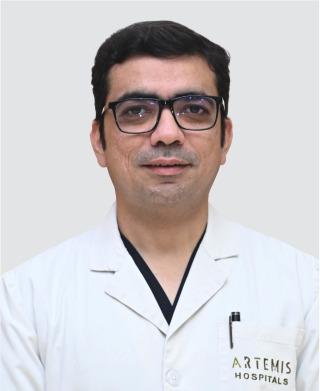
Dr. Tariq Matin
Director & Chief
Neurointerventional Surgery
New Delhi
15+ Years
Experience
Artemis Hospital
Hospital
1500
Fees
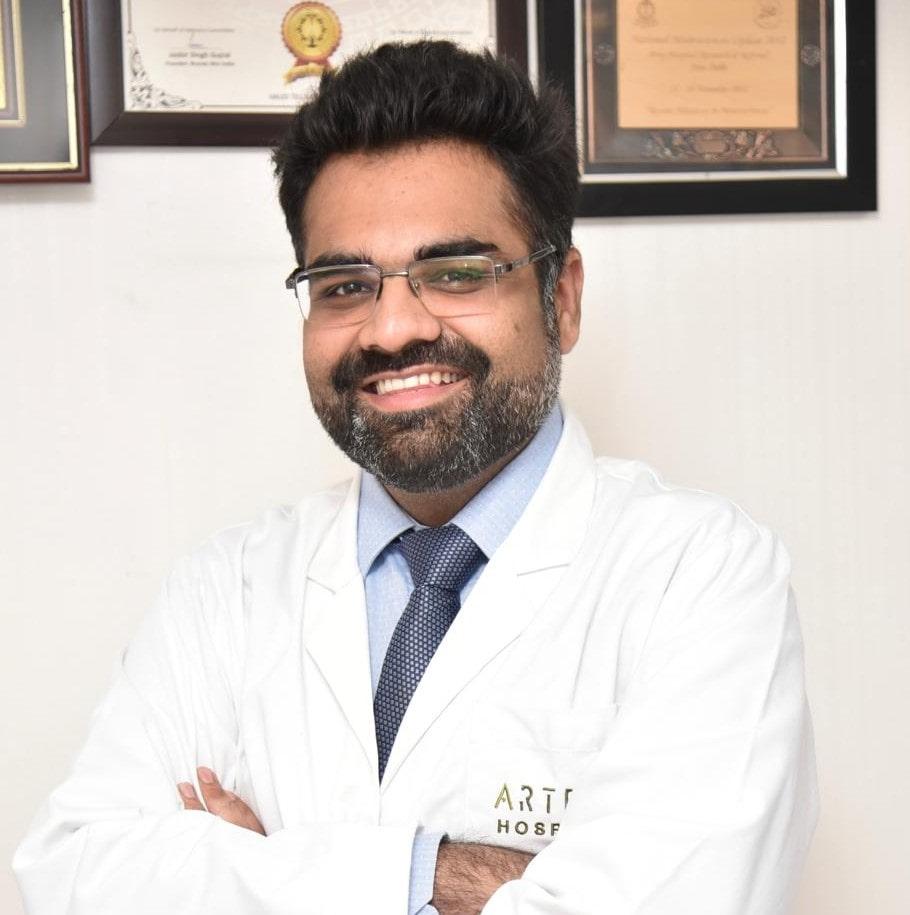
Dr. Mohit Anand
Consultant - Neurology & Movement Disorders
Neurology
New Delhi
15+ Years
Experience
Artemis Hospital
Hospital
1500
Fees
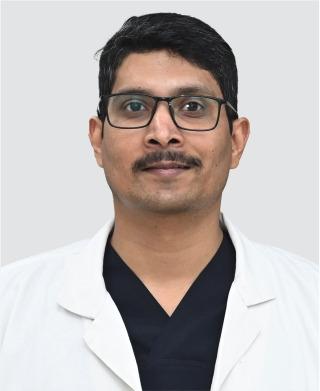
Dr. Mukesh Kumar
Additional Consultant - Neuro Interventional Surgery
Neurointerventional Surgery
New Delhi
20+ Years
Experience
Artemis Hospital
Hospital
1500
Fees
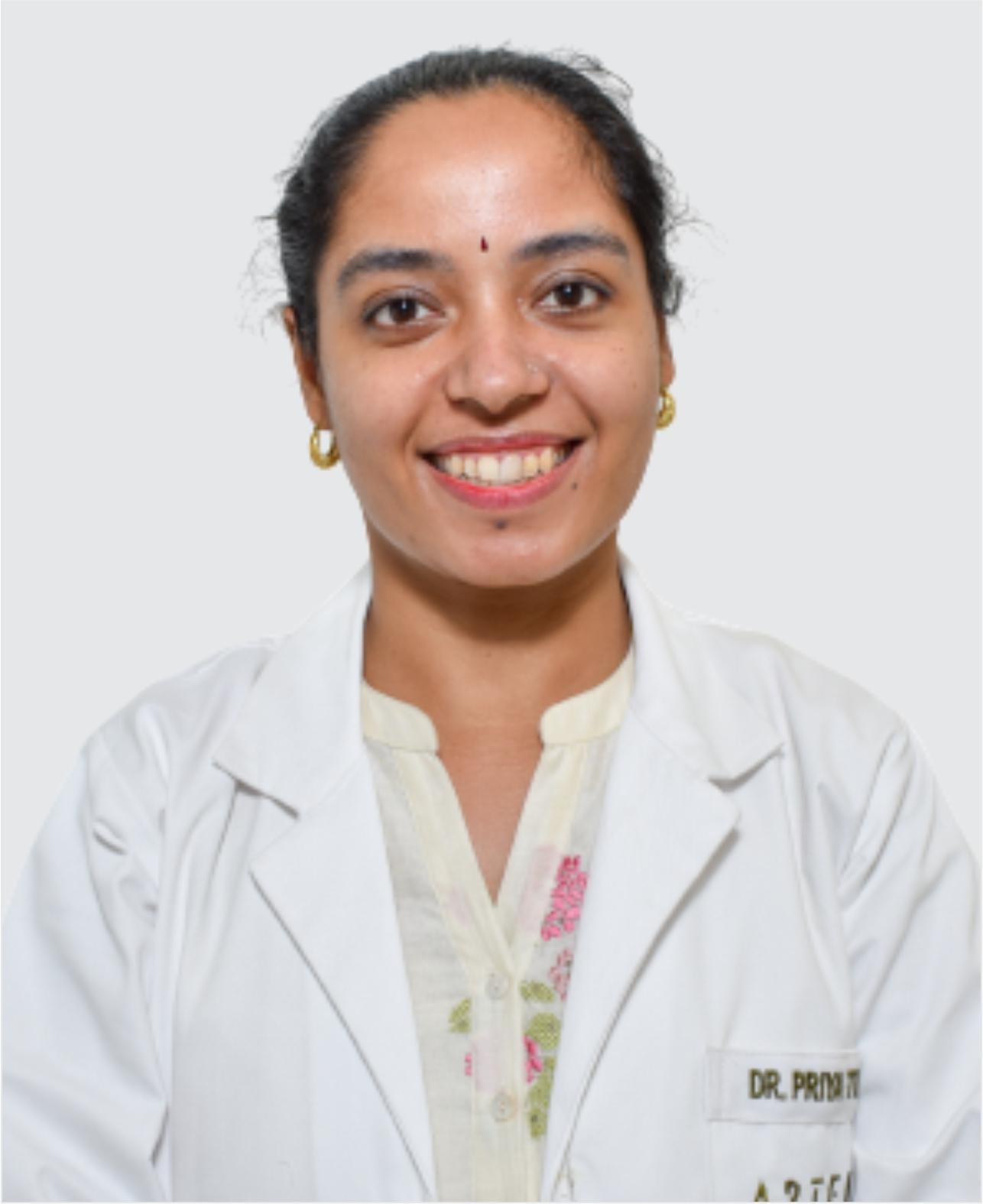
Dr. Priya Tiwari
Sr. Consultant
Radiology
New Delhi
12+ Years
Experience
Artemis Hospital
Hospital
1500
Fees
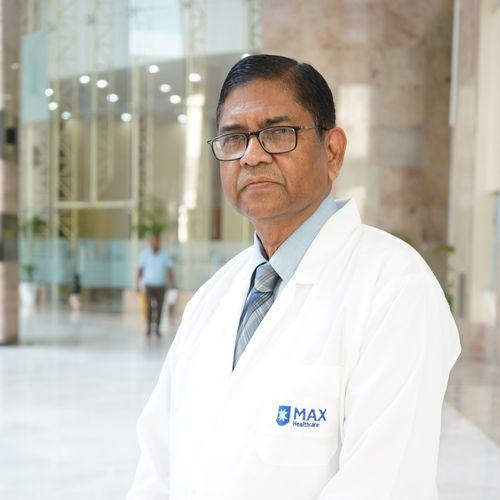
Dr. Nakul Sinha
Chairman - Cardiology
Cardiology
New Delhi
41+ Years
Experience
Max Hospital,Gurgaon
Hospital
1500
Fees
Dr. Gopal Sharma
Senior Medical Oncologist
Medical Oncology, Haemato-medical Oncology
New Delhi
15+ Years
Experience
Max Hospital,Gurgaon
Hospital
1500
Fees
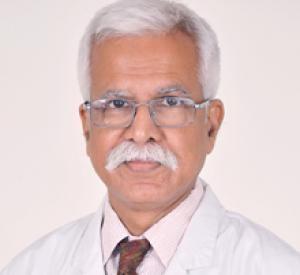
Dr. Ajay Lall
Principal Director - Pulmonology
Pulmonology
New Delhi
40+ Years
Experience
Max Hospital,Gurgaon
Hospital
1500
Fees
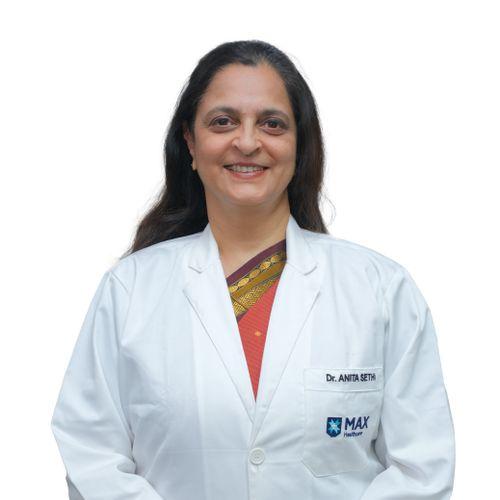
Dr. Anita Sethi
Director
Neurology
New Delhi
28+ Years
Experience
Apolo Delhi
Hospital
1500
Fees
Related Links
Other Treatment related Information
- Endovascular Thrombectomy for Stroke cost in Hyderabad
- Endovascular Thrombectomy for Stroke cost in Bengaluru
- Endovascular Thrombectomy for Stroke cost in India
- Endovascular Thrombectomy for Stroke cost in Pune
- Endovascular Thrombectomy for Stroke cost in New Delhi
- Endovascular Thrombectomy for Stroke cost in Haryana
- Endovascular Thrombectomy for Stroke cost in Chennai
- Endovascular Thrombectomy for Stroke cost in Mumbai
- Endovascular Thrombectomy for Stroke Success Rate in Mumbai
- Endovascular Thrombectomy for Stroke Success Rate in Pune
- Endovascular Thrombectomy for Stroke Success Rate in Hyderabad
- Endovascular Thrombectomy for Stroke Success Rate in Bengaluru
- Endovascular Thrombectomy for Stroke Success Rate in India
- Endovascular Thrombectomy for Stroke Success Rate in New Delhi
- Endovascular Thrombectomy for Stroke Success Rate in Haryana
- Endovascular Thrombectomy for Stroke Success Rate in Chennai
- Best Endovascular Thrombectomy for Stroke Doctors in Hyderabad
- Best Endovascular Thrombectomy for Stroke Doctors in Mumbai
- Best Endovascular Thrombectomy for Stroke Doctors in Pune
- Best Endovascular Thrombectomy for Stroke Doctors in India
Ready To Start Your Healing Journey?
Get Personalized Medical Treatment Options From India's Top Hospitals. Our Medical Experts Are Ready To Assist You Every Step Of The Way.