
Urology Treatment in New Delhi for UAE
Need Personalized Advice?
Our medical experts are ready to answer your questions and guide you through your treatment options.
About
Urology Treatment in New Delhi for UAE Patients
Facing a urological condition can bring many questions for patients from UAE. Concerns often arise about accessing highly specialized care, navigating treatment options, or the overall cost involved. Finding a trusted medical destination offering advanced solutions is a common priority.
Many individuals considering medical care abroad look towards New Delhi. The city offers a well-established healthcare infrastructure with a focus on international patient coordination. Patients choose New Delhi for its comprehensive medical environment.
New Delhi's hospitals and urology specialists are known for their expertise and modern facilities. The city ensures a continuum of care, making follow-ups and post-treatment support manageable within its boundaries. Trust is built on a foundation of professional medical services.
New Delhi provides a structured and advanced experience for urology treatment.
What Does Urology Treatment Involve?
Urology is a medical specialty focused on the urinary tracts of men and women, and the reproductive system of men. Treatment in urology addresses a wide range of conditions affecting the kidneys, bladder, prostate, and male reproductive organs. This can include managing infections, removing stones, treating incontinence, addressing prostate enlargement, and dealing with various cancers. The goal is to restore normal function and improve the patient's quality of life through accurate diagnosis and effective care.
What Are the Common Types of Urology Treatments?
Urology encompasses diverse treatment approaches tailored to specific conditions:
- Medical Management: Using medications to treat infections, overactive bladder, or manage symptoms of prostate enlargement.
- Minimally Invasive Surgery: Procedures like laparoscopy or robotic surgery for kidney removal, prostatectomy, or bladder repair.
- Endoscopic Procedures: Using scopes inserted through natural openings, such as cystoscopy for bladder issues or ureteroscopy for kidney stones.
- Extracorporeal Shockwave Lithotripsy (ESWL): Non-invasive method to break down kidney stones using shock waves.
- Reconstructive Urology: Surgical repair of urinary tract injuries, congenital abnormalities, or post-cancer defects.
- Oncological Urology: Treatment for cancers of the kidney, bladder, prostate, and testes, involving surgery, chemotherapy, or radiation.
When Is Urology Treatment Required?
- Persistent urinary tract infections that do not respond to standard treatments.
- Presence of kidney stones, bladder stones, or ureteral stones causing pain or obstruction.
- Symptoms of benign prostatic hyperplasia (BPH) like frequent urination, weak stream, or incomplete bladder emptying.
- Urinary incontinence or overactive bladder impacting daily life.
- Blood in urine (hematuria) indicating underlying issues.
- Pain or discomfort in the lower abdomen, groin, or flanks possibly related to urinary organs.
- Diagnosis of cancers affecting the kidney, bladder, prostate, or testes.
- Male infertility issues requiring urological assessment.
- Erectile dysfunction or other male sexual health concerns.
How Are Patients Evaluated Before Urology Treatment?
- Detailed medical history review and physical examination.
- Urine analysis and culture to check for infection or other abnormalities.
- Blood tests including kidney function tests, prostate-specific antigen (PSA) for men, and complete blood count.
- Imaging studies such as ultrasound of the kidneys, bladder, and prostate.
- CT scans or MRI for detailed visualization of urinary organs and surrounding structures.
- Cystoscopy: A procedure using a thin scope to examine the bladder and urethra.
- Urodynamic studies to assess bladder function and urine flow.
- Biopsy of suspicious tissues, especially for potential cancers.
How Is Urology Treatment Performed?
The specific urology procedure performed depends significantly on the patient's condition, diagnosis, and overall health plan. Each treatment is customized for the best outcome.
For Kidney Stones
Procedures range from Extracorporeal Shockwave Lithotripsy (ESWL), which uses shock waves to break stones, to Ureteroscopy (URS), where a scope removes stones. Percutaneous Nephrolithotomy (PCNL) is used for larger stones, involving a small incision to access the kidney directly.
For Prostate Conditions (BPH)
Transurethral Resection of the Prostate (TURP) is a common surgical method to remove excess prostate tissue. Laser therapies like HoLEP (Holmium Laser Enucleation of the Prostate) offer minimally invasive alternatives, reducing recovery time. Medications can also manage symptoms in earlier stages.
For Bladder Issues
Treatment for conditions like bladder cancer may involve Transurethral Resection of Bladder Tumor (TURBT), followed by intravesical therapy. For incontinence, options include medication, physical therapy, or surgical interventions like sling procedures.
For Urological Cancers
Surgical removal of tumors, such as radical prostatectomy for prostate cancer or nephrectomy for kidney cancer, is often a primary approach. These can be performed through open surgery or minimally invasive techniques like laparoscopy or robotic surgery. Adjuvant therapies like chemotherapy or radiation might follow.
What Does the Recovery Process Entail?
Recovery from urology treatment varies based on the procedure. Minimally invasive surgeries generally allow for quicker healing, often within a few days to weeks. Open surgeries may require a longer hospital stay and several weeks for full recovery. Patients typically receive instructions on activity restrictions, wound care, and medication management for pain or infection. Follow-up appointments are crucial to monitor healing, remove stents if placed, and ensure no complications arise. Physical therapy or specific exercises might be recommended to restore strength and function, especially after pelvic surgeries. Adhering to medical advice ensures a smooth healing journey.
What Are the Risks and Success Rates of Urology Treatment?
- General surgical risks include bleeding, infection at the surgical site, and adverse reactions to anesthesia.
- Specific risks may involve injury to surrounding organs, urinary leakage, or changes in sexual function for certain prostate procedures.
- Potential for recurrence of stones or infections in susceptible individuals.
- Post-operative pain and discomfort are common but usually manageable with medication.
The success rates for urology treatments in New Delhi are generally high, particularly for common conditions like kidney stones and benign prostatic hyperplasia. Outcomes vary widely depending on the specific condition, its stage, the chosen treatment method, and individual patient factors. For example, kidney stone removal procedures often have success rates exceeding 90%. Prostate cancer treatments, when caught early, also show very favorable long-term outcomes. Long-term expectations are usually positive, aiming for improved quality of life and symptom relief.
Ready to explore advanced urology treatment options in New Delhi?
Contact us today for personalized guidance and hospital comparisons.
Cost of Urology Treatment in New Delhi
The cost of urology treatment in New Delhi is influenced by several factors. These include the complexity of the procedure, the specific hospital chosen, the experience of the consulting urologist, the technology utilized, and the length of hospital stay. Diagnostic tests, pre-operative evaluations, and post-operative care also contribute to the final expense.
Urology treatments in New Delhi typically range from INR 75,000 to INR 600,000 or more, depending on the intervention.
Comparing Urology Treatment Costs: New Delhi vs. Global Destinations
New Delhi provides highly competitive pricing for a range of urology procedures when compared to many other international medical hubs, without compromising on quality or advanced medical infrastructure.
| Procedure | New Delhi (INR) | USA (USD) | UK (GBP) | Singapore (SGD) | Thailand (THB) |
|---|---|---|---|---|---|
| Kidney Stone Removal (ESWL) | 75,000 - 150,000 | 5,000 - 10,000 | 3,000 - 6,000 | 4,000 - 7,000 | 150,000 - 250,000 |
| TURP for BPH | 180,000 - 300,000 | 8,000 - 15,000 | 6,000 - 10,000 | 7,000 - 12,000 | 300,000 - 500,000 |
| Laparoscopic Nephrectomy | 350,000 - 600,000 | 15,000 - 30,000 | 10,000 - 20,000 | 12,000 - 25,000 | 500,000 - 900,000 |
| Cystoscopy | 50,000 - 100,000 | 2,000 - 5,000 | 1,500 - 3,000 | 2,500 - 4,500 | 80,000 - 150,000 |
Comprehensive Support for Your Treatment Journey
- Personalized treatment plan development based on your medical records.
- Assistance with appointment scheduling and specialist consultations.
- Guidance on visa applications and travel arrangements for New Delhi.
- Airport transfers and local transportation assistance upon arrival.
- Accommodation options ranging from budget-friendly to premium stays.
- Dedicated interpreter services for effective communication.
- Facilitation of follow-up care and remote consultations after returning home.
- Round-the-clock patient support for any queries or concerns.
Important Papers Required for Your Medical Visit
- Valid passport and medical visa for entry into India.
- All relevant past medical reports, diagnostic scans, and treatment summaries.
- Doctor's referral letters or medical opinions from your home country.
- Proof of address and contact information for emergency purposes.
- Details of any existing medical insurance policy, if applicable.
- A list of current medications, including dosage and frequency.
Preparing for Your Procedure in New Delhi
- Follow any dietary restrictions or fasting instructions given by your medical team.
- Arrange for a companion or family member to accompany you, if possible.
- Stop certain medications, like blood thinners, as advised by your urologist.
- Ensure all necessary documents are organized and easily accessible.
- Discuss any allergies or previous reactions to medications or anesthesia.
- Plan for your stay, considering recovery time and follow-up appointments.
Healing and Support After Your Urology Treatment
- Adhere strictly to prescribed medication schedules and wound care instructions.
- Attend all scheduled follow-up appointments with your urologist.
- Gradually resume physical activities as directed by your care team.
- Maintain a healthy diet and sufficient hydration to support recovery.
- Watch for any signs of infection or complications and report them promptly.
- Utilize post-discharge support services for continued guidance.
Have questions about your urology treatment plan?
Reach out to our patient support team for clear answers and expert advice.
Begin Your Path to Recovery with Confidence
New Delhi's advanced medical facilities and experienced urologists are ready to provide the care you need.
Hospitals Offering this treatment
India offers premium medical procedures at affordable prices. Discover our most popular treatments, delivered by the country's finest doctors.
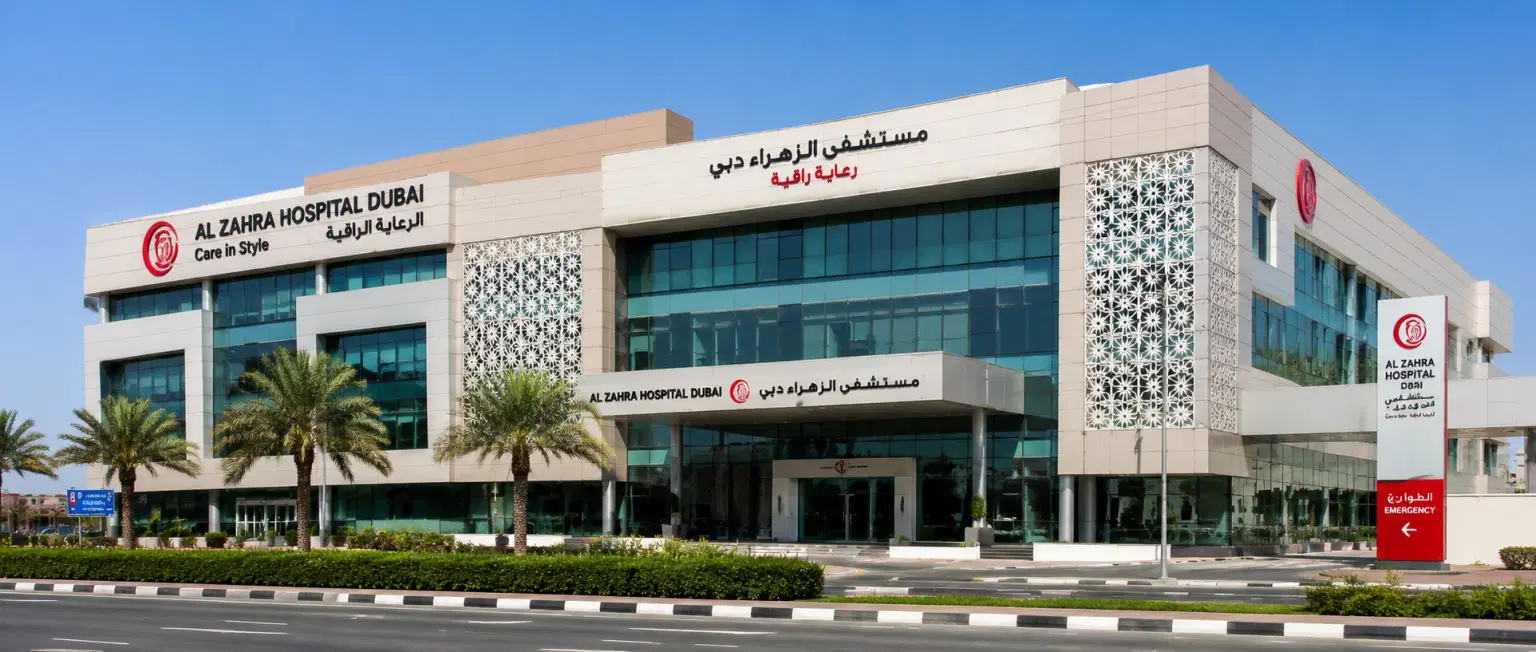
Al Zahra Hospital, Dubai
Sheikh Zayed Road, Al Barsha 1, Dubai, UAE
Al Zahra Hospital, Dubai

Burjeel Medical City, Abu Dhabi
28th Street, Mohammed Bin Zayed City, Abu Dhabi, UAE
Burjeel Medical City, Abu Dhabi

Burjeel Hospital, Dubai
Dubai, UAE (part of Burjeel Holdings network)
Burjeel Hospital, Dubai
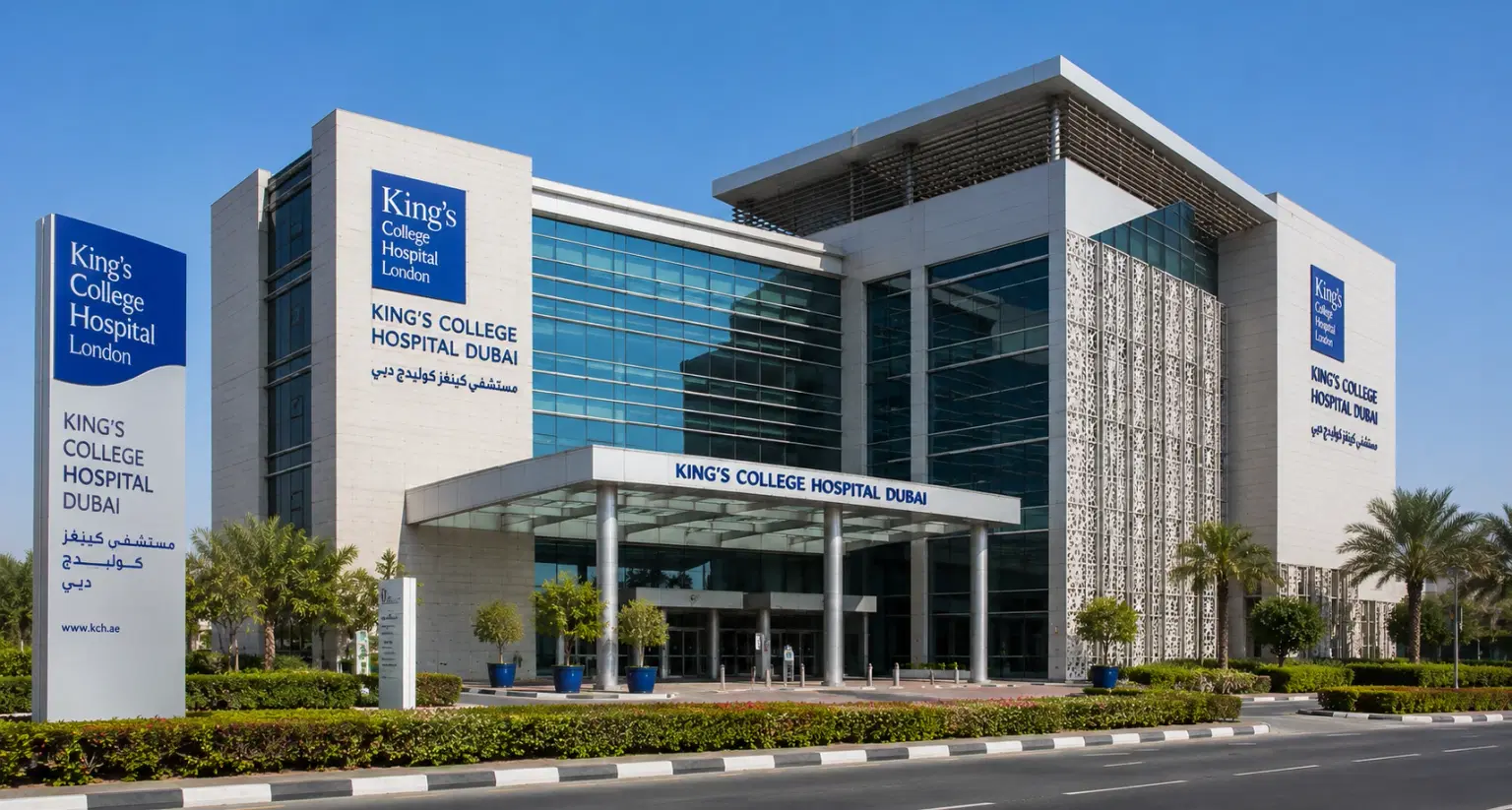
King's College Hospital, Dubai
Dubai Hills, Mohammed Bin Rashid City, Dubai, UAE
King's College Hospital, Dubai

Neuro Spinal Hospital (NSH), Dubai
Dubai Science Park, Umm Suqeim St, Al Barsha South, Dubai, UAE
Neuro Spinal Hospital (NSH), Dubai
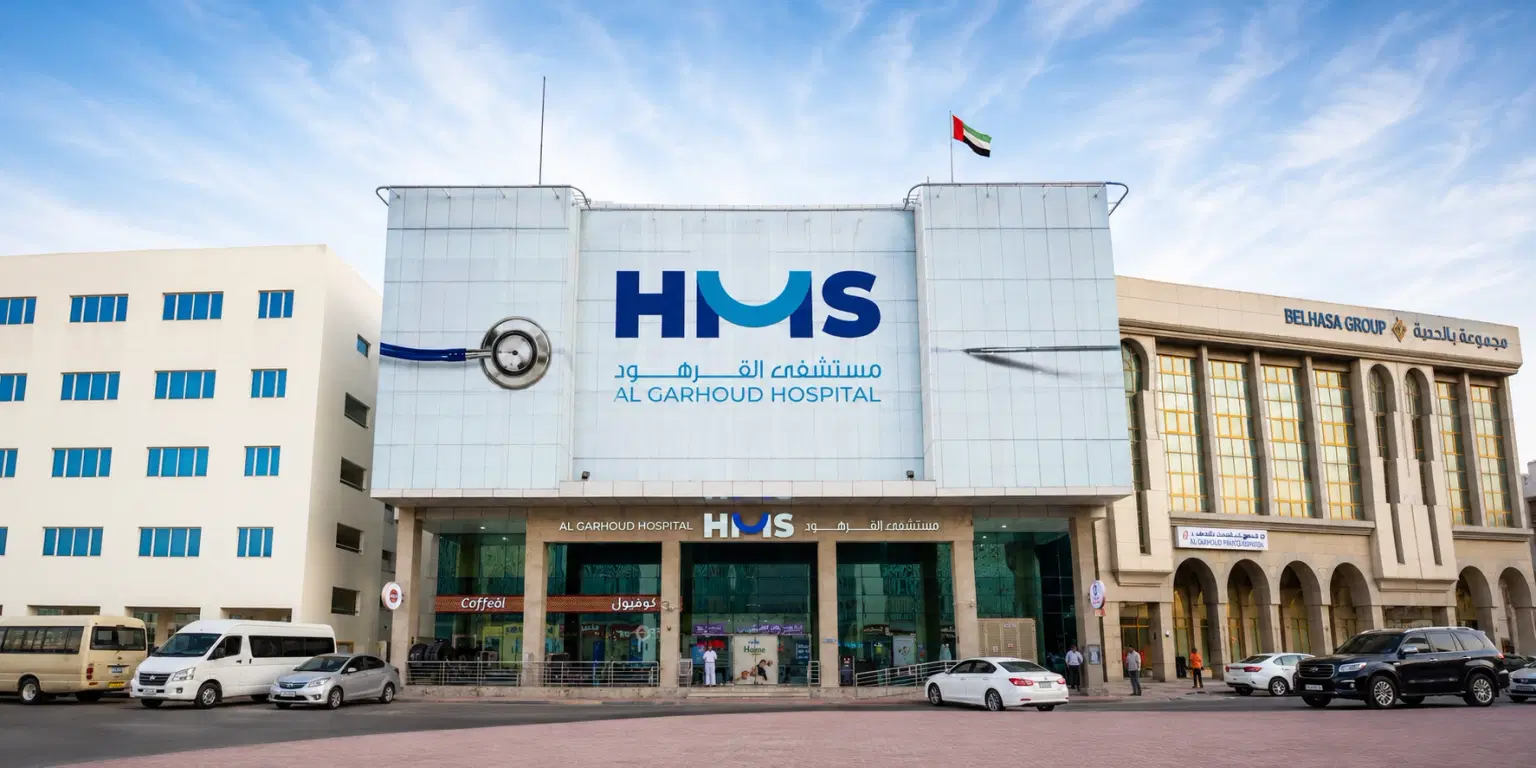
HMS Al Garhoud Hospital, Dubai
Al Garhoud Street, Al Garhoud, Dubai, UAE
HMS Al Garhoud Hospital, Dubai
Meet Our Doctors
Meet our team of highly qualified and experienced medical professionals dedicated to providing the best healthcare services.

Dr. Abhinandan Mukhopadhyay
Sr. Consultant - Urology & Kidney Transplant Program (Unit I)
Urology, Kidney Transplant, Urological Cancers
Haryana
8+ Years
Experience
Artemis Hospital
Hospital
1500
Fees
Dr. Amit Kalsotra
Sr. Consultant - Anaesthesia, Critical Care & Pain Management
Anaesthesia, Critical Care, Pain Management
New Delhi
15+ Years
Experience
Artemis Hospital
Hospital
1500
Fees
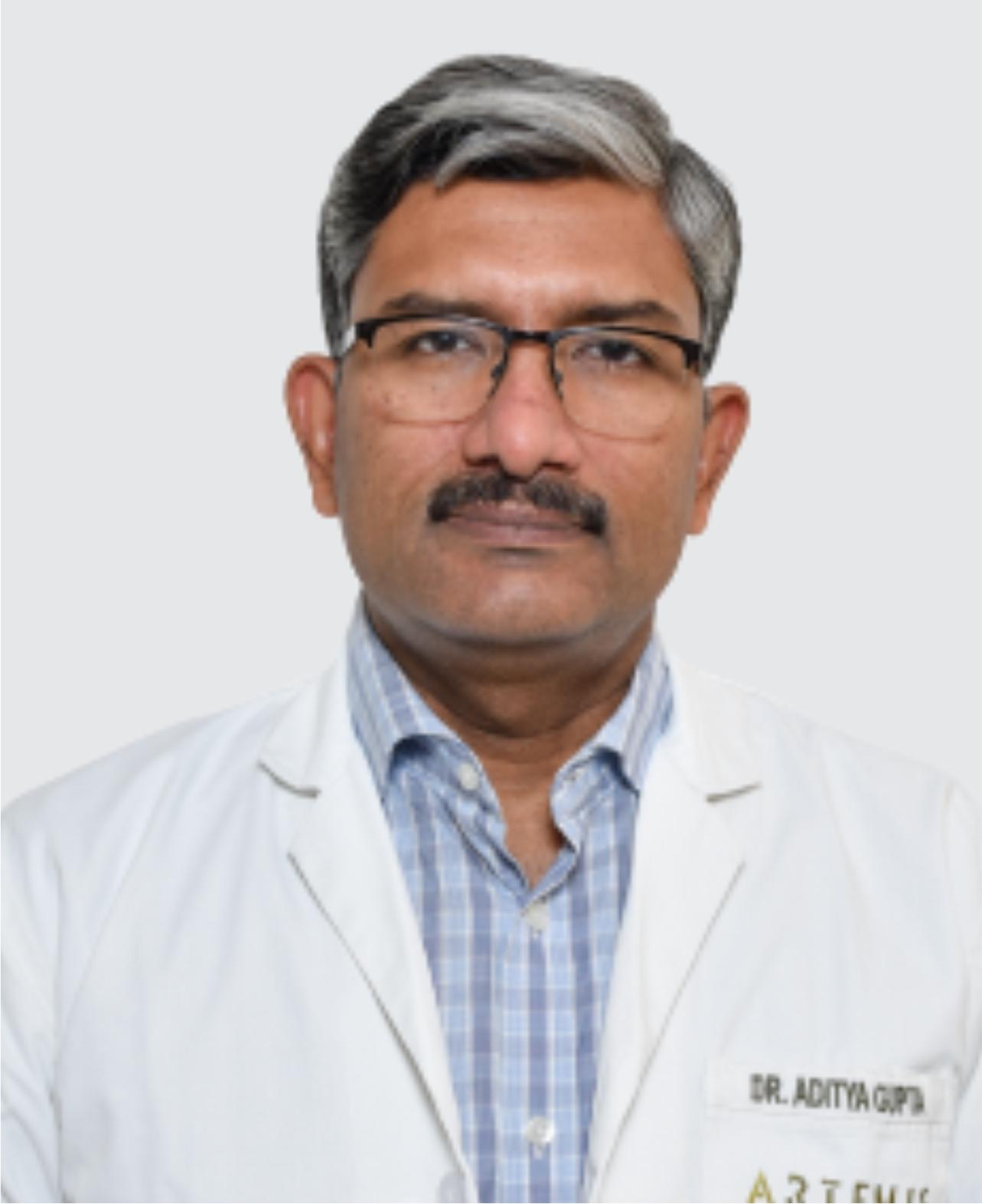
Dr. Aditya Gupta
Chairperson - Neurosurgery & CNS Radiosurgery & Co-Chief - Cyberknife Centre
Neurosurgery
New Delhi
32+ Years
Experience
Artemis Hospital
Hospital
1500
Fees
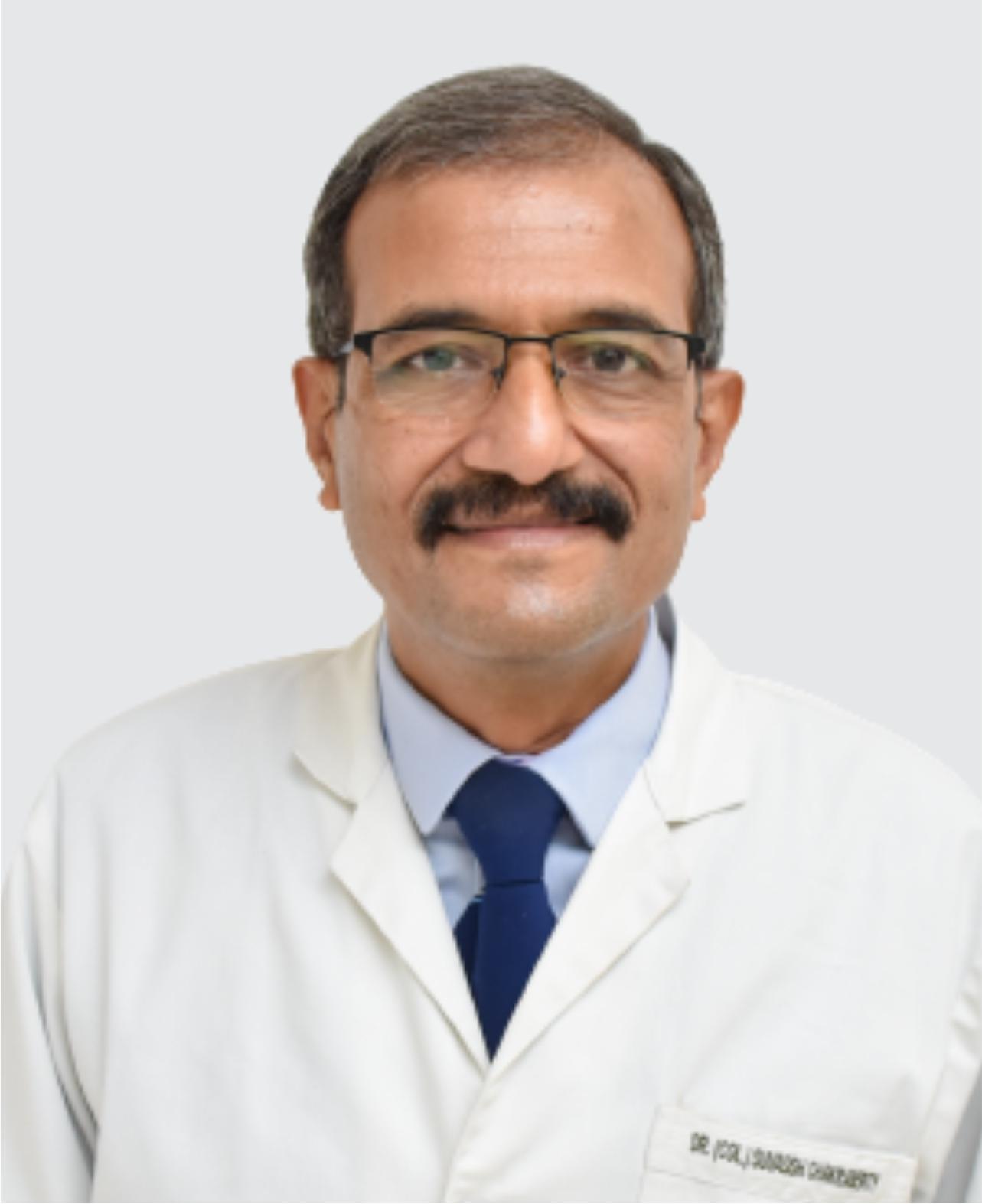
Dr. Chakraberty
Chief - Emergency
Emergency & Trauma Services
New Delhi
25+ Years
Experience
Artemis Hospital
Hospital
1500
Fees
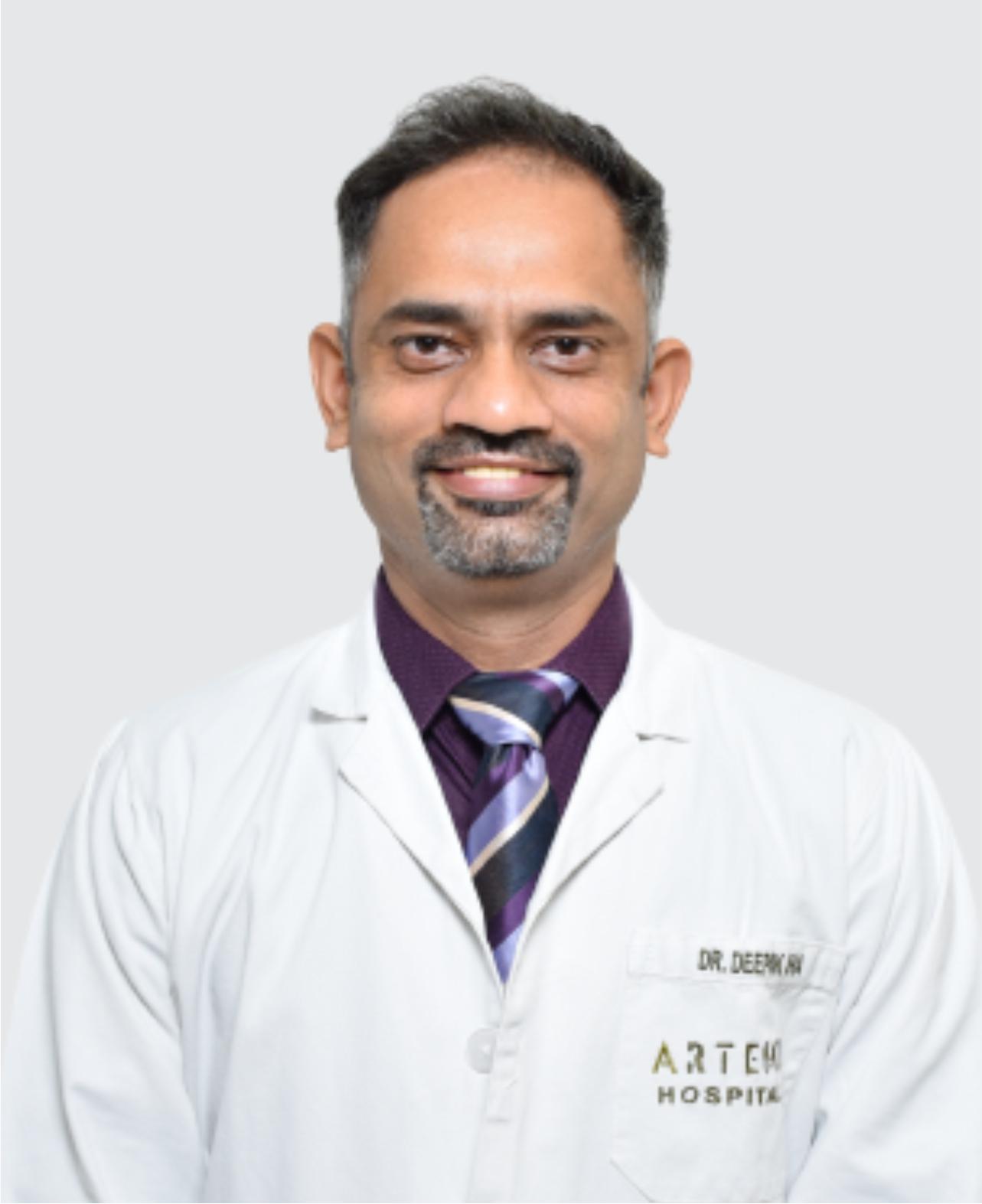
Dr. Deepak Jha
Chief - Breast Surgery & Sr. Consultant : Surgical Oncology
Breast Surgery, Oncology
New Delhi
15+ Years
Experience
Artemis Hospital
Hospital
1500
Fees

Dr. Meenal Thakral
Attending Consultant – Geriatric Medicine
Geriatric Medicine, Geriatric Surgery
New Delhi
3+ Years
Experience
Artemis Hospital
Hospital
1500
Fees
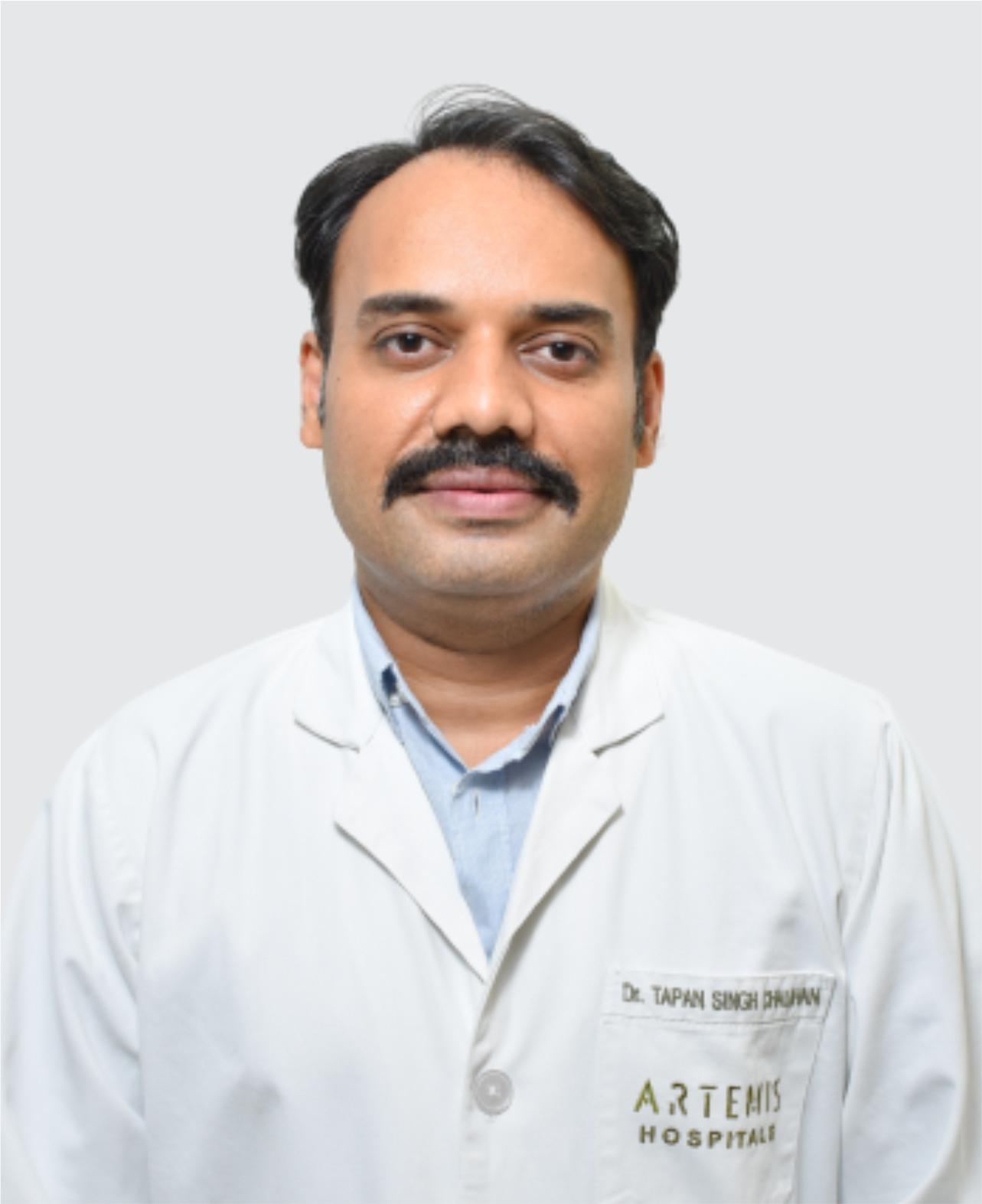
Dr. Tapan Singh Chauhan
Sr. Consultant - Surgical Oncology, Robotics, GI & HPB, Gynae & Peritoneal Surface Oncology
Oncology, Robotic Surgery
New Delhi
15+ Years
Experience
Artemis Hospital
Hospital
1500
Fees
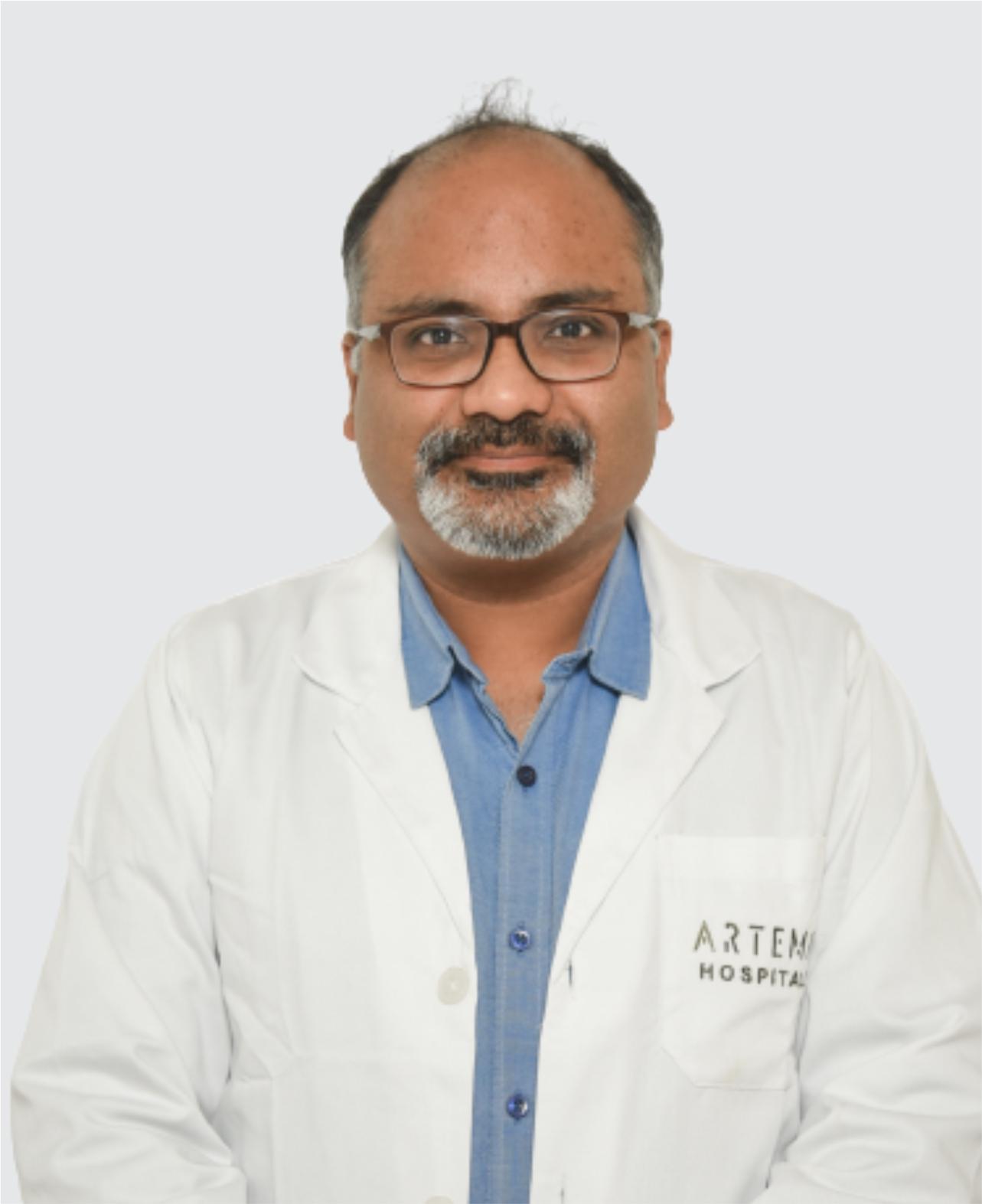
Dr. Varun Mittal
Head - Kidney Transplant & Associate Chief - Uro-Oncology & Robotic Surgery (Unit I)
Nephrology, Organ Transplant, Robotic Surgery, Urology
New Delhi
15+ Years
Experience
Artemis Hospital
Hospital
1500
Fees
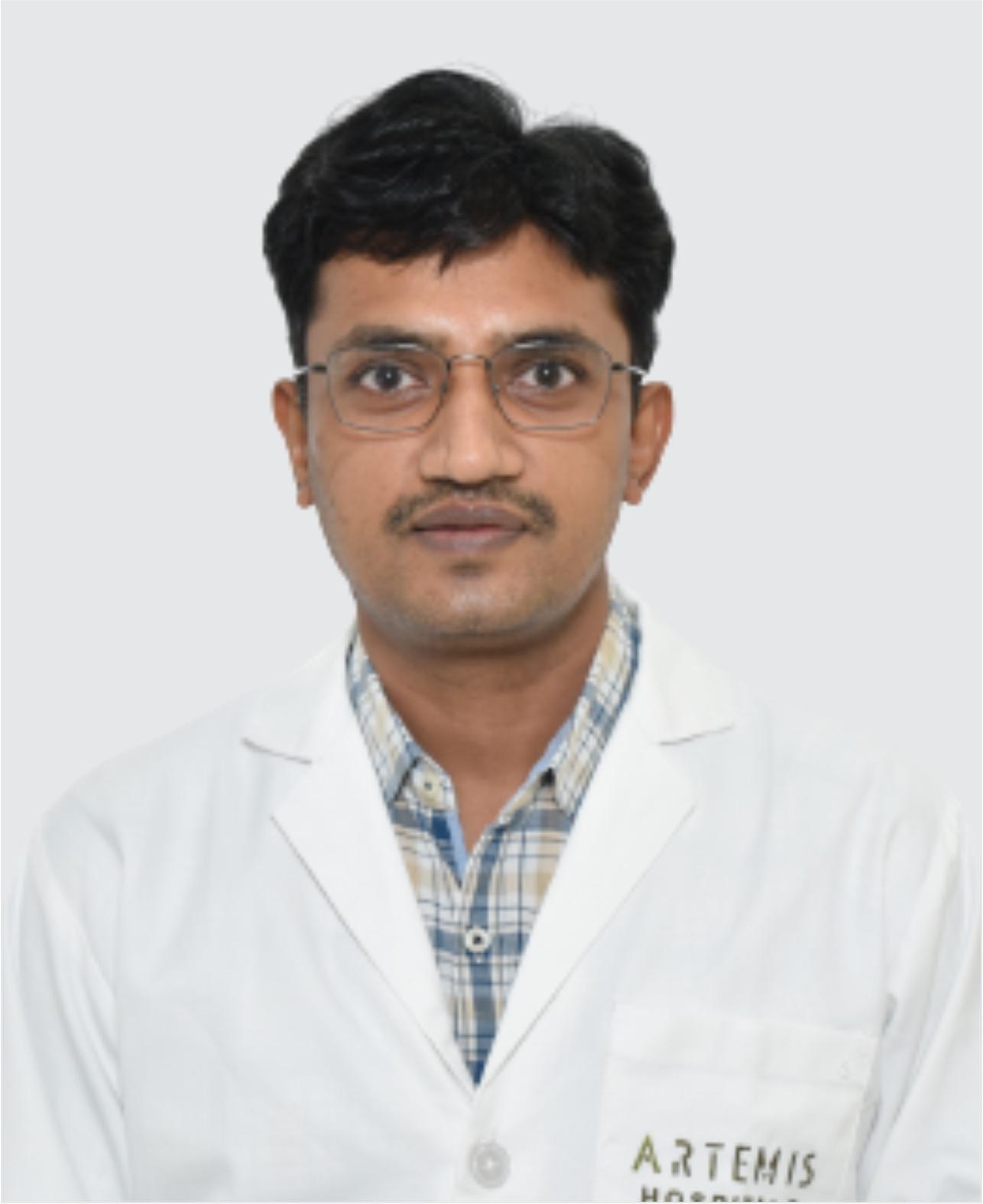
Dr. Nitin Goel
Sr. Consultant
Paediatric Surgery
New Delhi
10+ Years
Experience
Artemis Hospital
Hospital
1500
Fees
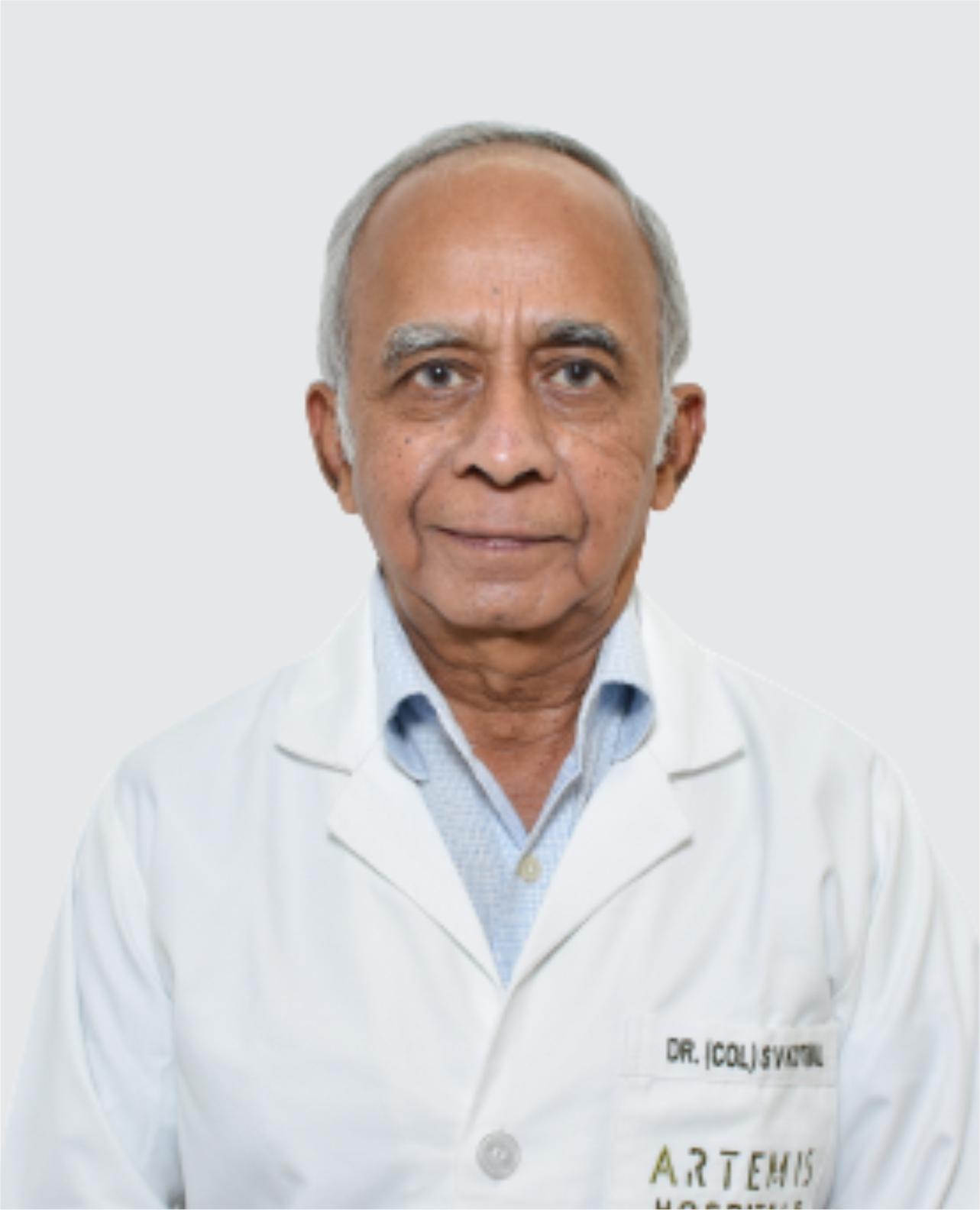
Dr. S. V. Kotwal
Chairperson Emeritus and DNB Teacher - Urology
Urology
New Delhi
15+ Years
Experience
Artemis Hospital
Hospital
1500
Fees
Related Links
Recent Blogs
Other Treatment related Information
- Urology cost in Haryana
- Urology cost in New Delhi
- Urology cost in India
- Urology cost in Pune
- Urology cost in Bengaluru
- Urology cost in Hyderabad
- Urology cost in Mumbai
- Urology cost in Chennai
- Urology Success Rate in Pune
- Urology Success Rate in Bengaluru
- Urology Success Rate in New Delhi
- Urology Success Rate in Haryana
- Urology Success Rate in Mumbai
- Urology Success Rate in India
- Urology Success Rate in Chennai
- Urology Success Rate in Hyderabad
Ready To Start Your Healing Journey?
Get Personalized Medical Treatment Options From India's Top Hospitals. Our Medical Experts Are Ready To Assist You Every Step Of The Way.