
Intracytoplasmic Sperm Injection (ICSI) Treatment in India for Iraq
व्यक्तिगत सलाह की आवश्यकता है?
हमारे चिकित्सा विशेषज्ञ आपके प्रश्नों का उत्तर देने और आपके उपचार विकल्पों के माध्यम से आपका मार्गदर्शन करने के लिए तैयार हैं।
हमारे चिकित्सा विशेषज्ञ आपके प्रश्नों का उत्तर देने और आपके उपचार विकल्पों के माध्यम से आपका मार्गदर्शन करने के लिए तैयार हैं।
For couples in Iraq facing infertility challenges, the path to starting a family can often feel uncertain. When considering advanced fertility solutions like Intracytoplasmic Sperm Injection (ICSI), concerns about accessing quality care, finding experienced specialists, and understanding the entire process are natural.
Many families choose to explore medical options beyond their home country to find specialized treatments and better healthcare infrastructure. India has emerged as a prominent global destination, recognized for its comprehensive medical tourism ecosystem offering advanced fertility services across numerous major cities.
Throughout India, there is a strong network of modern fertility clinics equipped with cutting-edge technology and staffed by highly skilled reproductive endocrinologists. These facilities maintain international standards of care, providing accessible and effective solutions for couples seeking to overcome infertility.
Could India be the ideal destination for your ICSI treatment journey?
Intracytoplasmic Sperm Injection (ICSI) is an advanced fertility treatment often used as part of In Vitro Fertilization (IVF). It involves directly injecting a single sperm into an individual egg in a laboratory setting. This method is particularly beneficial when there are challenges with sperm quality, quantity, or fertilization through conventional IVF. By assisting fertilization at a microscopic level, ICSI significantly increases the chances of embryo formation, paving the way for a successful pregnancy.
While ICSI itself is a specific technique, it is often integrated into broader fertility treatment plans. These might include:
The ICSI procedure involves several key steps, closely mirroring the IVF process with the added element of direct sperm injection.
The female partner undergoes a controlled ovarian stimulation protocol using fertility medications. This encourages the ovaries to produce multiple eggs, which are monitored closely with blood tests and ultrasound scans.
Once the eggs are mature, they are retrieved from the ovaries through a minor surgical procedure called transvaginal ultrasound-guided aspiration. This is typically performed under light sedation.
A sperm sample is collected from the male partner. In cases of severe male factor infertility, sperm may be retrieved surgically from the testes (TESE or MicroTESE) if not present in the ejaculate. The best quality sperm are then selected for injection.
Under a high-powered microscope, a single, healthy sperm is carefully injected directly into the cytoplasm of each mature egg using a fine needle. This bypasses any fertilization barriers.
The fertilized eggs (now embryos) are then cultured in the laboratory for several days, typically 3 to 5 days, allowing them to develop. The embryologists monitor their growth and select the most viable embryos.
One or more selected embryos are gently transferred into the female partner's uterus using a thin, flexible catheter. This procedure is usually painless and does not require anesthesia.
Approximately two weeks after the embryo transfer, a blood test is performed to determine if pregnancy has been achieved.
After the egg retrieval procedure, patients may experience mild discomfort, bloating, or spotting for a day or two. Following embryo transfer, it is generally recommended to rest for a short period, avoiding strenuous activities. Most women can resume light daily activities within a day or two. Specific post-procedure instructions, including medication protocols and follow-up appointments for pregnancy testing, will be provided by the fertility specialist to support the healing and implantation process.
The success rates for ICSI are generally high and are comparable to those of conventional IVF, especially when male factor infertility is the primary concern. Factors influencing success include the female partner's age, ovarian reserve, the quality of eggs and sperm, and the overall health of the embryos. While individual outcomes vary, India's fertility clinics often report competitive success rates, offering hope to many aspiring parents.
The cost of Intracytoplasmic Sperm Injection (ICSI) treatment in India is significantly more affordable compared to many Western countries, without compromising on quality of care. Several factors influence the final cost, including the specific hospital or clinic chosen, the experience of the fertility specialist, the type of medication required for ovarian stimulation, and any additional procedures like PGT or surgical sperm retrieval.
In India, a single cycle of ICSI treatment typically ranges from INR 1,50,000 to INR 3,00,000.
| City | Cost Range (INR) |
|---|---|
| Delhi | 1,60,000 - 2,80,000 |
| Mumbai | 1,70,000 - 3,00,000 |
| Chennai | 1,50,000 - 2,70,000 |
| Bangalore | 1,65,000 - 2,90,000 |
| Hyderabad | 1,55,000 - 2,75,000 |
| Kolkata | 1,45,000 - 2,60,000 |
| Ahmedabad | 1,40,000 - 2,50,000 |
| Country | Approximate Cost (USD) |
|---|---|
| India | $1,800 - $3,600 |
| USA | $12,000 - $20,000 |
| UK | $7,000 - $10,000 |
| Australia | $8,000 - $13,000 |
| Germany | $6,000 - $9,000 |
Taking the first step towards ICSI treatment is a significant decision. India offers a supportive and advanced environment for international patients seeking to fulfill their dreams of building a family.
India offers premium medical procedures at affordable prices. Discover our most popular treatments, delivered by the country's finest doctors.
Meet our team of highly qualified and experienced medical professionals dedicated to providing the best healthcare services.

Sr. Consultant – Women Imaging
Radiology
New Delhi
15+ Years
Experience
Artemis Hospital
Hospital
1500
Fees
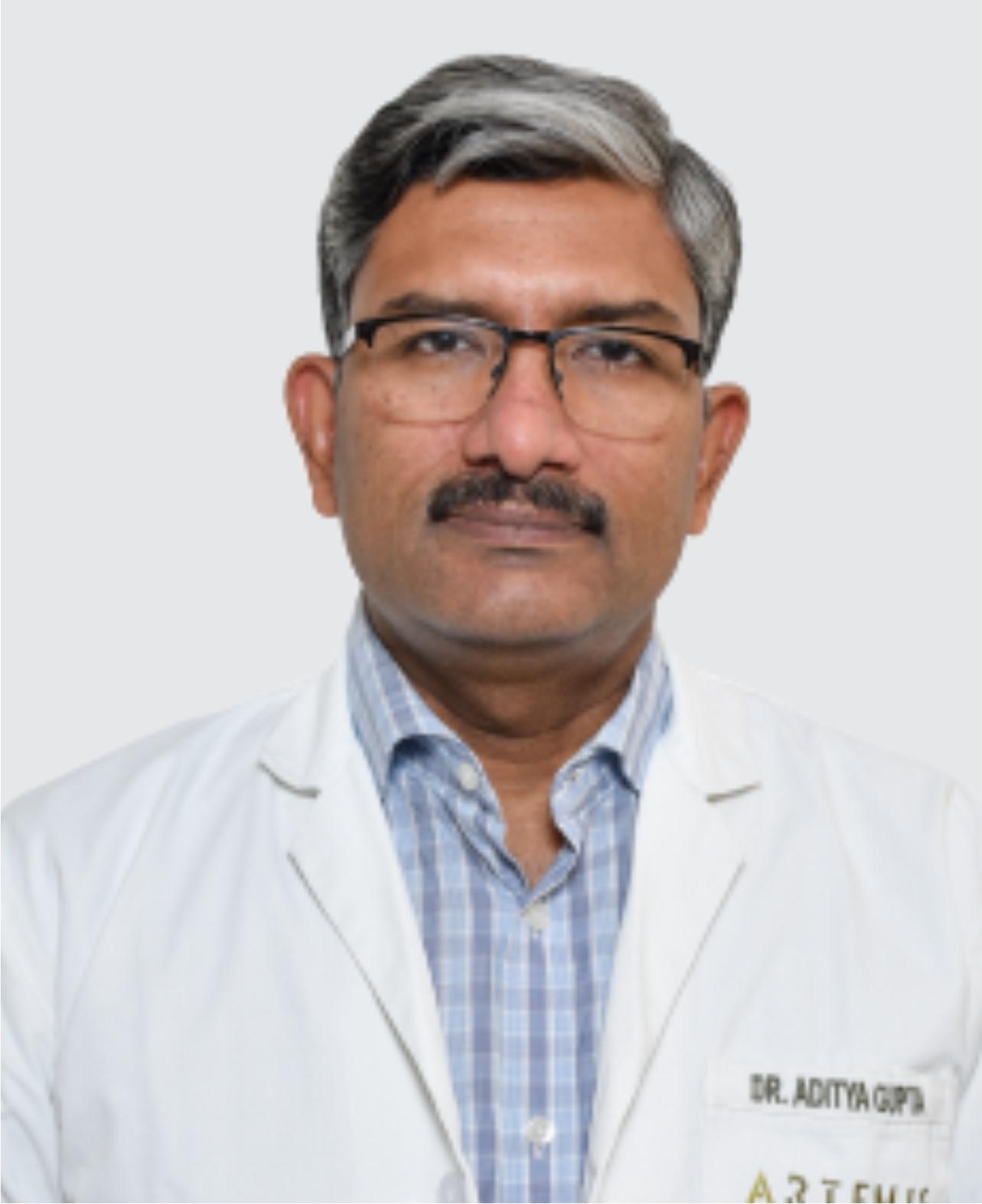
Chairperson - Neurosurgery & CNS Radiosurgery & Co-Chief - Cyberknife Centre
Neurosurgery
New Delhi
32+ Years
Experience
Artemis Hospital
Hospital
1500
Fees

Head - Reproductive Medicine (IVF)
IVF, Reproductive Medicine, Obstetrics and Gynaecology
New Delhi
20+ Years
Experience
Artemis Hospital
Hospital
1500
Fees

Senior Consultant - ENT
ENT and Head & Neck Surgery
New Delhi
24+ Years
Experience
Artemis Hospital
Hospital
1500
Fees

Consultant (Head & Neck Surgery) - Surgical Oncology
Head and Neck Surgical Oncology
New Delhi
10+ Years
Experience
Artemis Hospital
Hospital
1500
Fees

Chairperson - Gynae Oncology
Gynaecological Oncology
New Delhi
16+ Years
Experience
Artemis Hospital
Hospital
1500
Fees
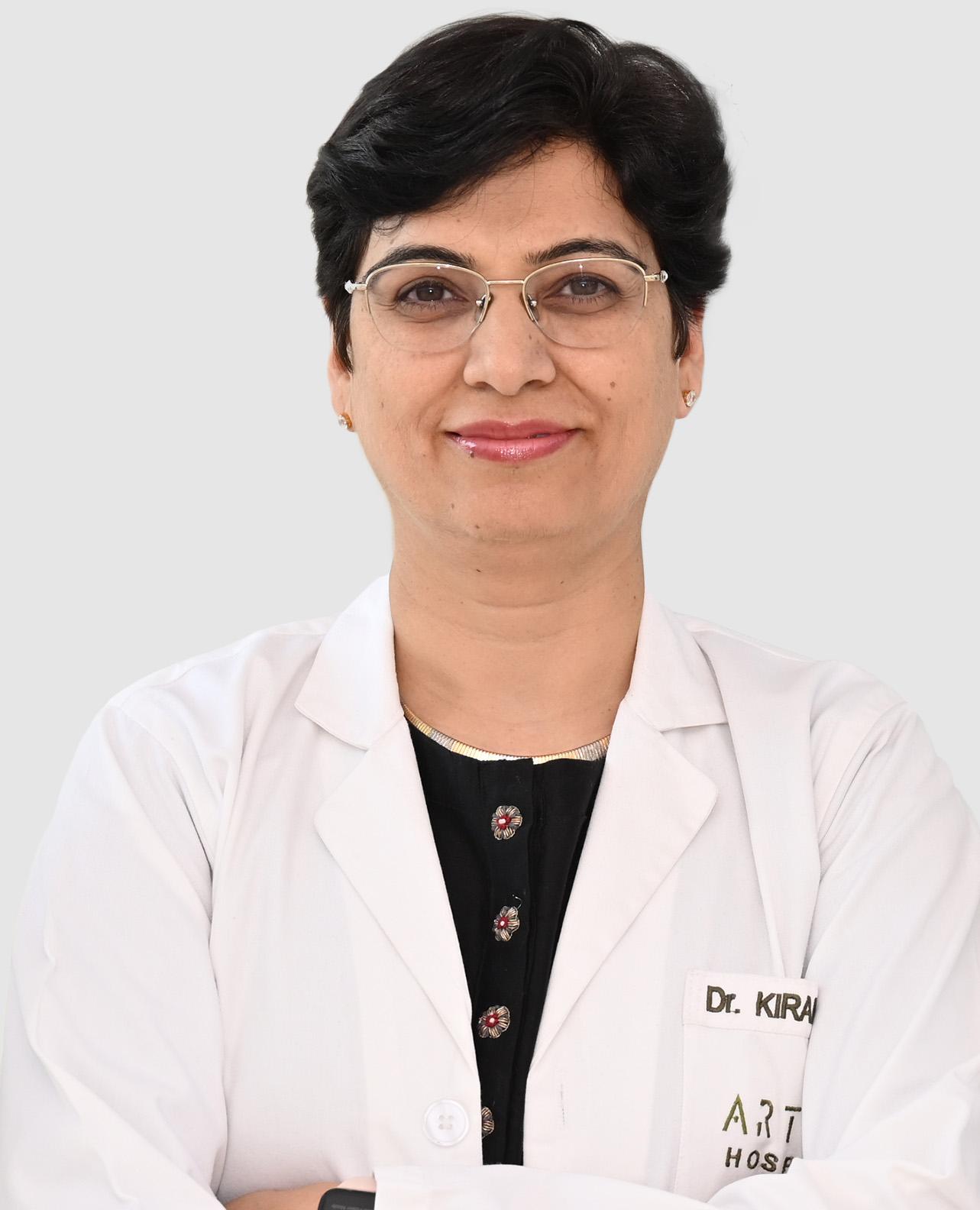
Unit Head - Reproductive Medicine (Unit II)
IVF, Reproductive Medicine, Obstetrics & Gynecology
New Delhi
20+ Years
Experience
Artemis Hospital
Hospital
1500
Fees
Sr. Consultant - Obs & Gynae
Maternity, Obstetrics & Gynaecology
New Delhi
15+ Years
Experience
Artemis Hospital
Hospital
1500
Fees

Unit Head - Obs & Gynae
Maternity, Obstetrics & Gynaecology
New Delhi
19+ Years
Experience
Artemis Hospital
Hospital
1500
Fees
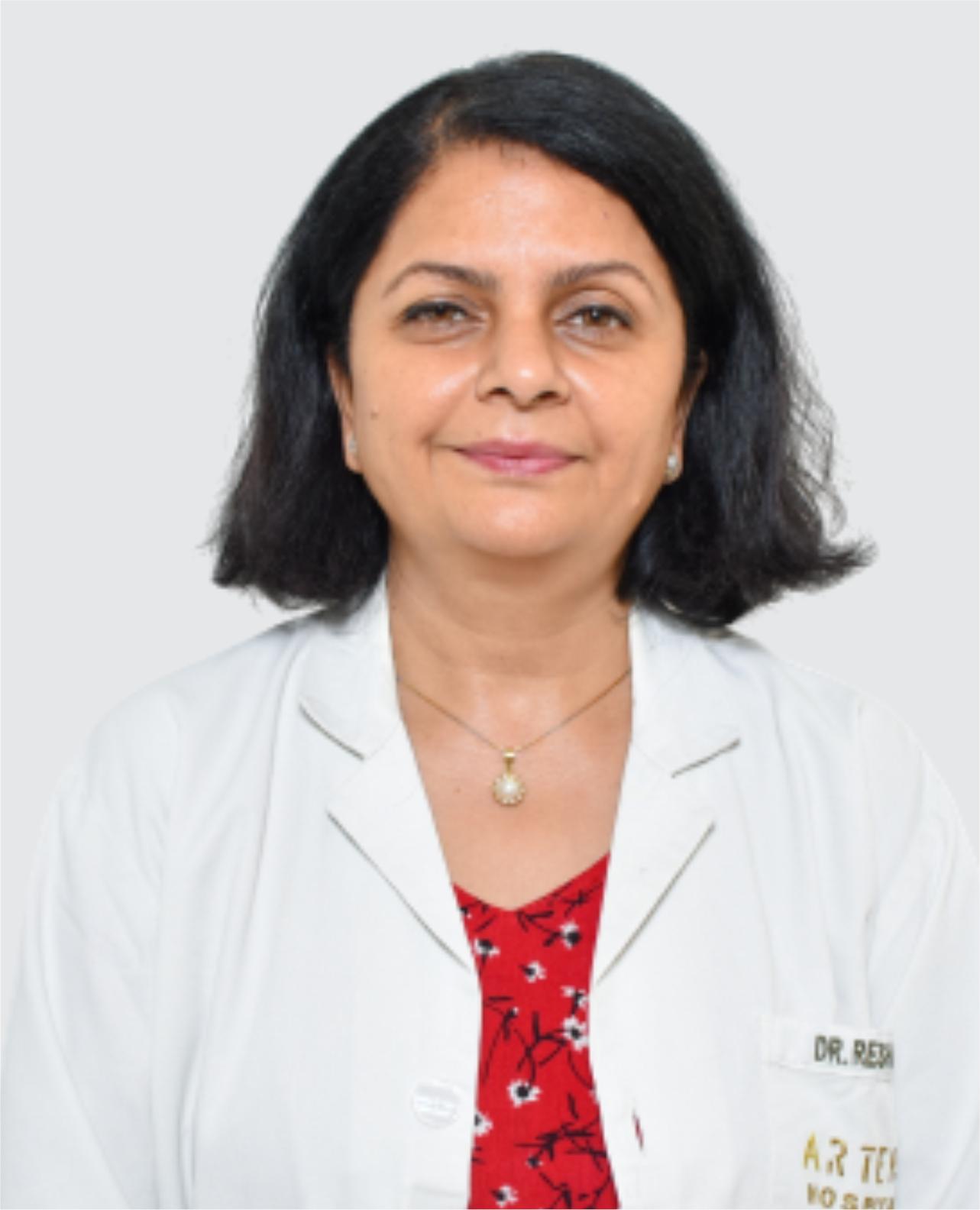
Director
Obstetrics and Gynaecology
New Delhi
19+ Years
Experience
Artemis Hospital
Hospital
1500
Fees
Head - Radiation Oncology & CyberKnife Centre (Unit II)
Oncology
New Delhi
23+ Years
Experience
Artemis Hospital
Hospital
1500
Fees
Unit Head & Sr. Consultant - Internal Medicine
Internal Medicine
New Delhi
14+ Years
Experience
Artemis Hospital
Hospital
1500
Fees
Sr. Consultant - Gynaecology & Obstetrics
Gynaecology & Obstetrics
New Delhi
15+ Years
Experience
Apolo Delhi
Hospital
1500
Fees
Director
Obstetrics & Gynaecology
New Delhi
15+ Years
Experience
Artemis Hospital
Hospital
1500
Fees
Consultant
Obstetrics & Gynaecology
New Delhi
8+ Years
Experience
Artemis Hospital
Hospital
1500
Fees
Director, Medical Oncology
Medical Oncology and Haematology
New Delhi
26+ Years
Experience
Max Hospital,Gurgaon
Hospital
1500
Fees
Vice Chairman - Nephrology
Nephrology & Renal Transplant Medicine
New Delhi
17+ Years
Experience
Max Hospital,Gurgaon
Hospital
1500
Fees
Principal Director - Max Lab & Blood Bank Services
Laboratory Medicine, Transfusion Medicine, Pathology
New Delhi
32+ Years
Experience
Max Hospital,Gurgaon
Hospital
1500
Fees

Principal Director – Surgical Oncology (Gynae & Robotic Surgery)
Gynecologic Oncology, Robotic & Laparoscopic Surgery, Gynae Cancer Care, Surgical Oncology
New Delhi
39+ Years
Experience
Max Hospital,Gurgaon
Hospital
1500
Fees

Principal Director & HOD
Paediatrics (Ped)
New Delhi
30+ Years
Experience
Max Hospital,Gurgaon
Hospital
1500
Fees

Principal Director (Obstetrics & Gynaecology) & Head of Unit
Obstetrics, Gynaecology, Gynaecologic Laparoscopy, High-Risk Pregnancy, Endoscopy Surgery
New Delhi
44+ Years
Experience
Max Hospital,Gurgaon
Hospital
1500
Fees

Sr. Consultant
Obstetrics & Gynaecology
New Delhi
20+ Years
Experience
Apolo Delhi
Hospital
1500
Fees
Sr. Consultant
Obstetrics And Gynaecology
New Delhi
15+ Years
Experience
Apolo Delhi
Hospital
1500
Fees
Senior Consultant - Obstetrics and Gynaecology
Obstetrics and Gynaecology
New Delhi
24+ Years
Experience
Apolo Delhi
Hospital
1500
Fees
Director - Obstetrics & Gynaecology
Obstetrics & Gynaecology
New Delhi
18+ Years
Experience
Apolo Delhi
Hospital
1500
Fees
Senior Consultant
Obstetrics & Gynaecology
New Delhi
22+ Years
Experience
Apolo Delhi
Hospital
1500
Fees
Senior Consultant - Obstetrics & Gynaecology
Obstetrics & Gynaecology
New Delhi
23+ Years
Experience
Apolo Delhi
Hospital
1500
Fees
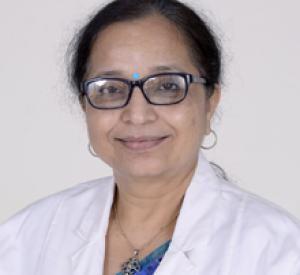
Senior Consultant
Obstetrics and Gynaecology
New Delhi
24+ Years
Experience
Apolo Delhi
Hospital
1500
Fees
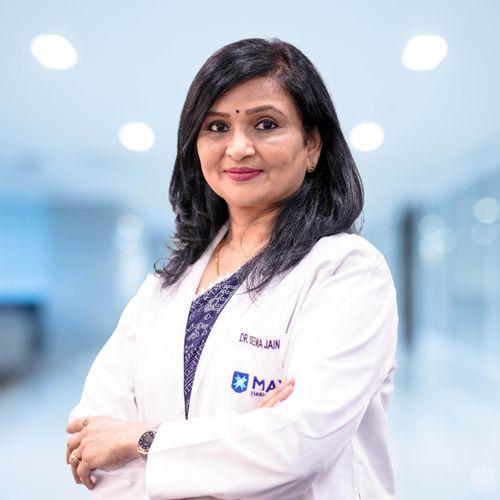
Director
Obstetrics & Gynaecology
New Delhi
20+ Years
Experience
Apolo Delhi
Hospital
1500
Fees
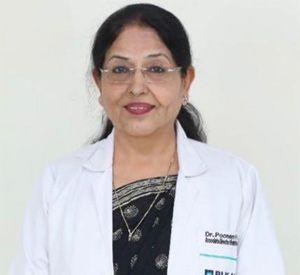
Director
Obstetrics & Gynaecology
New Delhi
22+ Years
Experience
Apolo Delhi
Hospital
1500
Fees

Senior Consultant
Obstetrics and Gynaecology
New Delhi
15+ Years
Experience
Apolo Delhi
Hospital
1500
Fees
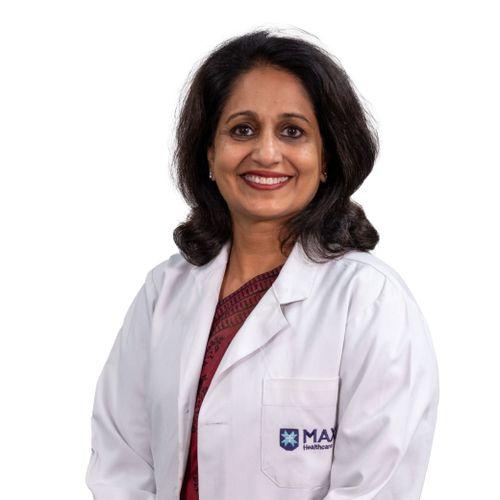
Director
Obstetrics & Gynaecology
New Delhi
18+ Years
Experience
Apolo Delhi
Hospital
1500
Fees
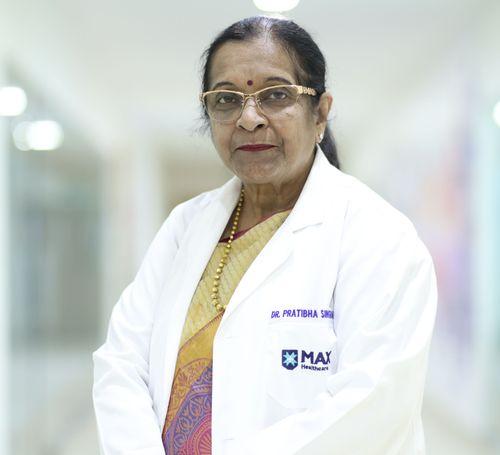
Director & Chief of Service - Obstetrics & Gynaecology
Obstetrics & Gynaecology
New Delhi
24+ Years
Experience
Apolo Delhi
Hospital
1500
Fees
Director
Obstetrics & Gynaecology
New Delhi
18+ Years
Experience
Apolo Delhi
Hospital
1500
Fees
भारत के शीर्ष अस्पतालों से व्यक्तिगत चिकित्सा उपचार विकल्प प्राप्त करें। हमारे चिकित्सा विशेषज्ञ हर कदम पर आपकी सहायता करने के लिए तैयार हैं।