
Intracytoplasmic Sperm Injection (ICSI) Treatment in New Delhi for Iraq
व्यक्तिगत सलाह की आवश्यकता है?
हमारे चिकित्सा विशेषज्ञ आपके प्रश्नों का उत्तर देने और आपके उपचार विकल्पों के माध्यम से आपका मार्गदर्शन करने के लिए तैयार हैं।
हमारे चिकित्सा विशेषज्ञ आपके प्रश्नों का उत्तर देने और आपके उपचार विकल्पों के माध्यम से आपका मार्गदर्शन करने के लिए तैयार हैं।
For many couples from Iraq hoping to build a family, the journey can sometimes be challenging. When conventional methods are not enough, the search often begins for advanced fertility solutions. Uncertainty about where to find effective, compassionate care for complex treatments like ICSI can weigh heavily.
Patients increasingly look beyond their immediate borders for specialized medical care that combines expertise with accessibility. New Delhi stands out as a preferred destination for such critical treatments. The city offers a well-established medical infrastructure and a reputation for successful fertility outcomes.
New Delhi's leading hospitals and fertility clinics are recognized for their experienced specialists and modern technology. These facilities provide comprehensive care, ensuring smooth coordination for international patients, from initial consultation to recovery. The ease of follow-up care within the city adds to its appeal.
Could New Delhi be the right place for your ICSI treatment journey?
Intracytoplasmic Sperm Injection, or ICSI, is an advanced assisted reproductive technology (ART) used to help couples conceive. It involves injecting a single sperm directly into an egg to facilitate fertilization. This procedure is typically performed in a laboratory setting as part of an in vitro fertilization (IVF) cycle. ICSI addresses specific male infertility factors, such as low sperm count, poor sperm motility, or abnormally shaped sperm, which might prevent natural fertilization. It also assists in cases where previous IVF attempts have failed to achieve fertilization.
While ICSI itself is a precise technique for fertilization, it is often performed in conjunction with or adapted for specific patient needs:
The ICSI procedure is a meticulous process involving several key stages, each carefully monitored by fertility specialists.
The female partner undergoes controlled ovarian stimulation with fertility medications to produce multiple mature eggs. Once the eggs are ready, a minor surgical procedure called egg retrieval is performed under light anesthesia. Using an ultrasound-guided needle, eggs are collected from the ovaries.
On the same day as egg retrieval, a sperm sample is collected from the male partner. If necessary, sperm can be surgically retrieved from the epididymis or testes. The collected sperm are then prepared in the laboratory to select the healthiest and most motile sperm.
In the embryology lab, under a high-powered microscope, a single healthy sperm is carefully injected into the cytoplasm of each mature egg using a fine glass needle. This precise injection bypasses any natural barriers the sperm might have faced to fertilize the egg.
After injection, the eggs are monitored for signs of fertilization. Fertilized eggs (now called embryos) are cultured in the lab for three to five days. The healthiest one or more embryos are then transferred into the female partner's uterus. Any remaining viable embryos can be frozen for future use.
Following egg retrieval, most women experience mild cramping or discomfort for a day or two. Recovery from embryo transfer is typically quick, with most patients resuming light activities within a day. A pregnancy test is usually conducted about two weeks after embryo transfer. Post-procedure care involves medication to support the uterine lining and prevent infection. Follow-up appointments are crucial to monitor progress and address any concerns. Light physical activity is generally advised, with strenuous exercise to be avoided during the initial recovery phase.
The success rates for ICSI in New Delhi are comparable to leading global centers, often ranging between 30-50% per cycle, depending on various factors. These outcomes are influenced by the female partner's age, the underlying cause of infertility, egg and sperm quality, and the expertise of the fertility clinic. Younger women typically have higher success rates. Long-term expectations include a healthy pregnancy and birth, though multiple cycles may be needed for some couples.
The cost of ICSI treatment in New Delhi is an important consideration for international patients. Prices are generally more affordable compared to Western countries, without compromising on quality of care. Several factors influence the total cost, including the specific clinic, the experience of the fertility specialist, the type of medications required, and any additional procedures like PGT or surgical sperm retrieval.
In New Delhi, the estimated cost for one cycle of ICSI treatment typically ranges from INR 1,50,000 to INR 3,00,000.
Patients often find significant savings by choosing New Delhi for ICSI. Here's a comparison of estimated costs for a single ICSI cycle across different regions:
| Location | Estimated ICSI Cost (USD) |
|---|---|
| New Delhi, India | $1,800 - $3,600 |
| USA | $12,000 - $20,000 |
| UK | $7,000 - $10,000 |
| Australia | $8,000 - $13,000 |
| Germany | $6,000 - $9,000 |
Considering ICSI treatment in New Delhi? Reach out to us for a personalized treatment plan and cost estimate tailored to your needs.
Taking the first step towards fertility treatment is a significant decision. New Delhi offers a supportive environment with advanced medical expertise to assist you.
Connect with a leading fertility specialist in New Delhi. Your path to parenthood can begin here.
India offers premium medical procedures at affordable prices. Discover our most popular treatments, delivered by the country's finest doctors.
Meet our team of highly qualified and experienced medical professionals dedicated to providing the best healthcare services.

Sr. Consultant – Women Imaging
Radiology
New Delhi
15+ Years
Experience
Artemis Hospital
Hospital
1500
Fees
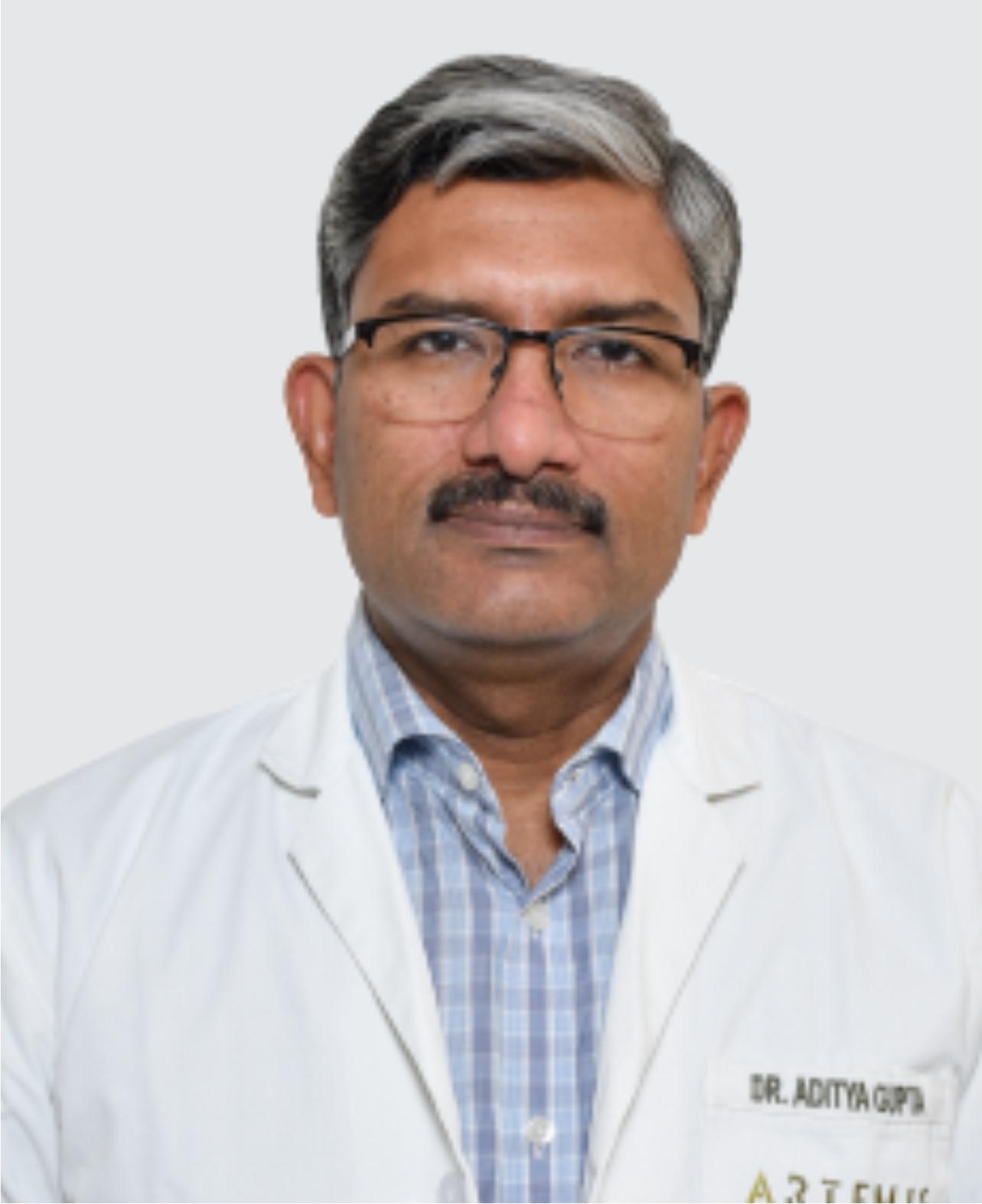
Chairperson - Neurosurgery & CNS Radiosurgery & Co-Chief - Cyberknife Centre
Neurosurgery
New Delhi
32+ Years
Experience
Artemis Hospital
Hospital
1500
Fees

Head - Reproductive Medicine (IVF)
IVF, Reproductive Medicine, Obstetrics and Gynaecology
New Delhi
20+ Years
Experience
Artemis Hospital
Hospital
1500
Fees

Senior Consultant - ENT
ENT and Head & Neck Surgery
New Delhi
24+ Years
Experience
Artemis Hospital
Hospital
1500
Fees

Consultant (Head & Neck Surgery) - Surgical Oncology
Head and Neck Surgical Oncology
New Delhi
10+ Years
Experience
Artemis Hospital
Hospital
1500
Fees

Chairperson - Gynae Oncology
Gynaecological Oncology
New Delhi
16+ Years
Experience
Artemis Hospital
Hospital
1500
Fees
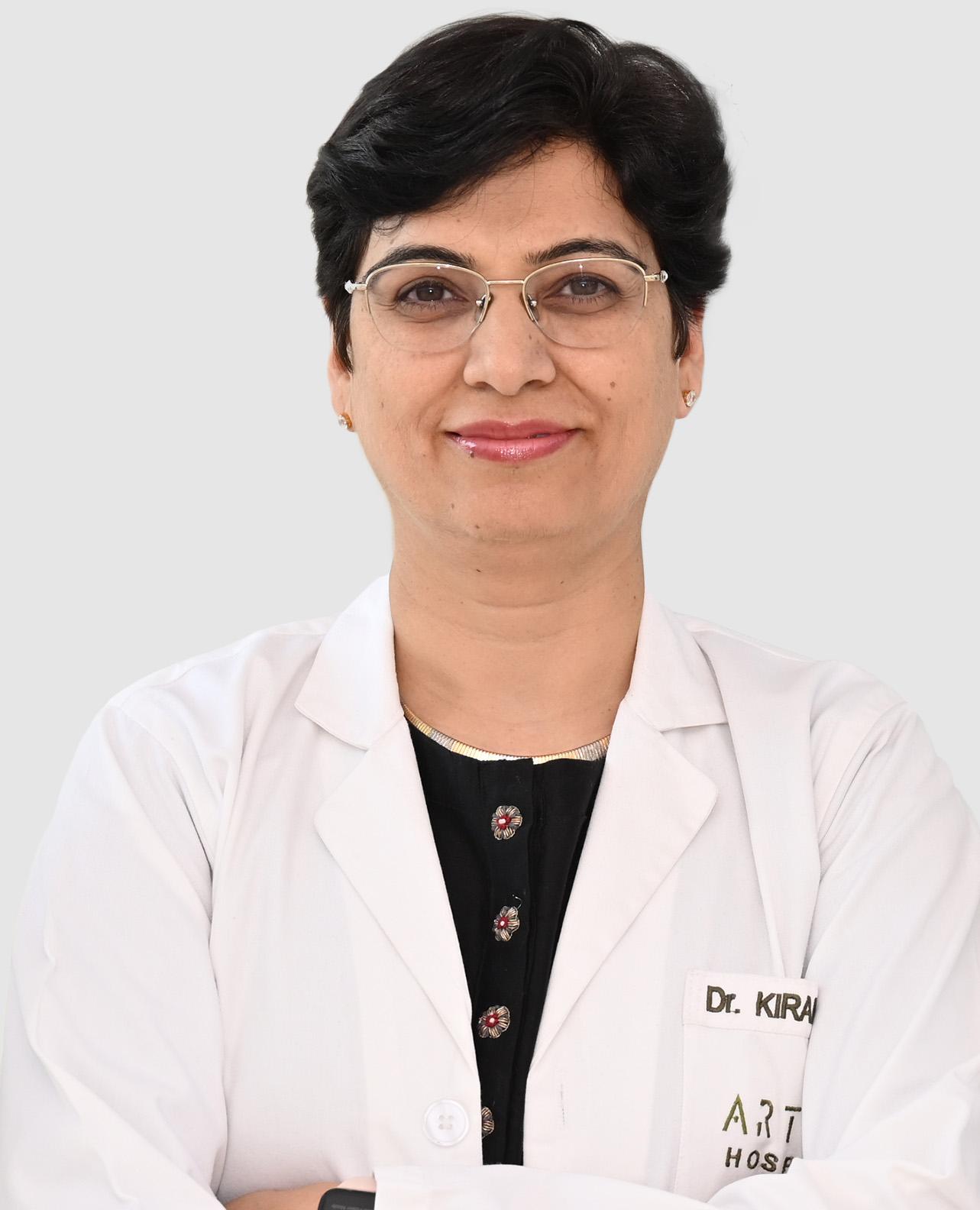
Unit Head - Reproductive Medicine (Unit II)
IVF, Reproductive Medicine, Obstetrics & Gynecology
New Delhi
20+ Years
Experience
Artemis Hospital
Hospital
1500
Fees
Sr. Consultant - Obs & Gynae
Maternity, Obstetrics & Gynaecology
New Delhi
15+ Years
Experience
Artemis Hospital
Hospital
1500
Fees

Unit Head - Obs & Gynae
Maternity, Obstetrics & Gynaecology
New Delhi
19+ Years
Experience
Artemis Hospital
Hospital
1500
Fees
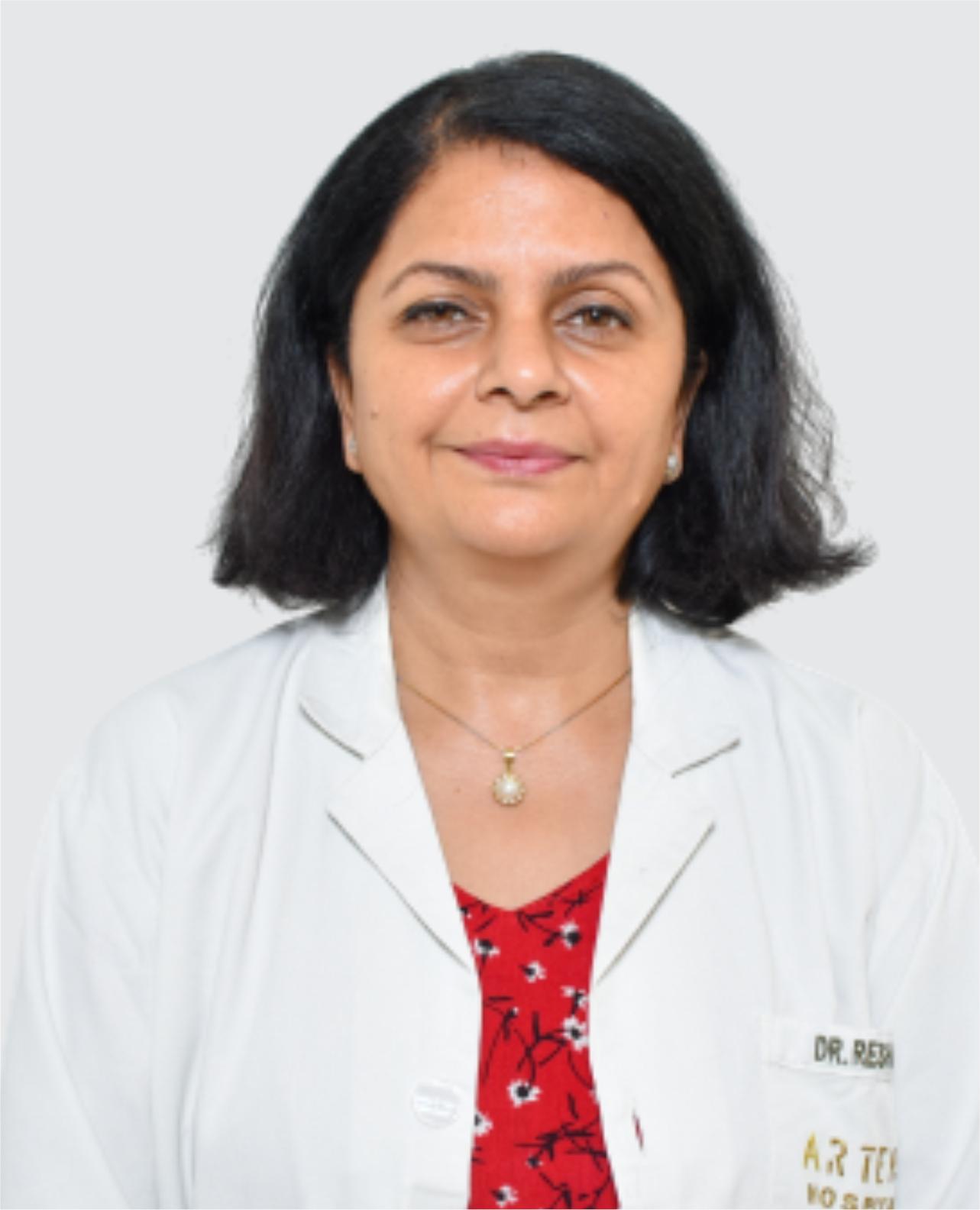
Director
Obstetrics and Gynaecology
New Delhi
19+ Years
Experience
Artemis Hospital
Hospital
1500
Fees
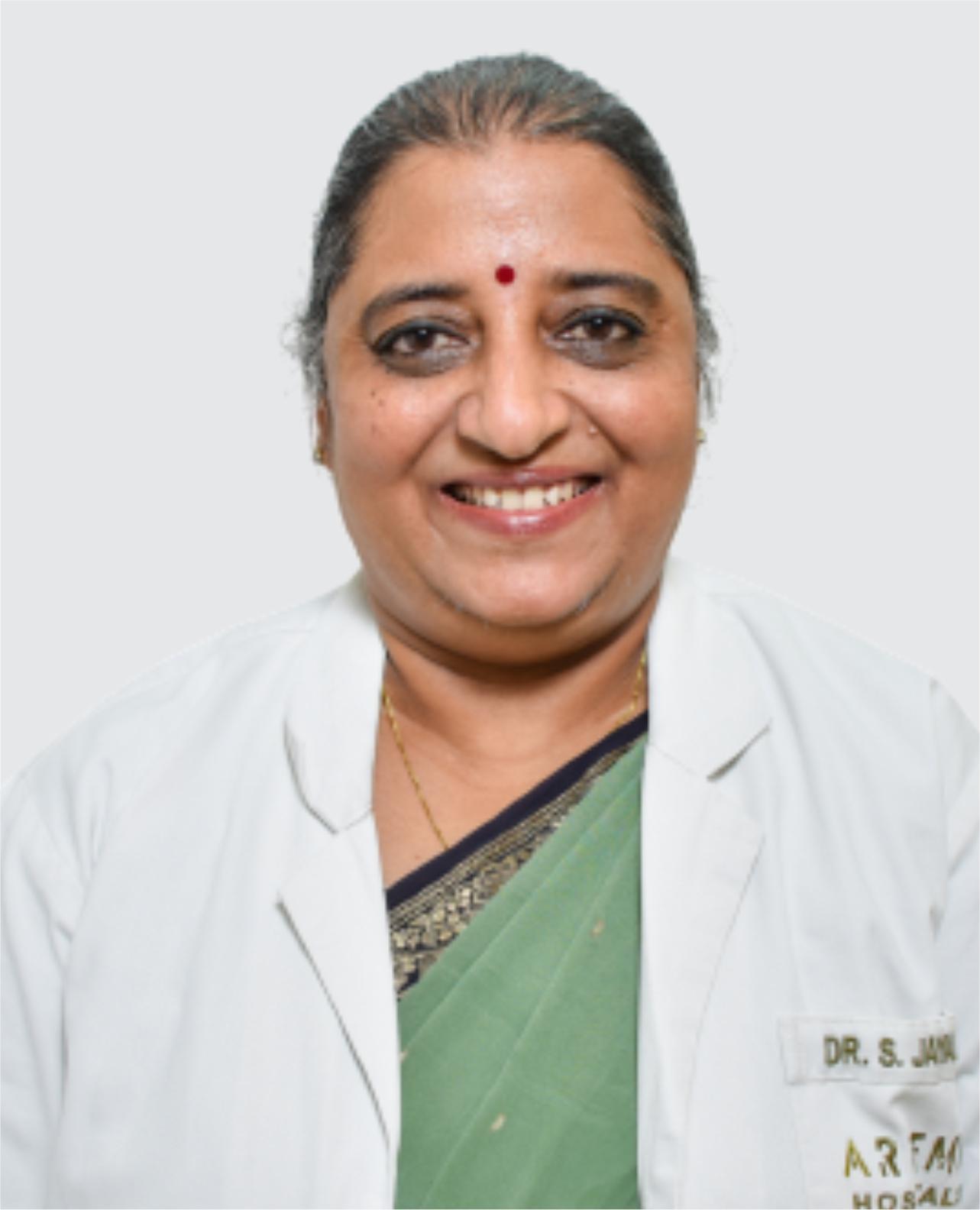
Head - Radiation Oncology & CyberKnife Centre (Unit II)
Oncology
New Delhi
23+ Years
Experience
Artemis Hospital
Hospital
1500
Fees
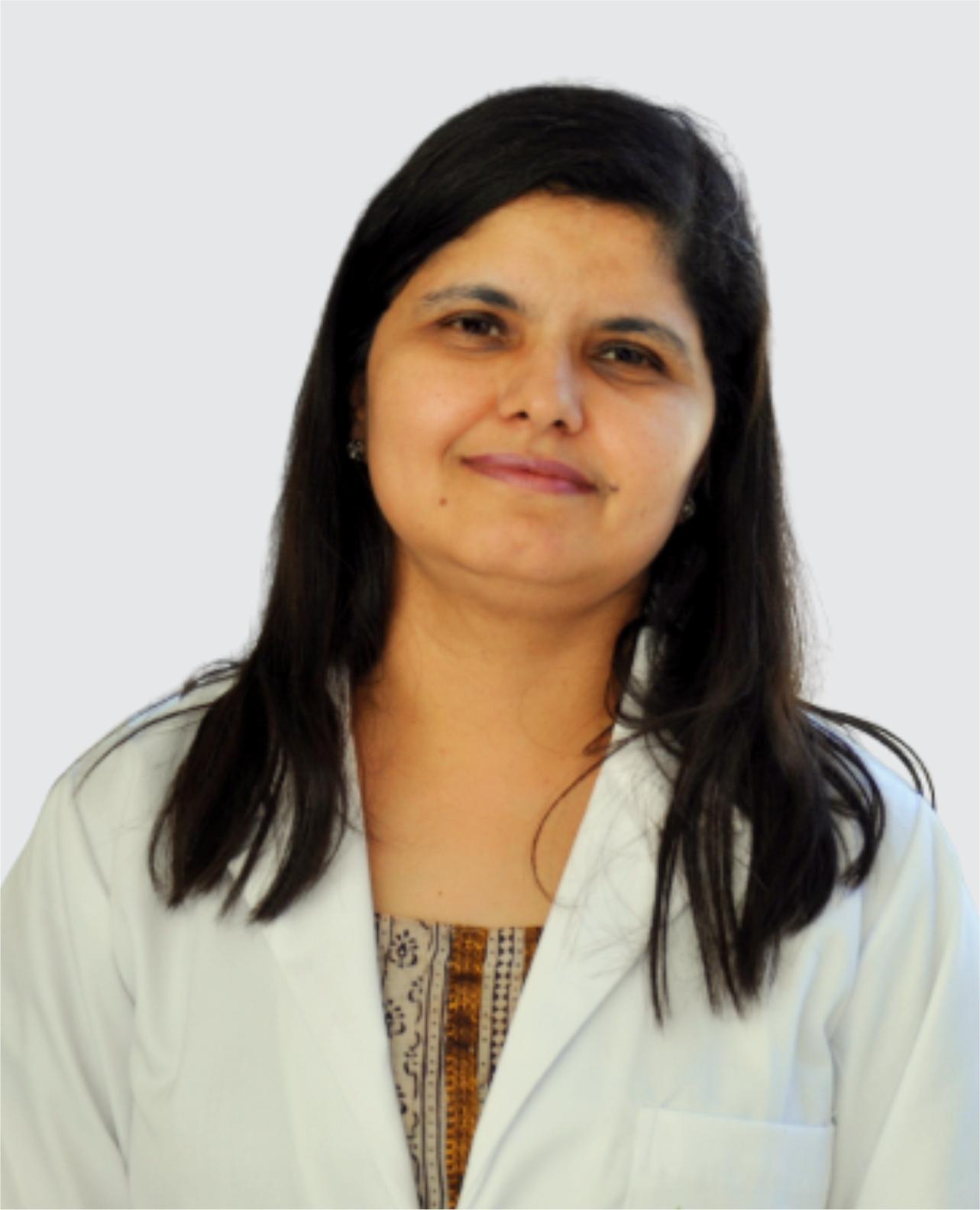
Unit Head & Sr. Consultant - Internal Medicine
Internal Medicine
New Delhi
14+ Years
Experience
Artemis Hospital
Hospital
1500
Fees
Sr. Consultant - Gynaecology & Obstetrics
Gynaecology & Obstetrics
New Delhi
15+ Years
Experience
Apolo Delhi
Hospital
1500
Fees
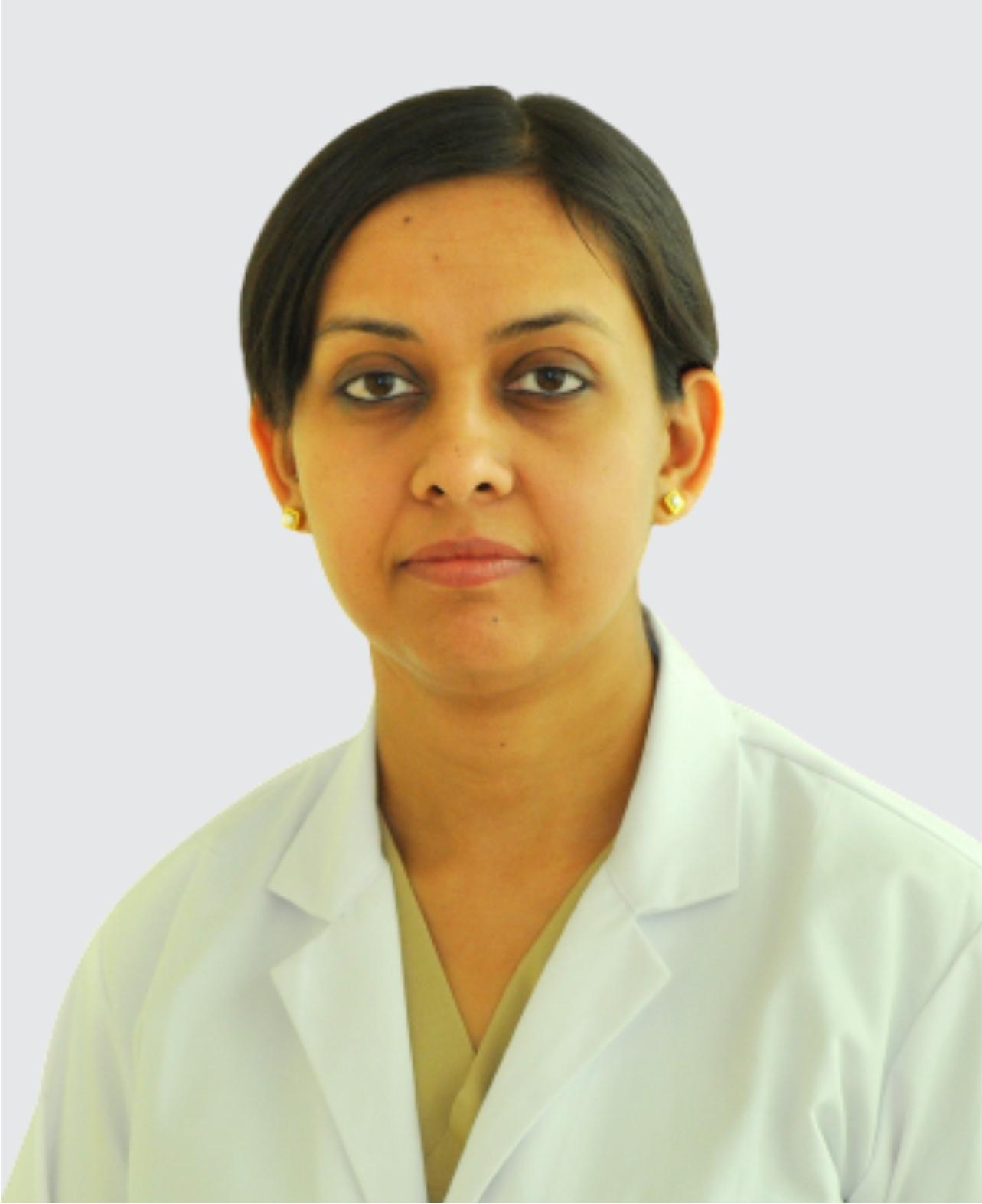
Director
Obstetrics & Gynaecology
New Delhi
15+ Years
Experience
Artemis Hospital
Hospital
1500
Fees
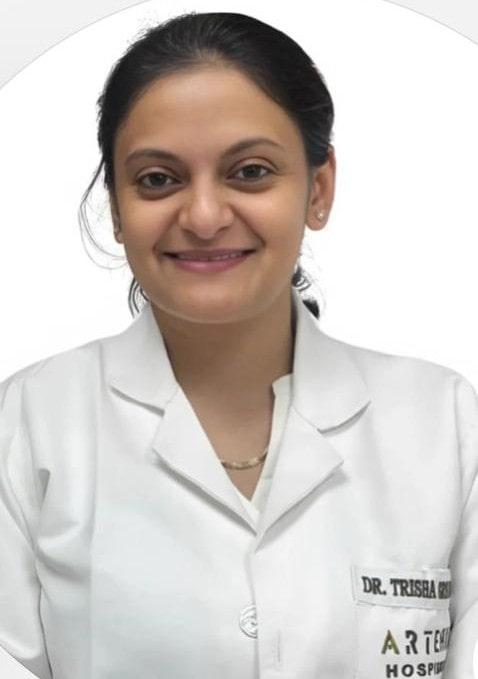
Consultant
Obstetrics & Gynaecology
New Delhi
8+ Years
Experience
Artemis Hospital
Hospital
1500
Fees
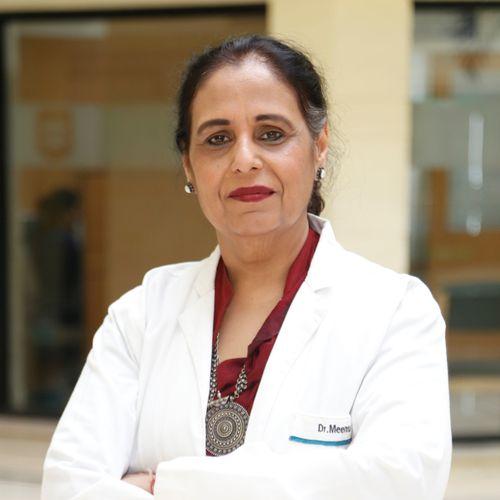
Director, Medical Oncology
Medical Oncology and Haematology
New Delhi
26+ Years
Experience
Max Hospital,Gurgaon
Hospital
1500
Fees
Vice Chairman - Nephrology
Nephrology & Renal Transplant Medicine
New Delhi
17+ Years
Experience
Max Hospital,Gurgaon
Hospital
1500
Fees
Principal Director - Max Lab & Blood Bank Services
Laboratory Medicine, Transfusion Medicine, Pathology
New Delhi
32+ Years
Experience
Max Hospital,Gurgaon
Hospital
1500
Fees

Principal Director – Surgical Oncology (Gynae & Robotic Surgery)
Gynecologic Oncology, Robotic & Laparoscopic Surgery, Gynae Cancer Care, Surgical Oncology
New Delhi
39+ Years
Experience
Max Hospital,Gurgaon
Hospital
1500
Fees
Principal Director & HOD
Paediatrics (Ped)
New Delhi
30+ Years
Experience
Max Hospital,Gurgaon
Hospital
1500
Fees
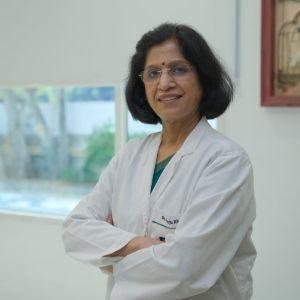
Principal Director (Obstetrics & Gynaecology) & Head of Unit
Obstetrics, Gynaecology, Gynaecologic Laparoscopy, High-Risk Pregnancy, Endoscopy Surgery
New Delhi
44+ Years
Experience
Max Hospital,Gurgaon
Hospital
1500
Fees
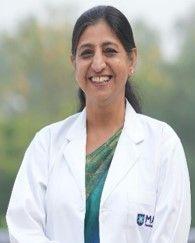
Sr. Consultant
Obstetrics & Gynaecology
New Delhi
20+ Years
Experience
Apolo Delhi
Hospital
1500
Fees
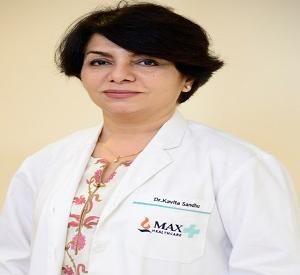
Sr. Consultant
Obstetrics And Gynaecology
New Delhi
15+ Years
Experience
Apolo Delhi
Hospital
1500
Fees
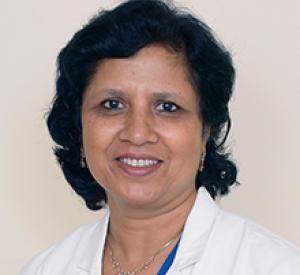
Senior Consultant - Obstetrics and Gynaecology
Obstetrics and Gynaecology
New Delhi
24+ Years
Experience
Apolo Delhi
Hospital
1500
Fees
Director - Obstetrics & Gynaecology
Obstetrics & Gynaecology
New Delhi
18+ Years
Experience
Apolo Delhi
Hospital
1500
Fees
Senior Consultant
Obstetrics & Gynaecology
New Delhi
22+ Years
Experience
Apolo Delhi
Hospital
1500
Fees
Senior Consultant - Obstetrics & Gynaecology
Obstetrics & Gynaecology
New Delhi
23+ Years
Experience
Apolo Delhi
Hospital
1500
Fees
Senior Consultant
Obstetrics and Gynaecology
New Delhi
24+ Years
Experience
Apolo Delhi
Hospital
1500
Fees
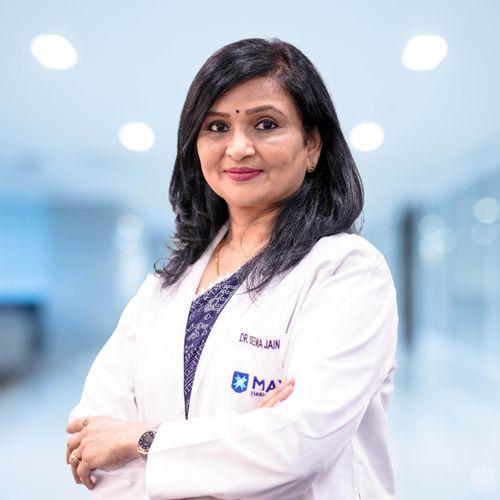
Director
Obstetrics & Gynaecology
New Delhi
20+ Years
Experience
Apolo Delhi
Hospital
1500
Fees
Director
Obstetrics & Gynaecology
New Delhi
22+ Years
Experience
Apolo Delhi
Hospital
1500
Fees
Senior Consultant
Obstetrics and Gynaecology
New Delhi
15+ Years
Experience
Apolo Delhi
Hospital
1500
Fees
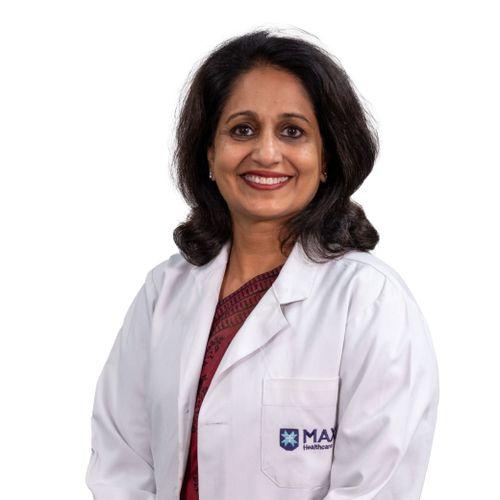
Director
Obstetrics & Gynaecology
New Delhi
18+ Years
Experience
Apolo Delhi
Hospital
1500
Fees
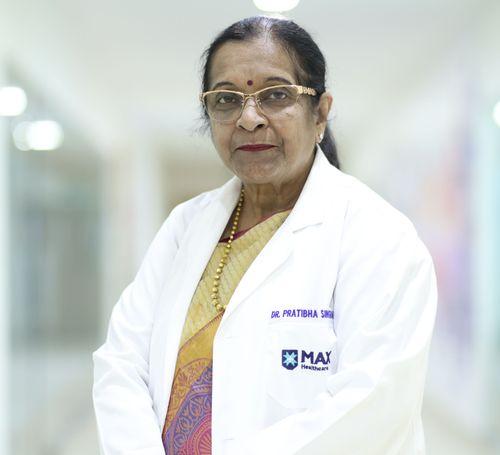
Director & Chief of Service - Obstetrics & Gynaecology
Obstetrics & Gynaecology
New Delhi
24+ Years
Experience
Apolo Delhi
Hospital
1500
Fees
Director
Obstetrics & Gynaecology
New Delhi
18+ Years
Experience
Apolo Delhi
Hospital
1500
Fees
भारत के शीर्ष अस्पतालों से व्यक्तिगत चिकित्सा उपचार विकल्प प्राप्त करें। हमारे चिकित्सा विशेषज्ञ हर कदम पर आपकी सहायता करने के लिए तैयार हैं।