
Intracytoplasmic Sperm Injection (ICSI) Treatment in New Delhi for Nigeria
व्यक्तिगत सलाह की आवश्यकता है?
हमारे चिकित्सा विशेषज्ञ आपके प्रश्नों का उत्तर देने और आपके उपचार विकल्पों के माध्यम से आपका मार्गदर्शन करने के लिए तैयार हैं।
हमारे चिकित्सा विशेषज्ञ आपके प्रश्नों का उत्तर देने और आपके उपचार विकल्पों के माध्यम से आपका मार्गदर्शन करने के लिए तैयार हैं।
For many couples in Nigeria, the journey towards parenthood can sometimes present unforeseen challenges. The hope of starting a family often leads to exploring advanced fertility treatments, and the concern about finding effective, accessible care is a deeply felt one. Understanding the best options for complex procedures like ICSI becomes crucial.
When considering medical care beyond their borders, patients often look for destinations that combine medical excellence with practical support. New Delhi stands out as a preferred choice, drawing patients seeking high-quality fertility solutions. The city's advanced infrastructure and dedicated medical teams provide a comforting environment for those undertaking such a personal journey.
New Delhi has established itself as a hub for specialized medical care, particularly in reproductive health. Its fertility clinics are equipped with state-of-the-art technology, and its specialists are renowned for their experience and success rates. Patients find reassurance in the coordinated care and comprehensive support systems available throughout their treatment period in the city.
Is New Delhi the clear path forward for your family’s next chapter?
Intracytoplasmic Sperm Injection, or ICSI, is an advanced assisted reproductive technology primarily used to address male factor infertility. It is a precise procedure performed as part of an in vitro fertilization (IVF) cycle. During ICSI, a single, healthy sperm is carefully injected directly into the center of each mature egg. This method bypasses potential fertilization barriers that might prevent sperm from naturally penetrating the egg, offering a higher chance of fertilization when conventional IVF has limitations.
ICSI is typically an integrated part of an IVF cycle, but its application can vary based on specific circumstances:
The ICSI procedure is an advanced fertility treatment integrated into an IVF cycle, tailored to each couple's specific needs and carried out in several distinct stages.
The female partner receives fertility medications to stimulate the ovaries to produce multiple mature eggs. Regular monitoring with ultrasound scans and blood tests tracks follicular development.
Once the eggs are mature, they are retrieved from the ovaries through a minor surgical procedure, typically performed under light sedation. A thin needle is guided by ultrasound to collect the eggs.
A semen sample is provided by the male partner or retrieved surgically. The best quality, most motile sperm are selected and prepared for injection.
Under a high-power microscope, a single healthy sperm is precisely injected into the cytoplasm of each mature egg using a very fine needle.
The fertilized eggs (now embryos) are carefully monitored and cultured in a laboratory for several days, typically 3 to 5 days, allowing them to develop.
One or more selected embryos are gently transferred into the female partner's uterus using a thin catheter. This is a relatively quick and painless procedure.
Recovery after an ICSI cycle primarily involves recuperation from the egg retrieval and post-embryo transfer care. Following egg retrieval, mild discomfort, cramping, or spotting is common for a day or two. Patients are usually advised to rest and avoid strenuous activities. After embryo transfer, a period of rest and avoiding heavy lifting or intense exercise is typically recommended. Patients continue specific medications, often progesterone, to support potential pregnancy. A pregnancy test is scheduled about two weeks after embryo transfer to determine the outcome. Emotional well-being throughout this waiting period is also crucial.
The success rates for ICSI are generally similar to traditional IVF when male factor infertility is the primary issue. Outcomes vary significantly based on several factors, including the female partner's age, the specific cause and duration of infertility, ovarian reserve, embryo quality, and the expertise of the fertility clinic. Younger patients typically have higher success rates. Long-term expectations focus on achieving a healthy pregnancy and birth, though multiple cycles may sometimes be required.
The cost of an ICSI treatment cycle in New Delhi is influenced by several factors. These include the reputation and facilities of the chosen hospital or fertility clinic, the specific medications required for ovarian stimulation, the expertise of the fertility specialist, and any additional procedures like surgical sperm retrieval or genetic testing. Package inclusions can also vary, covering aspects like initial consultations, lab fees, and embryo storage.
For international patients, the estimated cost for a single ICSI cycle in New Delhi typically ranges from INR 150,000 to INR 250,000.
New Delhi offers a significantly more affordable option for ICSI treatment compared to many Western countries, without compromising on quality or advanced medical facilities.
| Location | Estimated ICSI Cost (Single Cycle) |
|---|---|
| New Delhi, India | INR 150,000 - 250,000 (approx. USD 1,800 - 3,000) |
| United States | USD 15,000 - 25,000 |
| United Kingdom | GBP 5,000 - 8,000 |
| Australia | AUD 10,000 - 15,000 |
| Singapore | SGD 10,000 - 15,000 |
New Delhi's fertility specialists are prepared to guide you through every step towards achieving your dream.
India offers premium medical procedures at affordable prices. Discover our most popular treatments, delivered by the country's finest doctors.
Meet our team of highly qualified and experienced medical professionals dedicated to providing the best healthcare services.

Consultant
Paediatric Neurology
Haryana
9+ Years
Experience
Artemis Hospital
Hospital
1500
Fees

Sr. Consultant – Women Imaging
Radiology
New Delhi
15+ Years
Experience
Artemis Hospital
Hospital
1500
Fees
Chairperson - Neurosurgery & CNS Radiosurgery & Co-Chief - Cyberknife Centre
Neurosurgery
New Delhi
32+ Years
Experience
Artemis Hospital
Hospital
1500
Fees

Head - Reproductive Medicine (IVF)
IVF, Reproductive Medicine, Obstetrics and Gynaecology
New Delhi
20+ Years
Experience
Artemis Hospital
Hospital
1500
Fees

Senior Consultant - ENT
ENT and Head & Neck Surgery
New Delhi
24+ Years
Experience
Artemis Hospital
Hospital
1500
Fees

Consultant (Head & Neck Surgery) - Surgical Oncology
Head and Neck Surgical Oncology
New Delhi
10+ Years
Experience
Artemis Hospital
Hospital
1500
Fees

Chairperson - Gynae Oncology
Gynaecological Oncology
New Delhi
16+ Years
Experience
Artemis Hospital
Hospital
1500
Fees
Unit Head - Reproductive Medicine (Unit II)
IVF, Reproductive Medicine, Obstetrics & Gynecology
New Delhi
20+ Years
Experience
Artemis Hospital
Hospital
1500
Fees
Sr. Consultant - Obs & Gynae
Maternity, Obstetrics & Gynaecology
New Delhi
15+ Years
Experience
Artemis Hospital
Hospital
1500
Fees

Unit Head - Obs & Gynae
Maternity, Obstetrics & Gynaecology
New Delhi
19+ Years
Experience
Artemis Hospital
Hospital
1500
Fees
Director
Obstetrics and Gynaecology
New Delhi
19+ Years
Experience
Artemis Hospital
Hospital
1500
Fees
Head - Radiation Oncology & CyberKnife Centre (Unit II)
Oncology
New Delhi
23+ Years
Experience
Artemis Hospital
Hospital
1500
Fees
Unit Head & Sr. Consultant - Internal Medicine
Internal Medicine
New Delhi
14+ Years
Experience
Artemis Hospital
Hospital
1500
Fees
Sr. Consultant - Gynaecology & Obstetrics
Gynaecology & Obstetrics
New Delhi
15+ Years
Experience
Apolo Delhi
Hospital
1500
Fees
Director
Obstetrics & Gynaecology
New Delhi
15+ Years
Experience
Artemis Hospital
Hospital
1500
Fees
Consultant
Obstetrics & Gynaecology
New Delhi
8+ Years
Experience
Artemis Hospital
Hospital
1500
Fees
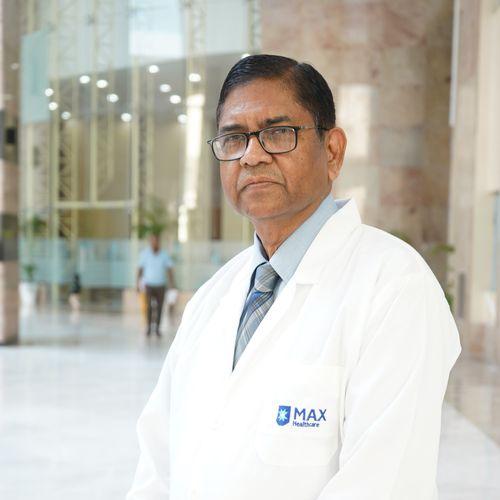
Chairman - Cardiology
Cardiology
New Delhi
41+ Years
Experience
Max Hospital,Gurgaon
Hospital
1500
Fees
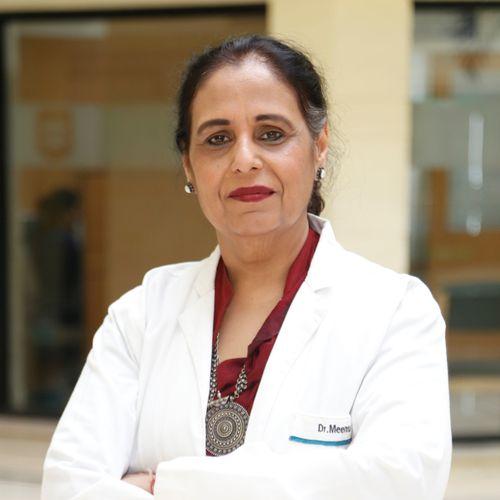
Director, Medical Oncology
Medical Oncology and Haematology
New Delhi
26+ Years
Experience
Max Hospital,Gurgaon
Hospital
1500
Fees
Vice Chairman - Nephrology
Nephrology & Renal Transplant Medicine
New Delhi
17+ Years
Experience
Max Hospital,Gurgaon
Hospital
1500
Fees
Principal Director - Max Lab & Blood Bank Services
Laboratory Medicine, Transfusion Medicine, Pathology
New Delhi
32+ Years
Experience
Max Hospital,Gurgaon
Hospital
1500
Fees

Principal Director – Surgical Oncology (Gynae & Robotic Surgery)
Gynecologic Oncology, Robotic & Laparoscopic Surgery, Gynae Cancer Care, Surgical Oncology
New Delhi
39+ Years
Experience
Max Hospital,Gurgaon
Hospital
1500
Fees
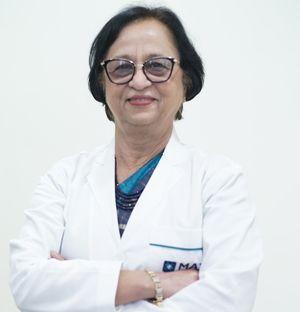
Principal Director & HOD
Paediatrics (Ped)
New Delhi
30+ Years
Experience
Max Hospital,Gurgaon
Hospital
1500
Fees
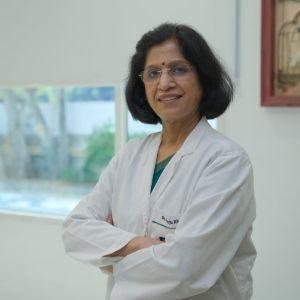
Principal Director (Obstetrics & Gynaecology) & Head of Unit
Obstetrics, Gynaecology, Gynaecologic Laparoscopy, High-Risk Pregnancy, Endoscopy Surgery
New Delhi
44+ Years
Experience
Max Hospital,Gurgaon
Hospital
1500
Fees
Sr. Consultant
Obstetrics & Gynaecology
New Delhi
20+ Years
Experience
Apolo Delhi
Hospital
1500
Fees
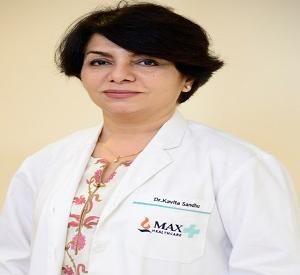
Sr. Consultant
Obstetrics And Gynaecology
New Delhi
15+ Years
Experience
Apolo Delhi
Hospital
1500
Fees
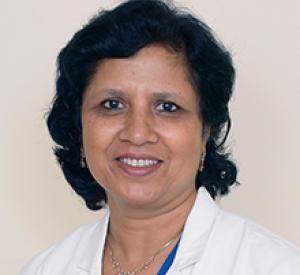
Senior Consultant - Obstetrics and Gynaecology
Obstetrics and Gynaecology
New Delhi
24+ Years
Experience
Apolo Delhi
Hospital
1500
Fees
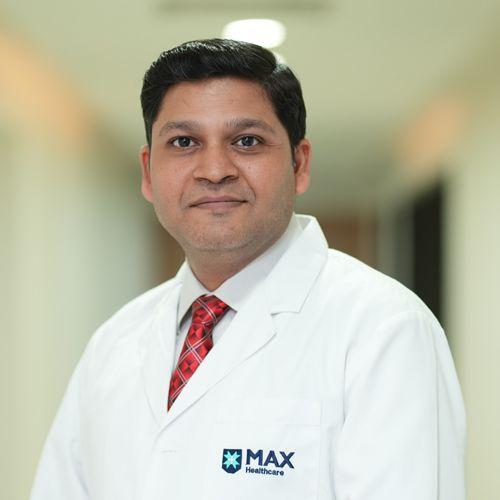
Director - Obstetrics & Gynaecology
Obstetrics & Gynaecology
New Delhi
18+ Years
Experience
Apolo Delhi
Hospital
1500
Fees
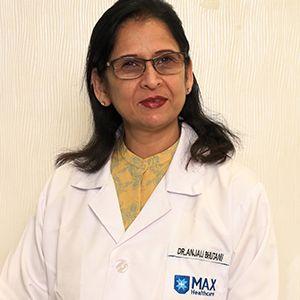
Senior Consultant
Obstetrics & Gynaecology
New Delhi
22+ Years
Experience
Apolo Delhi
Hospital
1500
Fees
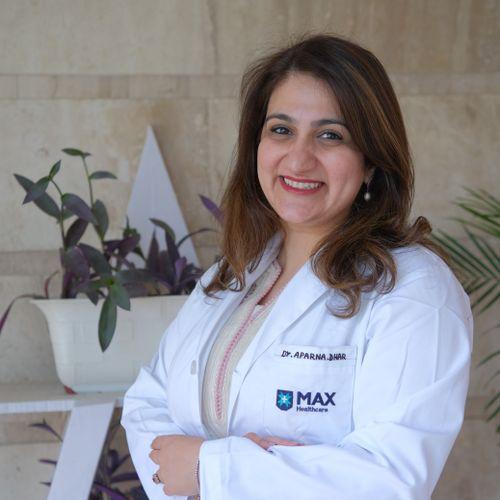
Senior Consultant - Obstetrics & Gynaecology
Obstetrics & Gynaecology
New Delhi
23+ Years
Experience
Apolo Delhi
Hospital
1500
Fees
Senior Consultant
Obstetrics and Gynaecology
New Delhi
24+ Years
Experience
Apolo Delhi
Hospital
1500
Fees
Director
Obstetrics & Gynaecology
New Delhi
20+ Years
Experience
Apolo Delhi
Hospital
1500
Fees
Director
Obstetrics & Gynaecology
New Delhi
22+ Years
Experience
Apolo Delhi
Hospital
1500
Fees
Senior Consultant
Obstetrics and Gynaecology
New Delhi
15+ Years
Experience
Apolo Delhi
Hospital
1500
Fees
Director
Obstetrics & Gynaecology
New Delhi
18+ Years
Experience
Apolo Delhi
Hospital
1500
Fees
Director & Chief of Service - Obstetrics & Gynaecology
Obstetrics & Gynaecology
New Delhi
24+ Years
Experience
Apolo Delhi
Hospital
1500
Fees
Director
Obstetrics & Gynaecology
New Delhi
18+ Years
Experience
Apolo Delhi
Hospital
1500
Fees
भारत के शीर्ष अस्पतालों से व्यक्तिगत चिकित्सा उपचार विकल्प प्राप्त करें। हमारे चिकित्सा विशेषज्ञ हर कदम पर आपकी सहायता करने के लिए तैयार हैं।