
Intracytoplasmic Sperm Injection (ICSI) Success Rate in Chennai
व्यक्तिगत सलाह की आवश्यकता है?
हमारे चिकित्सा विशेषज्ञ आपके प्रश्नों का उत्तर देने और आपके उपचार विकल्पों के माध्यम से आपका मार्गदर्शन करने के लिए तैयार हैं।
हमारे चिकित्सा विशेषज्ञ आपके प्रश्नों का उत्तर देने और आपके उपचार विकल्पों के माध्यम से आपका मार्गदर्शन करने के लिए तैयार हैं।
Understanding the Intracytoplasmic Sperm Injection (ICSI) success rate in Chennai is vital for couples considering fertility treatment. This procedure, a specialized form of in vitro fertilization (IVF), addresses male factor infertility challenges. Success depends significantly on individual patient profiles, the underlying causes of infertility, and the specific treatment protocols employed. Chennai has emerged as a key destination for advanced fertility care, with outcomes often reflecting national trends.
Outcomes for fertility treatments in Chennai are reviewed through aggregated clinical data from various specialized centers. These metrics help benchmark local performance against broader national and international standards. Success rates are dynamically influenced by factors such as patient age, the severity of male infertility, and the presence of co-existing female fertility issues. Evaluating these outcomes provides a comprehensive overview for prospective patients.
For Intracytoplasmic Sperm Injection (ICSI), "success" is typically measured by multiple indicators. These include fertilization rates, embryo development, clinical pregnancy rates (presence of a fetal heartbeat), and ultimately, the live birth rate per cycle started or per embryo transfer. It is crucial to differentiate between short-term outcomes, such as embryo implantation, and the long-term goal of a healthy live birth, which represents the ultimate treatment success.
Success rates vary depending on treatment approach and patient factors.
| Treatment Type / Category | Typical Use Case | Success Rate Range (%) | What Success Indicates |
|---|---|---|---|
| Standard ICSI Cycle | Severe male factor infertility (e.g., low sperm count, poor motility) | 30%–50% | Live birth per embryo transfer cycle |
| ICSI with TESA/TESE | Non-obstructive azoospermia (sperm retrieved surgically) | 25%–40% | Live birth per embryo transfer using surgically retrieved sperm |
| ICSI with Preimplantation Genetic Testing (PGT) | Advanced maternal age, recurrent miscarriage, genetic disease risk | 40%–60% | Live birth per embryo transfer with chromosomally normal embryo |
| Frozen Embryo Transfer (FET) after ICSI | Utilizing surplus embryos from a fresh ICSI cycle | 35%–55% | Live birth per frozen embryo transfer cycle |
The Intracytoplasmic Sperm Injection (ICSI) survival rate by age in Chennai, much like global trends, shows a distinct correlation with the female partner's age. As women age, the quantity and quality of oocytes (eggs) decline, directly impacting fertilization rates, embryo development, and implantation potential. These outcomes are aligned with internationally observed clinical patterns for fertility treatments, where age remains a primary determinant.
| Female Partner Age Group | Typical ICSI Live Birth Rate Range (%) |
|---|---|
| Under 35 years | 40%–55% |
| 35–37 years | 30%–45% |
| 38–40 years | 20%–35% |
| Over 40 years | 5%–15% |
Success rates for Intracytoplasmic Sperm Injection (ICSI) in Chennai are comparable with international standards when similar protocols, technology, and patient selection are applied. Chennai's leading fertility centers often leverage advanced laboratory techniques and experienced specialists, contributing to outcomes that align well with those observed in other major global fertility hubs.
| Region/Country | ICSI Live Birth Rate Range (%) |
|---|---|
| India (including Chennai) | 30%–50% |
| United States | 35%–55% |
| United Kingdom | 30%–45% |
| Australia | 30%–50% |
| Canada | 30%–48% |
| Germany | 28%–42% |
These rates are indicative and can vary significantly based on individual patient characteristics and specific clinic methodologies. Outcomes are not guaranteed and should be discussed with a qualified healthcare professional.
The stage wise Intracytoplasmic Sperm Injection (ICSI) survival rate in Chennai is influenced by several complex variables. For ICSI, "stage-wise" can be interpreted as variations based on the underlying complexity of infertility. For example, the severity of male factor issues, the presence of female infertility factors (like ovarian reserve or uterine health), and the overall health of both partners critically impact the Intracytoplasmic Sperm Injection (ICSI) recovery rate in Chennai.
Navigating fertility treatment decisions requires clear, data-driven information. Understanding the various factors influencing Intracytoplasmic Sperm Injection (ICSI) success rate in Chennai empowers individuals to make well-considered choices regarding their treatment journey.
India offers premium medical procedures at affordable prices. Discover our most popular treatments, delivered by the country's finest doctors.
Meet our team of highly qualified and experienced medical professionals dedicated to providing the best healthcare services.

Sr. Consultant – Women Imaging
Radiology (Specializing in Women's Imaging)
Haryana
15+ Years
Experience
Artemis Hospital
Hospital
1500
Fees
Consultant - Pediatric Rheumatology
Pediatric Rheumatology
New Delhi
13+ Years
Experience
Artemis Hospital
Hospital
1500
Fees

Sr. Consultant – Women Imaging
Radiology
New Delhi
15+ Years
Experience
Artemis Hospital
Hospital
1500
Fees
Chairperson - Neurosurgery & CNS Radiosurgery & Co-Chief - Cyberknife Centre
Neurosurgery
New Delhi
32+ Years
Experience
Artemis Hospital
Hospital
1500
Fees

Head - Reproductive Medicine (IVF)
IVF, Reproductive Medicine, Obstetrics and Gynaecology
New Delhi
20+ Years
Experience
Artemis Hospital
Hospital
1500
Fees

Senior Consultant - ENT
ENT and Head & Neck Surgery
New Delhi
24+ Years
Experience
Artemis Hospital
Hospital
1500
Fees

Consultant (Head & Neck Surgery) - Surgical Oncology
Head and Neck Surgical Oncology
New Delhi
10+ Years
Experience
Artemis Hospital
Hospital
1500
Fees

Chairperson - Gynae Oncology
Gynaecological Oncology
New Delhi
16+ Years
Experience
Artemis Hospital
Hospital
1500
Fees
Admin Head - Emergency
Emergency & Trauma Services
New Delhi
25+ Years
Experience
Artemis Hospital
Hospital
1500
Fees
Head Imaging & Chief DNB Program
Radiology
New Delhi
19+ Years
Experience
Artemis Hospital
Hospital
1500
Fees
Chief - Critical Care (Unit II) & Chief- Medical Quality
Critical Care & ICU
New Delhi
15+ Years
Experience
Artemis Hospital
Hospital
1500
Fees
Sr. Consultant - Radiation Oncology
Radiation Oncology
New Delhi
15+ Years
Experience
Artemis Hospital
Hospital
1500
Fees
Unit Head - Reproductive Medicine (Unit II)
IVF, Reproductive Medicine, Obstetrics & Gynecology
New Delhi
20+ Years
Experience
Artemis Hospital
Hospital
1500
Fees
Sr. Consultant - Obs & Gynae
Maternity, Obstetrics & Gynaecology
New Delhi
15+ Years
Experience
Artemis Hospital
Hospital
1500
Fees

Unit Head - Obs & Gynae
Maternity, Obstetrics & Gynaecology
New Delhi
19+ Years
Experience
Artemis Hospital
Hospital
1500
Fees
Chief - Paediatric Cardiology
Paediatric Cardiology
New Delhi
18+ Years
Experience
Artemis Hospital
Hospital
1500
Fees

Chairperson - Nuclear Medicine & Radio-Theranostics
Nuclear Medicine
New Delhi
15+ Years
Experience
Artemis Hospital
Hospital
1500
Fees
Sr. Consultant
Radiology
New Delhi
12+ Years
Experience
Artemis Hospital
Hospital
1500
Fees
Director
Obstetrics and Gynaecology
New Delhi
19+ Years
Experience
Artemis Hospital
Hospital
1500
Fees
Head - Radiation Oncology & CyberKnife Centre (Unit II)
Oncology
New Delhi
23+ Years
Experience
Artemis Hospital
Hospital
1500
Fees
Unit Head & Sr. Consultant - Internal Medicine
Internal Medicine
New Delhi
14+ Years
Experience
Artemis Hospital
Hospital
1500
Fees
Director
Obstetrics & Gynaecology
New Delhi
15+ Years
Experience
Artemis Hospital
Hospital
1500
Fees
Consultant
Obstetrics & Gynaecology
New Delhi
8+ Years
Experience
Artemis Hospital
Hospital
1500
Fees
Director, Medical Oncology
Medical Oncology and Haematology
New Delhi
26+ Years
Experience
Max Hospital,Gurgaon
Hospital
1500
Fees
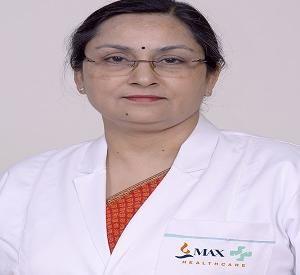
Vice Chairman - Nephrology
Nephrology & Renal Transplant Medicine
New Delhi
17+ Years
Experience
Max Hospital,Gurgaon
Hospital
1500
Fees
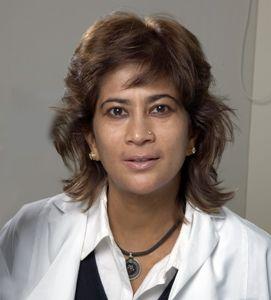
Principal Director - Max Lab & Blood Bank Services
Laboratory Medicine, Transfusion Medicine, Pathology
New Delhi
32+ Years
Experience
Max Hospital,Gurgaon
Hospital
1500
Fees
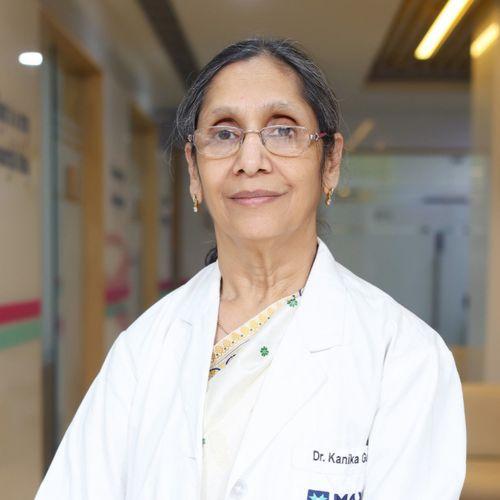
Principal Director – Surgical Oncology (Gynae & Robotic Surgery)
Gynecologic Oncology, Robotic & Laparoscopic Surgery, Gynae Cancer Care, Surgical Oncology
New Delhi
39+ Years
Experience
Max Hospital,Gurgaon
Hospital
1500
Fees
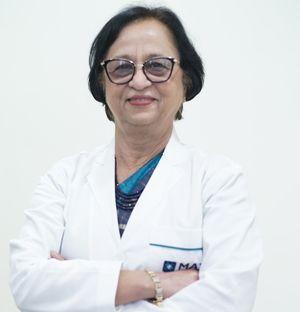
Principal Director & HOD
Paediatrics (Ped)
New Delhi
30+ Years
Experience
Max Hospital,Gurgaon
Hospital
1500
Fees
Principal Director (Obstetrics & Gynaecology) & Head of Unit
Obstetrics, Gynaecology, Gynaecologic Laparoscopy, High-Risk Pregnancy, Endoscopy Surgery
New Delhi
44+ Years
Experience
Max Hospital,Gurgaon
Hospital
1500
Fees
Associate Director
Pulmonology
New Delhi
20+ Years
Experience
Apolo Delhi
Hospital
1500
Fees
Director - Pulmonology
Pulmonology
New Delhi
34+ Years
Experience
Apolo Delhi
Hospital
1500
Fees
Sr. Consultant
Obstetrics And Gynaecology
New Delhi
15+ Years
Experience
Apolo Delhi
Hospital
1500
Fees
Senior Consultant - Obstetrics and Gynaecology
Obstetrics and Gynaecology
New Delhi
24+ Years
Experience
Apolo Delhi
Hospital
1500
Fees
Associate Director
Pulmonology
New Delhi
22+ Years
Experience
Apolo Delhi
Hospital
1500
Fees
Director - Oncology
Oncology
New Delhi
22+ Years
Experience
Apolo Delhi
Hospital
1500
Fees
Director - Obstetrics & Gynaecology
Obstetrics & Gynaecology
New Delhi
18+ Years
Experience
Apolo Delhi
Hospital
1500
Fees
Senior Consultant
Obstetrics & Gynaecology
New Delhi
22+ Years
Experience
Apolo Delhi
Hospital
1500
Fees
Senior Consultant - Obstetrics & Gynaecology
Obstetrics & Gynaecology
New Delhi
23+ Years
Experience
Apolo Delhi
Hospital
1500
Fees
Senior Consultant
Obstetrics and Gynaecology
New Delhi
24+ Years
Experience
Apolo Delhi
Hospital
1500
Fees
Director
Obstetrics & Gynaecology
New Delhi
20+ Years
Experience
Apolo Delhi
Hospital
1500
Fees
Director
Obstetrics & Gynaecology
New Delhi
22+ Years
Experience
Apolo Delhi
Hospital
1500
Fees
Senior Consultant
Obstetrics and Gynaecology
New Delhi
15+ Years
Experience
Apolo Delhi
Hospital
1500
Fees
Director
Obstetrics & Gynaecology
New Delhi
18+ Years
Experience
Apolo Delhi
Hospital
1500
Fees
Director & Chief of Service - Obstetrics & Gynaecology
Obstetrics & Gynaecology
New Delhi
24+ Years
Experience
Apolo Delhi
Hospital
1500
Fees
Director
Obstetrics & Gynaecology
New Delhi
18+ Years
Experience
Apolo Delhi
Hospital
1500
Fees
भारत के शीर्ष अस्पतालों से व्यक्तिगत चिकित्सा उपचार विकल्प प्राप्त करें। हमारे चिकित्सा विशेषज्ञ हर कदम पर आपकी सहायता करने के लिए तैयार हैं।