
Cerebral Palsy Treatment in Mumbai for Nigeria
بحاجة لنصيحة شخصية؟
خبراؤنا الطبيون جاهزون للإجابة عن أسئلتك وإرشادك خلال خيارات العلاج.
خبراؤنا الطبيون جاهزون للإجابة عن أسئلتك وإرشادك خلال خيارات العلاج.
For families in Nigeria navigating the challenges of Cerebral Palsy, finding the right treatment path can feel overwhelming. Concerns about advanced care, specialized therapists, and accessible facilities often arise when considering options abroad.
Mumbai stands out as a leading destination for international medical care, offering a robust healthcare ecosystem. Patients often choose this city for its comprehensive range of medical expertise and integrated treatment approach for complex conditions like Cerebral Palsy.
Within Mumbai, a network of highly reputed hospitals and experienced specialists provides world-class Cerebral Palsy treatment. The city’s medical infrastructure supports seamless continuity of care, including post-treatment follow-ups and rehabilitation services.
Ready to explore advanced Cerebral Palsy care options in Mumbai?
Cerebral Palsy is a group of permanent movement disorders that appear in early childhood. It is caused by non-progressive disturbances that occur in the developing fetal or infant brain. Cerebral Palsy primarily affects body movement, muscle tone, posture, and coordination. It can also involve issues with sensation, perception, cognition, communication, and behavior, sometimes accompanied by epilepsy and secondary musculoskeletal problems. The condition varies greatly in its severity and how it impacts daily life, requiring personalized and ongoing management.
Physical Therapy: Focuses on improving muscle strength, flexibility, balance, and motor skills through exercises and stretches.
Occupational Therapy: Helps individuals develop skills for daily living, such as feeding, dressing, and writing, adapting tasks as needed.
Speech and Language Therapy: Addresses communication difficulties, swallowing problems, and oral motor skills, often using assistive devices.
Medication Management: Includes muscle relaxants, anticonvulsants, and pain relievers to manage symptoms like spasticity and seizures.
Orthopedic Surgery: May be performed to correct joint deformities, lengthen muscles, or release tight tendons that restrict movement.
Selective Dorsal Rhizotomy (SDR): A neurosurgical procedure for severe spasticity in the legs, involving cutting specific nerve roots in the spinal cord.
The approach to Cerebral Palsy treatment is highly individualized, depending on the child's specific symptoms, severity, and age.
Therapeutic Interventions: This often forms the cornerstone of treatment, involving regular physical, occupational, and speech therapy sessions. Therapists guide patients through exercises to improve strength, coordination, balance, and communication. Adaptive equipment, such as braces, walkers, or wheelchairs, may also be integrated.
Medication Management: Oral medications like baclofen or diazepam are used to reduce muscle spasticity. In some cases, botulinum toxin injections are administered directly into specific muscles to temporarily relax them. Anti-seizure medications are prescribed if epilepsy is present.
Surgical Procedures: Orthopedic surgeries are performed to correct bone deformities, release tight muscles, or lengthen tendons, aiming to improve mobility and reduce pain. Neurosurgeries like Selective Dorsal Rhizotomy (SDR) may be considered for severe spasticity, carefully chosen for specific candidates after thorough evaluation.
Recovery from Cerebral Palsy treatments, especially surgical interventions, involves a dedicated and prolonged rehabilitation period. Patients typically engage in intensive physical and occupational therapy immediately following surgery to regain strength and function. Healing times vary; some procedures require weeks or months of consistent therapy. Restrictions on certain activities may be temporary or long-term, guided by the medical team. Ongoing follow-up appointments with specialists are essential to monitor progress, adjust therapy plans, and manage any evolving symptoms. The goal is to maximize functional independence and quality of life through continuous support.
The success of Cerebral Palsy treatment is measured by improvements in mobility, reduction in spasticity, enhanced independence, and overall quality of life. Success rates vary widely based on the specific type of Cerebral Palsy, its severity, the patient's age, the chosen treatment modalities, and adherence to rehabilitation. For example, procedures like Selective Dorsal Rhizotomy often show significant reduction in spasticity, improving gait and comfort. Therapy-based interventions aim for continuous functional gains. Long-term expectations involve ongoing management and adaptive strategies, with the goal of fostering maximum independence and participation in daily activities.
Seeking advanced care for Cerebral Palsy? Connect with Mumbai's leading specialists today for a personalized treatment plan.
The cost of Cerebral Palsy treatment in Mumbai can vary significantly based on several factors. These include the specific treatment plan (e.g., therapy-only, medication, or surgical intervention), the chosen hospital's reputation and facilities, the experience level of the specialists involved, the duration of stay, and the need for specialized equipment or intensive rehabilitation.
Generally, the cost for comprehensive Cerebral Palsy management in Mumbai can range from INR 2,50,000 to INR 15,00,000 or more, depending on the complexity and duration of care.
Mumbai offers a cost-effective alternative for advanced Cerebral Palsy treatment compared to many Western countries, without compromising on quality or expertise.
| Location | Estimated Cost Range (USD) |
|---|---|
| Mumbai, India | $3,000 – $18,000 (approximate) |
| United States | $30,000 – $150,000 |
| United Kingdom | $25,000 – $100,000 |
| Singapore | $20,000 – $80,000 |
| Germany | $28,000 – $95,000 |
Understand the full cost of your treatment. Request a detailed quote for Cerebral Palsy care in Mumbai tailored to your specific needs.
Take the first step towards personalized care and improved quality of life. Our team is here to guide you through every stage of your treatment journey in Mumbai.
India offers premium medical procedures at affordable prices. Discover our most popular treatments, delivered by the country's finest doctors.
Meet our team of highly qualified and experienced medical professionals dedicated to providing the best healthcare services.

Consultant
Paediatric Neurology
Haryana
9+ Years
Experience
Artemis Hospital
Hospital
1500
Fees
Consultant
Paediatric Neurology
Haryana
9+ Years
Experience
Artemis Hospital
Hospital
1500
Fees
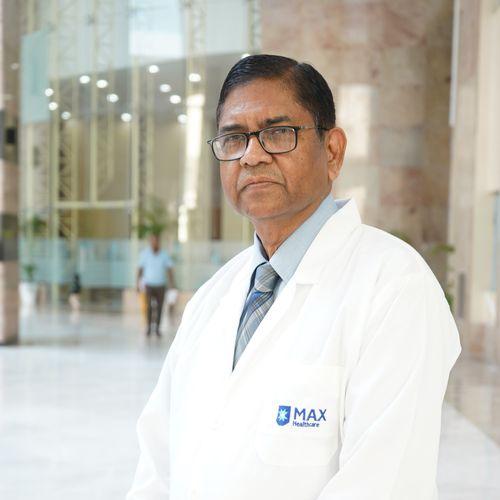
Chairman - Cardiology
Cardiology
New Delhi
41+ Years
Experience
Max Hospital,Gurgaon
Hospital
1500
Fees
احصل على خيارات علاجية شخصية من أفضل مستشفيات الهند. خبراؤنا الطبيون جاهزون لمساعدتك في كل خطوة.