
Intracytoplasmic Sperm Injection (ICSI) Treatment in Chennai for Ethiopia
بحاجة لنصيحة شخصية؟
خبراؤنا الطبيون جاهزون للإجابة عن أسئلتك وإرشادك خلال خيارات العلاج.
خبراؤنا الطبيون جاهزون للإجابة عن أسئلتك وإرشادك خلال خيارات العلاج.
For couples from Ethiopia facing fertility challenges, the journey to parenthood can feel overwhelming. You might be seeking advanced reproductive options like ICSI, but concerns about quality of care and effective treatment abroad are natural. Finding a trusted destination is key.
Many choose Chennai for ICSI due to its established medical infrastructure and specialist fertility centers. The city offers a supportive environment with coordinated care, making it a preferred choice for international patients seeking successful outcomes for complex fertility treatments.
Chennai's leading hospitals host highly experienced fertility specialists and modern ICSI clinics. Patients benefit from advanced technology and personalized care. The city's medical ecosystem ensures smooth follow-ups and a complete treatment journey within a single location, building confidence.
Chennai offers specialized ICSI treatment with comprehensive support for international patients.
Intracytoplasmic Sperm Injection (ICSI) is an advanced fertility procedure often used as part of in-vitro fertilization (IVF). It addresses male factor infertility by directly injecting a single sperm into a mature egg. This method significantly increases the chances of fertilization, especially when sperm quality or quantity is a concern, or if previous IVF attempts have failed to achieve fertilization. ICSI helps overcome barriers to sperm-egg interaction at a microscopic level, facilitating the first critical step towards embryo formation.
While ICSI is a specific procedure, its application can vary based on the underlying fertility challenge:
The ICSI procedure involves a series of precisely timed medical steps. The exact plan depends on individual needs and the fertility specialist's recommendation.
The recovery process after ICSI primarily focuses on the egg retrieval aspect. Patients typically need a day or two of rest following the procedure, with possible mild cramping or spotting. It is advisable to avoid strenuous activities, heavy lifting, and sexual intercourse for a specified period. Close monitoring for symptoms of Ovarian Hyperstimulation Syndrome (OHSS) is important. After embryo transfer, patients are usually advised to rest and resume light activities, awaiting the pregnancy test. Emotional well-being and stress management are also crucial components of the recovery phase.
The success rates of ICSI vary significantly based on individual factors such as the woman's age, the cause of infertility, the quality of eggs and sperm, and the expertise of the fertility clinic. While ICSI generally achieves high fertilization rates when viable sperm and eggs are present, the ultimate live birth rate per cycle is comparable to conventional IVF. Your fertility specialist in Chennai can provide a personalized prognosis based on your specific medical profile.
The cost of ICSI treatment in Chennai is influenced by several factors. These include the specific hospital or fertility clinic chosen, the experience level of the fertility specialist, the need for additional procedures like genetic testing or surgical sperm retrieval, the type and dosage of medications, and the number of cycles required. These elements collectively determine the overall treatment expense.
In Chennai, the average cost for one cycle of ICSI treatment typically ranges from INR 1,50,000 to INR 3,50,000. This estimate generally covers the core procedure but may not include advanced diagnostic tests or extended medication protocols.
Chennai stands out as a highly cost-effective destination for ICSI, offering advanced medical care at a fraction of the cost found in many Western countries, without compromising on quality or success rates.
| Location | Estimated ICSI Cost (USD) |
|---|---|
| Chennai, India | $1,800 - $4,200 |
| United States | $12,000 - $20,000 |
| United Kingdom | $7,000 - $10,000 |
| Thailand | $5,000 - $8,000 |
Connect with our expert team to understand your options, receive a personalized treatment plan, and get a detailed cost estimate for your fertility journey.
Enquire Now
Our team in Chennai is prepared to guide you through your ICSI journey with compassion and expertise.
Reach out today for comprehensive guidance, hospital selection, and support for your advanced fertility treatment in Chennai.
Contact Us for Assistance
India offers premium medical procedures at affordable prices. Discover our most popular treatments, delivered by the country's finest doctors.
Meet our team of highly qualified and experienced medical professionals dedicated to providing the best healthcare services.

استشاري أول – تصوير نسائي
Radiology
New Delhi
15+ Years
Experience
Artemis Hospital
Hospital
1500
Fees
استشاري أول – تصوير نسائي
Radiology
New Delhi
15+ Years
Experience
Artemis Hospital
Hospital
1500
Fees
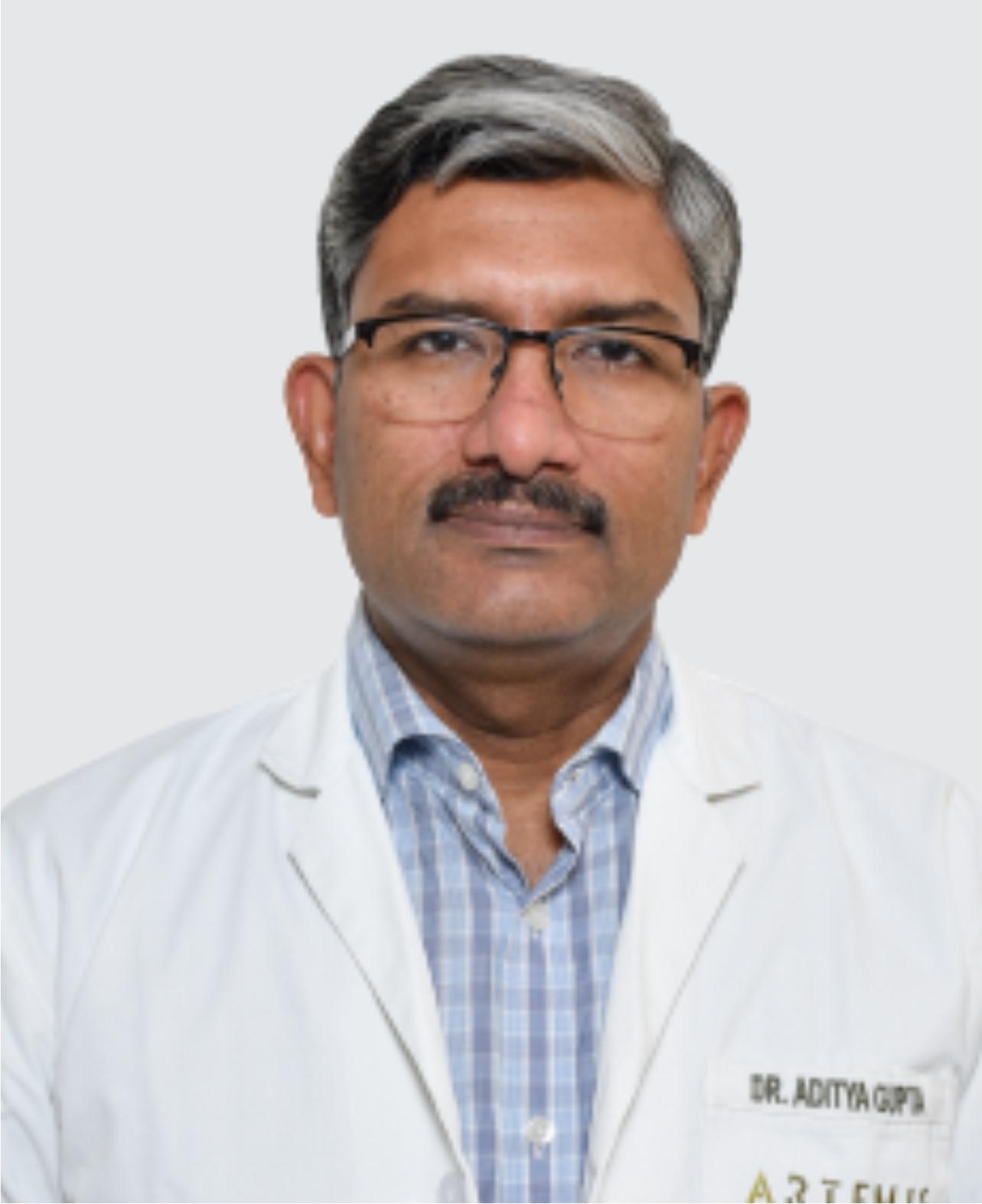
رئيس - جراحة المخ والأعصاب والجراحة الإشعاعية للجهاز العصبي المركزي والرئيس المشارك - مركز سايبرنايف
Neurosurgery
New Delhi
32+ Years
Experience
Artemis Hospital
Hospital
1500
Fees
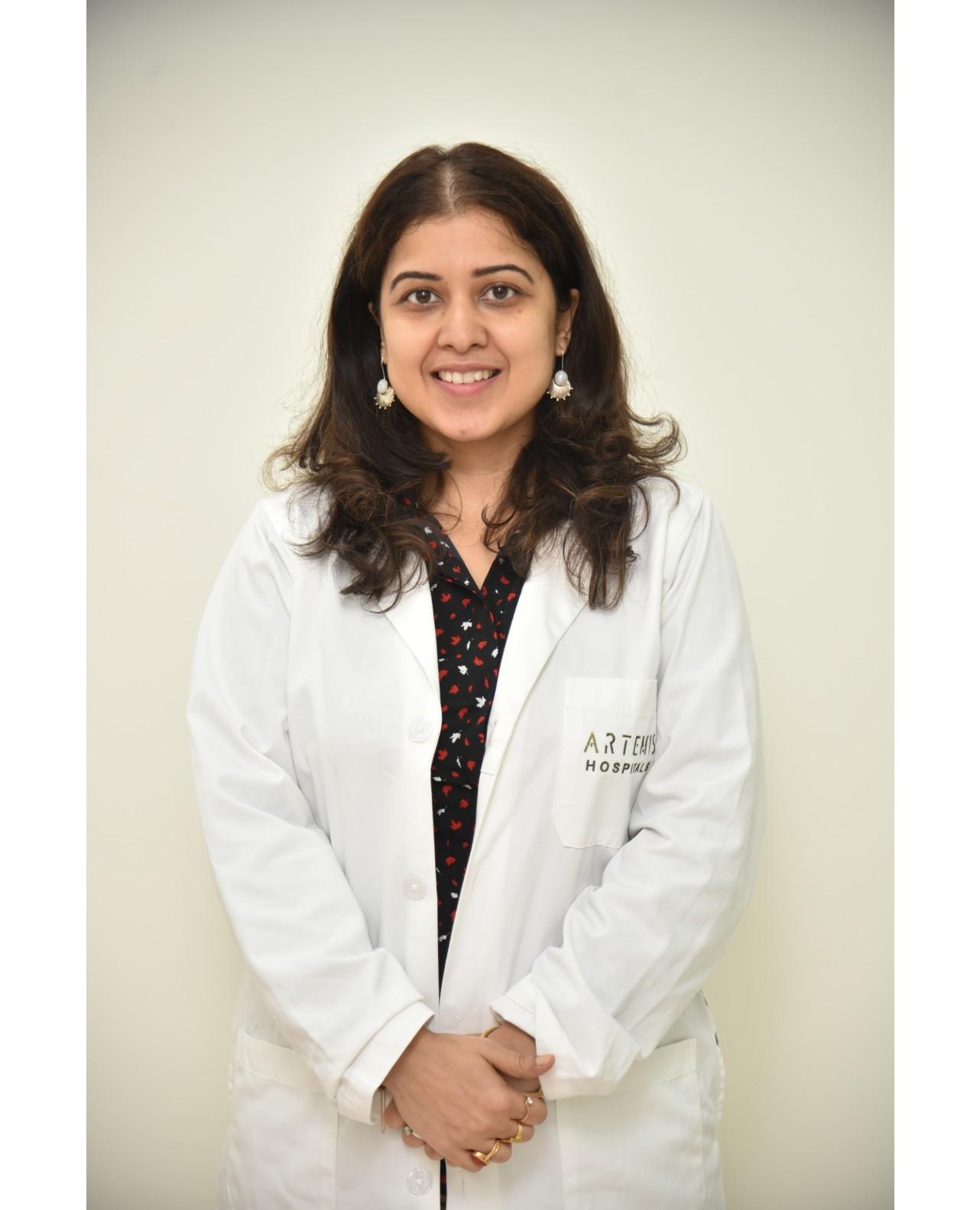
رئيس مشارك للخدمات النفسية
Mental Health and Behavioural Sciences
New Delhi
15+ Years
Experience
Artemis Hospital
Hospital
1500
Fees
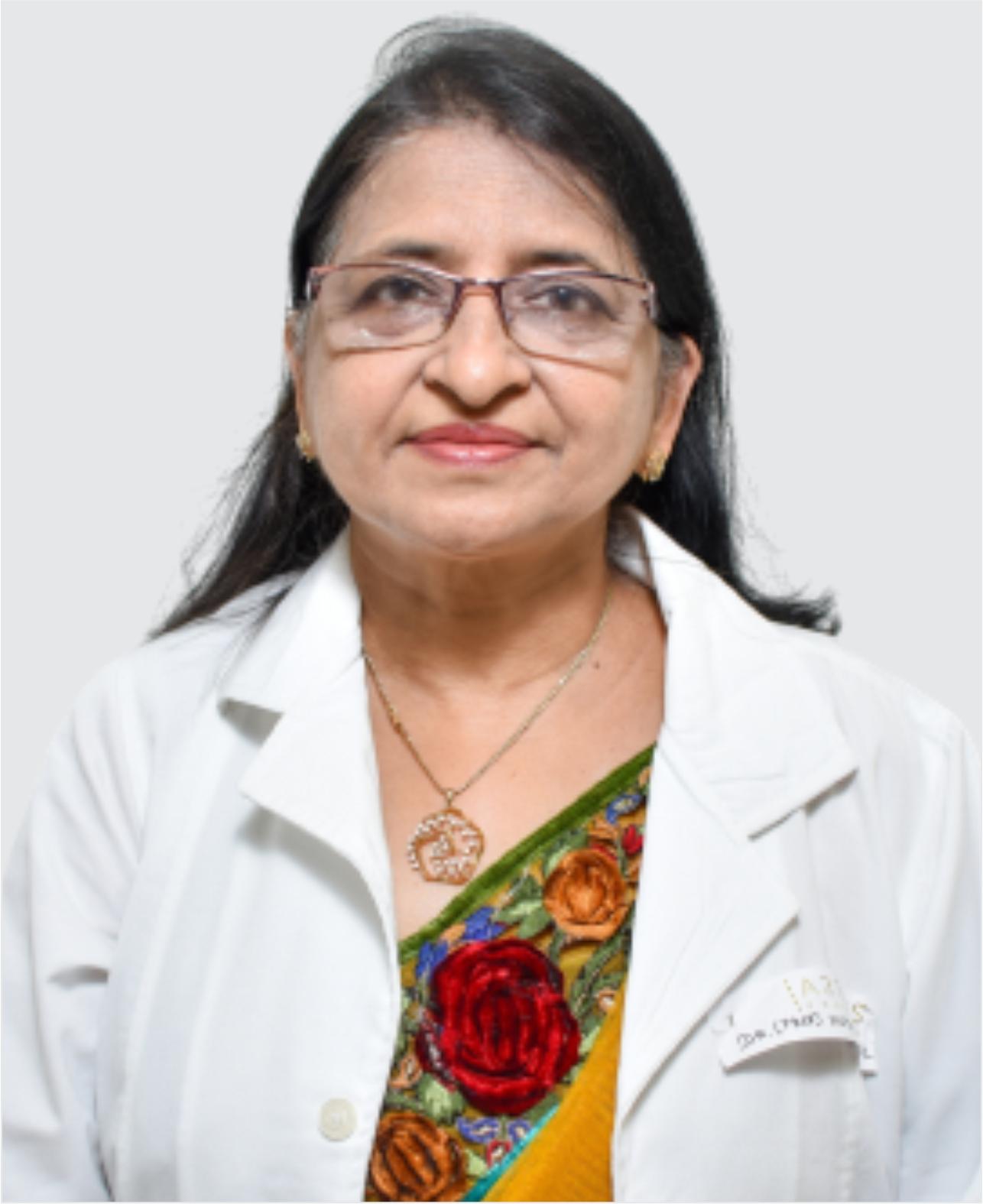
رئيس قسم - الغدد الصماء النسائية ومدير برنامج DNB - أمراض النساء والتوليد
Gynaecological Endocrinology, Maternity, Obstetrics & Gynaecology
New Delhi
35+ Years
Experience
Artemis Hospital
Hospital
1500
Fees

رئيس - طب الإنجاب (أطفال الأنابيب)
IVF, Reproductive Medicine, Obstetrics and Gynaecology
New Delhi
20+ Years
Experience
Artemis Hospital
Hospital
1500
Fees

استشاري أول - أنف وأذن وحنجرة
ENT and Head & Neck Surgery
New Delhi
24+ Years
Experience
Artemis Hospital
Hospital
1500
Fees
استشاري أول - أنف وأذن وحنجرة
ENT and Head & Neck Surgery
New Delhi
24+ Years
Experience
Artemis Hospital
Hospital
1500
Fees

استشاري (جراحة الرأس والرقبة) - الأورام الجراحية
Head and Neck Surgical Oncology
New Delhi
10+ Years
Experience
Artemis Hospital
Hospital
1500
Fees
استشاري (جراحة الرأس والرقبة) - الأورام الجراحية
Head and Neck Surgical Oncology
New Delhi
10+ Years
Experience
Artemis Hospital
Hospital
1500
Fees

رئيس - أورام النساء
Gynaecological Oncology
New Delhi
16+ Years
Experience
Artemis Hospital
Hospital
1500
Fees
رئيس - أورام النساء
Gynaecological Oncology
New Delhi
16+ Years
Experience
Artemis Hospital
Hospital
1500
Fees
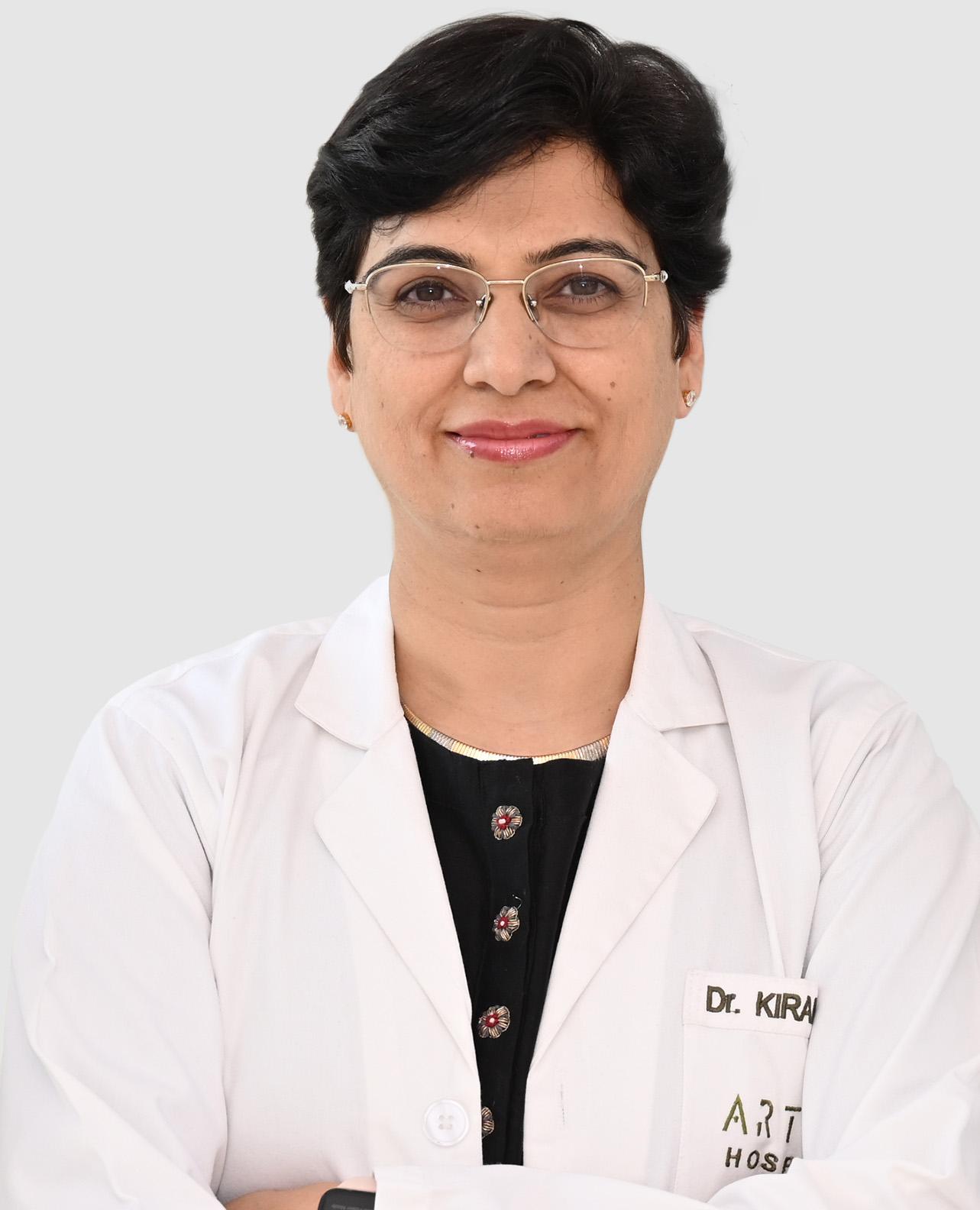
رئيس الوحدة - طب الإنجاب (الوحدة الثانية)
IVF, Reproductive Medicine, Obstetrics & Gynecology
New Delhi
20+ Years
Experience
Artemis Hospital
Hospital
1500
Fees
رئيس الوحدة - طب الإنجاب (الوحدة الثانية)
IVF, Reproductive Medicine, Obstetrics & Gynecology
New Delhi
20+ Years
Experience
Artemis Hospital
Hospital
1500
Fees
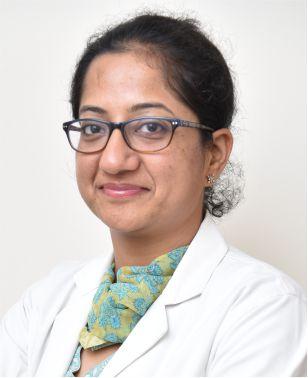
استشاري أول - التوليد وأمراض النساء
Maternity, Obstetrics & Gynaecology
New Delhi
15+ Years
Experience
Artemis Hospital
Hospital
1500
Fees
استشاري أول - التوليد وأمراض النساء
Maternity, Obstetrics & Gynaecology
New Delhi
15+ Years
Experience
Artemis Hospital
Hospital
1500
Fees

رئيس وحدة - النساء والولادة
Maternity, Obstetrics & Gynaecology
New Delhi
19+ Years
Experience
Artemis Hospital
Hospital
1500
Fees
رئيس وحدة - النساء والولادة
Maternity, Obstetrics & Gynaecology
New Delhi
19+ Years
Experience
Artemis Hospital
Hospital
1500
Fees
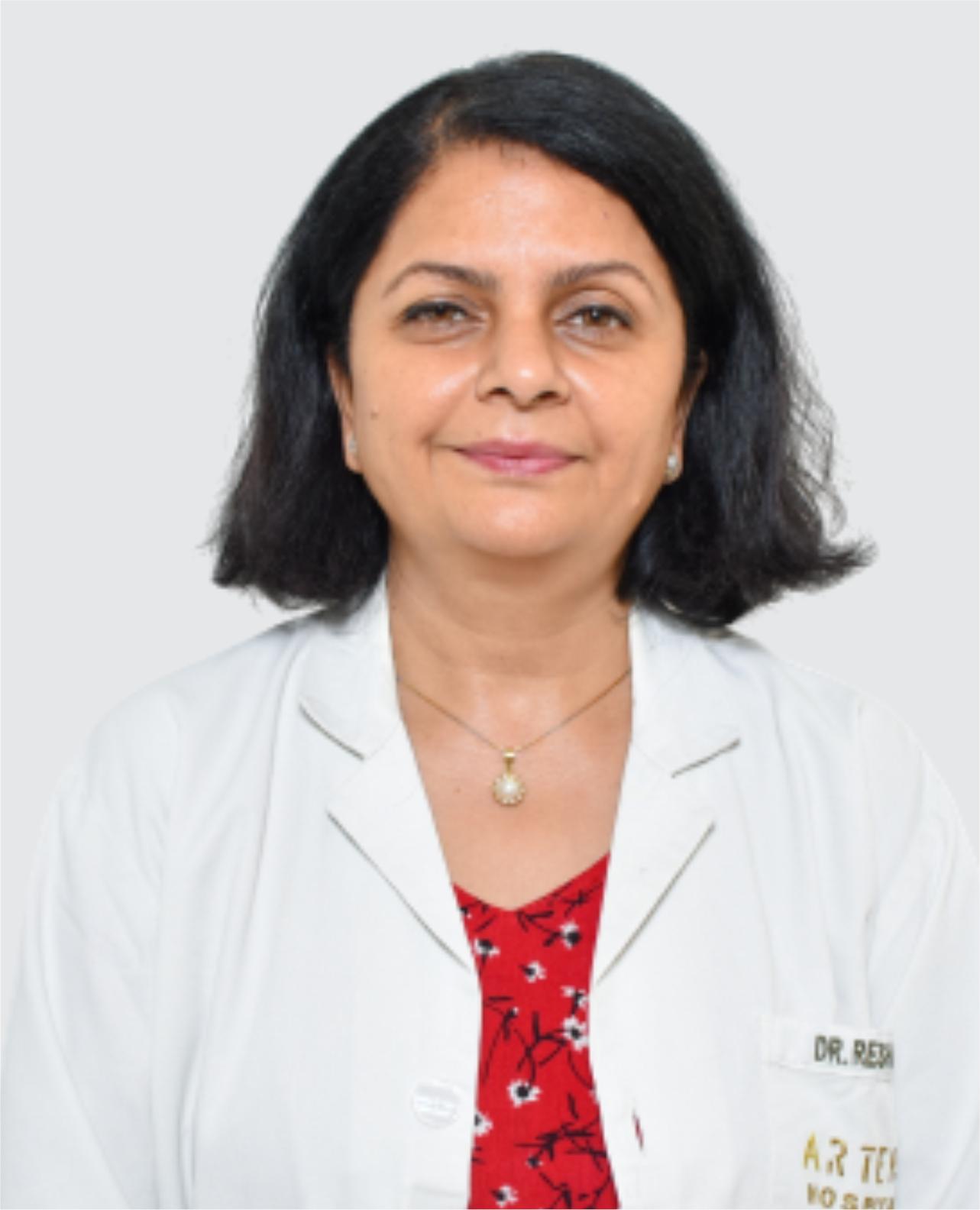
مدير
Obstetrics and Gynaecology
New Delhi
19+ Years
Experience
Artemis Hospital
Hospital
1500
Fees
مدير
Obstetrics and Gynaecology
New Delhi
19+ Years
Experience
Artemis Hospital
Hospital
1500
Fees
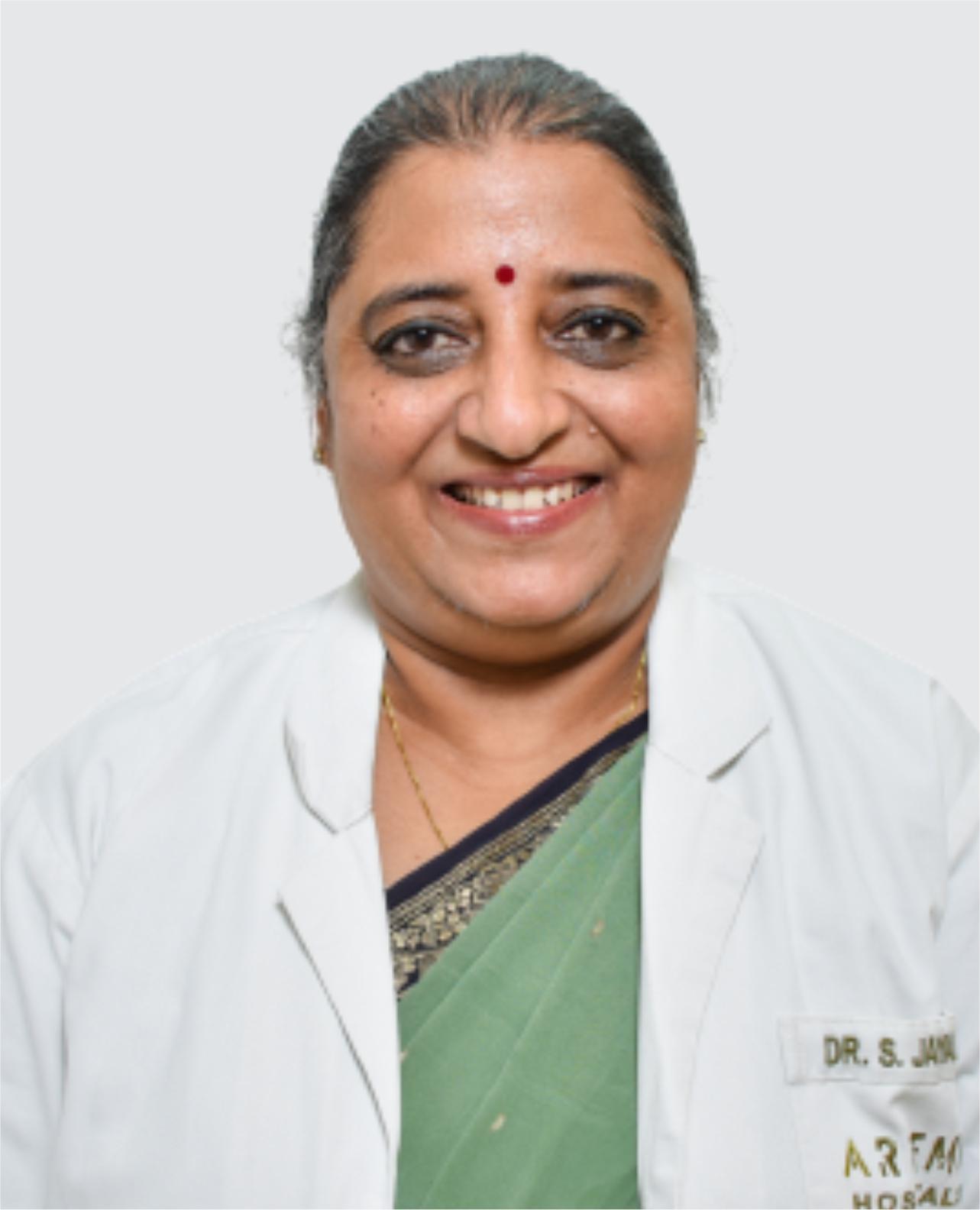
رئيس - طب الأورام الإشعاعي ومركز سايبرنايف (الوحدة الثانية)
Oncology
New Delhi
23+ Years
Experience
Artemis Hospital
Hospital
1500
Fees
رئيس - طب الأورام الإشعاعي ومركز سايبرنايف (الوحدة الثانية)
Oncology
New Delhi
23+ Years
Experience
Artemis Hospital
Hospital
1500
Fees
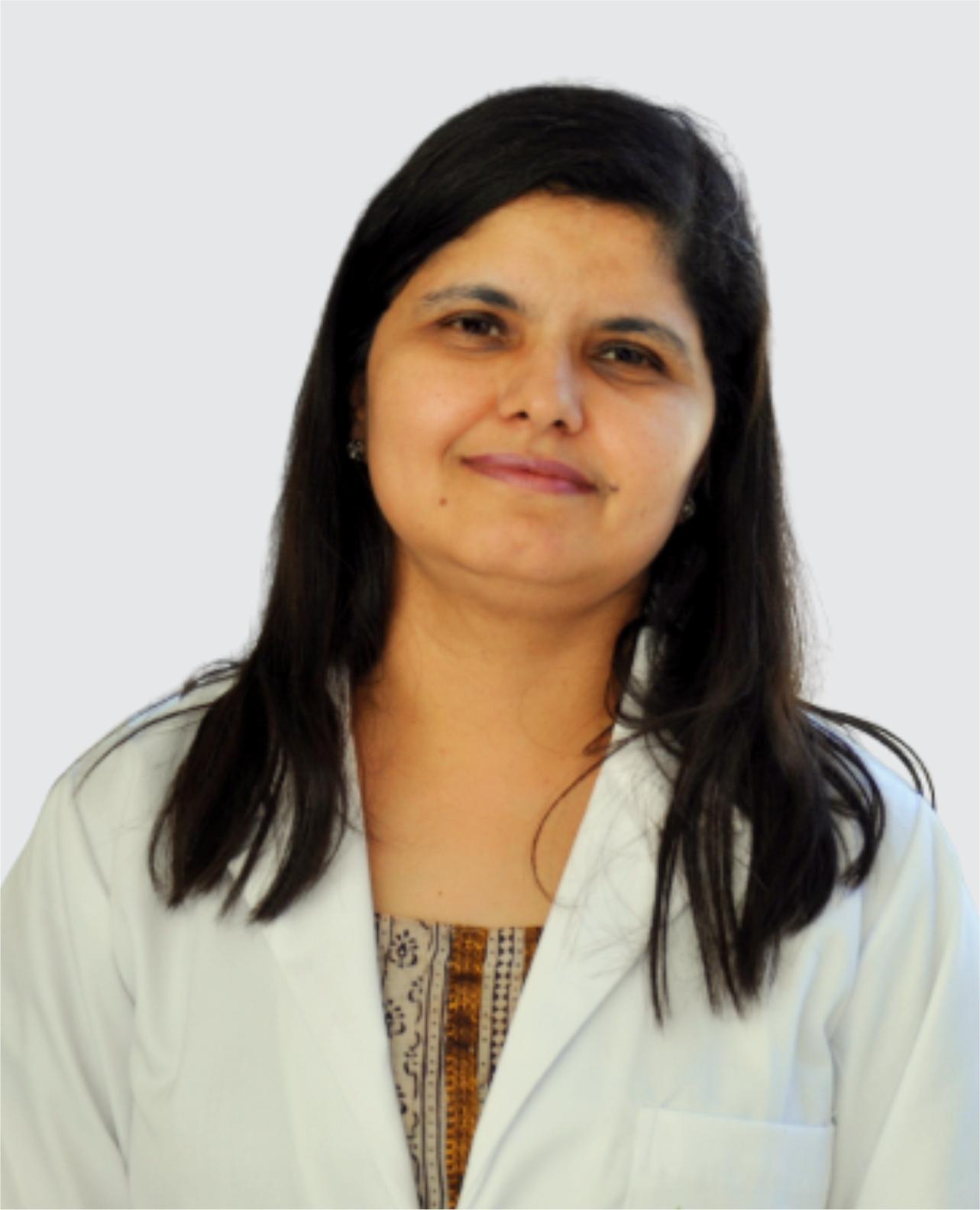
رئيس الوحدة واستشاري أول - الطب الباطني
Internal Medicine
New Delhi
14+ Years
Experience
Artemis Hospital
Hospital
1500
Fees
رئيس الوحدة واستشاري أول - الطب الباطني
Internal Medicine
New Delhi
14+ Years
Experience
Artemis Hospital
Hospital
1500
Fees
مدير
Obstetrics & Gynaecology
New Delhi
15+ Years
Experience
Artemis Hospital
Hospital
1500
Fees
مدير
Obstetrics & Gynaecology
New Delhi
15+ Years
Experience
Artemis Hospital
Hospital
1500
Fees
استشاري مصنف
Obstetrics & Gynaecology, Maternity, Women's Health
New Delhi
8+ Years
Experience
Artemis Hospital
Hospital
1500
Fees
استشاري
Obstetrics & Gynaecology
New Delhi
8+ Years
Experience
Artemis Hospital
Hospital
1500
Fees
استشاري
Obstetrics & Gynaecology
New Delhi
8+ Years
Experience
Artemis Hospital
Hospital
1500
Fees
مدير طب الأورام
Medical Oncology and Haematology
New Delhi
26+ Years
Experience
Max Hospital,Gurgaon
Hospital
1500
Fees
مدير طب الأورام
Medical Oncology and Haematology
New Delhi
26+ Years
Experience
Max Hospital,Gurgaon
Hospital
1500
Fees
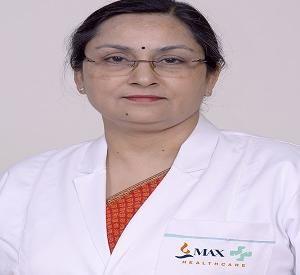
نائب رئيس - أمراض الكلى
Nephrology & Renal Transplant Medicine
New Delhi
17+ Years
Experience
Max Hospital,Gurgaon
Hospital
1500
Fees
نائب رئيس - أمراض الكلى
Nephrology & Renal Transplant Medicine
New Delhi
17+ Years
Experience
Max Hospital,Gurgaon
Hospital
1500
Fees
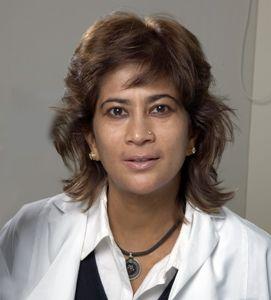
المدير الرئيسي - ماكس لاب وخدمات بنك الدم
Laboratory Medicine, Transfusion Medicine
New Delhi
32+ Years
Experience
Max Hospital,Gurgaon
Hospital
1500
Fees
المدير الرئيسي - ماكس لاب وخدمات بنك الدم
Laboratory Medicine, Transfusion Medicine
New Delhi
32+ Years
Experience
Max Hospital,Gurgaon
Hospital
1500
Fees
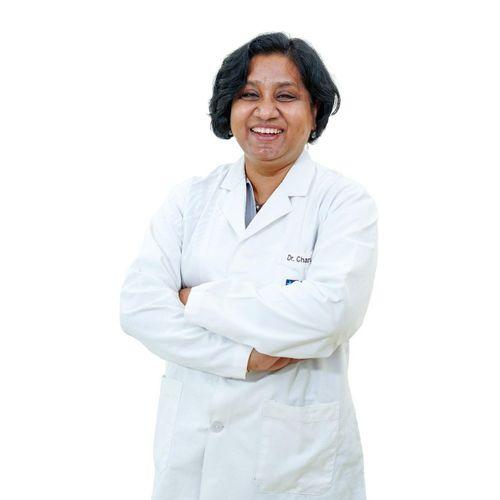
مدير رئيسي - طب الأورام الإشعاعي
Radiation Oncology
New Delhi
23+ Years
Experience
Max Hospital,Gurgaon
Hospital
1500
Fees
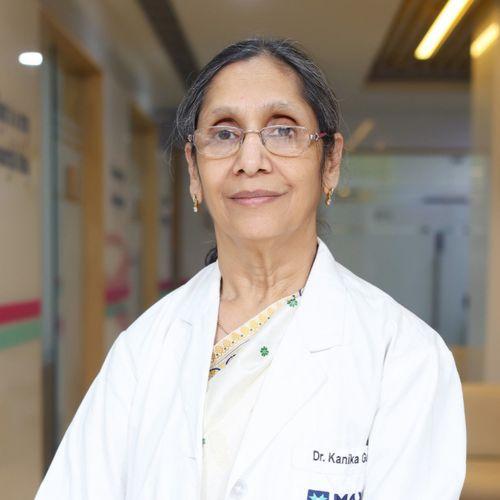
مدير رئيسي – جراحة الأورام (جراحة النساء والروبوتية)
Gynecologic Oncology, Robotic & Laparoscopic Surgery, Gynae Cancer Care, Surgical Oncology
New Delhi
39+ Years
Experience
Max Hospital,Gurgaon
Hospital
1500
Fees
مدير رئيسي – جراحة الأورام (جراحة النساء والروبوتية)
Gynecologic Oncology, Robotic & Laparoscopic Surgery, Gynae Cancer Care, Surgical Oncology
New Delhi
39+ Years
Experience
Max Hospital,Gurgaon
Hospital
1500
Fees
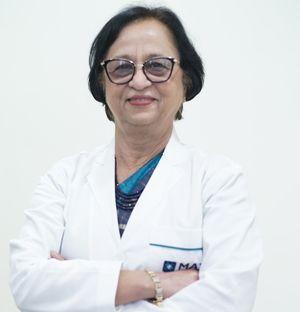
المدير العام ورئيس القسم
Paediatrics (Ped)
New Delhi
30+ Years
Experience
Max Hospital,Gurgaon
Hospital
1500
Fees
المدير العام ورئيس القسم
Paediatrics (Ped)
New Delhi
30+ Years
Experience
Max Hospital,Gurgaon
Hospital
1500
Fees
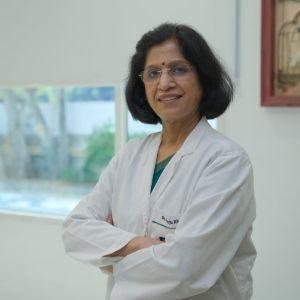
المدير الرئيسي (النساء والتوليد) ورئيس الوحدة
Obstetrics, Gynaecology, Gynaecologic Laparoscopy, High-Risk Pregnancy, Endoscopy Surgery
New Delhi
44+ Years
Experience
Max Hospital,Gurgaon
Hospital
1500
Fees
المدير الرئيسي (النساء والتوليد) ورئيس الوحدة
Obstetrics, Gynaecology, Gynaecologic Laparoscopy, High-Risk Pregnancy, Endoscopy Surgery
New Delhi
44+ Years
Experience
Max Hospital,Gurgaon
Hospital
1500
Fees
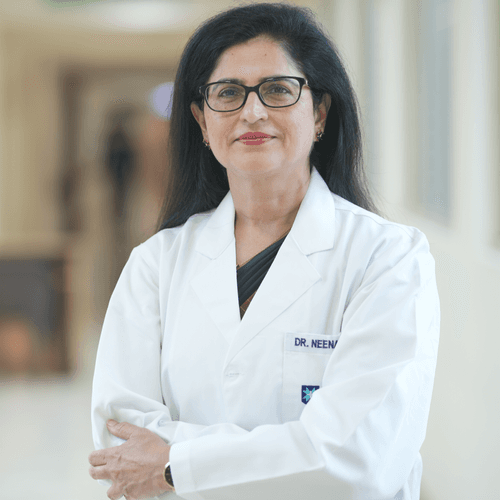
المدير الرئيسي - أمراض النساء والتوليد
Obstetrics And Gynaecology, Robotic Surgery, Gynaecologic Laparoscopy
New Delhi
33+ Years
Experience
Max Hospital,Gurgaon
Hospital
1500
Fees
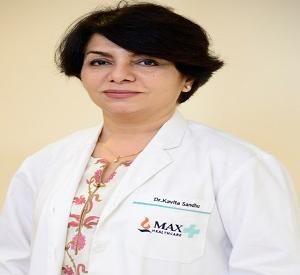
استشاري أول
Obstetrics And Gynaecology
New Delhi
15+ Years
Experience
Apolo Delhi
Hospital
1500
Fees
استشاري أول
Obstetrics And Gynaecology
New Delhi
15+ Years
Experience
Apolo Delhi
Hospital
1500
Fees
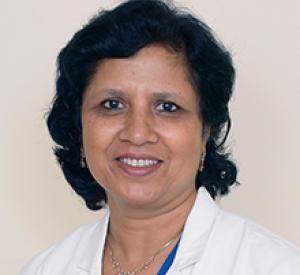
استشاري أول - التوليد وأمراض النساء
Obstetrics and Gynaecology
New Delhi
24+ Years
Experience
Apolo Delhi
Hospital
1500
Fees
استشاري أول - التوليد وأمراض النساء
Obstetrics and Gynaecology
New Delhi
24+ Years
Experience
Apolo Delhi
Hospital
1500
Fees
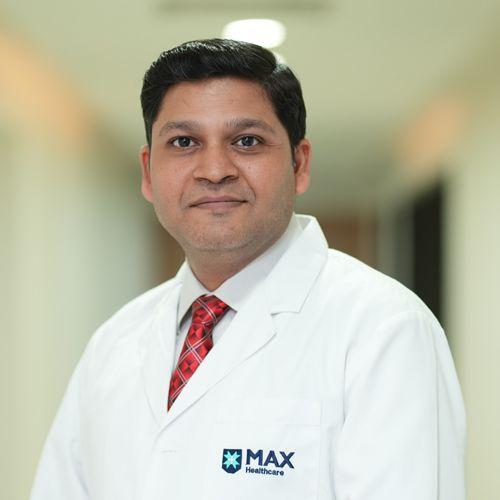
مدير - أمراض النساء والتوليد
Obstetrics & Gynaecology
New Delhi
18+ Years
Experience
Apolo Delhi
Hospital
1500
Fees
مدير - أمراض النساء والتوليد
Obstetrics & Gynaecology
New Delhi
18+ Years
Experience
Apolo Delhi
Hospital
1500
Fees
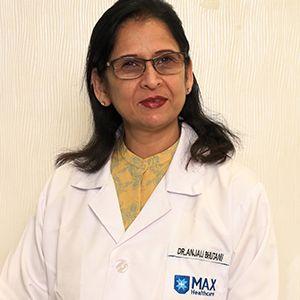
استشاري أول
Obstetrics & Gynaecology
New Delhi
22+ Years
Experience
Apolo Delhi
Hospital
1500
Fees
استشاري أول
Obstetrics & Gynaecology
New Delhi
22+ Years
Experience
Apolo Delhi
Hospital
1500
Fees
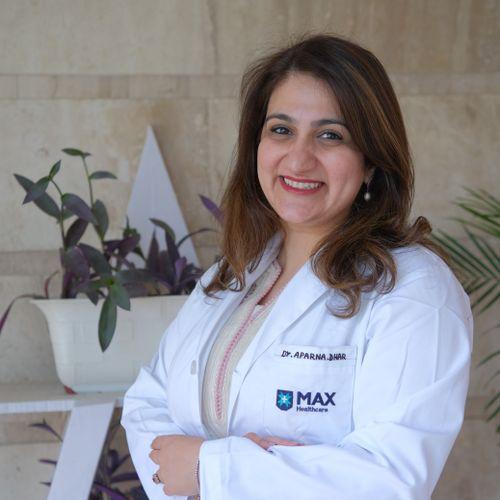
استشاري أول - النساء والتوليد
Obstetrics & Gynaecology
New Delhi
23+ Years
Experience
Apolo Delhi
Hospital
1500
Fees
استشاري أول - النساء والتوليد
Obstetrics & Gynaecology
New Delhi
23+ Years
Experience
Apolo Delhi
Hospital
1500
Fees
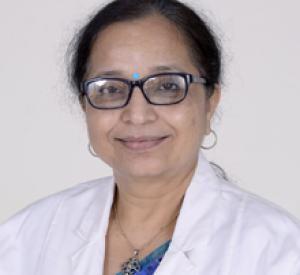
استشاري أول
Obstetrics and Gynaecology
New Delhi
24+ Years
Experience
Apolo Delhi
Hospital
1500
Fees
استشاري أول
Obstetrics and Gynaecology
New Delhi
24+ Years
Experience
Apolo Delhi
Hospital
1500
Fees
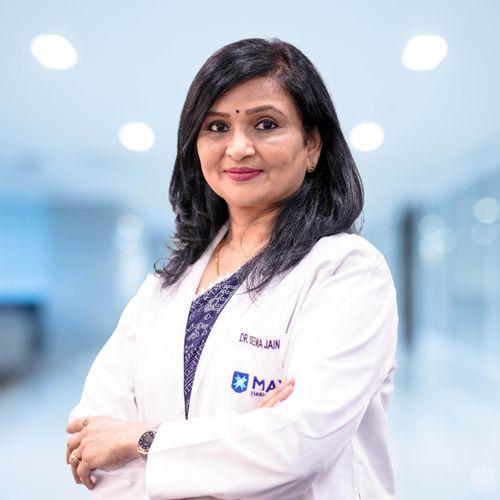
مدير
Obstetrics & Gynaecology
New Delhi
20+ Years
Experience
Apolo Delhi
Hospital
1500
Fees
مدير
Obstetrics & Gynaecology
New Delhi
20+ Years
Experience
Apolo Delhi
Hospital
1500
Fees
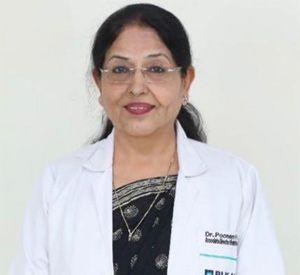
مدير
Obstetrics & Gynaecology
New Delhi
22+ Years
Experience
Apolo Delhi
Hospital
1500
Fees
مدير
Obstetrics & Gynaecology
New Delhi
22+ Years
Experience
Apolo Delhi
Hospital
1500
Fees
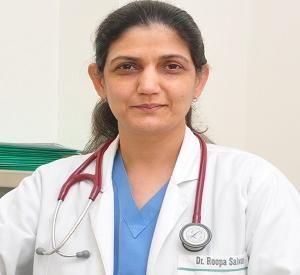
Senior Consultant
Obstetrics and Gynaecology
New Delhi
15+ Years
Experience
Apolo Delhi
Hospital
1500
Fees
Senior Consultant
Obstetrics and Gynaecology
New Delhi
15+ Years
Experience
Apolo Delhi
Hospital
1500
Fees
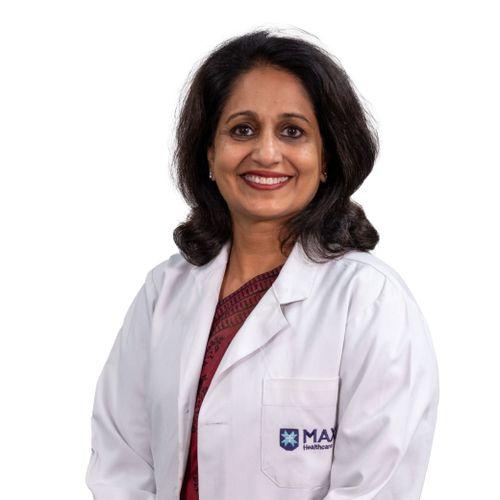
Director
Obstetrics & Gynaecology
New Delhi
18+ Years
Experience
Apolo Delhi
Hospital
1500
Fees
Director
Obstetrics & Gynaecology
New Delhi
18+ Years
Experience
Apolo Delhi
Hospital
1500
Fees
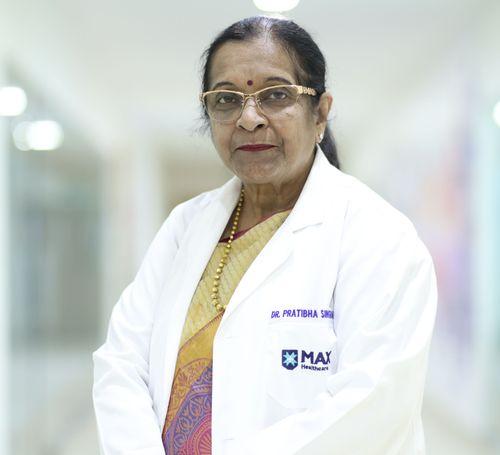
Director & Chief of Service - Obstetrics & Gynaecology
Obstetrics & Gynaecology
New Delhi
24+ Years
Experience
Apolo Delhi
Hospital
1500
Fees
Director & Chief of Service - Obstetrics & Gynaecology
Obstetrics & Gynaecology
New Delhi
24+ Years
Experience
Apolo Delhi
Hospital
1500
Fees
Director
Obstetrics & Gynaecology
New Delhi
18+ Years
Experience
Apolo Delhi
Hospital
1500
Fees
Director
Obstetrics & Gynaecology
New Delhi
18+ Years
Experience
Apolo Delhi
Hospital
1500
Fees
احصل على خيارات علاجية شخصية من أفضل مستشفيات الهند. خبراؤنا الطبيون جاهزون لمساعدتك في كل خطوة.