
Intracytoplasmic Sperm Injection (ICSI) Treatment in Hyderabad for UAE
بحاجة لنصيحة شخصية؟
خبراؤنا الطبيون جاهزون للإجابة عن أسئلتك وإرشادك خلال خيارات العلاج.
خبراؤنا الطبيون جاهزون للإجابة عن أسئلتك وإرشادك خلال خيارات العلاج.
Patients from the UAE often face significant decisions when considering specialized fertility treatments like ICSI. The quest for parenthood can bring uncertainty regarding treatment availability, success rates, and the overall cost involved. Finding a reliable medical destination that offers both advanced care and peace of mind is a common concern for many families.
Hyderabad has emerged as a preferred city for international patients seeking fertility solutions. Its growing reputation stems from a blend of experienced medical professionals and state-of-the-art facilities dedicated to reproductive health. Patients from the UAE frequently choose Hyderabad for its accessible, high-quality healthcare environment and supportive patient coordination.
The trust placed in Hyderabad’s healthcare ecosystem is built on a foundation of accredited hospitals and renowned fertility specialists. These institutions are equipped with advanced technologies for ICSI and offer comprehensive patient support. The city’s infrastructure also facilitates easier follow-ups and integrated care pathways for those undergoing intricate fertility treatments.
Hyderabad provides a focused and supportive environment for ICSI treatment.
Intracytoplasmic Sperm Injection, or ICSI, is an advanced assisted reproductive technology primarily used to treat male infertility or when conventional in vitro fertilization (IVF) has been unsuccessful. In the ICSI procedure, a single, healthy sperm is carefully selected and directly injected into the cytoplasm of an egg. This direct injection bypasses any potential issues with sperm motility, morphology, or the sperm's ability to penetrate the egg's outer layers naturally. After fertilization, the resulting embryo is cultured in the laboratory before being transferred into the woman's uterus, similar to a standard IVF cycle. ICSI significantly increases the chances of fertilization in challenging cases.
While the core ICSI procedure remains consistent, its application can be tailored based on individual patient needs and the underlying causes of infertility:
The ICSI procedure involves several distinct stages, carefully managed by fertility specialists to maximize the chances of a successful pregnancy. The overall process aligns with an IVF cycle, with the key difference being the method of fertilization.
The female partner receives fertility medications to stimulate the ovaries to produce multiple eggs. This phase is closely monitored with regular ultrasound scans and blood tests to track follicle growth and hormone levels.
Once the follicles are mature, a minor surgical procedure called transvaginal ultrasound-guided egg retrieval is performed under light sedation. A thin needle is used to gently aspirate eggs from the ovaries.
On the same day as egg retrieval, the male partner provides a semen sample. If necessary, sperm may be surgically retrieved from the testicles or epididymis. The collected sperm are then prepared in the lab to select the healthiest and most motile ones.
Under a high-powered microscope, a single, carefully selected sperm is injected directly into the center of each mature egg using a very fine needle. This precise microinjection aims to achieve fertilization.
After injection, the eggs are cultured in an incubator. The fertility specialists monitor them for signs of fertilization (typically within 16-18 hours) and subsequent embryo development over the next 3 to 5 days.
One or more viable embryos are selected and transferred into the woman's uterus using a thin catheter. This procedure is usually painless and does not require anesthesia. Any high-quality unused embryos can be cryopreserved for future use.
The woman typically receives progesterone medication to support the uterine lining and enhance the chances of embryo implantation.
The recovery process following an ICSI cycle primarily focuses on the period after egg retrieval and embryo transfer. After egg retrieval, patients may experience mild cramping and spotting for a day or two, often managed with pain relief medication. Rest is advised, and strenuous activities should be avoided. Following embryo transfer, a period of reduced activity is often recommended, though strict bed rest is generally not necessary. Patients usually resume light daily activities while avoiding heavy lifting and high-impact exercises. Progesterone supplementation continues as prescribed. A pregnancy test is typically scheduled about 10-14 days after embryo transfer to confirm the outcome. Emotional support during this "two-week wait" is crucial, and open communication with the care team is encouraged.
The success rates for ICSI are generally very encouraging, often ranging from 70-85% for fertilization of eggs. However, the ultimate success leading to a live birth depends on various factors, including the woman's age, the cause of infertility, ovarian reserve, embryo quality, and overall health. Younger patients typically have higher success rates. Many clinics report live birth rates per ICSI cycle in line with conventional IVF, often between 30-50% for women under 35, decreasing with age. It is important for patients to have realistic expectations and discuss their specific prognosis with their fertility specialist based on their unique medical profile.
The cost of Intracytoplasmic Sperm Injection (ICSI) treatment in Hyderabad is a significant factor for international patients, particularly those from the UAE. This cost can vary based on several elements, including the specific hospital chosen, the experience of the fertility specialist, the complexity of the case, the medications required for ovarian stimulation, and any additional procedures like PGT or sperm retrieval techniques. Advanced technology and personalized care plans also influence the overall expenditure.
Typically, a single cycle of ICSI treatment in Hyderabad can range from approximately INR 1,50,000 to INR 3,50,000. This range often includes basic lab procedures, egg retrieval, ICSI fertilization, embryo culture, and embryo transfer, but may exclude additional medications, freezing of extra embryos, or complex surgical sperm retrieval.
Hyderabad offers a compelling cost advantage for ICSI treatment compared to many other international medical hubs, without compromising on quality or advanced care. Below is a general comparison of ICSI costs.
| City / Country | Estimated ICSI Cost (USD) |
|---|---|
| Hyderabad, India | $1,800 - $4,200 |
| Singapore | $8,000 - $12,000 |
| Thailand | $5,000 - $9,000 |
| USA (Major Cities) | $15,000 - $25,000 |
| UK | $8,000 - $14,000 |
Connect with our patient support team to get personalized cost estimates and hospital information for your fertility journey.
Contact us today for a comprehensive consultation and begin your ICSI journey in Hyderabad with confidence.
Choosing Hyderabad for ICSI treatment offers access to world-class medical expertise and facilities at a more accessible cost.
India offers premium medical procedures at affordable prices. Discover our most popular treatments, delivered by the country's finest doctors.
Meet our team of highly qualified and experienced medical professionals dedicated to providing the best healthcare services.

استشاري أول – تصوير نسائي
Radiology
New Delhi
15+ Years
Experience
Artemis Hospital
Hospital
1500
Fees
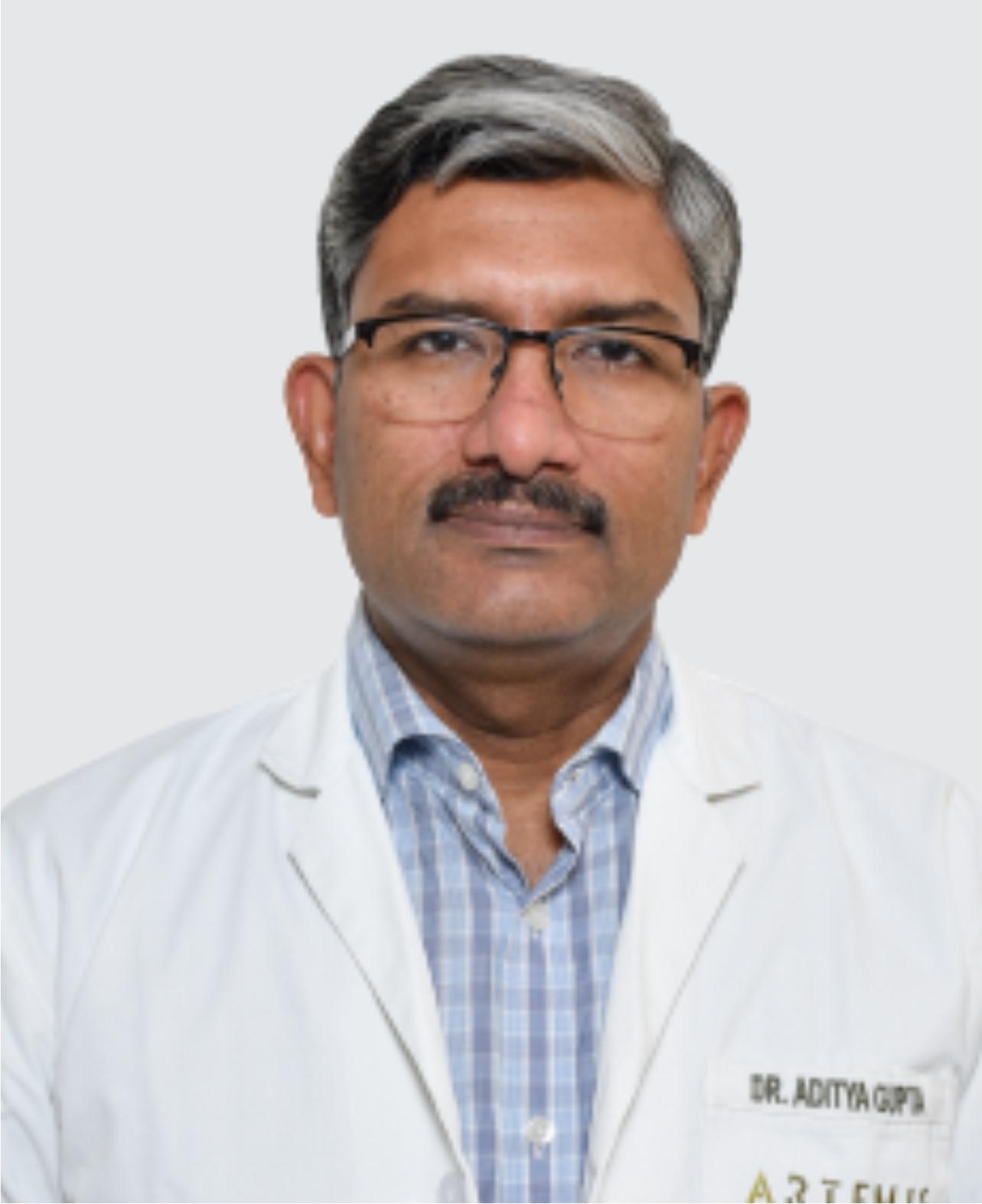
رئيس - جراحة المخ والأعصاب والجراحة الإشعاعية للجهاز العصبي المركزي والرئيس المشارك - مركز سايبرنايف
Neurosurgery
New Delhi
32+ Years
Experience
Artemis Hospital
Hospital
1500
Fees

رئيس - طب الإنجاب (أطفال الأنابيب)
IVF, Reproductive Medicine, Obstetrics and Gynaecology
New Delhi
20+ Years
Experience
Artemis Hospital
Hospital
1500
Fees

استشاري أول - أنف وأذن وحنجرة
ENT and Head & Neck Surgery
New Delhi
24+ Years
Experience
Artemis Hospital
Hospital
1500
Fees

استشاري (جراحة الرأس والرقبة) - الأورام الجراحية
Head and Neck Surgical Oncology
New Delhi
10+ Years
Experience
Artemis Hospital
Hospital
1500
Fees

رئيس - أورام النساء
Gynaecological Oncology
New Delhi
16+ Years
Experience
Artemis Hospital
Hospital
1500
Fees
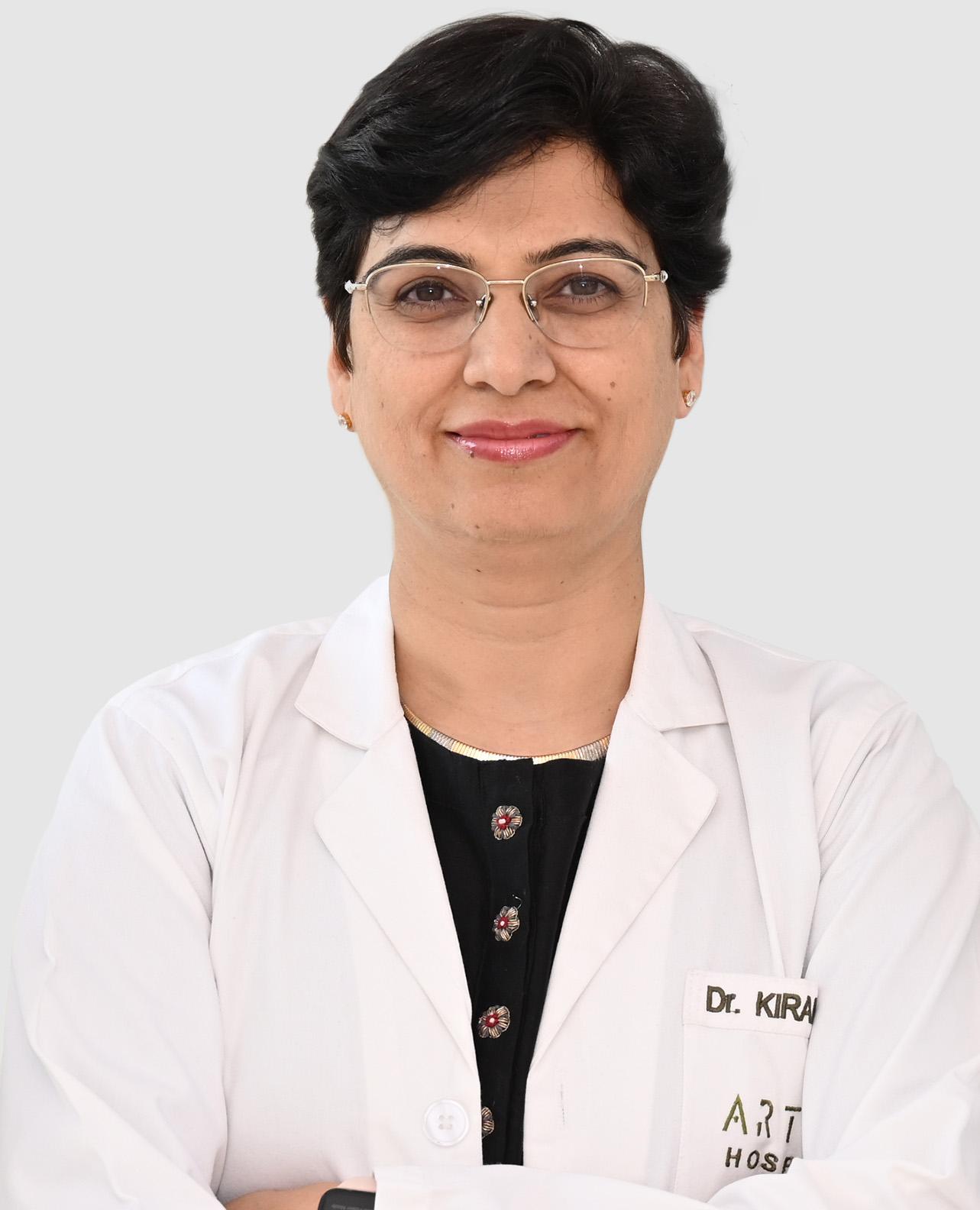
رئيس الوحدة - طب الإنجاب (الوحدة الثانية)
IVF, Reproductive Medicine, Obstetrics & Gynecology
New Delhi
20+ Years
Experience
Artemis Hospital
Hospital
1500
Fees
استشاري أول - التوليد وأمراض النساء
Maternity, Obstetrics & Gynaecology
New Delhi
15+ Years
Experience
Artemis Hospital
Hospital
1500
Fees

رئيس وحدة - النساء والولادة
Maternity, Obstetrics & Gynaecology
New Delhi
19+ Years
Experience
Artemis Hospital
Hospital
1500
Fees
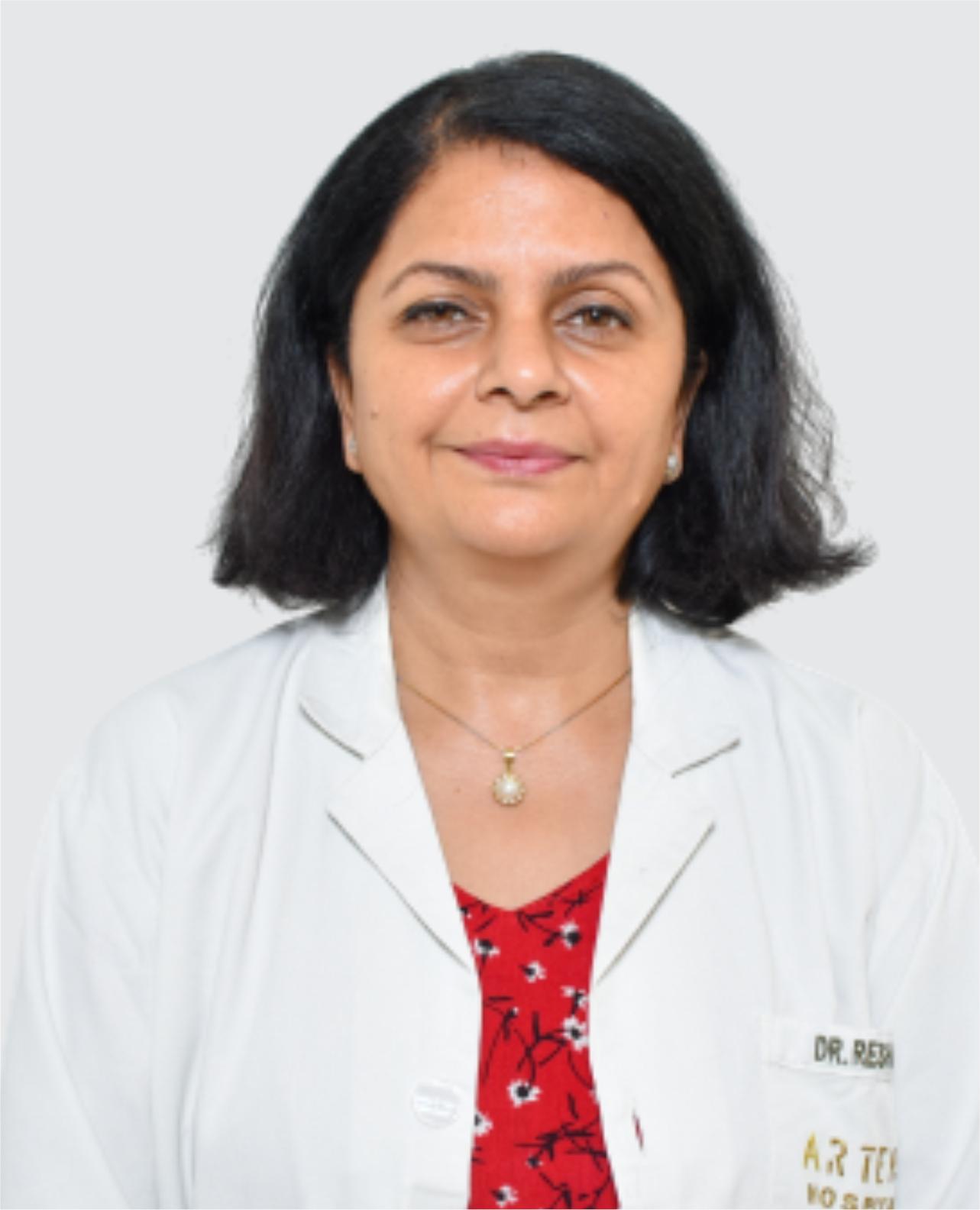
مدير
Obstetrics and Gynaecology
New Delhi
19+ Years
Experience
Artemis Hospital
Hospital
1500
Fees
رئيس - طب الأورام الإشعاعي ومركز سايبرنايف (الوحدة الثانية)
Oncology
New Delhi
23+ Years
Experience
Artemis Hospital
Hospital
1500
Fees
رئيس الوحدة واستشاري أول - الطب الباطني
Internal Medicine
New Delhi
14+ Years
Experience
Artemis Hospital
Hospital
1500
Fees
مدير
Obstetrics & Gynaecology
New Delhi
15+ Years
Experience
Artemis Hospital
Hospital
1500
Fees
استشاري
Obstetrics & Gynaecology
New Delhi
8+ Years
Experience
Artemis Hospital
Hospital
1500
Fees
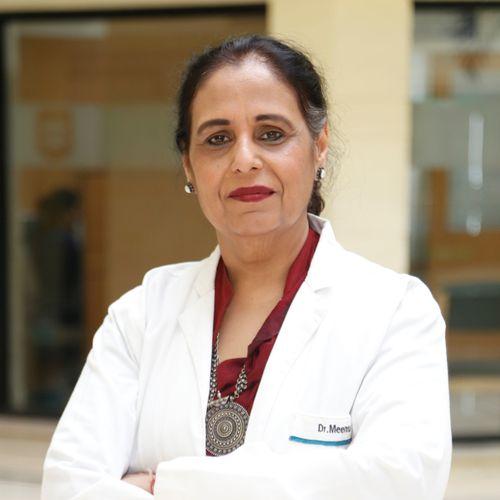
مدير طب الأورام
Medical Oncology and Haematology
New Delhi
26+ Years
Experience
Max Hospital,Gurgaon
Hospital
1500
Fees
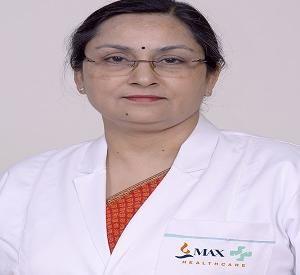
نائب رئيس - أمراض الكلى
Nephrology & Renal Transplant Medicine
New Delhi
17+ Years
Experience
Max Hospital,Gurgaon
Hospital
1500
Fees
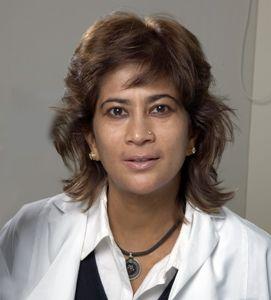
المدير الرئيسي - ماكس لاب وخدمات بنك الدم
Laboratory Medicine, Transfusion Medicine
New Delhi
32+ Years
Experience
Max Hospital,Gurgaon
Hospital
1500
Fees
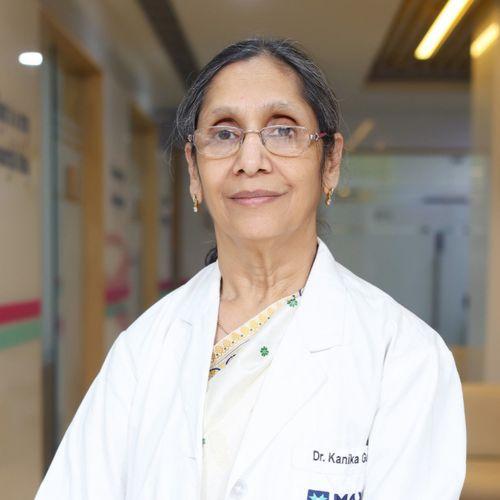
مدير رئيسي – جراحة الأورام (جراحة النساء والروبوتية)
Gynecologic Oncology, Robotic & Laparoscopic Surgery, Gynae Cancer Care, Surgical Oncology
New Delhi
39+ Years
Experience
Max Hospital,Gurgaon
Hospital
1500
Fees
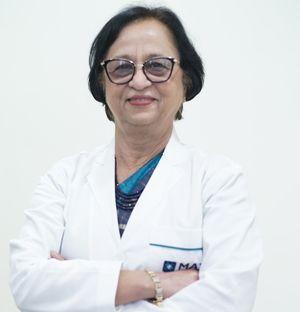
المدير العام ورئيس القسم
Paediatrics (Ped)
New Delhi
30+ Years
Experience
Max Hospital,Gurgaon
Hospital
1500
Fees
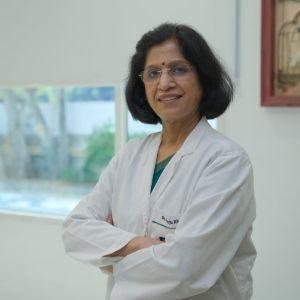
المدير الرئيسي (النساء والتوليد) ورئيس الوحدة
Obstetrics, Gynaecology, Gynaecologic Laparoscopy, High-Risk Pregnancy, Endoscopy Surgery
New Delhi
44+ Years
Experience
Max Hospital,Gurgaon
Hospital
1500
Fees
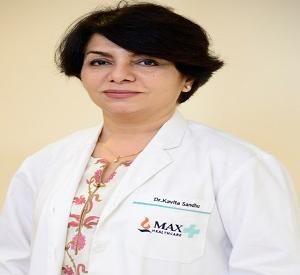
استشاري أول
Obstetrics And Gynaecology
New Delhi
15+ Years
Experience
Apolo Delhi
Hospital
1500
Fees
استشاري أول - التوليد وأمراض النساء
Obstetrics and Gynaecology
New Delhi
24+ Years
Experience
Apolo Delhi
Hospital
1500
Fees
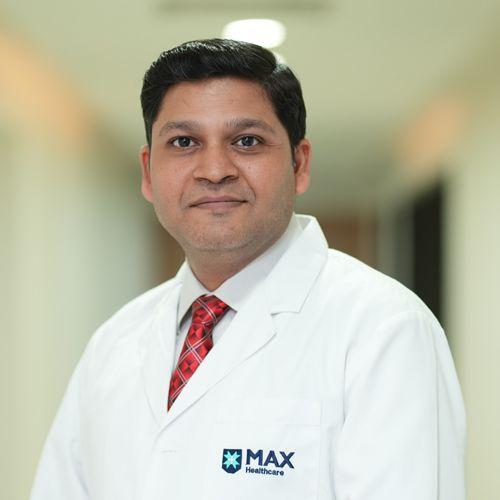
مدير - أمراض النساء والتوليد
Obstetrics & Gynaecology
New Delhi
18+ Years
Experience
Apolo Delhi
Hospital
1500
Fees
استشاري أول
Obstetrics & Gynaecology
New Delhi
22+ Years
Experience
Apolo Delhi
Hospital
1500
Fees
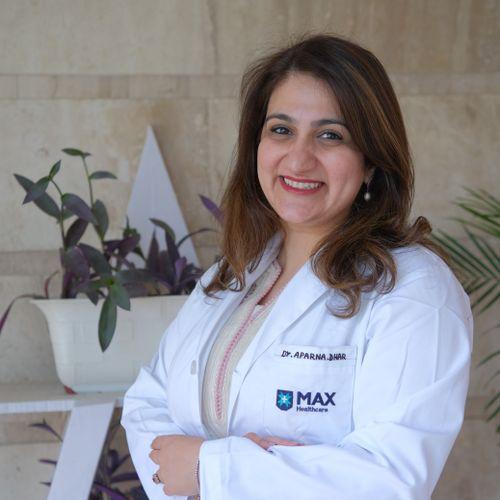
استشاري أول - النساء والتوليد
Obstetrics & Gynaecology
New Delhi
23+ Years
Experience
Apolo Delhi
Hospital
1500
Fees
استشاري أول
Obstetrics and Gynaecology
New Delhi
24+ Years
Experience
Apolo Delhi
Hospital
1500
Fees
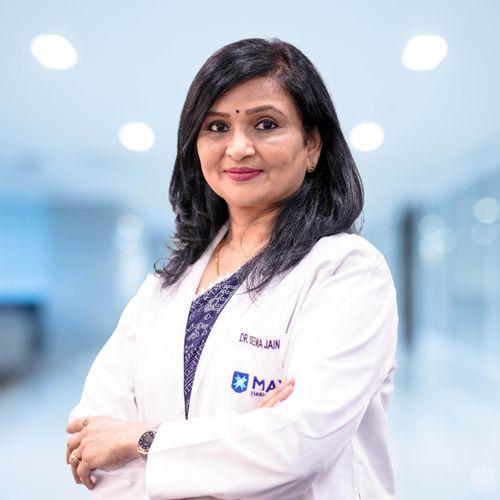
مدير
Obstetrics & Gynaecology
New Delhi
20+ Years
Experience
Apolo Delhi
Hospital
1500
Fees
مدير
Obstetrics & Gynaecology
New Delhi
22+ Years
Experience
Apolo Delhi
Hospital
1500
Fees
استشاري أول
Obstetrics and Gynaecology
New Delhi
15+ Years
Experience
Apolo Delhi
Hospital
1500
Fees
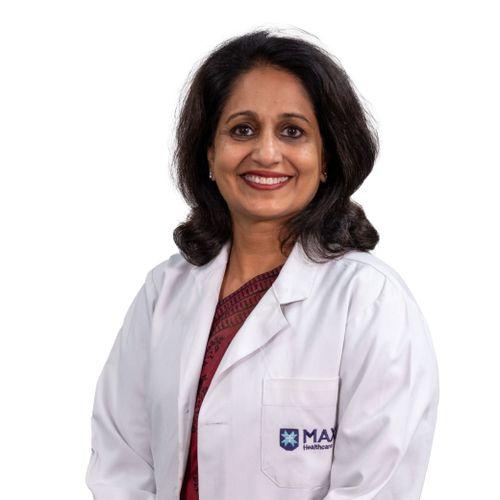
مدير
Obstetrics & Gynaecology
New Delhi
18+ Years
Experience
Apolo Delhi
Hospital
1500
Fees
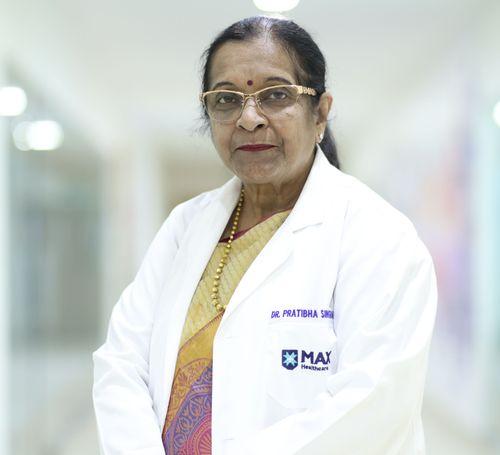
مدير ورئيس قسم - التوليد وأمراض النساء
Obstetrics & Gynaecology
New Delhi
24+ Years
Experience
Apolo Delhi
Hospital
1500
Fees
مدير
Obstetrics & Gynaecology
New Delhi
18+ Years
Experience
Apolo Delhi
Hospital
1500
Fees
احصل على خيارات علاجية شخصية من أفضل مستشفيات الهند. خبراؤنا الطبيون جاهزون لمساعدتك في كل خطوة.