
Radiology Treatment in India for Iraq
Need Personalized Advice?
Our medical experts are ready to answer your questions and guide you through your treatment options.
Our medical experts are ready to answer your questions and guide you through your treatment options.
For patients from Iraq considering advanced medical imaging, the search for high-quality radiology services can often bring questions about access, technology, and reliable interpretations. Understanding where to find accurate diagnostics without overwhelming costs is a common concern. You may be looking for precise answers to complex health conditions that require state-of-the-art equipment.
Many individuals look beyond their home country for radiology needs when local resources are limited or when specialized diagnostic insights are required. India emerges as a prominent destination, offering a comprehensive suite of imaging technologies and expert radiologists across its major cities. This widespread availability ensures patients can access top-tier services regardless of their chosen Indian city.
India’s nationwide healthcare system is built on a foundation of accredited hospitals and dedicated diagnostic centers, housing experienced radiologists and technicians. These facilities consistently uphold international standards for patient care and diagnostic accuracy. Patients can trust in the collective expertise and advanced infrastructure available throughout the country for their imaging requirements.
Is India the right choice for your diagnostic imaging journey?
Radiology involves using various imaging technologies to diagnose and sometimes treat diseases visible within the body. It plays a critical role in modern medicine, allowing doctors to look inside the human body without invasive procedures. These imaging techniques help detect fractures, tumors, infections, and assess organ function, guiding physicians toward accurate diagnoses and effective treatment plans. Modern radiology combines advanced technology with the expertise of radiologists who interpret these images to provide precise medical insights.
X-rays: Standard imaging for bones, lungs, and some soft tissues, detecting fractures, infections, and certain tumors.
Computed Tomography (CT) Scans: Detailed cross-sectional images of organs, soft tissues, bone, and blood vessels. Excellent for emergency situations, trauma, and cancer staging.
Magnetic Resonance Imaging (MRI): Uses strong magnetic fields and radio waves to create highly detailed images of soft tissues like the brain, spinal cord, muscles, ligaments, and internal organs without radiation.
Ultrasound: Uses sound waves to produce images of structures inside the body. Commonly used for abdominal organs, obstetrics, gynecology, and vascular studies.
Positron Emission Tomography (PET) Scans: Often combined with CT (PET-CT), these scans use a radioactive tracer to detect metabolic activity, primarily used in cancer detection, staging, and monitoring, as well as neurological conditions.
Nuclear Medicine: Uses small amounts of radioactive material to diagnose and treat diseases. It includes bone scans, thyroid scans, and cardiac stress tests.
Interventional Radiology: Minimally invasive procedures performed under image guidance (like biopsies, drainages, or tumor ablations), often an alternative to traditional surgery.
The specifics of a radiology procedure depend entirely on the type of imaging required and the medical condition being investigated. Each modality involves a distinct approach to capture the necessary diagnostic images.
For most scans like X-rays, CTs, and MRIs, patients lie still on a comfortable table that slides into the imaging machine. The technologist operates the equipment from an adjacent room, communicating with the patient through an intercom. For some procedures, a contrast agent may be administered intravenously or orally to enhance the visibility of certain structures. An MRI scan can be noisy and may require earplugs, while CT scans are quick and relatively quiet. Ultrasound involves a transducer moved over the skin, often with gel applied.
Interventional radiology procedures are typically performed under local anesthesia, sometimes with conscious sedation. The radiologist uses real-time imaging (such as fluoroscopy, ultrasound, or CT) to guide thin needles or catheters precisely to the target area. This allows for biopsies, draining fluid collections, or performing targeted therapies with minimal invasion.
The recovery process after a radiology procedure is generally minimal and straightforward, as most imaging scans are non-invasive. If a contrast agent was administered, you might be asked to drink plenty of fluids to help flush it out of your system. You can typically resume your normal activities immediately following the scan. For interventional radiology procedures, a brief observation period may be required, and specific post-procedure instructions will be provided regarding wound care, activity restrictions, and pain management. Any discomfort or unusual symptoms should be reported to the medical staff.
The success rate of radiology is measured by its diagnostic accuracy, which is generally very high due to technological advancements and the expertise of radiologists. Success rates vary depending on the specific imaging modality, the skill of the interpreting radiologist, and the nature of the condition being investigated. For common diagnoses, imaging can be 90-99% accurate in identifying issues. Long-term expectations depend on the underlying diagnosis; radiology's role is primarily to provide the information needed for effective treatment, rather than being a treatment itself.
Considering advanced radiology for a precise diagnosis? Connect with our expert team to explore your options.
The cost of radiology services in India is influenced by several factors, including the type of imaging modality required (e.g., X-ray vs. MRI vs. PET-CT), the specific body part being scanned, the hospital or diagnostic center chosen, and whether contrast agents are used. The expertise of the radiologist interpreting the results also plays a role in the overall value provided.
For a comprehensive suite of radiology services, patients can expect costs to range from approximately INR 2,000 to INR 60,000 or more, depending on the complexity of the scan.
| Indian City | Estimated Cost Range (INR) |
|---|---|
| Mumbai | ₹4,000 - ₹55,000 |
| Delhi | ₹3,500 - ₹58,000 |
| Bengaluru | ₹4,500 - ₹52,000 |
| Chennai | ₹3,800 - ₹50,000 |
| Hyderabad | ₹3,000 - ₹48,000 |
| Kolkata | ₹3,200 - ₹47,000 |
| Ahmedabad | ₹2,800 - ₹45,000 |
| Pune | ₹3,700 - ₹51,000 |
| Country | Estimated Cost Range (USD) |
|---|---|
| India | $25 - $750 |
| United States | $500 - $5,000 |
| United Kingdom | $400 - $3,000 |
| Germany | $350 - $2,500 |
| Singapore | $300 - $2,000 |
| Thailand | $150 - $1,000 |
| Turkey | $100 - $800 |
Ready to get clear answers with advanced radiology? Contact us now to plan your visit to India.
Choosing India for your radiology needs means opting for advanced technology, expert care, and cost-effectiveness. We are here to guide you through every step of this important diagnostic journey.
India offers premium medical procedures at affordable prices. Discover our most popular treatments, delivered by the country's finest doctors.
Meet our team of highly qualified and experienced medical professionals dedicated to providing the best healthcare services.

Sr. Consultant – Women Imaging
Radiology (Specializing in Women's Imaging)
Haryana
15+ Years
Experience
Artemis Hospital
Hospital
1500
Fees
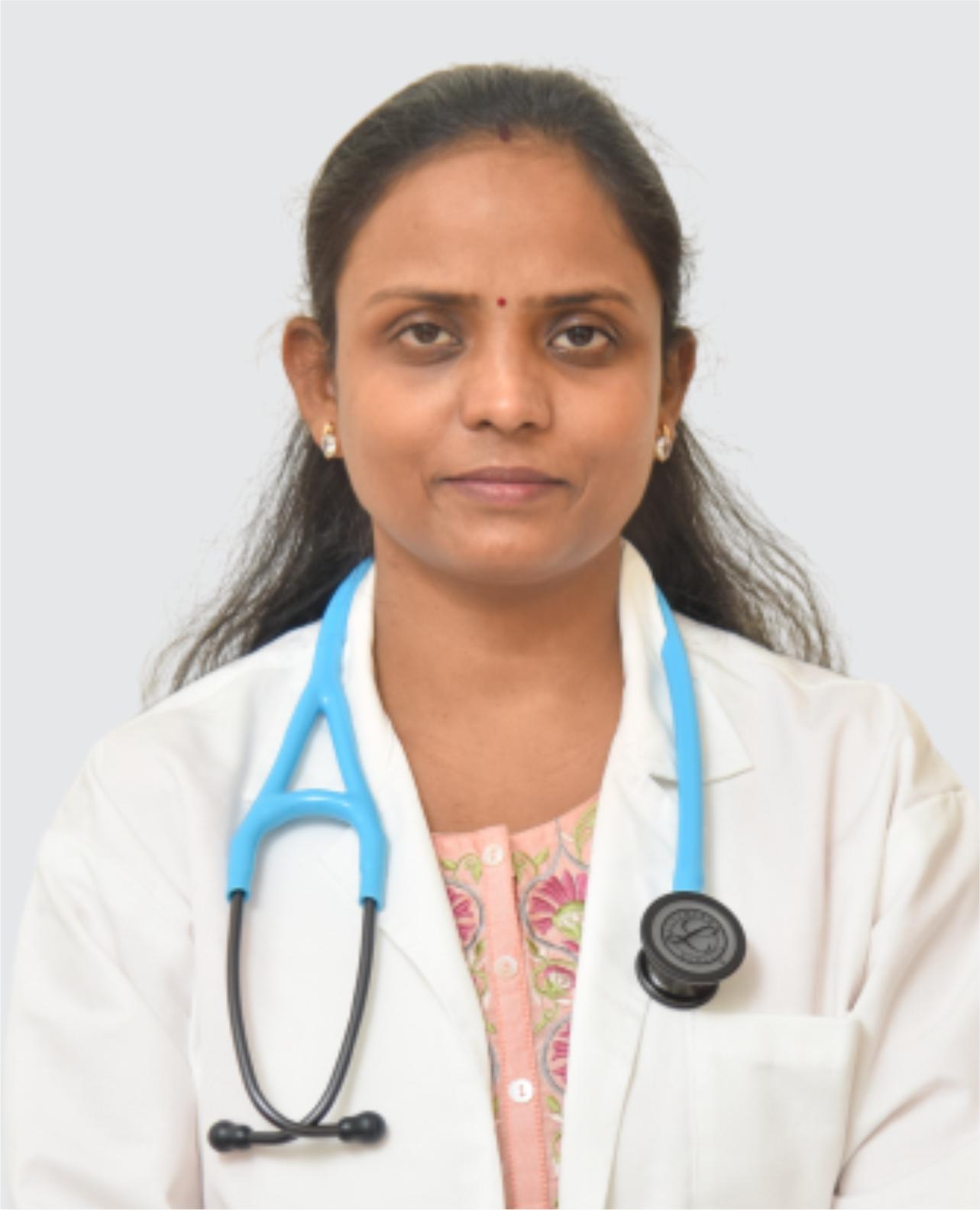
Consultant - Pediatric Rheumatology
Pediatric Rheumatology
New Delhi
13+ Years
Experience
Artemis Hospital
Hospital
1500
Fees
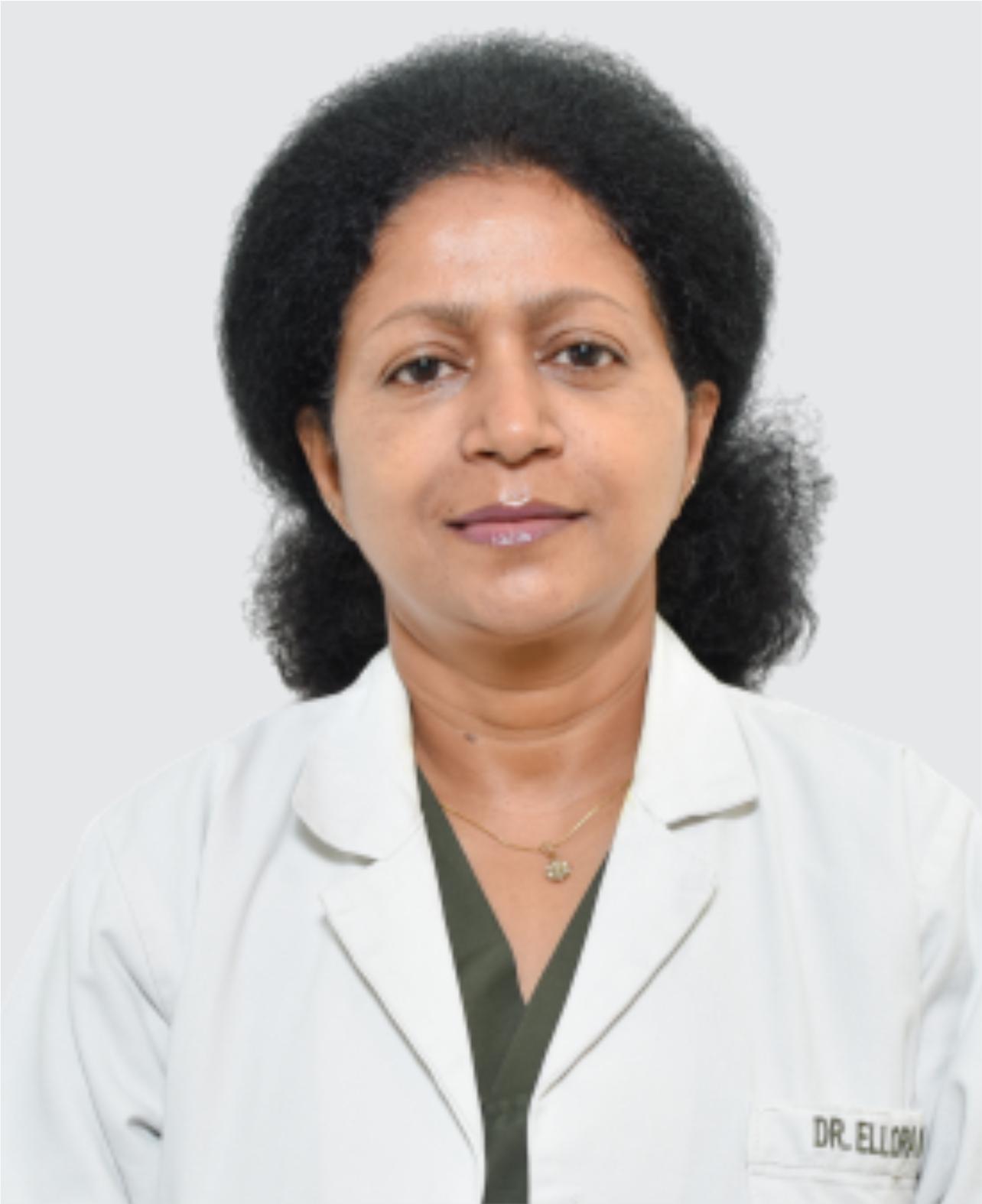
Admin Head - Emergency
Emergency & Trauma Services
New Delhi
25+ Years
Experience
Artemis Hospital
Hospital
1500
Fees

Head Imaging & Chief DNB Program
Radiology
New Delhi
19+ Years
Experience
Artemis Hospital
Hospital
1500
Fees
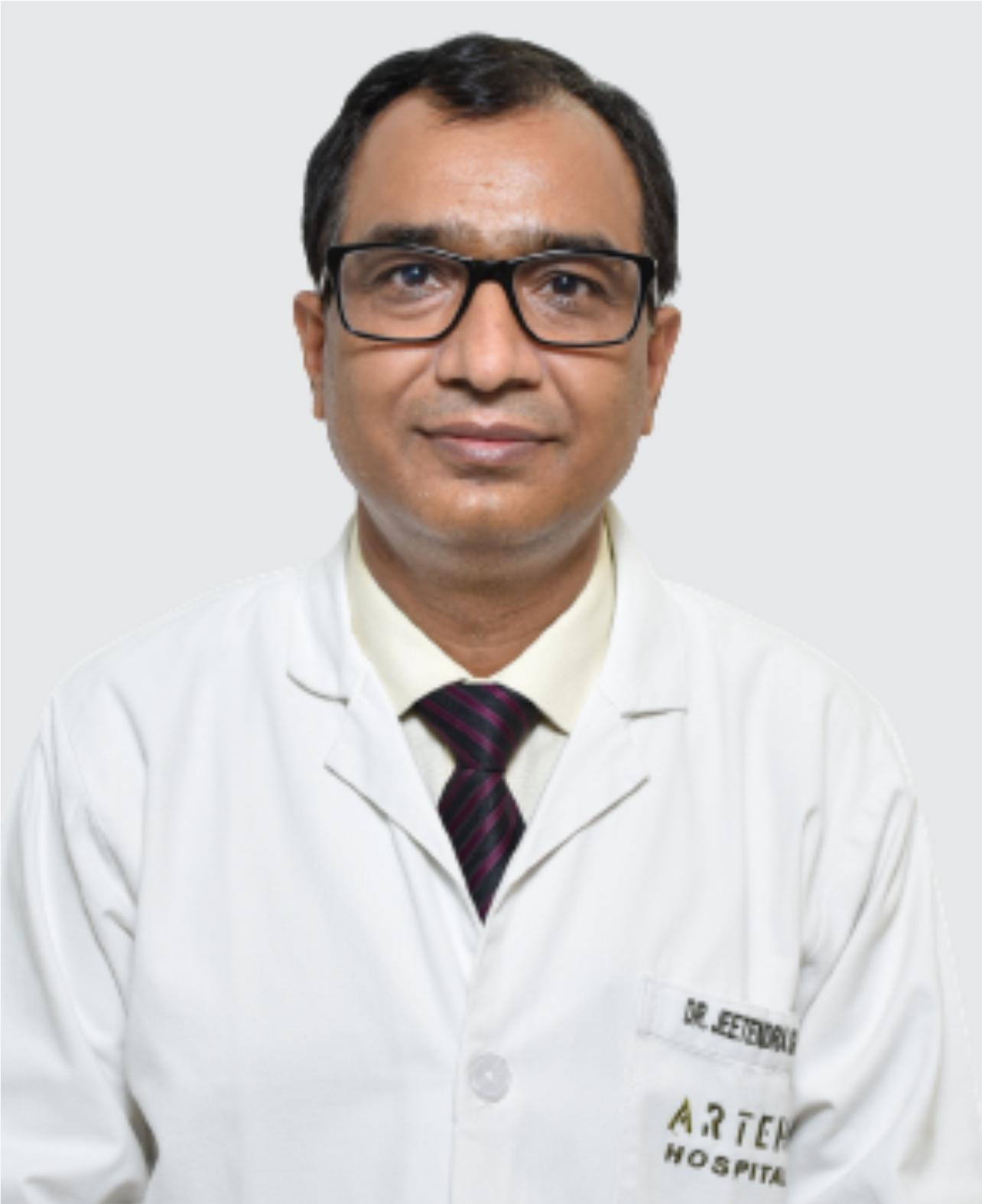
Chief - Critical Care (Unit II) & Chief- Medical Quality
Critical Care & ICU
New Delhi
15+ Years
Experience
Artemis Hospital
Hospital
1500
Fees
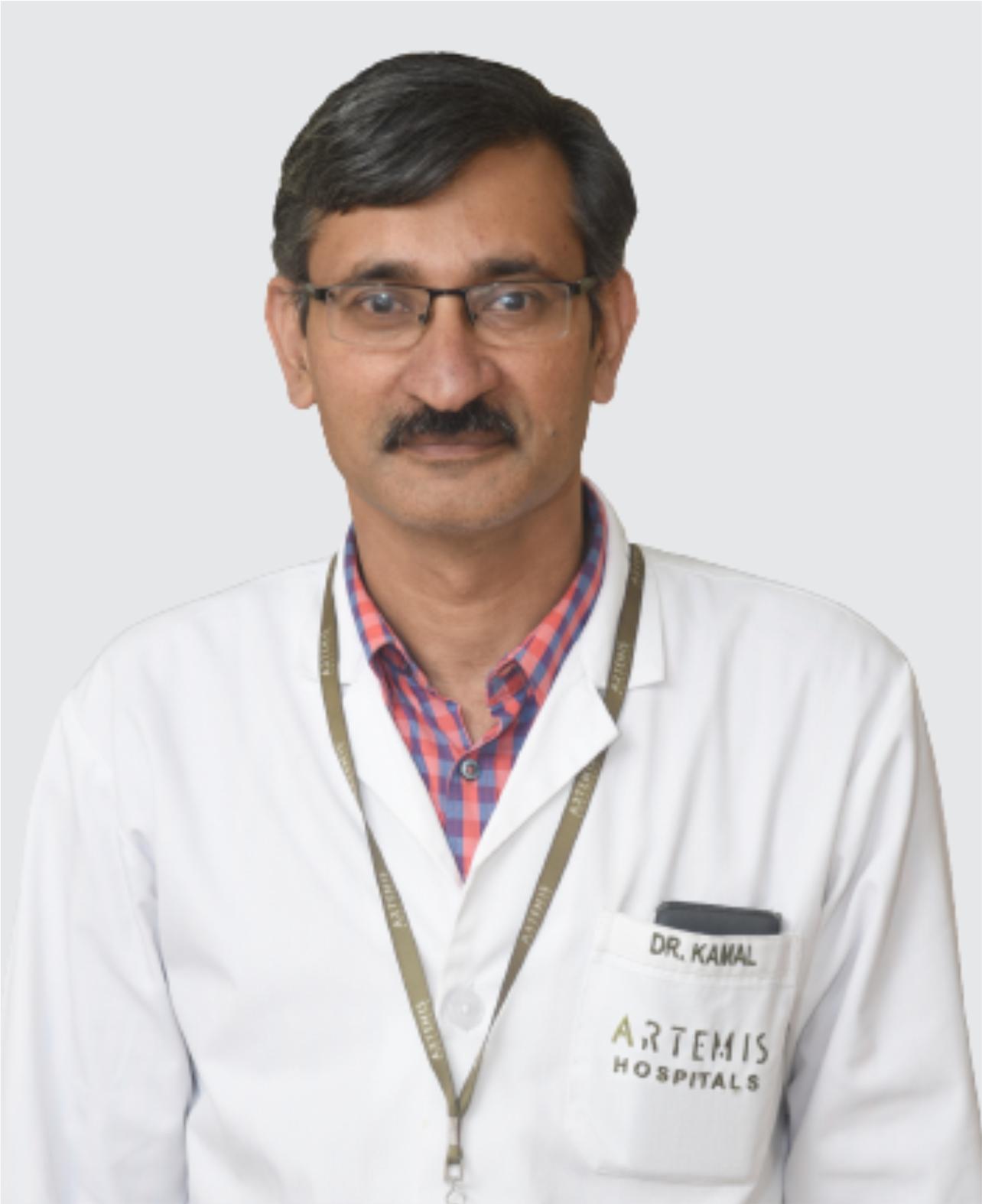
Sr. Consultant - Radiation Oncology
Radiation Oncology
New Delhi
15+ Years
Experience
Artemis Hospital
Hospital
1500
Fees
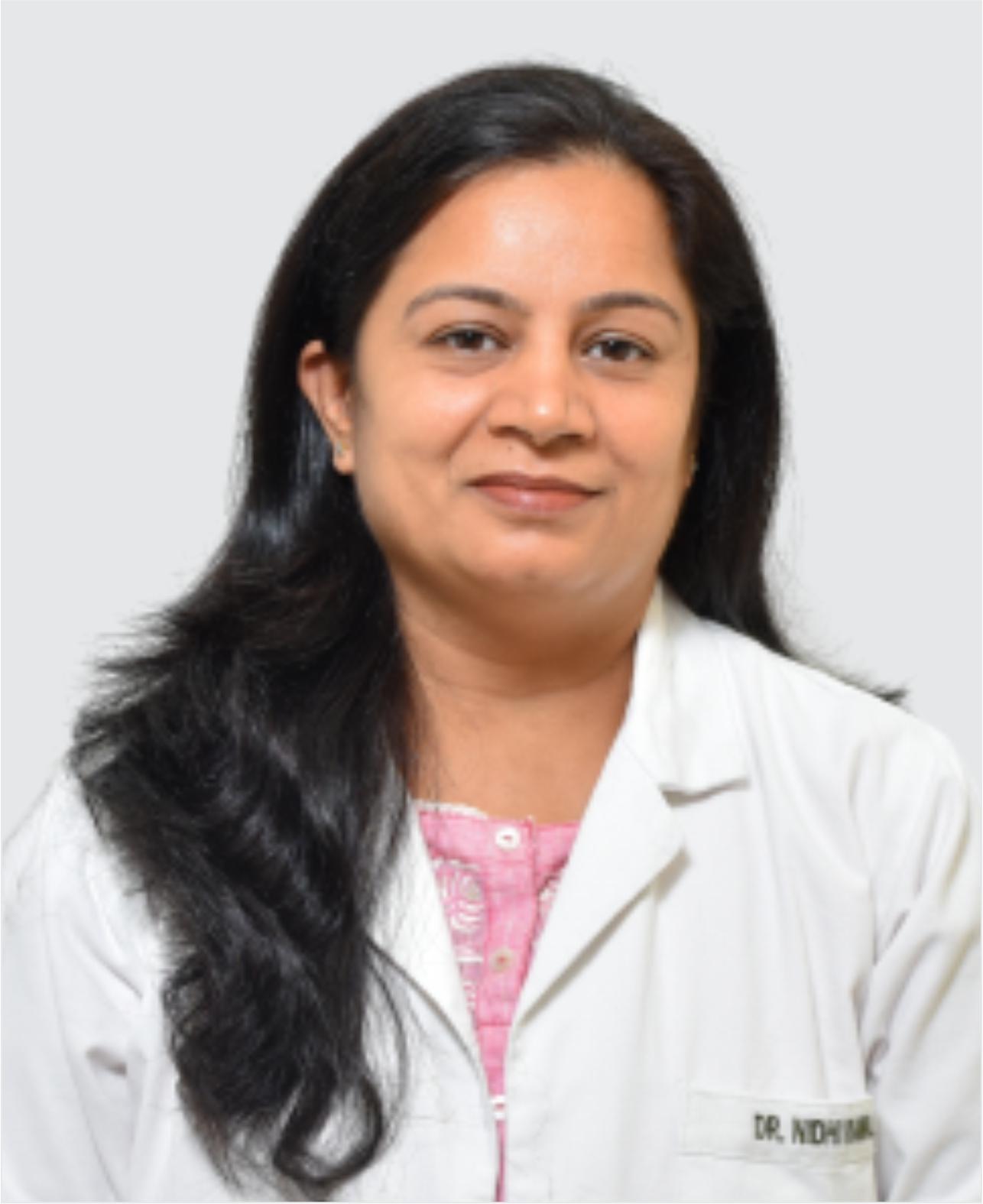
Chief - Paediatric Cardiology
Paediatric Cardiology
New Delhi
18+ Years
Experience
Artemis Hospital
Hospital
1500
Fees

Chairperson - Nuclear Medicine & Radio-Theranostics
Nuclear Medicine
New Delhi
15+ Years
Experience
Artemis Hospital
Hospital
1500
Fees
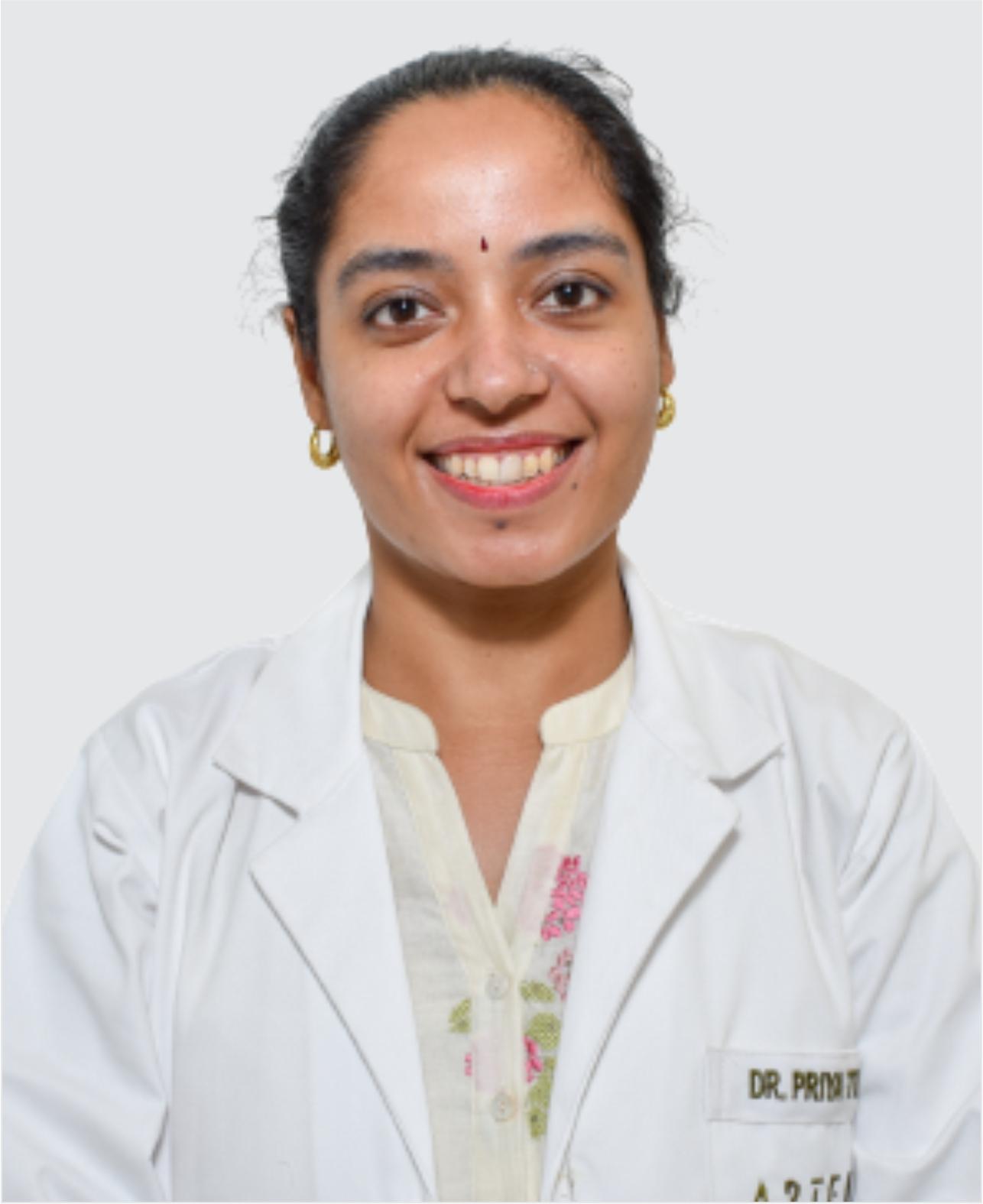
Sr. Consultant
Radiology
New Delhi
12+ Years
Experience
Artemis Hospital
Hospital
1500
Fees
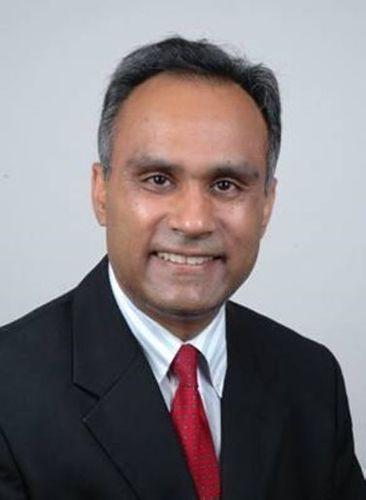
Associate Director
Pulmonology
New Delhi
20+ Years
Experience
Apolo Delhi
Hospital
1500
Fees
Get Personalized Medical Treatment Options From India's Top Hospitals. Our Medical Experts Are Ready To Assist You Every Step Of The Way.