IVF (In Vitro Fertilization) Cycle Success Rate in Haryana
Need Personalized Advice?
Our medical experts are ready to answer your questions and guide you through your treatment options.
About
IVF Cycle Success Rate in Haryana: Comprehensive Outcomes Overview
Understanding the IVF Cycle success rate in Haryana is crucial for individuals considering fertility treatment. Success in In Vitro Fertilization depends on numerous factors, including the specific treatment method, underlying causes of infertility, and the patient's individual profile. Haryana, as a significant healthcare hub, offers a range of fertility services with outcomes reviewed to provide clarity for prospective parents seeking assistance.
IVF success rates in Haryana are carefully evaluated and compared against national and international benchmarks. Data from various clinics and aggregated clinical studies contribute to these insights, offering a transparent view of potential outcomes. It is important to note that actual results can vary significantly based on the chosen protocol, the specific clinic, and the unique health conditions of each patient.
Defining Success in IVF Cycle Outcomes
For an IVF Cycle, "success" is most commonly defined as achieving a live birth—the delivery of at least one healthy baby. This differs from clinical pregnancy rates or implantation rates, which are intermediate milestones. Long-term outcomes focus on the successful culmination of a pregnancy, ensuring parental well-being and a healthy infant, extending beyond the initial fertilization process to a full-term delivery.
IVF Cycle Success Rate Breakdown
Success rates vary depending on treatment approach and patient factors in IVF.
| Treatment Type / Category | Typical Use Case | Success Rate Range (%) | What Success Indicates |
|---|---|---|---|
| Fresh Embryo Transfer | First-time IVF cycles, good ovarian reserve | 25%–40% | Live birth per embryo transfer |
| Frozen Embryo Transfer | Subsequent attempts, surplus embryos, PGT-A cycles | 35%–55% | Live birth per embryo transfer |
| IVF with Donor Eggs | Advanced maternal age, diminished ovarian reserve | 50%–65% | Live birth per embryo transfer |
| Preimplantation Genetic Testing (PGT-A) Cycles | Recurrent pregnancy loss, advanced maternal age | 55%–70% | Live birth with euploid embryo transfer |
IVF Cycle Survival Rate by Age in Haryana
The IVF Cycle survival rate in Haryana, indicating live births, significantly varies with maternal age, a trend consistent with international observations. Many centers in Haryana track these variations closely to provide realistic expectations. The age-related decline in success reflects changes in egg quality and quantity, aligning with data reported globally for similar fertility interventions and protocols.
| Age Group | Treatment Method | Success Rate Range (%) |
|---|---|---|
| Under 35 years | Autologous (own) eggs | 35%–45% |
| 35-37 years | Autologous (own) eggs | 28%–38% |
| 38-40 years | Autologous (own) eggs | 20%–30% |
| Over 40 years | Autologous (own) eggs | 5%–15% |
| All ages | Donor eggs | 50%–65% |
Haryana vs. Global IVF Cycle Success Rate Comparison
Success rates for IVF in Haryana are comparable with international standards when similar protocols, technology, and patient selection are applied. Leading centers such as AIIMS, Tata Memorial Centre, and major institutes follow evidence-based protocols. This comparison helps patients gauge the quality of care available locally against global benchmarks, affirming the high standards maintained.
| Country | Treatment Success Rate Range (%) |
|---|---|
| India (Haryana) | 30%–45% |
| United States | 35%–50% |
| United Kingdom | 30%–45% |
| Australia | 32%–48% |
| Spain | 30%–45% |
| Canada | 30%–45% |
Disclaimer: Success rates are indicative and can vary widely based on individual patient circumstances and specific clinic protocols. These figures are not guaranteed outcomes.
Factors That Influence IVF Cycle Success Rate in Haryana
- Patient's age and ovarian reserve are primary determinants.
- The cause and duration of infertility significantly impact outcomes.
- Quality of eggs, sperm, and resulting embryos are critical for success.
- Uterine health and endometrial receptivity play a vital role.
- Previous pregnancy history and number of failed IVF cycles affect prognosis.
- Lifestyle factors, including nutrition, weight, and smoking habits.
- The specific IVF protocol and laboratory techniques employed.
Data Sources & Methodology for IVF Outcomes
- National registries and official health statistics bodies, like ICMR.
- Peer-reviewed medical studies published in reputable journals.
- Aggregated multi-clinic outcome data from accredited fertility networks.
- Clinical audits and quality control reports from leading fertility centers.
Informed Choices for Fertility Treatment
Navigating IVF outcomes requires clear, data-driven information. Understanding the IVF Cycle recovery rate in Haryana and its influencing factors empowers patients to make confident and well-informed decisions regarding their fertility journey.
```Hospitals Offering this treatment
India offers premium medical procedures at affordable prices. Discover our most popular treatments, delivered by the country's finest doctors.
Meet Our Doctors
Meet our team of highly qualified and experienced medical professionals dedicated to providing the best healthcare services.
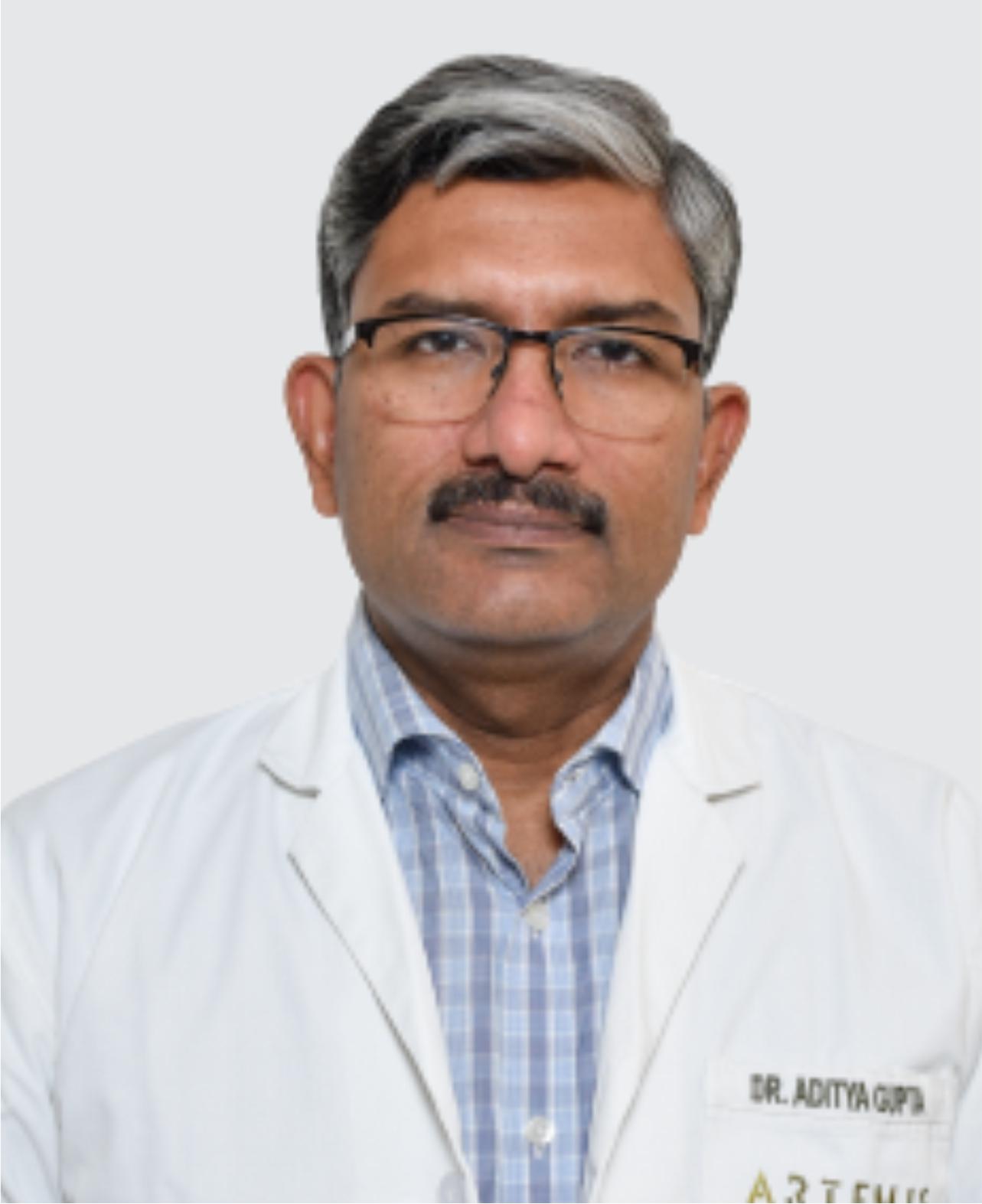
Dr. Aditya Gupta
Chairperson - Neurosurgery & CNS Radiosurgery & Co-Chief - Cyberknife Centre, Artemis Hospitals, Gurgaon
Neurosurgeon
Haryana
32+ Years
Experience
Artemis Hospital
Hospital
1500
Fees

Dr. Abhinandan Mukhopadhyay
Sr. Consultant - Urology & Kidney Transplant Program (Unit I)
Urology, Kidney Transplant, Urological Cancers
Haryana
8+ Years
Experience
Artemis Hospital
Hospital
1500
Fees

Aditi Dixit
Sr. Consultant – Women Imaging
Radiology (Specializing in Women's Imaging)
Haryana
15+ Years
Experience
Artemis Hospital
Hospital
1500
Fees

Dr. Ajit Singh Baghela
Consultant
Paediatric Neurology
Haryana
9+ Years
Experience
Artemis Hospital
Hospital
1500
Fees

Amit Jassal
Sr. Consultant - Anaesthesia
Anaesthesia
Haryana
15+ Years
Experience
Artemis Hospital
Hospital
1500
Fees
Dr. Amit Kumar Chaurasia
Chief Cath Lab & TAVI (Unit I), Director TAVI/TAVR and Structural Heart Disease and Senior Consultant Cardiology
Cardiology, Interventional Cardiology, TAVI / TAVR & Structural Heart Diseases
New Delhi
16+ Years
Experience
Artemis Hospital
Hospital
1500
Fees

Anjana Kharbanda
Sr. Consultant - Emergency
Emergency & Trauma Services
New Delhi
22+ Years
Experience
Artemis Hospital
Hospital
1500
Fees
Dr. (Col) B Kalra
Associate Chief - Cardiology (NIC)
Cardiology
New Delhi
18+ Years
Experience
Artemis Hospital
Hospital
1500
Fees
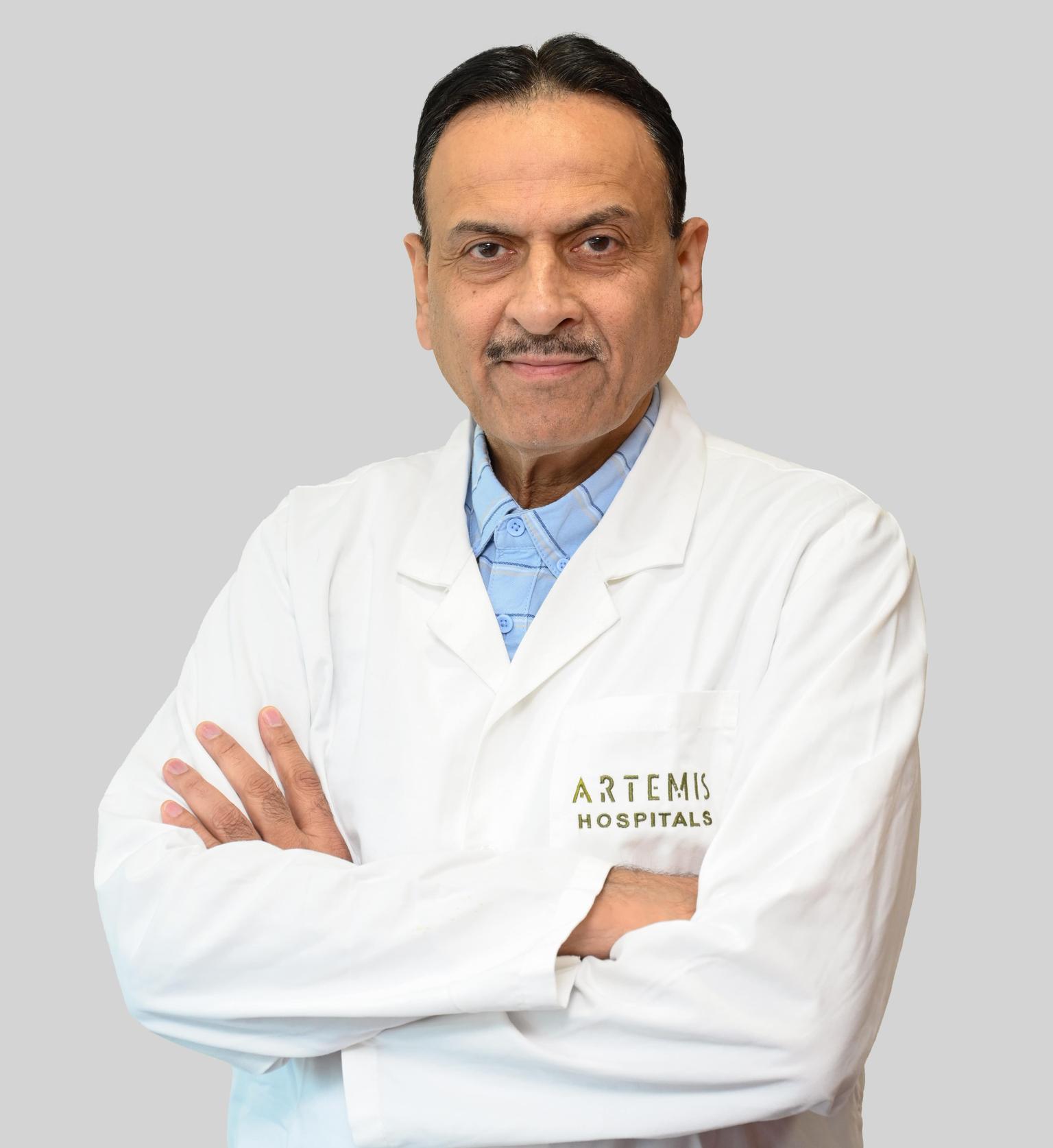
Dr. D.K. Jhamb
Chief Cardiology (Unit IV)
Cardiology
New Delhi
30+ Years
Experience
Artemis Hospital
Hospital
1500
Fees
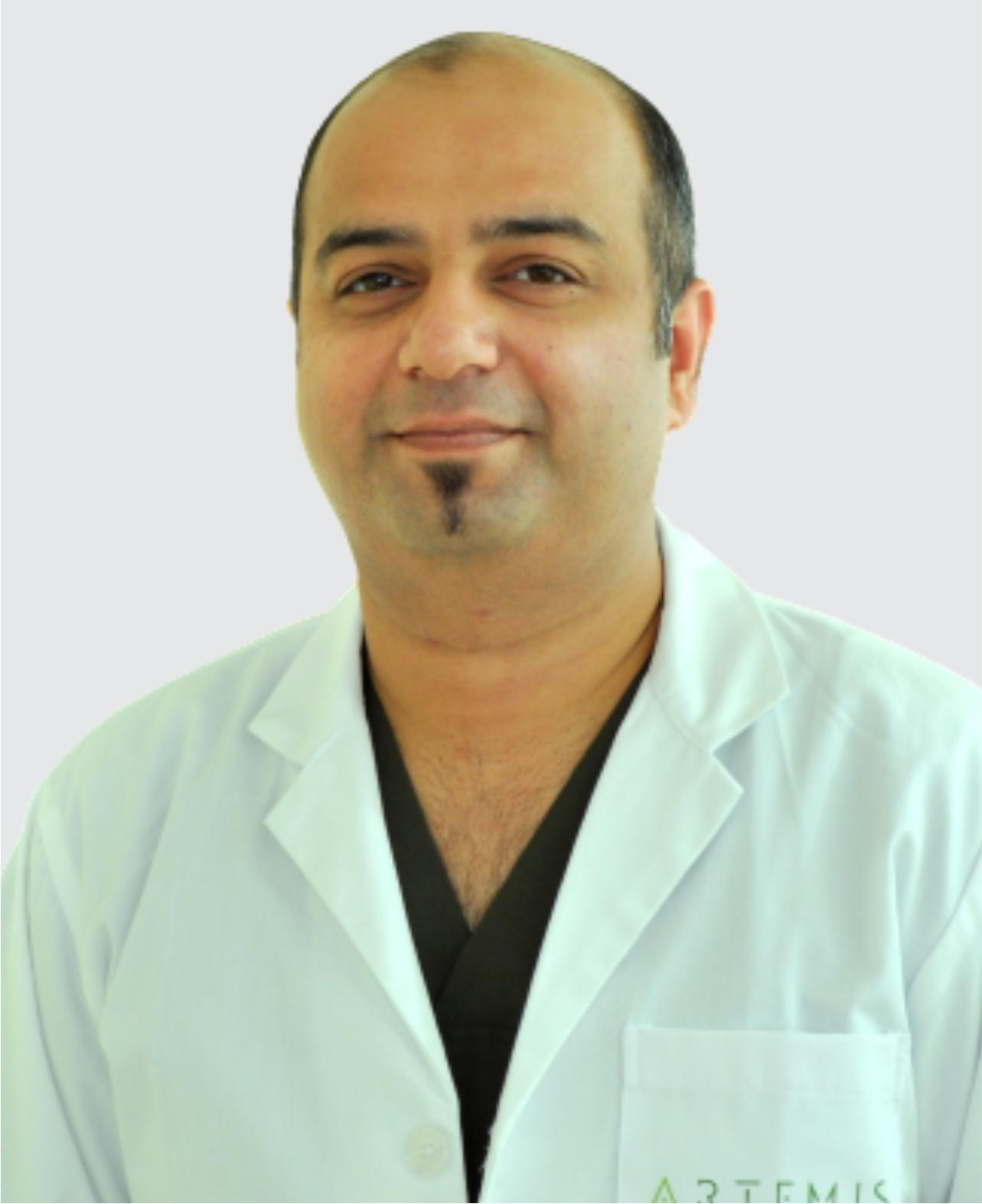
Dr Amit Jassal
Principal Consultant - Anaesthesia
Anaesthesia
New Delhi
15+ Years
Experience
Artemis Hospital
Hospital
1500
Fees
Related Links
Recent Blogs
Other Treatment related Information
Ready To Start Your Healing Journey?
Get Personalized Medical Treatment Options From India's Top Hospitals. Our Medical Experts Are Ready To Assist You Every Step Of The Way.