
Robotic Kidney Transplant Treatment in Bengaluru for Iraq
بحاجة لنصيحة شخصية؟
خبراؤنا الطبيون جاهزون للإجابة عن أسئلتك وإرشادك خلال خيارات العلاج.
خبراؤنا الطبيون جاهزون للإجابة عن أسئلتك وإرشادك خلال خيارات العلاج.
For patients in Iraq considering a kidney transplant, the journey can feel overwhelming, often accompanied by concerns about advanced surgical options and accessible care. Understanding robotic techniques and finding trustworthy medical expertise is a primary worry when facing a life-changing procedure.
Many international patients, including those from Iraq, look beyond their borders for specialized treatment, and Bengaluru stands out as a preferred destination. This city offers a highly coordinated care environment, combining medical excellence with a supportive ecosystem for patient recovery and guidance.
Bengaluru's leading hospitals and renowned nephrology and transplant specialists are equipped with cutting-edge technology for robotic kidney transplants. Patients benefit from streamlined processes, ensuring not only advanced treatment but also comprehensive follow-up care and smooth coordination throughout their stay in the city.
Why should Bengaluru be your chosen city for advanced kidney care?
A robotic kidney transplant is a minimally invasive surgical procedure where a healthy kidney from a donor is placed into the recipient's body using robotic assistance. This advanced technique employs a sophisticated robotic system controlled by a surgeon, allowing for greater precision, smaller incisions, and enhanced visualization during the operation. It aims to restore kidney function in patients with end-stage renal disease, significantly improving their quality of life with less discomfort compared to traditional open surgery.
While the core procedure remains a kidney transplant, the robotic approach offers several distinct advantages over traditional methods:
The specific procedure for a robotic kidney transplant depends on the donor type and the patient's individual medical plan.
The surgeon sits at a console, controlling robotic arms that hold surgical instruments and a camera. These arms access the abdominal cavity through several small incisions, providing a high-definition, magnified 3D view of the surgical field. The robotic system translates the surgeon's hand movements into precise micro-movements of the instruments, enhancing dexterity and control.
Once the robotic system is docked, the surgeon carefully creates space in the pelvis for the new kidney. The donor kidney is then carefully placed into the recipient through a slightly larger but still small incision. Using the robotic instruments, the surgeon meticulously connects the renal artery and vein of the new kidney to the recipient's blood vessels, ensuring adequate blood flow. The ureter, the tube that carries urine, is then connected to the bladder. The small incisions are closed, and the patient is moved to recovery.
Following the transplant, patients are closely monitored in the hospital. Immunosuppressant medications are started immediately to prevent the body from rejecting the new kidney. Early mobilization and pain management are crucial for a smooth recovery.
Recovery from a robotic kidney transplant is generally faster than open surgery due to its minimally invasive nature. Patients typically stay in the hospital for about 5 to 7 days. During this time, they learn about their new medication regimen, especially immunosuppressants, which must be taken lifelong. Restrictions include avoiding heavy lifting for several weeks and monitoring for signs of infection or rejection. Regular follow-up appointments, blood tests, and dietary adjustments are essential for long-term graft survival and overall health. Rehabilitation may include light walking and gradually increasing activity levels as advised by the medical team.
Connect with our expert medical team for personalized guidance and treatment planning. We're here to answer your questions.
The success rates for robotic kidney transplants are comparable to traditional open surgery, with the added benefits of minimally invasive techniques. One-year success rates for living donor kidney transplants typically range from 95% to 98%, while deceased donor transplants show rates between 90% to 95%. Long-term outcomes vary based on factors like patient adherence to medication, overall health, donor type, and the expertise of the transplant team. Regular follow-ups and a healthy lifestyle are crucial for maintaining the new kidney's function over many years.
The cost of a Robotic Kidney Transplant in Bengaluru is influenced by several factors, including the chosen hospital's reputation, the experience of the transplant surgeon, the complexity of the case, the length of hospital stay, and the type of donor (living or deceased). Post-operative care, including medications and follow-up tests, also contributes to the overall expenditure.
In Bengaluru, the estimated cost for a Robotic Kidney Transplant can range from INR 10,00,000 to INR 18,00,000.
Bengaluru offers a significant cost advantage for advanced medical procedures like robotic kidney transplants compared to many Western countries, without compromising on quality of care or technology. This makes it an attractive option for international patients seeking high-quality, affordable treatment.
| Location | Estimated Cost (USD) |
|---|---|
| Bengaluru, India | $12,000 - $22,000 |
| United States | $150,000 - $250,000 |
| United Kingdom | $70,000 - $120,000 |
| Singapore | $80,000 - $130,000 |
Reach out today to explore your options for a Robotic Kidney Transplant in Bengaluru and receive expert care tailored for you.
Choosing Bengaluru for your robotic kidney transplant offers advanced medical care, experienced specialists, and a supportive environment. Your health and successful recovery remain our foremost priority.
India offers premium medical procedures at affordable prices. Discover our most popular treatments, delivered by the country's finest doctors.
Meet our team of highly qualified and experienced medical professionals dedicated to providing the best healthcare services.
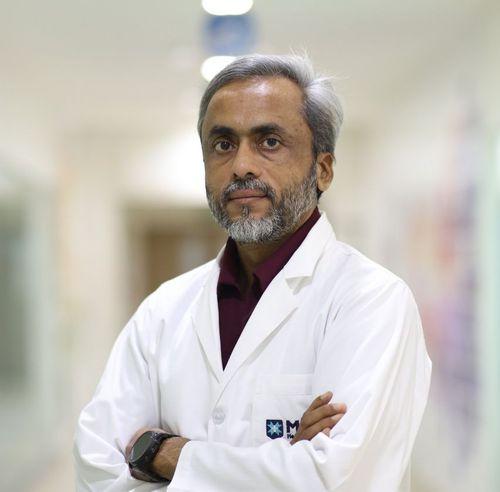
Director & Head of Department
Urology & Kidney Transplant
New Delhi
18+ Years
Experience
Apolo Delhi
Hospital
1500
Fees

Senior Director, Head of Department - Urology, Uro-Oncology, Robotics and Renal Transplant
Urology, Uro-Oncology, Robotics and Renal Transplant
New Delhi
25+ Years
Experience
Apolo Delhi
Hospital
1500
Fees
احصل على خيارات علاجية شخصية من أفضل مستشفيات الهند. خبراؤنا الطبيون جاهزون لمساعدتك في كل خطوة.