
Robotic Kidney Transplant Treatment in Chennai for Nigeria
بحاجة لنصيحة شخصية؟
خبراؤنا الطبيون جاهزون للإجابة عن أسئلتك وإرشادك خلال خيارات العلاج.
خبراؤنا الطبيون جاهزون للإجابة عن أسئلتك وإرشادك خلال خيارات العلاج.
For many Nigerian patients facing kidney failure, the thought of advanced surgical options like robotic kidney transplant might bring worries about access, expertise, and costs. Seeking specialized care abroad often involves significant questions about quality and whether the journey will truly lead to a better outcome.
As you consider global healthcare choices, Chennai has emerged as a preferred destination, renowned for its excellent medical infrastructure and highly skilled surgical teams. Patients are drawn to this city for its dedicated focus on patient-centric care and seamless coordination of complex treatments.
Trust in Chennai's medical community is built on its accredited hospitals and world-class specialists who excel in robotic surgical techniques. The city's healthcare ecosystem ensures that international patients receive consistent, high-standard care, from initial consultation to long-term follow-up within the same integrated system.
Could Chennai be the right choice for your robotic kidney transplant journey?
Robotic kidney transplant is an advanced surgical technique used to place a healthy kidney from a donor into a patient with end-stage renal disease. Unlike traditional open surgery, it uses robotic arms controlled by a surgeon at a console. These arms allow for incredibly precise movements, magnified 3D visualization, and enhanced dexterity through small incisions. This minimally invasive approach aims to reduce patient discomfort, speed up recovery, and improve surgical outcomes.
While robotic kidney transplant is a specific surgical methodology, its application can vary slightly based on donor type and surgical approach:
The robotic kidney transplant procedure is a highly specialized surgery tailored to the individual patient's condition and the donor kidney's characteristics.
Pre-operative Preparation: Before surgery, both the recipient and, if applicable, the living donor undergo final health checks. The surgical team prepares the operating room, sterilizing instruments and positioning the robotic system. Anesthesia is administered to the recipient.
Incisions and Robotic Setup: The surgeon makes several small incisions in the lower abdomen. Through these, tiny instruments and a high-definition 3D camera are inserted. The robotic arms are then docked, connecting to these instruments and the camera, allowing the surgeon precise control from a console.
Creating Space and Connecting Vessels: The surgical team carefully prepares the space for the new kidney. The robotic instruments are used to identify and prepare the recipient's iliac artery and vein, which will be connected to the new kidney's blood vessels. This part of the procedure demands extreme precision.
Placing the New Kidney: The donor kidney is typically brought to the operating room once the recipient is ready. It is then carefully inserted through a slightly larger incision (often around 5-7 cm) and positioned within the prepared space in the abdomen. The robotic arms assist in the precise connection of the renal artery and vein of the new kidney to the recipient's prepared blood vessels.
Ureteric Anastomosis: The final step involves connecting the ureter (the tube that carries urine) from the new kidney to the recipient's bladder. This connection is vital for the new kidney to drain urine effectively. After all connections are secured and checked for leaks, the incisions are closed.
Connect with our expert team in Chennai to discuss your options and receive personalized medical guidance.
Reach out today for a consultation!
Following a robotic kidney transplant, patients typically spend several days in the hospital for close monitoring. Initial recovery involves managing pain, monitoring kidney function, and starting immunosuppressant medications to prevent rejection. Patients are encouraged to ambulate soon after surgery. Full healing can take several weeks, during which physical activity restrictions are in place. Regular follow-up appointments, blood tests, and adherence to medication schedules are crucial for long-term success. Nutritional guidance and a gradual return to normal activities are part of the comprehensive recovery plan.
The success rates for robotic kidney transplants are generally comparable to traditional open surgery, with patient and graft survival rates being very high. One-year graft survival rates often exceed 90-95%, with five-year rates typically ranging from 75-85% or higher, depending on donor type and individual patient factors. Long-term outcomes vary based on adherence to medication, lifestyle, and overall health. A multidisciplinary team approach helps optimize results, allowing many patients to enjoy a significantly improved quality of life.
The cost of a Robotic Kidney Transplant in Chennai is significantly more affordable compared to many Western countries, without compromising on quality or expertise. Several factors influence the final cost, including the specific hospital chosen, the surgeon's experience, the duration of hospital stay, and any additional medical complications or pre-existing conditions.
| Location | Estimated Cost Range (USD) |
|---|---|
| Chennai, India | $12,000 - $18,000 |
| United States | $100,000 - $250,000 |
| United Kingdom | $60,000 - $120,000 |
| Singapore | $40,000 - $80,000 |
| Turkey | $25,000 - $45,000 |
Our team is here to assist Nigerian patients with transparent cost estimates and comprehensive support for their medical journey.
Request a detailed quote today!
Choosing Chennai for your robotic kidney transplant can open the door to advanced care and a brighter future. Let us guide you every step of the way towards better health.
India offers premium medical procedures at affordable prices. Discover our most popular treatments, delivered by the country's finest doctors.
Meet our team of highly qualified and experienced medical professionals dedicated to providing the best healthcare services.

Consultant
Paediatric Neurology
Haryana
9+ Years
Experience
Artemis Hospital
Hospital
1500
Fees

Director - Institute of Neurosciences
Neurosurgery
New Delhi
15+ Years
Experience
Apolo Delhi
Hospital
1500
Fees
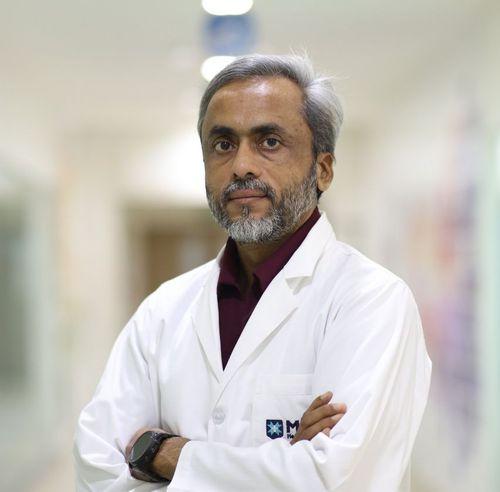
Director & Head of Department
Urology & Kidney Transplant
New Delhi
18+ Years
Experience
Apolo Delhi
Hospital
1500
Fees

Senior Director, Head of Department - Urology, Uro-Oncology, Robotics and Renal Transplant
Urology, Uro-Oncology, Robotics and Renal Transplant
New Delhi
25+ Years
Experience
Apolo Delhi
Hospital
1500
Fees
احصل على خيارات علاجية شخصية من أفضل مستشفيات الهند. خبراؤنا الطبيون جاهزون لمساعدتك في كل خطوة.