
Robotic Kidney Transplant Treatment in Hyderabad for Iraq
بحاجة لنصيحة شخصية؟
خبراؤنا الطبيون جاهزون للإجابة عن أسئلتك وإرشادك خلال خيارات العلاج.
خبراؤنا الطبيون جاهزون للإجابة عن أسئلتك وإرشادك خلال خيارات العلاج.
For patients from Iraq facing kidney failure, the thought of needing a transplant can bring many concerns. Finding advanced care, understanding the procedure, and managing costs are often top worries. Many wonder where they can receive world-class treatment that also respects their personal and financial needs.
Patients increasingly consider cities like Hyderabad due to its reputation for specialized medical procedures. This city has developed a robust healthcare ecosystem, focusing on complex surgeries like robotic kidney transplants. Hyderabad offers a supportive environment where medical teams are accustomed to international patient coordination.
Hyderabad's medical facilities are equipped with cutting-edge technology and staffed by highly experienced specialists. These hospitals uphold international standards of patient care, ensuring thorough pre-operative assessments and diligent post-operative follow-ups. The dedicated support infrastructure here eases the journey for international visitors.
Could Hyderabad be the right choice for your kidney transplant journey?
A robotic kidney transplant is a minimally invasive surgical procedure where a healthy kidney from a donor is placed into a recipient with kidney failure. Surgeons use a robotic system, which provides enhanced vision, precision, and control compared to traditional open surgery. This technique involves smaller incisions, leading to less pain, reduced blood loss, shorter hospital stays, and a faster recovery for the patient. The robot assists the surgeon in meticulously dissecting tissues and suturing the new kidney's blood vessels and ureter to the recipient's system.
While the core procedure remains consistent, variations often relate to the donor type and surgical specifics:
The robotic kidney transplant procedure is carefully planned and executed, with steps depending on the individual patient's condition and the specific surgical plan.
Pre-operative Preparation: Patients undergo final blood tests and receive medications to prevent organ rejection. The surgical area is prepared, and general anesthesia is administered.
Robotic Setup and Incisions: Small incisions are made in the lower abdomen. The robotic arms, equipped with surgical instruments and a high-definition 3D camera, are inserted through these small ports. The surgeon controls the robot from a console, viewing the operative field magnified.
Kidney Placement: A slightly larger incision is made, typically in the lower abdomen, to insert the donor kidney. Once inside, the robotic arms assist the surgeon in carefully positioning the new kidney.
Vascular Connections: The renal artery and vein of the donor kidney are meticulously connected to the recipient's iliac artery and vein using robotic precision for suturing. This restores blood flow to the new kidney.
Ureteral Connection: The donor kidney's ureter (the tube carrying urine) is connected to the recipient's bladder. A small stent may be placed to ensure proper urine flow and prevent complications during healing.
Closure: After confirming blood flow and urine production, the incisions are closed. The smaller incisions minimize scarring and reduce recovery time.
After a robotic kidney transplant, patients typically stay in the hospital for about 5 to 7 days. Initial recovery involves monitoring vital signs, kidney function, and pain management. Patients are encouraged to mobilize early. Post-discharge, strict adherence to anti-rejection medications and a healthy lifestyle is crucial. Regular follow-up appointments with the transplant team are scheduled to monitor the new kidney's function, adjust medications, and manage any potential complications. Full recovery and return to normal activities can take several weeks to a few months, depending on individual health and adherence to care plans.
Robotic kidney transplants generally have excellent success rates, comparable to open surgery, often with the added benefits of minimally invasive techniques. One-year graft survival rates for living donor kidney transplants typically range from 95% to 98%, while deceased donor transplants are around 90% to 95%. Long-term outcomes vary based on factors like patient adherence to medication, overall health, and the quality of the donor kidney. With proper care and follow-up, many transplanted kidneys function for 10 to 20 years or even longer.
Reach out to our patient support team for personalized information and to connect with leading specialists.
The cost of a Robotic Kidney Transplant in Hyderabad is influenced by several factors, including the chosen hospital's accreditation and facilities, the experience of the surgical team, the duration of hospital stay, and the specific medications required post-surgery. Hyderabad offers competitive pricing while maintaining high standards of medical care and advanced technology.
A Robotic Kidney Transplant in Hyderabad typically ranges from INR 12,00,000 to INR 20,00,000.
Patients from Iraq often find Hyderabad to be a significantly more affordable option compared to Western countries, without compromising on the quality of medical care or advanced surgical techniques.
| Location | Estimated Cost (USD) |
|---|---|
| Hyderabad, India | $14,500 - $24,000 |
| United States | $150,000 - $300,000 |
| United Kingdom | $80,000 - $150,000 |
| Thailand | $40,000 - $70,000 |
| Turkey | $30,000 - $50,000 |
Our team is here to provide detailed information and connect you with top transplant centers. Get your personalized treatment plan today.
Taking the step towards a robotic kidney transplant in Hyderabad can offer a path to a healthier future. We are dedicated to supporting patients from Iraq with expert medical care and comprehensive assistance throughout their treatment journey.
India offers premium medical procedures at affordable prices. Discover our most popular treatments, delivered by the country's finest doctors.
Meet our team of highly qualified and experienced medical professionals dedicated to providing the best healthcare services.
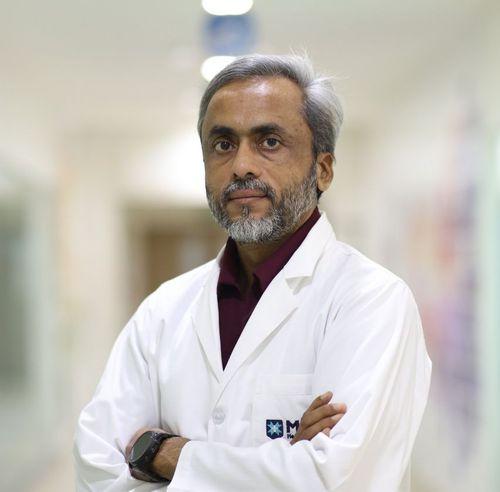
Director & Head of Department
Urology & Kidney Transplant
New Delhi
18+ Years
Experience
Apolo Delhi
Hospital
1500
Fees

Senior Director, Head of Department - Urology, Uro-Oncology, Robotics and Renal Transplant
Urology, Uro-Oncology, Robotics and Renal Transplant
New Delhi
25+ Years
Experience
Apolo Delhi
Hospital
1500
Fees
احصل على خيارات علاجية شخصية من أفضل مستشفيات الهند. خبراؤنا الطبيون جاهزون لمساعدتك في كل خطوة.