
بحاجة لنصيحة شخصية؟
خبراؤنا الطبيون جاهزون للإجابة عن أسئلتك وإرشادك خلال خيارات العلاج.
خبراؤنا الطبيون جاهزون للإجابة عن أسئلتك وإرشادك خلال خيارات العلاج.
Receiving a diagnosis of a brain tumor can be a deeply concerning moment for patients and families in Bangladesh. The search for advanced and specialized treatment options, especially for complex conditions, often leads individuals to explore medical care beyond their home country. Uncertainty about the best surgical approach and outcomes is a common worry.
Many patients seeking highly specialized neurosurgical interventions often consider Chennai. This Indian city has established itself as a prominent destination for medical excellence, particularly in complex surgeries. Patients choose Chennai for its established medical infrastructure, experienced neurosurgical teams, and a care environment designed to support international patients.
Chennai's hospitals are recognized for their advanced neuro-oncology departments, housing specialists who perform a high volume of intricate procedures. The city provides a comprehensive support system, from initial consultation to post-operative follow-up. This integrated approach offers peace of mind regarding continuous care and successful recovery for patients undergoing brain tumor surgery.
Chennai presents a trusted choice for minimally invasive brain tumor surgery.
Minimally invasive brain tumor surgery represents an advanced surgical technique designed to remove brain tumors with smaller incisions and less disruption to surrounding healthy brain tissue. Unlike traditional open surgery which requires a larger craniotomy, this method utilizes specialized instruments, high-definition cameras, and sophisticated navigation systems. The goal is to access and remove tumors through precise, targeted approaches, often leading to reduced pain, fewer complications, and a quicker recovery period for the patient. This approach aims to preserve neurological function while effectively addressing the tumor.
Treatment for brain tumors is highly individualized and may involve one or a combination of therapies:
The specific steps for minimally invasive brain tumor surgery vary based on the tumor's location, size, and type, as well as the patient's individual condition and the chosen surgical plan.
The patient is placed under general anesthesia. Advanced imaging and navigation systems are often used to precisely map the tumor's location in relation to critical brain structures, guiding the surgeon throughout the procedure.
A small incision, typically less than two inches, is made on the scalp. A small opening in the skull (craniotomy or burr hole) is then created, or a natural opening like the nostril is utilized for endoscopic approaches.
Specialized instruments, such as an endoscope with a high-definition camera, microscopic tools, and navigation probes, are carefully guided through the small opening. The surgeon visualizes the tumor and surrounding tissue on a monitor, meticulously separating and removing the tumor while minimizing damage to healthy brain tissue. Techniques like ultrasonic aspiration may be used to break up and remove the tumor more easily.
Once the tumor removal is complete, the surgical site is carefully inspected, and the small opening in the skull is closed, often with small plates or bone cement. The incision on the scalp is then stitched. The patient is moved to a recovery area for close monitoring as anesthesia wears off.
Recovery after minimally invasive brain tumor surgery typically involves a hospital stay of a few days, depending on the individual's progress. Pain management is provided to ensure comfort. Neurological monitoring is continuous to detect any changes. Patients are encouraged to ambulate early. Physical therapy, occupational therapy, and sometimes speech therapy may begin in the hospital to help restore function. Follow-up imaging scans are scheduled to monitor the surgical site. A gradual return to normal activities is advised, with specific restrictions on heavy lifting or strenuous activities for several weeks. Full recovery time varies but is generally shorter than with traditional open surgery.
The success rates for minimally invasive brain tumor surgery are generally high for achieving tumor removal or reduction, and for improving patient outcomes. The precise success depends significantly on the tumor type, its size, location, and whether it's benign or malignant. The experience of the surgical team and the overall health of the patient also play crucial roles. This approach often leads to improved quality of life with faster recovery, less pain, and a shorter hospital stay compared to open surgery. Long-term outcomes are continuously monitored through regular follow-up scans and neurological assessments.
Considering minimally invasive brain tumor surgery in Chennai? Get a personalized treatment plan and cost estimate today.
The cost of minimally invasive brain tumor surgery in Chennai is influenced by several factors. These include the specific hospital chosen (private vs. corporate), the experience and fees of the lead neurosurgeon, the complexity and size of the tumor, the advanced technology utilized during the procedure (e.g., neuro-navigation, endoscopic equipment), the duration of the hospital stay, and the need for any additional pre-operative diagnostic tests or post-operative rehabilitation.
In Chennai, the estimated cost for minimally invasive brain tumor surgery typically ranges from INR 6,50,000 to INR 12,00,000.
Patients from abroad often find Chennai offers significantly more affordable, high-quality medical care compared to many Western countries.
| Location | Estimated Cost (USD) |
|---|---|
| Chennai, India | $8,000 - $15,000 |
| USA | $40,000 - $100,000+ |
| UK | $30,000 - $70,000+ |
| Singapore | $25,000 - $60,000+ |
| Thailand | $15,000 - $35,000+ |
Connect with Chennai's leading neurosurgeons for minimally invasive brain tumor surgery expertise.
Take the first step towards expert care for minimally invasive brain tumor surgery in Chennai.
India offers premium medical procedures at affordable prices. Discover our most popular treatments, delivered by the country's finest doctors.
Meet our team of highly qualified and experienced medical professionals dedicated to providing the best healthcare services.

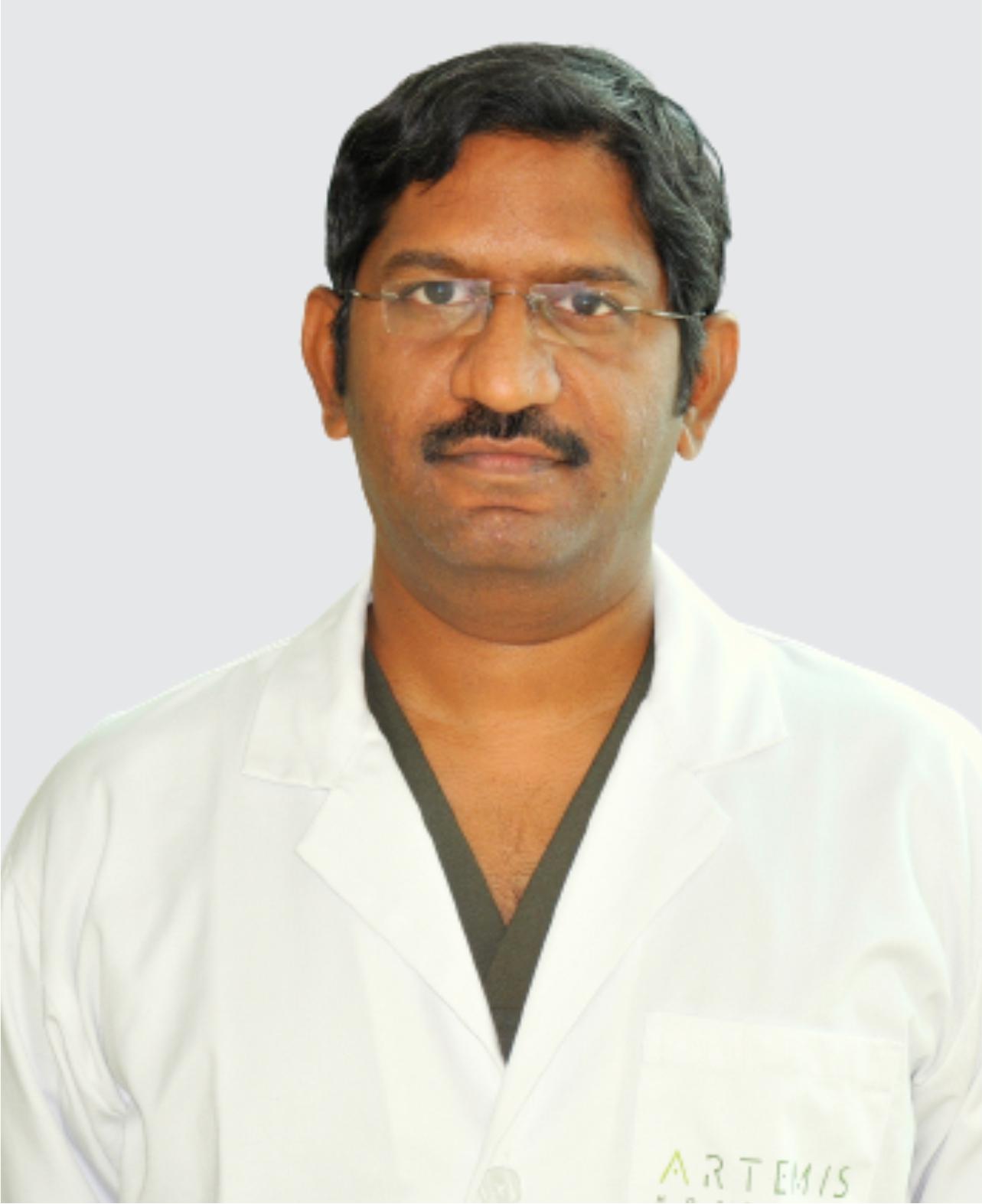
Chairperson - Neurosurgery & CNS Radiosurgery & Co-Chief - Cyberknife Centre, Artemis Hospitals, Gurgaon
Neurosurgeon
Haryana
32+ Years
Experience
Artemis Hospital
Hospital
1500
Fees
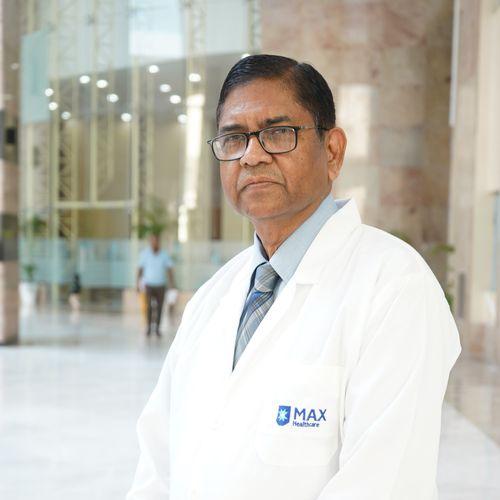
Director
Neuroscience
New Delhi
12+ Years
Experience
Artemis Hospital
Hospital
1500
Fees
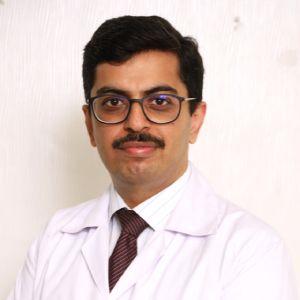
Chairman - Cardiology
Cardiology
New Delhi
41+ Years
Experience
Max Hospital,Gurgaon
Hospital
1500
Fees
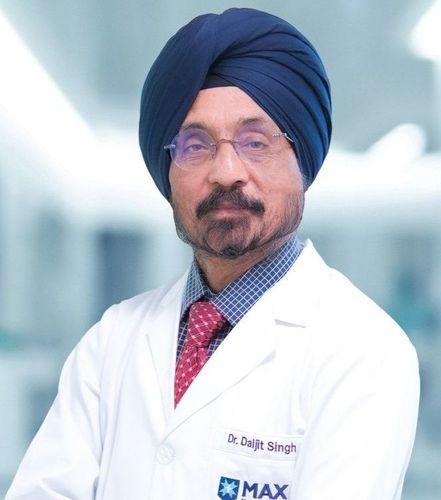
Chairman & HOD, HPB Surgery and Liver Transplantation
HPB Surgery, Liver Transplantation, Surgical Gastroenterology, Robotic Surgery, Biliary Sciences
New Delhi
20+ Years
Experience
Max Hospital,Gurgaon
Hospital
1500
Fees
Vice Chairman & HOD — Neurosurgery and Unit Head — Neuro Intervention, Max Healthcare
Neurosurgery
New Delhi
31+ Years
Experience
Max Hospital,Gurgaon
Hospital
1500
Fees
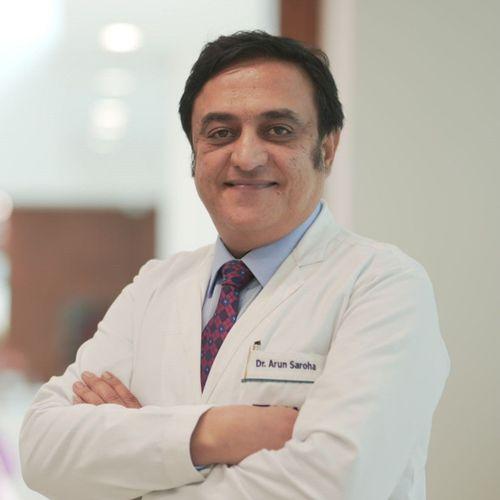
Director & HOD
Neurosurgery
New Delhi
30+ Years
Experience
Apolo Delhi
Hospital
1500
Fees
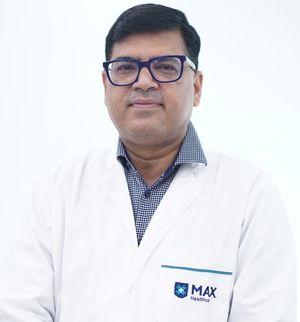
Senior Consultant
Neurosurgery
New Delhi
25+ Years
Experience
Apolo Delhi
Hospital
1500
Fees
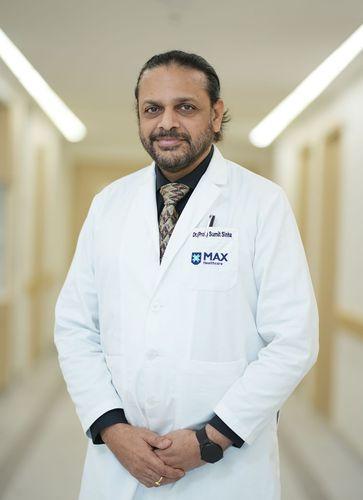
Chairman - Neurosurgery
Neurosurgery
New Delhi
25+ Years
Experience
Apolo Delhi
Hospital
1500
Fees
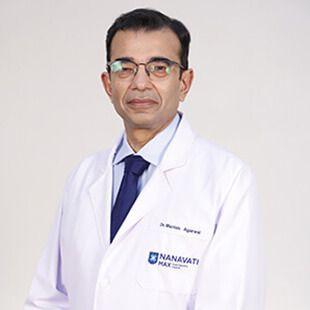
Director - Oncology
Oncology
New Delhi
22+ Years
Experience
Apolo Delhi
Hospital
1500
Fees
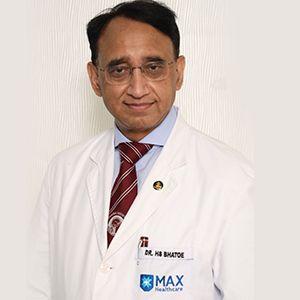
Director - Neuro Surgery, Max Hospital, Saket & Patparganj
Neuro Surgery
New Delhi
50+ Years
Experience
Apolo Delhi
Hospital
1500
Fees
احصل على خيارات علاجية شخصية من أفضل مستشفيات الهند. خبراؤنا الطبيون جاهزون لمساعدتك في كل خطوة.