
Minimally Invasive Brain Tumor Surgery Treatment in Gurugram for Iraq
بحاجة لنصيحة شخصية؟
خبراؤنا الطبيون جاهزون للإجابة عن أسئلتك وإرشادك خلال خيارات العلاج.
خبراؤنا الطبيون جاهزون للإجابة عن أسئلتك وإرشادك خلال خيارات العلاج.
Receiving a brain tumor diagnosis can be deeply unsettling for patients in Iraq, often leading to concerns about complex surgical procedures and long recovery times. The thought of extensive, open surgery for a delicate area like the brain can bring much apprehension and a desire for less invasive options.
Many patients facing this situation begin exploring advanced medical care beyond their home country. Gurugram, India, stands out as a preferred destination due to its specialized neurosurgical centers and dedicated international patient services. Patients narrow their search to this city for its reputation in offering seamless, coordinated care.
Gurugram’s hospitals are equipped with cutting-edge technology and staffed by highly experienced neurosurgeons specializing in minimally invasive techniques. The city's medical infrastructure is designed to support comprehensive care, from initial consultation to advanced post-operative rehabilitation, ensuring effective follow-up within the city.
Is Gurugram the right choice for your minimally invasive brain tumor surgery?
Minimally invasive brain tumor surgery involves removing brain tumors through small incisions or natural openings, unlike traditional open brain surgery which requires a larger skull incision. This advanced approach uses specialized instruments, endoscopes, and navigation systems to precisely target and remove tumors while minimizing disruption to surrounding healthy brain tissue. The goal is to reduce pain, shorten hospital stays, and accelerate recovery for patients.
Several advanced techniques fall under minimally invasive brain tumor surgery, each chosen based on the tumor's size, location, and type:
The exact procedure for minimally invasive brain tumor surgery depends on the tumor's characteristics and the neurosurgeon's chosen approach.
Typically, the process involves these stages:
Recovery after minimally invasive brain tumor surgery is generally faster and less painful compared to traditional open surgery. Patients typically spend a few days in the hospital for monitoring. Post-operative care includes pain management, neurological assessments, and early mobilization. Restrictions on strenuous activities, heavy lifting, and driving are common for several weeks. Follow-up appointments are crucial to monitor healing and any potential neurological changes. Some patients may require rehabilitation therapy, such as physical therapy, occupational therapy, or speech therapy, depending on the brain area affected and their individual needs.
Connect with top neurosurgeons in Gurugram to discuss your case and understand the best treatment path.
The success rates for minimally invasive brain tumor surgery in Gurugram are high, especially for well-defined tumors located in accessible areas. Outcomes vary based on tumor type, size, location, and the patient’s overall health. Gurugram’s leading hospitals boast highly skilled neurosurgeons who utilize advanced technology, contributing to excellent long-term results and improved quality of life for many patients. Expectations for recovery and long-term prognosis are thoroughly discussed before surgery.
The cost of minimally invasive brain tumor surgery in Gurugram is influenced by several factors, including the chosen hospital's accreditation, the neurosurgeon's experience, the specific surgical technique employed, and the duration of hospital stay. Additional costs may arise from pre-operative diagnostics, post-operative rehabilitation, and any unexpected complications.
For international patients, the estimated cost for minimally invasive brain tumor surgery in Gurugram generally ranges from USD 8,000 to USD 15,000.
Gurugram provides advanced neurosurgical care at a significantly lower cost compared to many Western countries, without compromising on quality or technology.
| Location | Estimated Cost Range (USD) |
|---|---|
| Gurugram, India | $8,000 - $15,000 |
| United States | $70,000 - $120,000 |
| United Kingdom | $40,000 - $70,000 |
| Germany | $35,000 - $60,000 |
| Singapore | $30,000 - $55,000 |
Take the first step towards advanced, affordable brain tumor care. Our team is ready to assist you.
Choosing the right place for specialized medical care is a significant decision. Gurugram offers a compassionate, advanced environment for your brain tumor treatment journey.
India offers premium medical procedures at affordable prices. Discover our most popular treatments, delivered by the country's finest doctors.
Meet our team of highly qualified and experienced medical professionals dedicated to providing the best healthcare services.

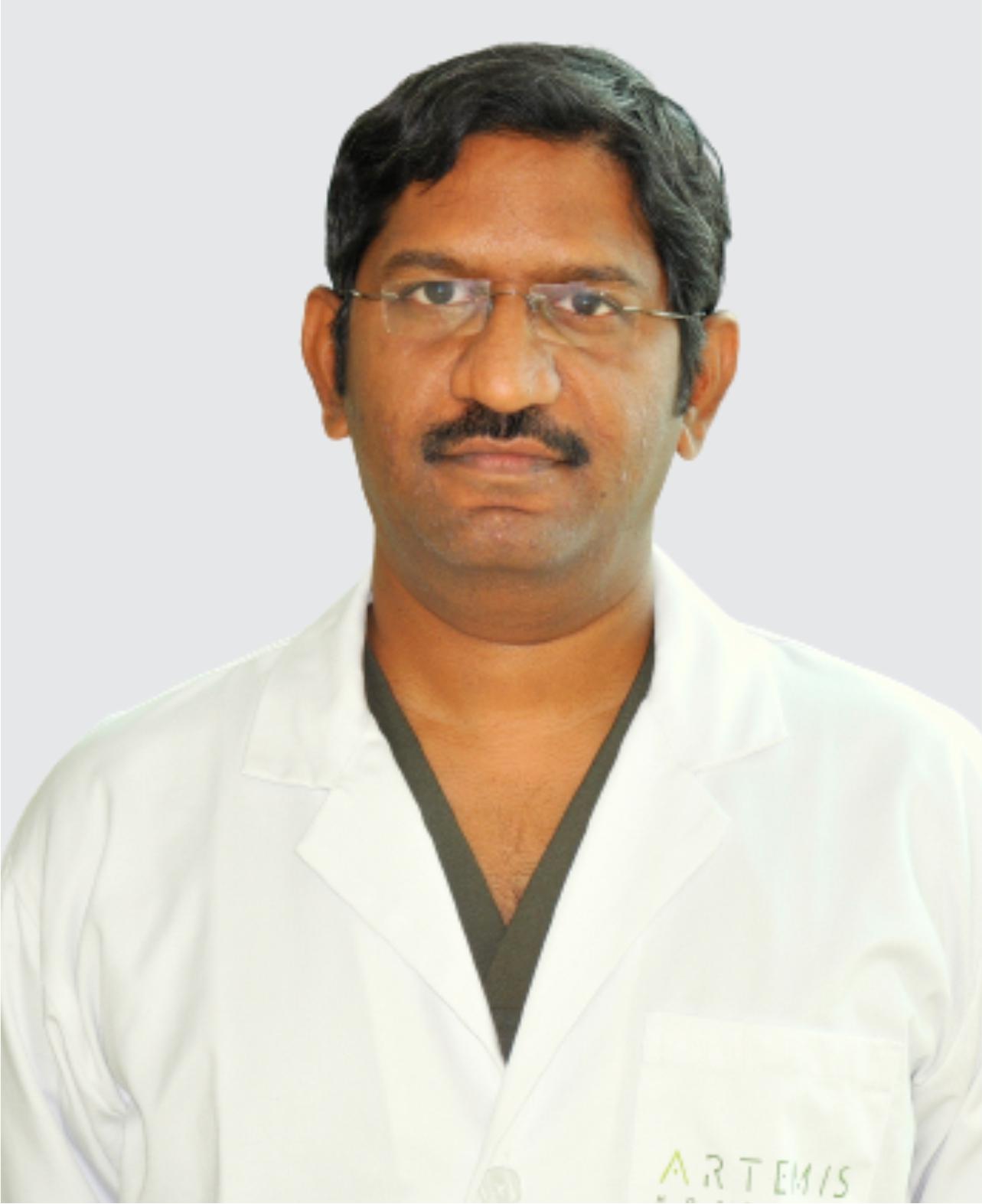
Chairperson - Neurosurgery & CNS Radiosurgery & Co-Chief - Cyberknife Centre, Artemis Hospitals, Gurgaon
Neurosurgeon
Haryana
32+ Years
Experience
Artemis Hospital
Hospital
1500
Fees
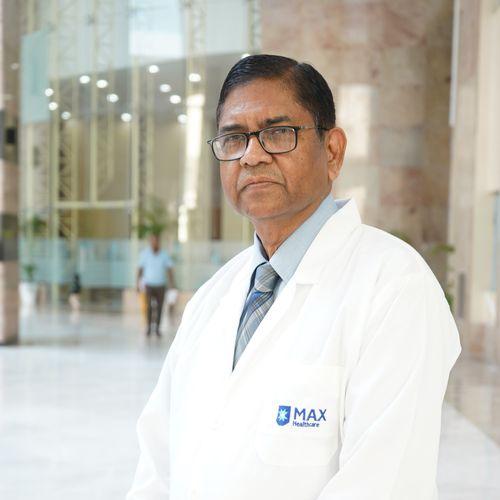
Director
Neuroscience
New Delhi
12+ Years
Experience
Artemis Hospital
Hospital
1500
Fees
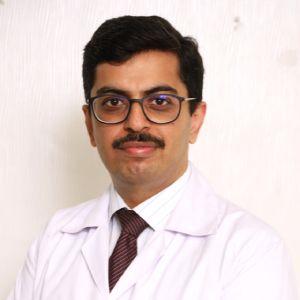
Chairman - Cardiology
Cardiology
New Delhi
41+ Years
Experience
Max Hospital,Gurgaon
Hospital
1500
Fees
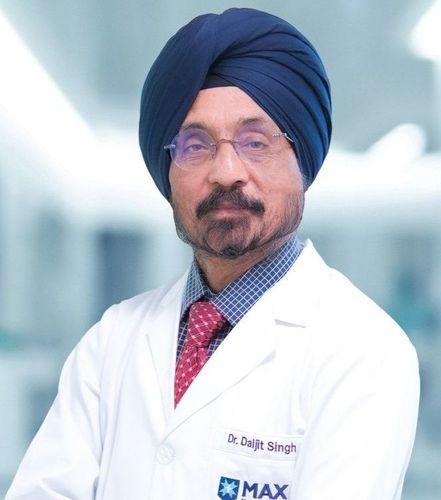
Chairman & HOD, HPB Surgery and Liver Transplantation
HPB Surgery, Liver Transplantation, Surgical Gastroenterology, Robotic Surgery, Biliary Sciences
New Delhi
20+ Years
Experience
Max Hospital,Gurgaon
Hospital
1500
Fees
Vice Chairman & HOD — Neurosurgery and Unit Head — Neuro Intervention, Max Healthcare
Neurosurgery
New Delhi
31+ Years
Experience
Max Hospital,Gurgaon
Hospital
1500
Fees
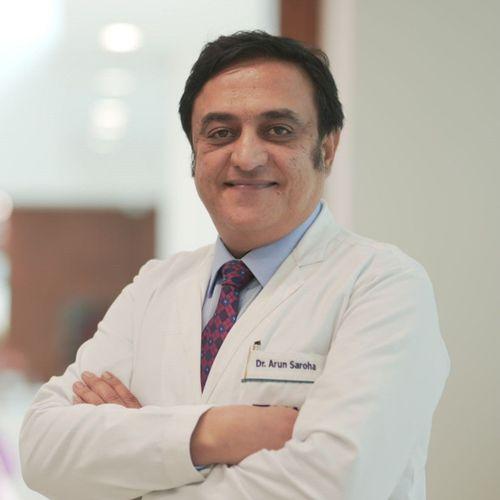
Director & HOD
Neurosurgery
New Delhi
30+ Years
Experience
Apolo Delhi
Hospital
1500
Fees
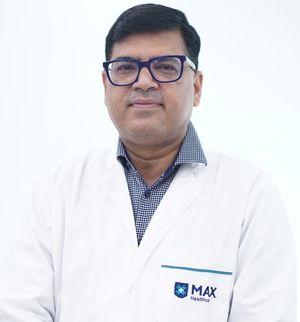
Senior Consultant
Neurosurgery
New Delhi
25+ Years
Experience
Apolo Delhi
Hospital
1500
Fees
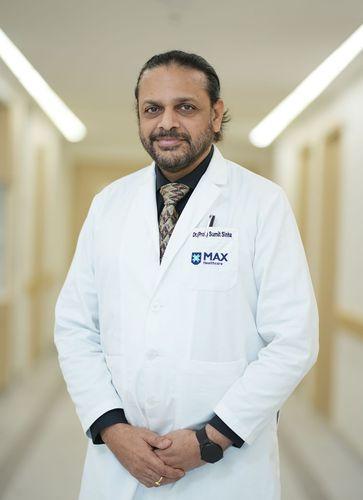
Chairman - Neurosurgery
Neurosurgery
New Delhi
25+ Years
Experience
Apolo Delhi
Hospital
1500
Fees
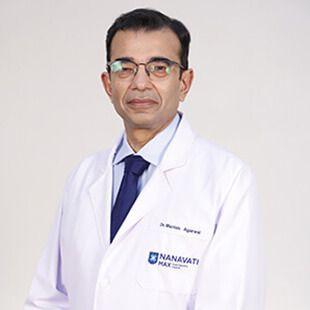
Director - Oncology
Oncology
New Delhi
22+ Years
Experience
Apolo Delhi
Hospital
1500
Fees
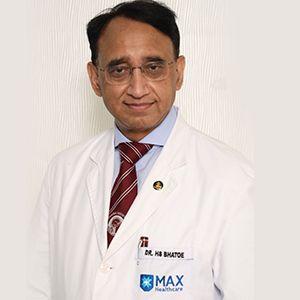
Director - Neuro Surgery, Max Hospital, Saket & Patparganj
Neuro Surgery
New Delhi
50+ Years
Experience
Apolo Delhi
Hospital
1500
Fees
احصل على خيارات علاجية شخصية من أفضل مستشفيات الهند. خبراؤنا الطبيون جاهزون لمساعدتك في كل خطوة.