
Minimally Invasive Brain Tumor Surgery Treatment in New Delhi for Ethiopia
بحاجة لنصيحة شخصية؟
خبراؤنا الطبيون جاهزون للإجابة عن أسئلتك وإرشادك خلال خيارات العلاج.
خبراؤنا الطبيون جاهزون للإجابة عن أسئلتك وإرشادك خلال خيارات العلاج.
For many patients in Ethiopia facing a brain tumor diagnosis, the thought of complex surgery can bring significant anxiety. Concerns about access to advanced surgical techniques, specialist expertise, and the overall cost of treatment often weigh heavily. Finding the right care at a crucial time is paramount.
This is precisely why many individuals and families look towards medical hubs like New Delhi. The city offers a well-established healthcare infrastructure and an environment geared towards international patient needs. Patients seeking specialized care often choose New Delhi for its blend of medical excellence and accessible services.
New Delhi’s hospitals are known for their state-of-the-art facilities and a dedicated team of neurosurgeons with extensive experience in intricate procedures like minimally invasive brain tumor surgery. The commitment to patient safety and streamlined care pathways ensures a supportive experience, from initial consultation through recovery within the city.
Could New Delhi be the right choice for your brain tumor treatment journey?
Minimally Invasive Brain Tumor Surgery refers to surgical techniques that allow neurosurgeons to access and remove brain tumors through smaller incisions and with less disruption to surrounding healthy brain tissue. Unlike traditional open brain surgery, which requires a larger skull opening (craniotomy), minimally invasive approaches utilize advanced imaging, specialized instruments, and often an endoscope or microscope. This precision-focused method aims to reduce pain, minimize scarring, shorten hospital stays, and accelerate recovery, while effectively addressing the tumor.
Different minimally invasive approaches are chosen based on the tumor's size, location, and type:
The precise steps of minimally invasive brain tumor surgery vary based on the tumor's characteristics and the chosen surgical technique. The general process focuses on precision and minimal disruption.
Before the surgery begins, the patient receives general anesthesia. The surgical area on the head or face is carefully prepared, and the patient is positioned to allow optimal access to the tumor while ensuring comfort and safety.
Using advanced navigation systems (neuronavigation) guided by pre-operative imaging, the surgeon makes a small incision. Depending on the approach, this might be through the nose, above the eyebrow, or a small opening in the skull. Specialized instruments, an endoscope, or a microscope are then introduced to provide high-definition visualization of the surgical field.
With precise tools and continuous imaging guidance, the neurosurgeon carefully dissects and removes the tumor tissue. Efforts are made to remove as much of the tumor as safely possible while preserving healthy brain tissue and vital functions. In some cases, intraoperative MRI or ultrasound may be used to confirm the extent of tumor removal during the procedure.
Once the tumor removal is complete, the surgical site is meticulously closed. Patients are then transferred to a recovery area for close monitoring as they awaken from anesthesia. The minimally invasive nature often leads to a quicker initial recovery compared to traditional open surgery.
Recovery after minimally invasive brain tumor surgery is generally faster than conventional open surgery, typically involving a hospital stay of a few days to a week. Patients might experience some pain or discomfort at the incision site, which is managed with medication. Restrictions often include avoiding heavy lifting, strenuous activity, and activities that increase intracranial pressure for several weeks. Follow-up appointments are crucial to monitor healing and neurological function. Depending on the tumor's location and patient response, rehabilitation therapy, such as physical, occupational, or speech therapy, may be recommended to regain strength and function.
The success rate of minimally invasive brain tumor surgery varies significantly based on factors such as the tumor's size, type, location, and the patient's overall health. While complete tumor removal is always the goal, it is not always possible without risking vital brain functions. For many benign tumors, surgical removal can be curative. For malignant tumors, surgery is often part of a broader treatment plan that may include radiation or chemotherapy. Patients can generally expect improvement in tumor-related symptoms and a good quality of life post-surgery, with outcomes continually improving due to advancements in surgical techniques and technology.
The cost of Minimally Invasive Brain Tumor Surgery in New Delhi is influenced by several factors. These include the specific hospital chosen, the experience and fees of the neurosurgeon, the complexity and type of minimally invasive technique required, the duration of the hospital stay, and any additional post-operative care or rehabilitation needed. The severity of the tumor and any unexpected complications can also impact the final cost.
In New Delhi, the estimated cost for Minimally Invasive Brain Tumor Surgery typically ranges from INR 6,50,000 to INR 15,00,000.
New Delhi offers a cost-effective alternative for high-quality brain tumor surgery when compared to many Western countries, without compromising on medical standards.
| Location | Estimated Cost Range (USD) |
|---|---|
| New Delhi, India | $8,000 - $18,000 |
| United States | $50,000 - $120,000 |
| United Kingdom | $40,000 - $90,000 |
| Singapore | $30,000 - $65,000 |
| Turkey | $15,000 - $35,000 |
Understanding your options for specialized medical care is the first step toward recovery. We are here to provide clarity and support for your journey.
India offers premium medical procedures at affordable prices. Discover our most popular treatments, delivered by the country's finest doctors.
Meet our team of highly qualified and experienced medical professionals dedicated to providing the best healthcare services.

Chairperson - Neurosurgery & CNS Radiosurgery & Co-Chief - Cyberknife Centre, Artemis Hospitals, Gurgaon
Neurosurgeon
Haryana
32+ Years
Experience
Artemis Hospital
Hospital
1500
Fees

Sr. Consultant – Women Imaging
Radiology
New Delhi
15+ Years
Experience
Artemis Hospital
Hospital
1500
Fees
Co-Head Psychological Services
Mental Health and Behavioural Sciences
New Delhi
15+ Years
Experience
Artemis Hospital
Hospital
1500
Fees
Head of Department - Gynae Endocrinology & DNB Program Director - Obs & Gynae
Gynaecological Endocrinology, Maternity, Obstetrics & Gynaecology
New Delhi
35+ Years
Experience
Artemis Hospital
Hospital
1500
Fees

Senior Consultant - ENT
ENT and Head & Neck Surgery
New Delhi
24+ Years
Experience
Artemis Hospital
Hospital
1500
Fees

Consultant (Head & Neck Surgery) - Surgical Oncology
Head and Neck Surgical Oncology
New Delhi
10+ Years
Experience
Artemis Hospital
Hospital
1500
Fees

Chairperson - Gynae Oncology
Gynaecological Oncology
New Delhi
16+ Years
Experience
Artemis Hospital
Hospital
1500
Fees
Unit Head - Reproductive Medicine (Unit II)
IVF, Reproductive Medicine, Obstetrics & Gynecology
New Delhi
20+ Years
Experience
Artemis Hospital
Hospital
1500
Fees
Sr. Consultant - Obs & Gynae
Maternity, Obstetrics & Gynaecology
New Delhi
15+ Years
Experience
Artemis Hospital
Hospital
1500
Fees

Unit Head - Obs & Gynae
Maternity, Obstetrics & Gynaecology
New Delhi
19+ Years
Experience
Artemis Hospital
Hospital
1500
Fees
Director
Obstetrics and Gynaecology
New Delhi
19+ Years
Experience
Artemis Hospital
Hospital
1500
Fees
Head - Radiation Oncology & CyberKnife Centre (Unit II)
Oncology
New Delhi
23+ Years
Experience
Artemis Hospital
Hospital
1500
Fees
Unit Head & Sr. Consultant - Internal Medicine
Internal Medicine
New Delhi
14+ Years
Experience
Artemis Hospital
Hospital
1500
Fees
Sr. Consultant - Gynaecology & Obstetrics
Gynaecology & Obstetrics
New Delhi
15+ Years
Experience
Apolo Delhi
Hospital
1500
Fees
Director
Obstetrics & Gynaecology
New Delhi
15+ Years
Experience
Artemis Hospital
Hospital
1500
Fees
Director
Neuroscience
New Delhi
12+ Years
Experience
Artemis Hospital
Hospital
1500
Fees
Classified Consultant
Obstetrics & Gynaecology, Maternity, Women's Health
New Delhi
8+ Years
Experience
Artemis Hospital
Hospital
1500
Fees
Consultant
Obstetrics & Gynaecology
New Delhi
8+ Years
Experience
Artemis Hospital
Hospital
1500
Fees
Chairman - Cardiology
Cardiology
New Delhi
41+ Years
Experience
Max Hospital,Gurgaon
Hospital
1500
Fees
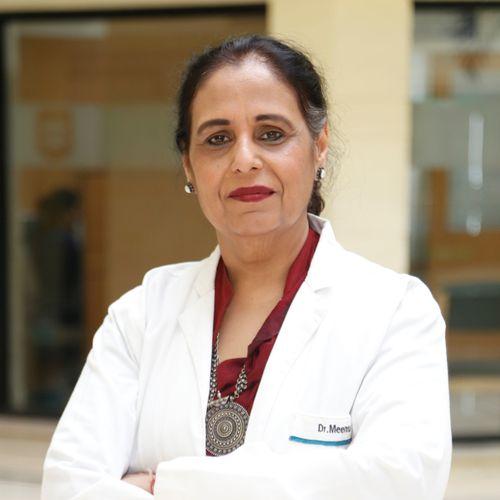
Director, Medical Oncology
Medical Oncology and Haematology
New Delhi
26+ Years
Experience
Max Hospital,Gurgaon
Hospital
1500
Fees
Chairman & HOD, HPB Surgery and Liver Transplantation
HPB Surgery, Liver Transplantation, Surgical Gastroenterology, Robotic Surgery, Biliary Sciences
New Delhi
20+ Years
Experience
Max Hospital,Gurgaon
Hospital
1500
Fees
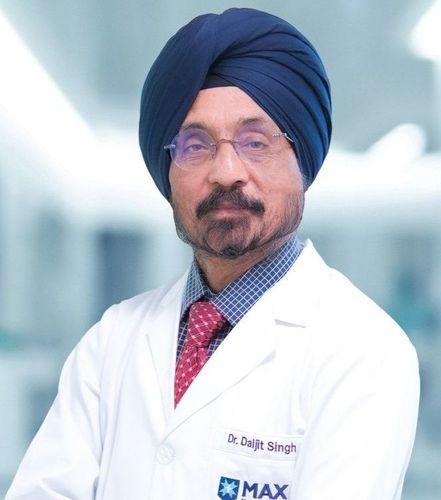
Vice Chairman & HOD — Neurosurgery and Unit Head — Neuro Intervention, Max Healthcare
Neurosurgery
New Delhi
31+ Years
Experience
Max Hospital,Gurgaon
Hospital
1500
Fees
Vice Chairman - Nephrology
Nephrology & Renal Transplant Medicine
New Delhi
17+ Years
Experience
Max Hospital,Gurgaon
Hospital
1500
Fees
Principal Director - Max Lab & Blood Bank Services
Laboratory Medicine, Transfusion Medicine
New Delhi
32+ Years
Experience
Max Hospital,Gurgaon
Hospital
1500
Fees
Principal Director - Radiation Oncology
Radiation Oncology
New Delhi
23+ Years
Experience
Max Hospital,Gurgaon
Hospital
1500
Fees
Principal Director – Surgical Oncology (Gynae & Robotic Surgery)
Gynecologic Oncology, Robotic & Laparoscopic Surgery, Gynae Cancer Care, Surgical Oncology
New Delhi
39+ Years
Experience
Max Hospital,Gurgaon
Hospital
1500
Fees
Principal Director & HOD
Paediatrics (Ped)
New Delhi
30+ Years
Experience
Max Hospital,Gurgaon
Hospital
1500
Fees
Principal Director (Obstetrics & Gynaecology) & Head of Unit
Obstetrics, Gynaecology, Gynaecologic Laparoscopy, High-Risk Pregnancy, Endoscopy Surgery
New Delhi
44+ Years
Experience
Max Hospital,Gurgaon
Hospital
1500
Fees
Principal Director - Obstetrics & Gynaecology
Obstetrics And Gynaecology, Robotic Surgery, Gynaecologic Laparoscopy
New Delhi
33+ Years
Experience
Max Hospital,Gurgaon
Hospital
1500
Fees
Sr. Consultant
Obstetrics & Gynaecology
New Delhi
20+ Years
Experience
Apolo Delhi
Hospital
1500
Fees
Sr. Consultant
Obstetrics And Gynaecology
New Delhi
15+ Years
Experience
Apolo Delhi
Hospital
1500
Fees
Director & HOD
Neurosurgery
New Delhi
30+ Years
Experience
Apolo Delhi
Hospital
1500
Fees
Senior Consultant
Neurosurgery
New Delhi
25+ Years
Experience
Apolo Delhi
Hospital
1500
Fees
Senior Consultant - Obstetrics and Gynaecology
Obstetrics and Gynaecology
New Delhi
24+ Years
Experience
Apolo Delhi
Hospital
1500
Fees
Chairman - Neurosurgery
Neurosurgery
New Delhi
25+ Years
Experience
Apolo Delhi
Hospital
1500
Fees
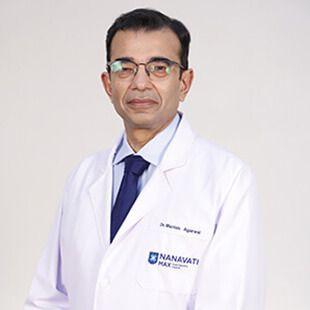
Director - Oncology
Oncology
New Delhi
22+ Years
Experience
Apolo Delhi
Hospital
1500
Fees
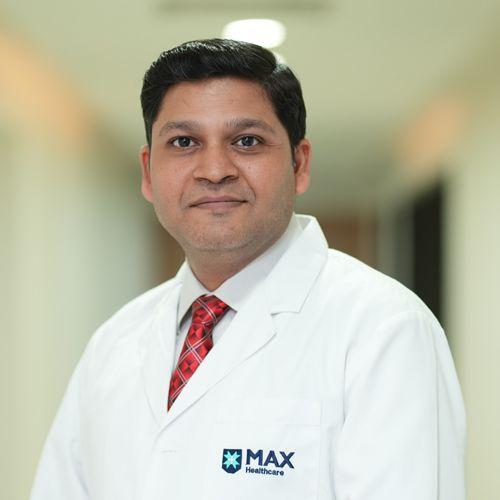
Director - Obstetrics & Gynaecology
Obstetrics & Gynaecology
New Delhi
18+ Years
Experience
Apolo Delhi
Hospital
1500
Fees
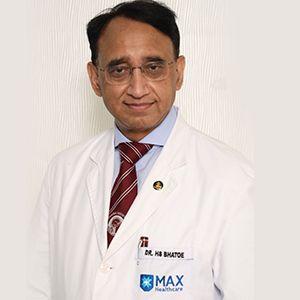
Director - Neuro Surgery, Max Hospital, Saket & Patparganj
Neuro Surgery
New Delhi
50+ Years
Experience
Apolo Delhi
Hospital
1500
Fees
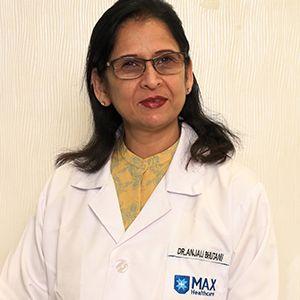
Senior Consultant
Obstetrics & Gynaecology
New Delhi
22+ Years
Experience
Apolo Delhi
Hospital
1500
Fees
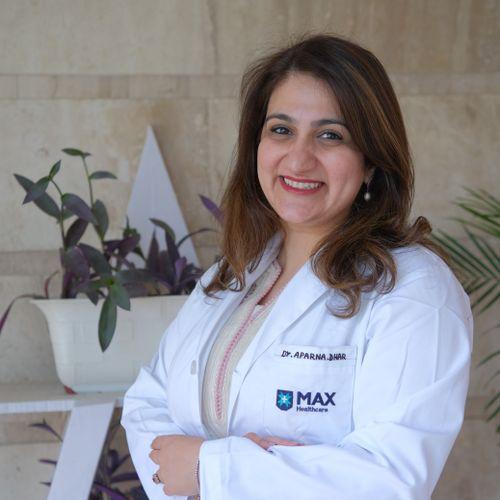
Senior Consultant - Obstetrics & Gynaecology
Obstetrics & Gynaecology
New Delhi
23+ Years
Experience
Apolo Delhi
Hospital
1500
Fees
Senior Consultant
Obstetrics and Gynaecology
New Delhi
24+ Years
Experience
Apolo Delhi
Hospital
1500
Fees
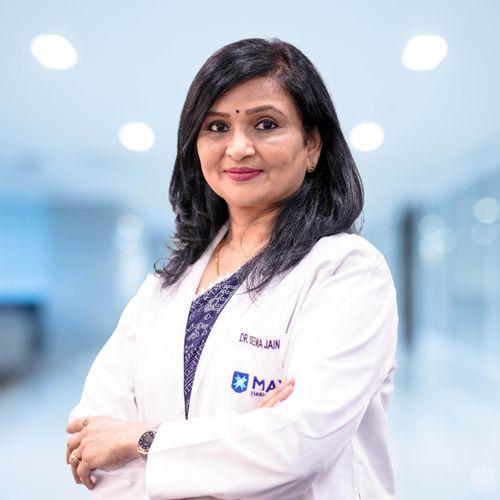
Director
Obstetrics & Gynaecology
New Delhi
20+ Years
Experience
Apolo Delhi
Hospital
1500
Fees
Director
Obstetrics & Gynaecology
New Delhi
22+ Years
Experience
Apolo Delhi
Hospital
1500
Fees
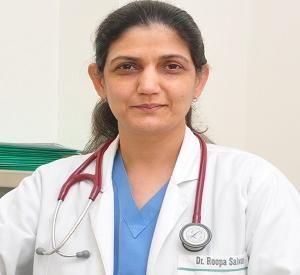
Senior Consultant
Obstetrics and Gynaecology
New Delhi
15+ Years
Experience
Apolo Delhi
Hospital
1500
Fees
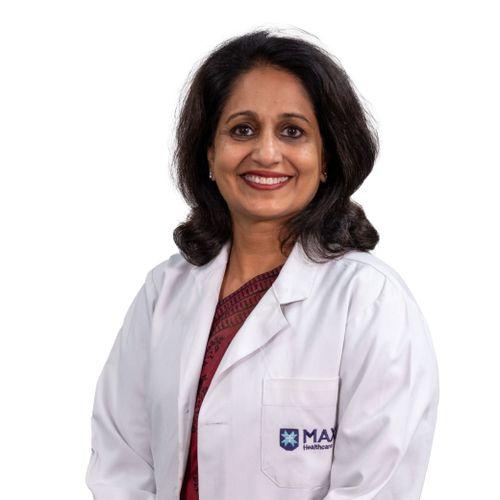
Director
Obstetrics & Gynaecology
New Delhi
18+ Years
Experience
Apolo Delhi
Hospital
1500
Fees
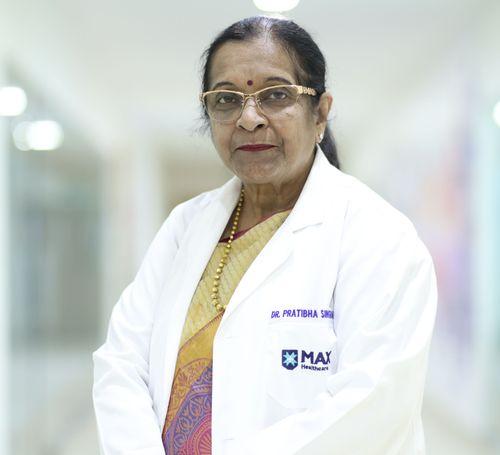
Director & Chief of Service - Obstetrics & Gynaecology
Obstetrics & Gynaecology
New Delhi
24+ Years
Experience
Apolo Delhi
Hospital
1500
Fees
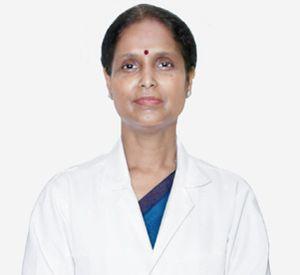
Director
Obstetrics & Gynaecology
New Delhi
18+ Years
Experience
Apolo Delhi
Hospital
1500
Fees
احصل على خيارات علاجية شخصية من أفضل مستشفيات الهند. خبراؤنا الطبيون جاهزون لمساعدتك في كل خطوة.