
Minimally Invasive Brain Tumor Surgery Treatment in Chennai for UAE
بحاجة لنصيحة شخصية؟
خبراؤنا الطبيون جاهزون للإجابة عن أسئلتك وإرشادك خلال خيارات العلاج.
خبراؤنا الطبيون جاهزون للإجابة عن أسئلتك وإرشادك خلال خيارات العلاج.
Facing a brain tumor diagnosis can be overwhelming, especially when considering complex surgery. For patients from the UAE, finding expert neurosurgical care that is both accessible and world-class often means looking beyond their borders, seeking advanced solutions with clear guidance and support.
Chennai stands out as a leading destination for specialized neurosurgical procedures. Patients choose this city for its established medical infrastructure, highly skilled specialists, and streamlined processes designed specifically for international visitors, ensuring a comfortable and efficient treatment journey.
The city's hospitals offer state-of-the-art technology and experienced neurosurgeons specializing in minimally invasive techniques. This environment fosters confidence, supported by readily available post-operative care and follow-up consultations, crucial for long-term recovery and patient peace of mind.
Is Chennai the right choice for your brain tumor surgery?
Minimally Invasive Brain Tumor Surgery (MIBS) represents an advanced surgical approach designed to remove brain tumors through smaller incisions, causing less disruption to surrounding healthy tissue. Unlike traditional open surgery, MIBS techniques utilize specialized instruments, endoscopes, or microscopes inserted through small openings. This method aims to reduce pain, minimize scarring, shorten hospital stays, and accelerate recovery times for suitable candidates. The goal remains the effective and safe removal of brain tumors while preserving neurological function.
Brain tumor treatment is highly individualized, depending on the tumor's type, size, location, and the patient's overall health. While Minimally Invasive Brain Tumor Surgery is a key option, other treatments may be considered, sometimes in combination:
The specific steps for Minimally Invasive Brain Tumor Surgery depend on the tumor's location, size, and the chosen surgical approach.
Generally, the procedure involves:
Recovery after Minimally Invasive Brain Tumor Surgery is generally faster than traditional open surgery. Patients typically stay in the hospital for a few days for monitoring and initial recovery. Pain management will be provided, and activities will be restricted for a period to allow healing. Follow-up appointments are crucial to monitor progress and detect any complications. Depending on the impact of the tumor or surgery on neurological functions, rehabilitation, including physical therapy, occupational therapy, or speech therapy, might be recommended to help regain strength and function.
Minimally Invasive Brain Tumor Surgery generally boasts high success rates for effective tumor removal or significant reduction, leading to improvement in symptoms and overall quality of life. The exact outcome varies significantly based on factors like the tumor's type, size, precise location, and the patient's overall health and response to treatment. While the goal is often complete tumor resection, sometimes partial removal is performed to preserve critical brain functions. Long-term expectations are carefully discussed with patients, focusing on disease management and enhancing life quality.
Connect with our expert medical team for a personalized consultation and treatment plan.
The cost of Minimally Invasive Brain Tumor Surgery in Chennai can vary significantly based on several factors. These include the specific hospital chosen (its infrastructure and reputation), the experience and reputation of the neurosurgeon, the complexity of the tumor, the technology used during the procedure, and the length of hospital stay required. Additional costs may arise from pre-operative investigations, post-operative rehabilitation, and any unexpected complications.
In Chennai, the estimated cost for Minimally Invasive Brain Tumor Surgery typically ranges from INR 6,50,000 to INR 12,00,000.
Chennai offers a significant cost advantage for Minimally Invasive Brain Tumor Surgery compared to many Western countries, without compromising on quality or advanced technology. This makes it an attractive destination for international patients seeking high-quality, affordable healthcare.
| Location | Estimated Cost Range (USD) |
|---|---|
| Chennai, India | $8,000 - $15,000 |
| United States | $60,000 - $120,000+ |
| United Kingdom | $40,000 - $80,000 |
| Singapore | $30,000 - $60,000 |
| Germany | $35,000 - $70,000 |
Chennai offers world-class, advanced neurosurgical care for your brain tumor surgery journey. Reach out today for personalized guidance and begin your path to better health.
Our specialists in Chennai are ready to provide compassionate and effective treatment.
India offers premium medical procedures at affordable prices. Discover our most popular treatments, delivered by the country's finest doctors.
Meet our team of highly qualified and experienced medical professionals dedicated to providing the best healthcare services.

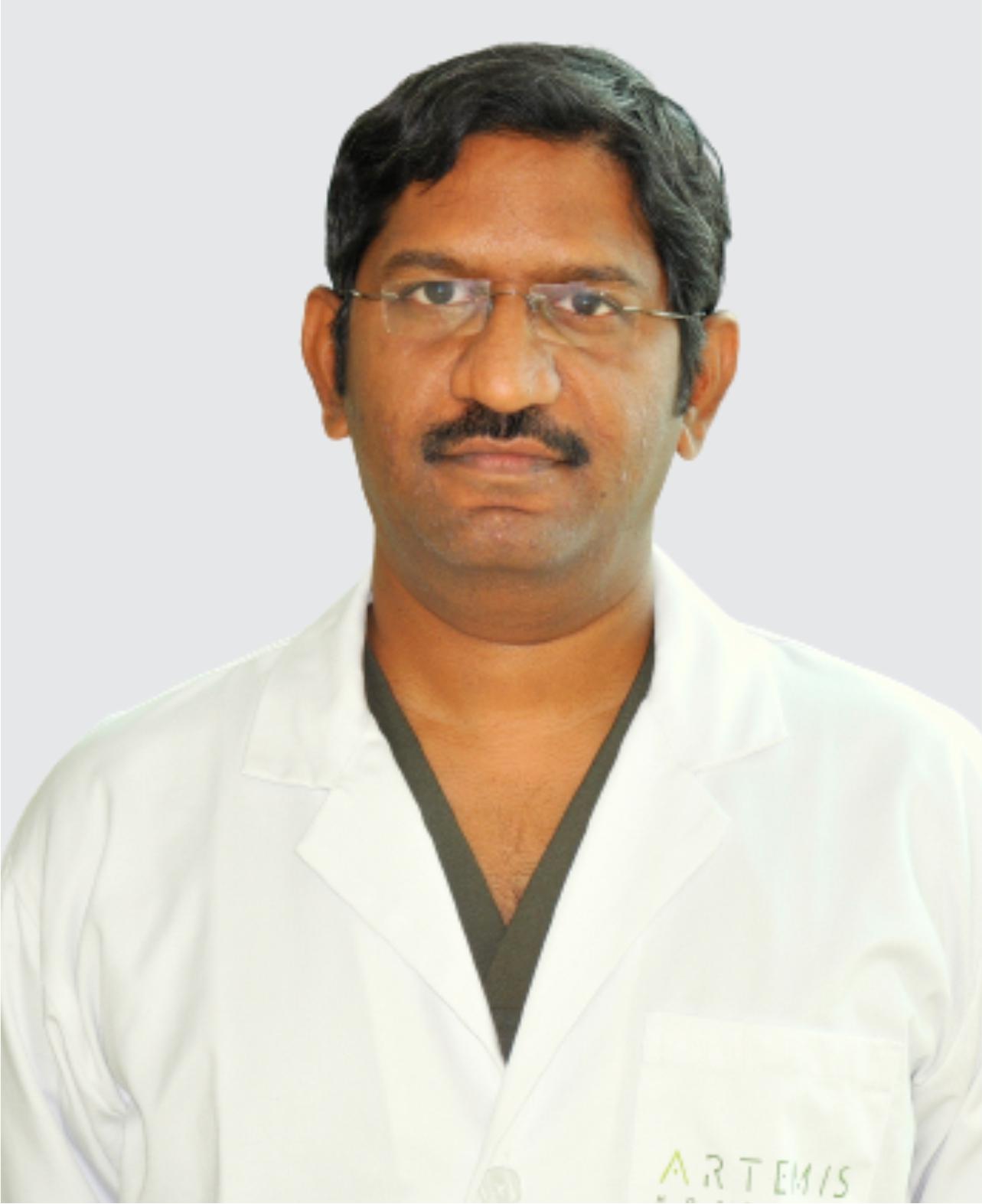
Chairperson - Neurosurgery & CNS Radiosurgery & Co-Chief - Cyberknife Centre, Artemis Hospitals, Gurgaon
Neurosurgeon
Haryana
32+ Years
Experience
Artemis Hospital
Hospital
1500
Fees
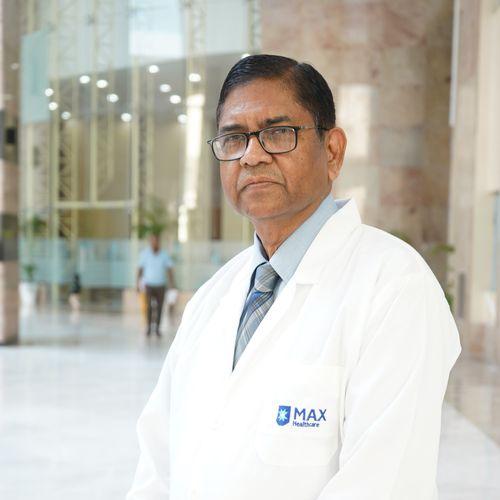
Director
Neuroscience
New Delhi
12+ Years
Experience
Artemis Hospital
Hospital
1500
Fees
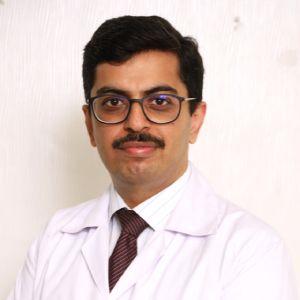
Chairman - Cardiology
Cardiology
New Delhi
41+ Years
Experience
Max Hospital,Gurgaon
Hospital
1500
Fees
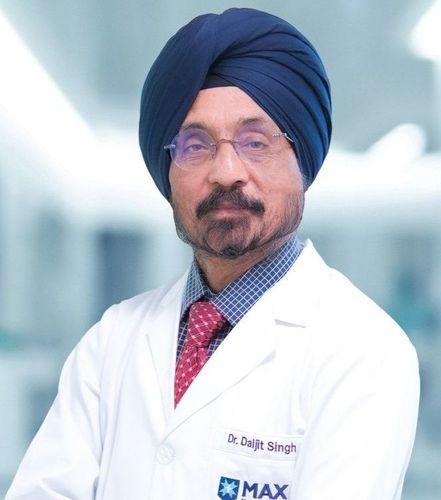
Chairman & HOD, HPB Surgery and Liver Transplantation
HPB Surgery, Liver Transplantation, Surgical Gastroenterology, Robotic Surgery, Biliary Sciences
New Delhi
20+ Years
Experience
Max Hospital,Gurgaon
Hospital
1500
Fees
Vice Chairman & HOD — Neurosurgery and Unit Head — Neuro Intervention, Max Healthcare
Neurosurgery
New Delhi
31+ Years
Experience
Max Hospital,Gurgaon
Hospital
1500
Fees
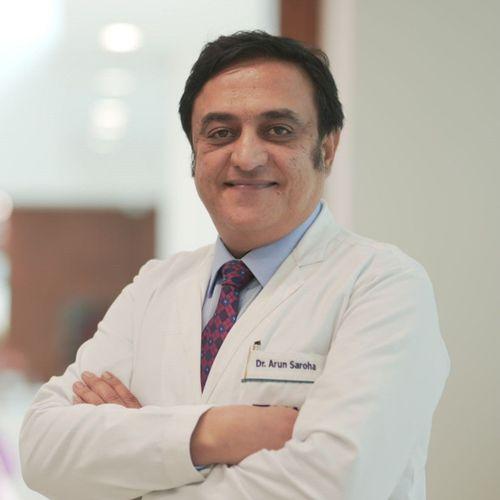
Director & HOD
Neurosurgery
New Delhi
30+ Years
Experience
Apolo Delhi
Hospital
1500
Fees
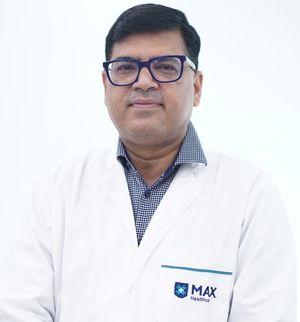
Senior Consultant
Neurosurgery
New Delhi
25+ Years
Experience
Apolo Delhi
Hospital
1500
Fees
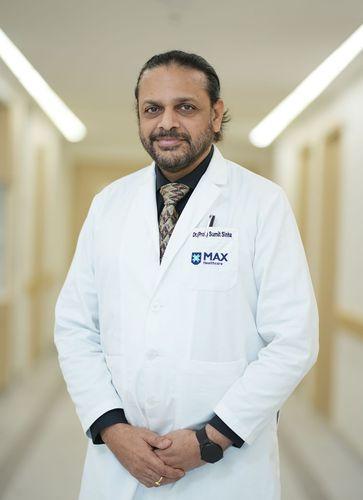
Chairman - Neurosurgery
Neurosurgery
New Delhi
25+ Years
Experience
Apolo Delhi
Hospital
1500
Fees
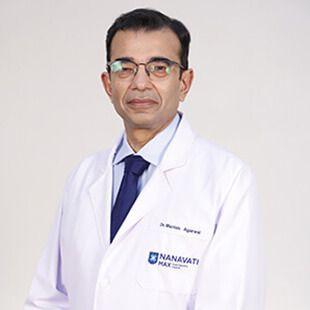
Director - Oncology
Oncology
New Delhi
22+ Years
Experience
Apolo Delhi
Hospital
1500
Fees
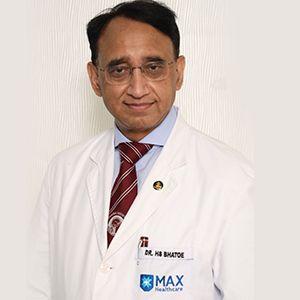
Director - Neuro Surgery, Max Hospital, Saket & Patparganj
Neuro Surgery
New Delhi
50+ Years
Experience
Apolo Delhi
Hospital
1500
Fees
احصل على خيارات علاجية شخصية من أفضل مستشفيات الهند. خبراؤنا الطبيون جاهزون لمساعدتك في كل خطوة.