
Spinal Cord Stimulation Treatment in Chennai for Nigeria
بحاجة لنصيحة شخصية؟
خبراؤنا الطبيون جاهزون للإجابة عن أسئلتك وإرشادك خلال خيارات العلاج.
خبراؤنا الطبيون جاهزون للإجابة عن أسئلتك وإرشادك خلال خيارات العلاج.
Finding effective pain management for chronic conditions like neuropathic pain can be a challenging journey for patients in Nigeria. The search for advanced treatments often involves looking beyond local options, seeking both expertise and accessibility in a supportive environment.
For many, Chennai emerges as a preferred destination, known for its established medical infrastructure and patient-centric approach. This city offers a supportive environment, ensuring a smooth transition from initial consultation to comprehensive post-treatment care and guidance.
Chennai's hospitals are recognized for their experienced neurologists and neurosurgeons specializing in pain management. Patients can expect coordinated care and straightforward follow-up processes, crucial for long-term conditions requiring ongoing support and adjustments within the city.
Is Chennai the right choice for your Spinal Cord Stimulation treatment journey?
Spinal Cord Stimulation (SCS) is an advanced medical procedure used to manage chronic pain, particularly neuropathic pain that has not responded to other treatments. It involves implanting a small device under the skin, usually in the abdomen or buttock, which delivers mild electrical impulses to the spinal cord. These impulses interfere with pain signals traveling to the brain, effectively reducing the sensation of pain and improving quality of life for patients.
Different types of Spinal Cord Stimulation devices and stimulation patterns are available, tailored to individual patient needs and pain profiles. The primary goal is to find the most effective and comfortable pain relief. Approaches include:
The process of receiving a Spinal Cord Stimulator involves careful planning and a two-stage surgical approach, ensuring the treatment is optimized for individual needs.
During the trial phase, thin wires (leads) are temporarily placed in the epidural space near the spinal cord, typically under local anesthesia. These leads are connected to an external stimulator worn by the patient for several days to a week. This allows both the patient and the medical team to assess the effectiveness of SCS in reducing pain.
If the trial is successful, a permanent implant procedure is scheduled. This involves surgically placing the leads in the epidural space and implanting the pulse generator (IPG) under the skin, usually in the abdomen or upper buttock. The IPG powers the leads, and the entire system is designed for long-term use. This surgery is typically performed under general anesthesia.
After the permanent implant, the device is programmed by a specialist. This involves adjusting the electrical impulses to provide optimal pain relief, with patients often having a remote control to fine-tune settings within prescribed parameters.
Recovery from Spinal Cord Stimulation surgery involves careful incision site care and adherence to activity restrictions for several weeks. Patients are typically advised to avoid heavy lifting, twisting, or strenuous activities to allow the leads to settle and prevent displacement. Initial pain at the incision site is managed with medication. Regular follow-up appointments in Chennai are crucial for programming adjustments and monitoring progress, often including physical therapy to regain strength and mobility.
Spinal Cord Stimulation generally boasts high success rates for appropriate candidates, with many patients experiencing significant pain reduction and improved functional ability. Success is often measured by a 50% or greater decrease in pain scores. Individual outcomes can vary based on the underlying condition, patient selection, and adherence to post-operative care. Long-term expectations include sustained pain management, often with reduced reliance on oral pain medications.
The cost of Spinal Cord Stimulation in Chennai can vary based on several factors, including the specific hospital, the type of SCS device chosen (e.g., conventional, high-frequency, DRG), the surgeon's fees, the complexity of the case, and the duration of hospital stay. These elements contribute to the overall expense, allowing for a range of options to suit different patient needs.
Typically, Spinal Cord Stimulation in Chennai ranges from approximately INR 9,90,000 to INR 20,70,000.
Patients from Nigeria often find Chennai to be a cost-effective destination for advanced medical procedures like Spinal Cord Stimulation, offering significant savings without compromising on quality or care standards.
| Location | Estimated Cost (USD) |
|---|---|
| Chennai, India | $12,000 - $25,000 |
| United States | $50,000 - $100,000 |
| United Kingdom | $40,000 - $80,000 |
| Australia | $45,000 - $90,000 |
| Singapore | $35,000 - $70,000 |
Ready to discuss your treatment options and receive a personalized cost estimate in Chennai?
Contact our patient support team today to start your journey.
Take the first step towards lasting pain relief by connecting with our Chennai specialists today. We are here to guide you through every stage of your Spinal Cord Stimulation journey.
Need more information about Spinal Cord Stimulation in Chennai?
Reach out to us for a personalized consultation and expert advice.
India offers premium medical procedures at affordable prices. Discover our most popular treatments, delivered by the country's finest doctors.
Meet our team of highly qualified and experienced medical professionals dedicated to providing the best healthcare services.

Consultant
Paediatric Neurology
Haryana
9+ Years
Experience
Artemis Hospital
Hospital
1500
Fees
Sr. Consultant - Anaesthesia, Critical Care & Pain Management
Anaesthesia, Critical Care, Pain Management
New Delhi
15+ Years
Experience
Artemis Hospital
Hospital
1500
Fees
Consultant - Physiotherapy and Rehabilitation Centre
Physiotherapy and Rehabilitation Centre
New Delhi
10+ Years
Experience
Artemis Hospital
Hospital
1500
Fees
Chairman - Cardiology
Cardiology
New Delhi
41+ Years
Experience
Max Hospital,Gurgaon
Hospital
1500
Fees
Principal Director - Pulmonology
Pulmonology
New Delhi
40+ Years
Experience
Max Hospital,Gurgaon
Hospital
1500
Fees
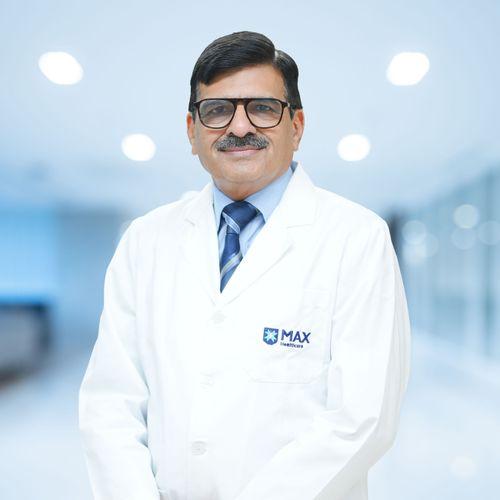
Director
Neurosciences
New Delhi
14+ Years
Experience
Apolo Delhi
Hospital
1500
Fees
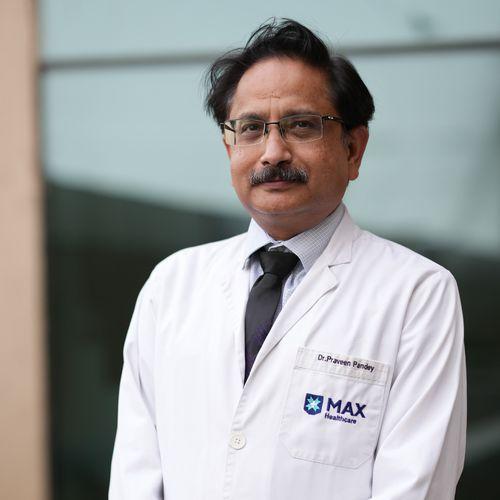
Director
Neuroscience
New Delhi
17+ Years
Experience
Apolo Delhi
Hospital
1500
Fees
احصل على خيارات علاجية شخصية من أفضل مستشفيات الهند. خبراؤنا الطبيون جاهزون لمساعدتك في كل خطوة.