
بحاجة لنصيحة شخصية؟
خبراؤنا الطبيون جاهزون للإجابة عن أسئلتك وإرشادك خلال خيارات العلاج.
خبراؤنا الطبيون جاهزون للإجابة عن أسئلتك وإرشادك خلال خيارات العلاج.
For patients in Bangladesh living with chronic pain, the search for lasting relief can often lead to difficult choices. Conditions that resist conventional treatments leave many feeling uncertain about their next step, wondering where to find advanced medical solutions.
Pune emerges as a compelling destination for specialized care like Spinal Cord Stimulation. Its well-regarded medical infrastructure and a reputation for successful patient outcomes draw individuals seeking comprehensive treatment in a structured environment.
Patients can find confidence in Pune's leading hospitals and neurosurgeons, known for their expertise in pain management. The city's medical ecosystem facilitates smooth coordination from initial consultation to post-procedure follow-ups.
Pune offers a focused and supportive setting for advanced Spinal Cord Stimulation treatment.
Spinal Cord Stimulation (SCS) is an advanced medical procedure designed to manage chronic pain, particularly neuropathic pain that has not responded to other treatments. It involves implanting a small device, similar to a pacemaker, under the skin. This device sends mild electrical pulses to the spinal cord, which interfere with the pain signals traveling to the brain. Instead of pain, patients often feel a mild tingling sensation or no sensation at all, as the pain messages are effectively masked or altered. SCS aims to significantly reduce pain levels and improve a patient's quality of life and functional ability.
Different types of Spinal Cord Stimulation systems are available, each offering unique benefits for specific pain conditions:
The procedure for Spinal Cord Stimulation involves a temporary trial phase followed by a permanent implant if the trial is successful. The exact approach depends on the patient's condition and the specific SCS system chosen.
Initially, thin electrode leads are temporarily placed in the epidural space near the spinal cord, typically through a needle. These leads are connected to an external battery worn on a belt. Patients undergo a trial period, usually 3-7 days, to evaluate the effectiveness of the stimulation in reducing their pain. If the trial provides significant pain relief (typically 50% or more), the patient may be considered for permanent implantation.
If the trial is successful, a second procedure is performed. The leads are permanently implanted in the epidural space. These leads are then connected to a small, surgically implanted pulse generator (IPG) which is placed under the skin, usually in the abdomen or upper buttock. The entire system is internal. The surgeon ensures the leads are securely anchored and the IPG is positioned comfortably. The patient receives a remote control to adjust the stimulation parameters within safe limits set by the doctor.
Recovery after Spinal Cord Stimulation implantation involves a period of healing and adjustment. Patients typically stay in the hospital for 1-2 days following the permanent implant. Initial activity restrictions are common, such as avoiding bending, lifting, and twisting, to allow the leads to settle. Pain at the incision sites is normal and managed with medication. Physical therapy and rehabilitation are often part of the recovery plan to rebuild strength and flexibility. Regular follow-up appointments are crucial to adjust stimulation settings and monitor progress, ensuring optimal pain relief and adaptation to the new device.
Connect with leading neurosurgeons in Pune to discuss your chronic pain and suitable treatment plans.
The success rate for Spinal Cord Stimulation varies among individuals, but many patients experience significant pain reduction, often 50% or more, which substantially improves their quality of life. Outcomes depend on the type of pain, patient selection, and adherence to post-operative care. While SCS may not eliminate pain entirely, it often makes it more manageable, allowing patients to reduce medication, increase activity levels, and resume daily functions. Long-term expectations typically involve ongoing management and potential adjustments to stimulation settings over time.
The cost of Spinal Cord Stimulation in Pune is influenced by several factors. These include the specific hospital chosen, the experience of the neurosurgeon, the type of SCS system (conventional, high-frequency, burst, DRG), and the duration of hospital stay. Additional costs may arise from pre-operative diagnostics, post-operative rehabilitation, and any necessary follow-up procedures or device adjustments.
In Pune, the approximate cost for Spinal Cord Stimulation typically ranges from INR 700,000 to INR 1,500,000.
Pune offers a competitive cost advantage for Spinal Cord Stimulation while maintaining high standards of medical care. Below is a general comparison of costs for this procedure in Pune versus some other international destinations.
| Location | Approximate Cost (USD) |
|---|---|
| Pune, India | $8,500 - $18,000 |
| United States | $30,000 - $60,000 |
| United Kingdom | $25,000 - $50,000 |
| Singapore | $20,000 - $40,000 |
| Thailand | $15,000 - $30,000 |
Take the first step towards pain relief. Contact us today for a personalized consultation about Spinal Cord Stimulation in Pune.
We are committed to providing comprehensive support and expert medical care throughout your Spinal Cord Stimulation journey in Pune.
India offers premium medical procedures at affordable prices. Discover our most popular treatments, delivered by the country's finest doctors.
Meet our team of highly qualified and experienced medical professionals dedicated to providing the best healthcare services.
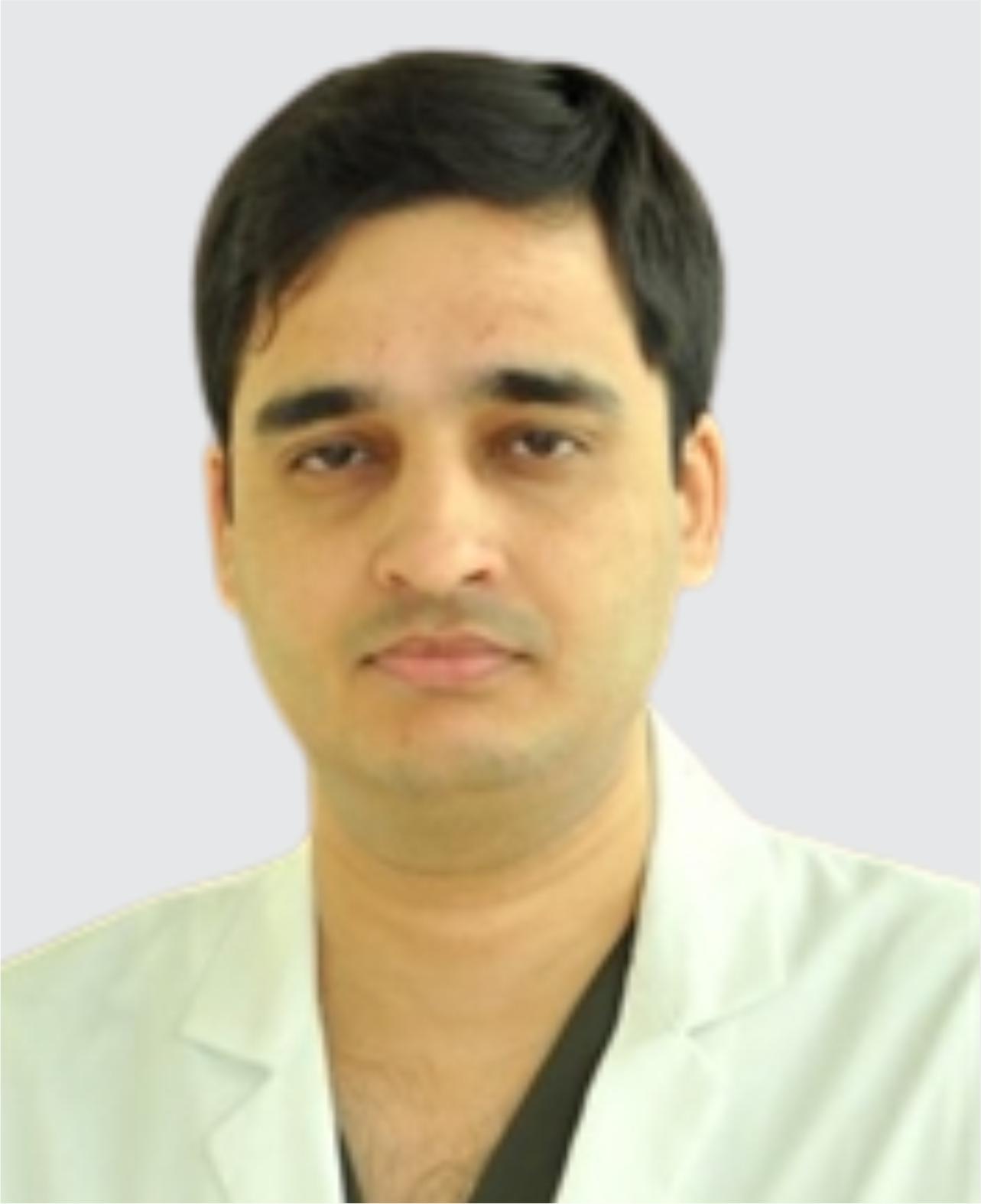
Sr. Consultant - Anaesthesia, Critical Care & Pain Management
Anaesthesia, Critical Care, Pain Management
New Delhi
15+ Years
Experience
Artemis Hospital
Hospital
1500
Fees
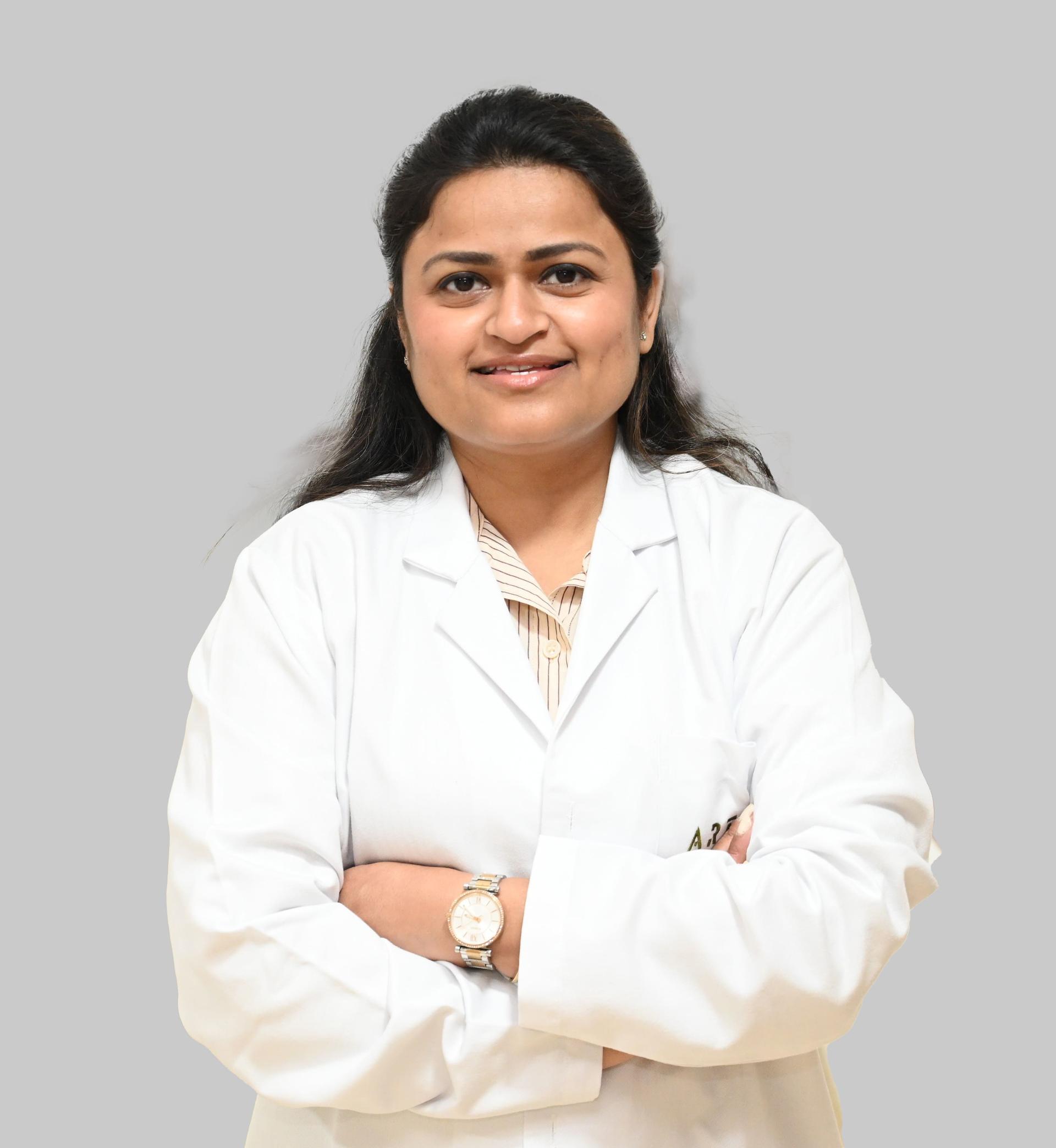
Consultant - Physiotherapy and Rehabilitation Centre
Physiotherapy and Rehabilitation Centre
New Delhi
10+ Years
Experience
Artemis Hospital
Hospital
1500
Fees
Principal Director - Pulmonology
Pulmonology
New Delhi
40+ Years
Experience
Max Hospital,Gurgaon
Hospital
1500
Fees
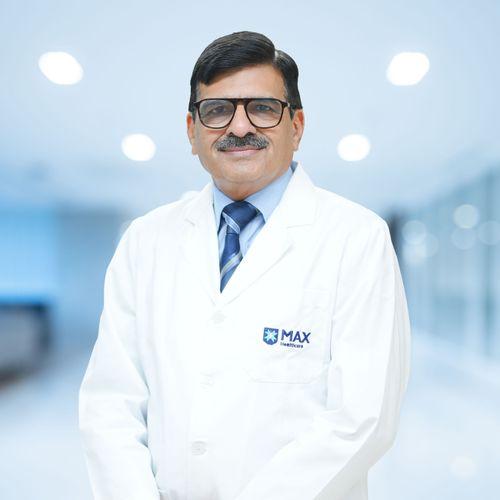
Director
Neurosciences
New Delhi
14+ Years
Experience
Apolo Delhi
Hospital
1500
Fees
Director
Neuroscience
New Delhi
17+ Years
Experience
Apolo Delhi
Hospital
1500
Fees
احصل على خيارات علاجية شخصية من أفضل مستشفيات الهند. خبراؤنا الطبيون جاهزون لمساعدتك في كل خطوة.