
Spinal Cord Stimulation Success Rate in Bengaluru
بحاجة لنصيحة شخصية؟
خبراؤنا الطبيون جاهزون للإجابة عن أسئلتك وإرشادك خلال خيارات العلاج.
خبراؤنا الطبيون جاهزون للإجابة عن أسئلتك وإرشادك خلال خيارات العلاج.
Understanding the Spinal Cord Stimulation success rate in Bengaluru is crucial for individuals considering this advanced pain management therapy. Outcomes for SCS are highly individualized, influenced by the specific chronic pain condition being treated, the patient's overall health profile, and the precise implantation technique employed. Bengaluru is recognized for its growing medical infrastructure and expertise in neuromodulation.
Clinical data on Spinal Cord Stimulation outcomes in Bengaluru are often reviewed against national benchmarks and aggregated from various advanced centers. This allows for a comprehensive evaluation of treatment efficacy within the region. Patient characteristics, underlying pain conditions, and the specific type of SCS system utilized all contribute to the varying individual results observed.
For Spinal Cord Stimulation, "success" is generally defined by a significant reduction in chronic pain, often quantified as a 50% or greater decrease in pain intensity, coupled with improved functional ability and quality of life. This can include better mobility, reduced reliance on oral pain medications, and the ability to resume daily activities. Both immediate post-procedure relief and sustained long-term benefits are considered in assessing overall outcomes from this neuromodulation therapy.
Spinal Cord Stimulation success rates vary depending on the specific system, indication, and patient factors.
| Treatment Type / Category | Typical Use Case | Success Rate Range (%) | What Success Indicates |
|---|---|---|---|
| Conventional SCS (Tonic) | Broad neuropathic pain, failed back surgery syndrome (FBSS), complex regional pain syndrome (CRPS) | 50%–70% | Significant pain relief, reduced medication dependence |
| High-Frequency SCS | Refractory back and leg pain, FBSS, chronic neuropathic pain | 60%–80% | Substantial pain reduction, improved functional mobility |
| Burst SCS | Various chronic pain types, FBSS, patients seeking paresthesia-free therapy | 55%–75% | Effective pain modulation, enhanced quality of life |
| Dorsal Root Ganglion (DRG) SCS | Focal neuropathic pain, CRPS affecting specific limbs, post-surgical pain | 65%–85% | Targeted localized pain relief, significant functional gains |
For Spinal Cord Stimulation, understanding the stage wise Spinal Cord Stimulation survival rate in Bengaluru often relates to the chronicity and complexity of the underlying pain condition, rather than traditional disease stages. Patients with earlier intervention for specific neuropathic pains may experience different long-term recovery trends. This clinical insight aligns with international observations where early diagnosis and tailored treatment significantly influence long-term outcomes.
Age and co-existing health conditions can also significantly influence the long-term efficacy and Spinal Cord Stimulation recovery rate in Bengaluru, aligning with observations from international clinical studies. While SCS is widely adaptable across adult age groups, patient selection factors are vital globally, affecting how different age groups respond to the therapy and achieve sustained benefits.
| Age Group / Patient Category | Primary Pain Indication | Success Rate Range (%) |
|---|---|---|
| Younger Adults (18-45 years) | Neuropathic pain, CRPS, post-traumatic pain | 65%–85% |
| Middle-Aged Adults (46-65 years) | Failed Back Surgery Syndrome (FBSS), degenerative spine conditions | 55%–75% |
| Older Adults (66+ years) | Chronic pain with comorbidities, refractory neuropathic pain | 45%–65% |
The Spinal Cord Stimulation success rate in Bengaluru largely mirrors international benchmarks, especially in centers adhering to advanced surgical techniques, rigorous patient selection protocols, and comprehensive post-operative care. Outcomes for this therapy are often comparable with global figures when considering similar patient demographics and technology utilization across various developed healthcare systems.
| Country | Treatment Success Rate Range (%) |
|---|---|
| India (Bengaluru) | 55%–75% |
| United States | 60%–80% |
| United Kingdom | 55%–75% |
| Germany | 60%–78% |
| Singapore | 58%–76% |
| Thailand | 50%–70% |
| South Korea | 57%–77% |
Understanding these outcome trends for Spinal Cord Stimulation is vital for making confident healthcare decisions. Patients are encouraged to discuss all aspects of treatment with their specialists to align expectations with realistic possibilities and achieve the best potential outcomes for their individual needs.
India offers premium medical procedures at affordable prices. Discover our most popular treatments, delivered by the country's finest doctors.

766, SFS 3145, SFS Road, 7th Sector, HSR Layout, Bengaluru, Karnataka 560102, India
White Lotus Hospital
Meet our team of highly qualified and experienced medical professionals dedicated to providing the best healthcare services.
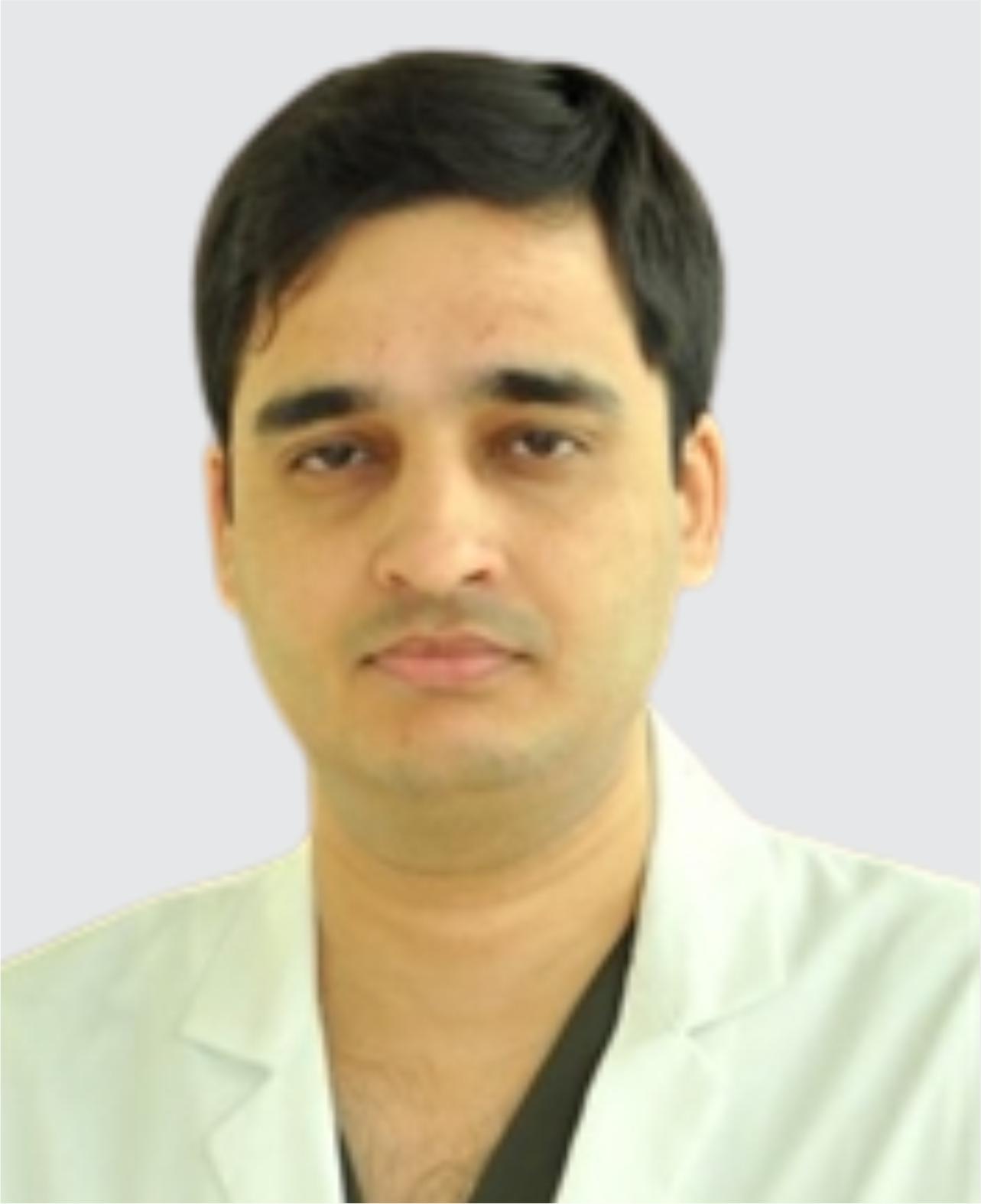
Sr. Consultant - Anaesthesia, Critical Care & Pain Management
Anaesthesia, Critical Care, Pain Management
New Delhi
15+ Years
Experience
Artemis Hospital
Hospital
1500
Fees
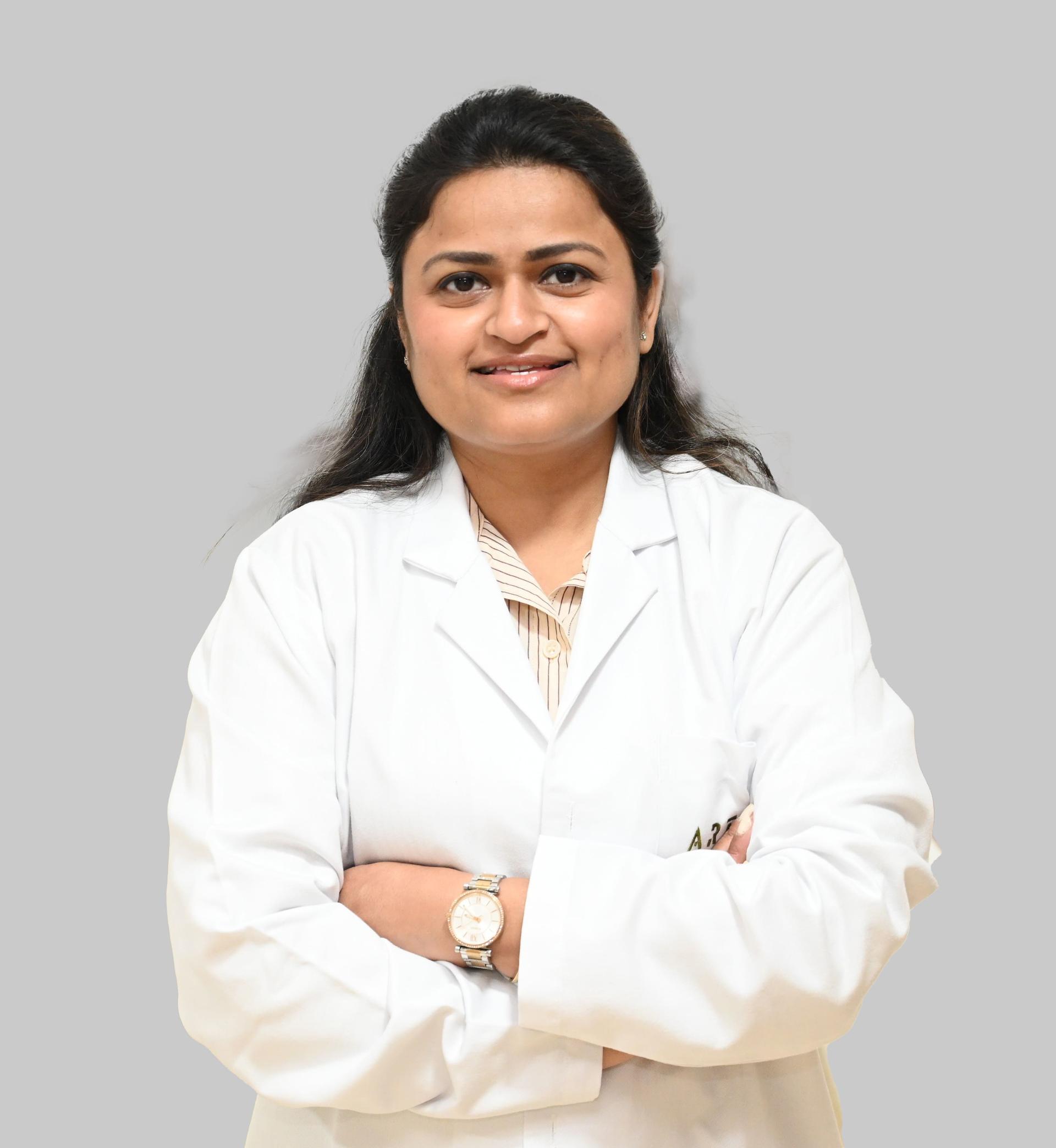
Consultant - Physiotherapy and Rehabilitation Centre
Physiotherapy and Rehabilitation Centre
New Delhi
10+ Years
Experience
Artemis Hospital
Hospital
1500
Fees

Head - Histopathology & Cytology Lab
Laboratory Services
New Delhi
21+ Years
Experience
Artemis Hospital
Hospital
1500
Fees

Senior Consultant - Orthopedics (Unit VI)
Orthopaedics
New Delhi
10+ Years
Experience
Artemis Hospital
Hospital
1500
Fees

Senior Consultant - Ortho Spine Surgery
Orthopaedic Surgery, Spine Surgery
New Delhi
12+ Years
Experience
Artemis Hospital
Hospital
1500
Fees

Head - Cosmetic & Plastic Surgery
Cosmetic & Plastic Surgery
New Delhi
17+ Years
Experience
Artemis Hospital
Hospital
1500
Fees

Sr. Consultant
Neurosurgery
New Delhi
23+ Years
Experience
Artemis Hospital
Hospital
1500
Fees
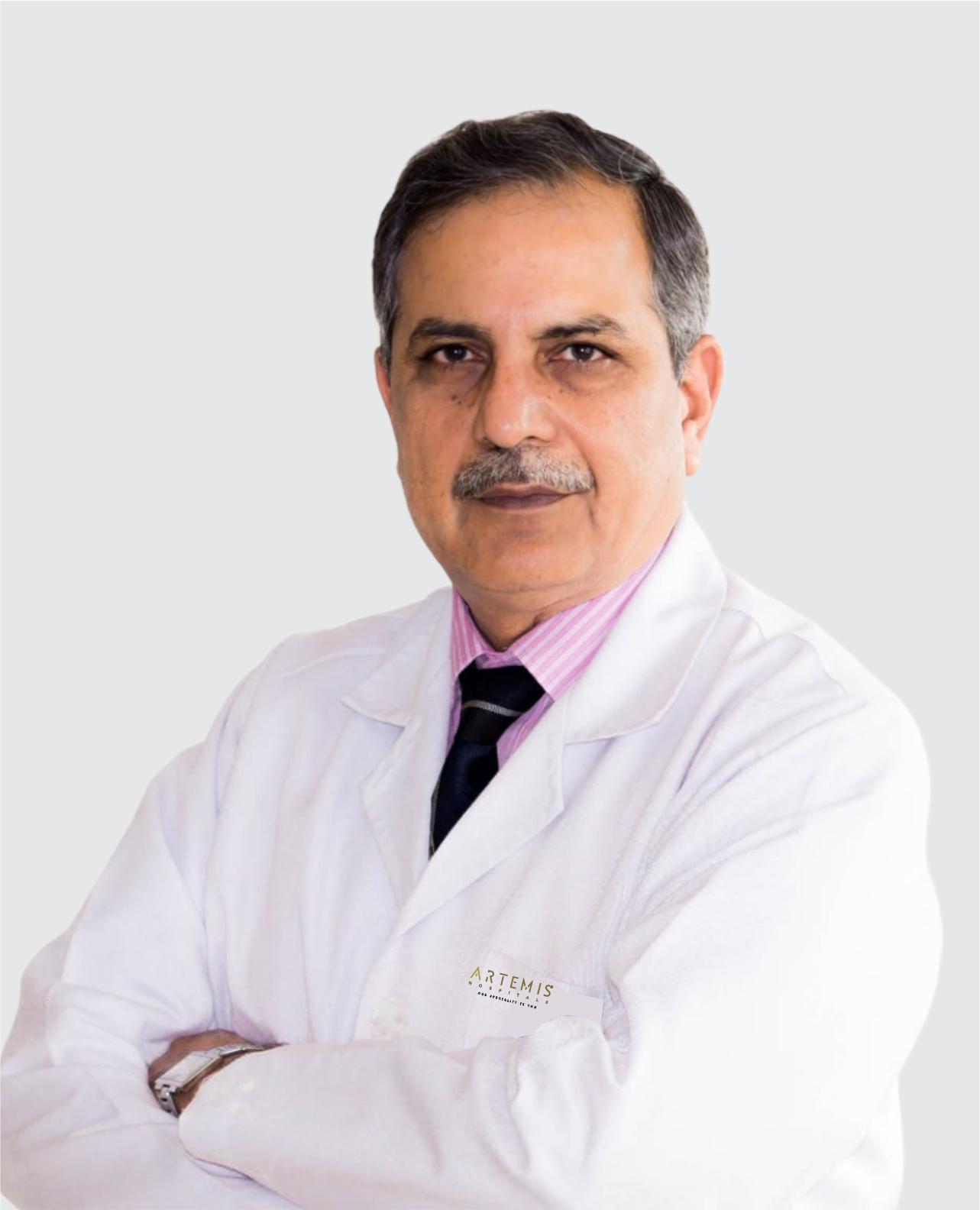
Sr. Consultant & Unit Incharge (Unit III)
General & Minimally Invasive Surgery
New Delhi
37+ Years
Experience
Artemis Hospital
Hospital
1500
Fees
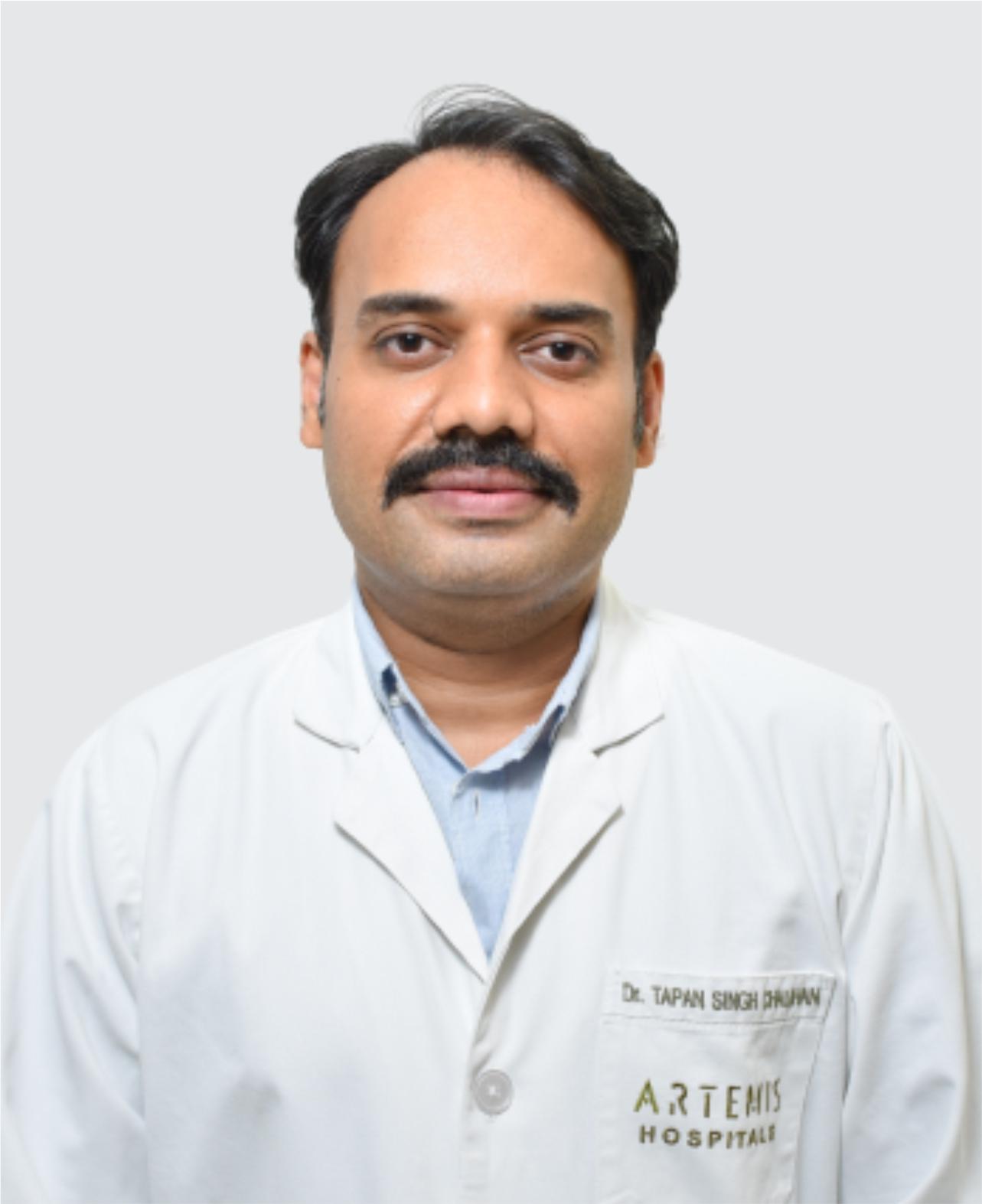
Sr. Consultant - Surgical Oncology, Robotics, GI & HPB, Gynae & Peritoneal Surface Oncology
Oncology, Robotic Surgery
New Delhi
15+ Years
Experience
Artemis Hospital
Hospital
1500
Fees
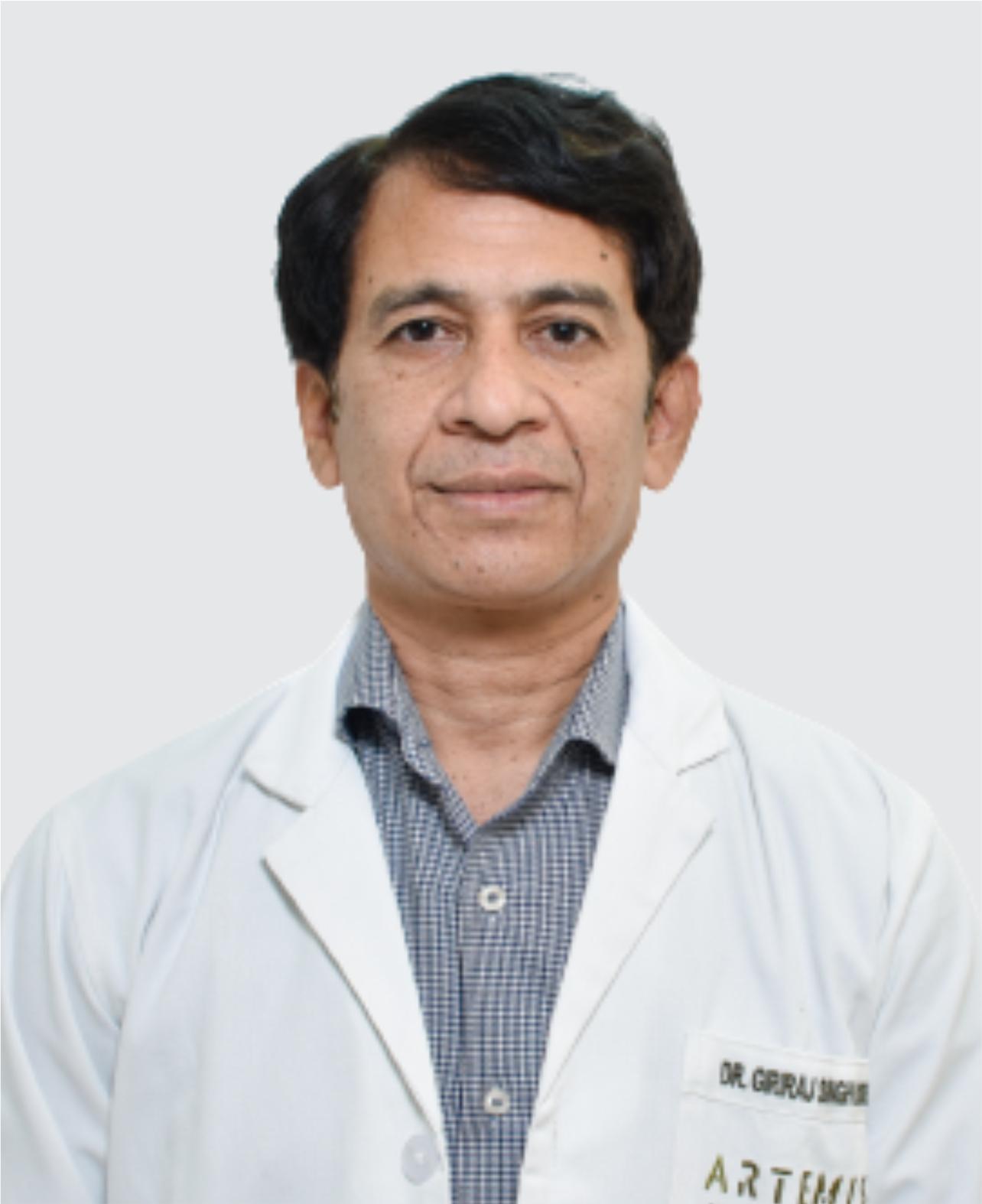
Chief - Liver Transplant & Sr. Consultant - GI & HPB Surgery
Liver and Biliary Sciences, Organ Transplant
New Delhi
15+ Years
Experience
Artemis Hospital
Hospital
1500
Fees
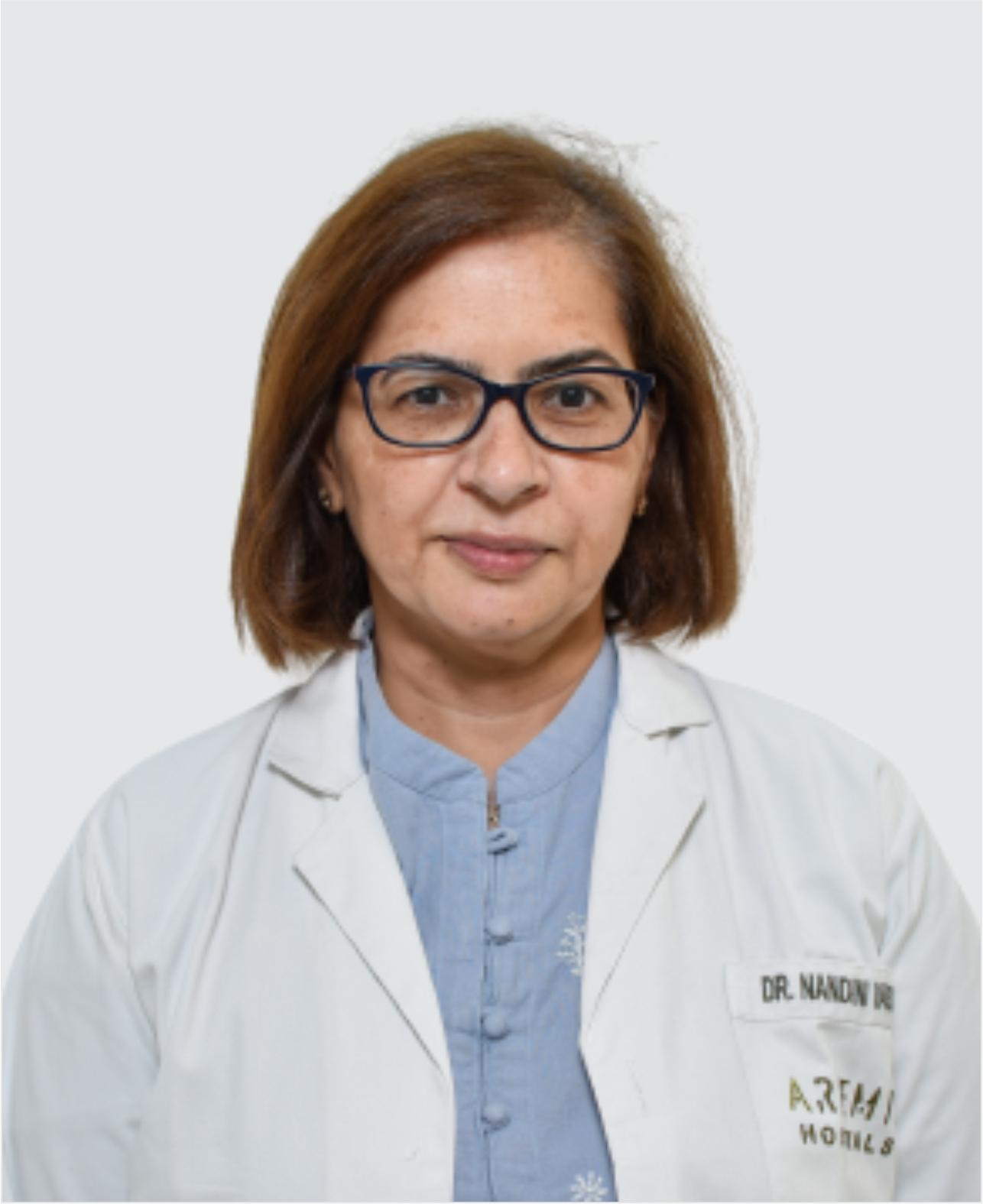
Head Lab medicine – Head Histopathology & Cytology
Laboratory Services
New Delhi
24+ Years
Experience
Artemis Hospital
Hospital
1500
Fees
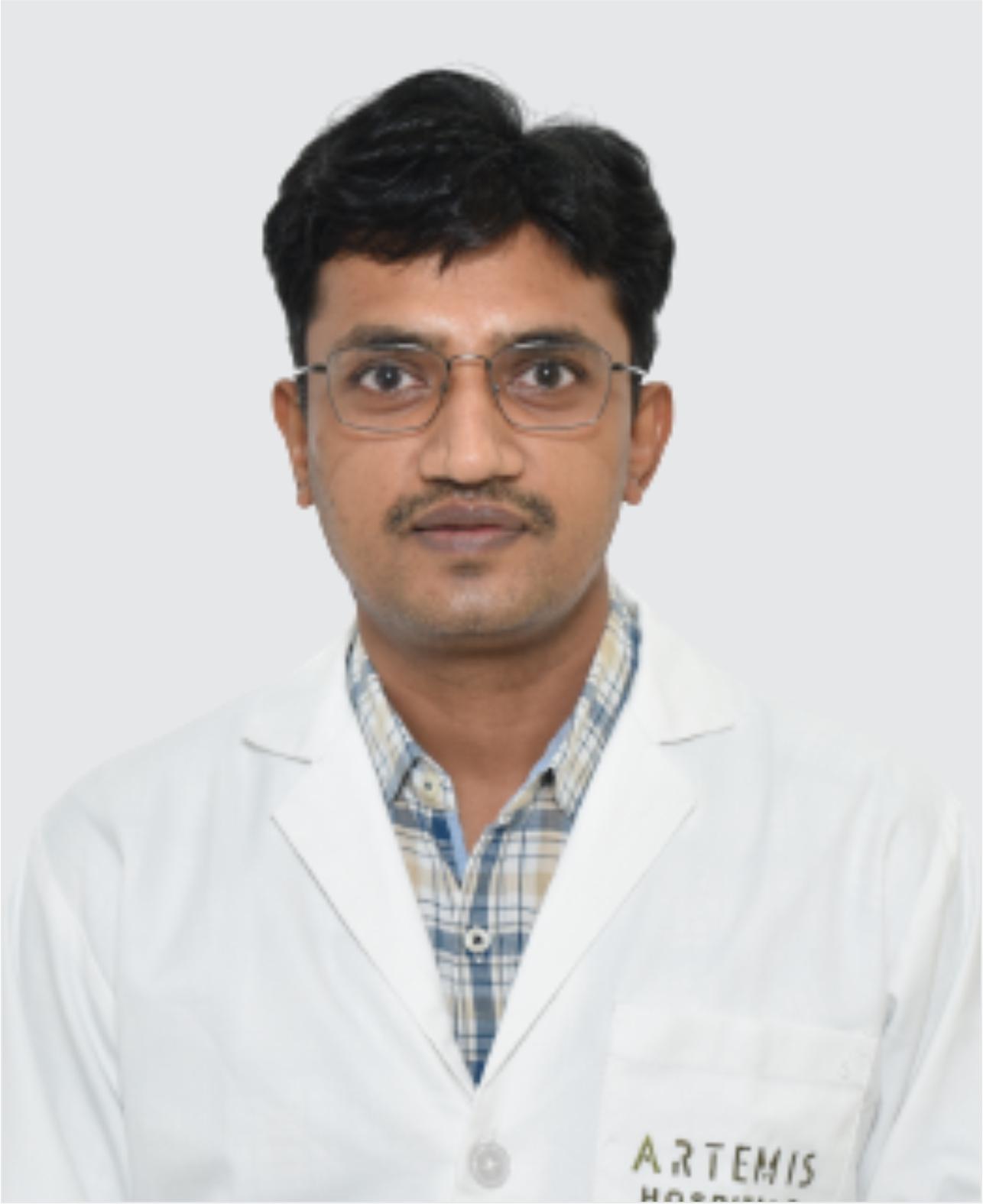
Sr. Consultant
Paediatric Surgery
New Delhi
10+ Years
Experience
Artemis Hospital
Hospital
1500
Fees
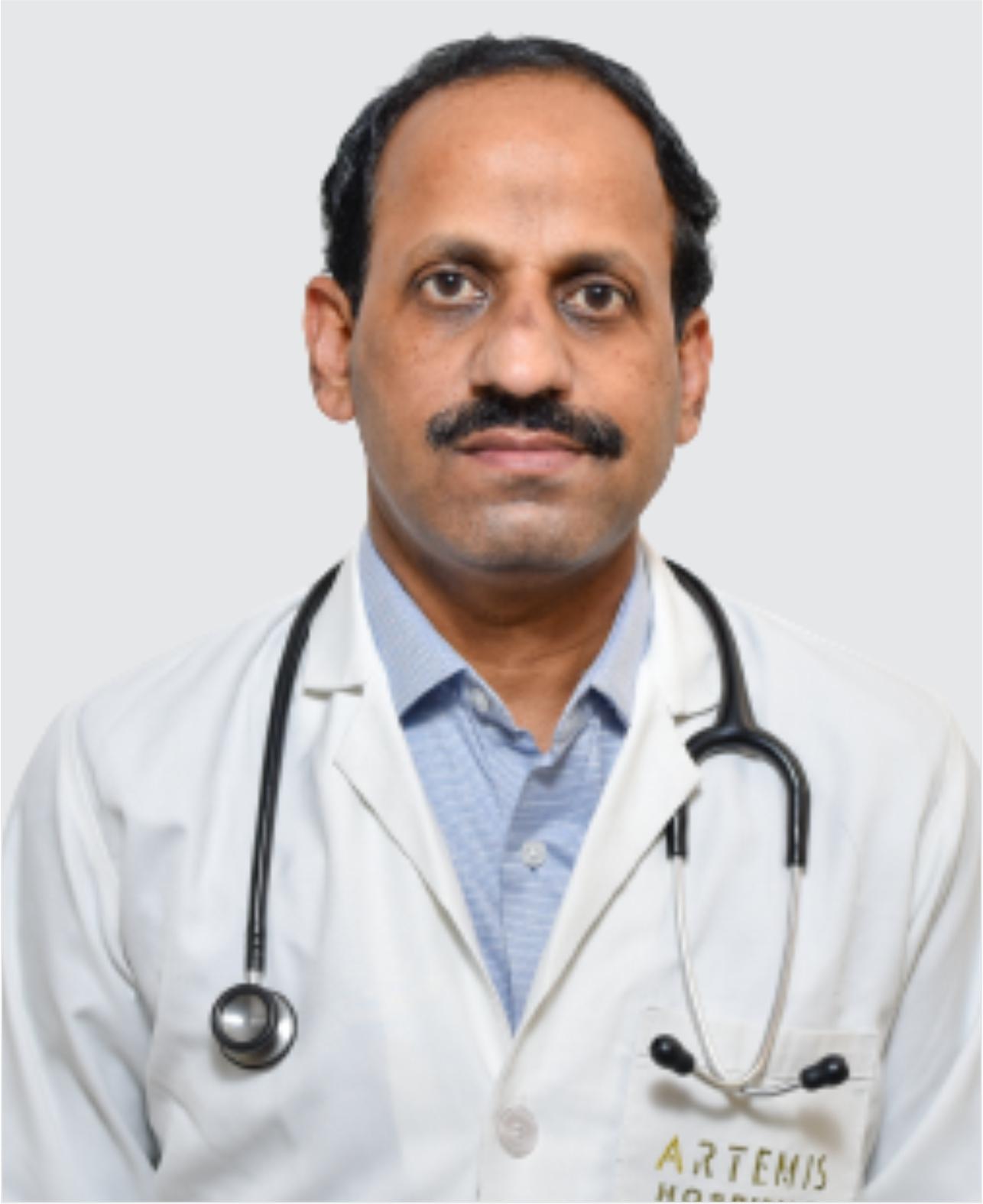
Consultant
Paediatric
New Delhi
15+ Years
Experience
Artemis Hospital
Hospital
1500
Fees
Director
Gastroenterology
New Delhi
19+ Years
Experience
Artemis Hospital
Hospital
1500
Fees
Group Chairman - Max Institute of Laparoscopic, Endoscopic, Bariatric & Gastrointestinal Surgery
Laparoscopic, Endoscopic, Bariatric & Gastrointestinal Surgery
New Delhi
49+ Years
Experience
Max Hospital,Gurgaon
Hospital
1500
Fees
Professor & Robotic Joint Replacement Surgeon
Orthopaedic & Robotic Joint Replacement Surgery
New Delhi
33+ Years
Experience
Max Hospital,Gurgaon
Hospital
1500
Fees
Chairman - Interventional Cardiology - Cardiology & Structural Heart Disease
Cardiac Sciences, Cardiology, Interventional Cardiology, Cardiac Electrophysiology-Pacemaker
New Delhi
15+ Years
Experience
Max Hospital,Gurgaon
Hospital
1500
Fees
Chairman, Cardiac Sciences, Cardiac Surgery (CTVS)
Cardiothoracic and Vascular Surgery (CTVS), Cardiac Sciences
New Delhi
46+ Years
Experience
Max Hospital,Gurgaon
Hospital
1500
Fees
Principal Director - Laparoscopic & Robotic General Surgery
General Surgery, Laparoscopic / Minimal Access Surgery, Robotic Surgery
New Delhi
37+ Years
Experience
Max Hospital,Gurgaon
Hospital
1500
Fees
Senior Director, Cardiology Department
Interventional Cardiology
New Delhi
15+ Years
Experience
Max Hospital,Gurgaon
Hospital
1500
Fees
Principal Director - Pulmonology
Pulmonology
New Delhi
40+ Years
Experience
Max Hospital,Gurgaon
Hospital
1500
Fees
Chairman, Institute of Bariatric & Metabolic Surgery
Bariatric & Metabolic Surgery
New Delhi
25+ Years
Experience
Apolo Delhi
Hospital
1500
Fees
Director & Head
Minimal Access, Bariatric & GI Surgery
New Delhi
38+ Years
Experience
Apolo Delhi
Hospital
1500
Fees

Principal Consultant
Gastroenterology
New Delhi
25+ Years
Experience
Apolo Delhi
Hospital
1500
Fees
Principal Consultant
Minimal Access, Bariatric & GI Surgery
New Delhi
23+ Years
Experience
Apolo Delhi
Hospital
1500
Fees
Sr. Consultant
General Surgery, GI & Bariatric Surgery
New Delhi
28+ Years
Experience
Apolo Delhi
Hospital
1500
Fees
Chairman - Minimal Access, Bariatric & GI Surgery
Minimal Access, Bariatric & GI Surgery
New Delhi
29+ Years
Experience
Apolo Delhi
Hospital
1500
Fees
Senior Director - General Surgery and Bariatric Surgery
General Surgery, Bariatric Surgery, Minimal Access Surgery, Laparoscopic Surgery
New Delhi
28+ Years
Experience
Apolo Delhi
Hospital
1500
Fees

Consultant - Internal Medicine
Internal Medicine
New Delhi
12+ Years
Experience
Apolo Delhi
Hospital
1500
Fees
Senior Consultant - Paediatric Gastroenterology, Hepatology & Liver Transplant
Paediatric Gastroenterology, Hepatology & Liver Transplant
New Delhi
23+ Years
Experience
Apolo Delhi
Hospital
1500
Fees
Cardiac Sciences | Adult CTVS (Cardiothoracic and Vascular Surgery) | Heart Transplant
New Delhi
15+ Years
Experience
Apolo Delhi
Hospital
1500
Fees
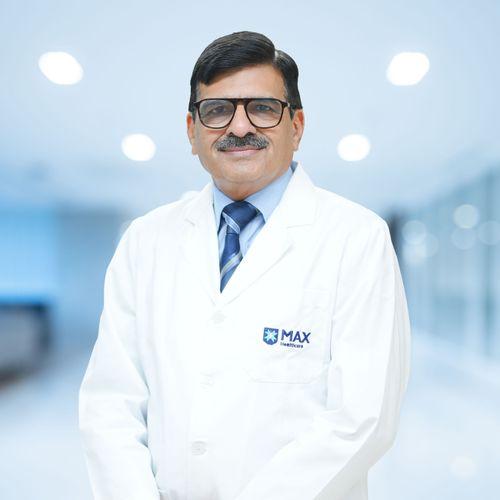
Director
Neurosciences
New Delhi
14+ Years
Experience
Apolo Delhi
Hospital
1500
Fees
Director & HOD
Gastroenterology & Hepatology
New Delhi
15+ Years
Experience
Apolo Delhi
Hospital
1500
Fees
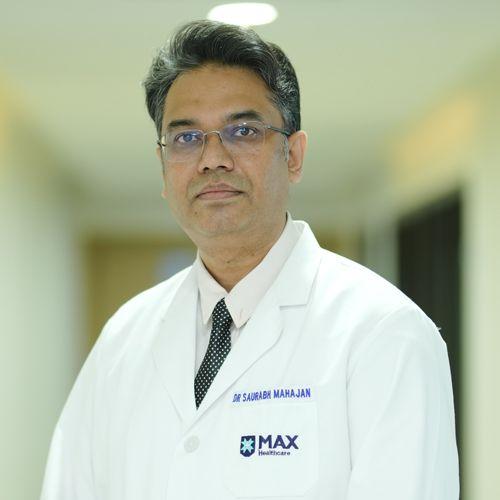
Senior Consultant
Gastroenterology
New Delhi
14+ Years
Experience
Apolo Delhi
Hospital
1500
Fees
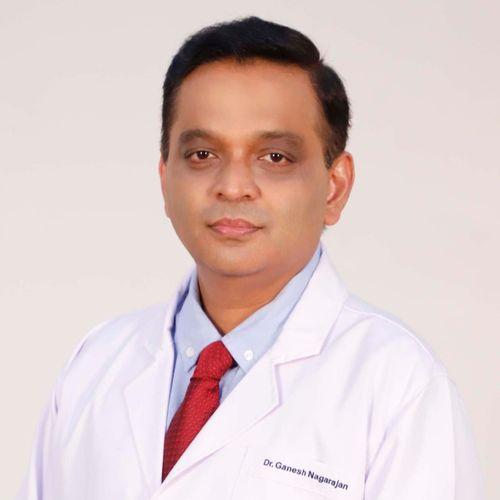
Senior Consultant
Gastroenterology
New Delhi
14+ Years
Experience
Apolo Delhi
Hospital
1500
Fees
Director
Neuroscience
New Delhi
17+ Years
Experience
Apolo Delhi
Hospital
1500
Fees
Director
Gastroenterology & Therapeutic Endoscopy
New Delhi
20+ Years
Experience
Apolo Delhi
Hospital
1500
Fees
احصل على خيارات علاجية شخصية من أفضل مستشفيات الهند. خبراؤنا الطبيون جاهزون لمساعدتك في كل خطوة.