
بحاجة لنصيحة شخصية؟
خبراؤنا الطبيون جاهزون للإجابة عن أسئلتك وإرشادك خلال خيارات العلاج.
خبراؤنا الطبيون جاهزون للإجابة عن أسئلتك وإرشادك خلال خيارات العلاج.
For patients in Bangladesh facing a stroke, the suddenness and severity of the condition often bring significant worry. The search for immediate and effective treatment, like Endovascular Thrombectomy, can feel overwhelming, especially when considering options abroad. Ensuring the best possible outcome for a loved one is the primary concern during such a critical time.
Many international patients, including those from Bangladesh, choose Gurugram for specialized medical care. This city stands out for its rapidly developing healthcare infrastructure and a strong focus on advanced medical technologies. Patients benefit from a supportive environment designed to facilitate complex procedures and seamless hospital stays.
Gurugram’s hospitals are equipped with world-class facilities and staffed by highly experienced neuro-interventional specialists. These medical teams are accustomed to managing time-sensitive conditions like acute stroke with precision. The city's medical ecosystem ensures comprehensive care, from initial diagnosis through to recovery support, all within a coordinated system.
Gurugram offers a reliable destination for advanced stroke treatment.
Endovascular Thrombectomy for Stroke is a minimally invasive procedure designed to remove a blood clot from an artery in the brain, restoring blood flow. This intervention is crucial for acute ischemic stroke, where a clot blocks blood supply, potentially causing irreversible brain damage. Performed by neuro-interventional radiologists or neurosurgeons, it typically involves guiding a catheter through an artery, often in the groin, up to the brain to extract the clot using specialized devices.
While Endovascular Thrombectomy is a specific procedure, it is part of a broader acute stroke management strategy. Other related or complementary interventions include:
The Endovascular Thrombectomy procedure is a critical intervention for acute stroke, carefully planned and executed based on the patient's specific condition.
Patients are stabilized and receive initial medical management. Imaging confirms the clot location and extent of brain at risk. Anesthesia is administered, usually general anesthesia, to ensure patient comfort and immobility during the delicate procedure.
A small incision is made, typically in the groin, to access the femoral artery. A catheter is then carefully threaded through the arterial system, guided by real-time X-ray imaging, up to the blocked artery in the brain. Once at the clot site, a specialized device, such as a stent retriever or aspiration catheter, is deployed to capture and remove the blood clot. Blood flow restoration is confirmed via angiography.
The catheter is withdrawn, and pressure is applied to the incision site to prevent bleeding. The patient is moved to an intensive care unit for close monitoring. Post-procedure imaging may be performed to confirm successful reperfusion and assess for any complications.
Recovery from Endovascular Thrombectomy begins immediately in the ICU, where vital signs and neurological status are closely monitored. The initial hospital stay can range from a few days to weeks, depending on stroke severity and any complications. Patients typically require post-stroke rehabilitation, which may include physical therapy, occupational therapy, and speech therapy to regain lost functions. Regular follow-up appointments with neurologists are essential to manage risk factors, monitor progress, and adjust medications. Full recovery timelines vary greatly among individuals.
The success rate for achieving reperfusion (restoring blood flow) with Endovascular Thrombectomy is high, often exceeding 80-90% in experienced centers. Clinical outcomes, however, vary based on factors like the patient's age, stroke severity, time to treatment, and extent of brain damage before intervention. Studies show that patients receiving thrombectomy within appropriate time windows have significantly better chances of functional independence compared to those receiving standard medical care alone. Long-term expectations focus on rehabilitation to maximize recovery, with continuous efforts to prevent future strokes.
Considering Endovascular Thrombectomy in Gurugram? Speak with our specialists to understand your options.
The cost of Endovascular Thrombectomy for Stroke in Gurugram varies depending on several factors. These include the choice of hospital, the specific neuro-interventional specialist performing the procedure, the technology and devices used, the duration of hospital stay, and any additional medications or rehabilitation required. The complexity of the individual case also plays a significant role in the overall expenditure.
In Gurugram, Endovascular Thrombectomy for Stroke typically ranges from INR 6,00,000 to INR 12,00,000.
Patients from Bangladesh often find Gurugram's advanced stroke care to be a cost-effective alternative compared to many Western countries, without compromising on quality or expertise.
| Location | Estimated Cost (USD) |
|---|---|
| Gurugram, India | $7,200 - $14,400 |
| USA | $30,000 - $80,000 |
| United Kingdom | $25,000 - $60,000 |
| Singapore | $20,000 - $45,000 |
| Thailand | $15,000 - $30,000 |
Begin your consultation with leading neuro-interventional specialists in Gurugram.
Connect with us to plan your Endovascular Thrombectomy in Gurugram today.
India offers premium medical procedures at affordable prices. Discover our most popular treatments, delivered by the country's finest doctors.
Meet our team of highly qualified and experienced medical professionals dedicated to providing the best healthcare services.
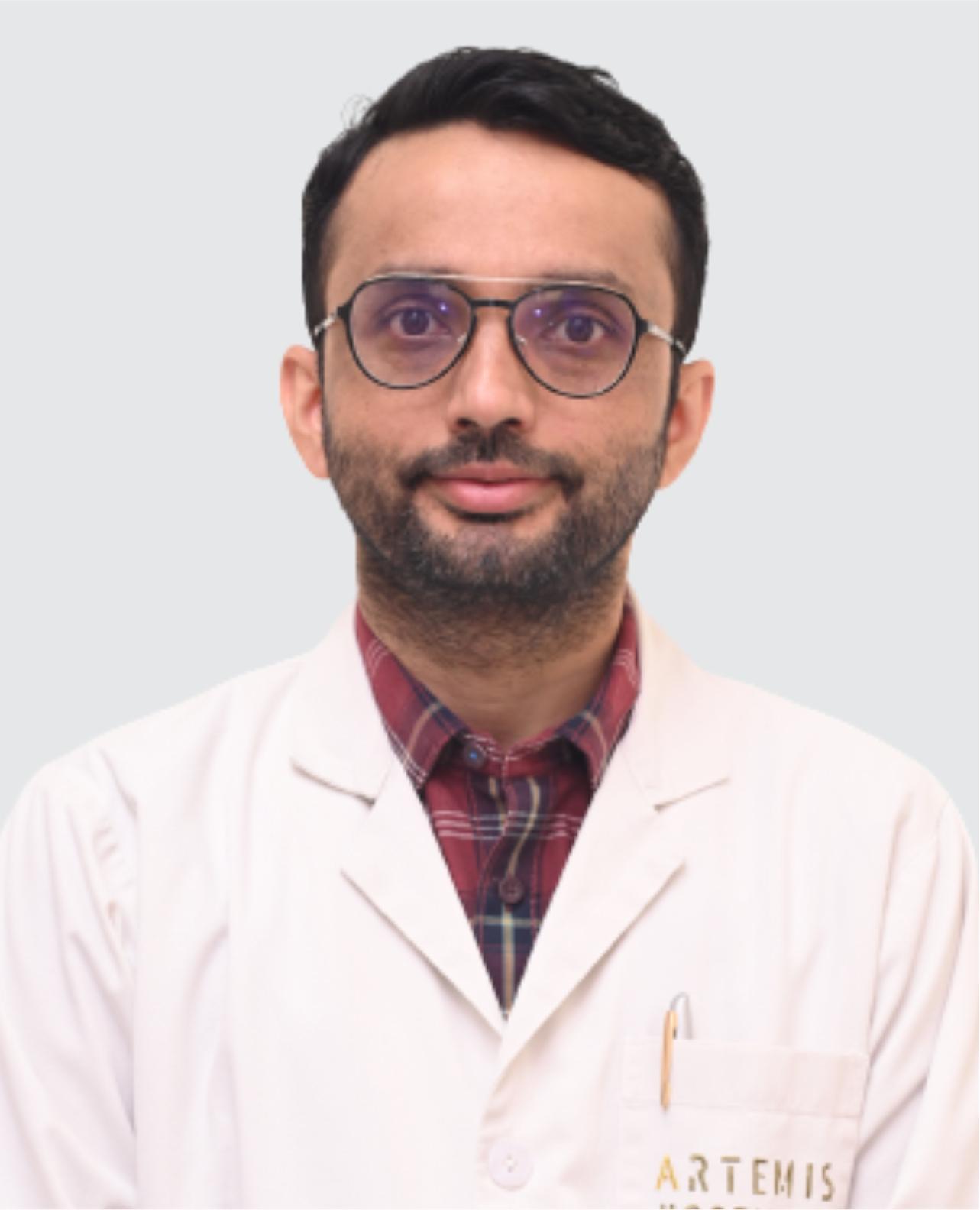
Sr. Consultant-Neurology & Epilepsy
Neurology & Epilepsy
New Delhi
15+ Years
Experience
Artemis Hospital
Hospital
1500
Fees
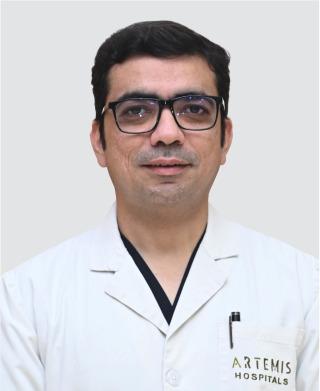
Director & Chief
Neurointerventional Surgery
New Delhi
15+ Years
Experience
Artemis Hospital
Hospital
1500
Fees

Director - Neurology
Neurology
New Delhi
18+ Years
Experience
Apolo Delhi
Hospital
1500
Fees

Consultant - Neurology & Movement Disorders
Neurology
New Delhi
15+ Years
Experience
Artemis Hospital
Hospital
1500
Fees

Additional Consultant - Neuro Interventional Surgery
Neurointerventional Surgery
New Delhi
20+ Years
Experience
Artemis Hospital
Hospital
1500
Fees
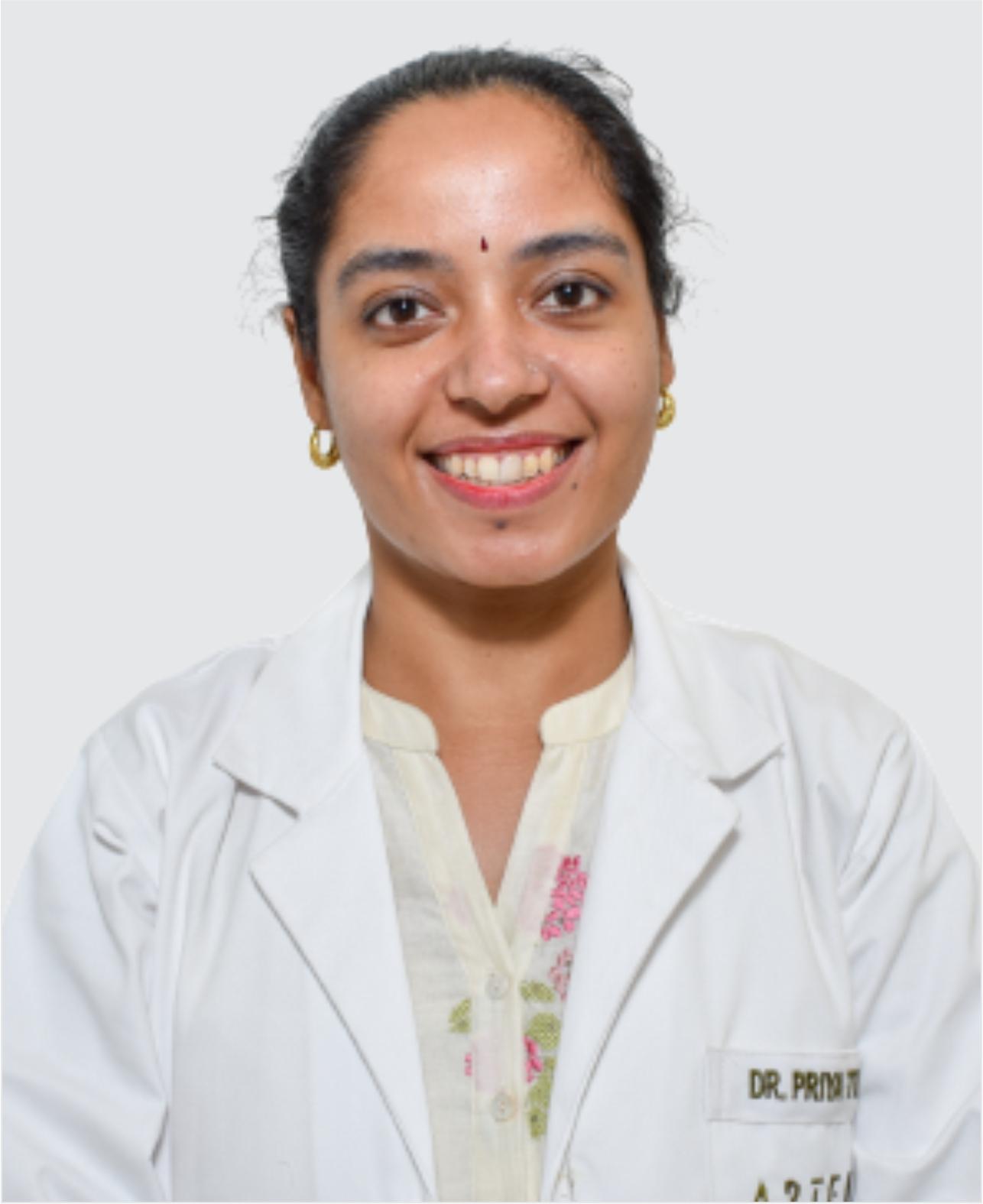
Sr. Consultant
Radiology
New Delhi
12+ Years
Experience
Artemis Hospital
Hospital
1500
Fees
Senior Medical Oncologist
Medical Oncology, Haemato-medical Oncology
New Delhi
15+ Years
Experience
Max Hospital,Gurgaon
Hospital
1500
Fees
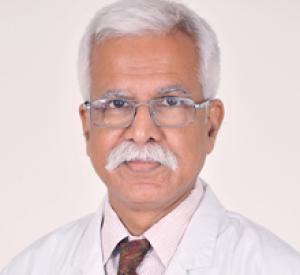
Principal Director - Pulmonology
Pulmonology
New Delhi
40+ Years
Experience
Max Hospital,Gurgaon
Hospital
1500
Fees
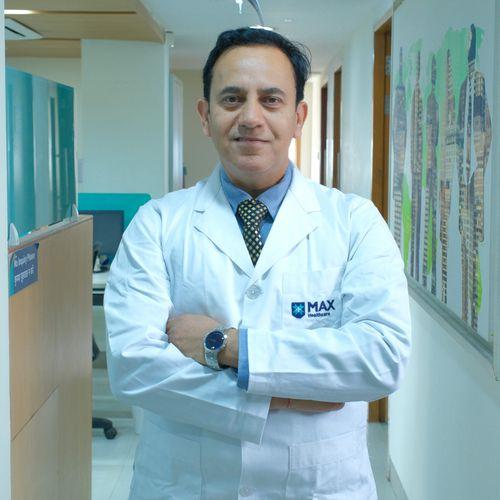
Senior Consultant, Neurology
Neurology
New Delhi
12+ Years
Experience
Apolo Delhi
Hospital
1500
Fees
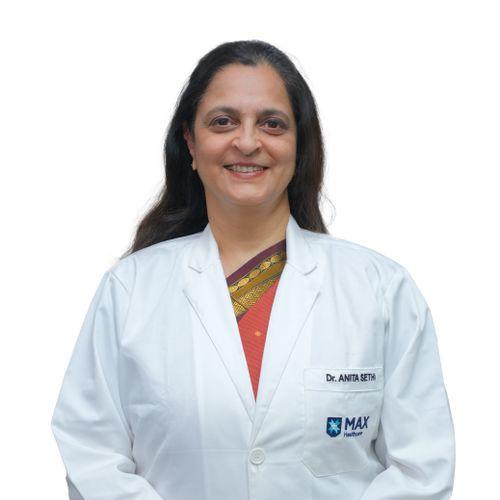
Director
Neurology
New Delhi
28+ Years
Experience
Apolo Delhi
Hospital
1500
Fees
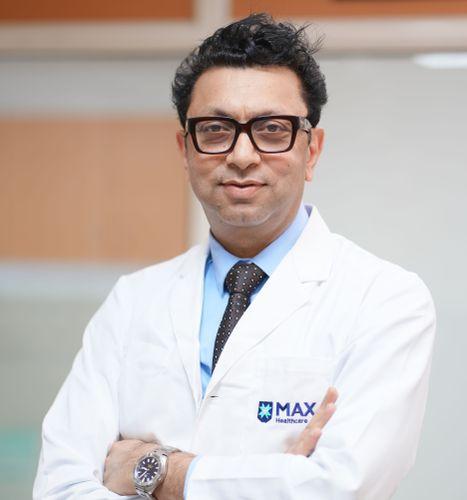
Senior Consultant - Neurology
Neurology
New Delhi
12+ Years
Experience
Apolo Delhi
Hospital
1500
Fees
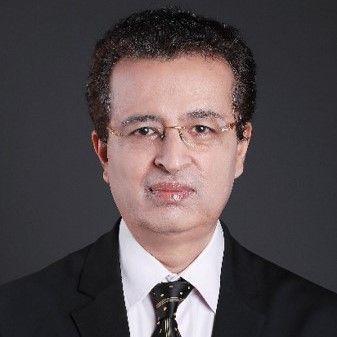
Director
Neurology
New Delhi
30+ Years
Experience
Apolo Delhi
Hospital
1500
Fees
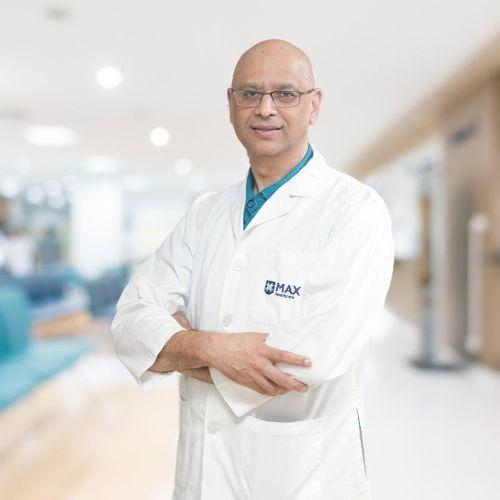
Director - Neuro Sciences
Neurology
New Delhi
18+ Years
Experience
Apolo Delhi
Hospital
1500
Fees
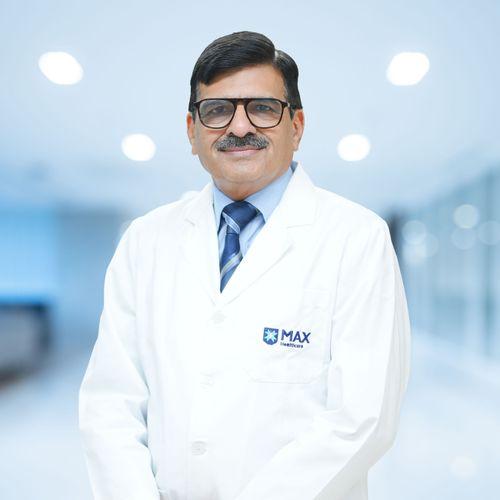
Director
Neurosciences
New Delhi
14+ Years
Experience
Apolo Delhi
Hospital
1500
Fees
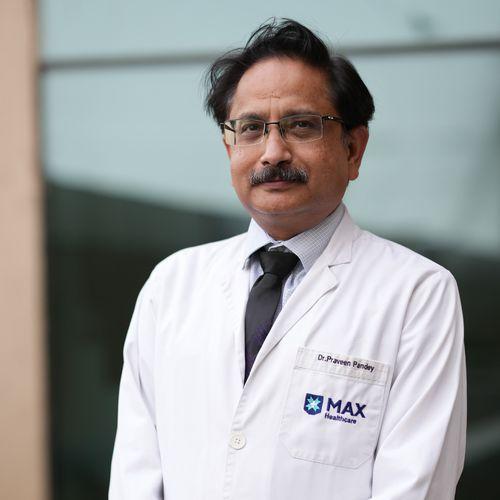
Director
Neuroscience
New Delhi
17+ Years
Experience
Apolo Delhi
Hospital
1500
Fees
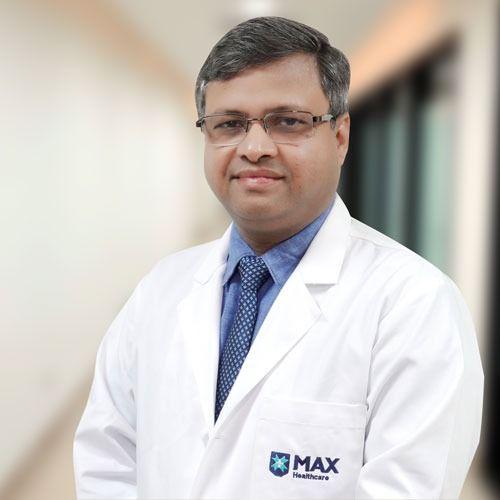
Director
Neurology
New Delhi
20+ Years
Experience
Apolo Delhi
Hospital
1500
Fees
احصل على خيارات علاجية شخصية من أفضل مستشفيات الهند. خبراؤنا الطبيون جاهزون لمساعدتك في كل خطوة.