
بحاجة لنصيحة شخصية؟
خبراؤنا الطبيون جاهزون للإجابة عن أسئلتك وإرشادك خلال خيارات العلاج.
خبراؤنا الطبيون جاهزون للإجابة عن أسئلتك وإرشادك خلال خيارات العلاج.
Facing a stroke emergency can be incredibly stressful for patients from Bangladesh and their families. The critical need for quick, effective treatment often brings questions about where to find the best care, especially when local options are limited or too costly.
Many turn to Mumbai, recognizing its established reputation as a leading medical hub in the region. Patients consider this city for its comprehensive care environment, advanced facilities, and well-coordinated medical services tailored for international visitors.
Trust in Mumbai's hospitals and stroke specialists is high, with a focus on immediate attention and seamless follow-up care. The city's medical infrastructure supports a complete treatment journey, from initial diagnosis to recovery.
Mumbai offers advanced stroke care with experienced medical teams.
Endovascular Thrombectomy is a minimally invasive procedure designed to remove blood clots from large arteries in the brain, restoring blood flow during an acute ischemic stroke. This treatment is time-sensitive and crucial for patients experiencing severe strokes caused by blockages in major brain vessels. It typically involves guiding a catheter through an artery, usually in the groin, up to the blocked vessel in the brain, where specialized devices are used to capture and remove the clot. The primary goal is to minimize brain damage and improve neurological outcomes for eligible patients.
Endovascular thrombectomy primarily uses two main techniques, often in combination, to achieve clot removal:
The choice between these methods or their combination depends on the clot's characteristics, location, and the neurointerventionalist's preference and experience.
The procedure for endovascular thrombectomy is highly specialized and is performed by a neurointerventional surgeon in a dedicated angiography suite.
Patients receive general anesthesia or conscious sedation. The access site, usually the groin, is cleaned and numbed. Anticoagulant medication may be administered.
A small incision is made in the groin, and a guide catheter is inserted into the femoral artery. This catheter is then advanced under real-time X-ray guidance through the aorta to the carotid or vertebral arteries in the neck, and finally into the brain's affected vessel.
Once the microcatheter reaches the clot, a stent retriever is deployed through it to ensnare the clot. Alternatively, a suction device (aspiration catheter) is used to directly aspirate the clot. The device, along with the captured clot, is then carefully withdrawn from the brain, restoring blood flow.
After clot removal, an angiogram is performed to confirm successful revascularization and check for any remaining blockages or complications. The catheters are removed, and pressure is applied to the access site to prevent bleeding. The patient is then transferred to an intensive care unit for close monitoring.
Recovery from endovascular thrombectomy varies greatly depending on the stroke's severity, the extent of brain damage, and the patient's overall health. Immediate recovery involves close monitoring in an intensive care unit for several days to manage blood pressure, prevent further complications, and assess neurological function. Rehabilitation, including physical therapy, occupational therapy, and speech therapy, often begins shortly after stabilization and can continue for weeks or months. Patients will have follow-up appointments with neurologists to monitor progress and manage long-term stroke prevention. Adherence to prescribed medications and lifestyle adjustments are crucial for sustained recovery.
The success rates for endovascular thrombectomy in achieving reperfusion (restoring blood flow) are generally high, often exceeding 80-90%. Functional outcomes, measured by reduced disability, are significantly improved when the procedure is performed early and successfully. However, individual results vary widely based on factors such as the patient's age, stroke severity, time to treatment, and overall health. Long-term expectations focus on maximizing recovery through comprehensive rehabilitation and preventing future strokes through medication and lifestyle changes.
Reach out to our patient support team for personalized guidance and to connect with leading stroke specialists.
The cost of endovascular thrombectomy in Mumbai is influenced by several factors, including the chosen hospital's infrastructure and technology, the experience of the neurointerventional specialist, the complexity of the stroke, and the duration of hospital stay, particularly in the ICU. Post-procedure rehabilitation needs also impact the overall expenditure.
For Bangladeshi patients, endovascular thrombectomy for stroke in Mumbai typically ranges from INR 8,00,000 to INR 15,00,000.
Mumbai offers a significantly more affordable option for advanced stroke treatment compared to many Western countries, without compromising on quality or technology.
| Location | Estimated Cost (USD) |
|---|---|
| Mumbai | $10,000 - $18,000 |
| United States | $30,000 - $60,000+ |
| United Kingdom | $25,000 - $45,000 |
| Singapore | $20,000 - $35,000 |
| Thailand | $15,000 - $28,000 |
Connect with a care coordinator today to get a detailed treatment plan and cost estimate.
Choosing Mumbai for endovascular thrombectomy offers access to world-class stroke care, ensuring you receive timely and effective treatment.
India offers premium medical procedures at affordable prices. Discover our most popular treatments, delivered by the country's finest doctors.
Meet our team of highly qualified and experienced medical professionals dedicated to providing the best healthcare services.
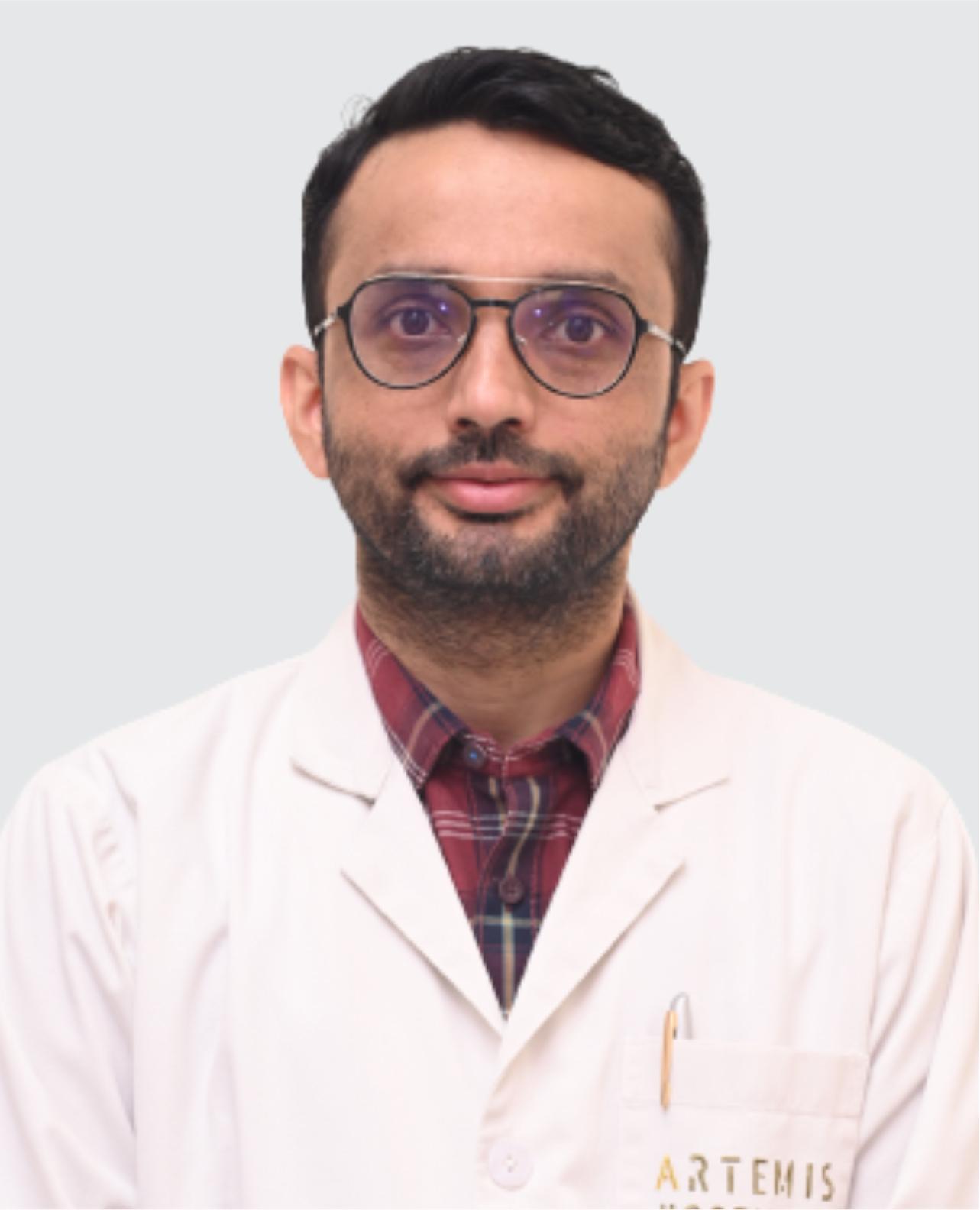
Sr. Consultant-Neurology & Epilepsy
Neurology & Epilepsy
New Delhi
15+ Years
Experience
Artemis Hospital
Hospital
1500
Fees
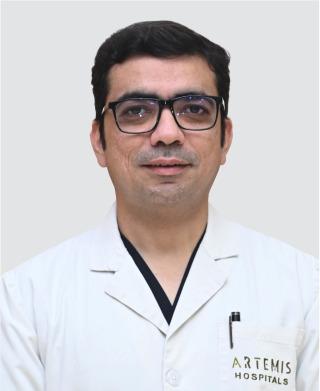
Director & Chief
Neurointerventional Surgery
New Delhi
15+ Years
Experience
Artemis Hospital
Hospital
1500
Fees

Director - Neurology
Neurology
New Delhi
18+ Years
Experience
Apolo Delhi
Hospital
1500
Fees

Consultant - Neurology & Movement Disorders
Neurology
New Delhi
15+ Years
Experience
Artemis Hospital
Hospital
1500
Fees

Additional Consultant - Neuro Interventional Surgery
Neurointerventional Surgery
New Delhi
20+ Years
Experience
Artemis Hospital
Hospital
1500
Fees
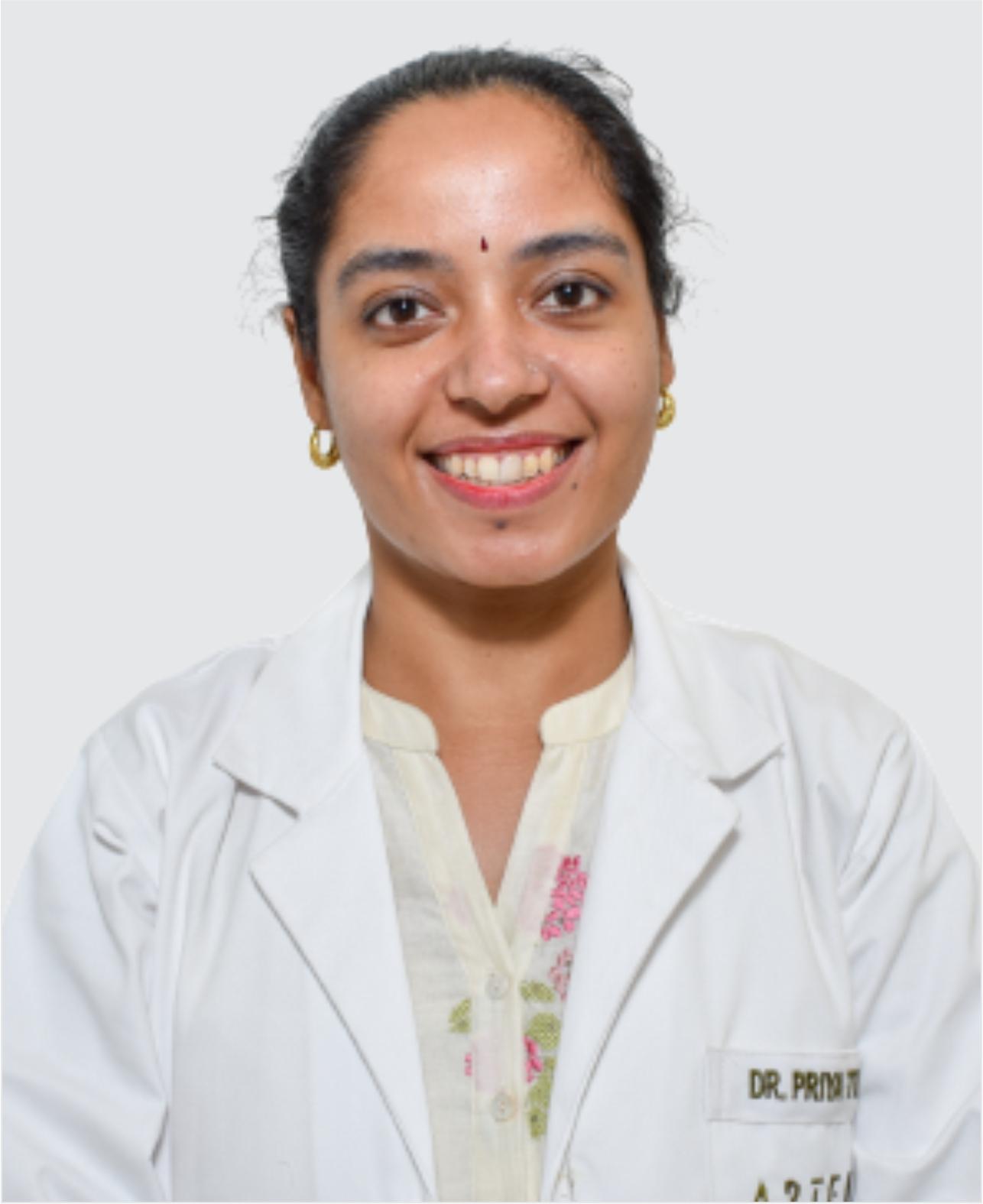
Sr. Consultant
Radiology
New Delhi
12+ Years
Experience
Artemis Hospital
Hospital
1500
Fees
Senior Medical Oncologist
Medical Oncology, Haemato-medical Oncology
New Delhi
15+ Years
Experience
Max Hospital,Gurgaon
Hospital
1500
Fees
Principal Director - Pulmonology
Pulmonology
New Delhi
40+ Years
Experience
Max Hospital,Gurgaon
Hospital
1500
Fees
Senior Consultant, Neurology
Neurology
New Delhi
12+ Years
Experience
Apolo Delhi
Hospital
1500
Fees
Director
Neurology
New Delhi
28+ Years
Experience
Apolo Delhi
Hospital
1500
Fees
Senior Consultant - Neurology
Neurology
New Delhi
12+ Years
Experience
Apolo Delhi
Hospital
1500
Fees
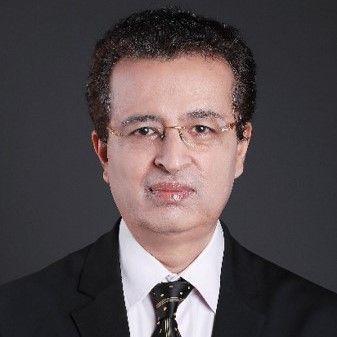
Director
Neurology
New Delhi
30+ Years
Experience
Apolo Delhi
Hospital
1500
Fees
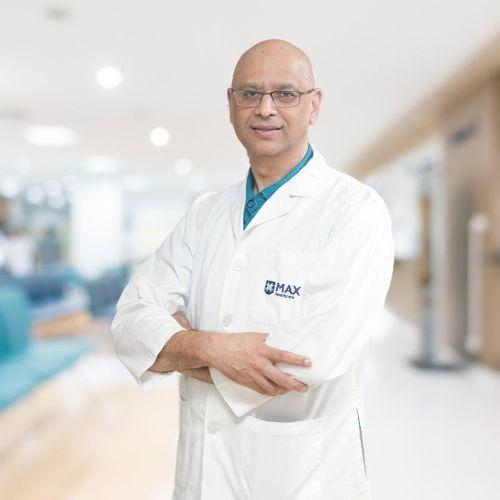
Director - Neuro Sciences
Neurology
New Delhi
18+ Years
Experience
Apolo Delhi
Hospital
1500
Fees
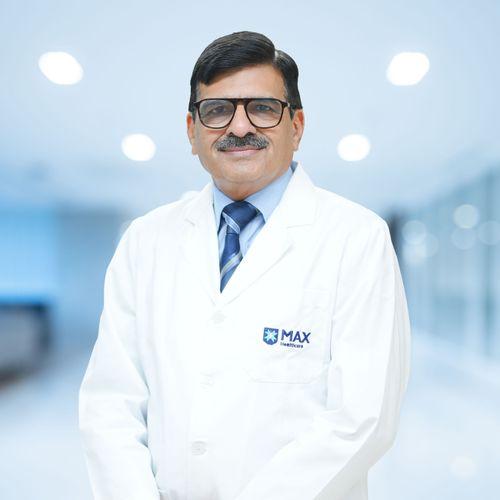
Director
Neurosciences
New Delhi
14+ Years
Experience
Apolo Delhi
Hospital
1500
Fees
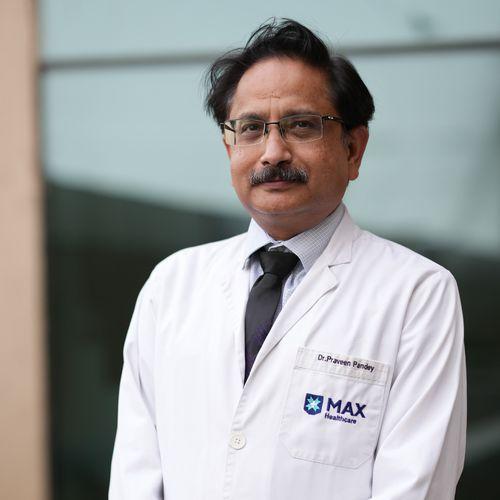
Director
Neuroscience
New Delhi
17+ Years
Experience
Apolo Delhi
Hospital
1500
Fees
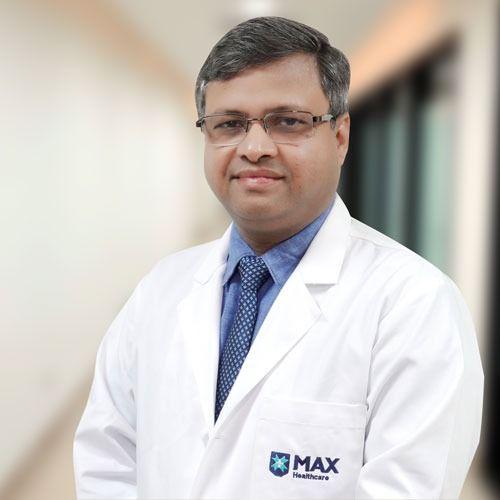
Director
Neurology
New Delhi
20+ Years
Experience
Apolo Delhi
Hospital
1500
Fees
احصل على خيارات علاجية شخصية من أفضل مستشفيات الهند. خبراؤنا الطبيون جاهزون لمساعدتك في كل خطوة.